Pas encore noté
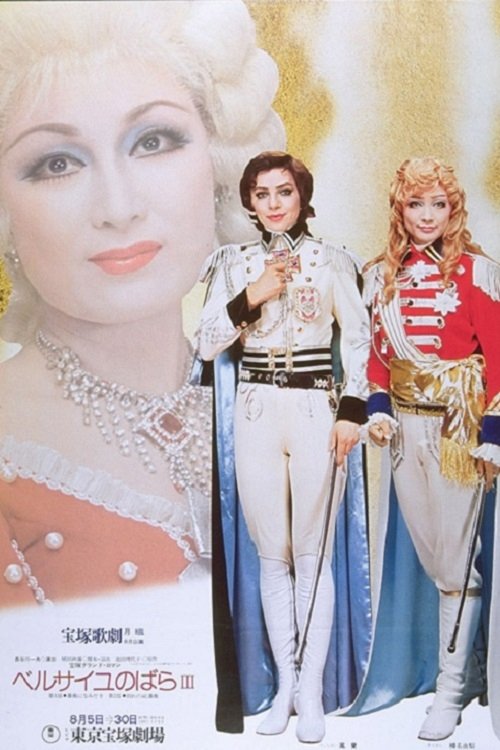
ベルサイユのばら III
1976
Interprétation
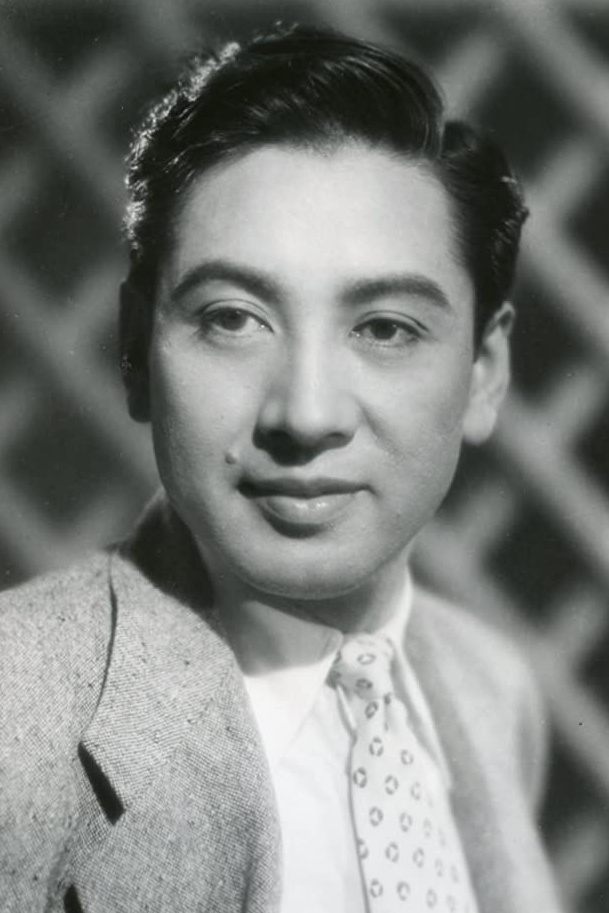
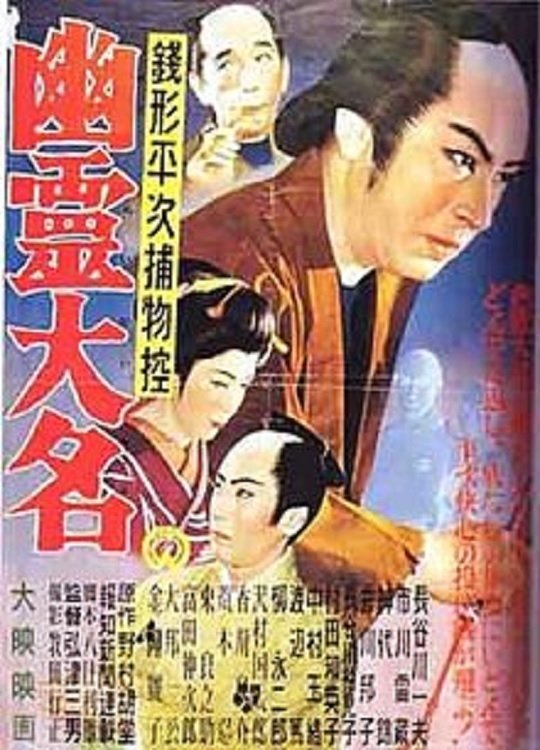
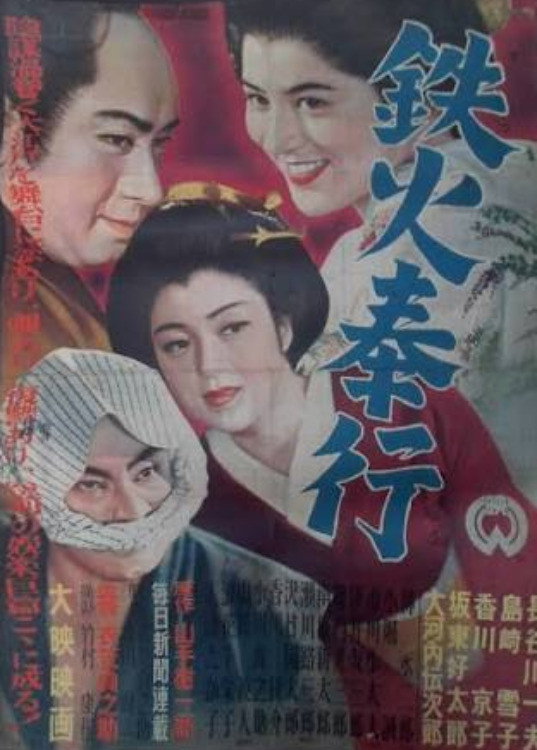
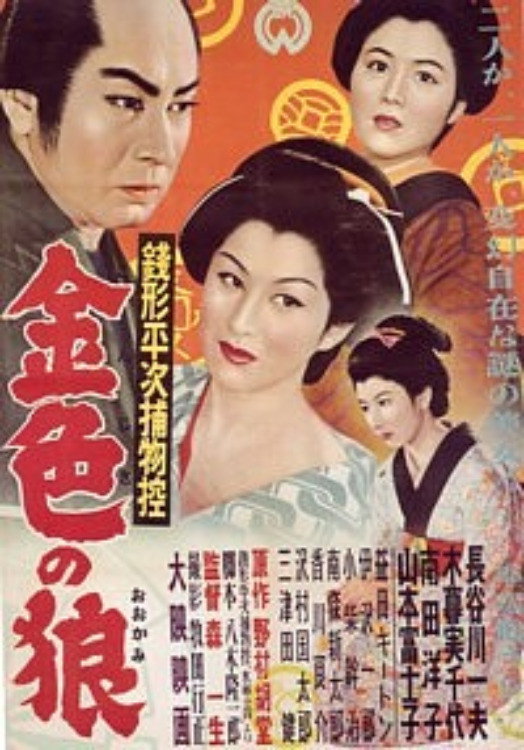
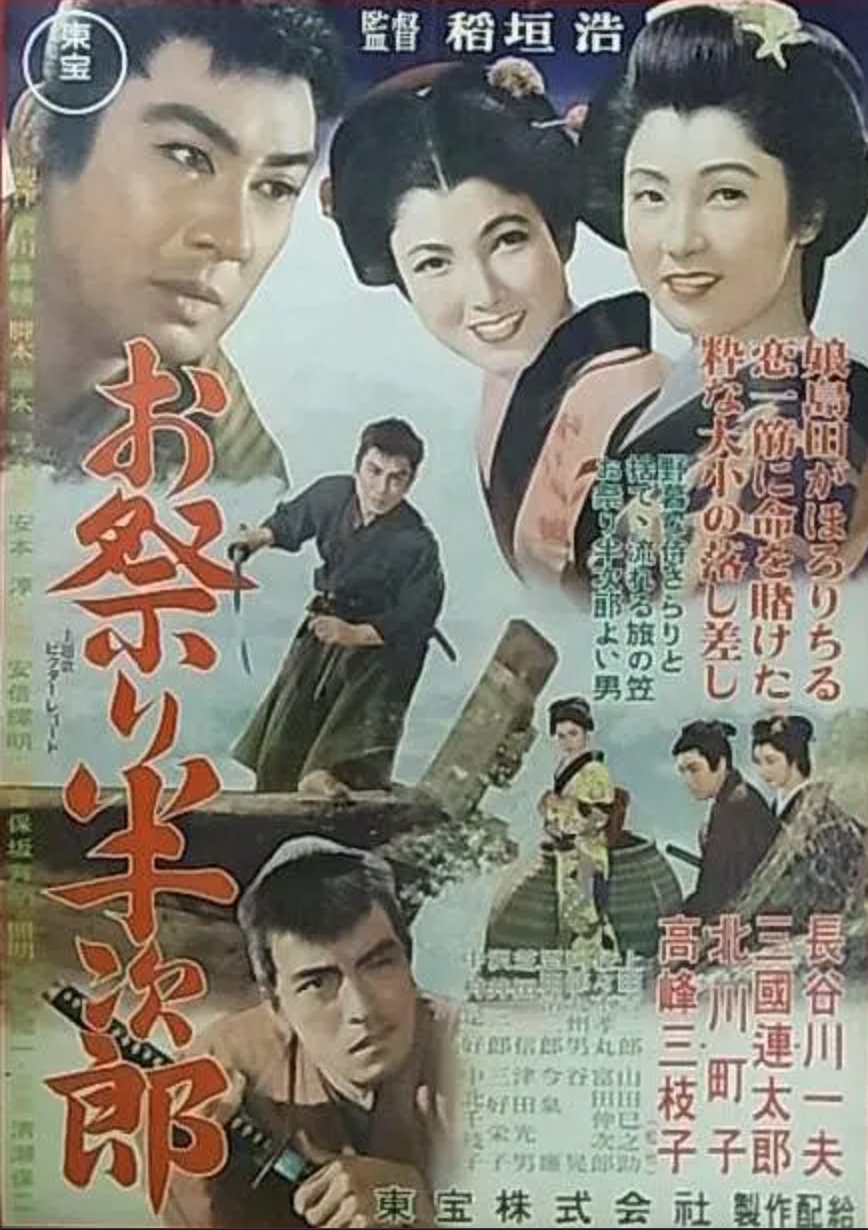
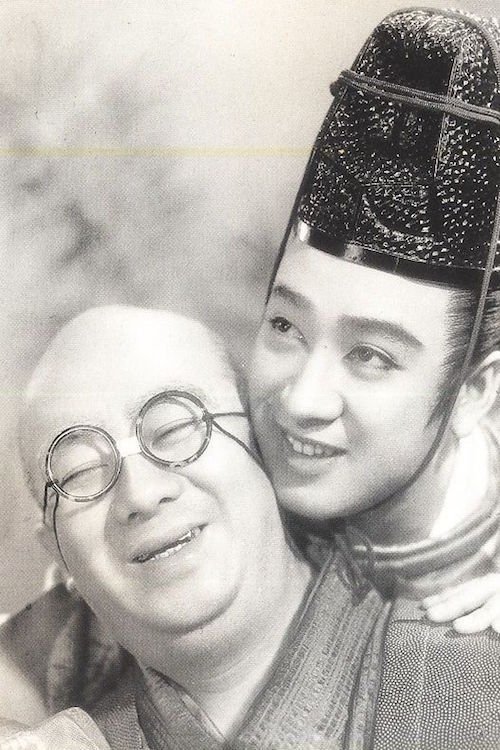
Kazuo Hasegawa was a Japanese film and stage actor. He appeared in over 300 films from 1927 to 1963.
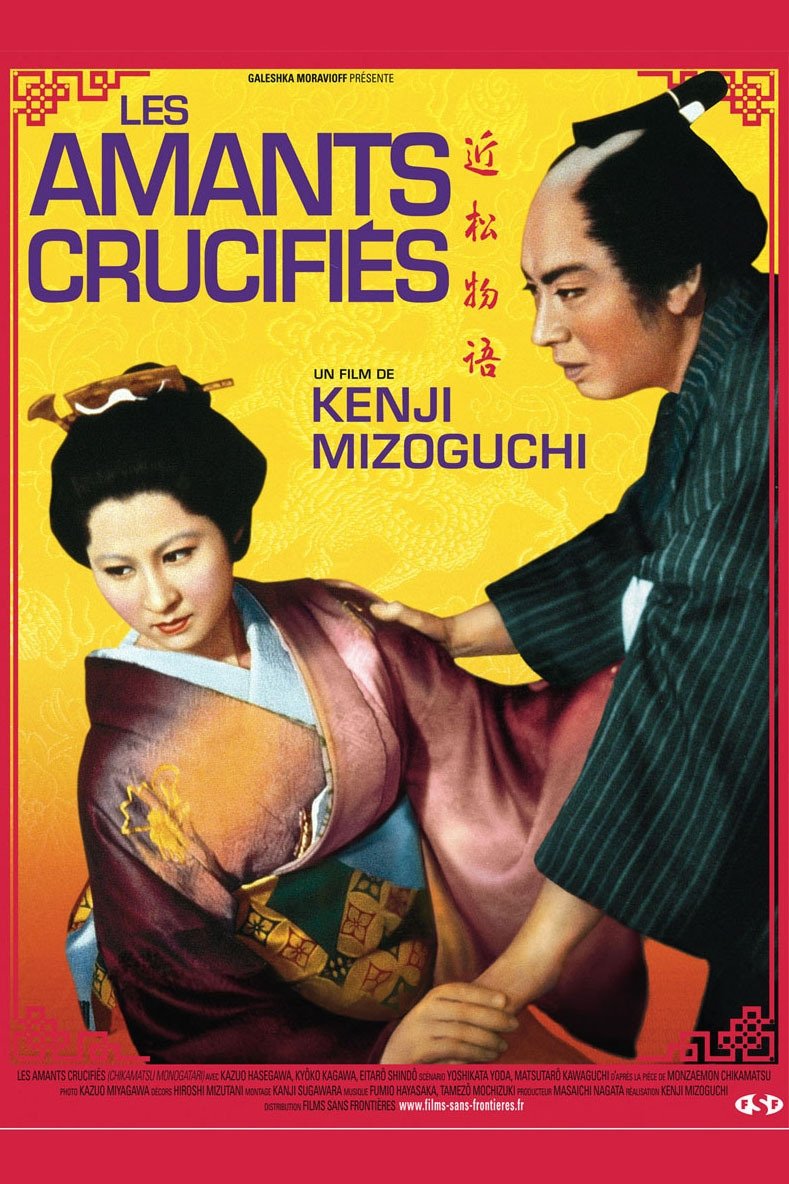
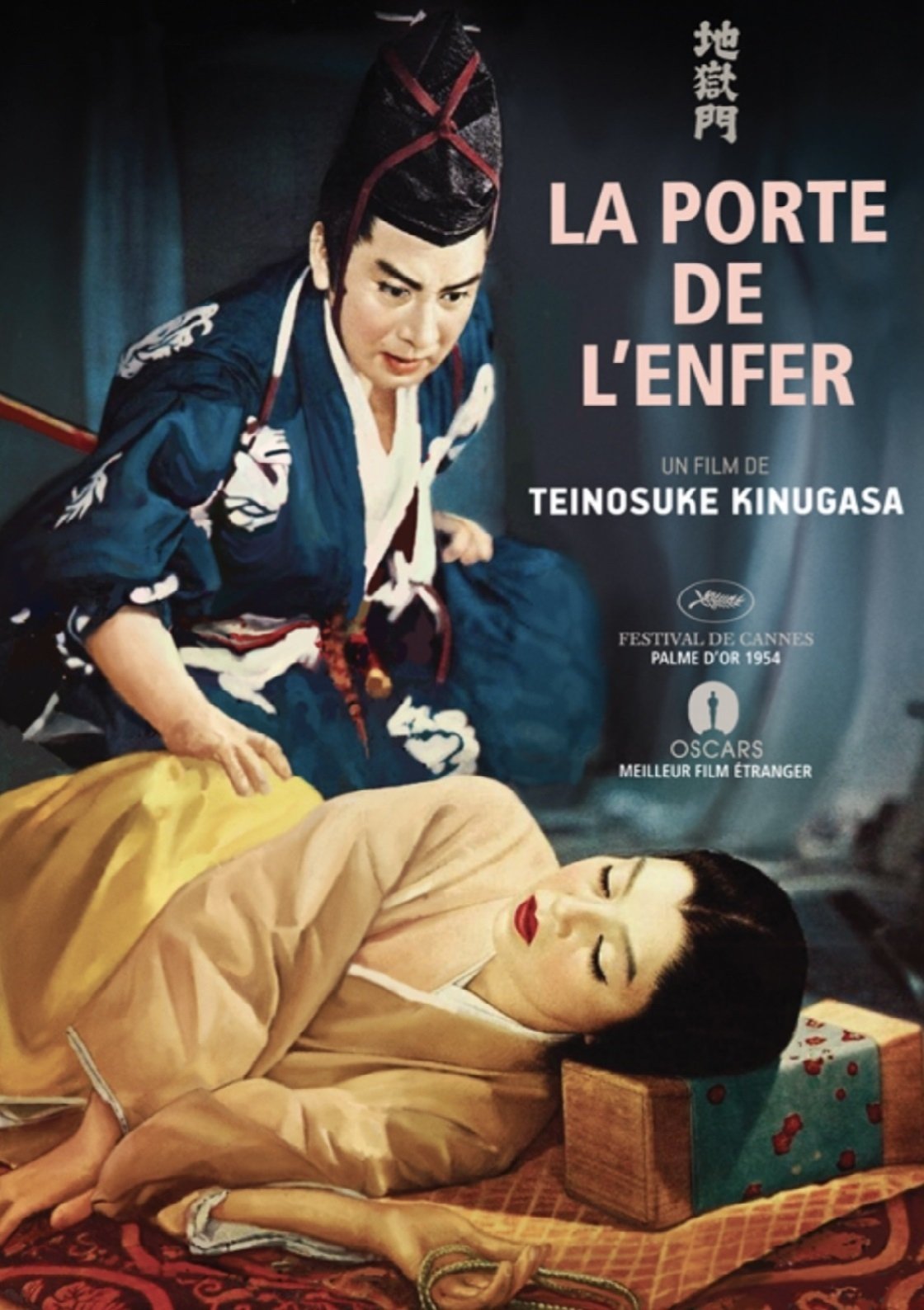
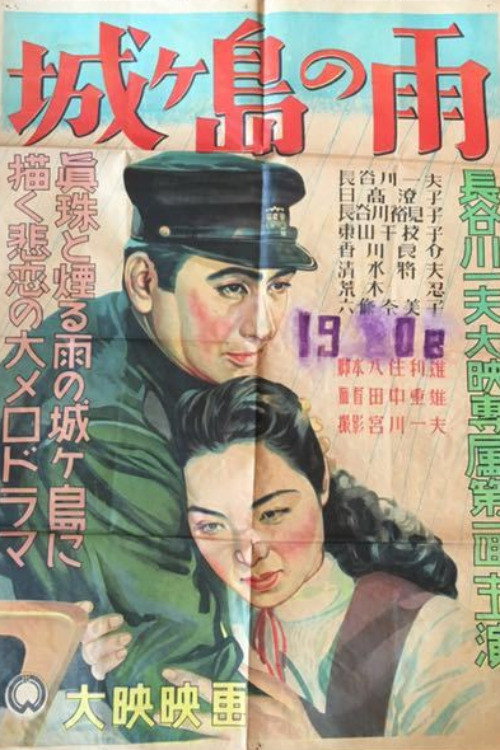
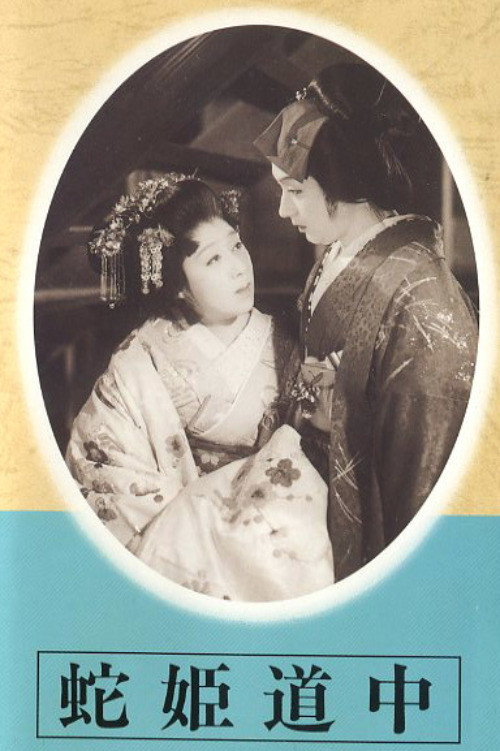
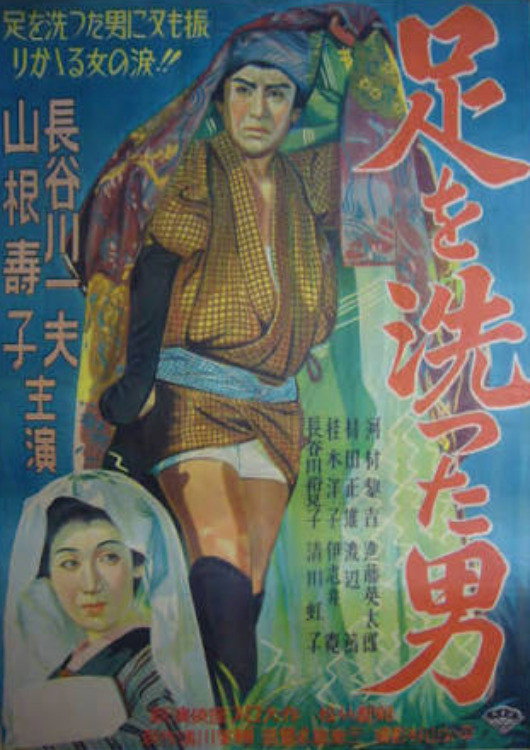
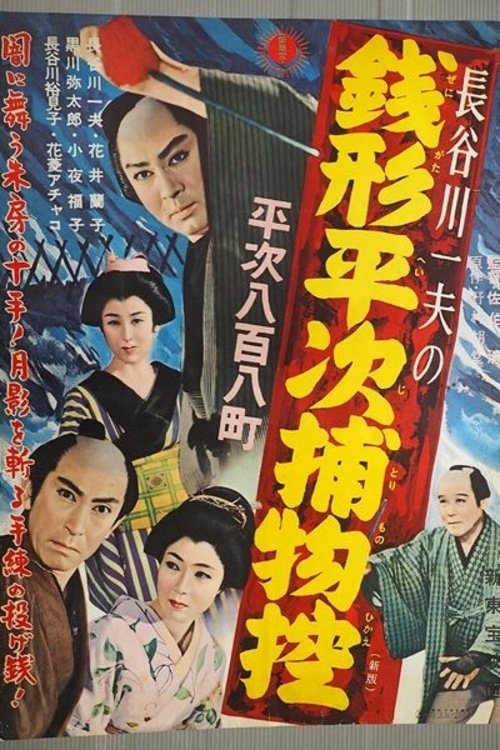
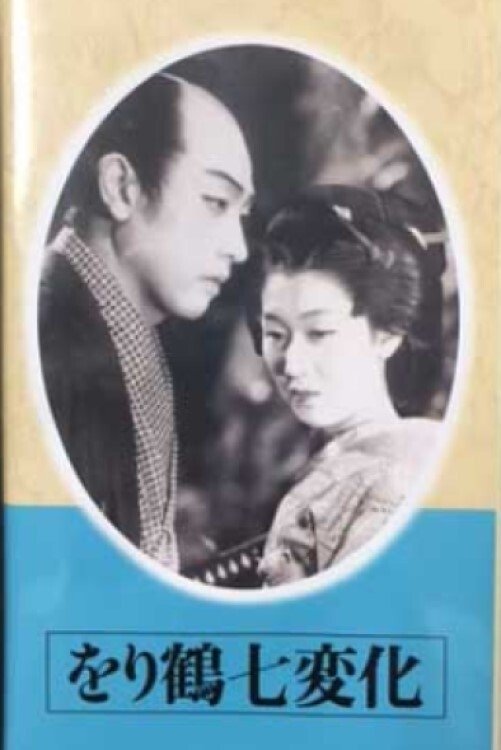
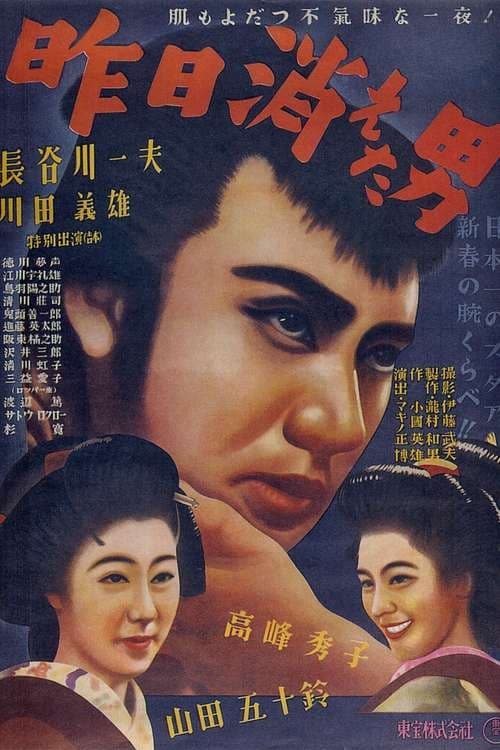
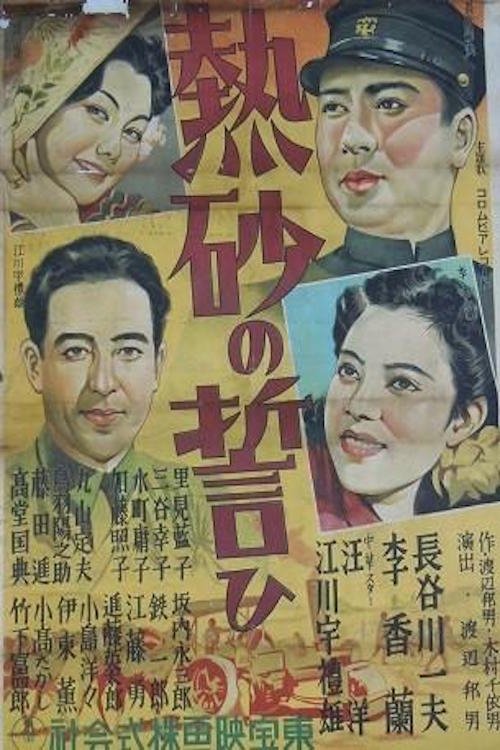
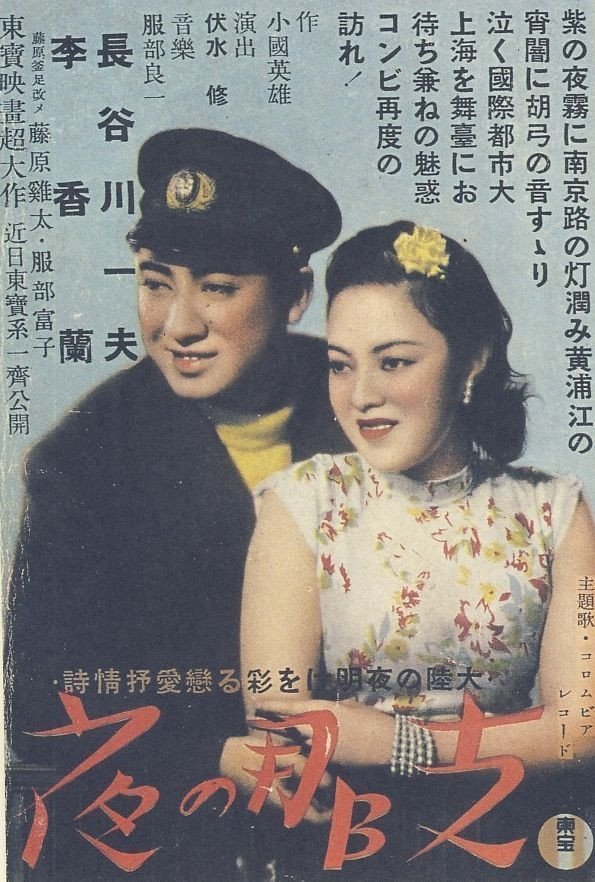
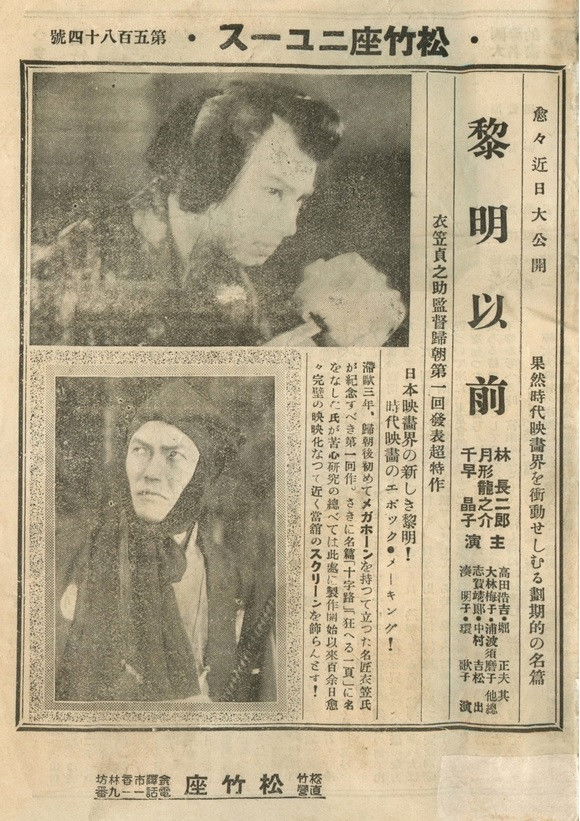
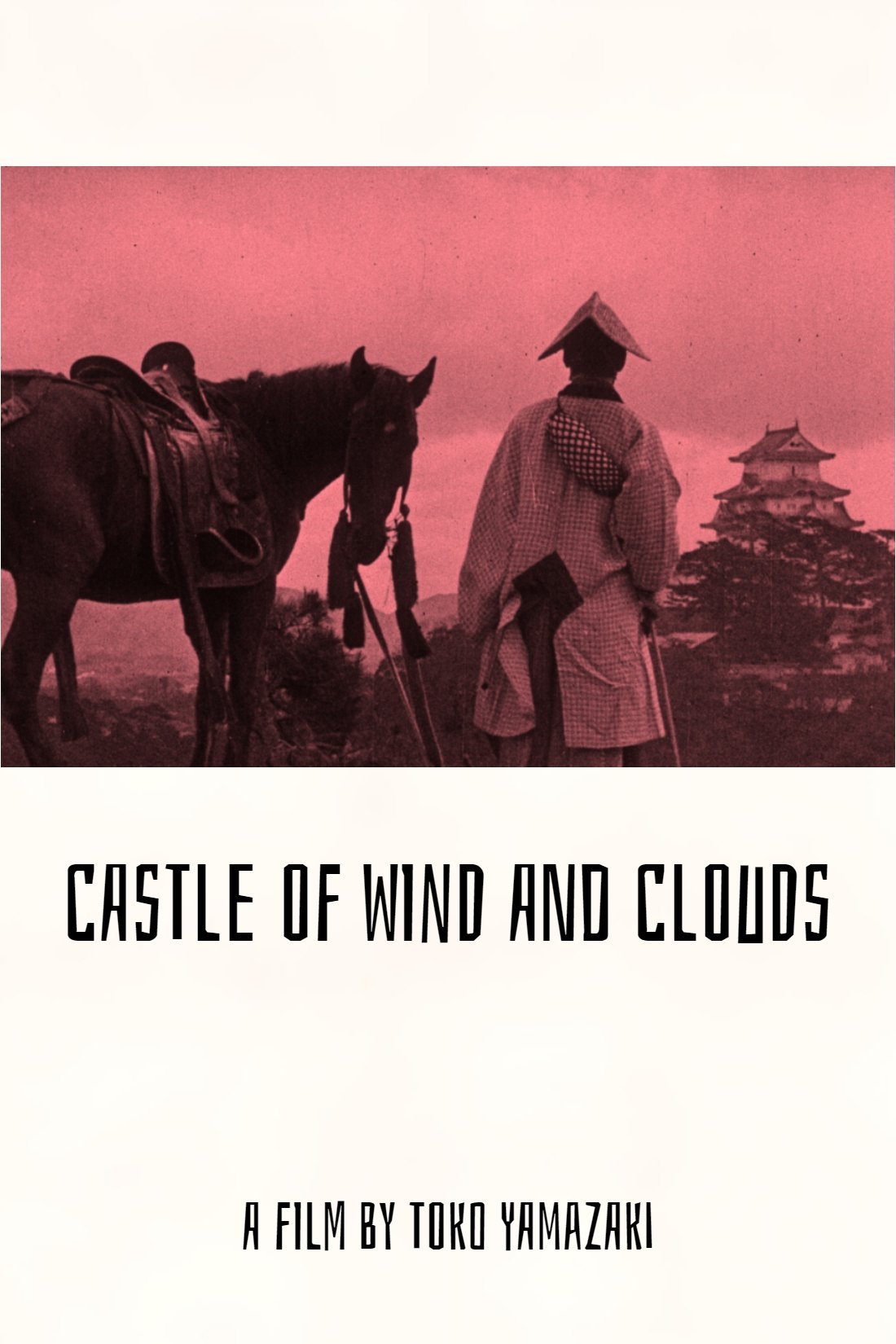
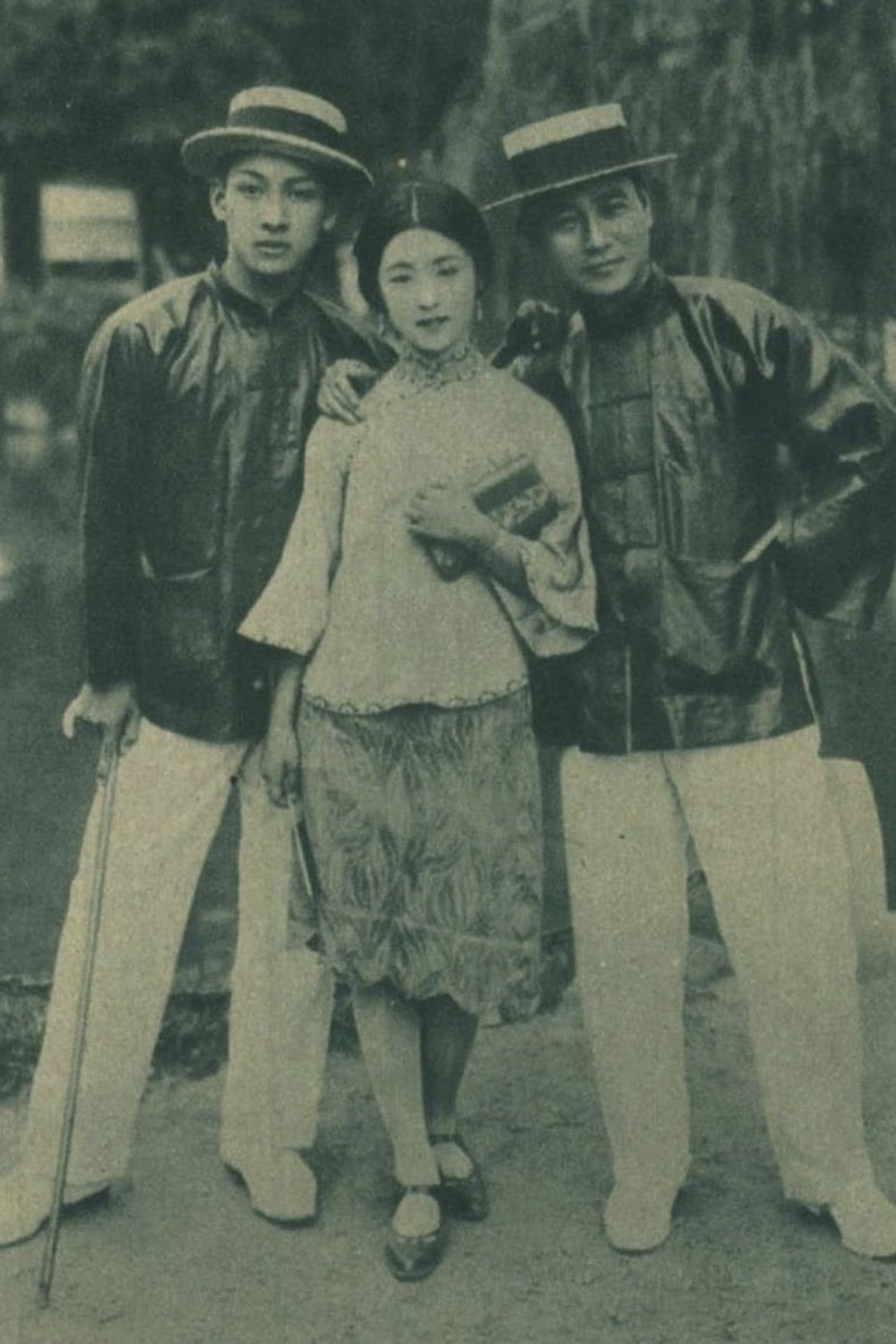
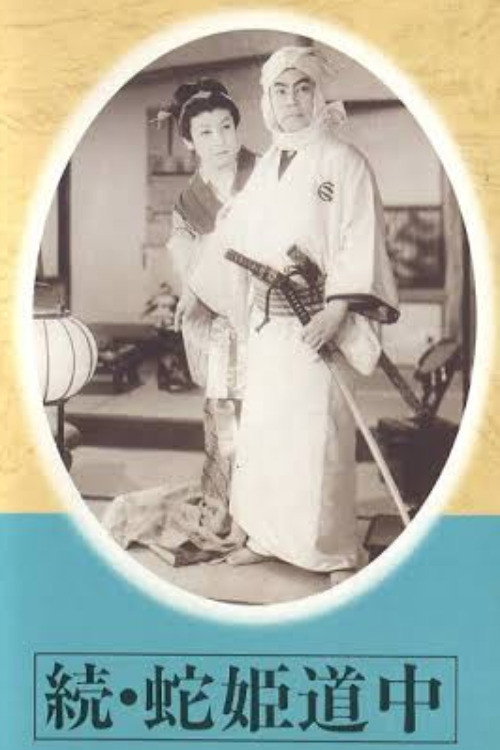
Born to a sake brewing family in Kyoto, he first appeared on stage at age five in a theater run by his family as a side business. In 1918, he became a student of Nakamura Ganjirō I and performed kabuki in the Kansai region. He joined the Shochiku studio in 1927 and made his film debut in Chigo no kenpō under the name Chōjirō Hayashi. His good looks and graceful fighting style made him a major jidaigeki star, and he appeared in more than 120 films for Shochiku in 11 years, with the best works being directed by Teinosuke Kinugasa. He moved to the Toho studio in 1937. On 11 November 1937, however, he was attacked by ruffians and his face slashed with razor blades. According to the historian Daisuke Miyao, "Even though there was no clear evidence, it was widely assumed that this violent incident was Shochiku's retaliatory measure against Hayashi's so-called betrayal." He recovered and changed his stage name to his real name, Kazuo Hasegawa. Hasegawa appeared in many successful films for Toho, including several "national-policy pictures with Chinese settings," such as Song of the White Orchid (1939) and China Night (1940), with co-star Ri Koran. He moved to Daiei Film in 1950 and continued appearing in the popular Zenigata Heiji series. He also appeared in many classic films including Kozaburo Yoshimura's The Tale of Genji (1951), Kinugasa's Gate of Hell (1953), and Kenji Mizoguchi's The Crucified Lovers (1954). He was appointed to Daiei's board of directors in 1957. To celebrate his 300th film, Hasegawa appeared in a new version of Yukinojō henge (known abroad as An Actor's Revenge) in 1963, directed by Kon Ichikawa. He left Daiei that year and continued to appear on stage and television, including starring in the second NHK Taiga drama Akō Rōshi in 1964. He also directed the Takarazuka Revue version of The Rose of Versailles in 1974.
1976
Réalisation

1976
Réalisation

1963
Interprétation

En 1836, lors d'une representation theatrale a Tokyo, l'acteur vedette d'une troupe de Kabuki reconnait parmi les spectateurs les trois meurtriers de ses parents. Il va utiliser l'amour que lui voue une des filles des criminels pour assouvir sa vengeance.
1963
Yukinojo Nakamura / Yamitaro the Thief
1962
Interprétation
1962
Interprétation
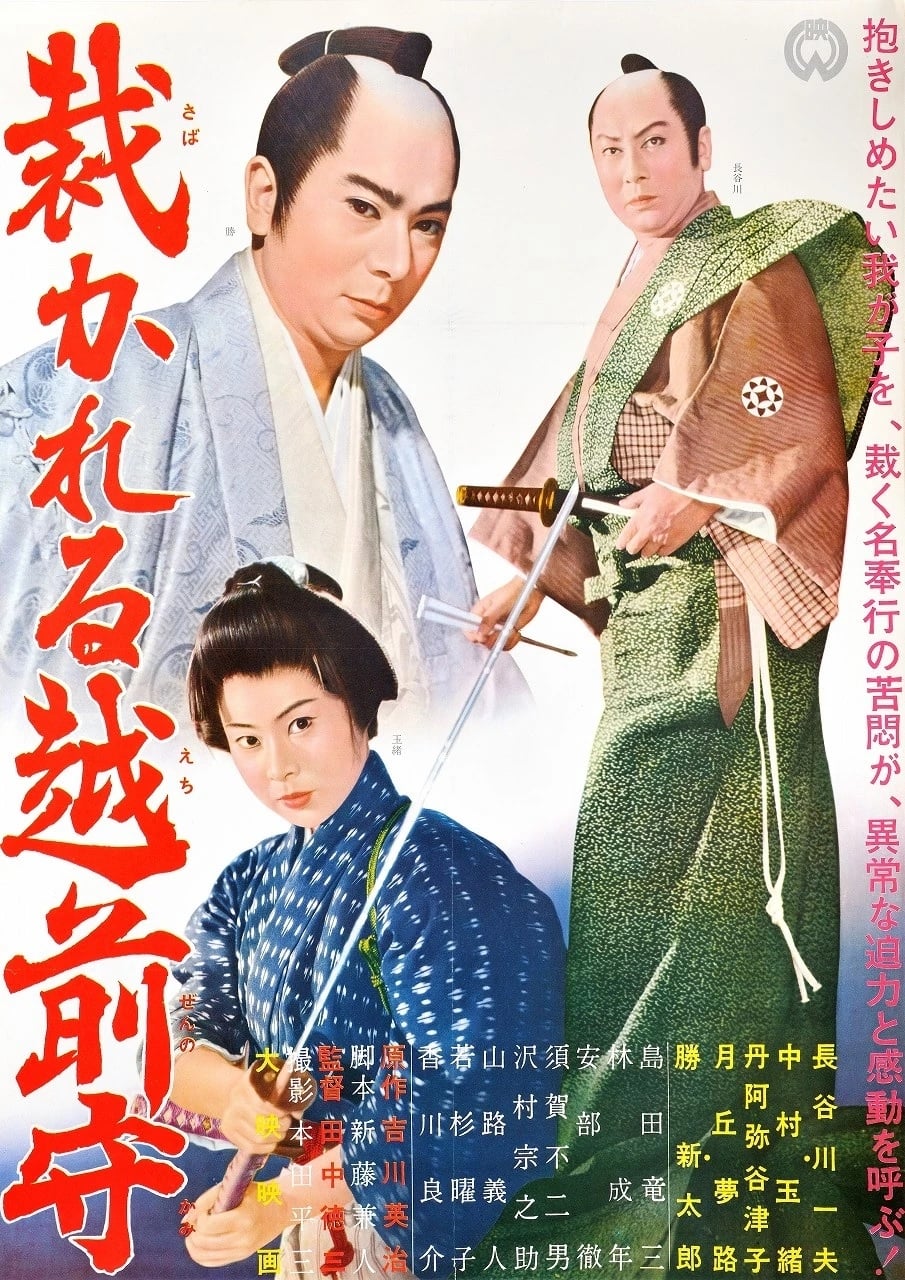
1962
Interprétation

1961
Interprétation

1961
Interprétation
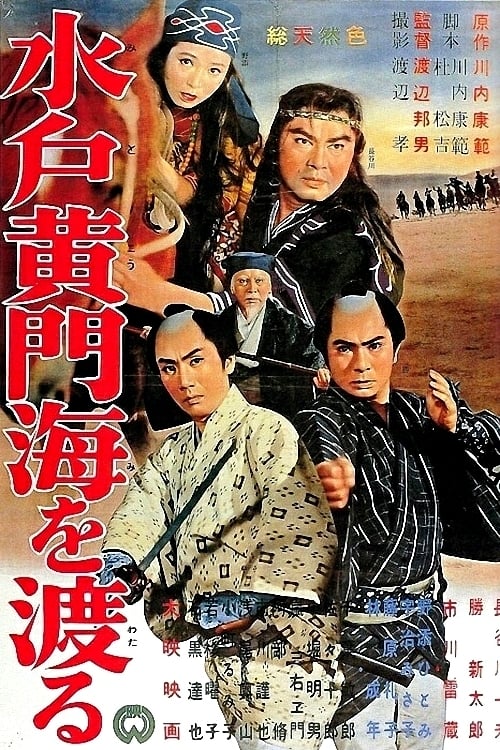
1961
Mito Komon

1961
Interprétation
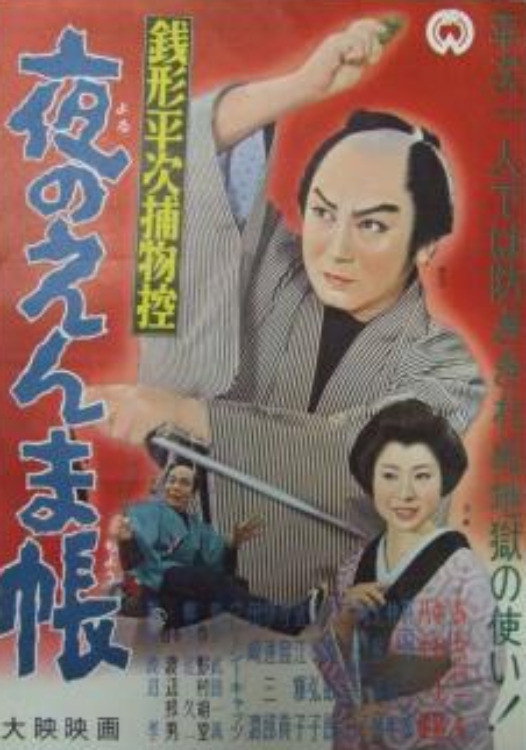
1961
Zenigata Heiji
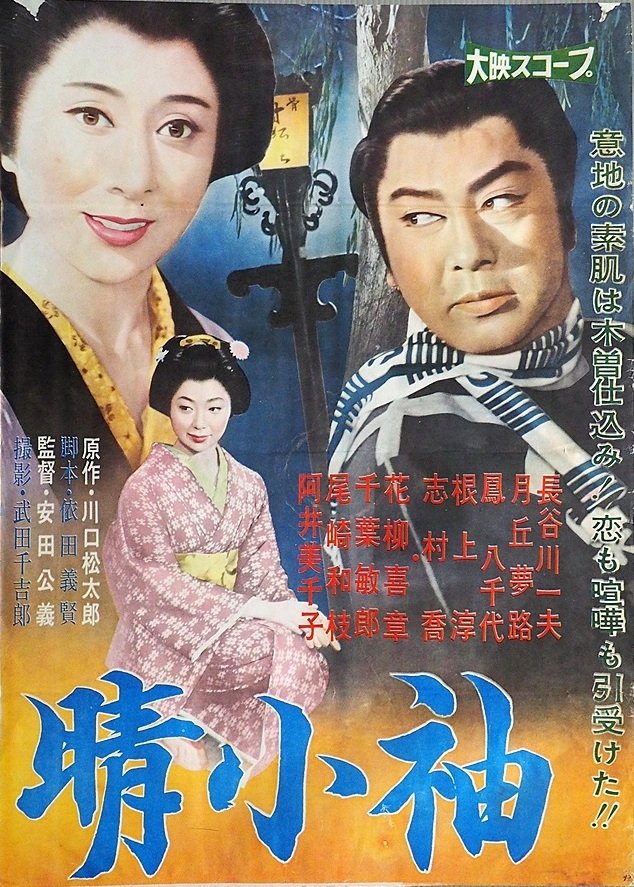
1961
Interprétation

1960
Interprétation
1960
Interprétation

1960
Interprétation
1960
Interprétation
1960
Chouemon Takakura
1960
Ryūtarō Tsumura

1960
Interprétation
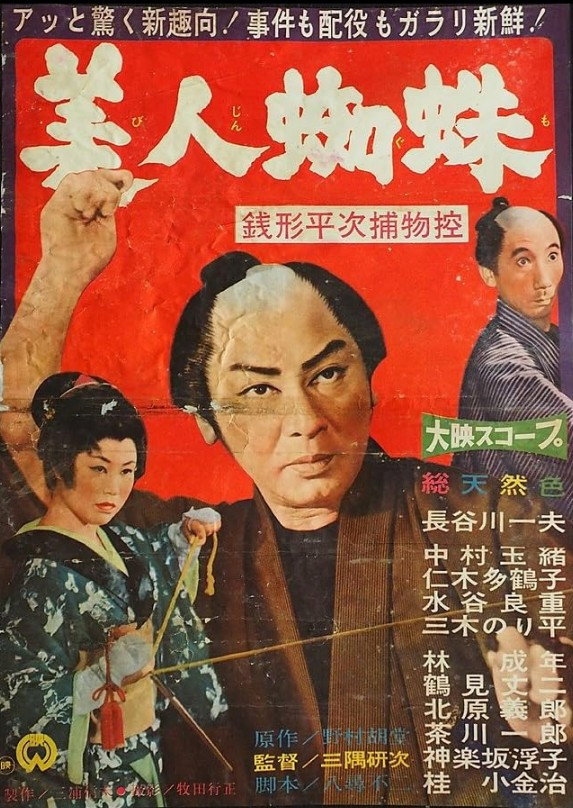
1960
Zenigata Heiji
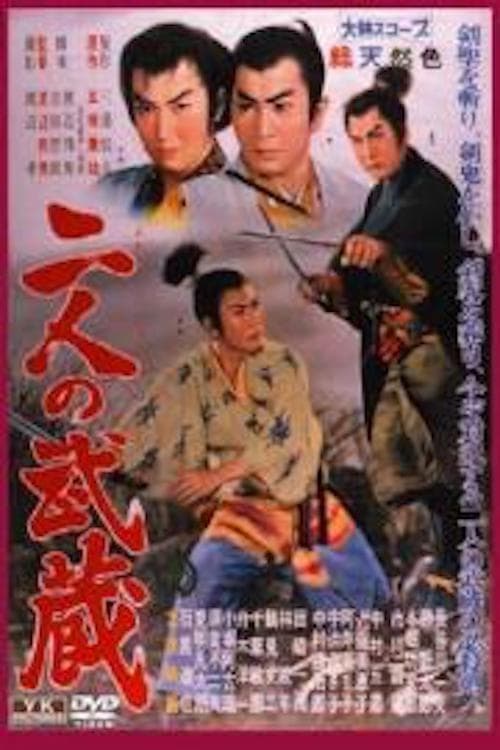
1960
Interprétation

1959
Interprétation
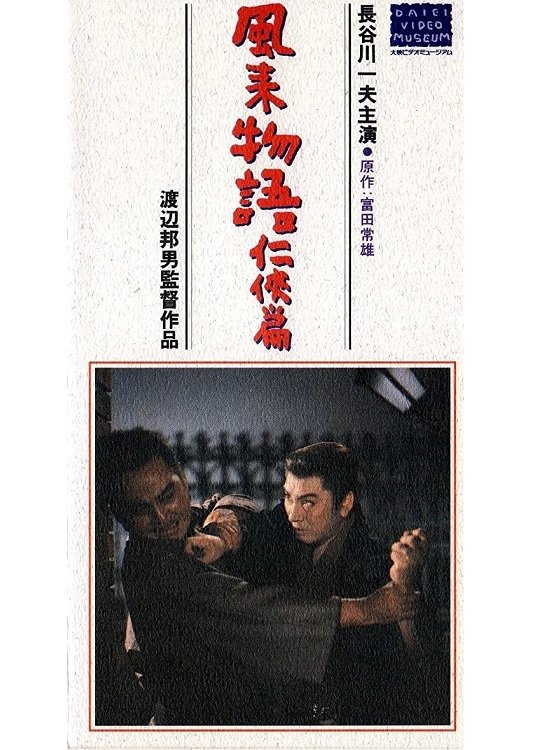
1959
Interprétation
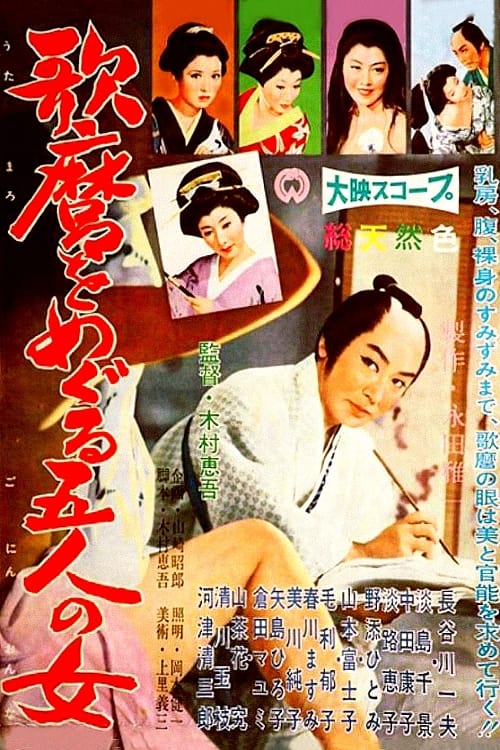
1959
Kitagawa Utamaro
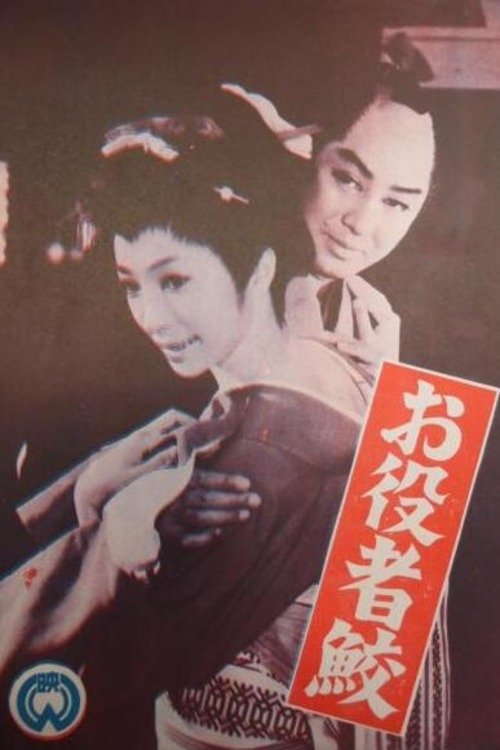
1959
Interprétation
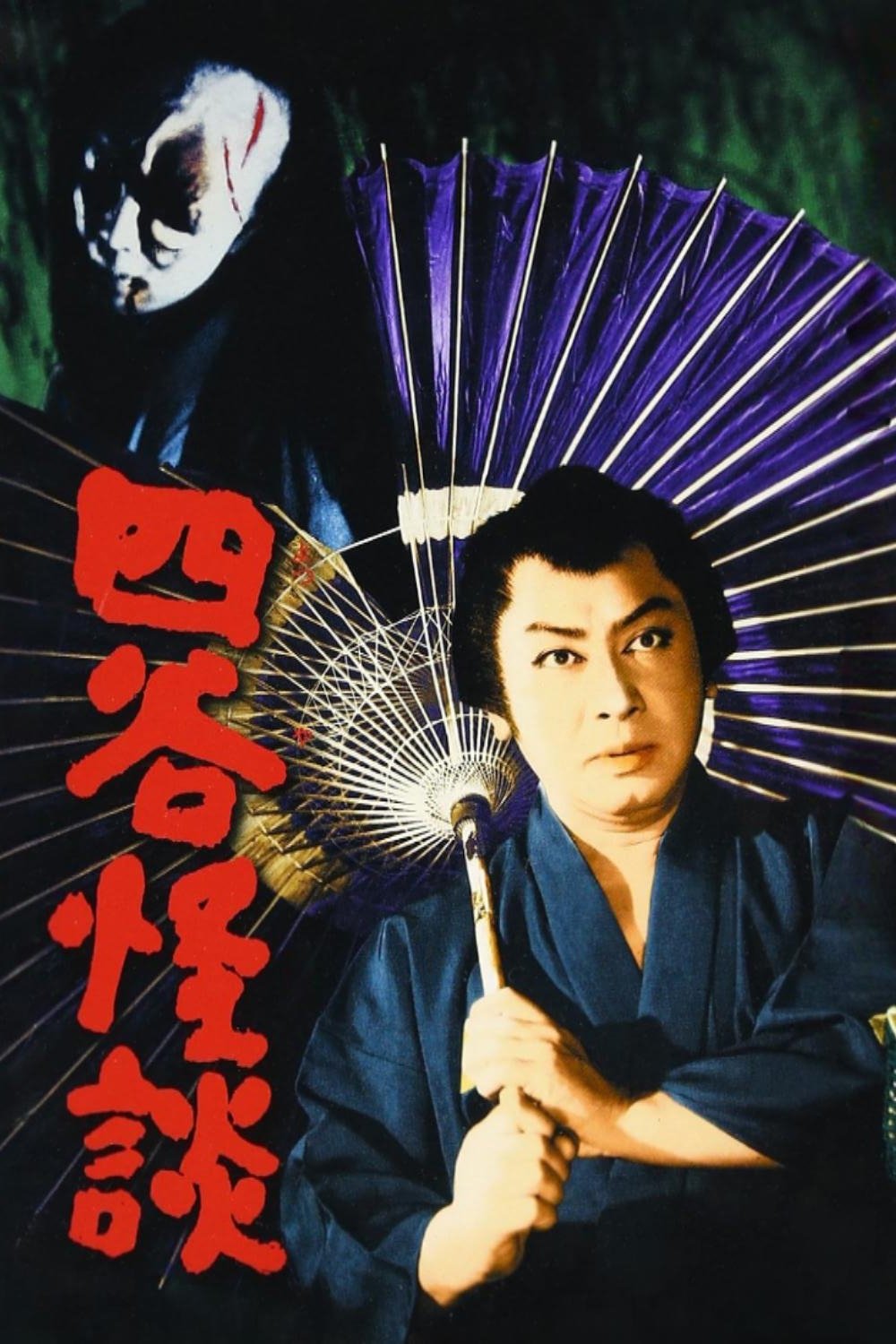
Le fantôme de la femme d'un samouraï se venge de son mari.
1959
Iemon Tamiya
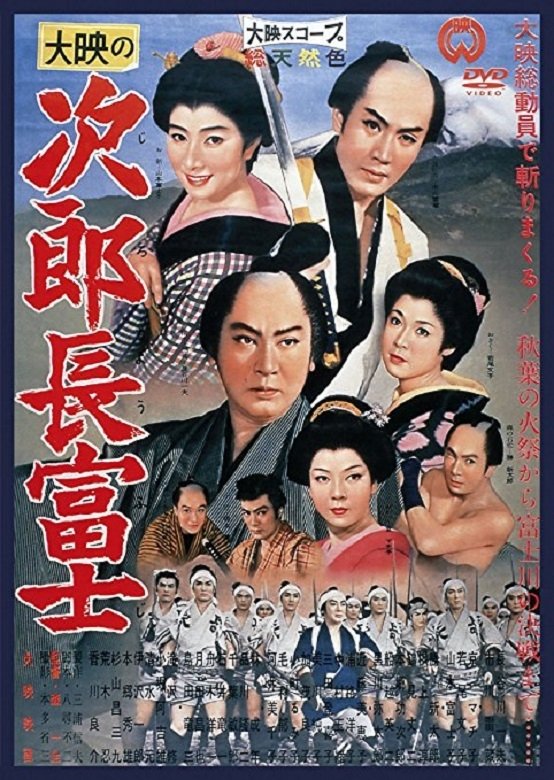
1959
Shimizu no Jirocho
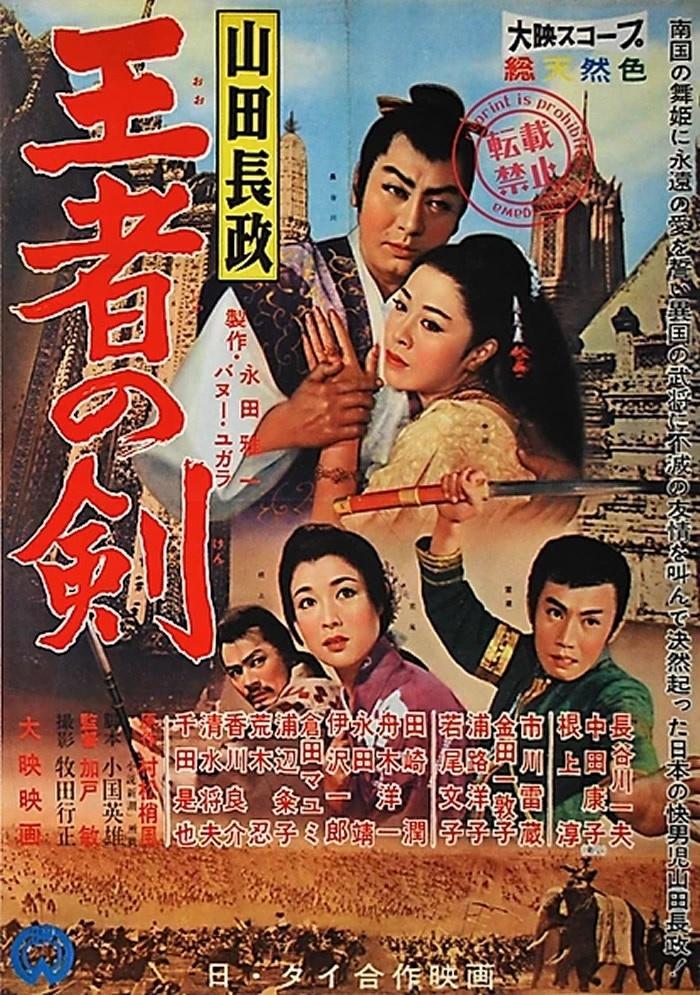
1959
Interprétation
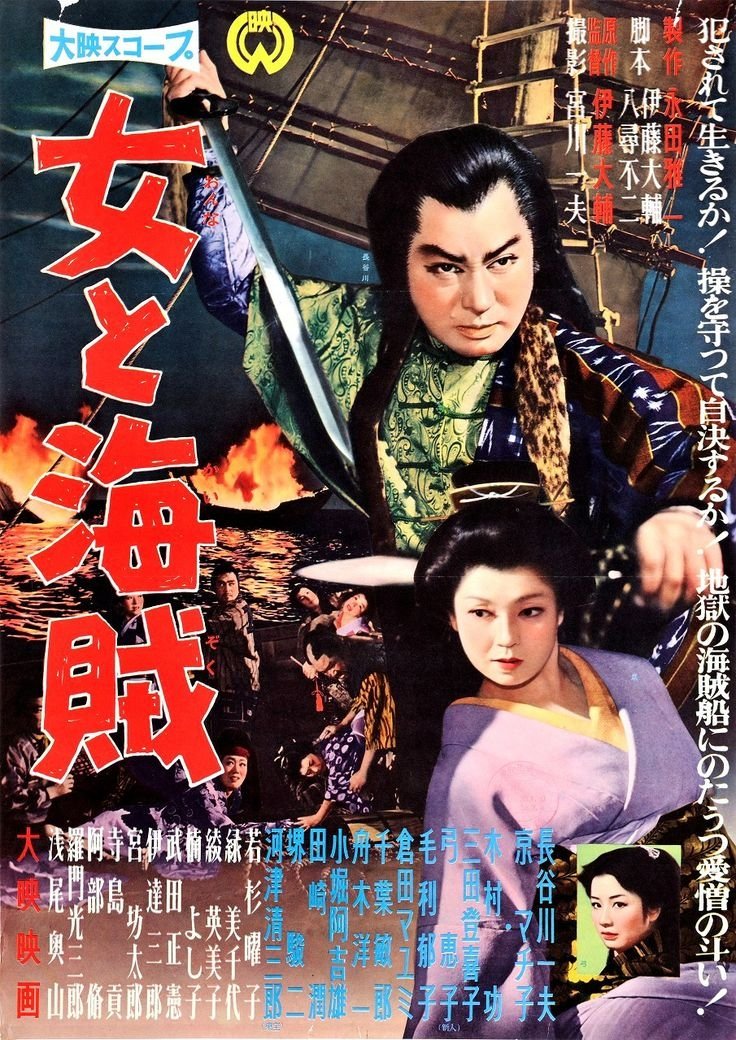
1959
御崎庄五郎
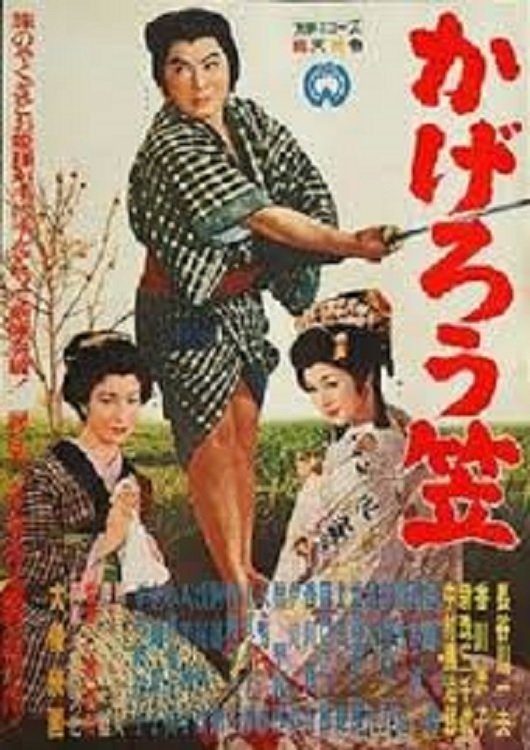
1959
Yatarô
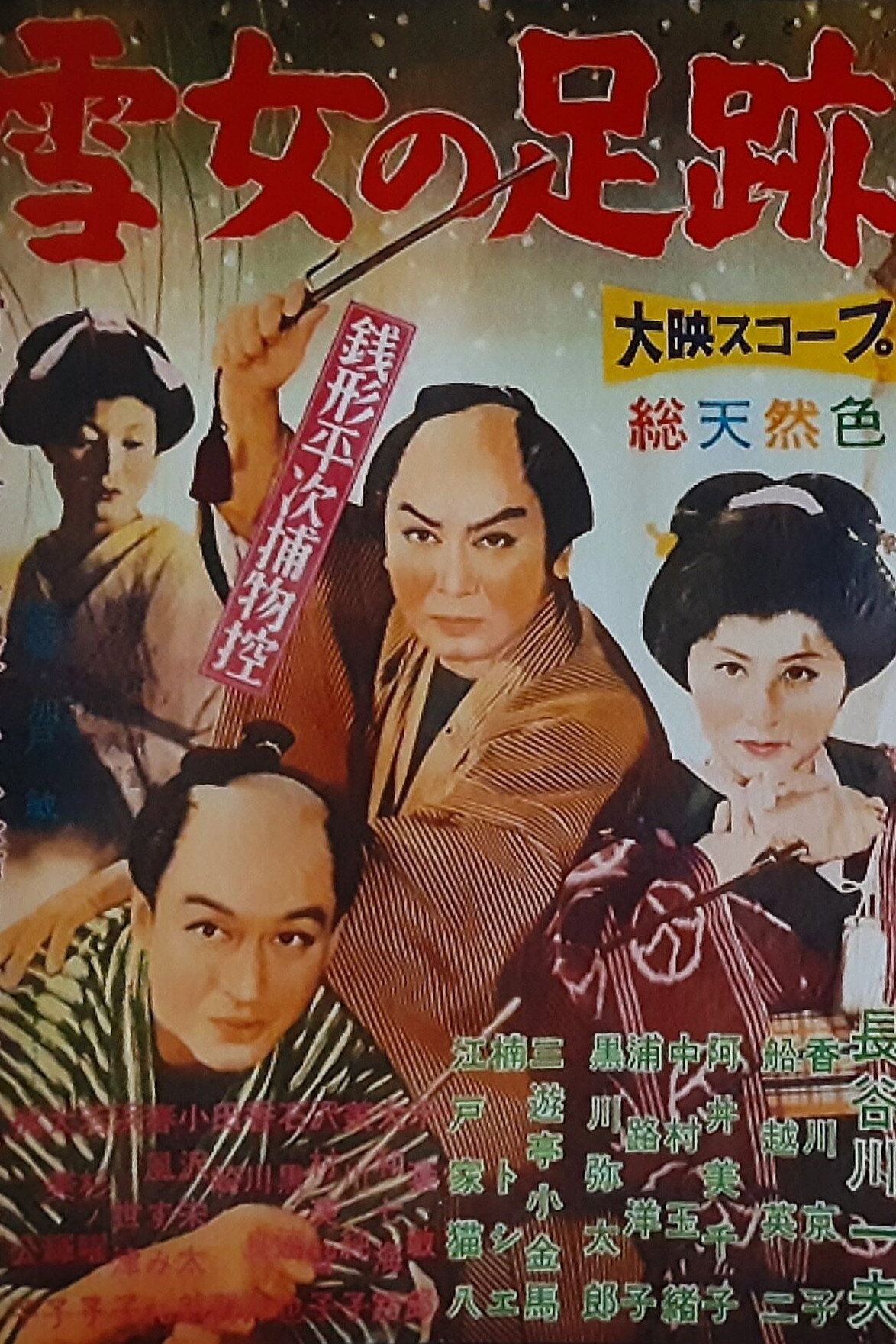
1958
Interprétation
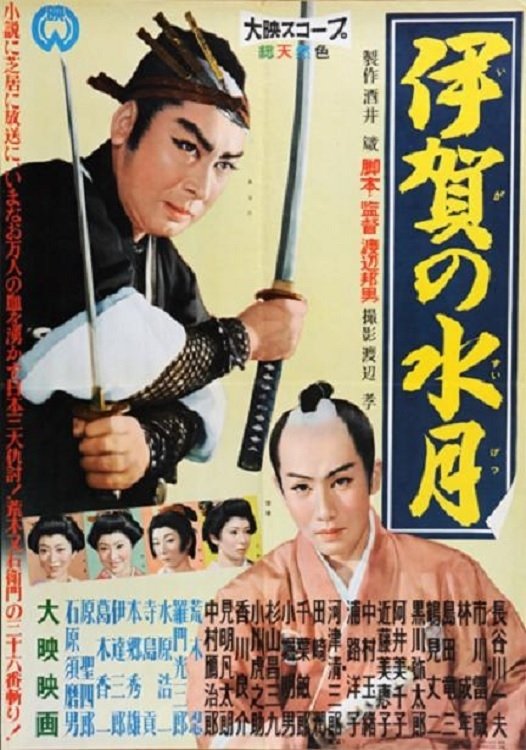
1958
Araki Mataemon
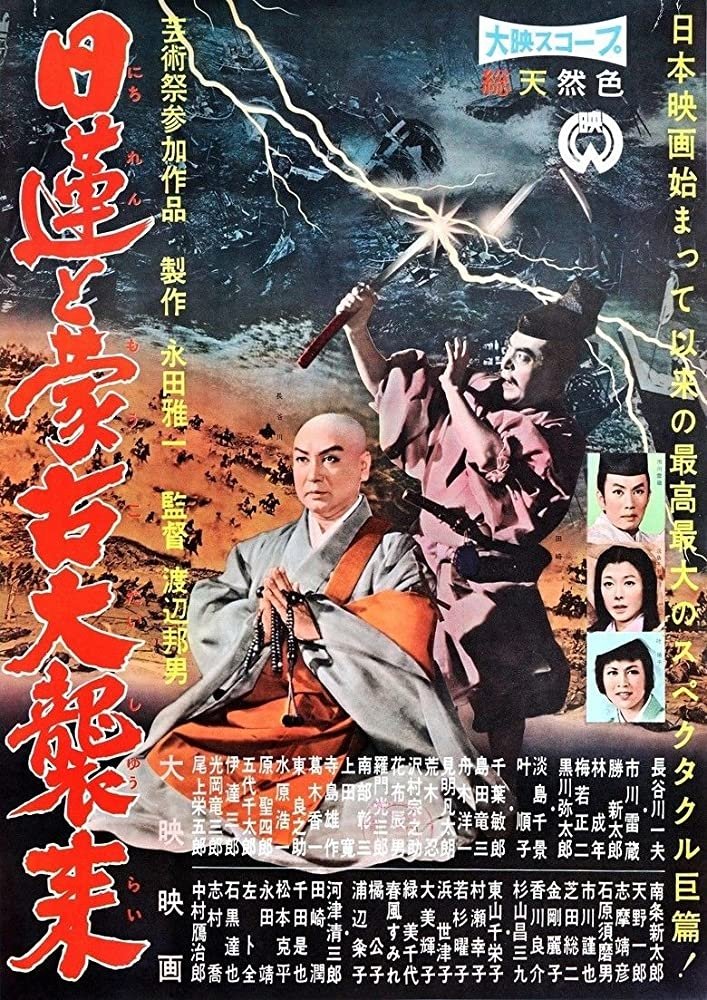
1958
Nichiren

1958
Interprétation
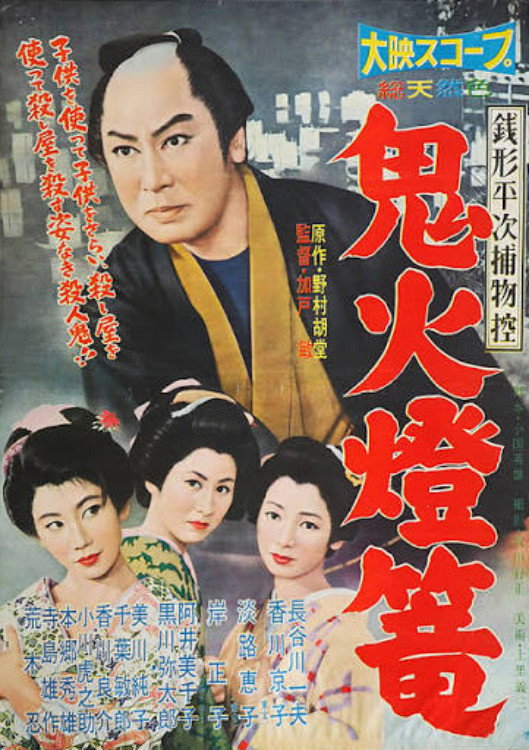
1958
Interprétation
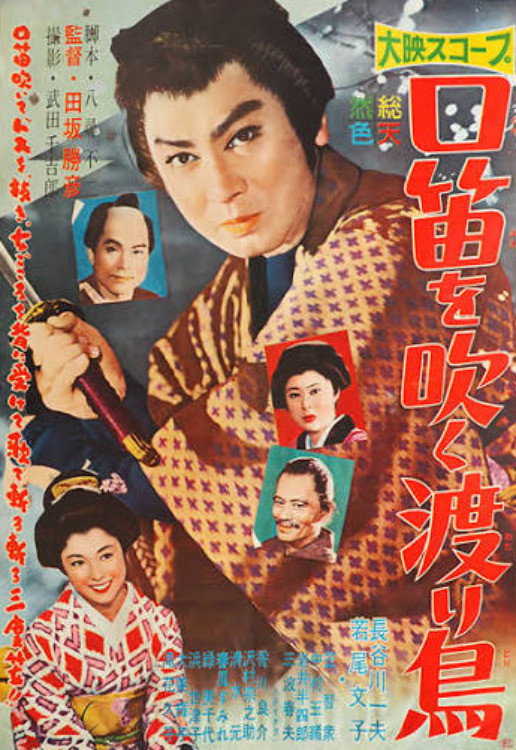
1958
Interprétation
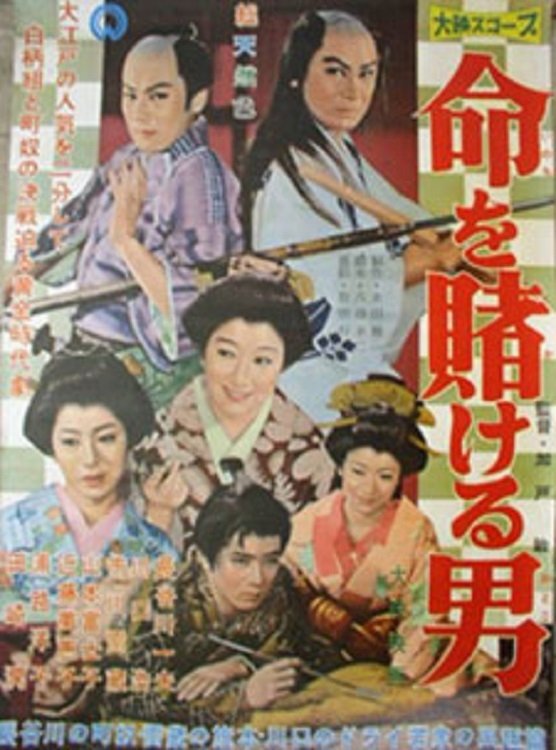
1958
Interprétation
1958
Interprétation
1958
Interprétation
1958
Interprétation

1957
Interprétation
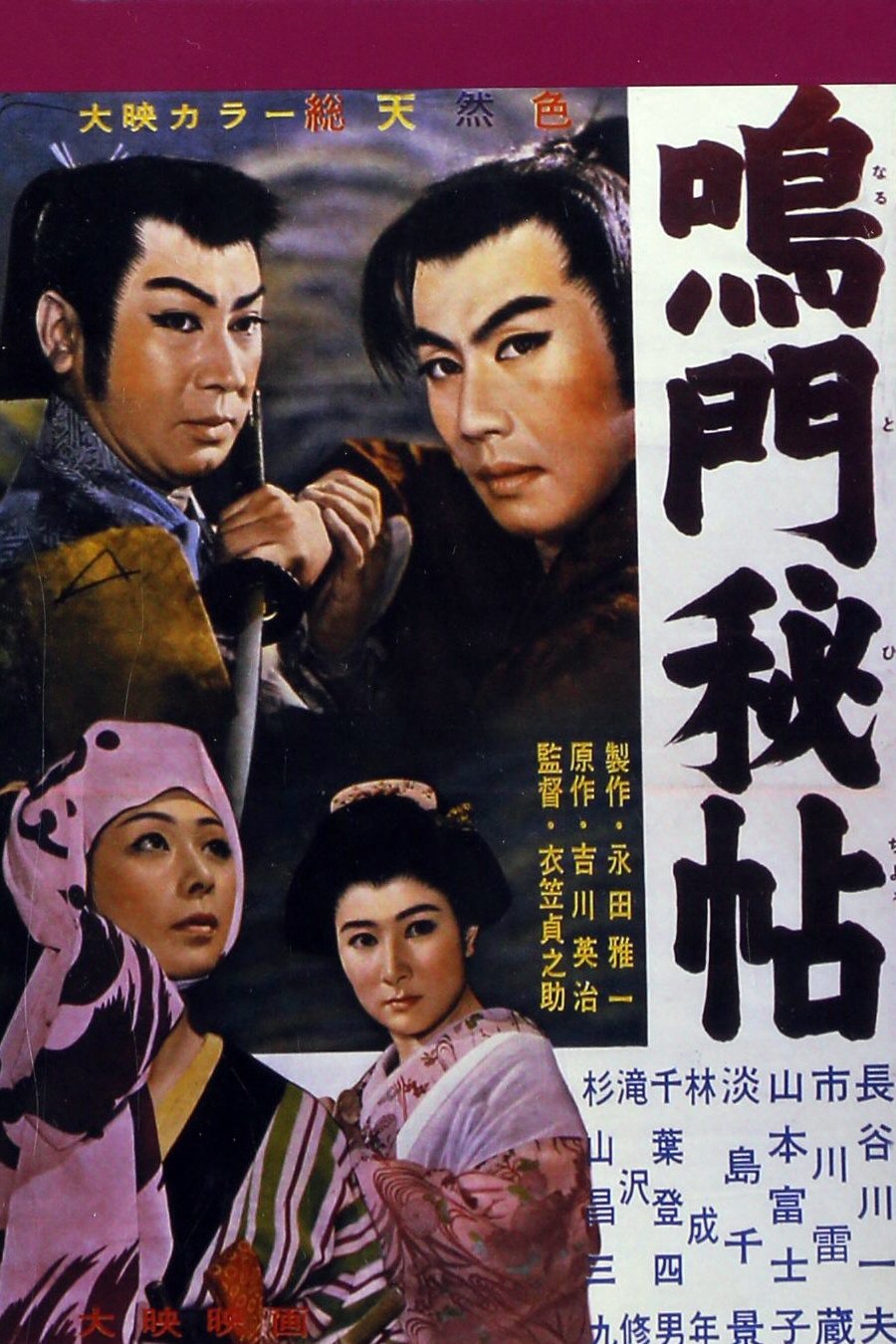
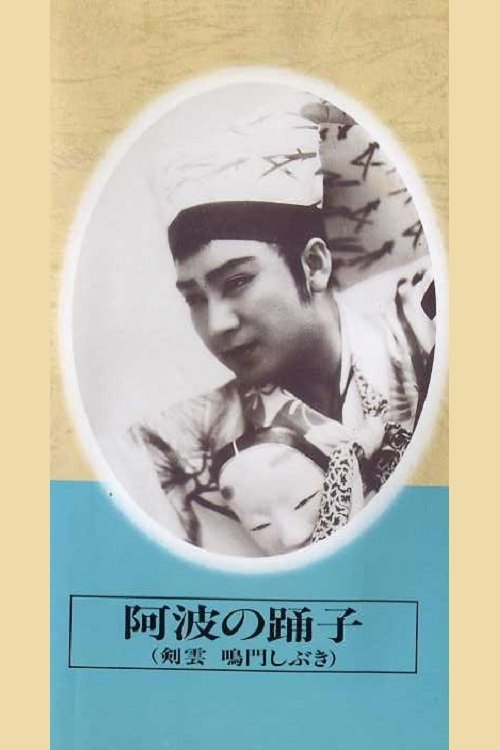
Le détroit de Naruto sépare Tokushima dans les îles de Honshu et Awaji. Sur Tokushima les rêves fous de seigneur de conquête conduisent à une révolte sanglante contre le shogunat Tokugawa. Un épéiste mystérieux nommé Noriyuki Gennojo a traversé les eaux de Naruto pour découvrir les secrets du clan Awa.
1957
Interprétation
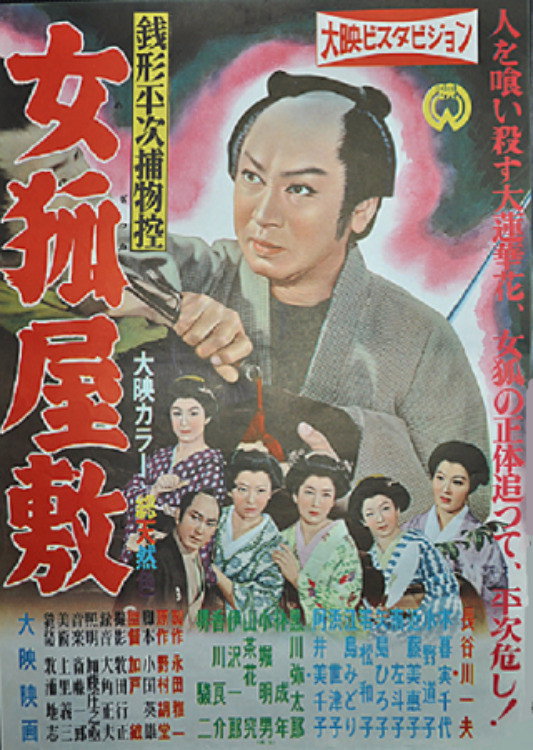
1957
Interprétation
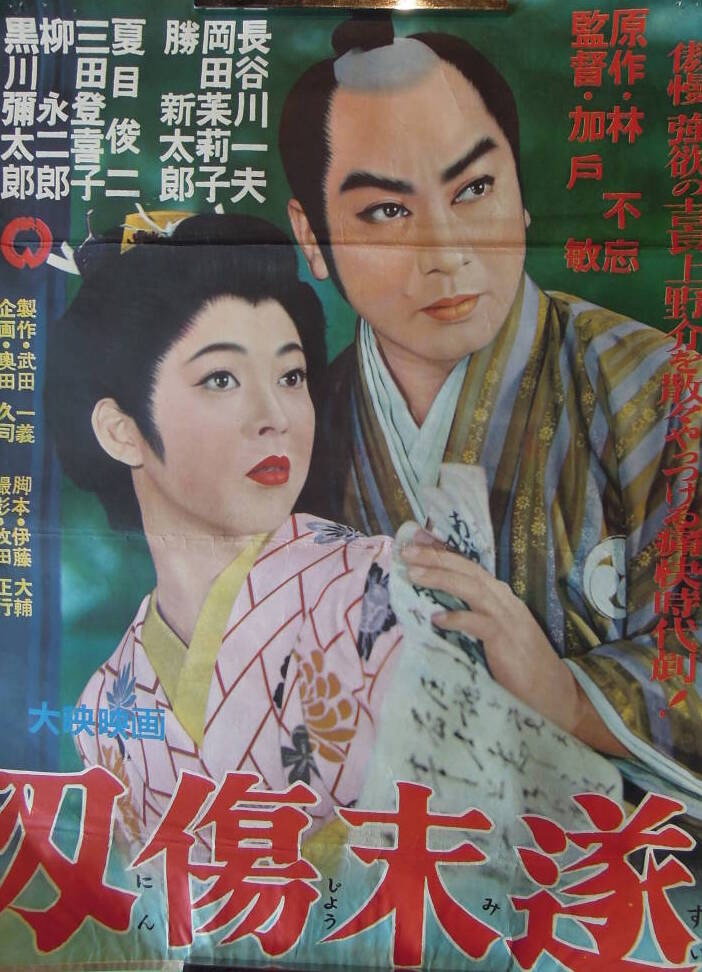
1957
Interprétation
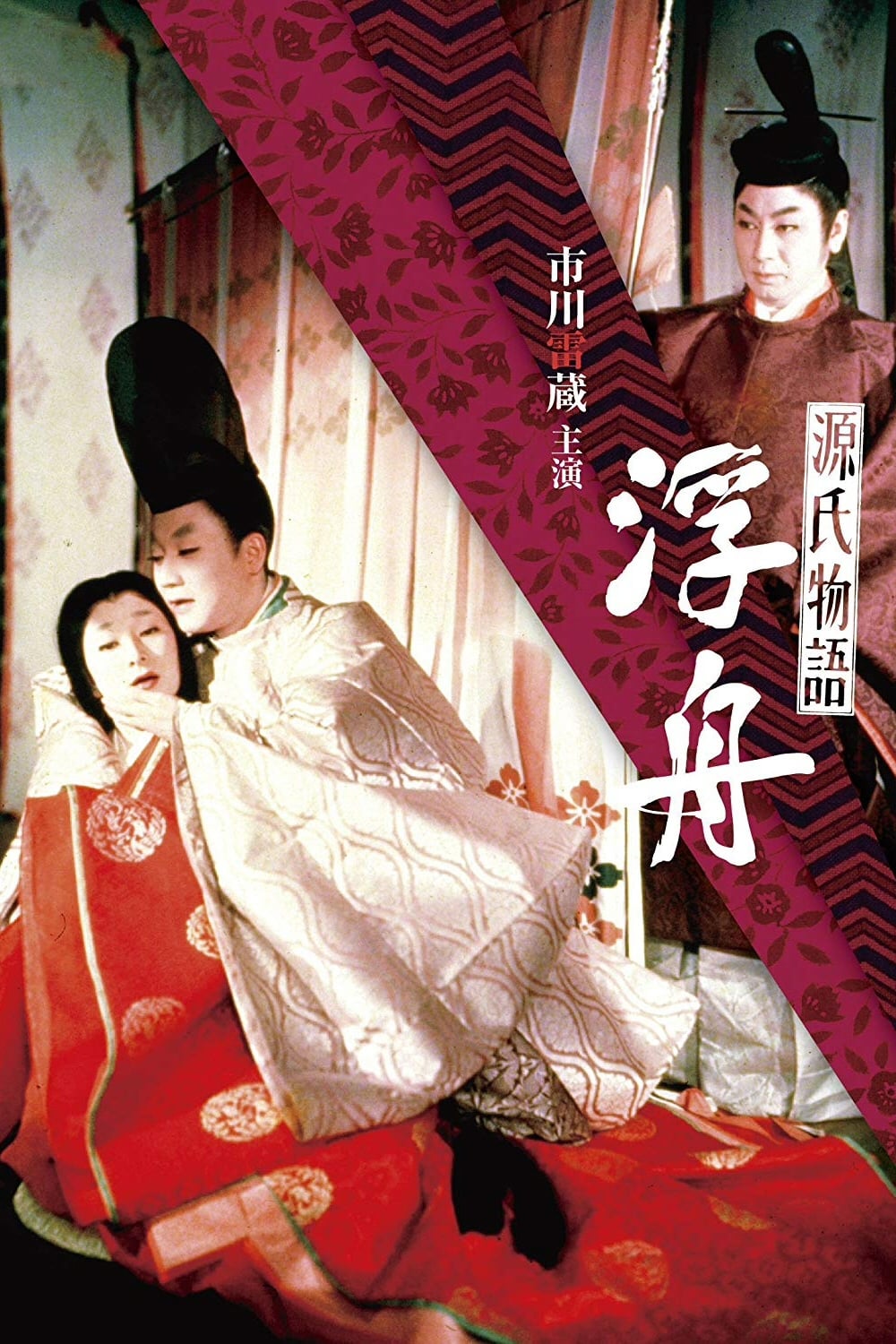
1957
Interprétation

1957
Interprétation
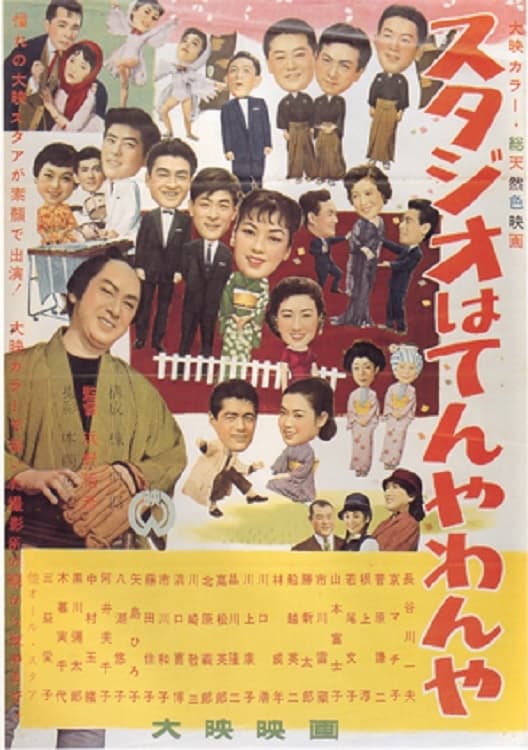
1957
Interprétation
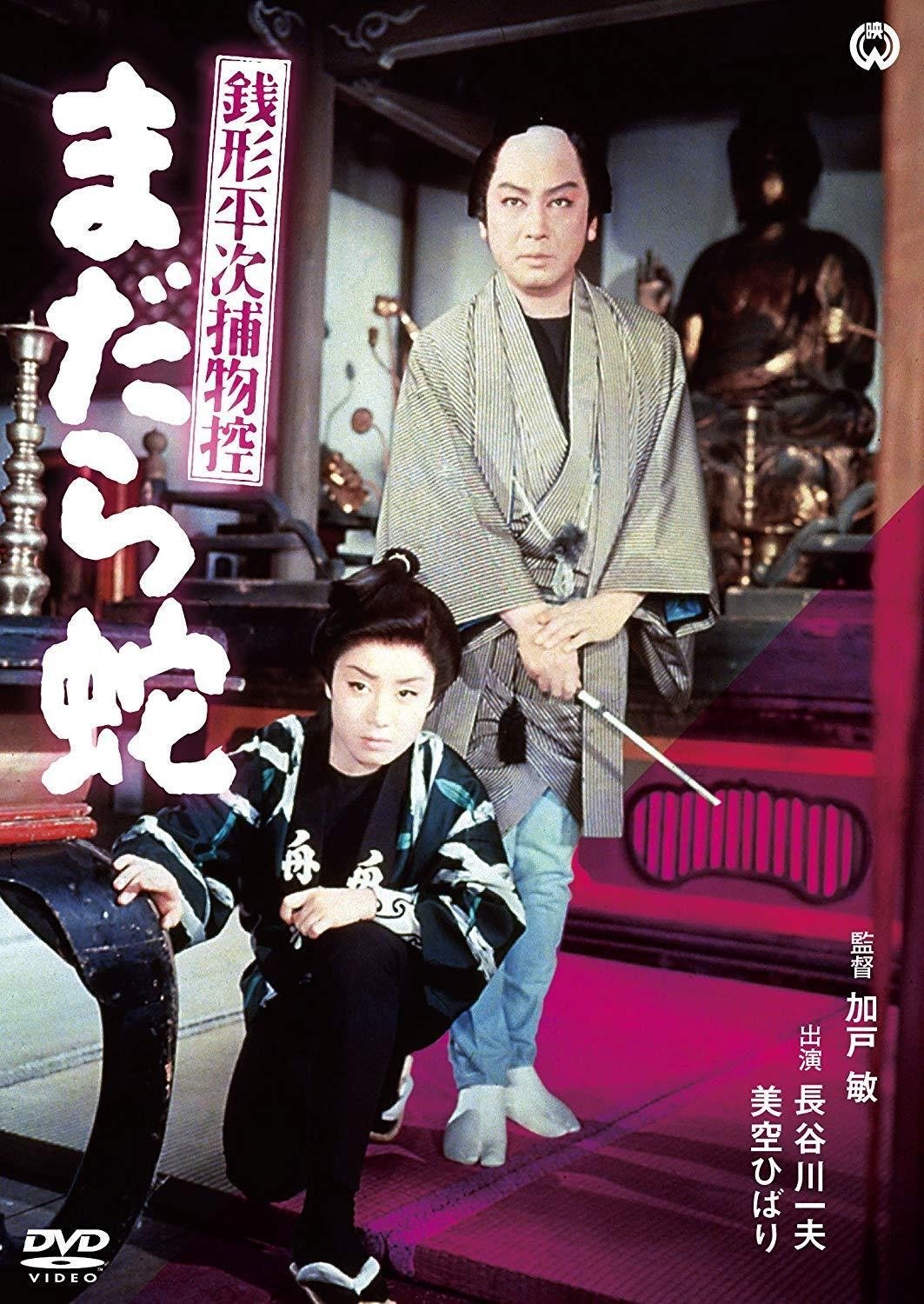
1957
Zenigata Heiji
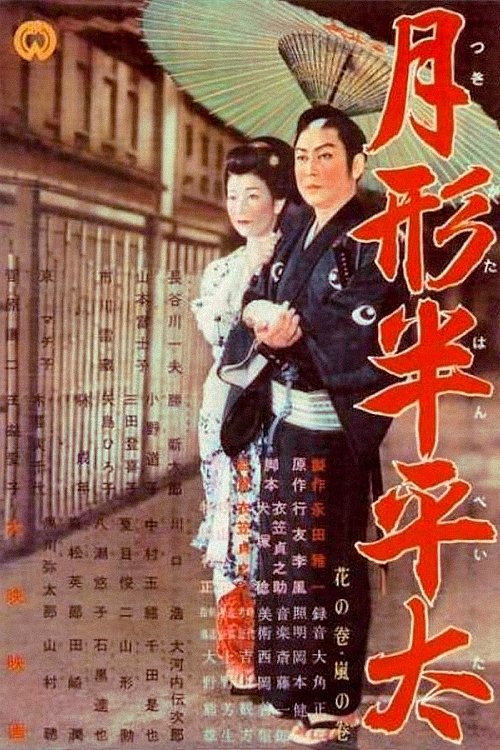
1956
Tsukigata Hanpeita
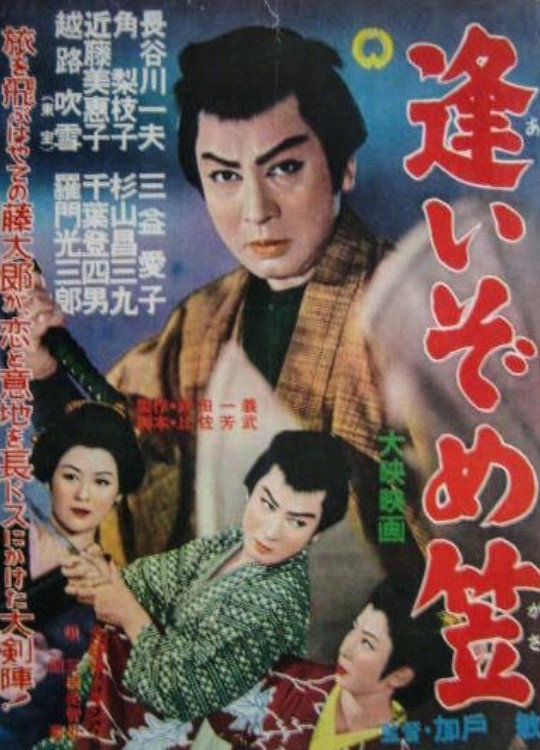
1956
Interprétation
1956
Interprétation
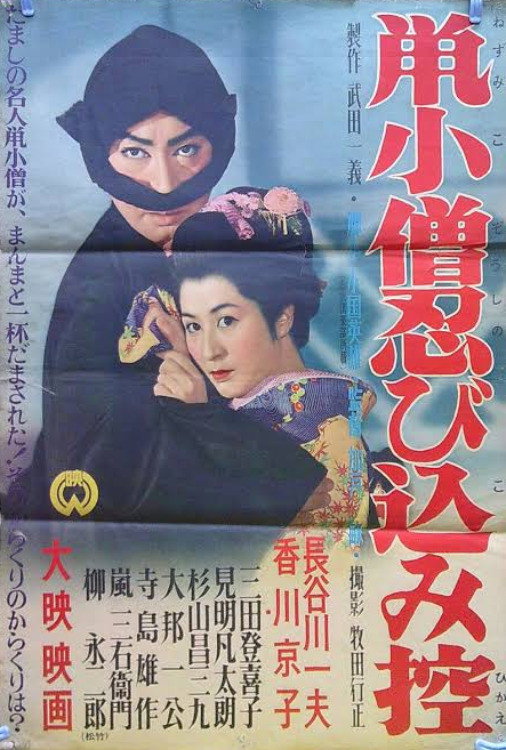
1956
Interprétation
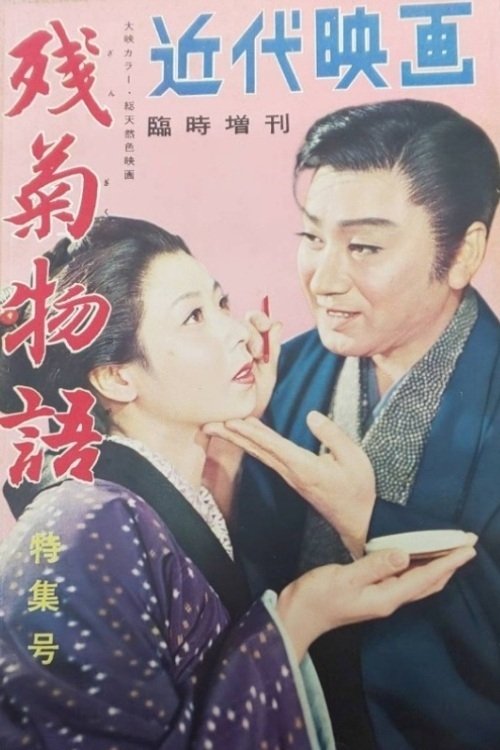
1956
Kikunosuke
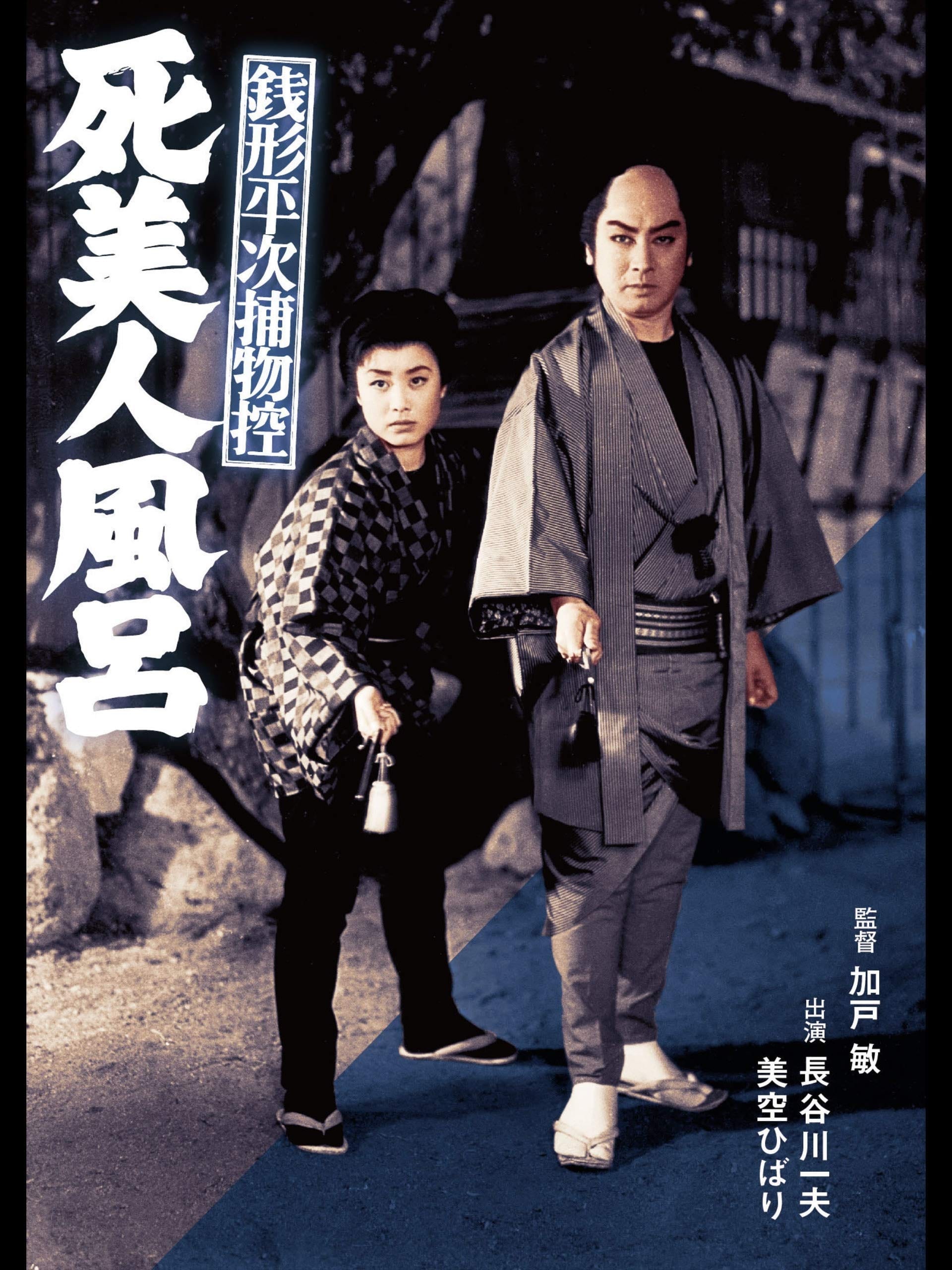
1956
Interprétation
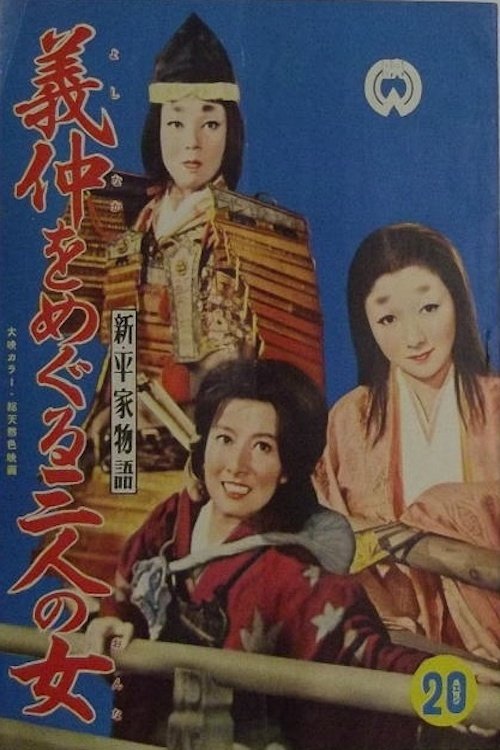
1956
Jirô-Yoshinaka Kiso
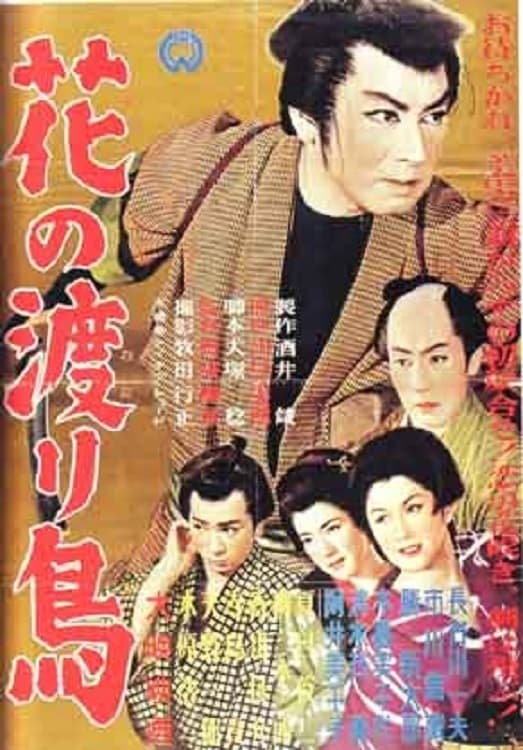
1956
Interprétation

1955
Interprétation

1955
Interprétation

1955
Interprétation
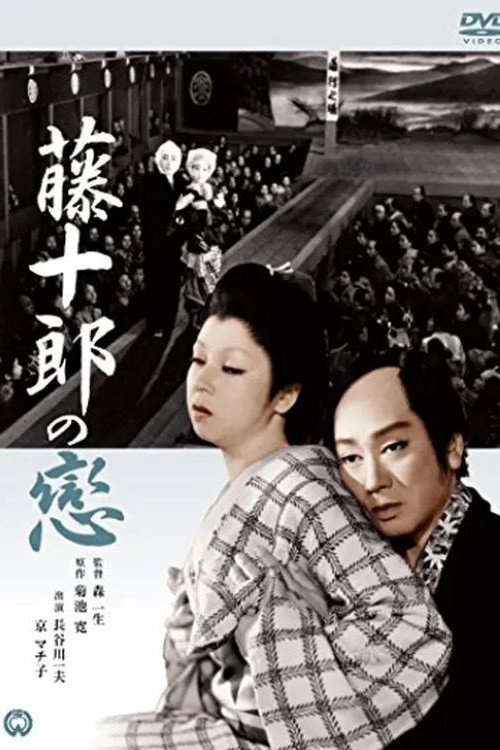
1955
Tojuro Sakata
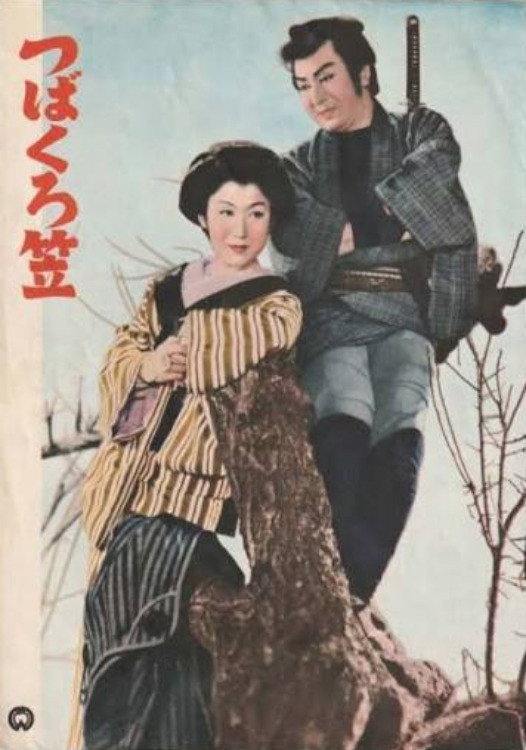
1955
Interprétation

1955
Interprétation

1955
Interprétation
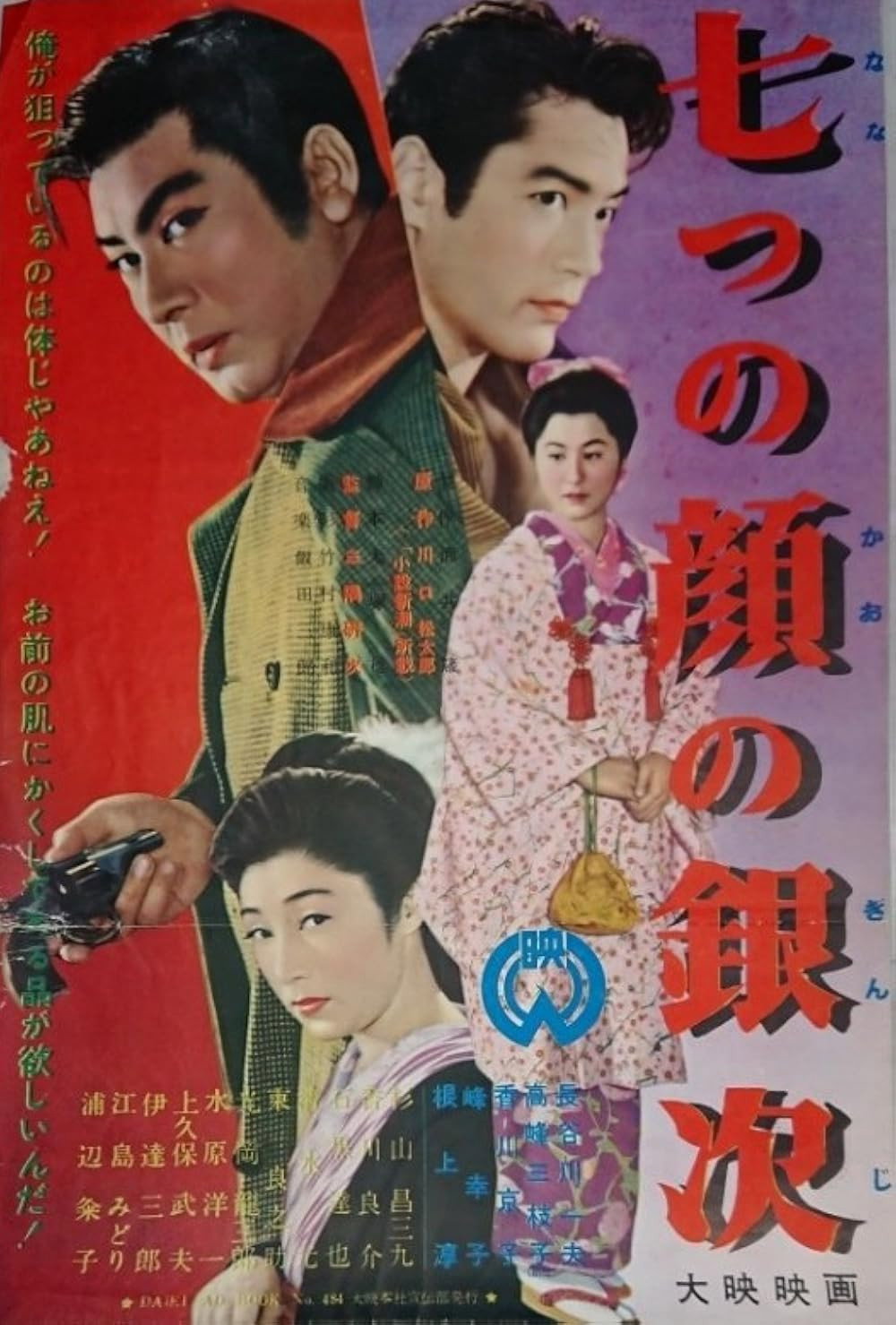
1955
Interprétation
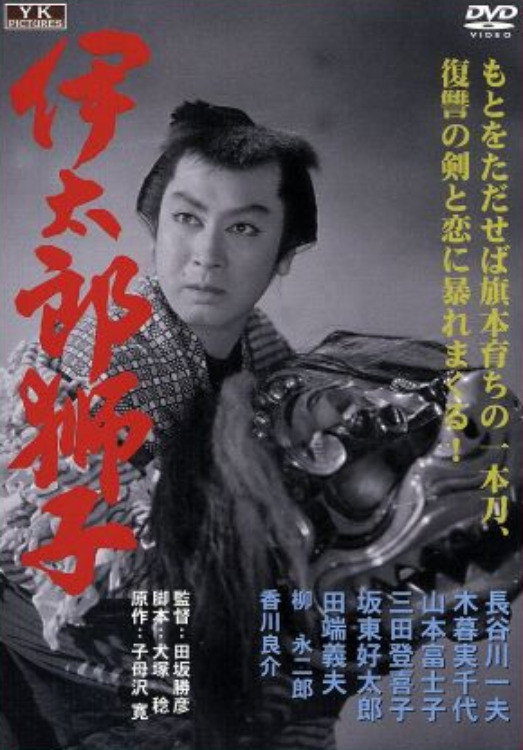
1955
Interprétation
1954
Interprétation
1954
Interprétation

1954
Interprétation

1954
Interprétation

1954
Interprétation

1954
Interprétation

1954
Interprétation
1953
Interprétation
1953
Interprétation

1953
Interprétation
1953
Yagoro Hosho
1953
Interprétation

1953
Interprétation

1953
Interprétation
1952
Interprétation

1952
Interprétation

1952
Interprétation
1952
Interprétation

1952
Interprétation
1952
Interprétation

1952
Interprétation
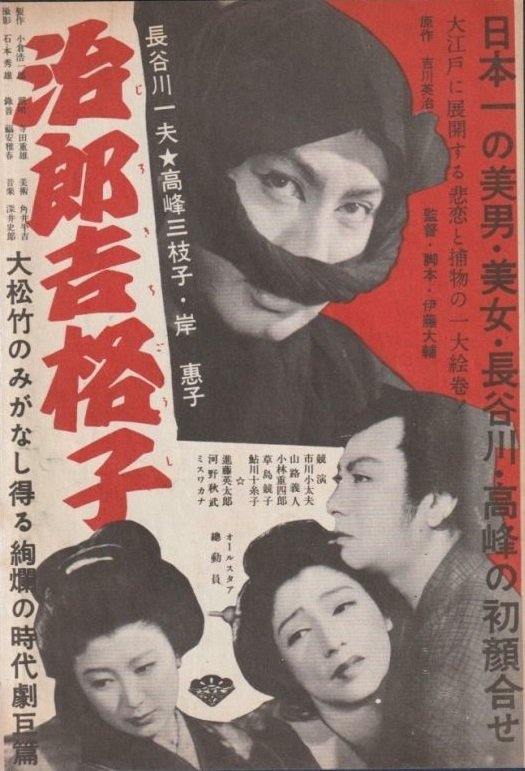
1952
治郎吉
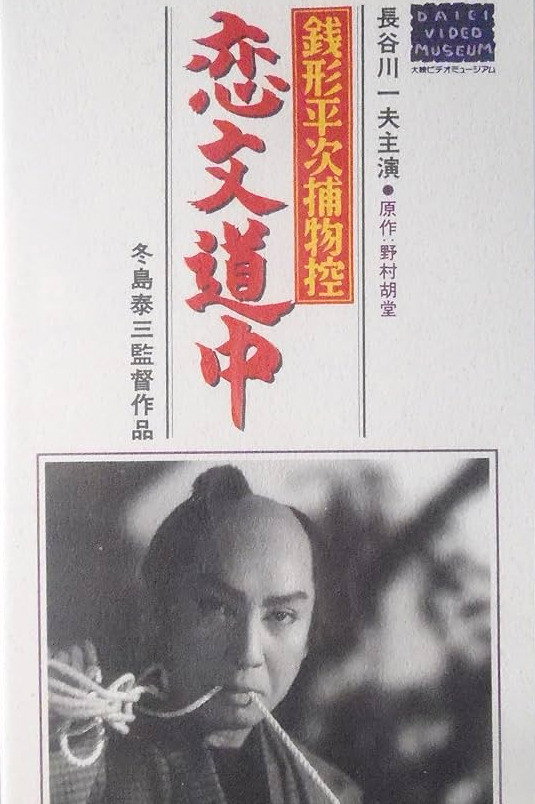
1951
Interprétation
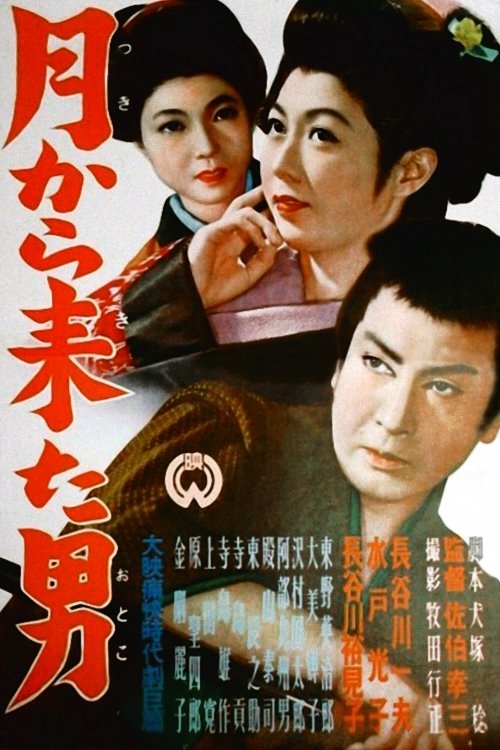
1951
Interprétation
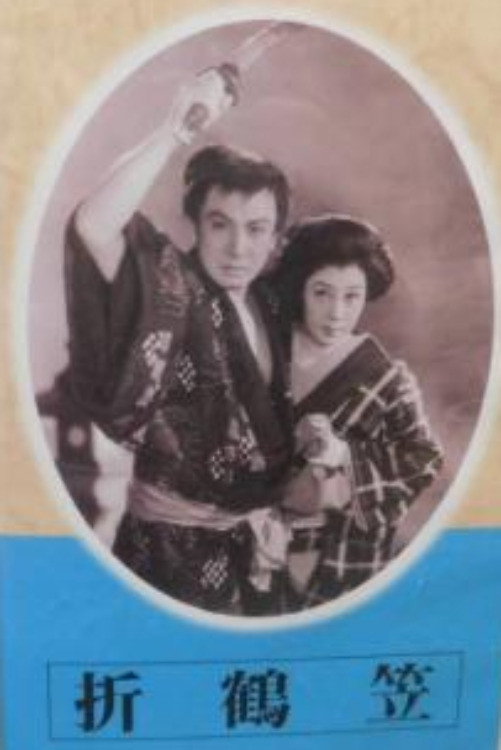
1951
Interprétation
1951
Interprétation
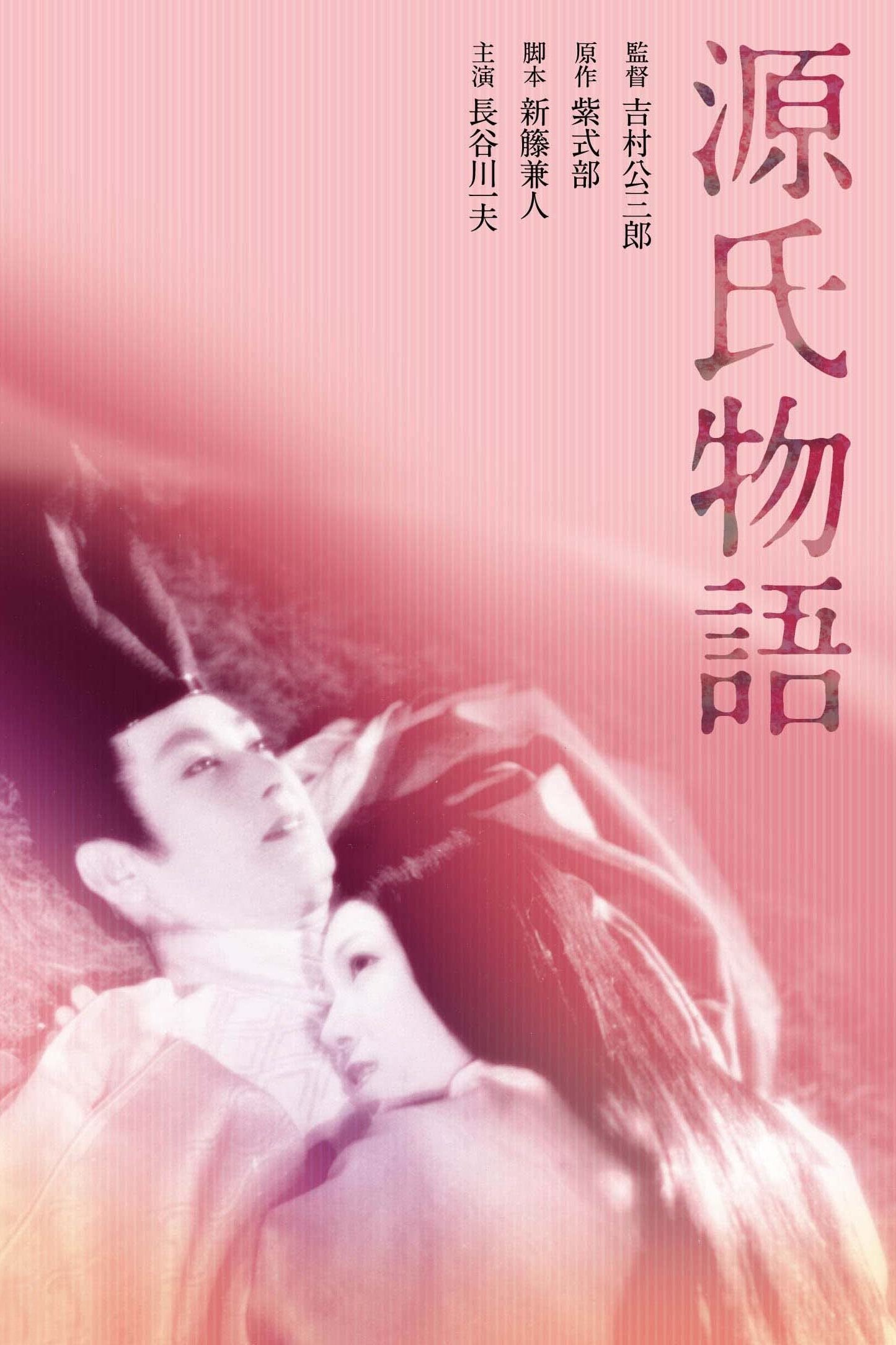
La concubine en titre de l'Empereur, Kokiden, s'irrite de voir la jeune et jolie Kiritsubo devenir la favorite du souverain. De leur union naît un fils, Genji, qui ne peut prétendre au trône.
1951
Hikaru Genji
1951
Interprétation
1951
Interprétation
1951
Interprétation
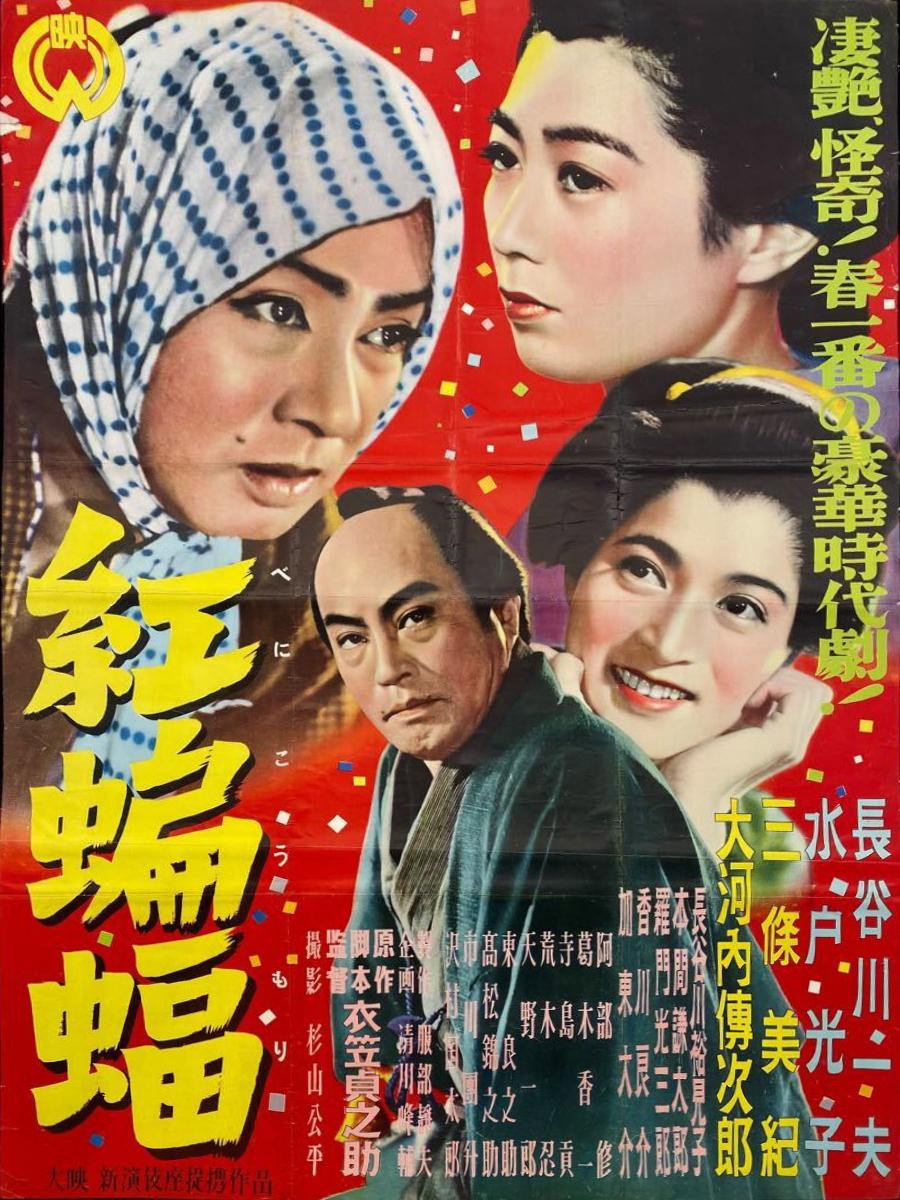
1950
Interprétation
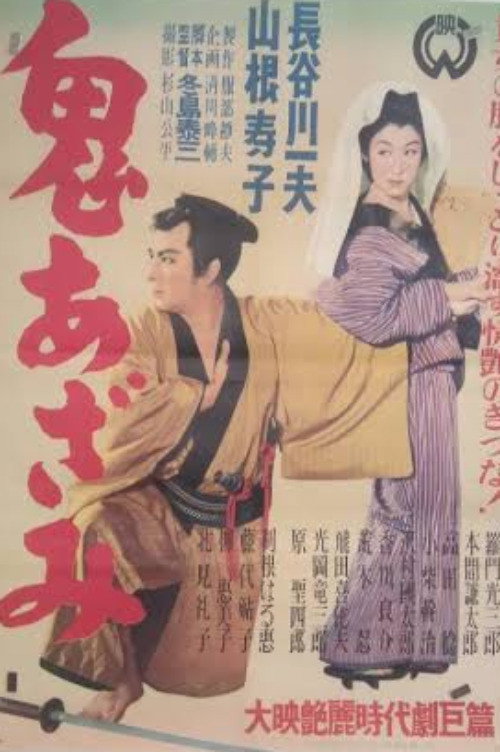
1950
Interprétation
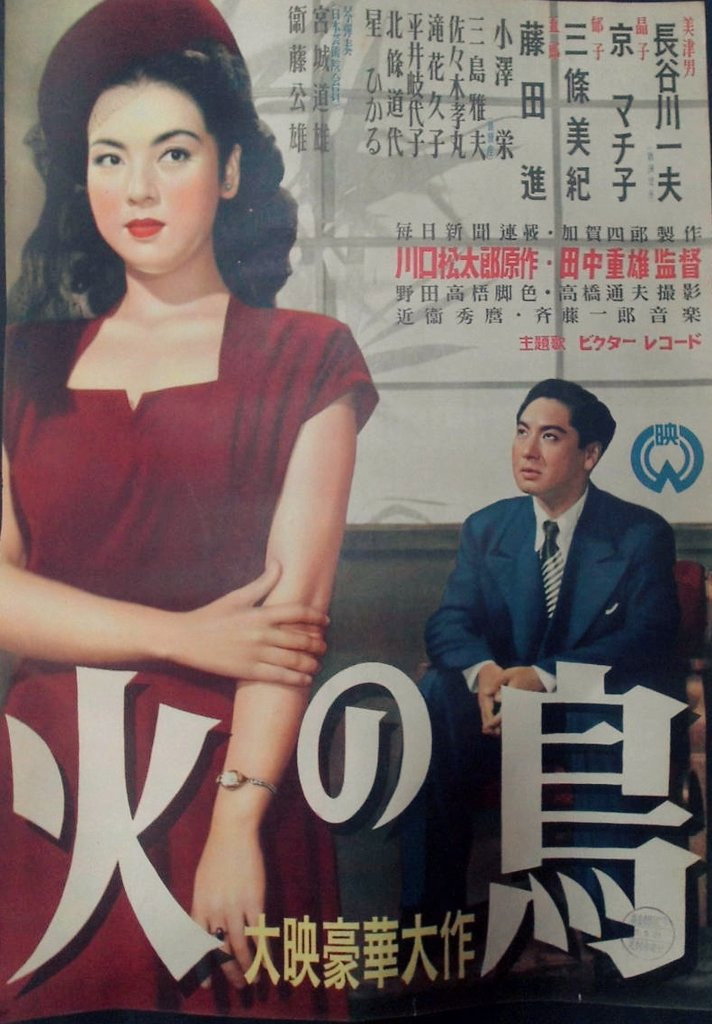
1950
Interprétation
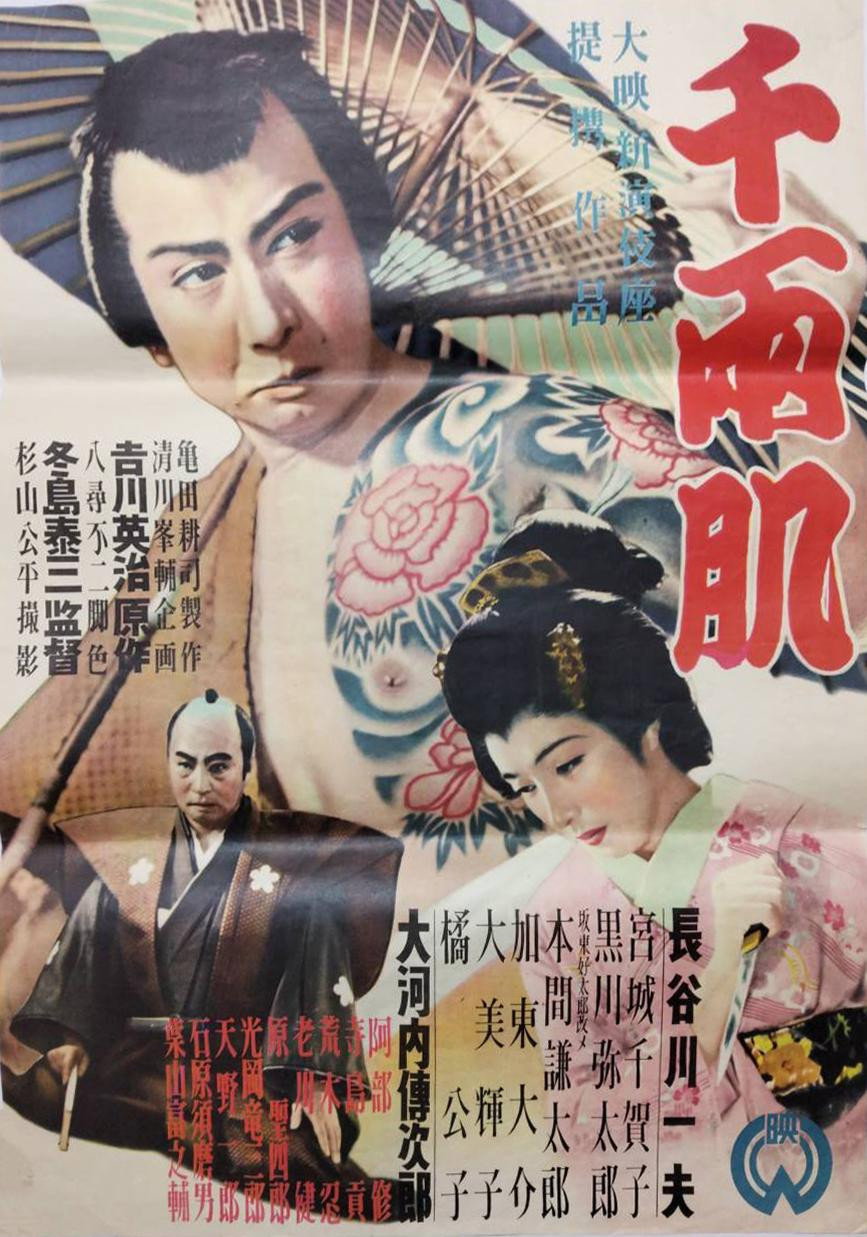
1950
Interprétation
1950
Interprétation
1949
Interprétation

1949
Interprétation
1949
Interprétation
1949
Zenigata Heiji
1948
Interprétation
1948
Kohei
1947
Interprétation
1946
Interprétation
1946
Interprétation

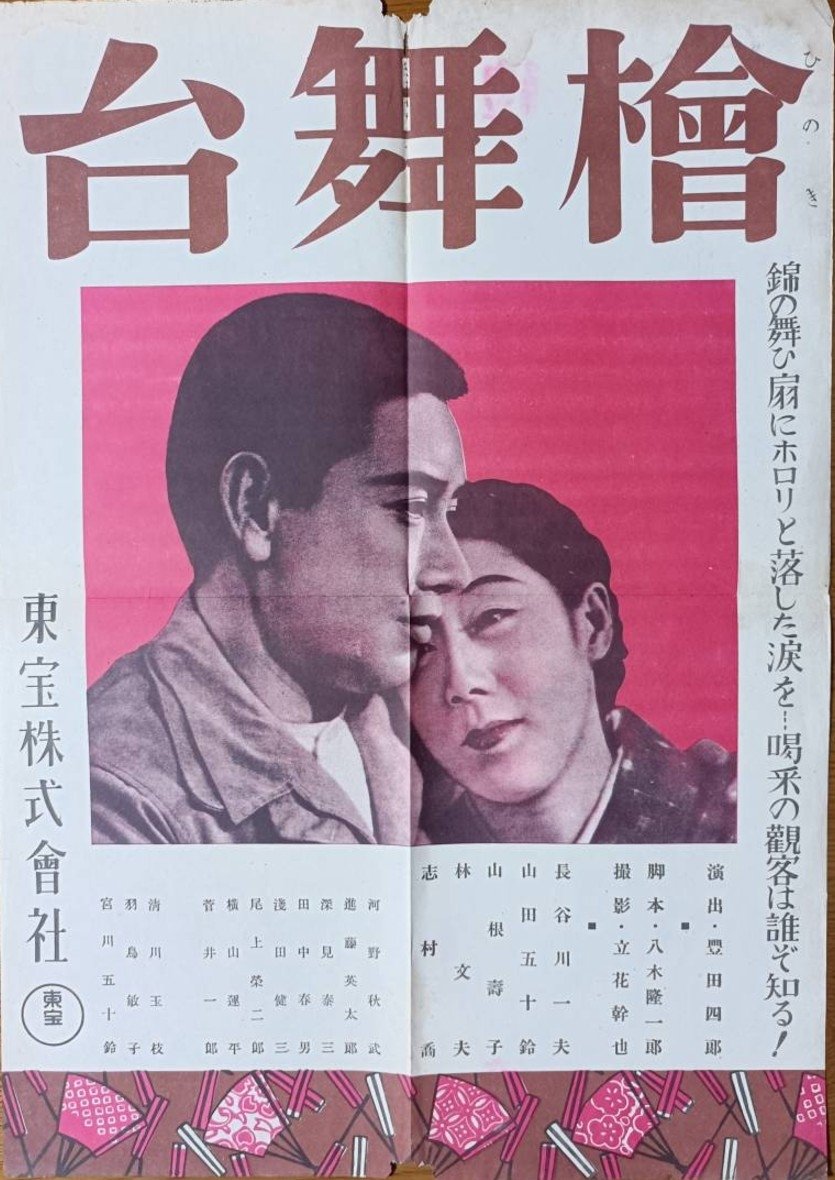
Au XVIIe siècle, le père du jeune Daihachirō se donne la mort après avoir perdu son record lors d’un concours de tir à l’arc au temple Sanjūsangen-dō de Kyoto. Déterminé à restaurer l’honneur familial, Daihachirō s’entraîne sans relâche pour surpasser le nouveau champion, Kanzaemon Hoshino. Mais à l’approche de l’épreuve, la pression de son entourage et les manœuvres de ses adversaires menacent ses ambitions.
1945
Kanbei Kanzamon
1945
Interprétation
1944
Interprétation
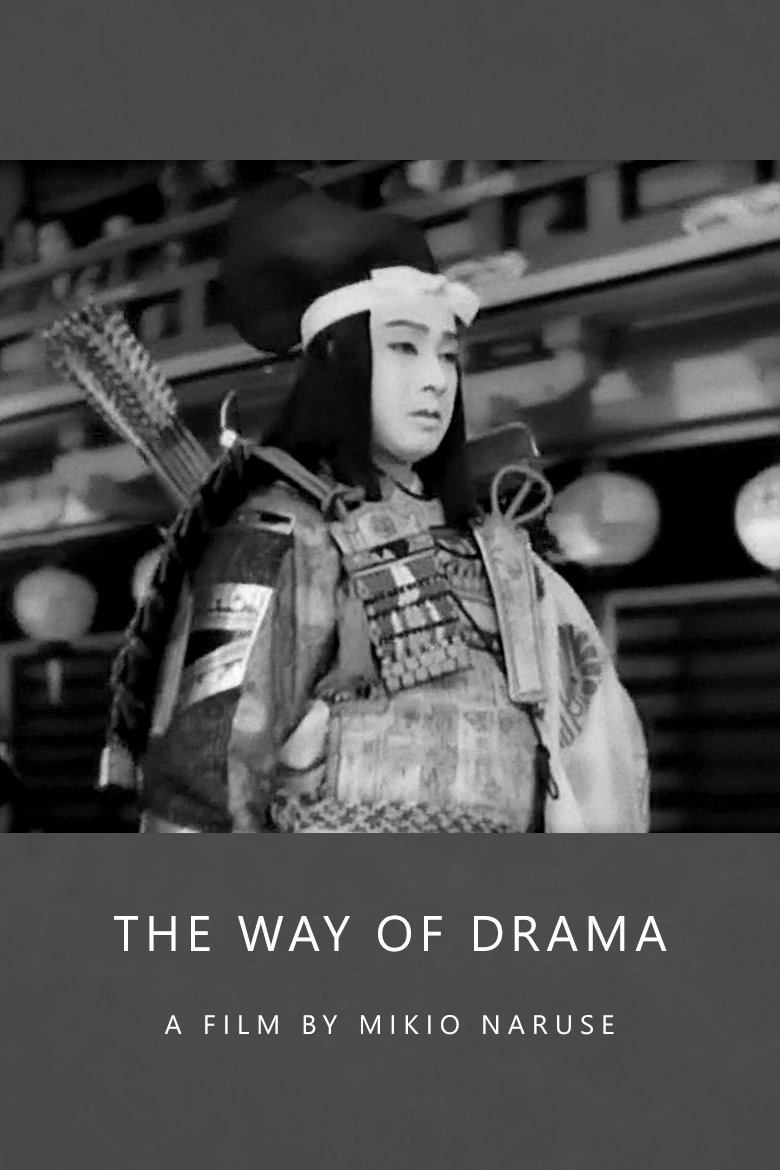
L'apprentissage d'un acteur de théâtre de la troupe Yamatoya.
1944
Interprétation
1944
Hagiwara
1943
Interprétation
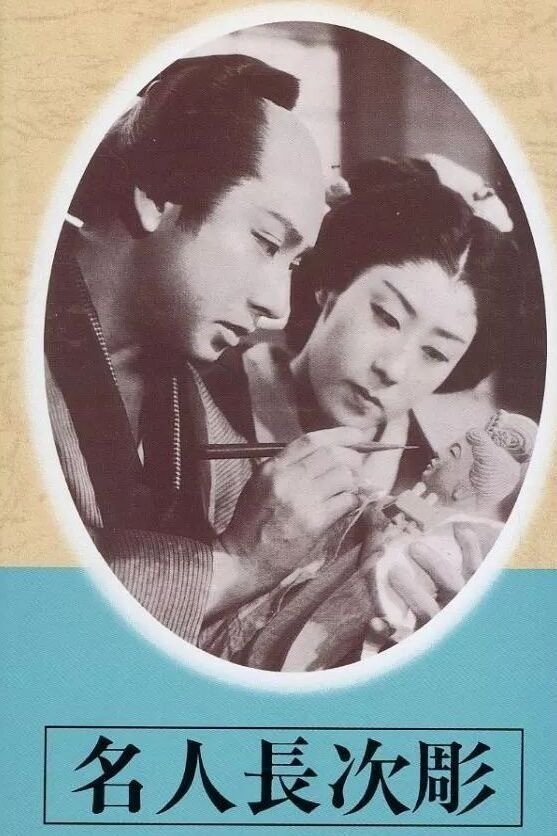
1943
Chōji
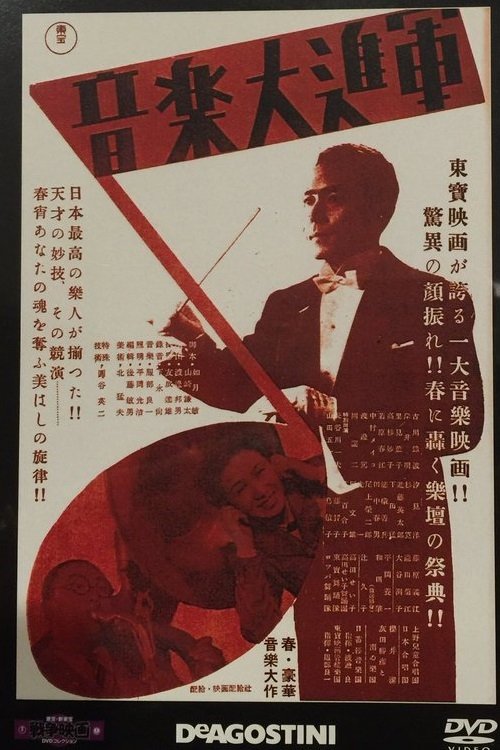
1943
Kazuo Hasegawa
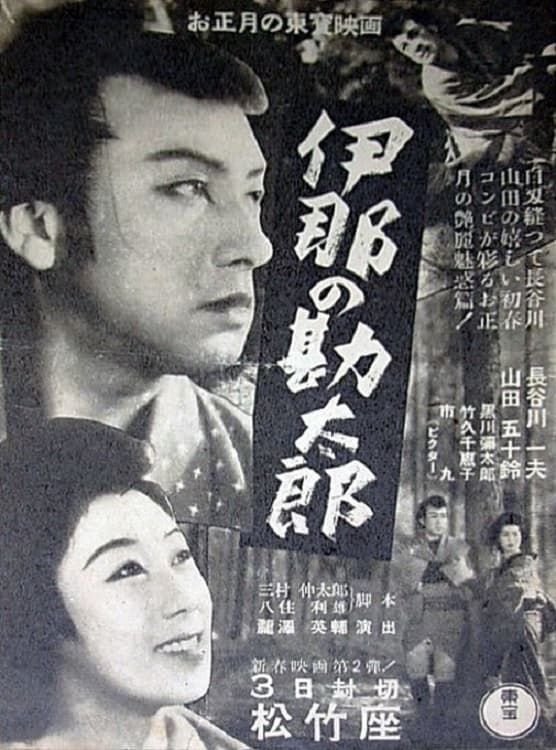
1943
Interprétation
1942
Interprétation
1942
Interprétation
1942
Hayase
1942
Interprétation
1941
Utaemon Nakamura

1941
Hyakuzô
1941
Interprétation
1941
Interprétation
1941
Interprétation
1941
Interprétation
1941
Interprétation
1940
Interprétation
1940
Hinokiya Sentarô
1940
Interprétation
1940
Hinokiya Sentarô
1940
Interprétation
1939
Kokichi Matsumura
1939
Kichigoro
1939
Interprétation
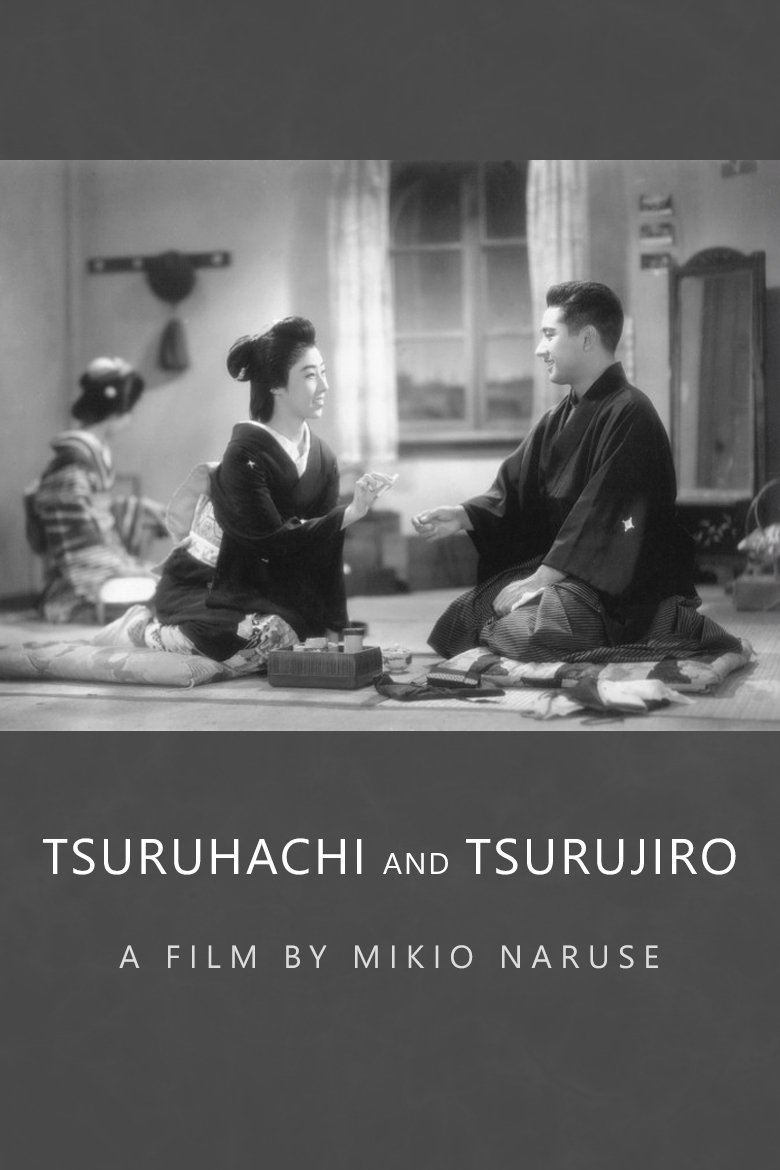
Sous l’ère Meiji, une joueuse de shamisen et un chanteur de ballades forment un duo très populaire jusqu’à ce que leur protecteur leur conseille de se marier.
1938
Tsurujiro
1938
Sakata Tojuro
1937
Interprétation
1937
Interprétation
1936
Interprétation
1935
Echizen'nokami Ôoka
1935
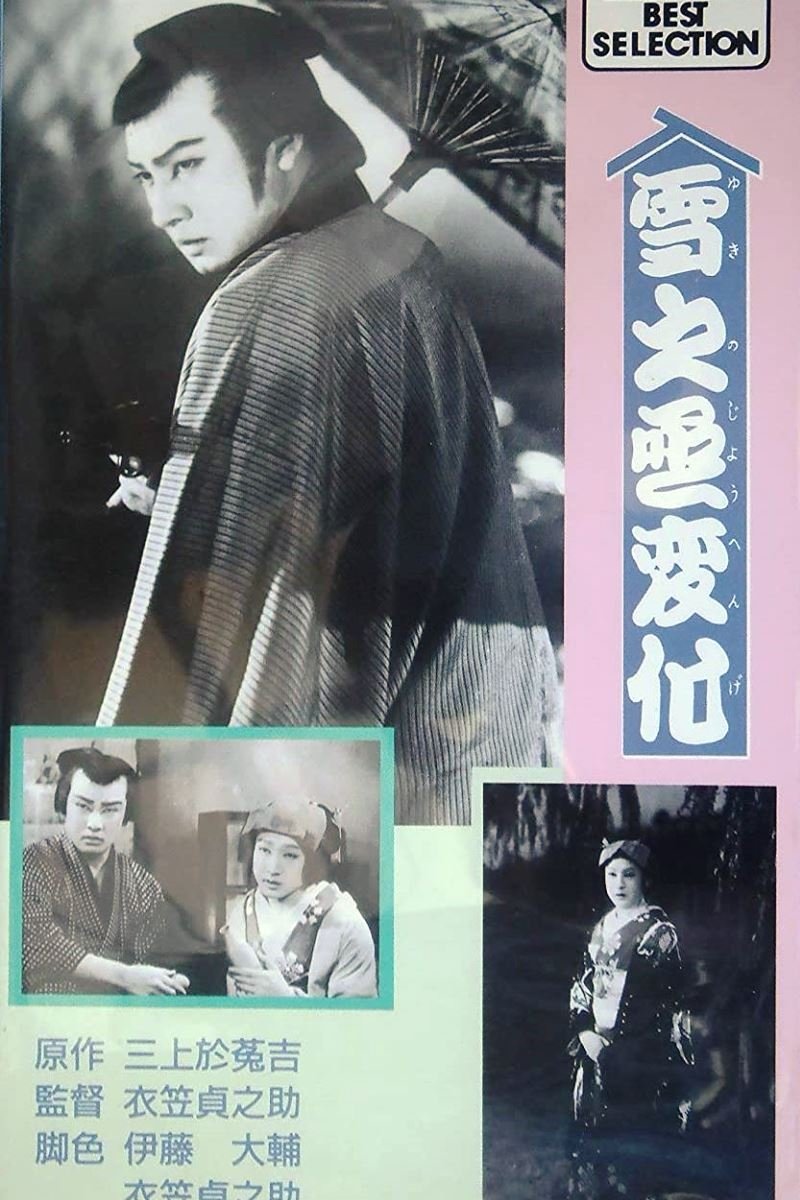
Yokinojo, Yamitaro and Yokinojo's mother (as Chôjirô Hayashi)
1935
Yasuo the Bridegroom
1934
Fumio
1934
Interprétation
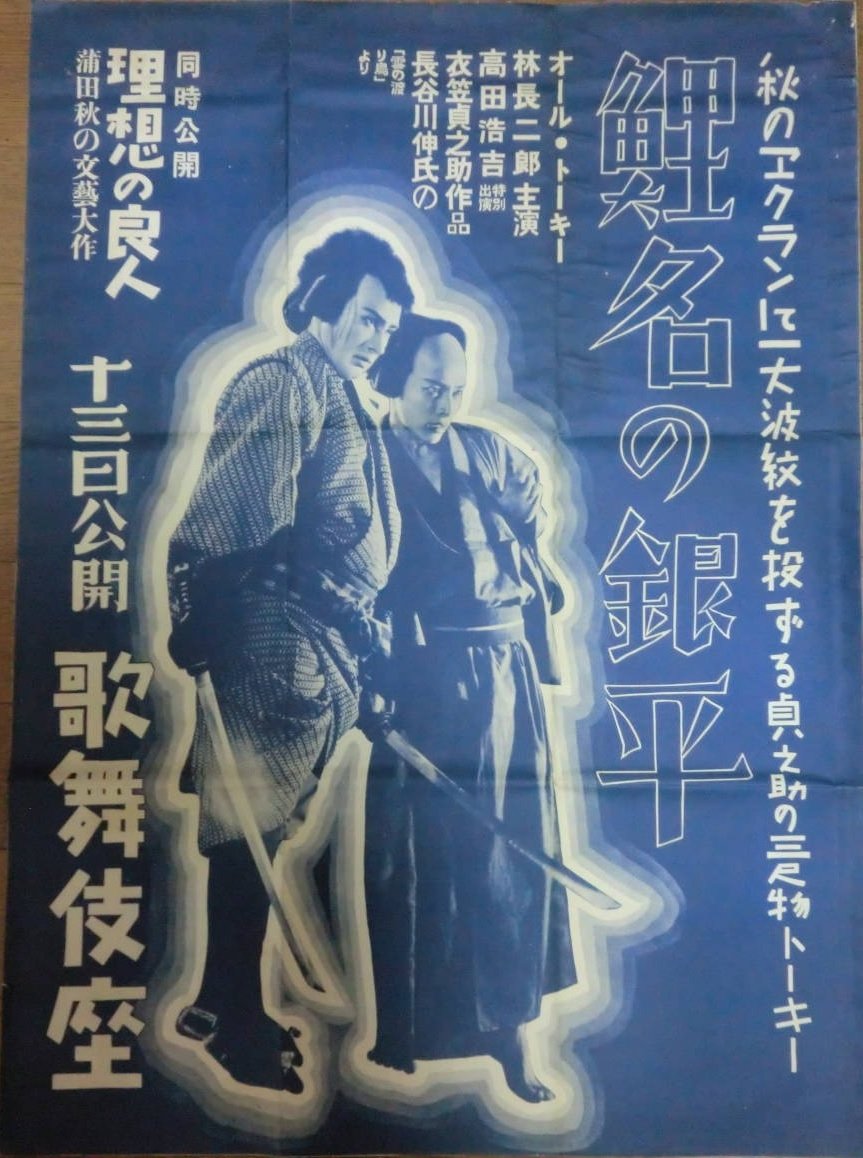
1933
Koina no Ginpei
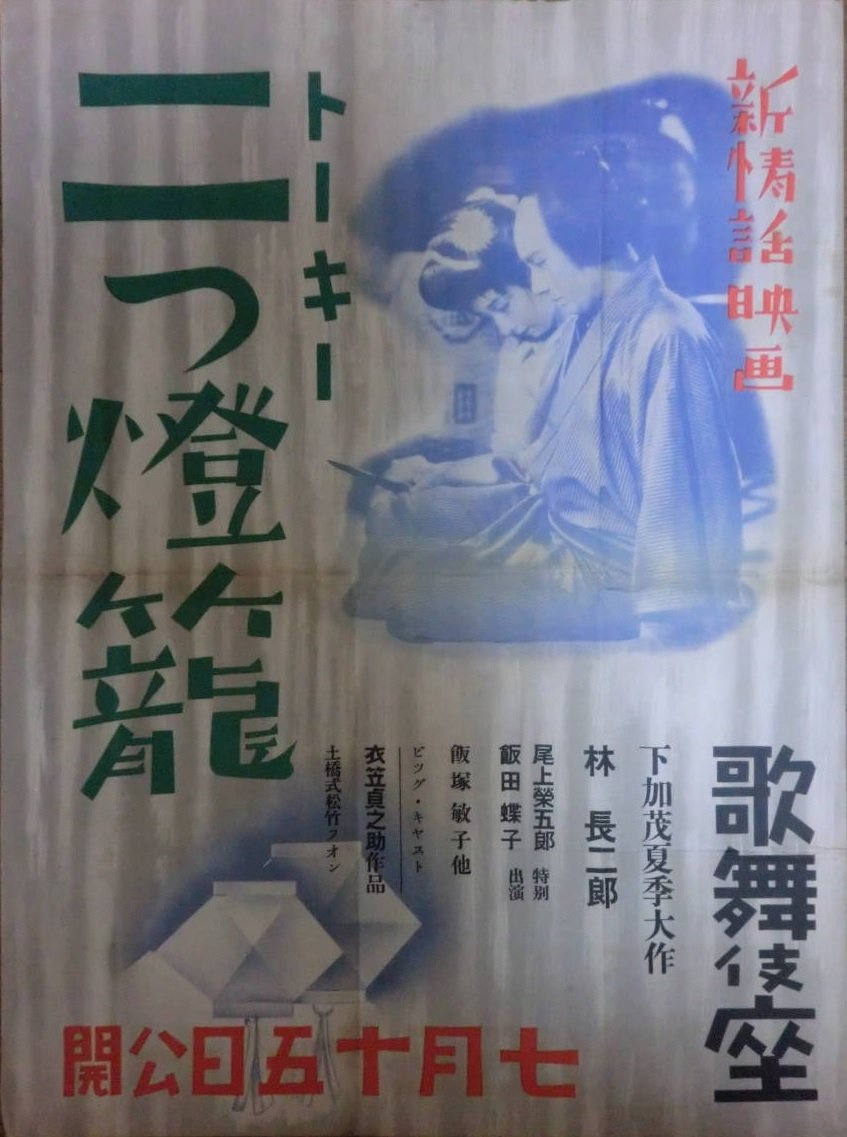
1933
Interprétation
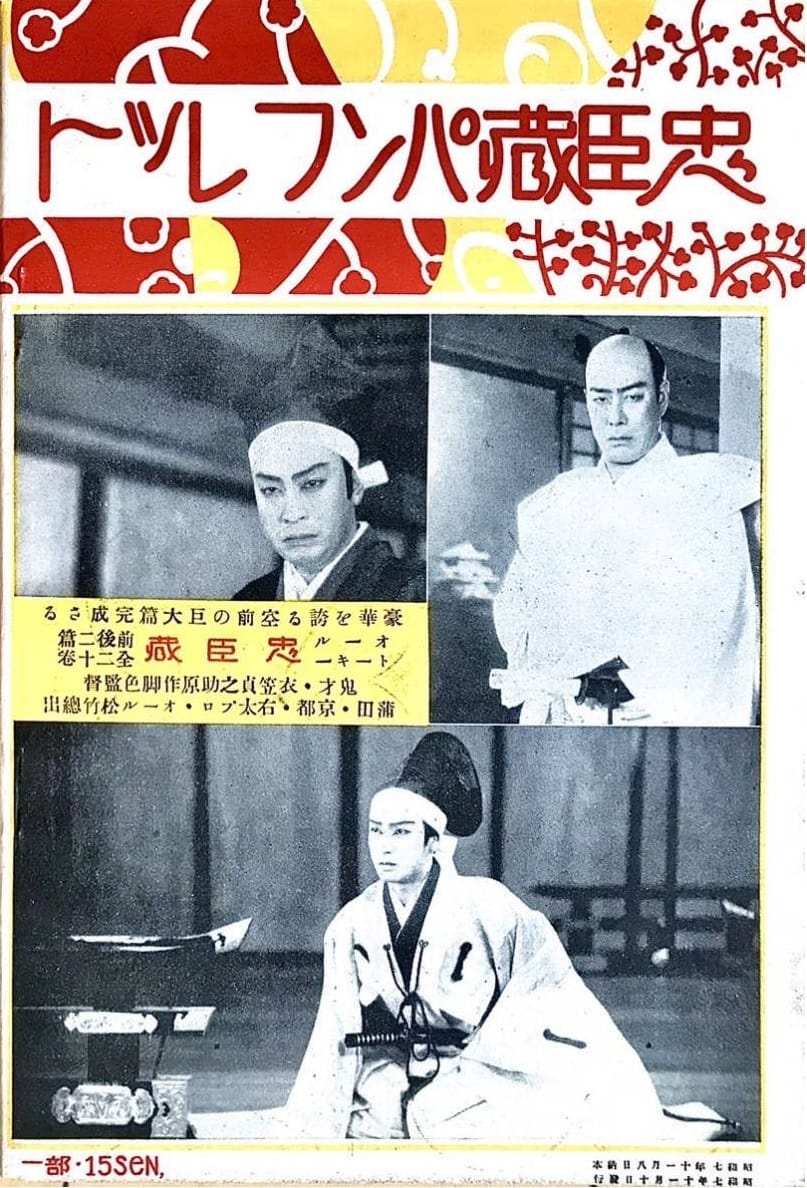
1932
Interprétation
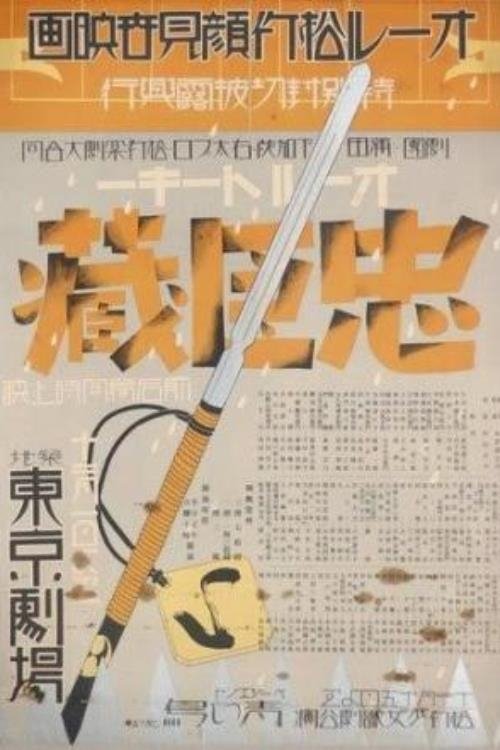
1932
Asano Takuminokami and Yoshida Sawaemon (as Chôjirô Hayashi)
Histoire des conquêtes militaires du Japon moderne pour commémorer le 50e anniversaire du «Rescrit impérial aux soldats et aux marins » promulgué par l’empereur Meiji en 1882, glorifiant l’esprit martial millénaire du Japon. (Coréalisation Yasushi Sasaki et al.)
1932
Interprétation
1932
Kanichi Hazama
1931
Interprétation
1930
Nogitsune Sanji
1929
Interprétation
1928
Kikuchi Hankuro
1928
Interprétation
1928
Interprétation
1928
Aizawa Shinpachi
1928
Shirogoro (Second Son)
1928
Benten Kozo Kikunosuke
1927
Reizaburo Namiki
Interprétation