5,4
Молитва за гетьмана Мазепу
2003
Réalisation

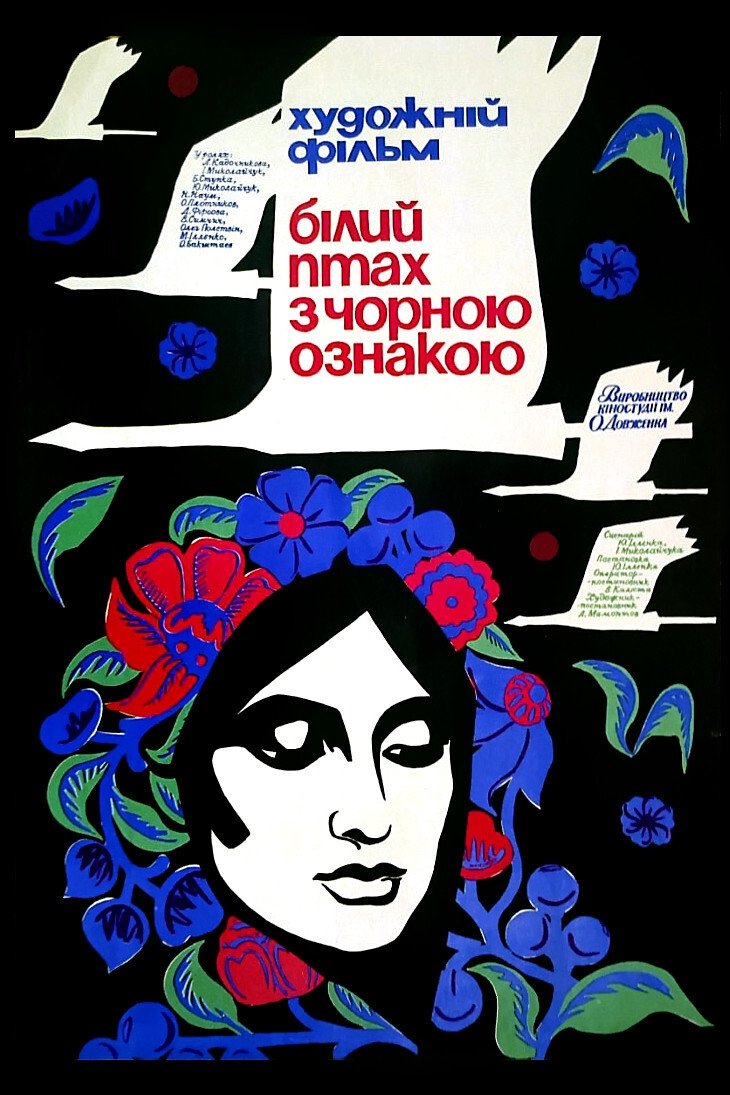
Yuri Illienko (18 July 1936 – 15 June 2010) was a Ukrainian film director and screenwriter. He directed twelve films between 1965 and 2002. His 1970 film The White Bird Marked with Black was entered into the 7th Moscow International Film Festival where it won the Golden Prize.
Illienko was one of Ukraine's most influential filmmakers. His films represented Ukraine and what was happening to it. His films were banned in the USSR for their suspected anti-Soviet symbolism. Only in the recent years have his films been re-released and open to the public.
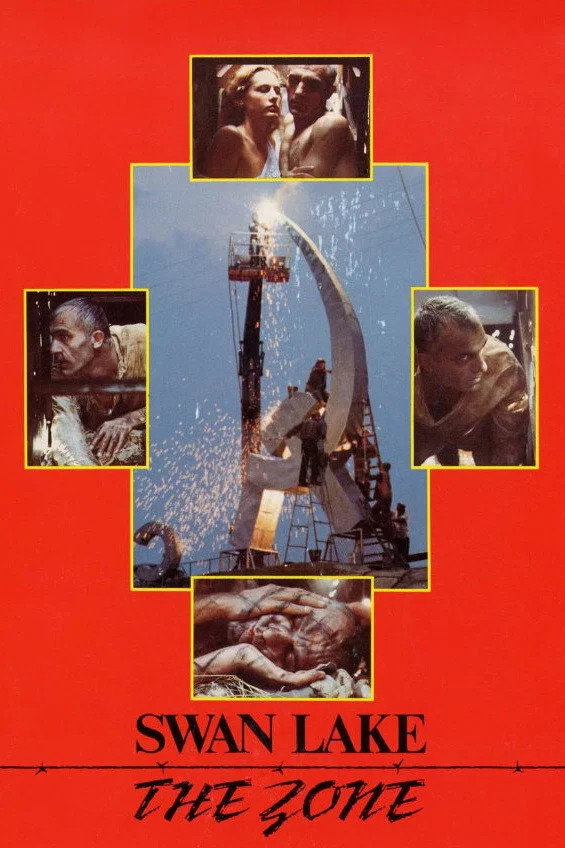
Illienko was born in Cherkasy in 1936 but during World War II his family was evacuated to Siberia while his father was in the Red Army. He graduated high school in Moscow and Gerasimov Institute of Cinematography in 1960. From 1960 till 1963 he worked as a director of photography at the Yalta Film Studio. In 1963 Illienko started his work as an operator and then a director at Dovzhenko Film Studios. His 1965 film Spring for the Thirsty (written by Ivan Drach) and 1968 film Vechir Na Ivan Kupala where both banned by the Soviet authorities till 1988. His 1971 film The White Bird Marked with Black, received the grand prize of the Moscow Film Festival, but at the 24th Congress of the Communist Party of Ukraine the film was (also) banned and branded "the most harmful movie that has ever been made in Ukraine, specifically for young people". His next film, To dream and to live (written in collaboration with Ivan Mykolaichuk), was stopped 42 times at various stages of production. Illienko then emigrated to Yugoslavia, where he shot the film To live in spite of everything. The film won "Silver" at Pula Film Festival and the prize for best actor. In the Ukrainian SSR, the picture was not allowed to be shown. His 1983 film Lisova pisnia. Mavka won the FIPRESCI Prize. In 1987 Illienko received the title of People's Artist of Ukraine. Yuriy Ilyenko created the independent film studio Fest-Zemlya, where he made the first non-state film in Ukraine. His 1990 film "Swan Lake "The Zone"" again won the FIPRESCI Prize. In 1991 and 1992 Illienko was Chairman of the Ukrainian Cinema Foundation. in 1991 he was awarded the Shevchenko National Prize. His 1994 documentary about Serhiy Parajanov received the "Golden Knight" at the film festival Cinema City. In 1996 he became a member of the Academy of Arts of Ukraine. His 2002 film A Prayer for Hetman Mazepa was banned from rental in Russia.
Illienko died of cancer on 15 June 2010 at the age of 74.
2003
Marshall Zhukov
1999
artist
1998
self

1998
self
1995
(self)
1994
Interprétation

1991
Scénario
1990
Réalisation

1987
Réalisation

1984
Scénario
1983
Scénario

1980
Réalisation
1979
Réalisation

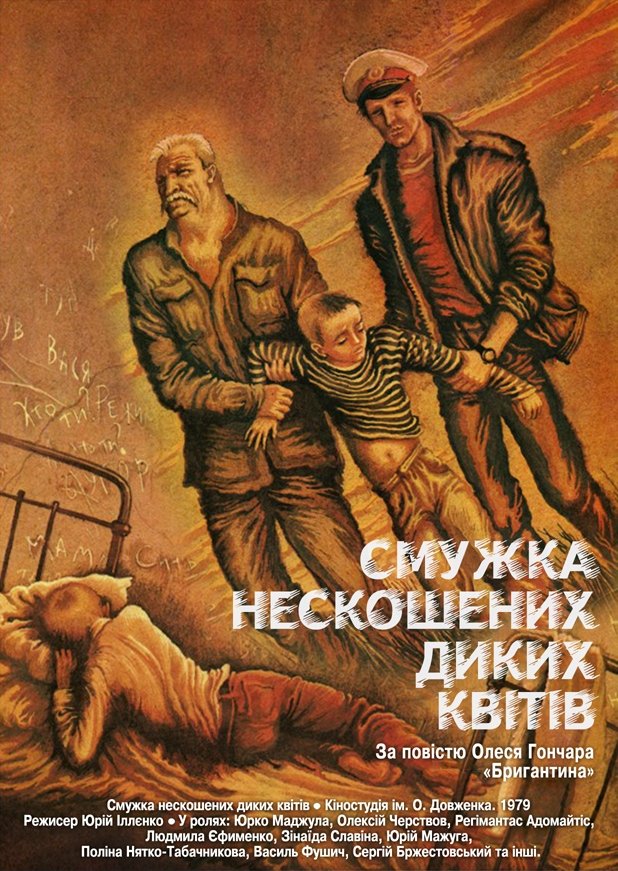
Le film est basé sur des événements réels. Alexandra Avraamovna Derevskaya a élevé 48 enfants de différentes nationalités. Après sa mort, cette grande famille a conservé une tradition : le jour de l'anniversaire de la mère, on sert des pommes de terre rôties, le plat préféré de la matriarche.
1978
Réalisation

1975
Gerasim
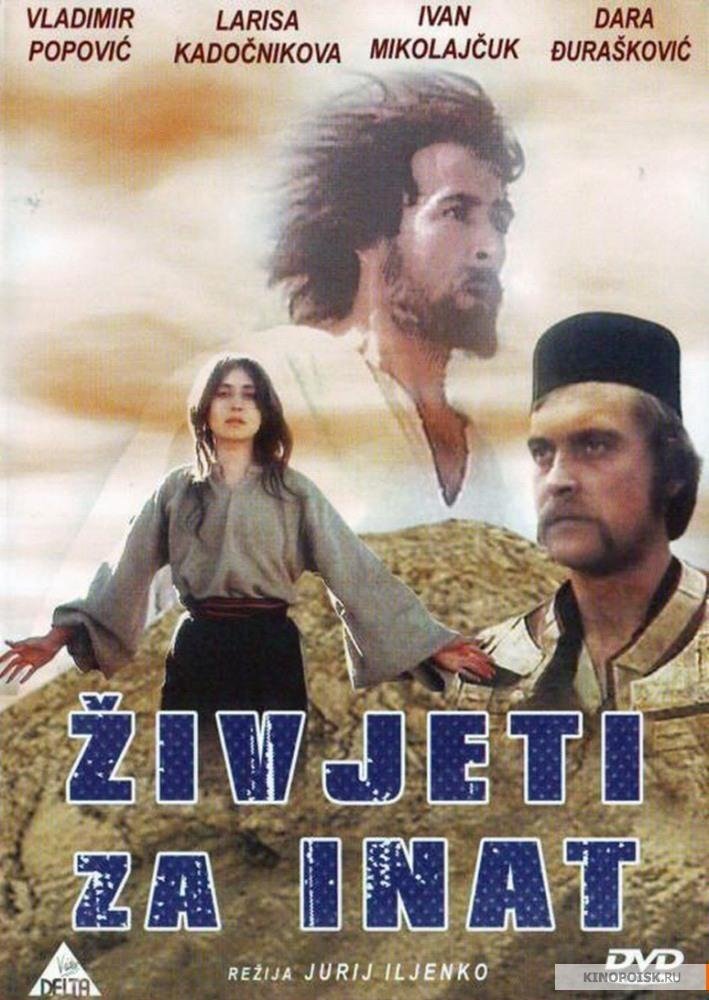
1973
Réalisation
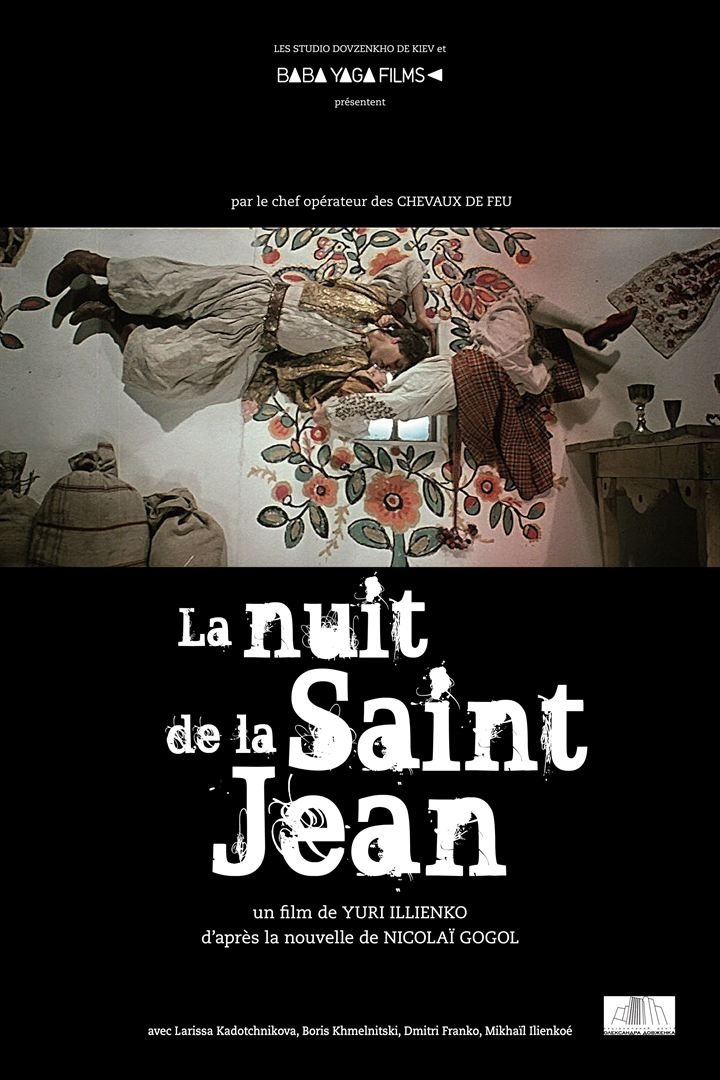
La jeune et belle, Pidorka, aime un ouvrier agricole, Petro, et espère l'épouser. Mais son père, un des hommes les plus riches de la région, a d'autres projets de mariage pour elle. Les jeunes amoureux, désespérés, rencontrent Basaviull, un sorcier. A partir de ce moment là, la mort et la folie vont rentrer dans la famille de Pidorka.
1968
Scénario

1968
Scénario

1965
Réalisation

1963
Timofey Suvernev