5,0
Возвращение Вертова
2024
Réalisation
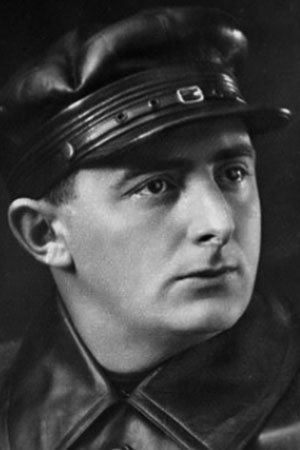
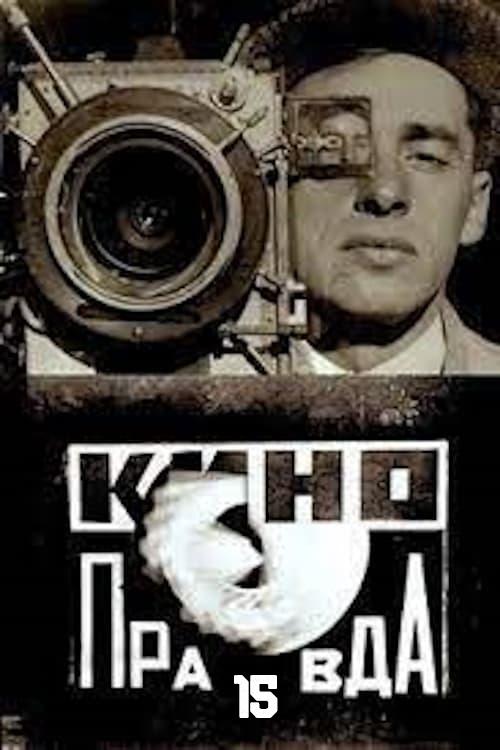
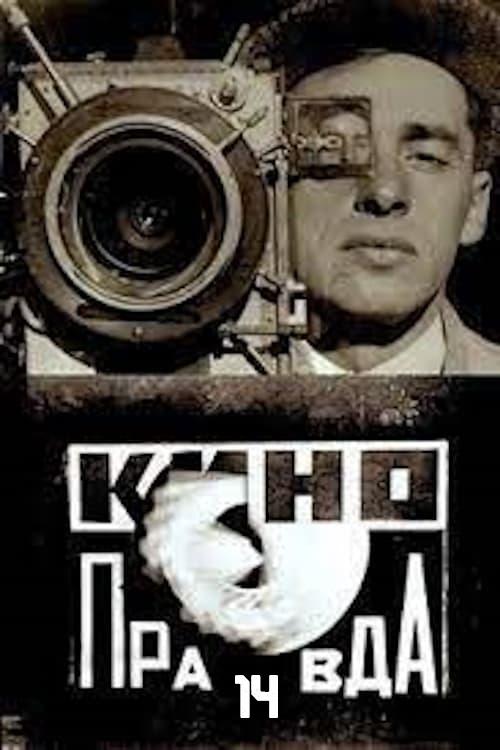
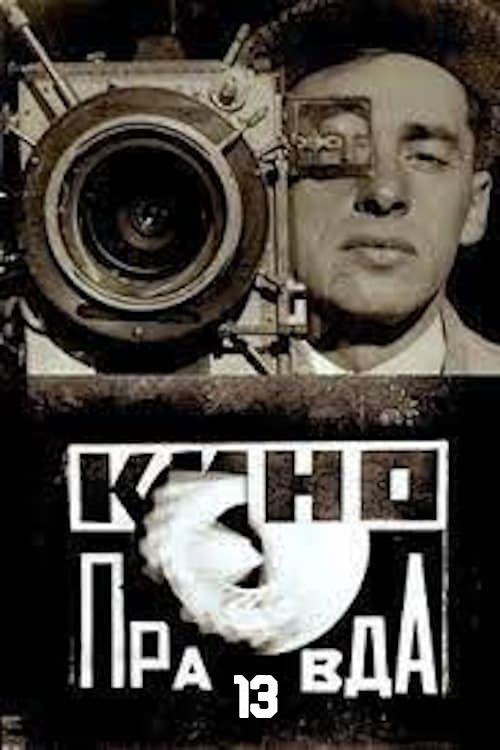
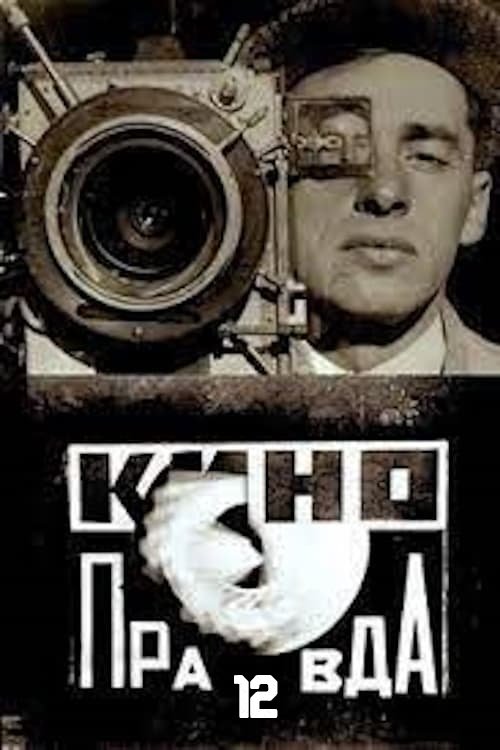
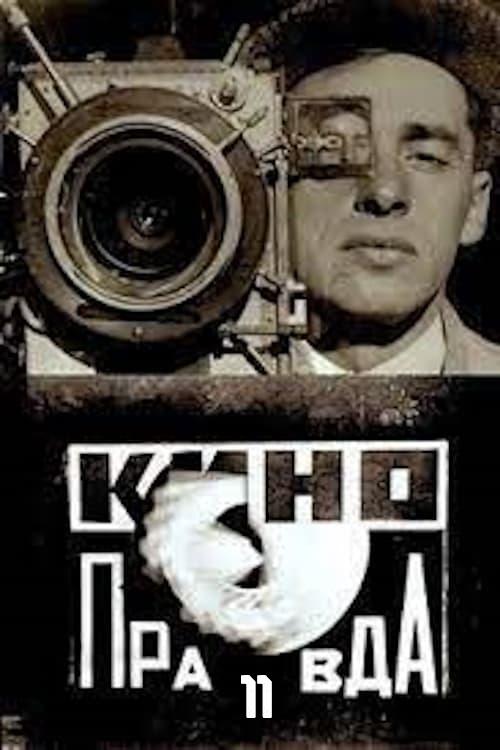
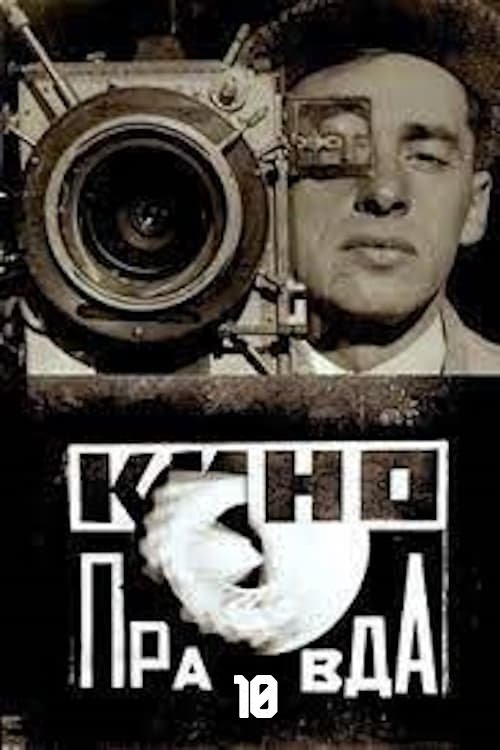
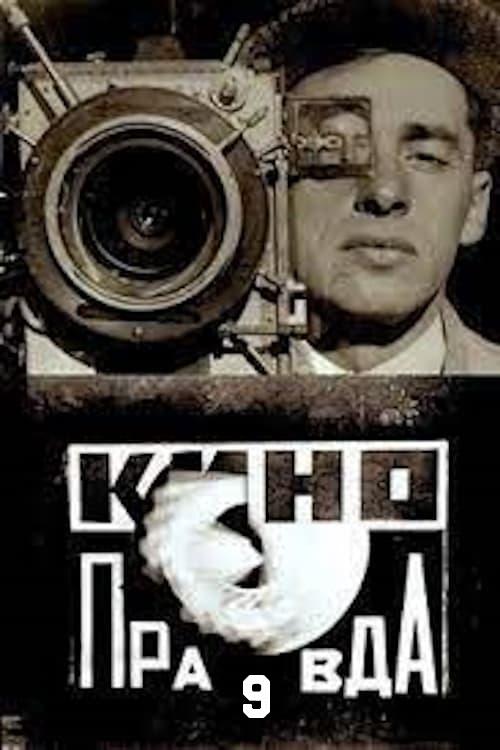
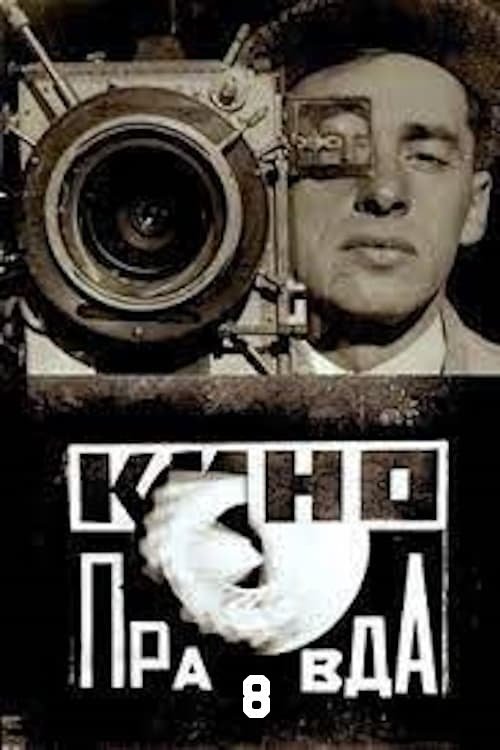
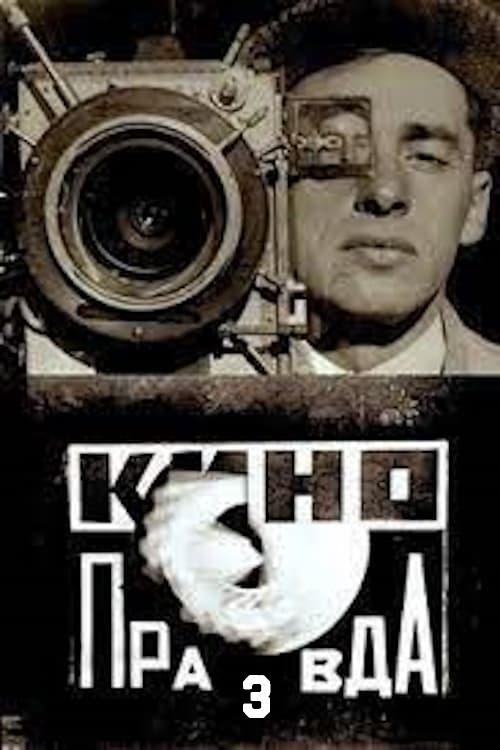
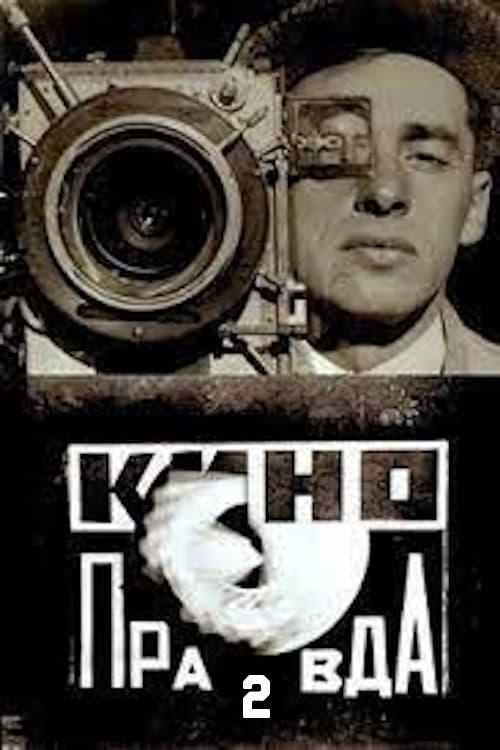
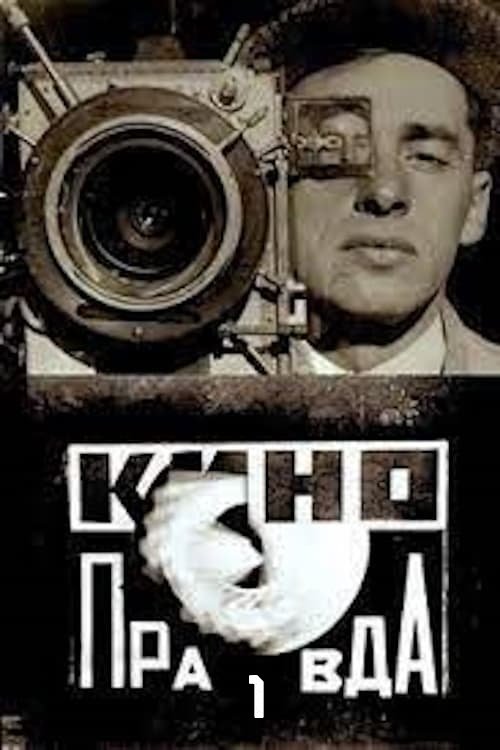
Dziga Vertov (born David Abelevich Kaufman) was a Soviet pioneer documentary film and newsreel director, as well as a cinema theorist. His filming practices and theories influenced the cinéma vérité style of documentary movie-making and the Dziga Vertov Group, a radical film-making cooperative which was active from 1968 to 1972. The independent, exploratory style of Vertov influenced and inspired many filmmakers and directors. The Dziga Vertov Group borrowed his name. In 1960, Jean Rouch used Vertov's filming theory when making Chronicle of a Summer. His partner Edgar Morin coined Cinéma vérité term when describing the style, using direct translation of Vertov’s KinoPravda. The Free Cinema movement in the United Kingdom during the 1950s, the Direct Cinema in North America in the late 1950s and early 1960s, and the Candid Eye series in Canada in the 1950s, all essentially owed a debt to Vertov. In the 2012 Sight & Sound poll, critics voted Vertov's Man with a Movie Camera (1929) the 8th best film ever made.
2024
Self (archive footage)
2002
(archive footage)
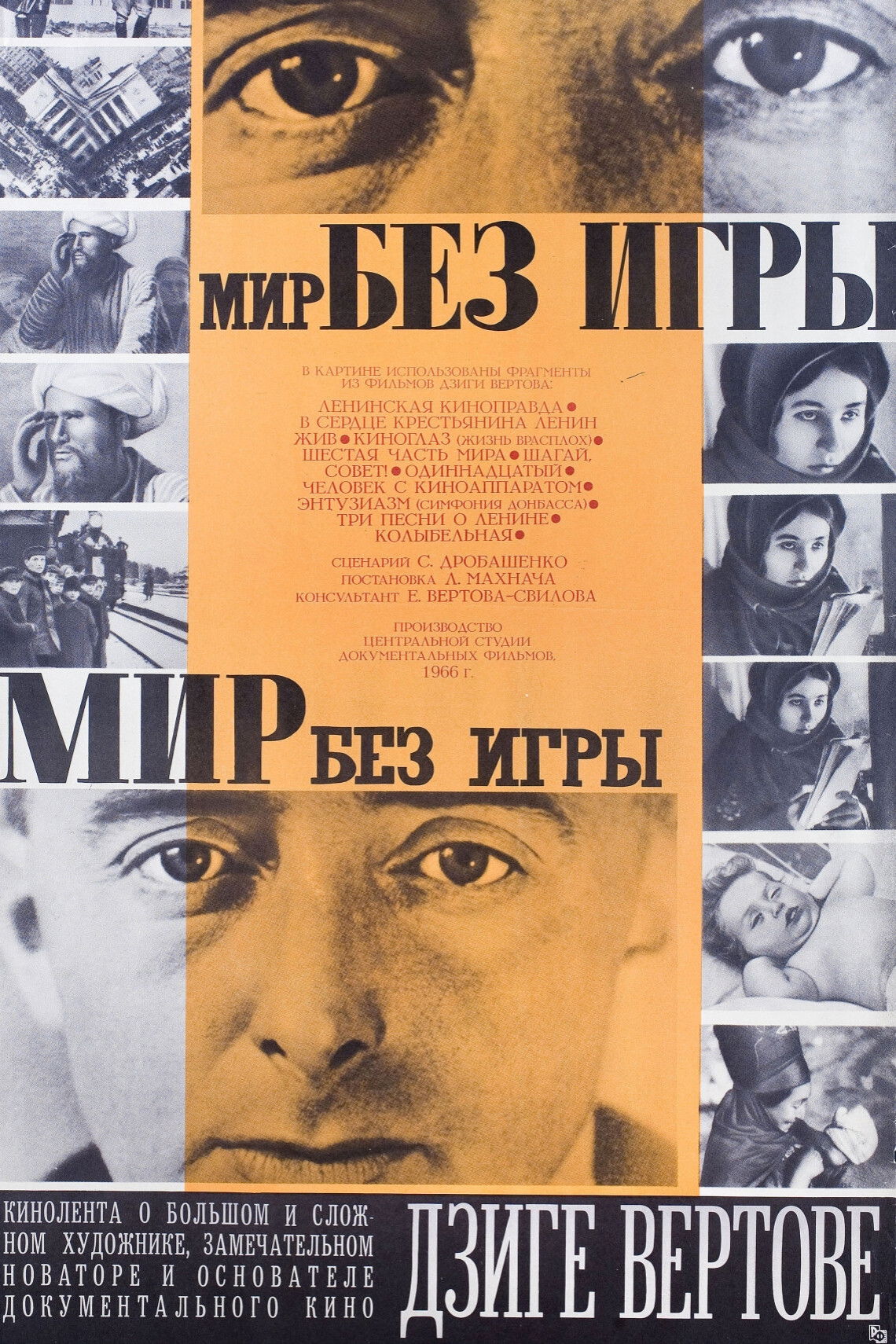
1966
Self (archive footage)
1963
Self (archive footage)

1942
Réalisation
1941
Réalisation

1938
Réalisation
1937
Réalisation

1937
Réalisation

Dziga Vertov a tourné à travers toute l'URSS pour illustrer trois chansons populaires dédiées à Lénine. À destination des salles de cinéma non équipées pour le son, il a monté cette version muette, la seule qui subsiste antérieure à divers remontages et « adaptations ».
1934
Réalisation
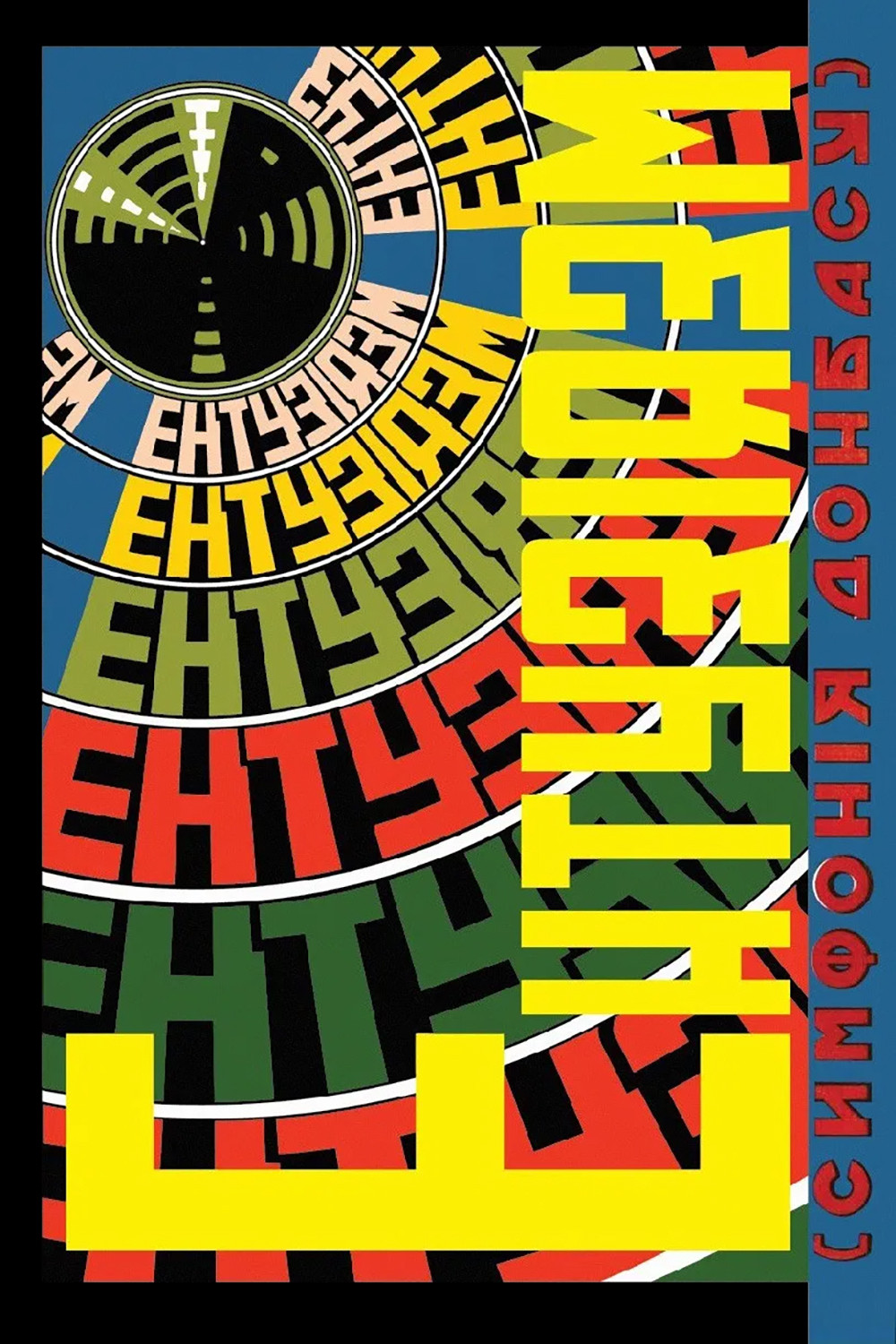
Premier documentaire soviétique en son direct, à la gloire du plan quinquennal et de l'industrialisation. Et des nouvelles possibilités ouvertes au cinéma.
1930
Réalisation
1930
Réalisation
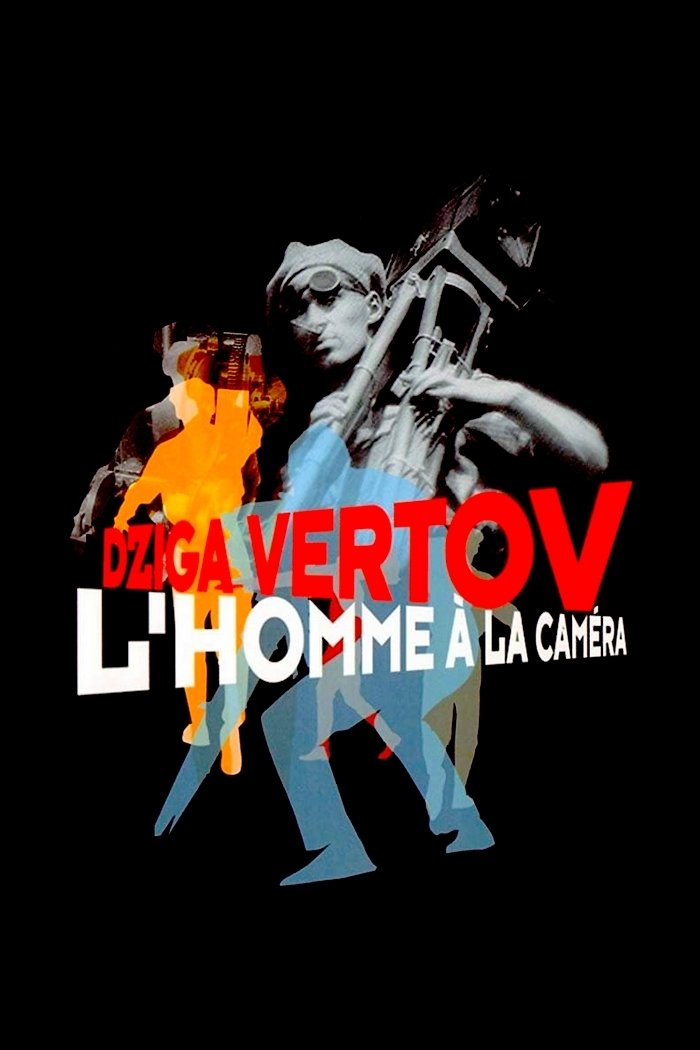
Un caméraman déambule caméra à l'épaule, documentant la vie urbaine avec une inventivité éblouissante.
1929
Réalisation
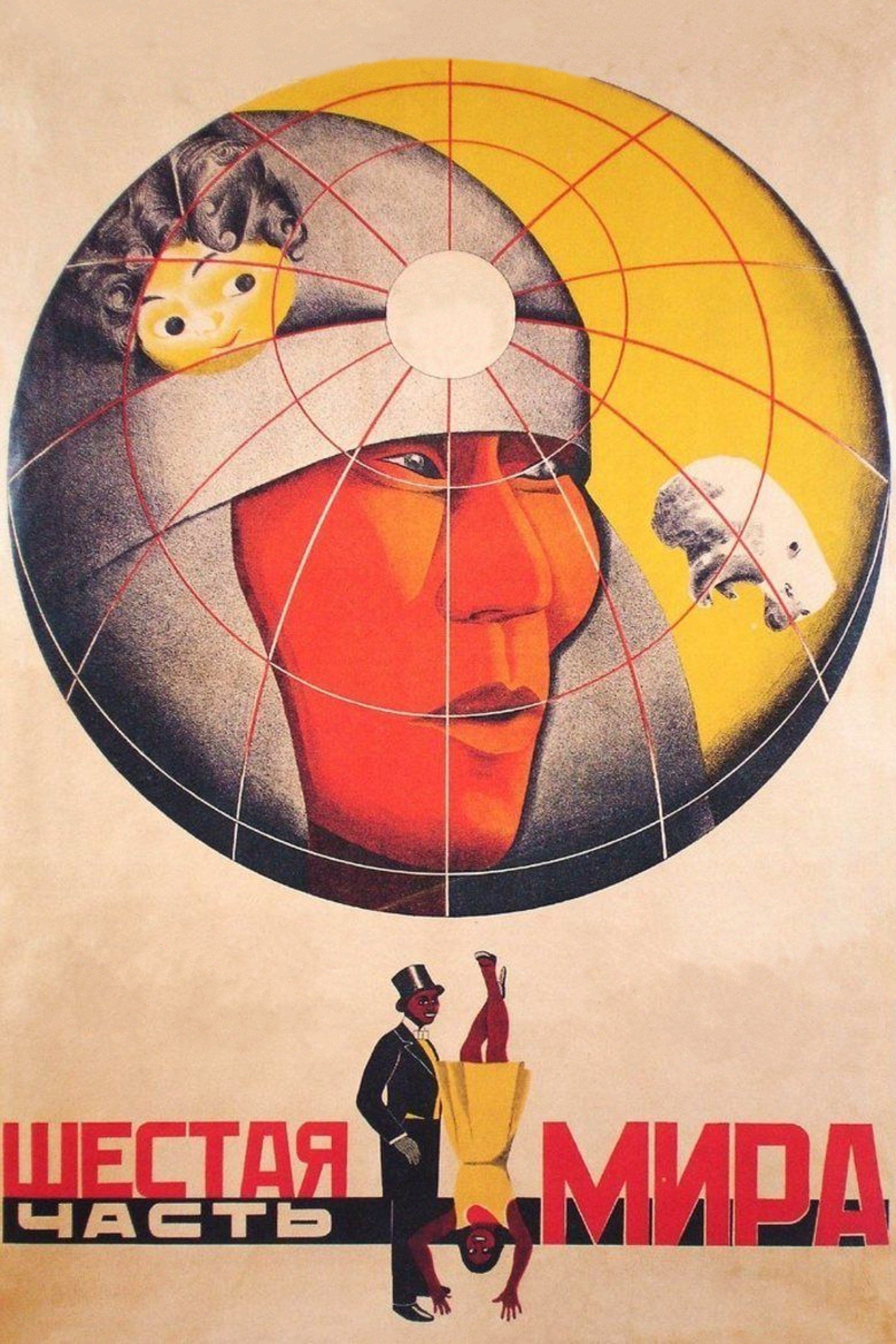
Ode à la patrie nouvellement élargie : sont rassemblées pour l'occasion les diverses nationalités, mais déclinés aussi les progrès technologiques liés à l'avènement prodigue de la Révolution.
1926
Réalisation
1926
Réalisation
1925
Réalisation
1925
Réalisation
Réalisé pour le premier anniversaire de la mort de Lénine, un « cinépoème » de montage en trois parties : l'œuvre de Lénine, sa mort, et enfin le récit de l'année écoulée, intitulé : « Lénine est mort, mais sa force est avec nous. »
1925
Réalisation
1924
Réalisation
1924
Réalisation
1924
Réalisation

1924
Réalisation
1924
Réalisation
1924
Réalisation
1923
Réalisation
1923
Réalisation
1923
Réalisation
1923
Réalisation
1923
Réalisation
1923
Réalisation
1923
Réalisation
1922
Réalisation
1922
Réalisation
1922
Réalisation
1922
Réalisation
1922
Réalisation
1922
Interprétation
1922
Réalisation
1922
Réalisation
1922
Réalisation
1922
Réalisation
1922
Réalisation
1922
Réalisation
1922
Réalisation
1921
Réalisation

1919
Réalisation
1919
Réalisation
1919
Réalisation
1919
Réalisation
1919
Réalisation
1919
Réalisation
1919
Réalisation
1919
Réalisation
1919
Réalisation
1918
Réalisation
1918
Réalisation

1918
Réalisation
1918
Réalisation
Une chronique de la révolution russe de 1917, de la révolution démocratique bourgeoise de février à la grande révolution socialiste d'octobre et au triomphe final.
1918
Réalisation
1918
Réalisation
1918
Réalisation
1918
Réalisation
1918
Réalisation
1918
Réalisation
1918
Réalisation
1918
Réalisation

1918
Réalisation
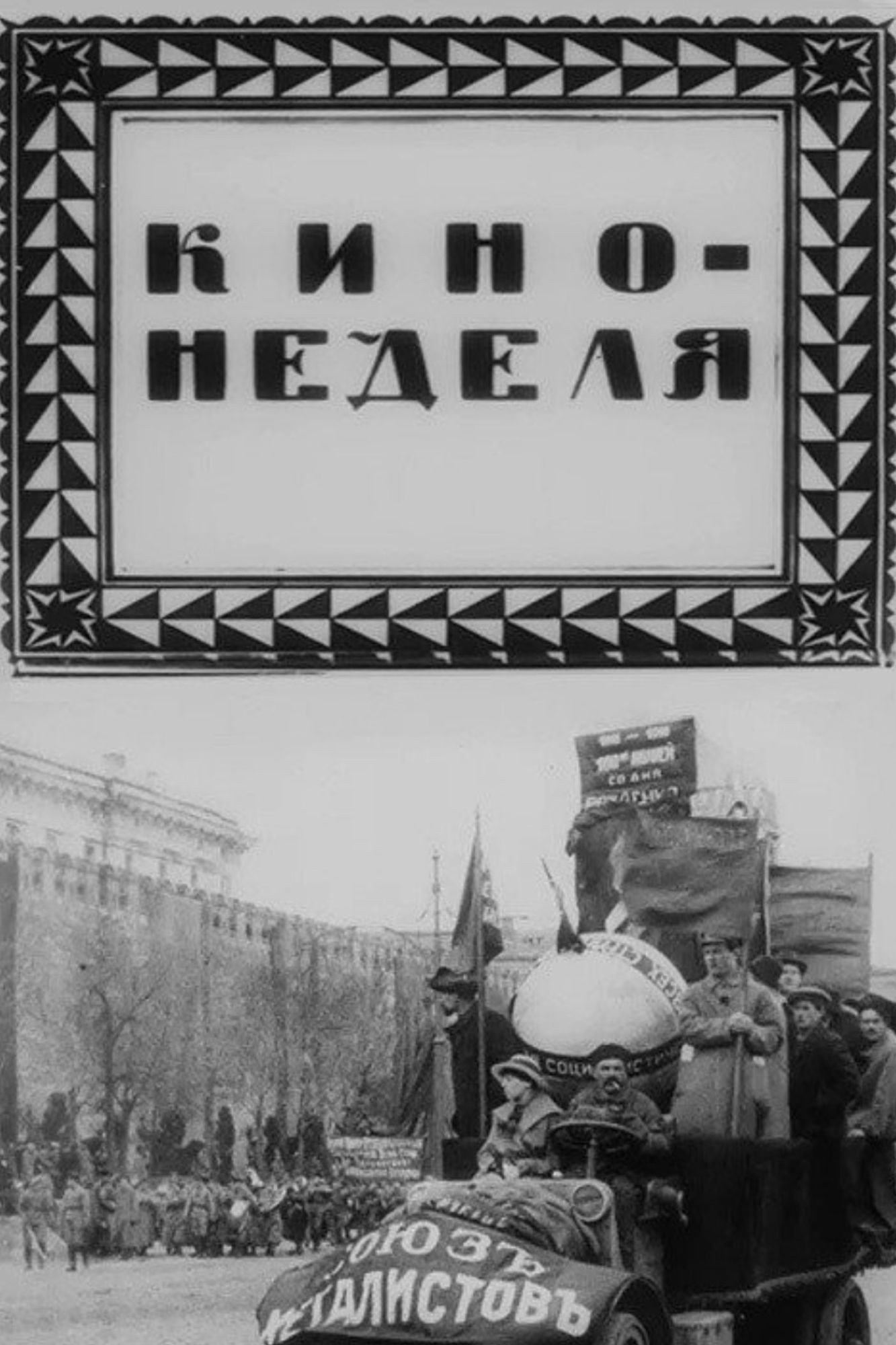
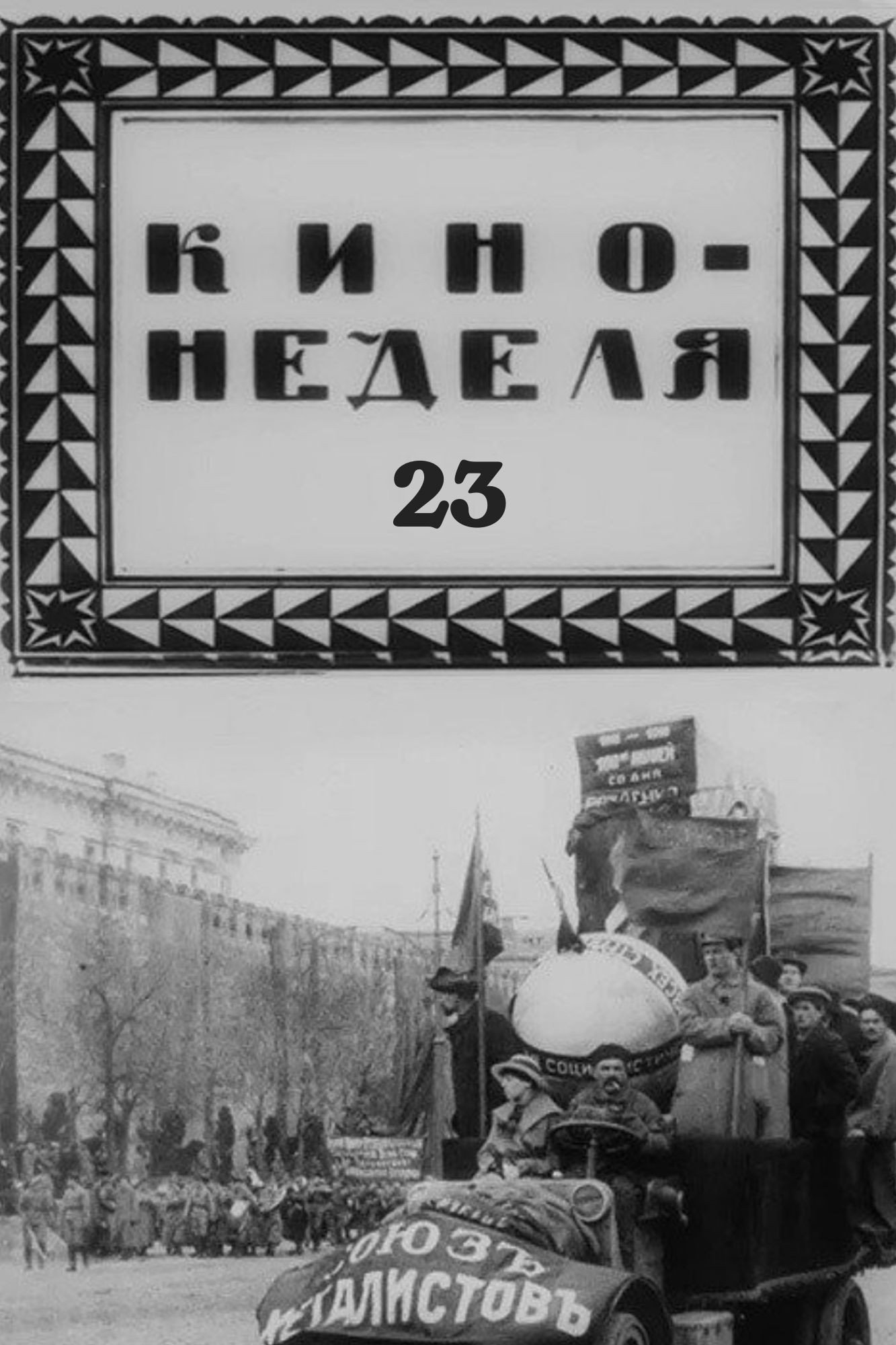
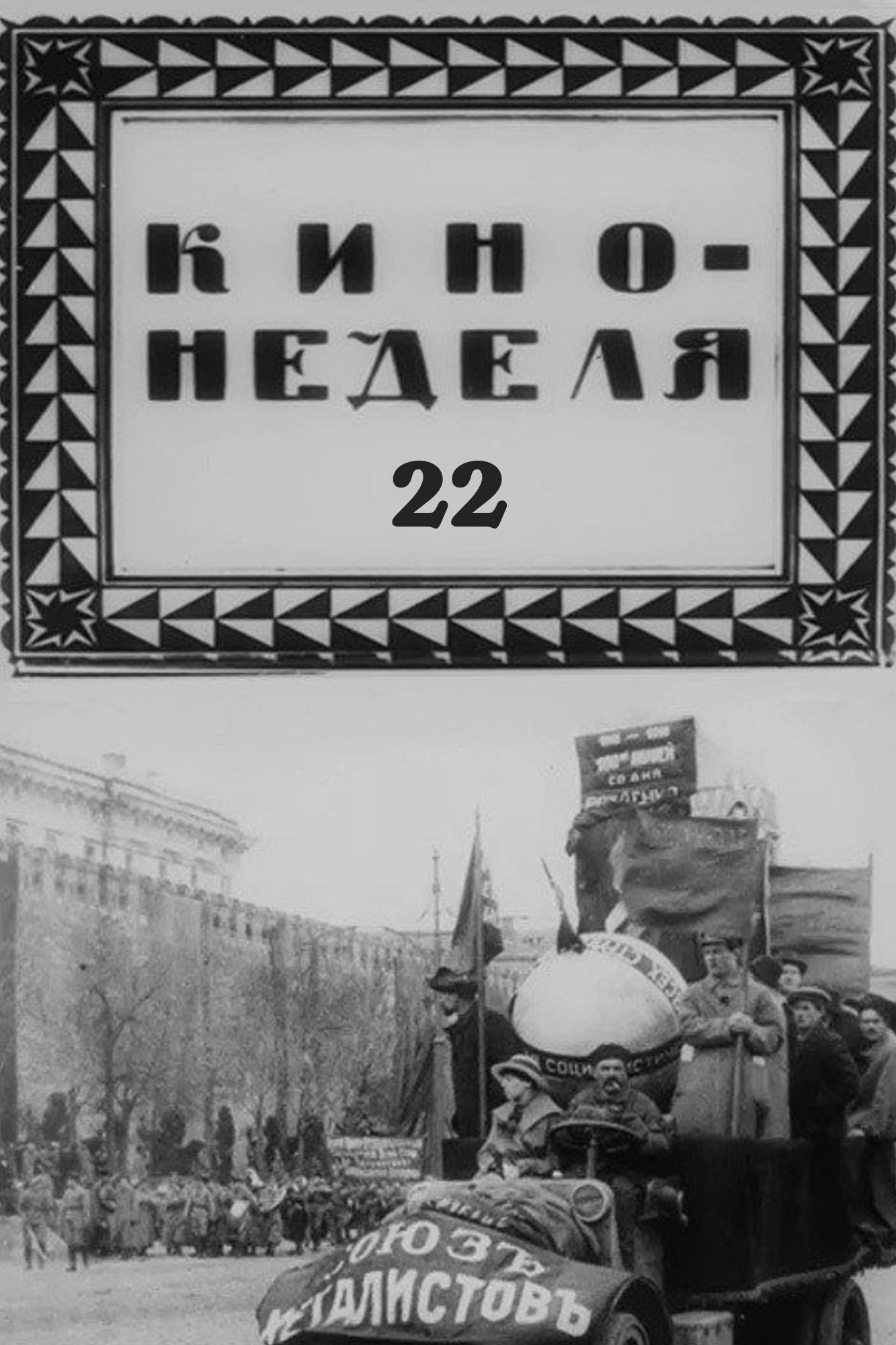
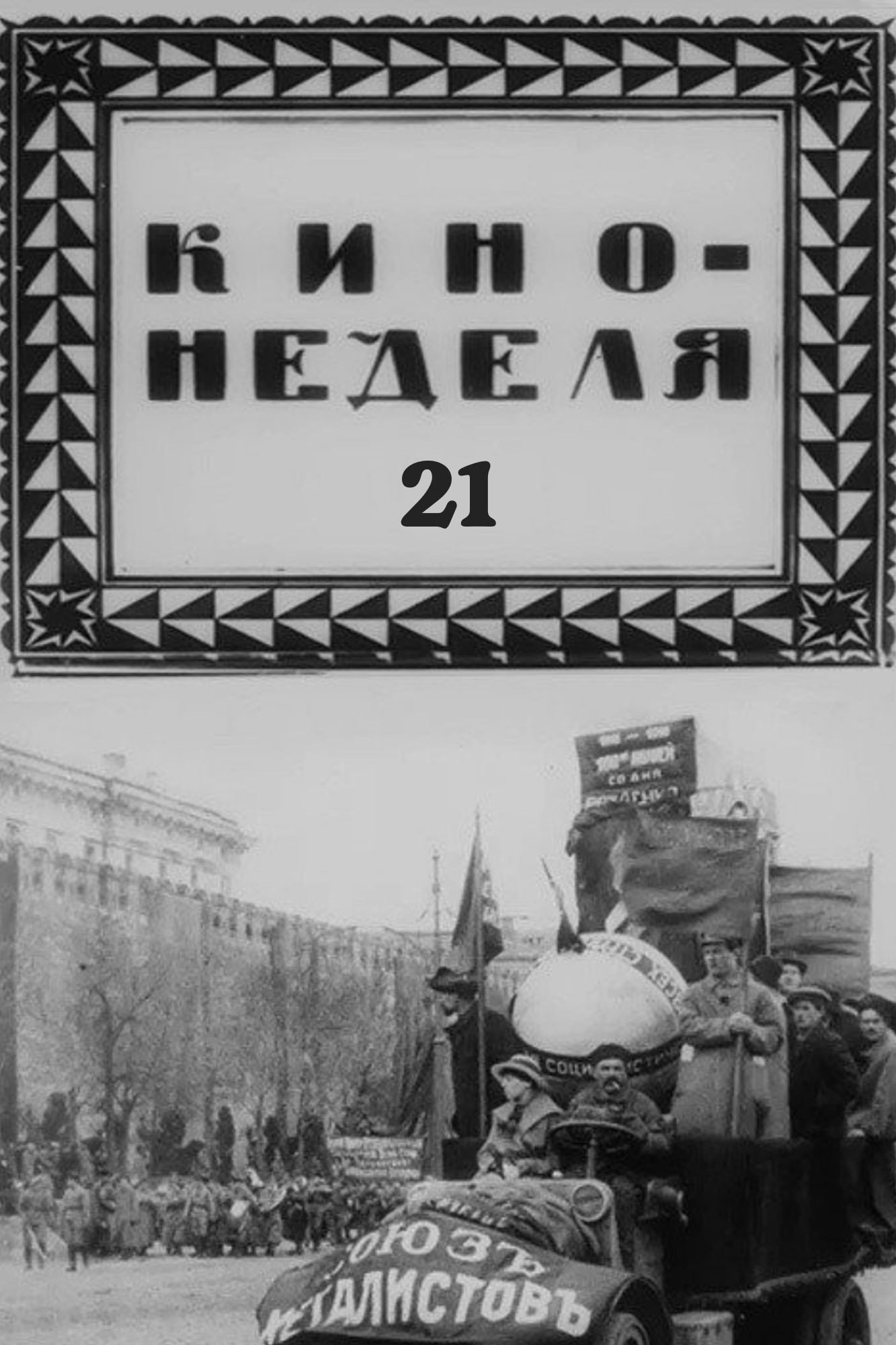
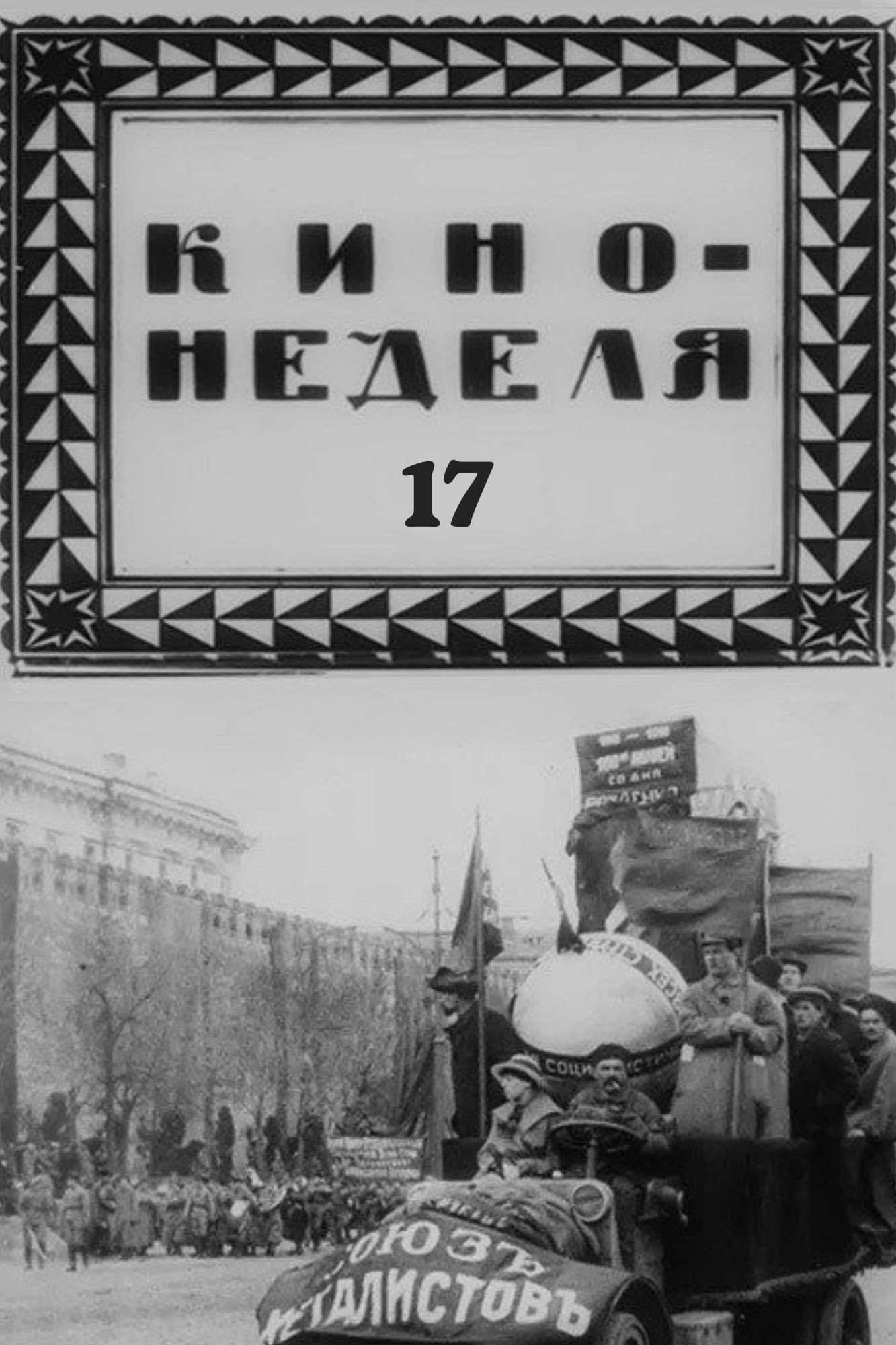
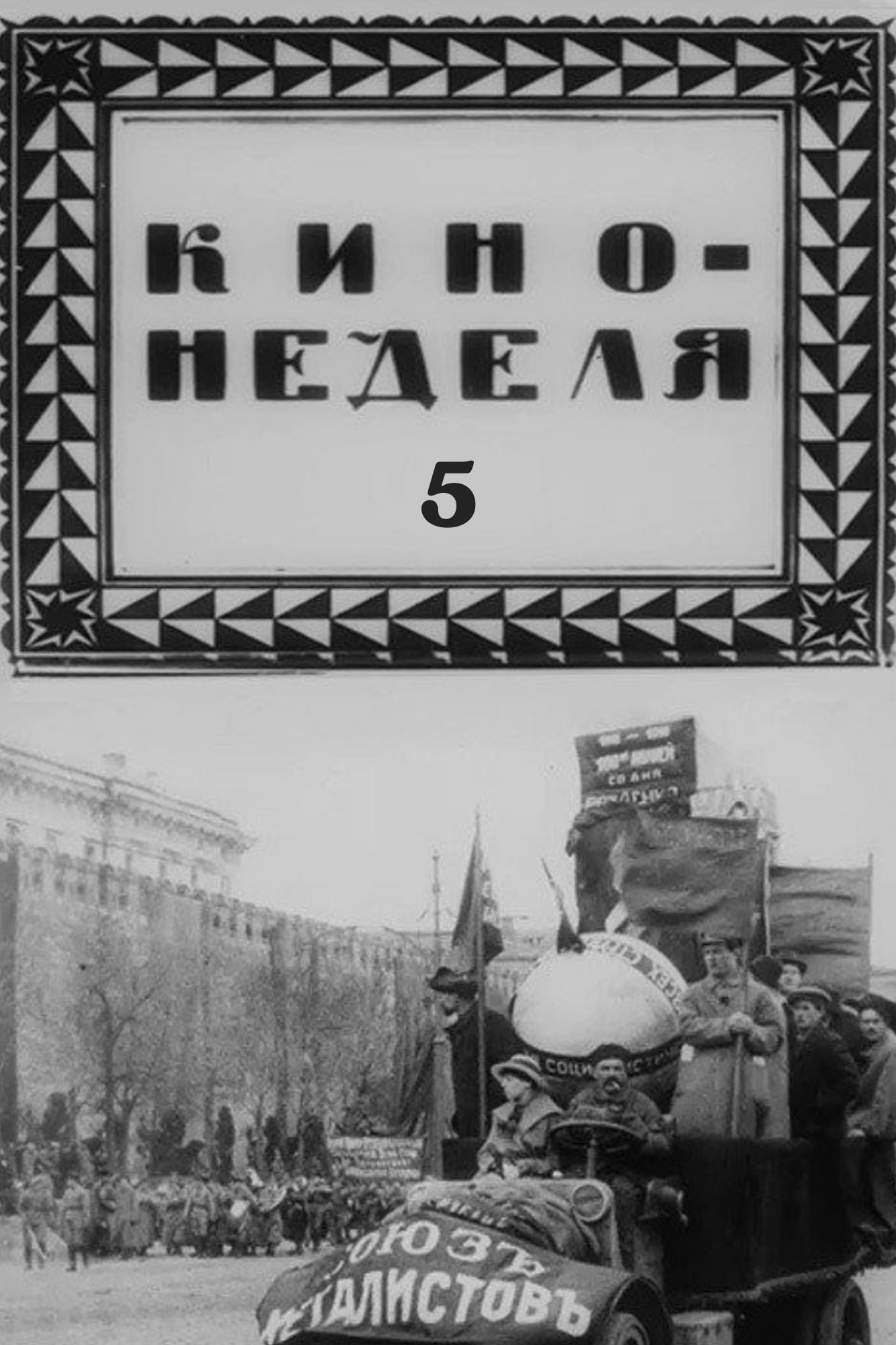
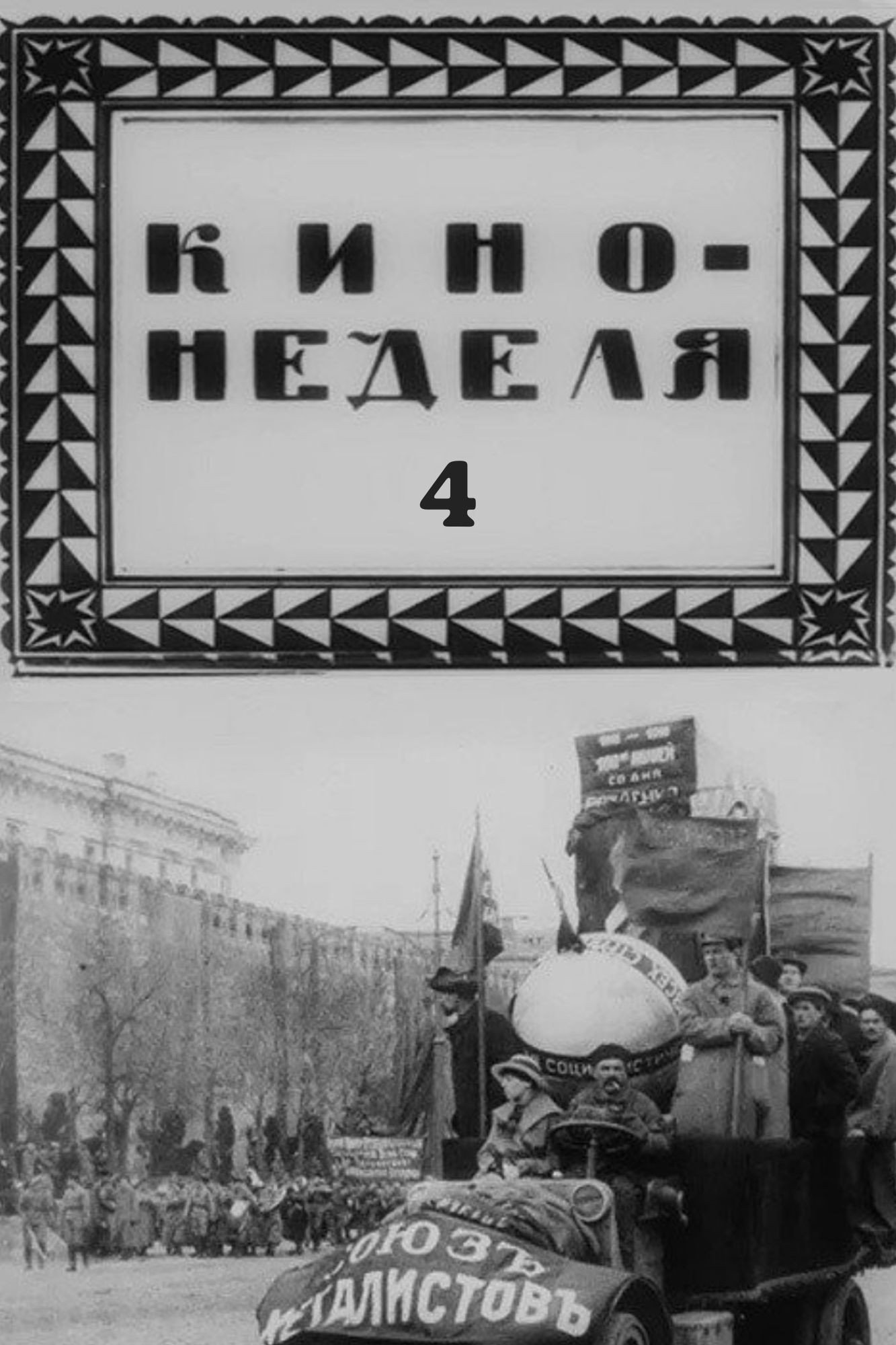
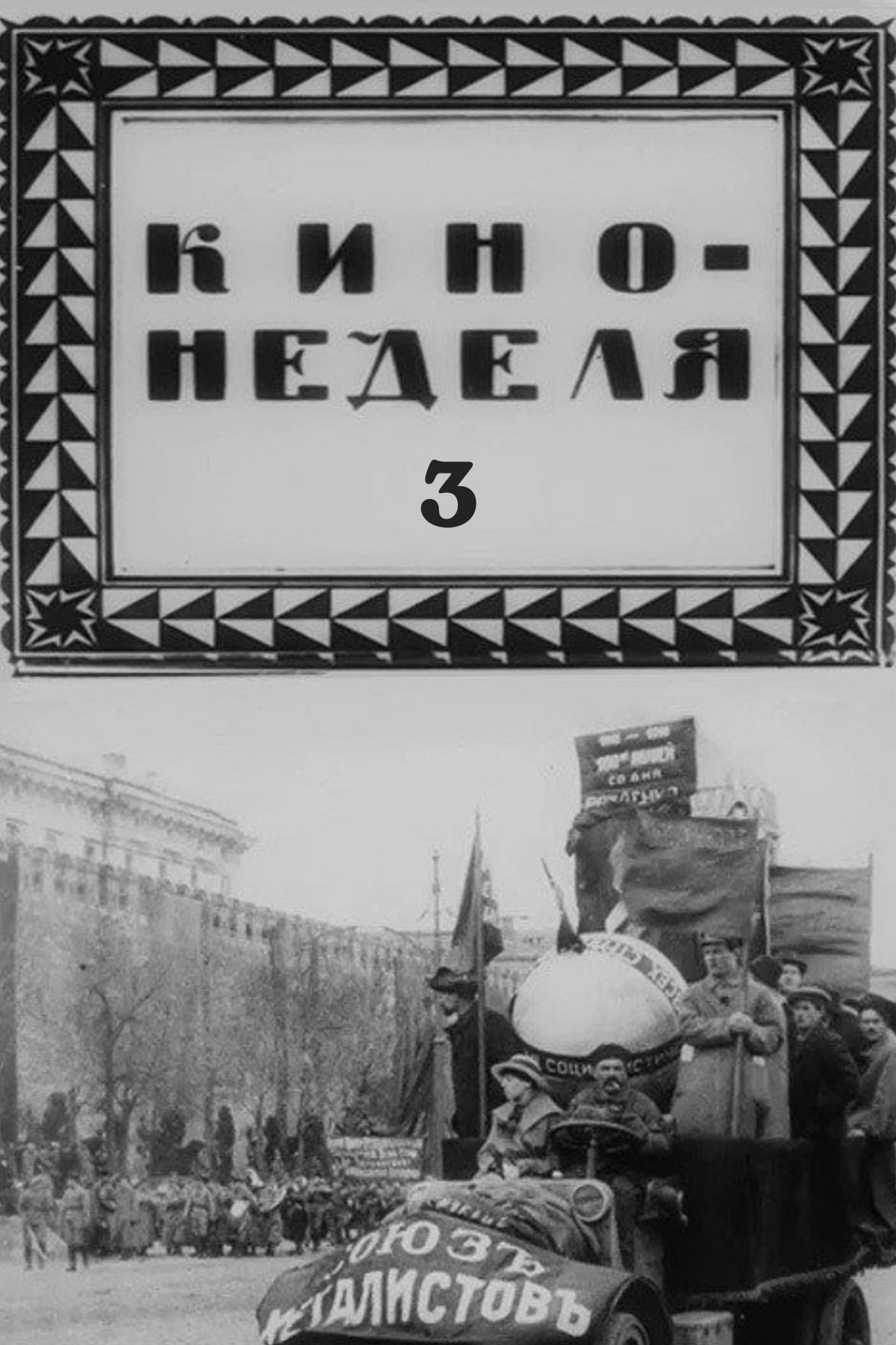
Réalisées en pleine guerre civile, les premières actualités hebdomadaires soviétiques.
1918
Réalisation