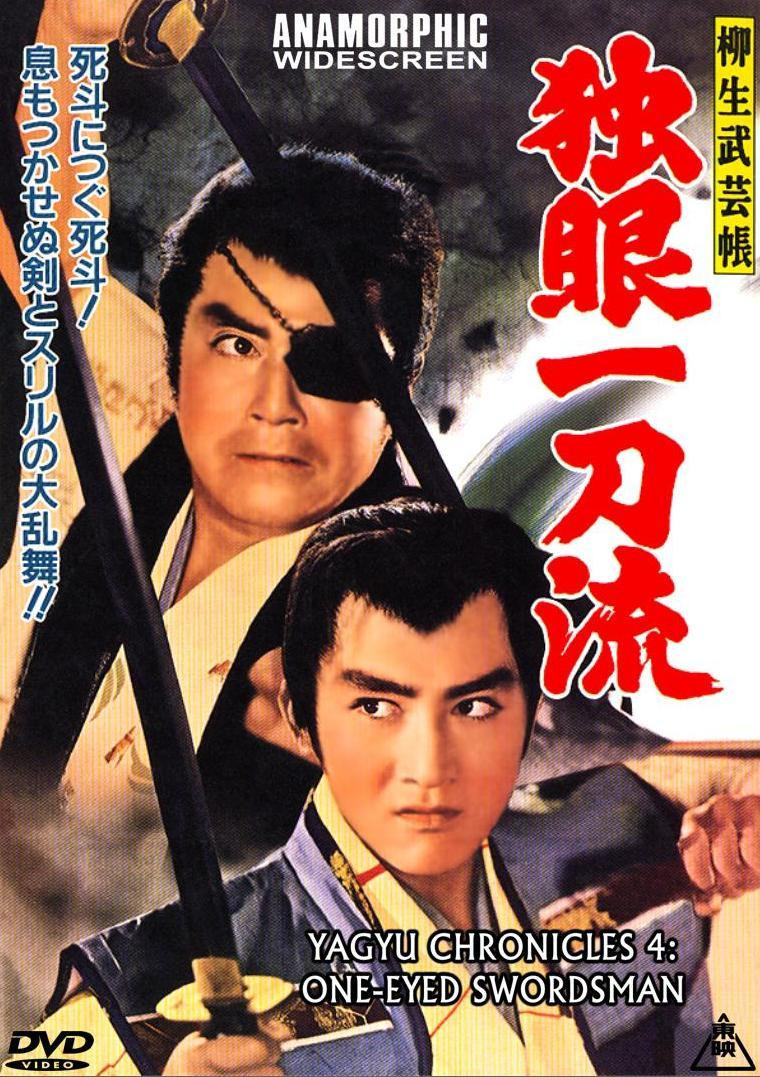
5,8
ZIPANG
1990
Interprétation
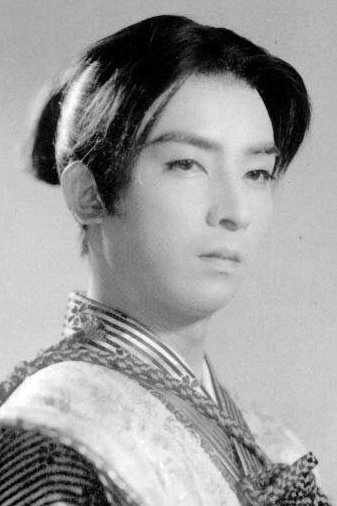
Actor and dancer.
1990
Interprétation
1983
Tokugawa Tsunanari

1981
Sasaki Kojiro
1979
General Kurama Tetsuzan
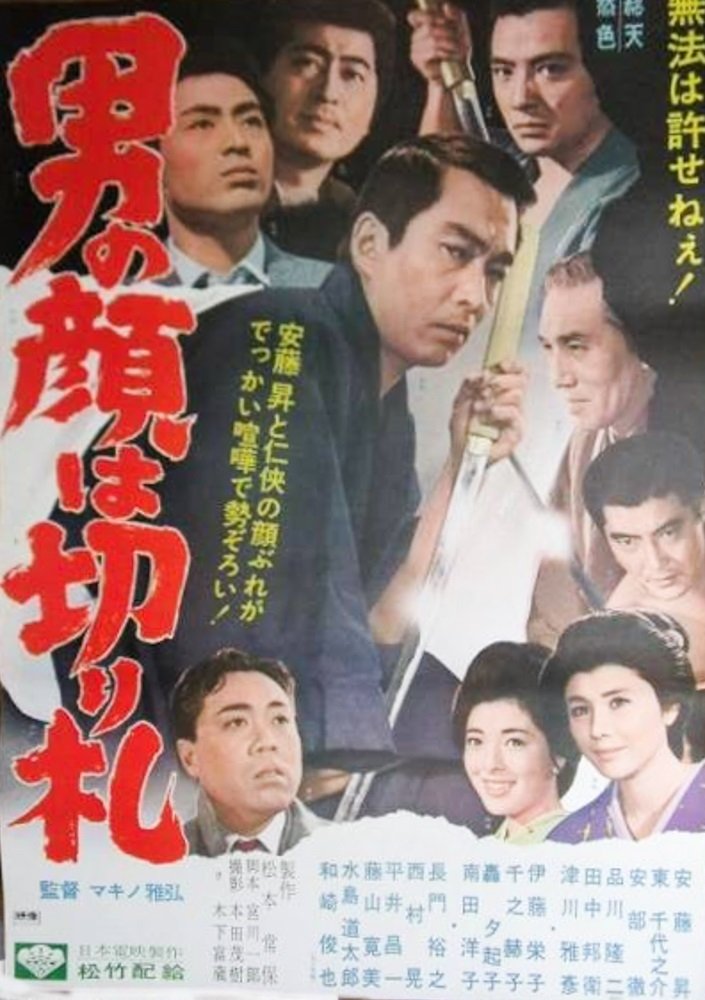
1966
Shohachi
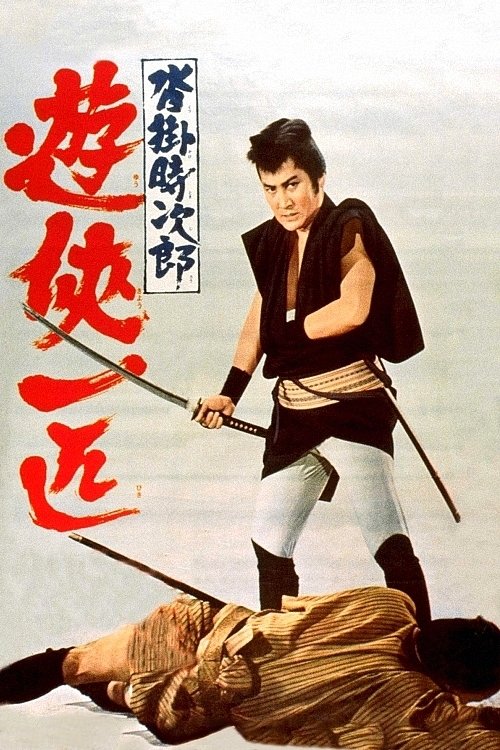
Le yakuza Tokijirô se fait offrir l'hospitalité chez un chef de gang qui lui demande en retour conformément au code d'entraide chez les yakuzas de tuer un rival. Avant de mourir, ce dernier lui confie sa femme et son jeune fils. Les sachant en danger, Tokijirô décide de les prendre sous sa protection le temps de les ramener à leur village natal. Au cours du voyage, Tokijirô se retient d'éprouver des sentiments pour la veuve et son enfant.
1966
Mutsuda no Sanzo

1964
Interprétation

Yagyû Jûbei se bat pour contrer un coup d'état comploté contre le Shogunat des Tokugawa.
1963
Interprétation
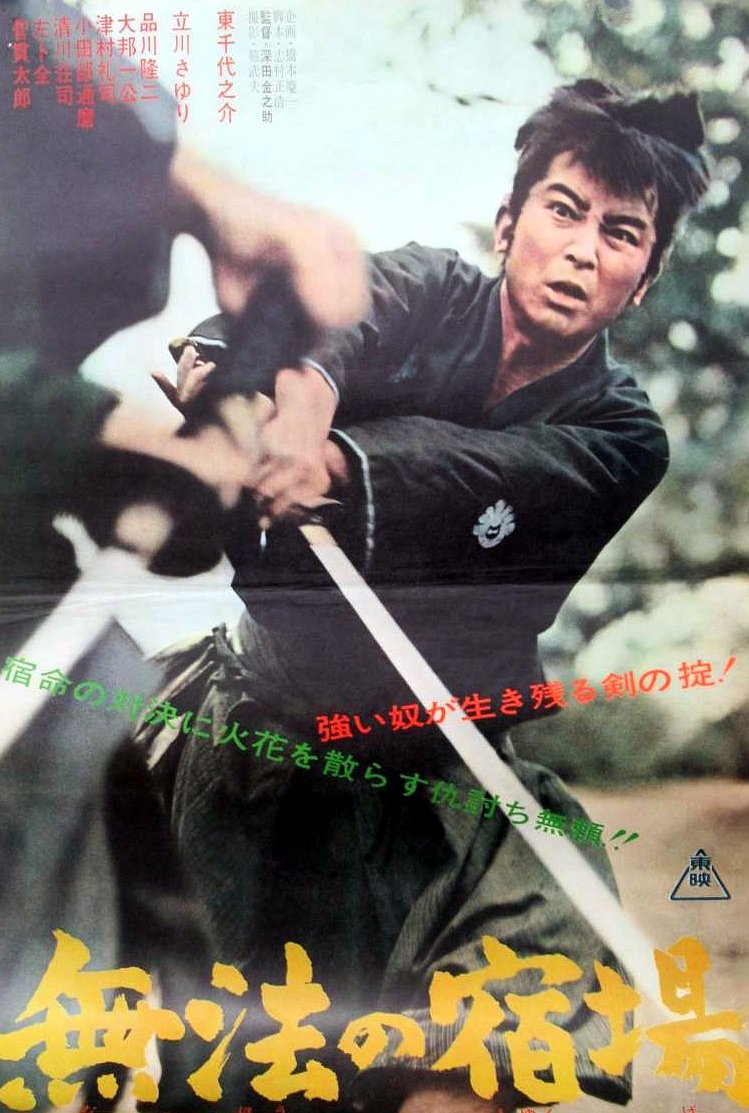
1963
Interprétation

1963
Interprétation
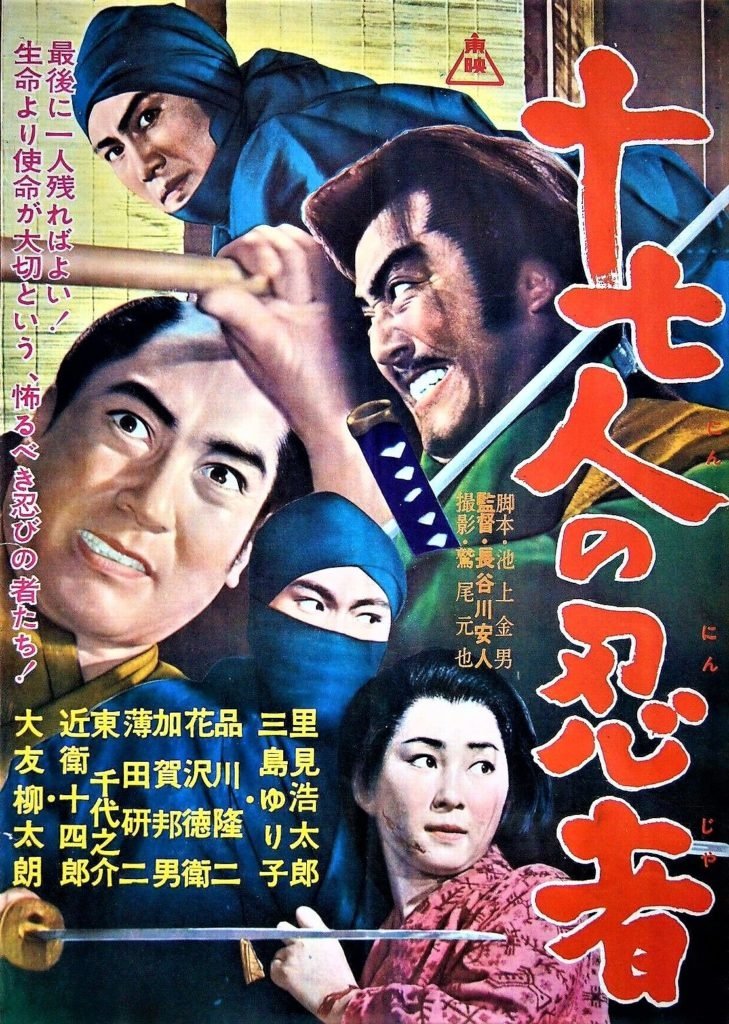
1963
Interprétation
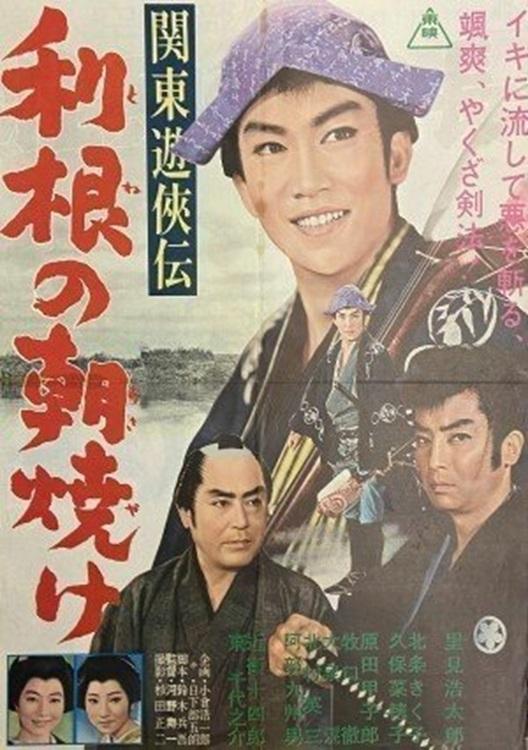
1963
Interprétation
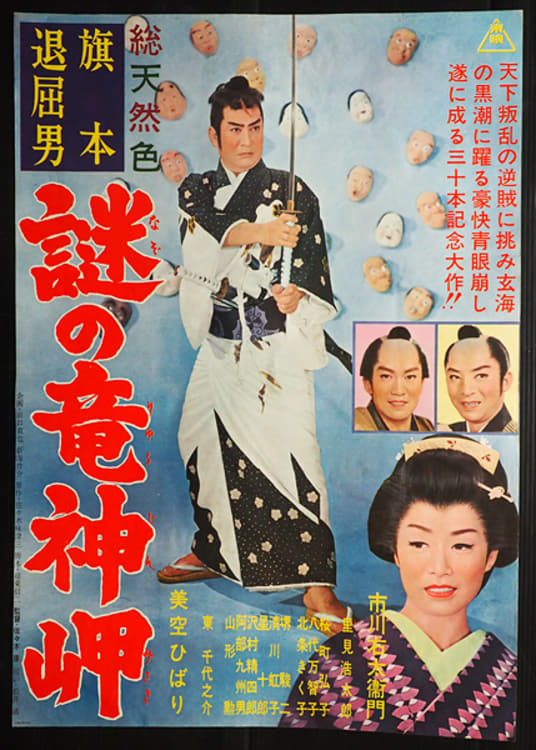
1963
Hayakawa Samanosuke
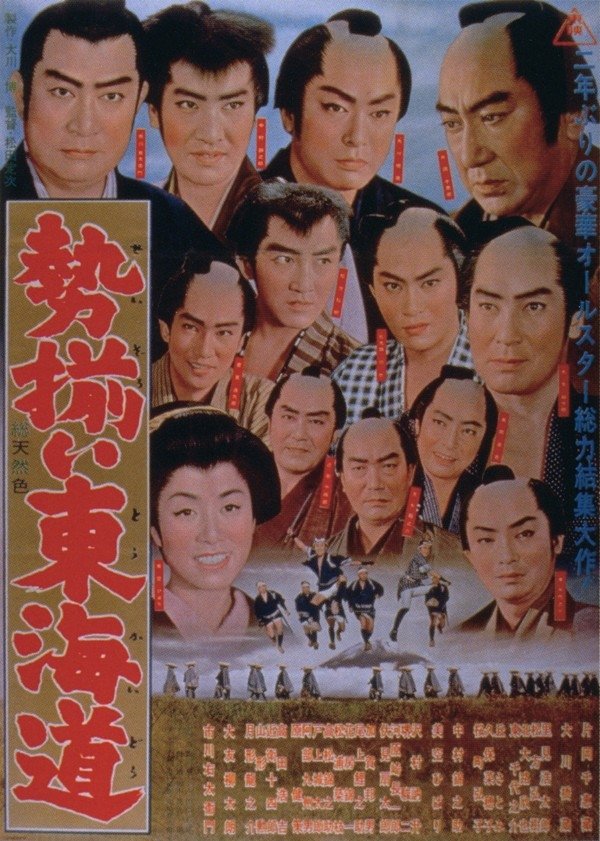
1963
Interprétation

1962
Interprétation

1962
Interprétation
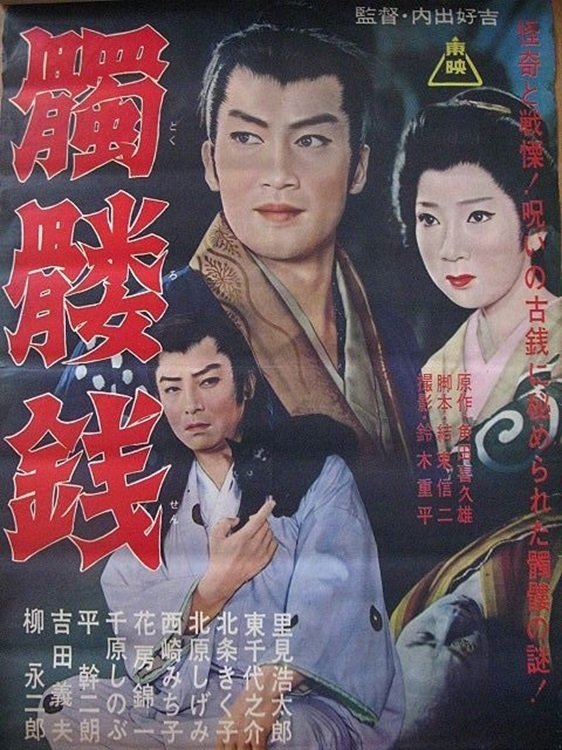
1962
Interprétation

1962
O'oka Tadasuke
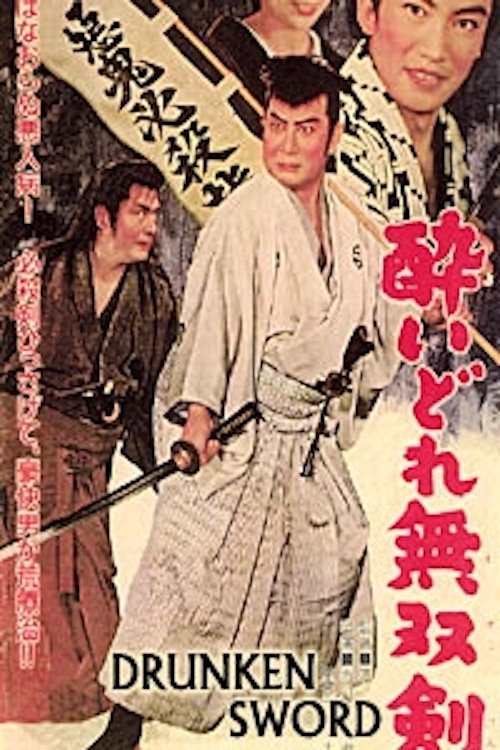
1962
Interprétation
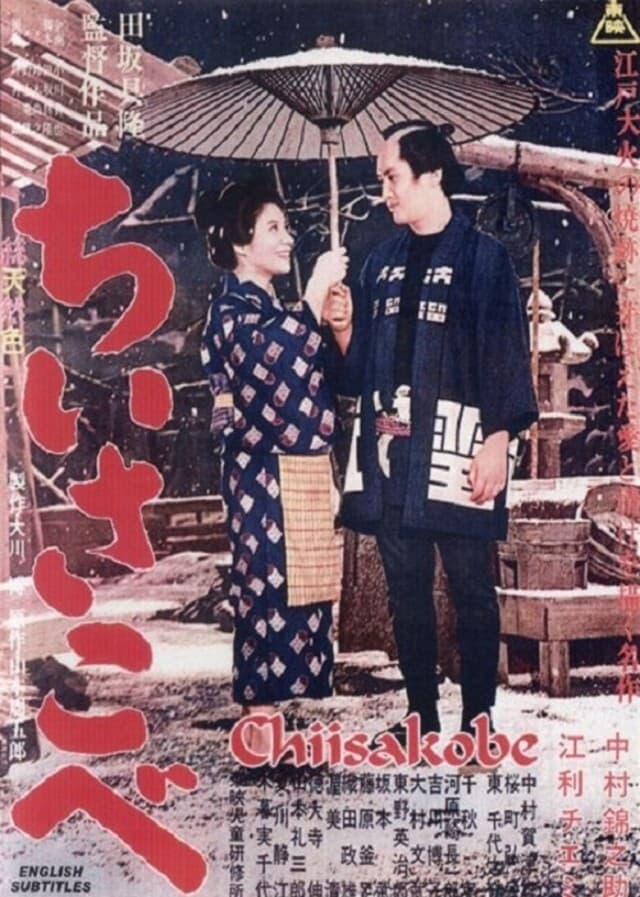
1962
Interprétation

1962
Interprétation
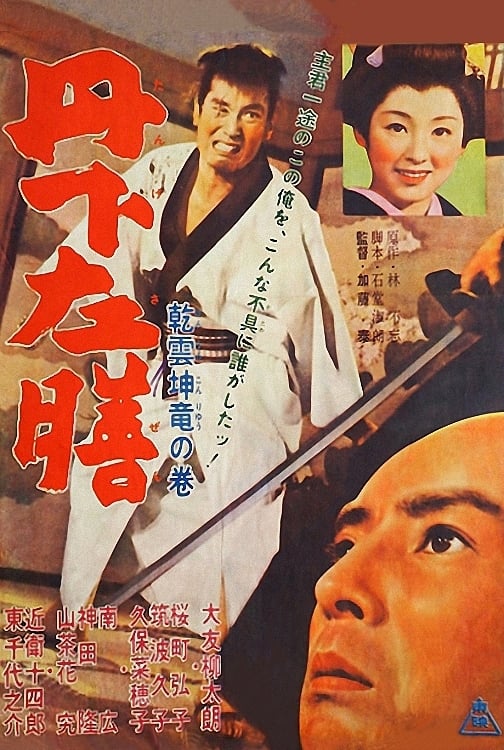
1962
Yokichi
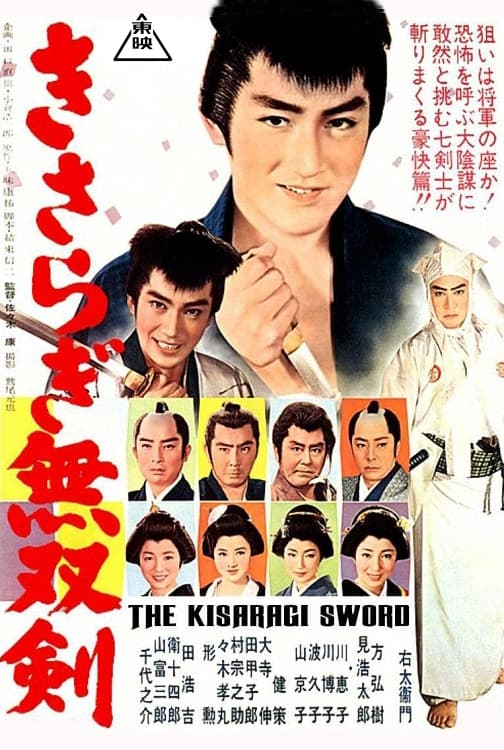
1962
Yoshimune Tokugawa
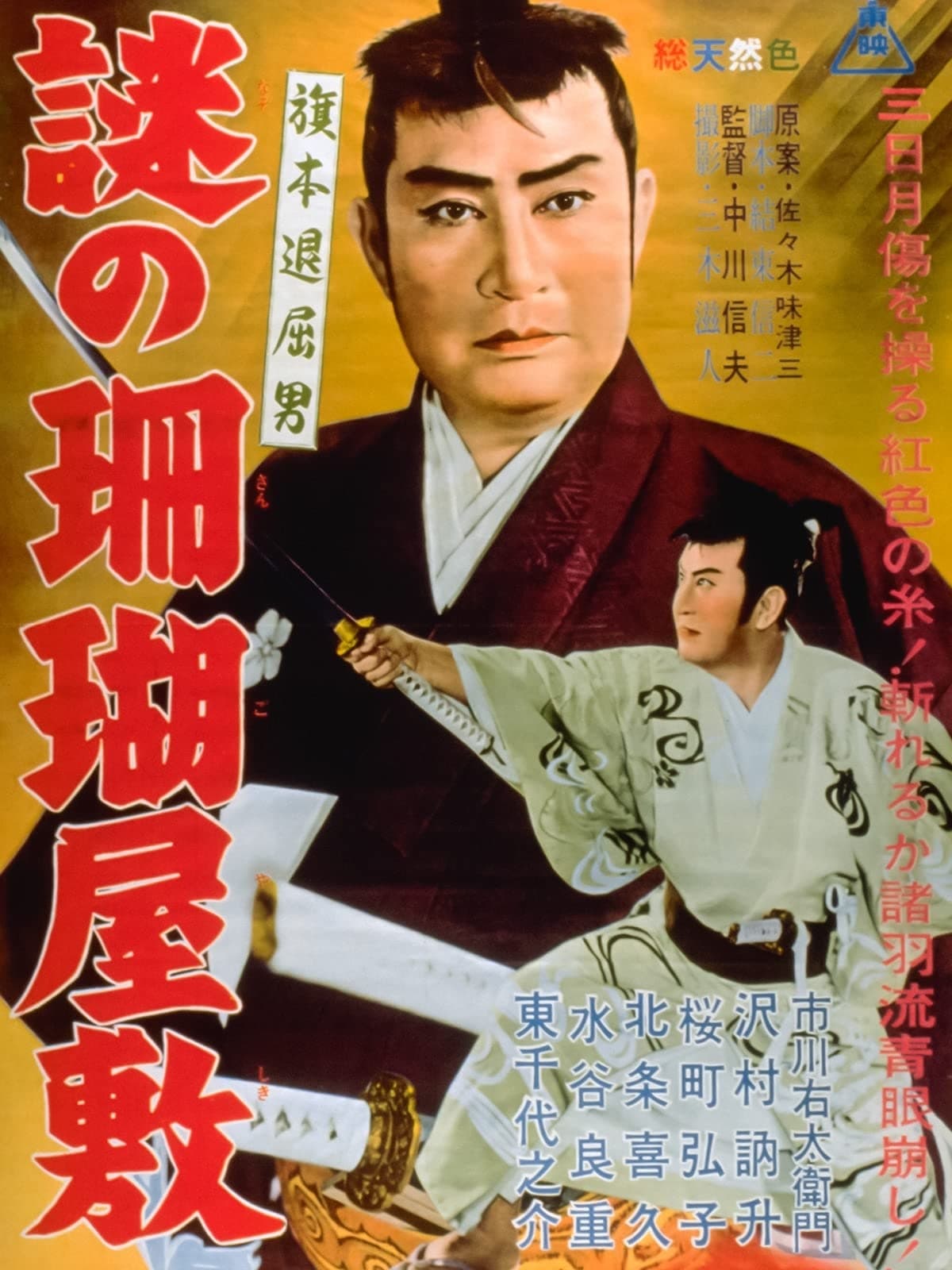
1962
Interprétation
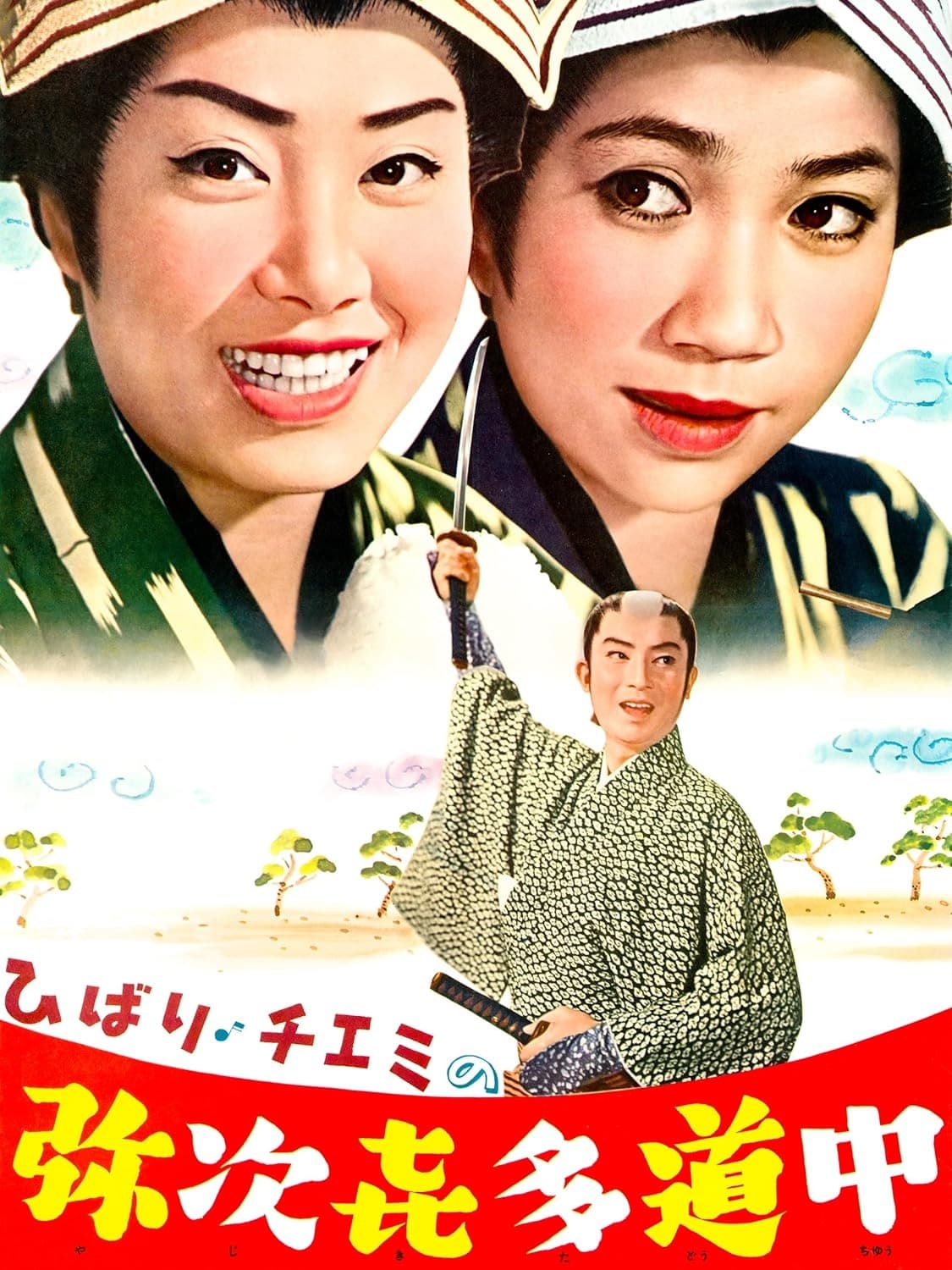
1962
Interprétation

1961
Interprétation

1961
Hamakaze-no-Bunji
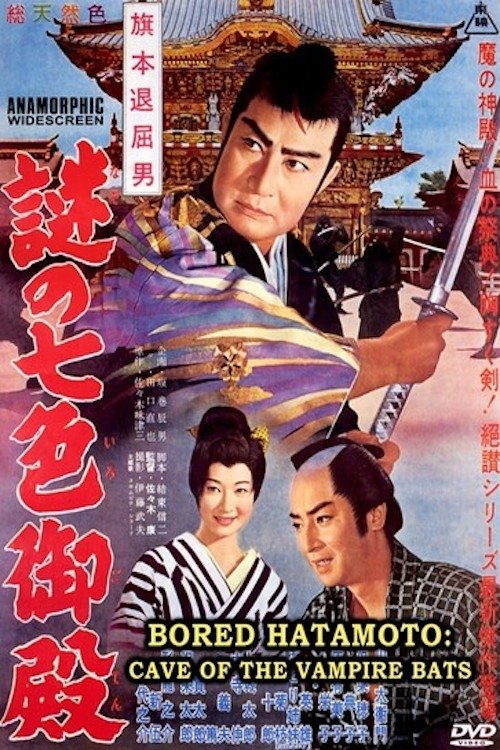
1961
Interprétation
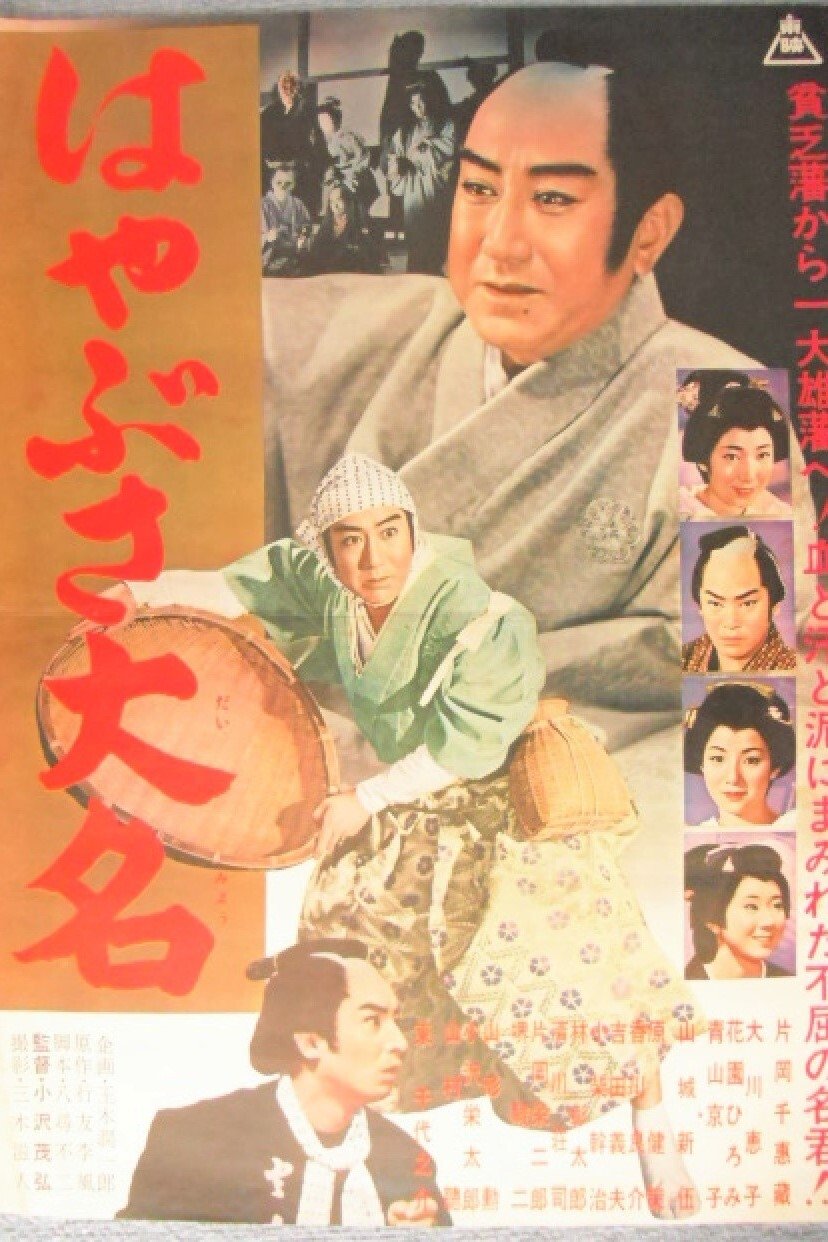
1961
Interprétation

1961
Interprétation
1961
Interprétation
1961
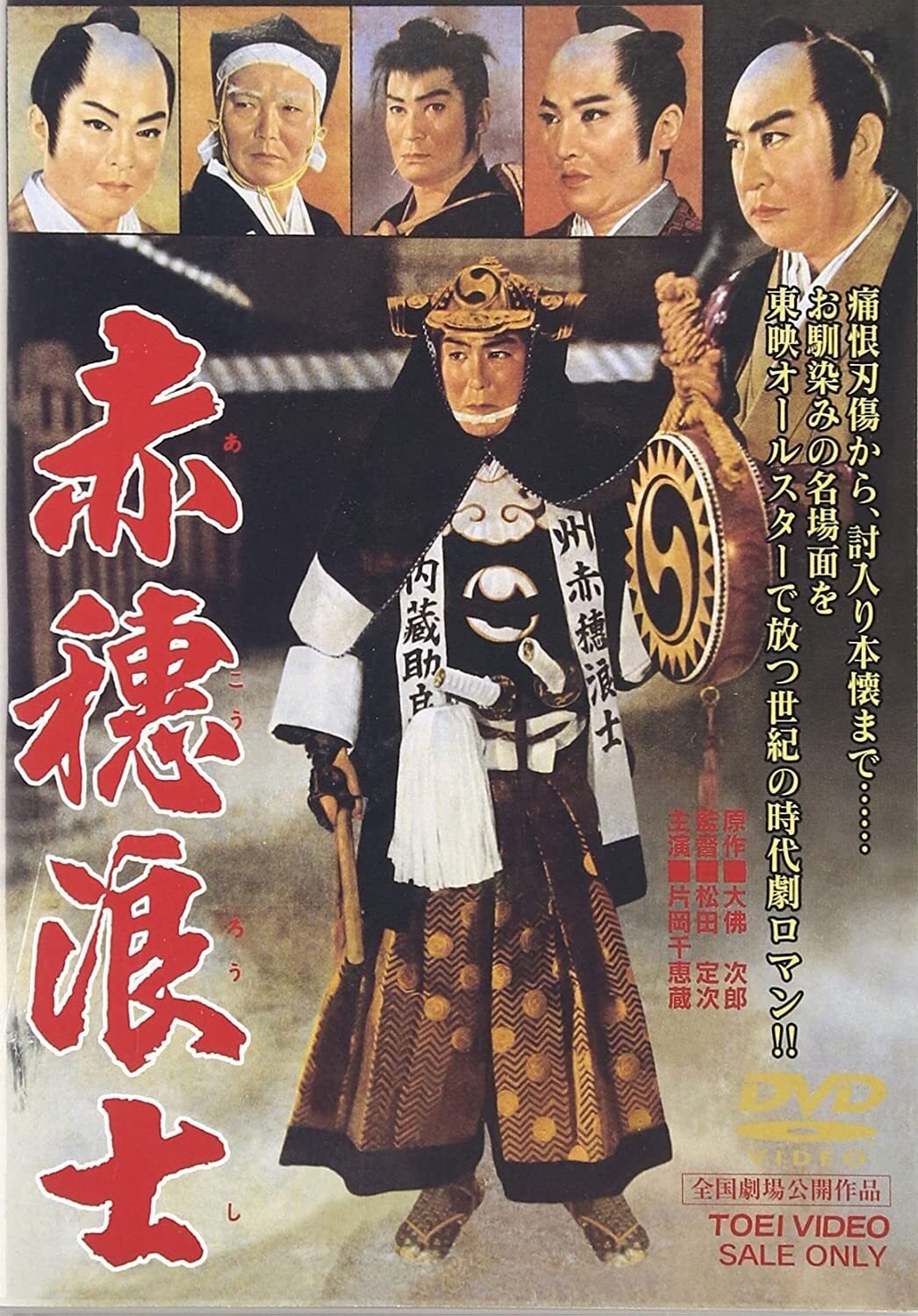
Horibe Anbei
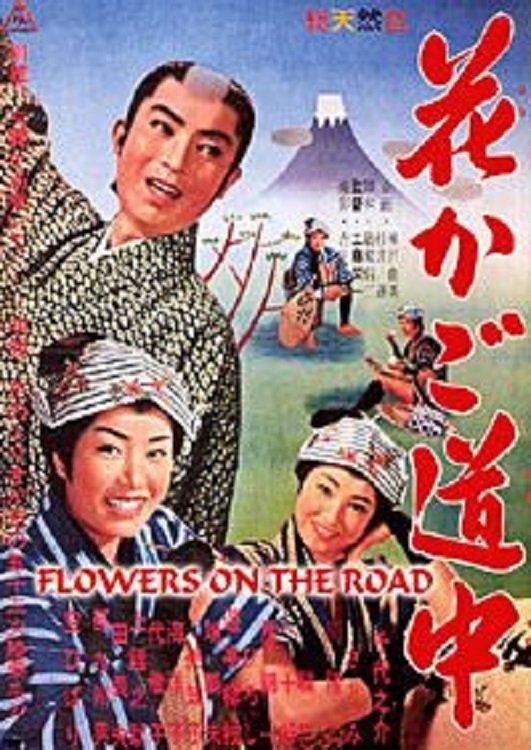
Yae et Kiku, filles de drapiers d'Edo, se rendent à Kyoto à la place de leurs pères malades pour s'occuper de certaines affaires. Leurs deux pères, qui sont des amis de longue date, sont tombés malades en même temps et ne peuvent pas faire confiance à leurs employés incompétents pour faire le voyage à leur place.
1961
Sakurai Sanshiro
1960
Interprétation
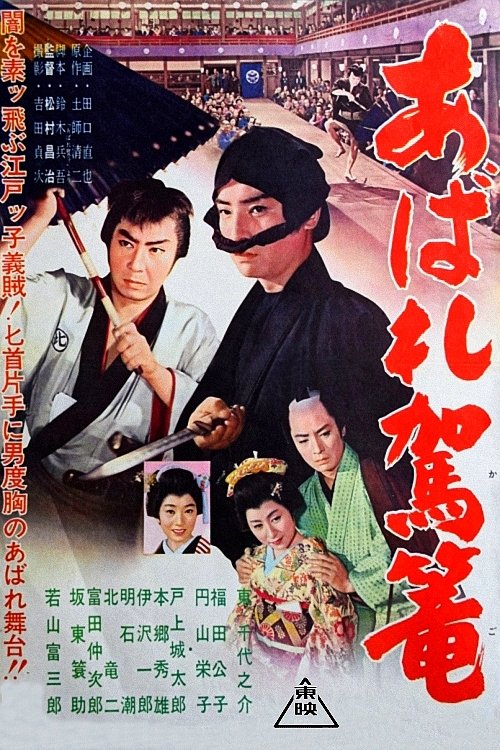
1960
Interprétation
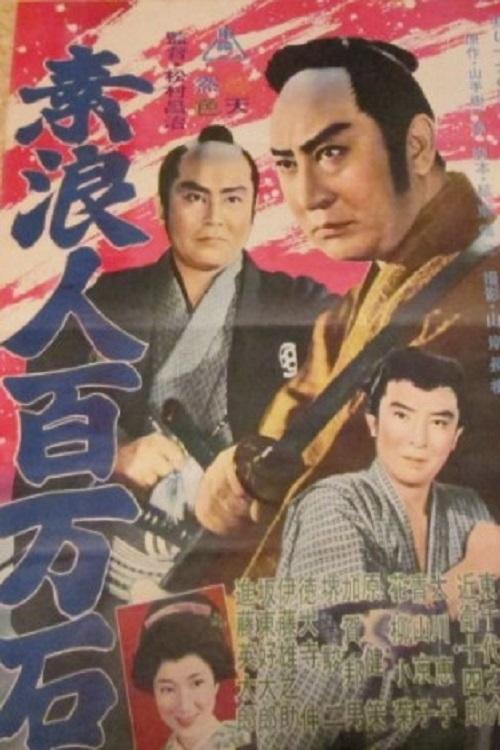
1960
Asayoshi

1960
Interprétation
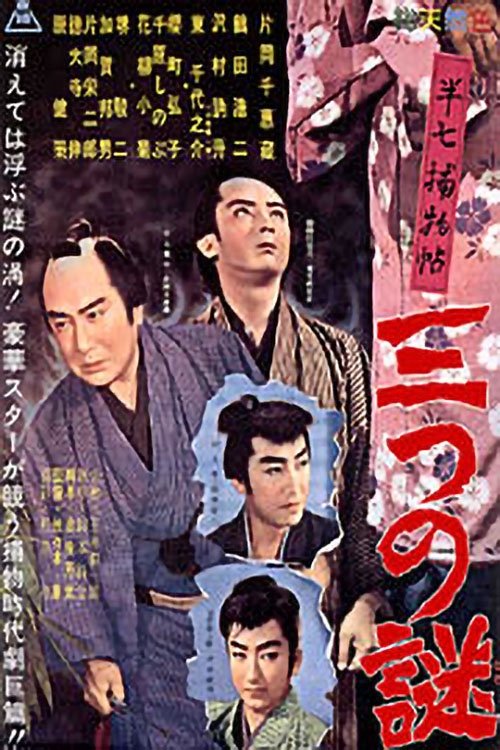
1960
Kirihata no Tsunekichi
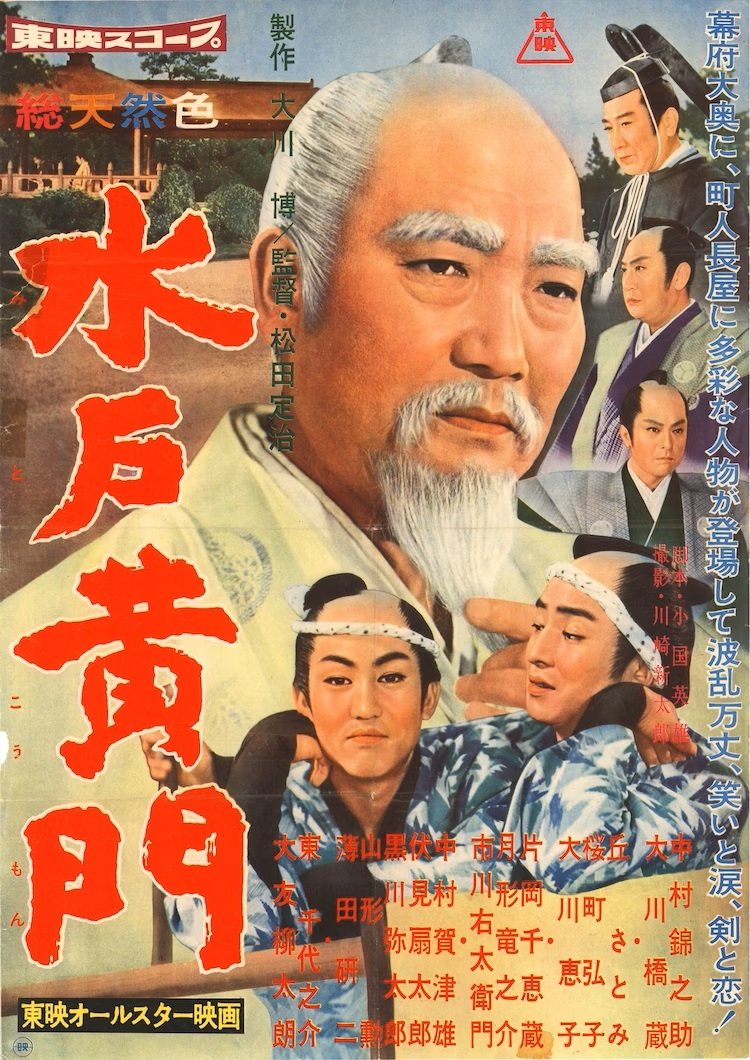
1960
Interprétation
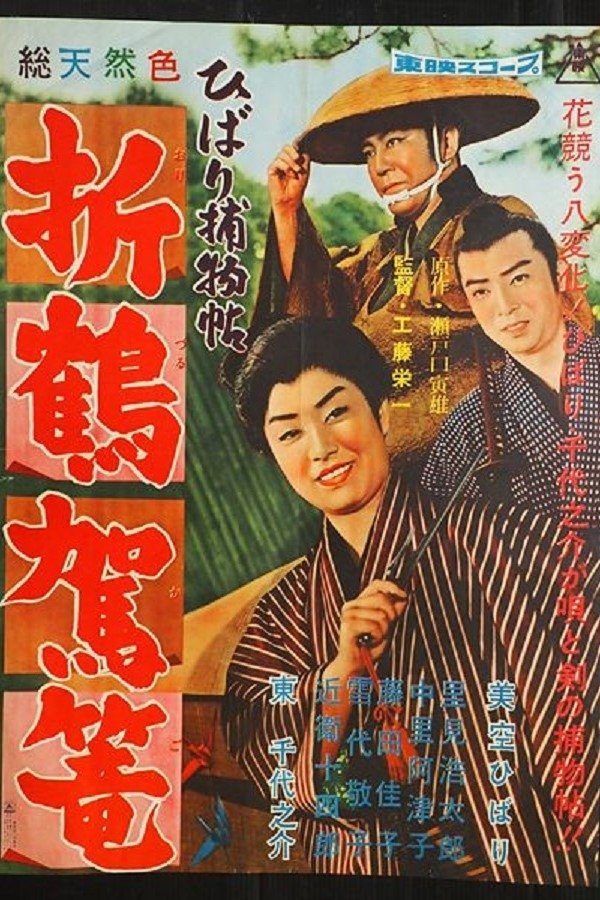
1960
Sasaki Hyoma
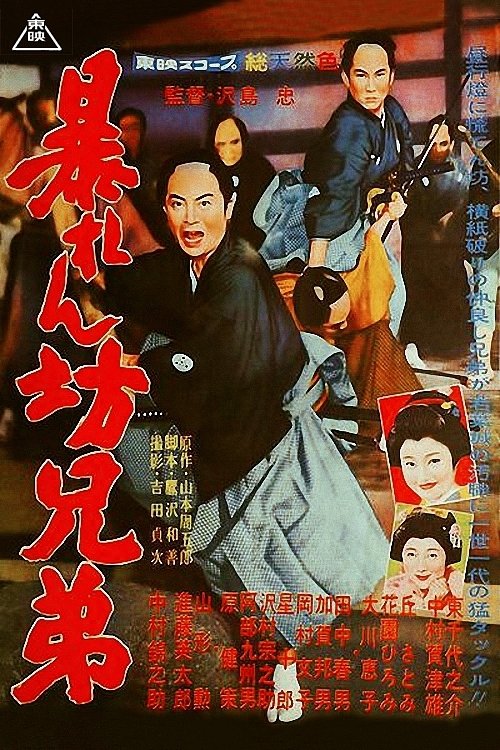
1960
Noriki Taisuke
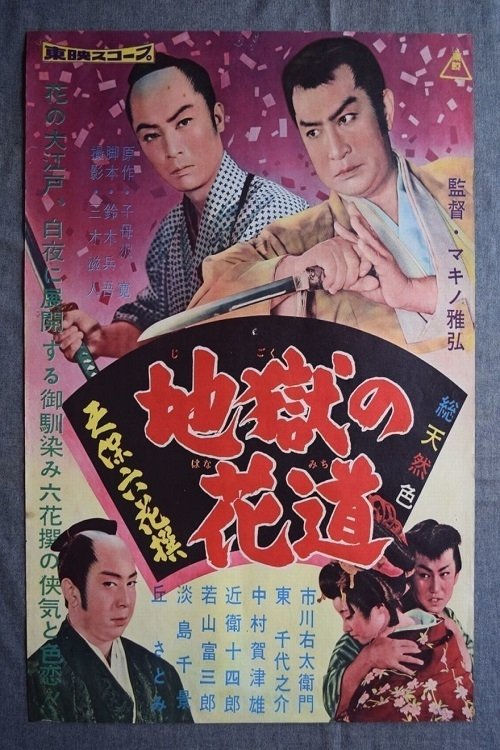
1960
Ichinojô Kaneko
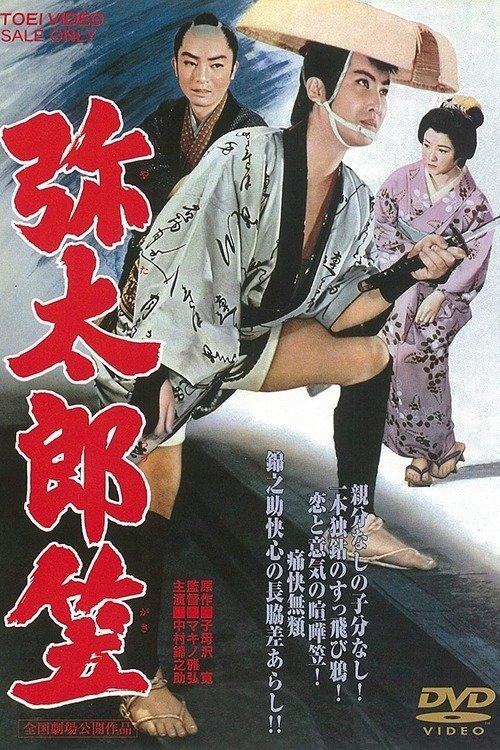
1960
Magistrate Kuwayama

1960
Interprétation

1960
Interprétation
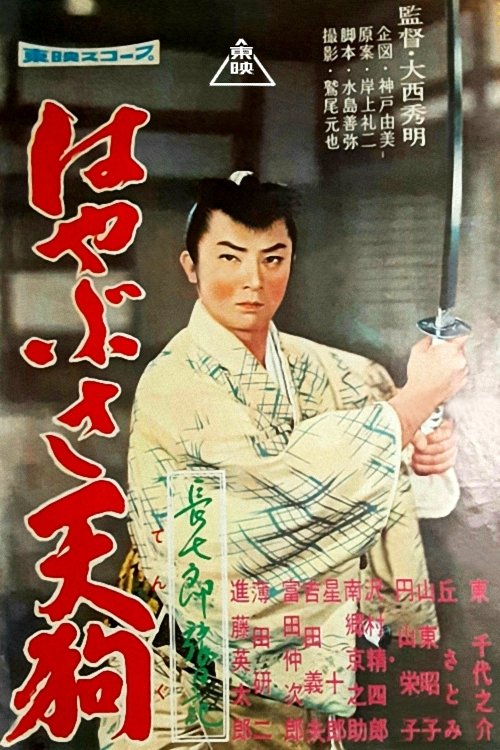
1959
Chosichiro Matsudaira
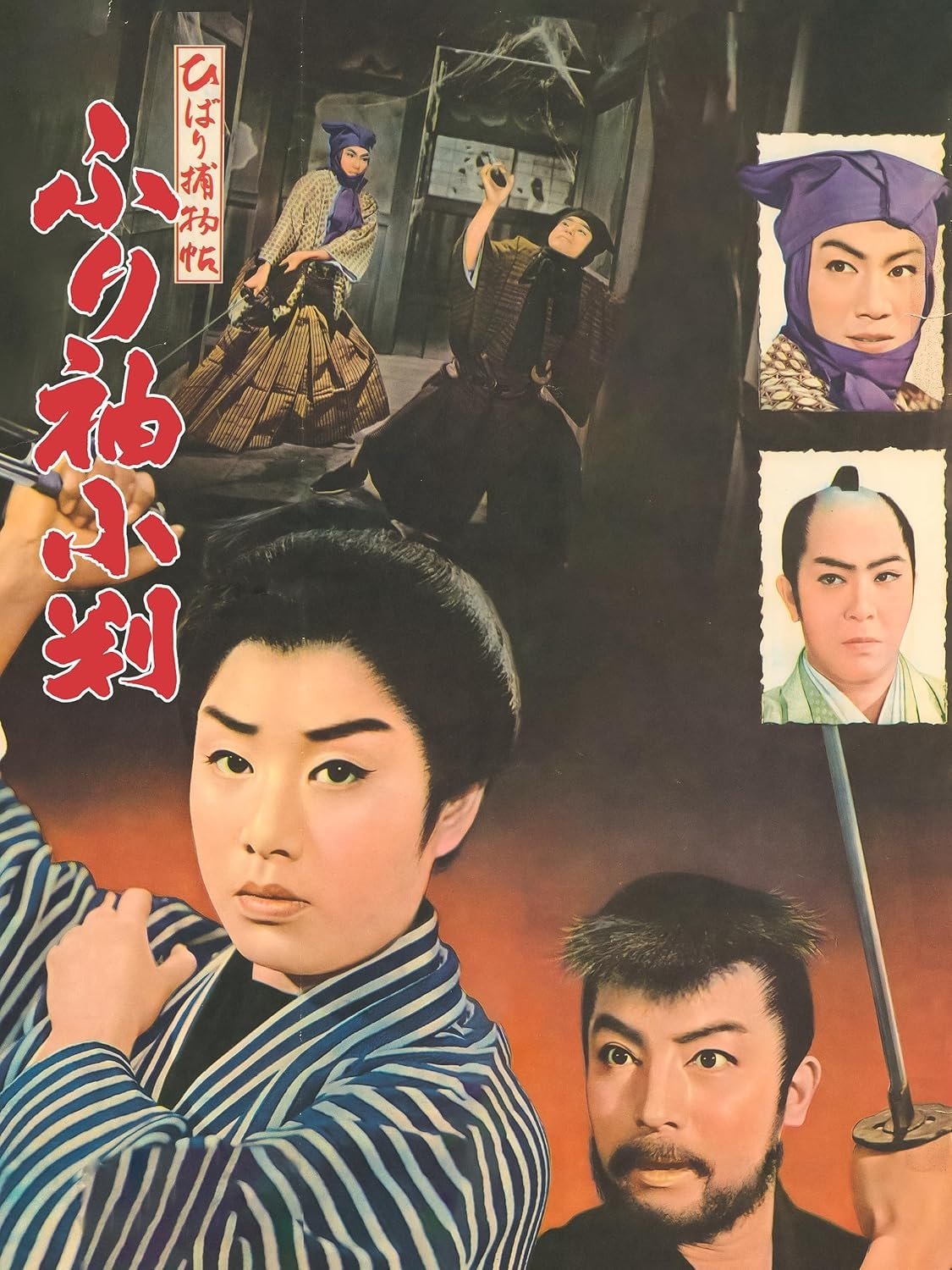
1959
Interprétation

1959
Yonosuke

1959
Kiyotaki no Sakichi
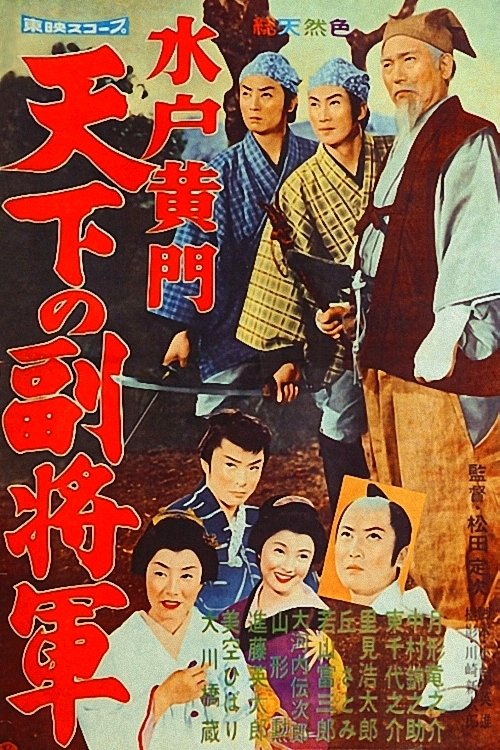
1959
Interprétation

1959
Interprétation
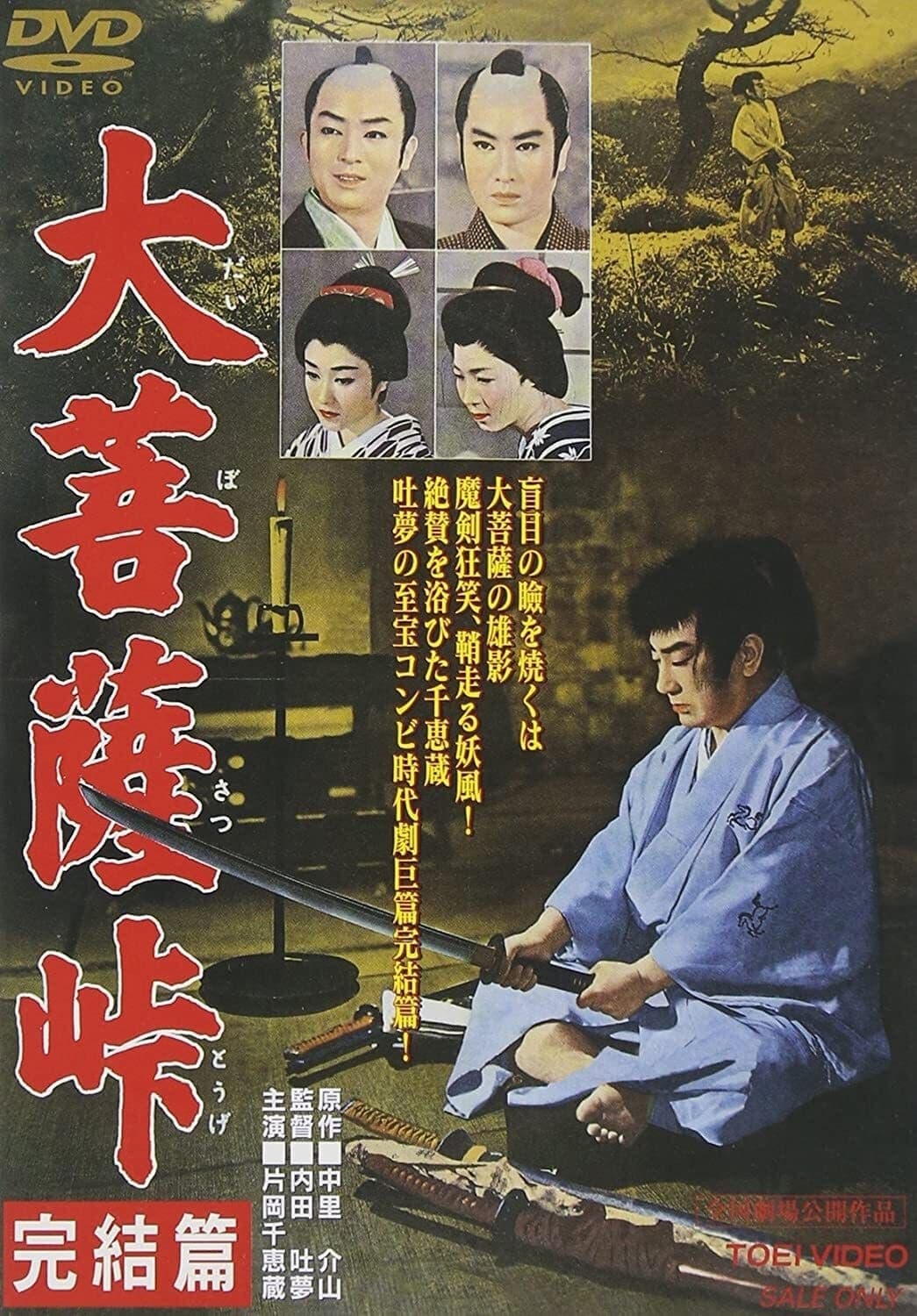
Il s'agit du troisième volet de la trilogie basée sur le plus grand roman japonais "Le passage du grand Bouddha", qui retrace la vie et l'époque d'un samouraï assoiffé de sang, Tsukue Ryunosuke.
1959
Komai Noto-no-kami
1959
Interprétation

1959
Interprétation

1958
Interprétation

1958
Sasaki Hyoma

1958
Interprétation
1958
Interprétation
1958
Interprétation
1958
Kurama Tengu

1958
Murase
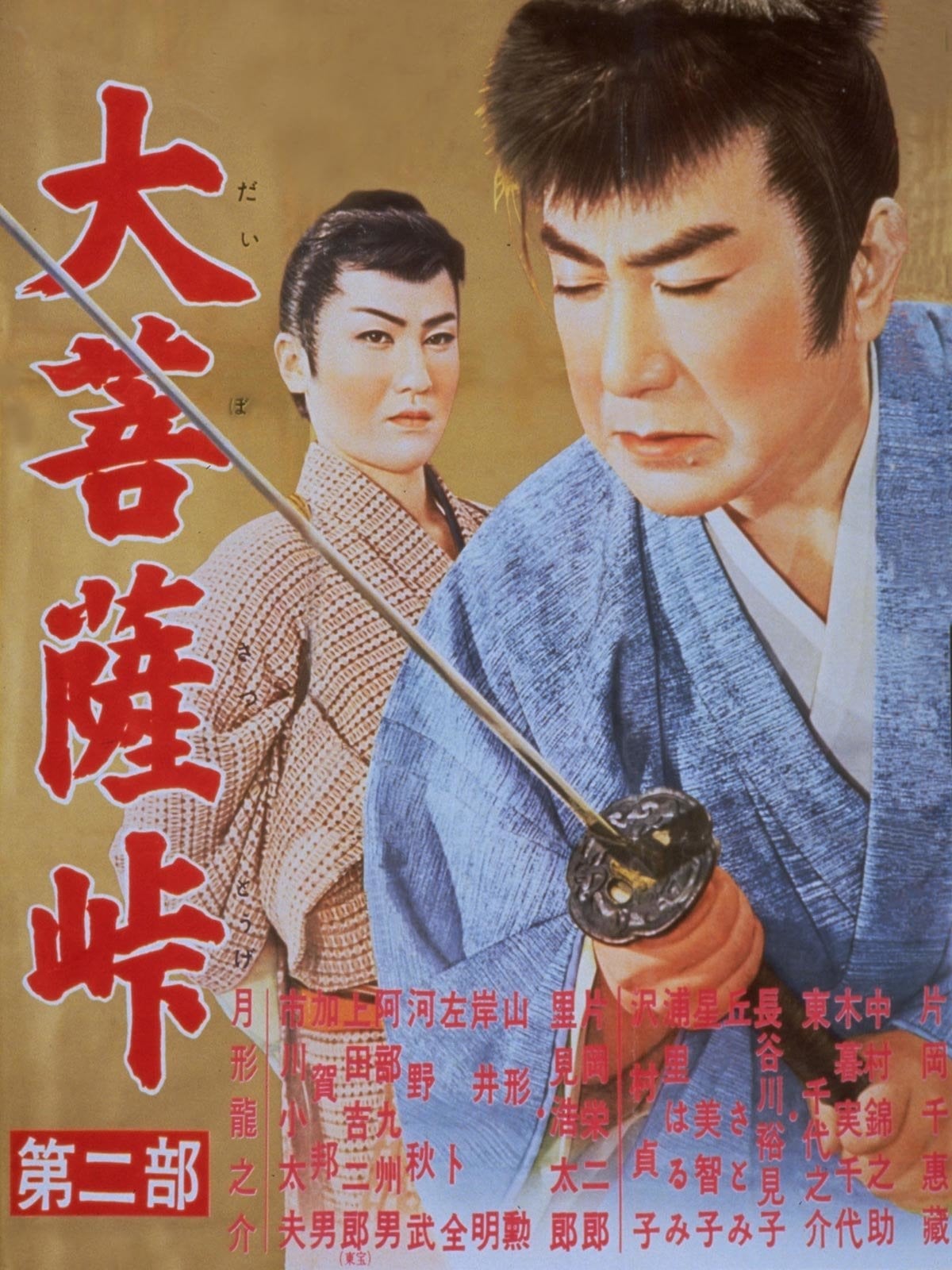
Ryunosuke, aveugle, est pris en charge dans une auberge par une femme sosie de Ohama, qu’il tuera aussi. Il rencontrera une veuve qui vend des médicaments dans la montagne de Kiso, et pense qu’il va enfin pouvoir vivre paisiblement.
1958
Komai Noto-no-kami

1958
Sasaki Hyoma
1958
Shogun Yoshimune

1958
Interprétation
1958
Hangoro
1957
Interprétation

1957
Sasaki Kojiro

1957
Interprétation

1957
Harima Aoyama

1957
Interprétation
1957
Interprétation
1957
Interprétation

1957
Interprétation
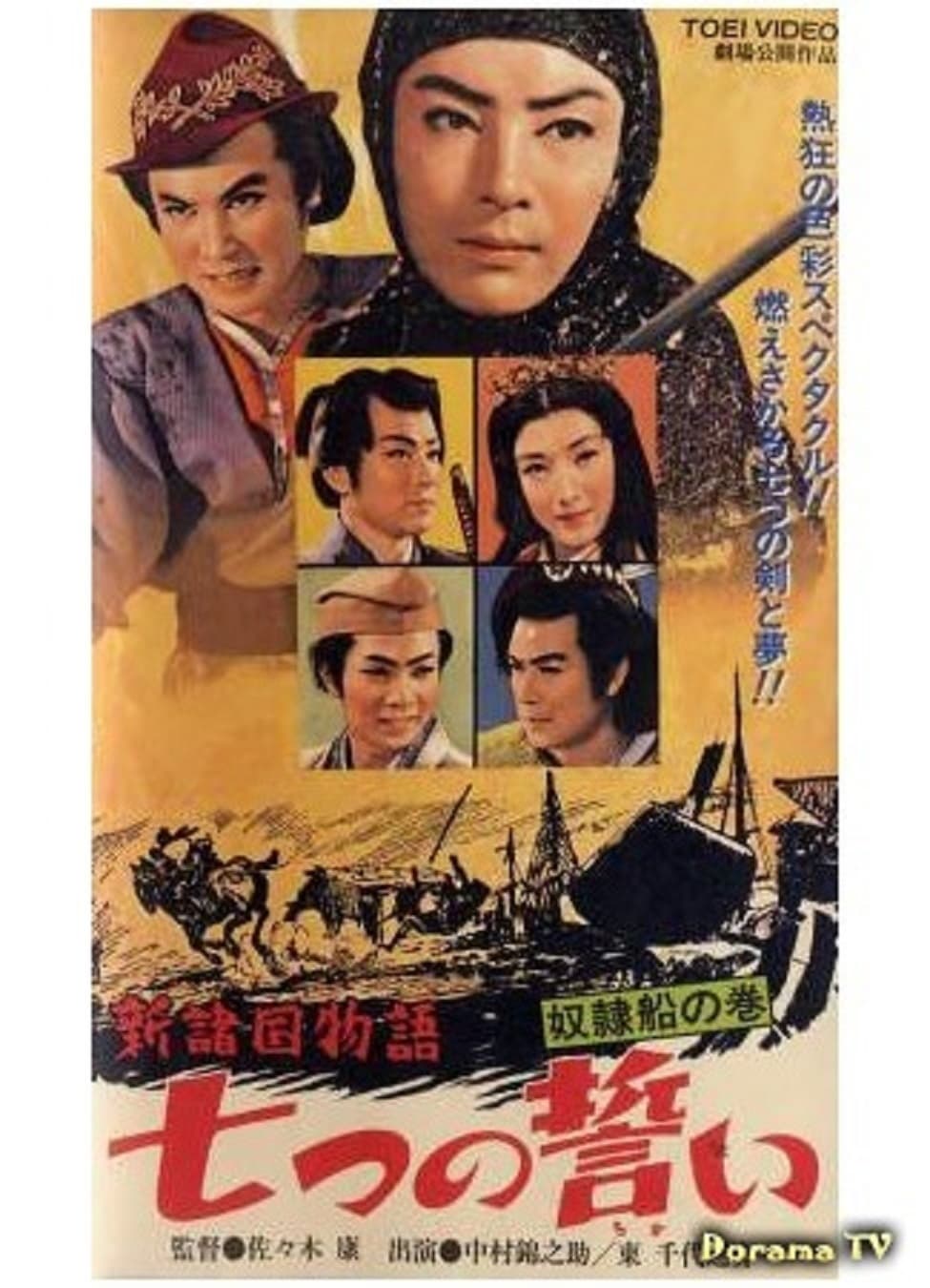
1957
Shichigoro
1957
Interprétation

1956
Interprétation
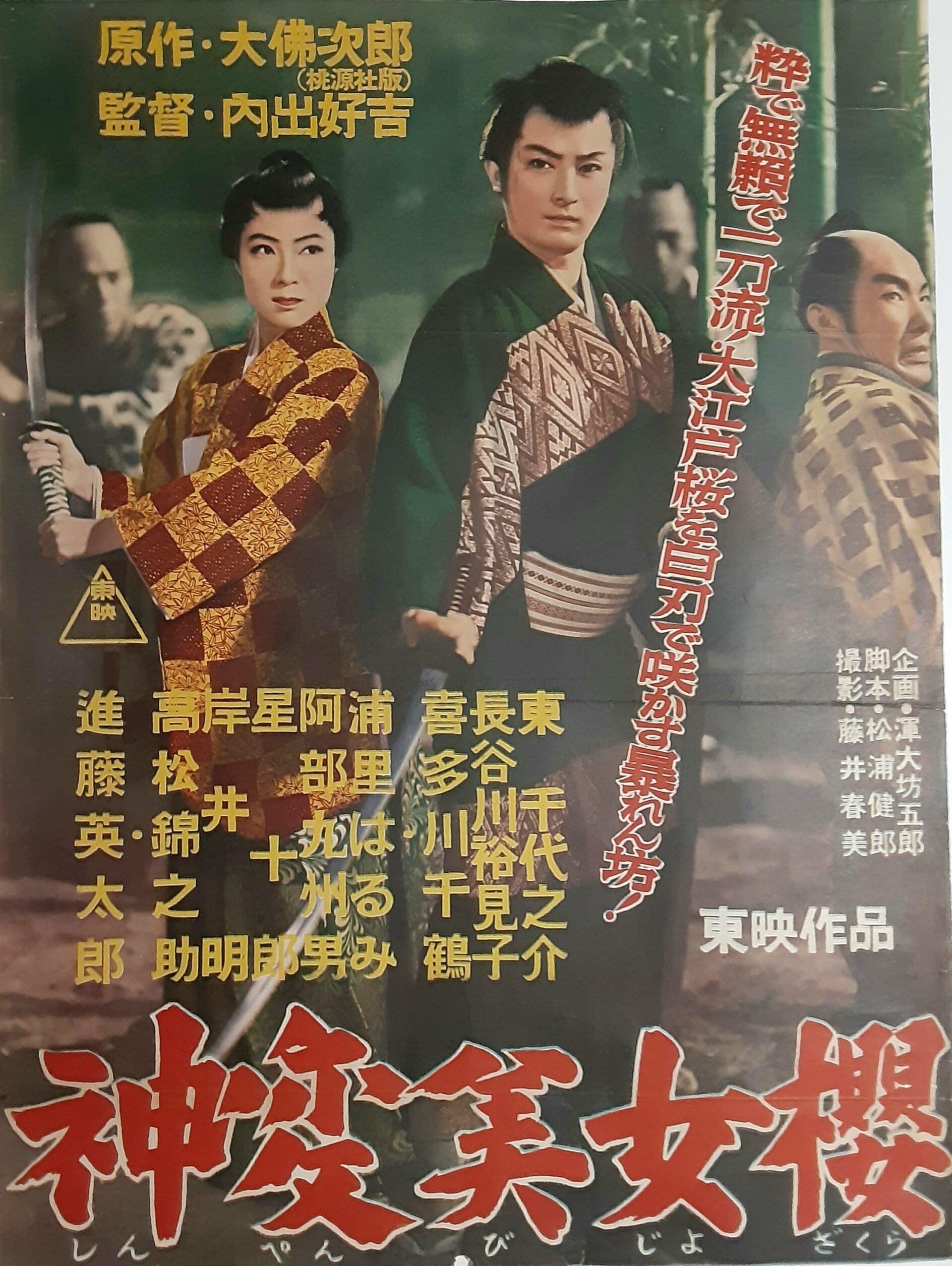
1956
Interprétation

1956
Interprétation
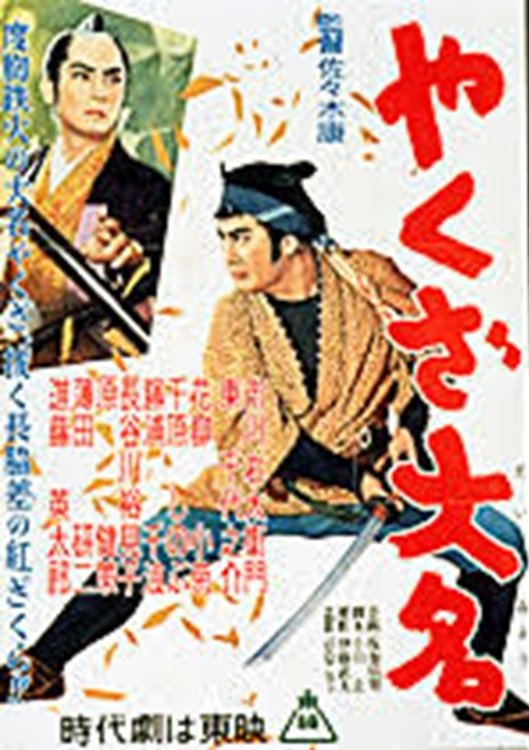
1956
Interprétation

1956
Soga Sukenari
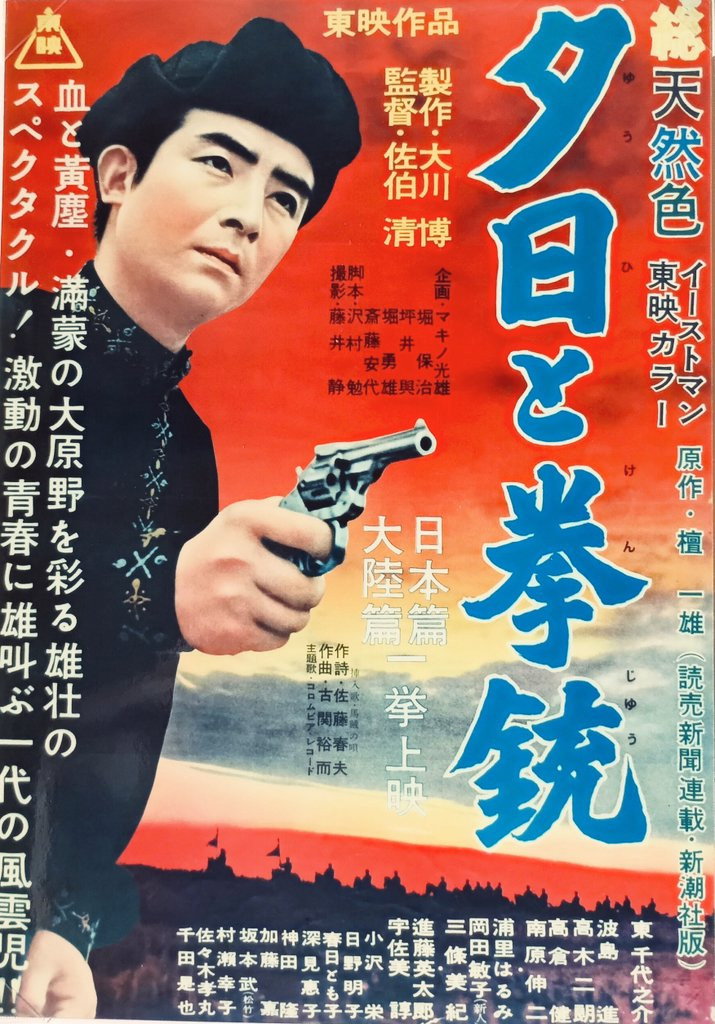
1956
Rinnosuke Date
1956
Tamiya Iemon
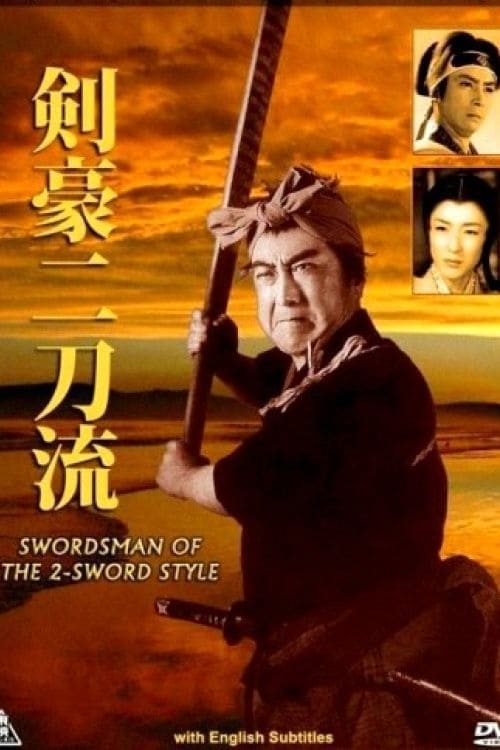
1956
Sasaki Kojiro

1956
Interprétation

1956
Takuminokami Asano
1956
Interprétation
1955
Interprétation
1955
Interprétation
1955
Interprétation

1955
Interprétation
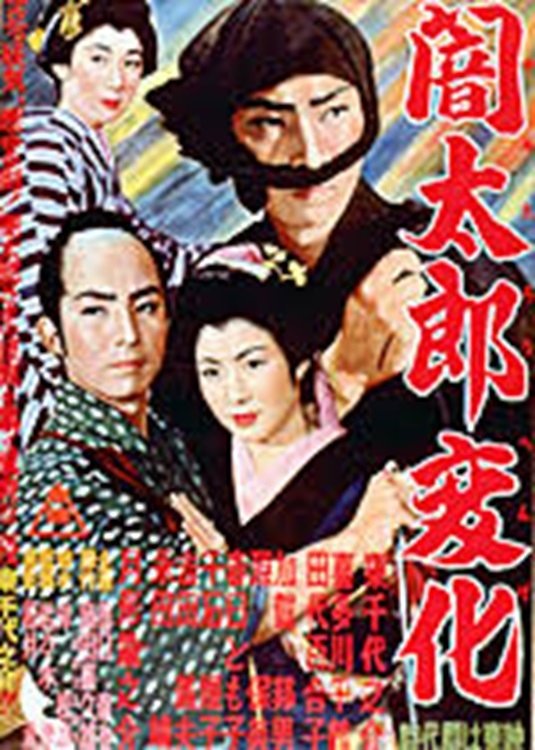
1955
Interprétation
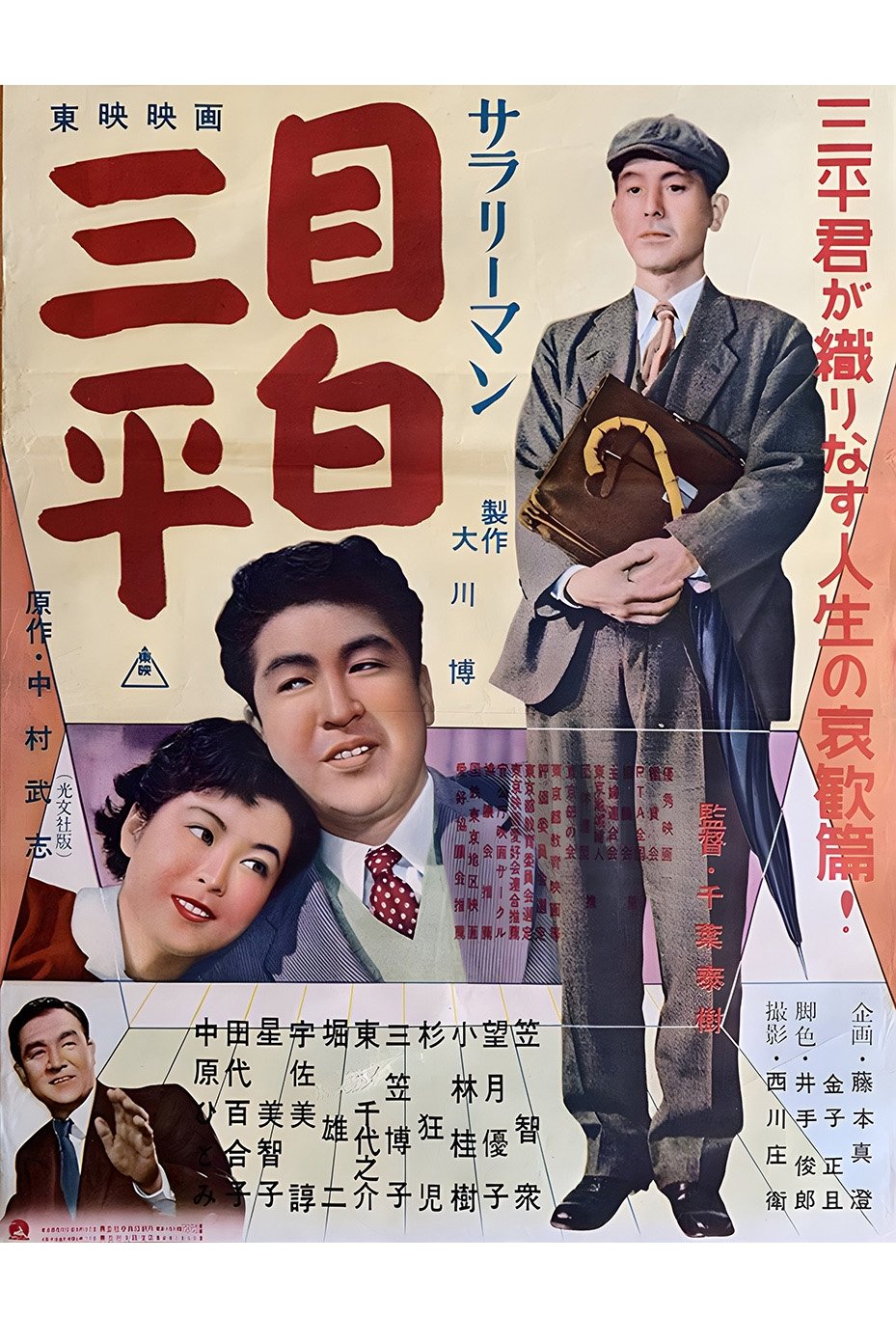
1955
Interprétation
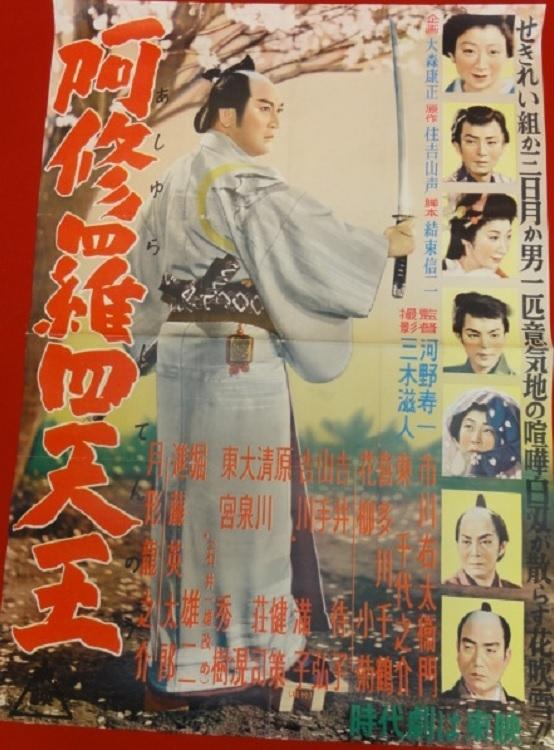
1955
Interprétation

1955
Niiro Tsuruchiyo
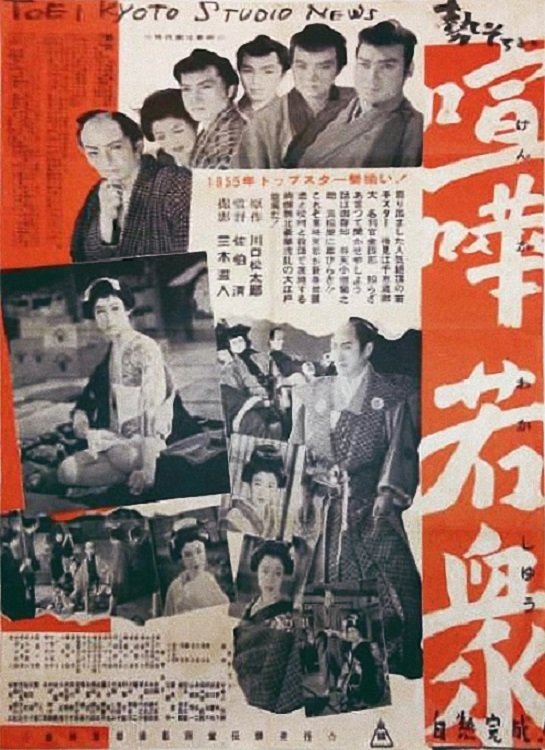
1955
Nango Rikimaru

1955
Interprétation
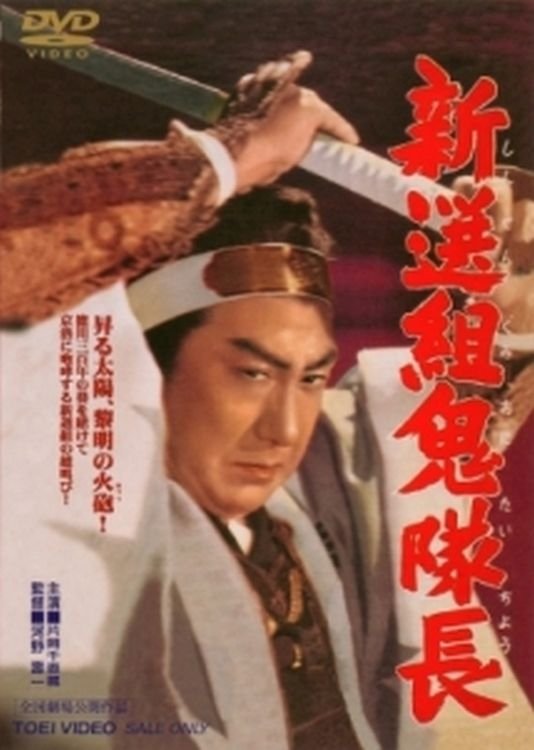
1954
Tokugawa Yoshinobu
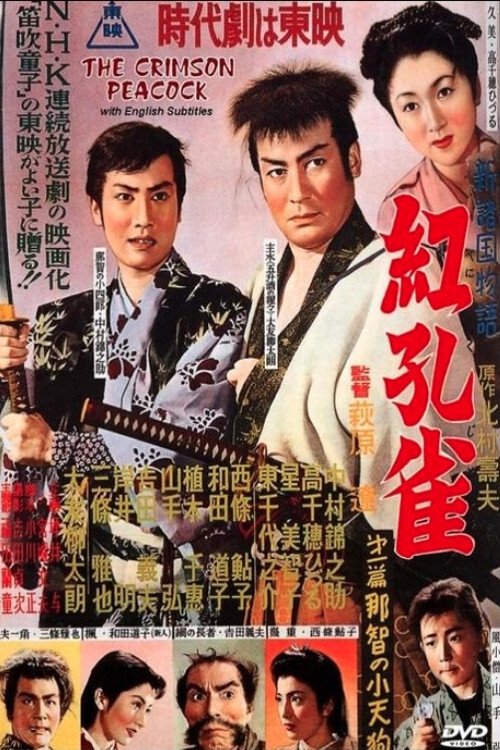
1954
Interprétation

1954
Interprétation
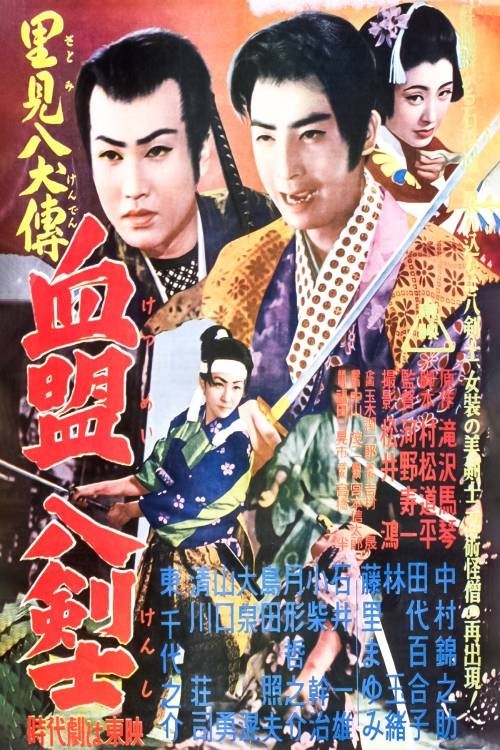
1954
Interprétation
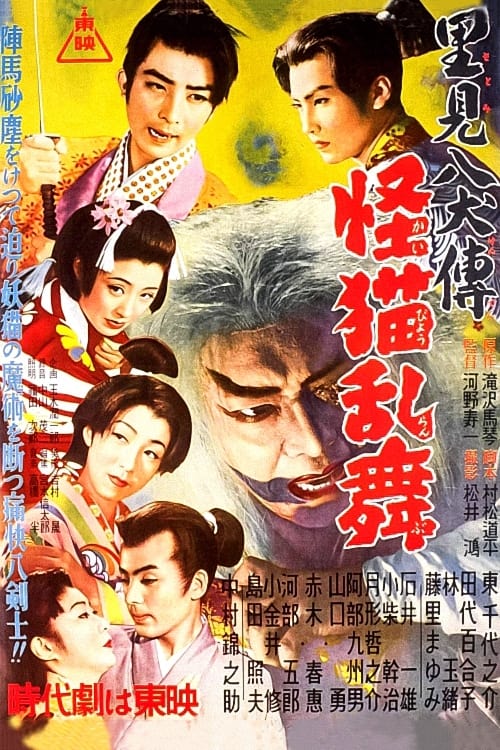
1954
Interprétation

1954
Interprétation
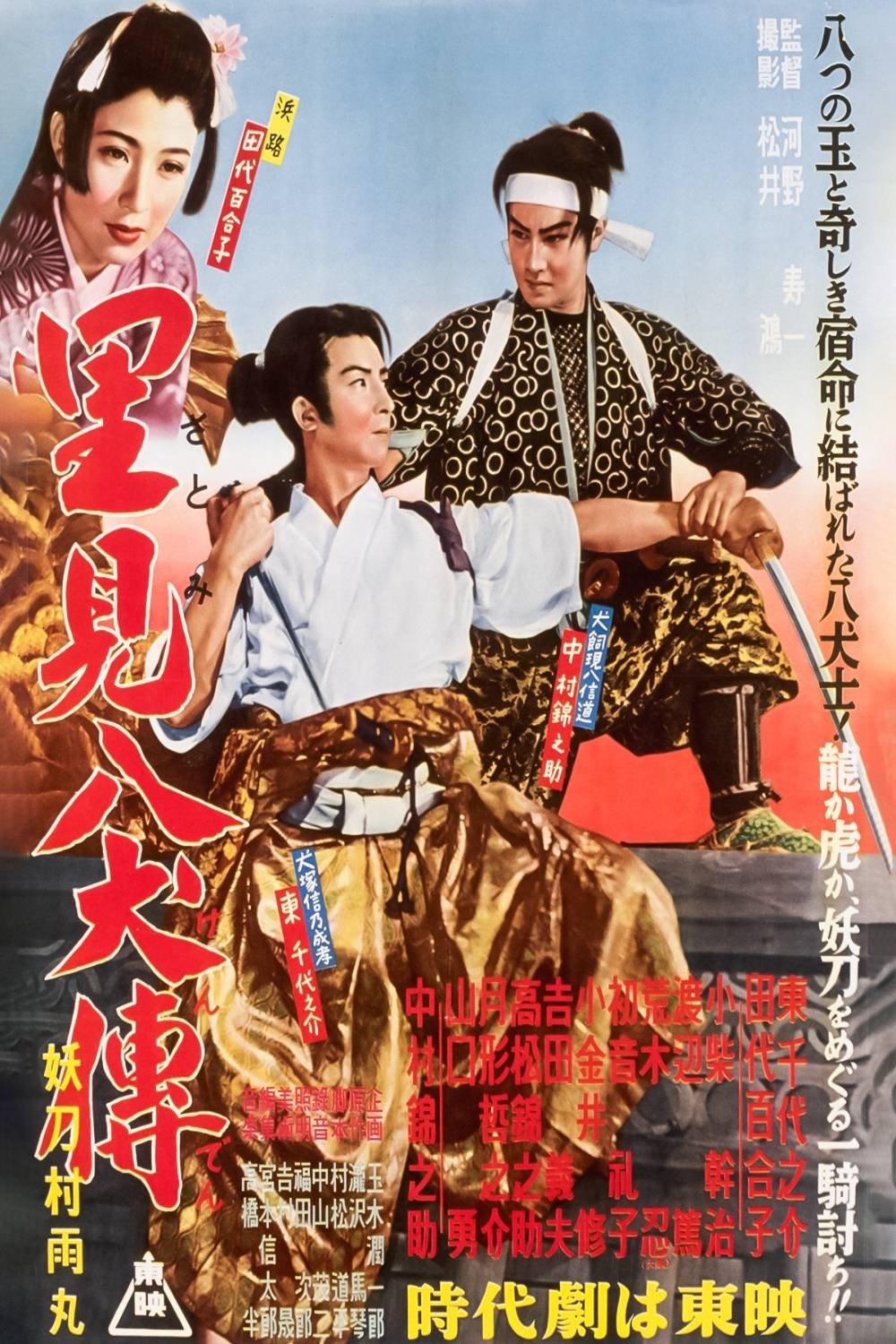
1954
Interprétation

1954
Interprétation
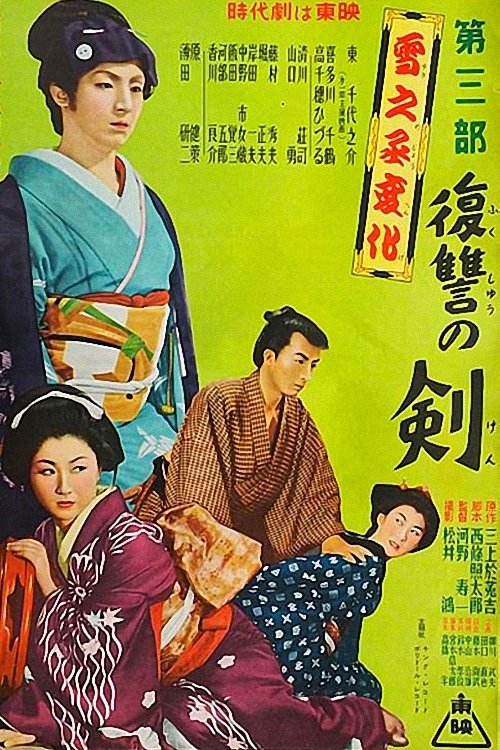
1954
Yukinojo Nakamura
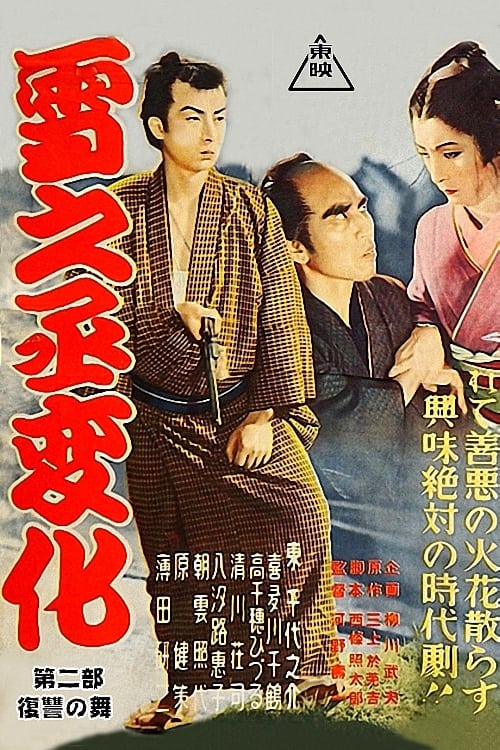
1954
Yukinojo Nakamura

1954
Interprétation