Pas encore noté
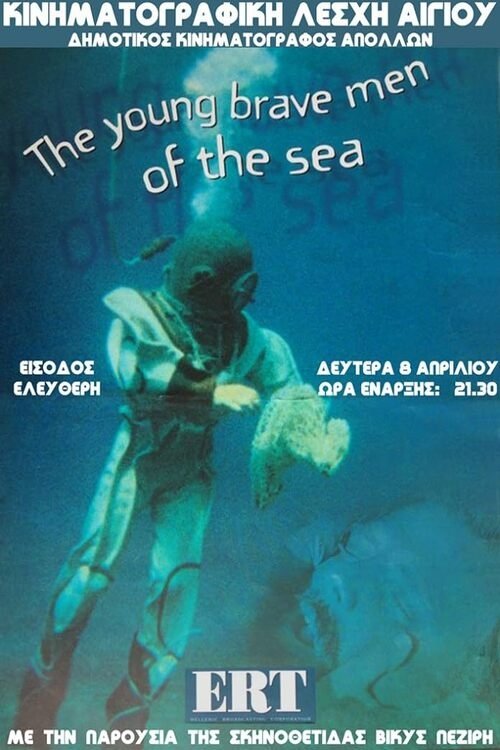
Λεβέντες της θάλασσας
1997
Interprétation
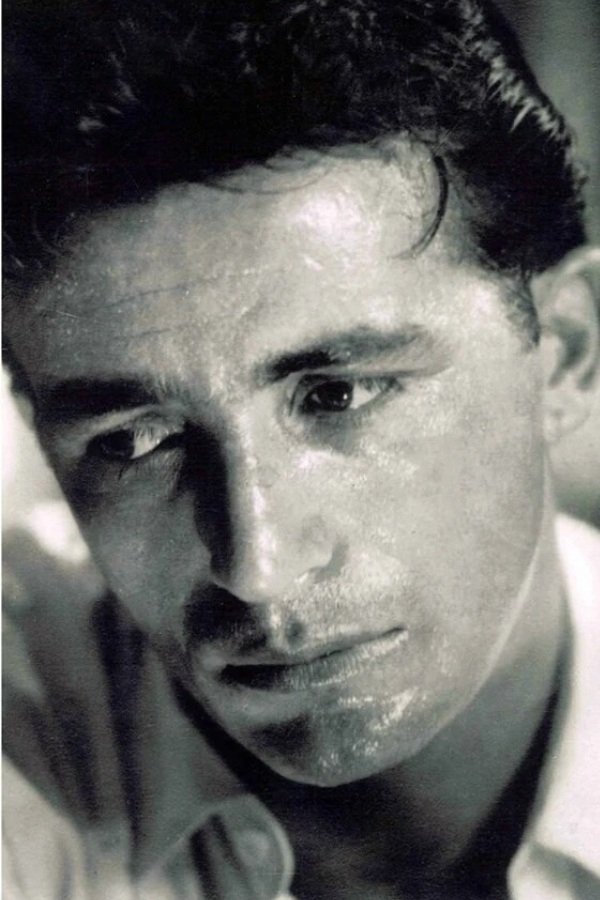
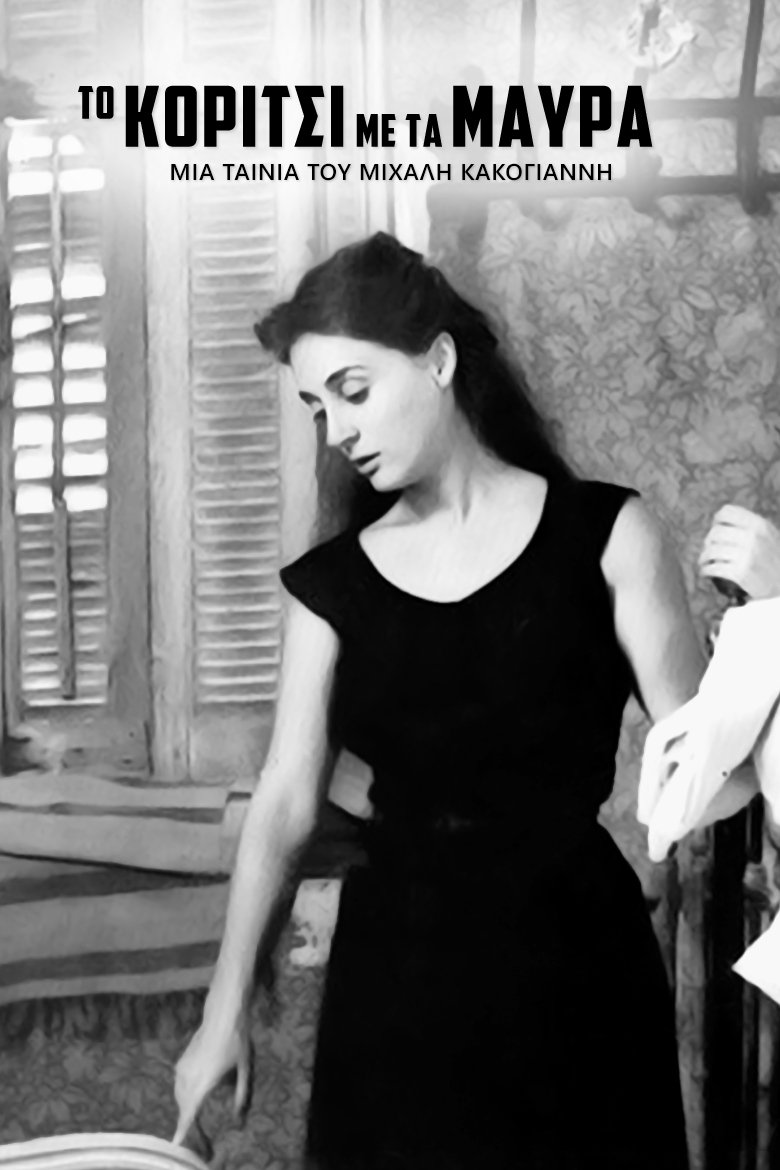
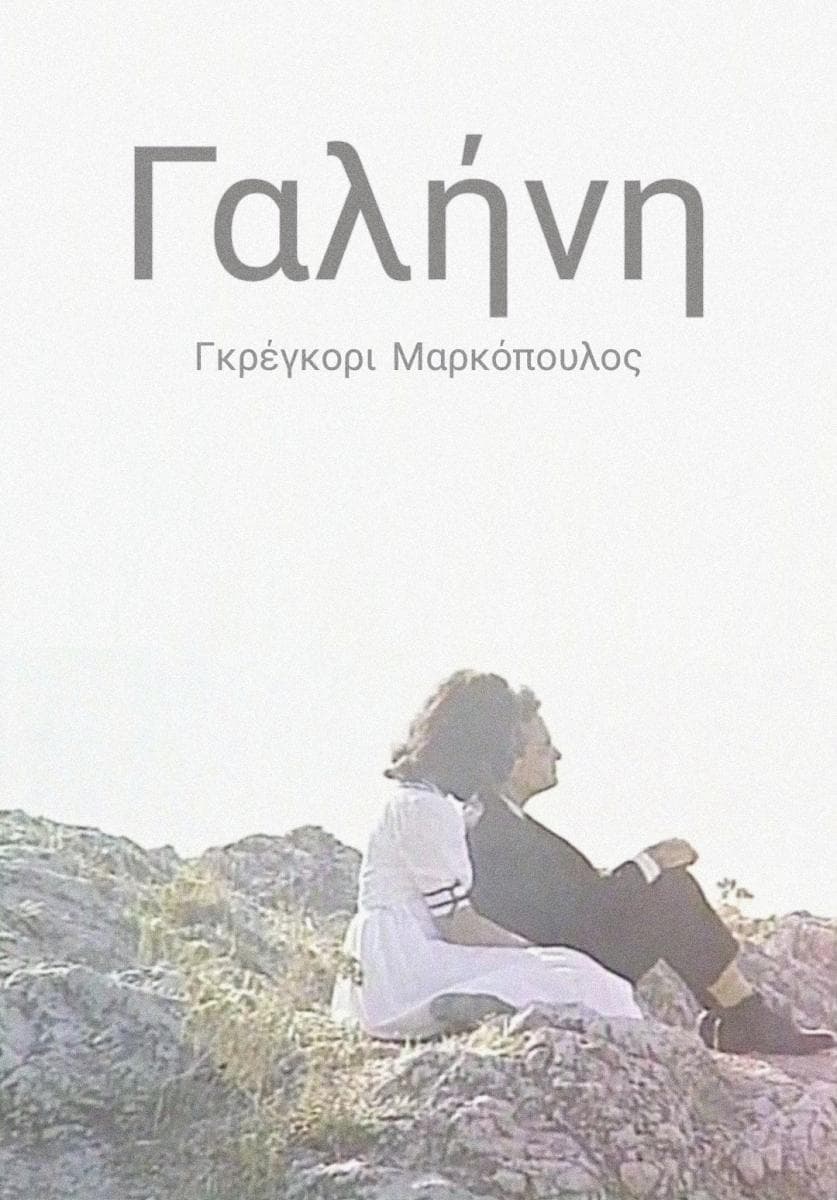
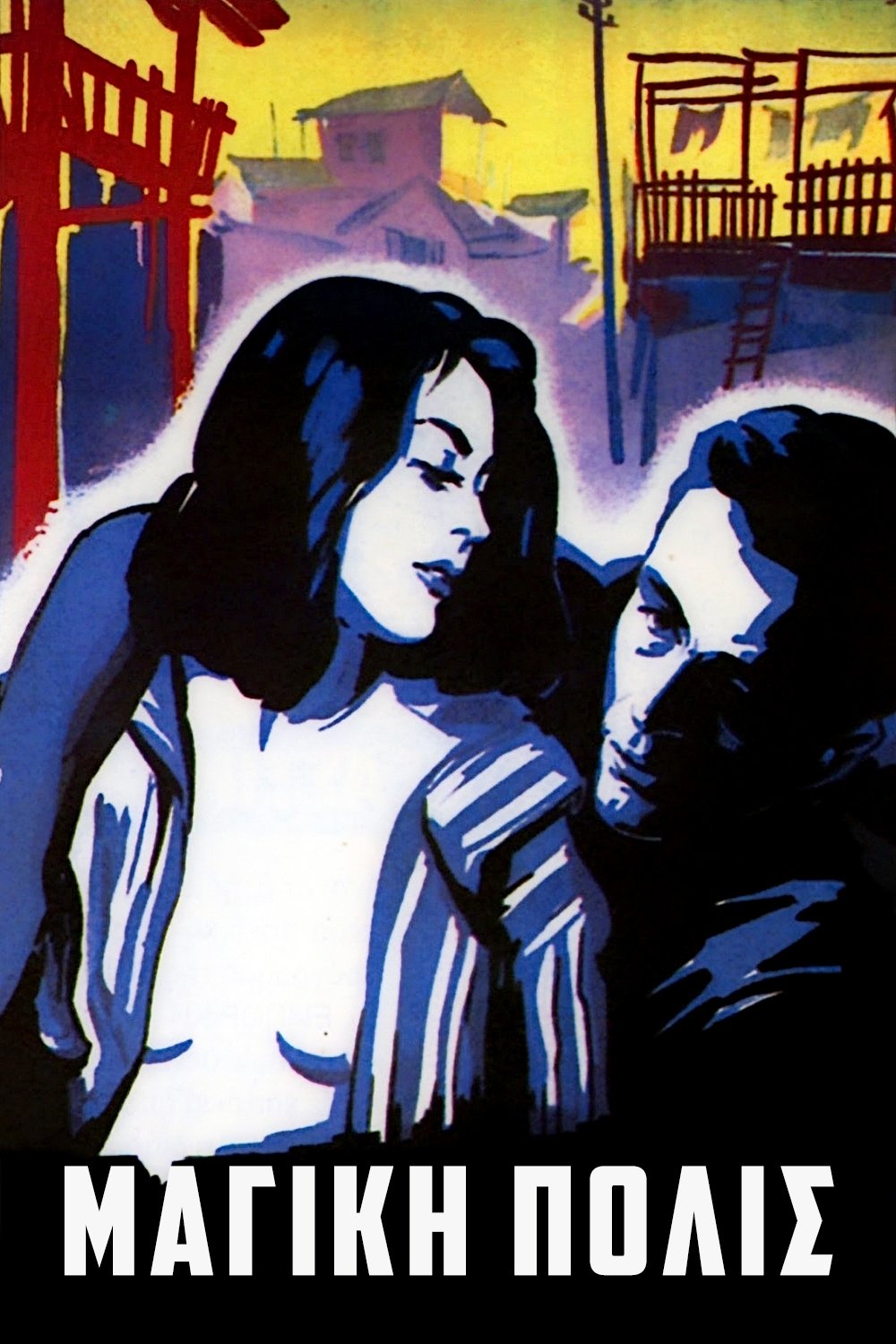
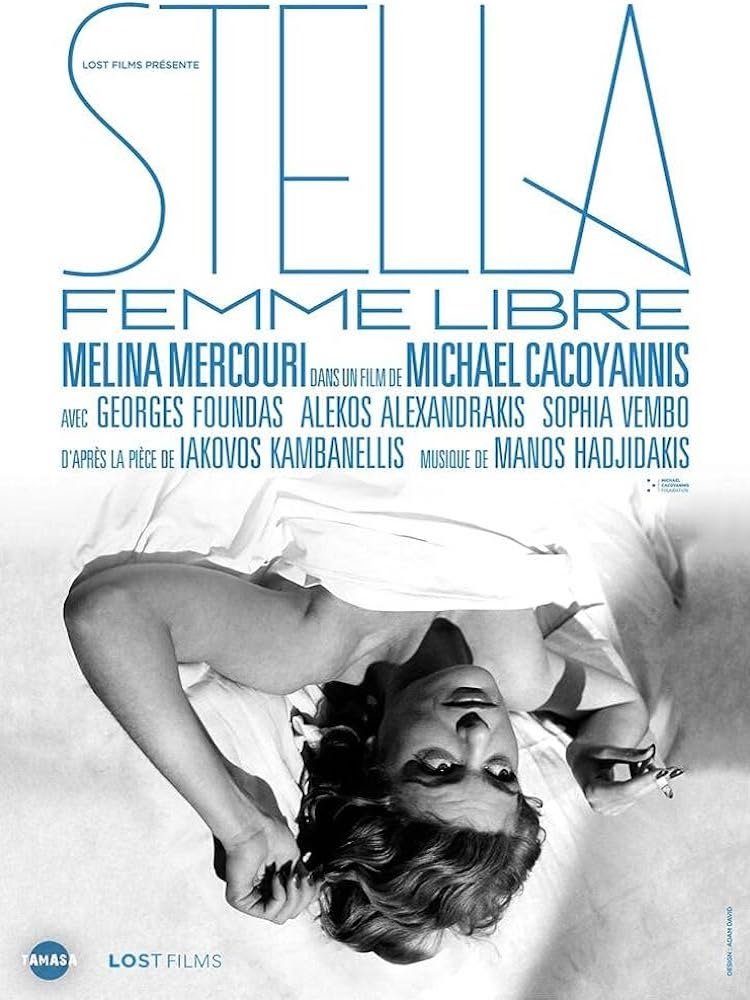
George Fountas (Greek: Γιώργος Φούντας, Mavrolithari, Fokida, 13 February 1924 – Athens, 28 November 2010) was a Greek actor, one of the most important in cinema, theatre and television, known, among other things, for his role in the film Stella (1955), by Michael Cacoyannis. He participated in many other distinguished films of the 1950s and 1960s, including Magic City (1954), The Girl in Black (1956), Never on Sunday (1960) and The Red Lanterns (1963), while he also appeared in the foreign productions America, America (1963) and Zorbas (1964). His most important moment in television is his role in the series Christ is Crucified Again (1975-1976). George Fountas was born on February 13, 1924, in Mavrolithari, Fokida. In 1944, Fountas appeared in the film Applause by Giorgos Tzavellas, which is considered the most important film made during the Occupation. He then studied acting at the Drama School of the Athens Conservatory, where he studied with Emilio Veakis, Dimitris Rontiris and Kostas Mousouris, while also playing football, as a player for the AEK reserve team. At a young age, he also played (amateur) shot put, discus and boxing. He made his first theatrical appearance in the play Nyfiatiko ngai (Wedding Song) by Notis Pergialis. Gradually, he began to appear more and more in films, such as Aegean Raid (1946) by M. Karagatsis and Dead City (1951) by Frixos Eliades. In 1954, he starred in Nikos Koundouros' first film, Magic City, through which he became more widely known. In 1955, Fountas appeared in Stella, directed by Michalis Cacoyannis. This film contains one of the most emblematic scenes in Greek cinema, during which the line "Go away Stella, I'm holding a knife!" is heard. Stella caused a sensation internationally, especially for the performance of Melina Mercouri, and was nominated for the Palme d'Or at the Cannes International Film Festival and won the Golden Globe for Best Foreign Language Film. Fountas collaborated with Cacoyannis again shortly afterwards, for The Girl in Black (1956). Between 1960 and 1964, Fountas appeared in many films that received international attention. In 1960, he participated in Jules Dassin's Never on Sunday, again alongside Mercouri. The foreign-language film "Never on Sunday" opened the way for his international career and made him known abroad. In 1963, he appeared in two films that were nominated for the 36th Academy Awards. One was Red Light District (1963), directed by Vasilis Georgiadis, which is considered one of Fundas' most characteristic performances, and the other was America, America by Elia Kazan. In 1964, Fundas collaborated again with Cacoyannis, for the award-winning Zorba the Explorer. Fundas' next major moments were With the Flash in Your Eyes (1966) and Asphalt Fever (1967), directed by Panos Glykofrydis and Dinos Dimopoulos respectively. For his performances in these films, he was awarded Best Actor Awards at the seventh and eighth Thessaloniki Film Festivals. From 1970 onwards, Giorgos Fountas' presence in cinema began to decline. In 1973, he made his first appearance on television, in the series Occupation, which was broadcast on YENED. Two years later, he received a leading role in the series Christ is Recrucified. His last film was Vicky Peziri's dramatized documentary, Tales of the Sea (1997).
(Source: Wikipedia)
1997
Interprétation

1986
Panagos

1981
Notis
1980
Markos Angelou

1970
Hristos Notaras

1969
Alexandros Vergos
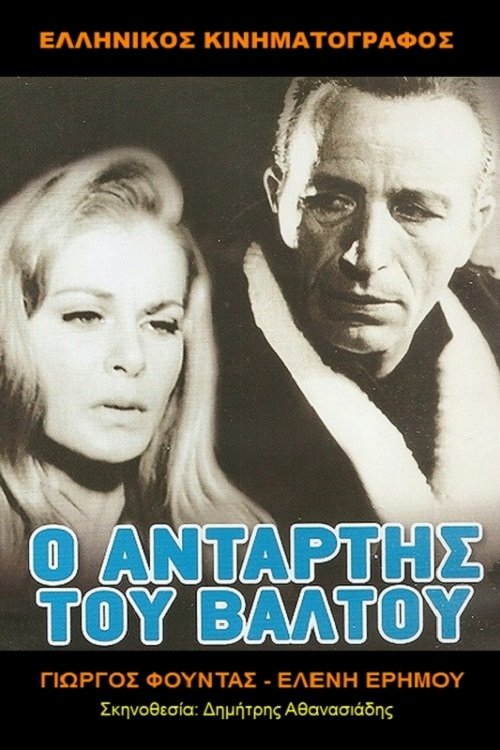
1969
Thanasis Vardas

1969
Giorgos / Leonis Skoutaris

1968
Interprétation

1967
Officer Merkos

1967
Argyris

1967
Cameo (uncredited)
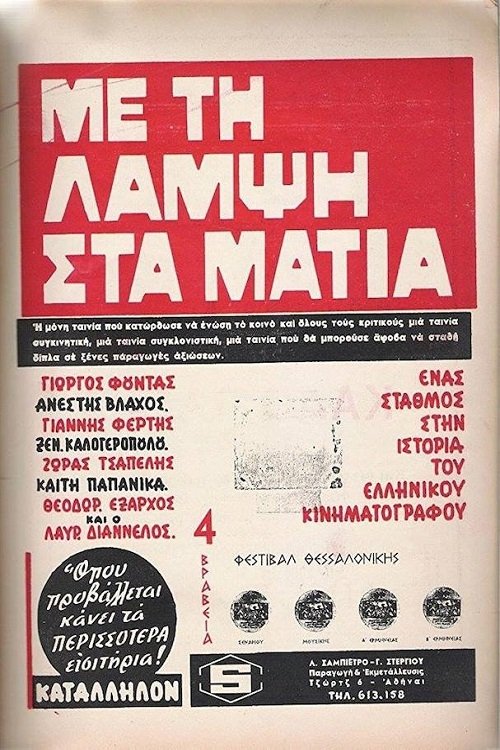
1966
Interprétation
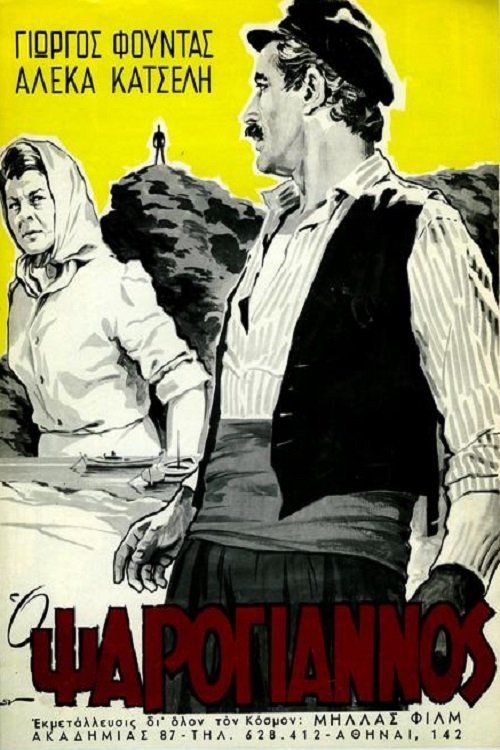
1966
Psarogiannos
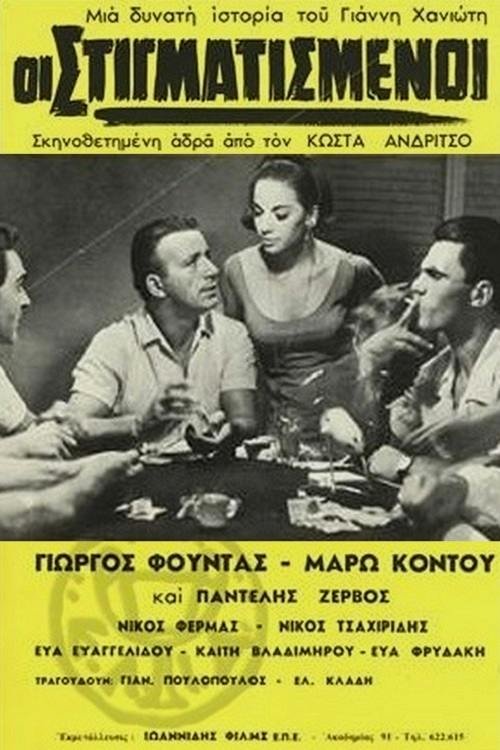
1966
Giorgos Floras
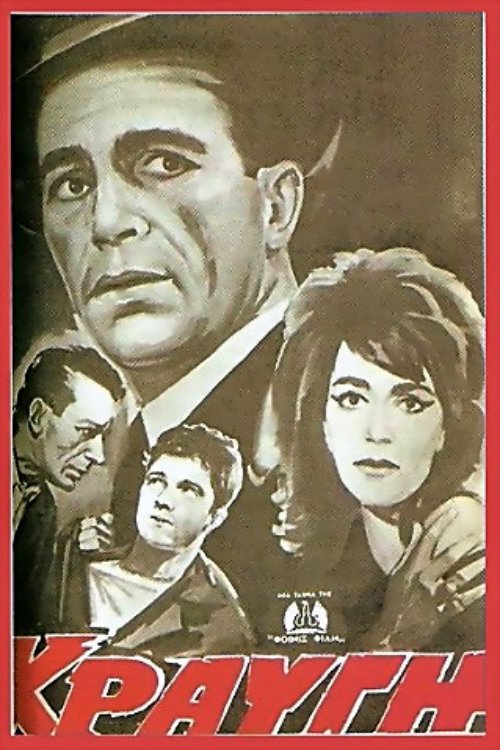
1964
officer Giorgos
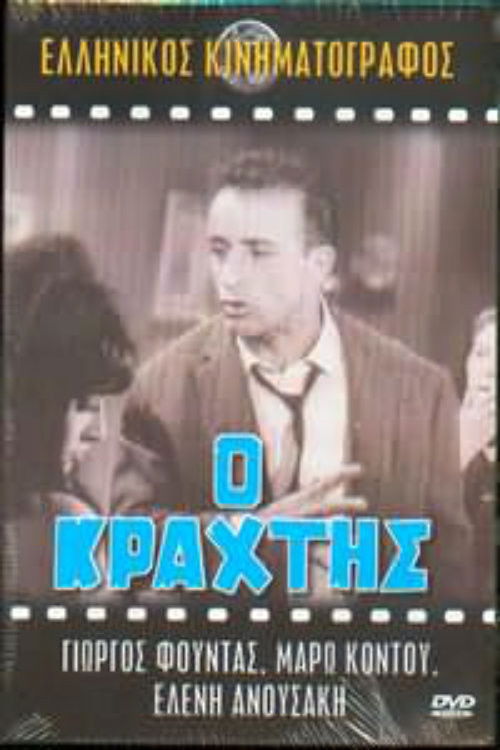
1964
Tasos Kagiapis
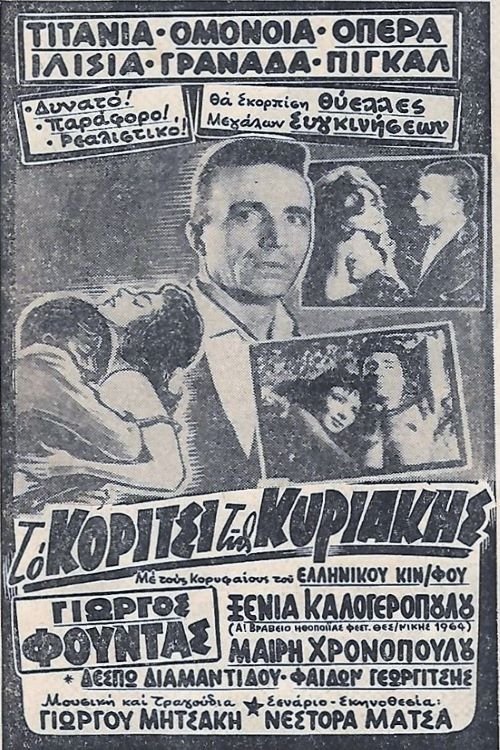
1964
Miltos
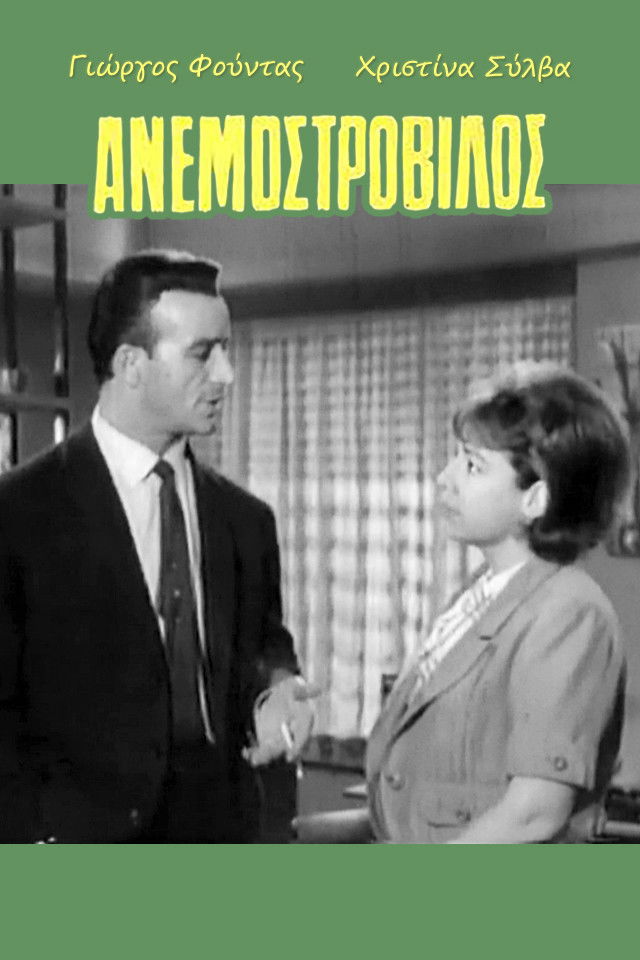
1964
Andreas Vardis
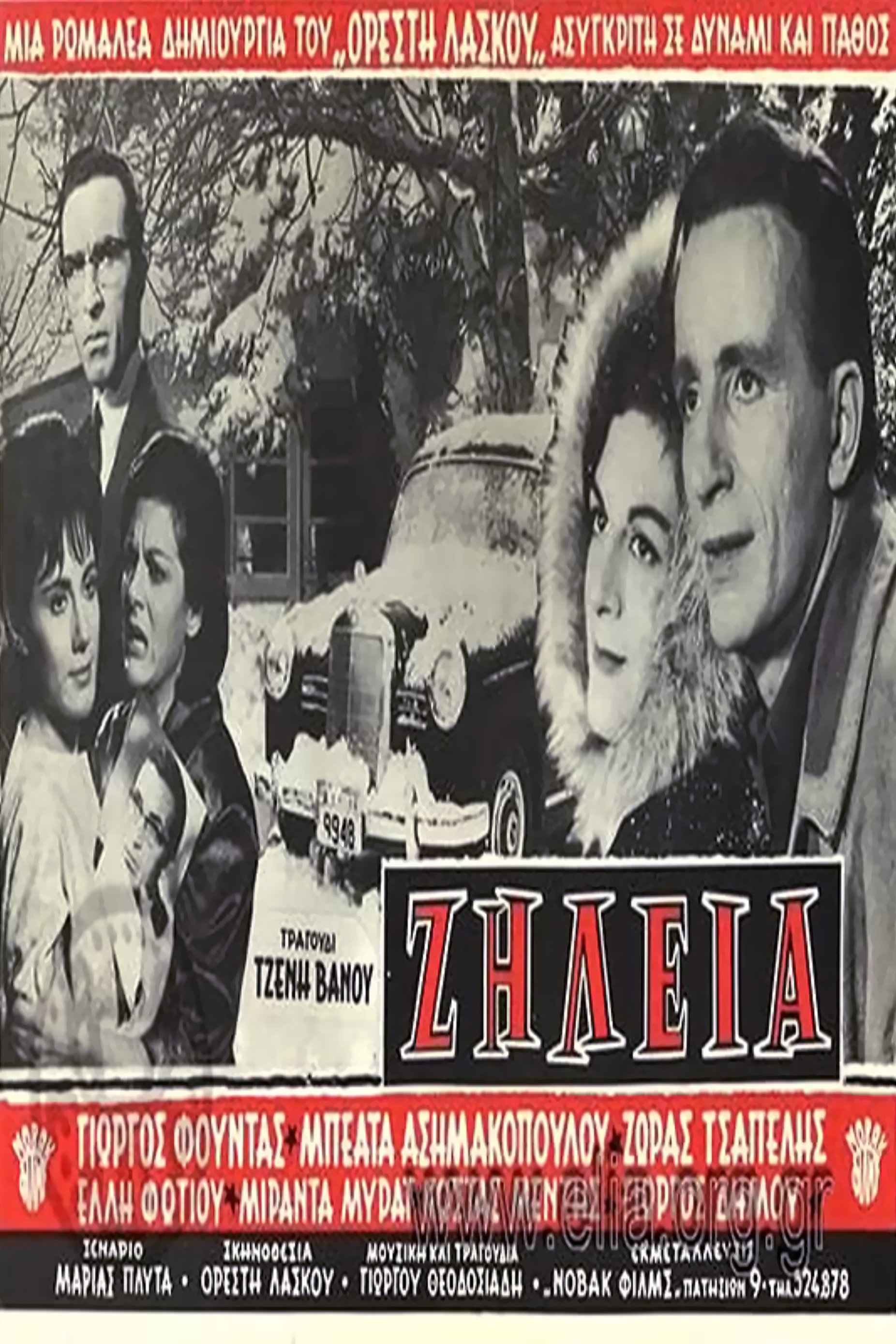
1963
Alexis Romanos
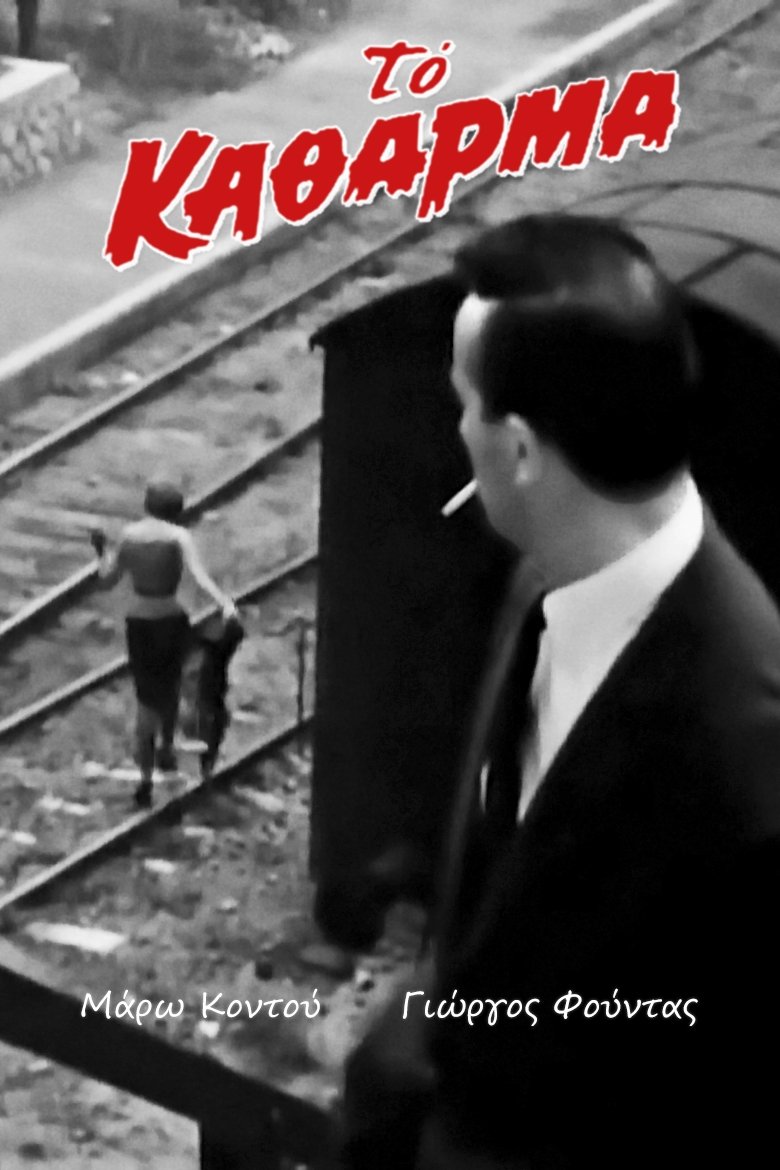
1963
Manos
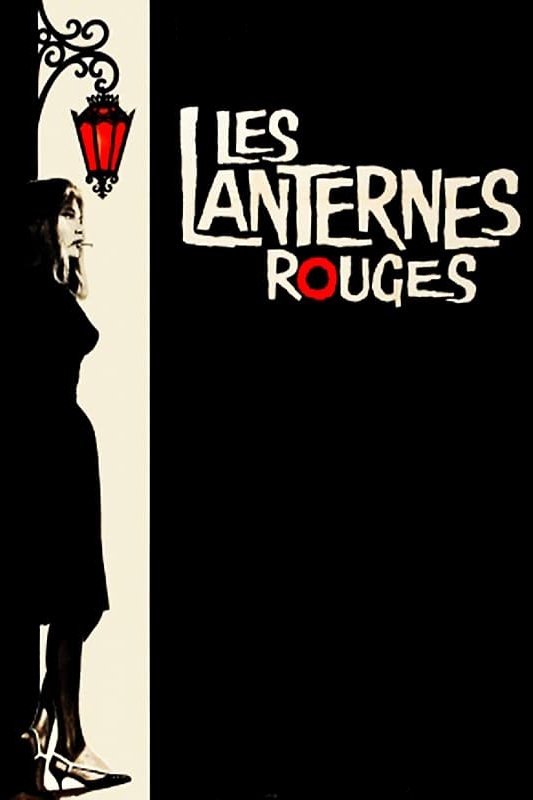
1963
Mihailos
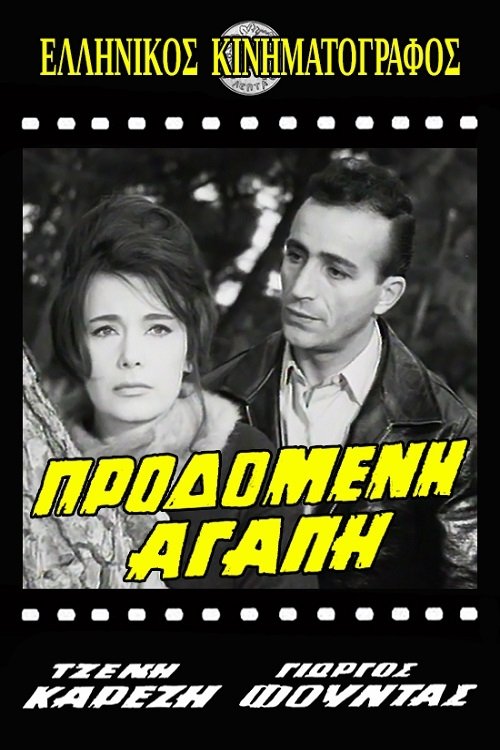
1962
Stratos

1962
Interprétation

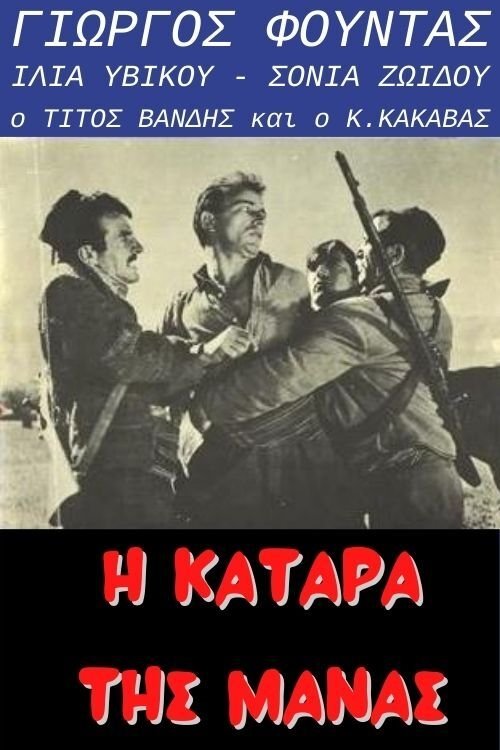
Les habitants de Praxos, village de montagne dans un pays occupé, organisent à leur façon la résistance à l'oppresseur. Face aux représailles, ils décident que toutes les heures un homme traversera le pont qui est la seule voie de ravitaillement de la population. L'action, qui entraîne la mort de tous ceux qui y participent, se prolonge jusqu'à l'aube du troisième jour.
1962
le résistant
1961
Fotis Glaros
1961
Interprétation

1960
Γιώργος

1960
Interprétation

1960
Lambros Desillas

1960
Δημήτρης Βεργής

1960
Μεμάς
1958
Dimitris Sergiou

1958
Interprétation
1957
Hristos Razis

1956
Interprétation
1955
Kosmas Betsos
1955
Miltos

1955
Interprétation
1954
Zanis
1954
Interprétation

1954
Spyros
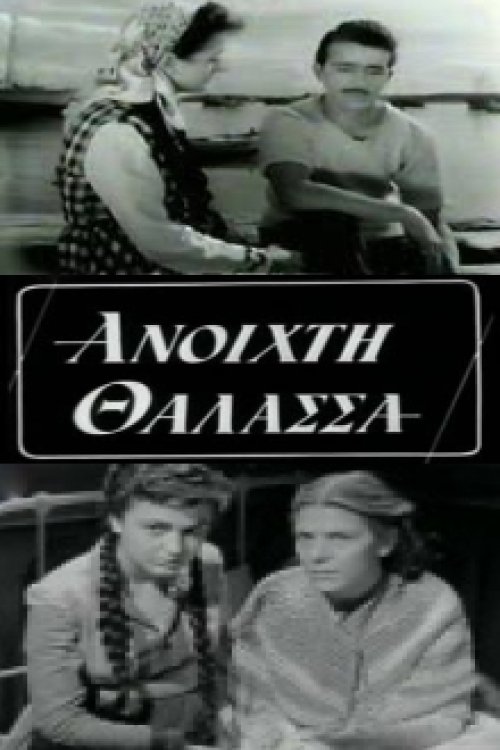
1954
Interprétation
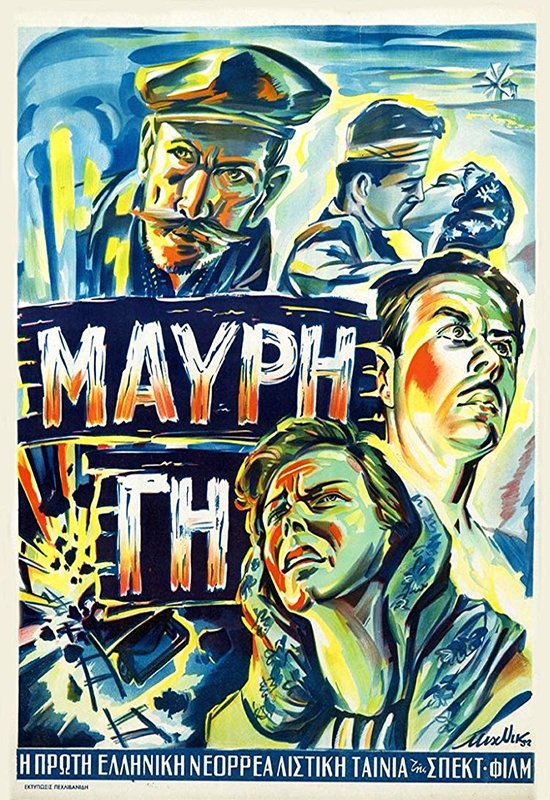
1952
Dimitris
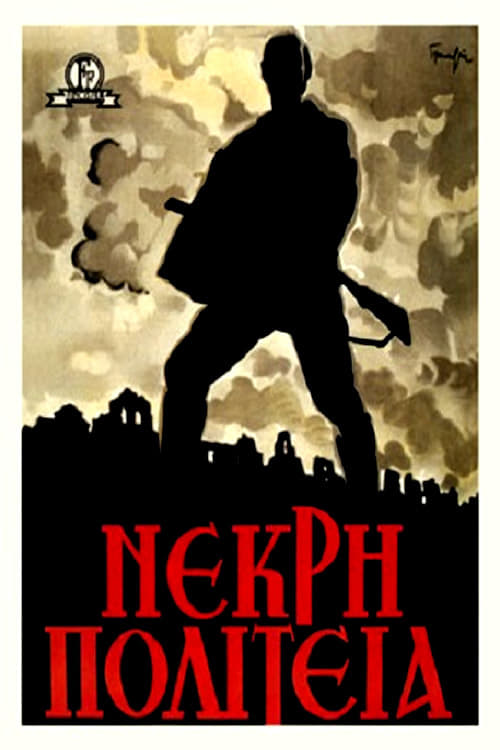
1951
Mathios

1951
Giangos Lyberis
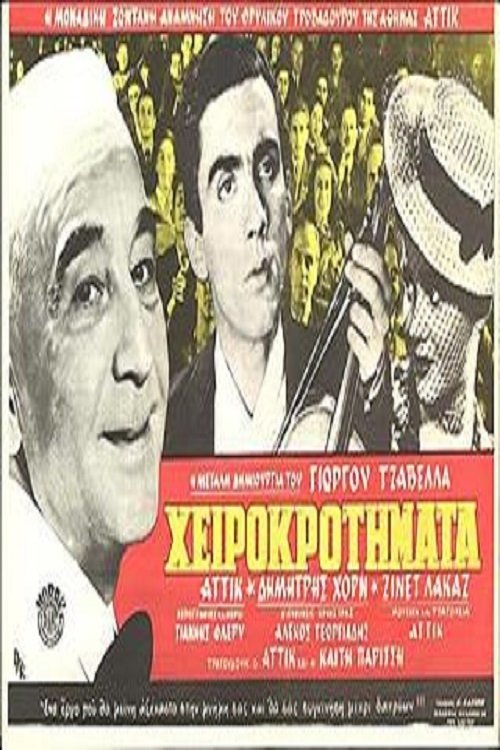
1944
Interprétation