5,9
Second Honeymoon
2001
Réalisation

From Wikipedia, the free encyclopedia
Lawrence "Larry" Peerce (born April 19, 1930) is an American film and TV director whose work includes the theatrical feature Goodbye, Columbus, the early rock and roll concert film The Big T.N.T. Show, One Potato, Two Potato (1964), The Other Side of the Mountain (1975), and Oscar nominee Two-Minute Warning (1976).
The son of operatic tenor Jan Peerce and talent agent Alice (Kalmanowitz) Peerce, Larry Peerce was born in The Bronx, New York City, New York. He attended the University of North Carolina. He made his directing debut with One Potato, Two Potato, released in 1964 by the distributor Cinema V. The groundbreaking drama about an interracial marriage between a white divorcee (played by Barbara Barrie, who won the Best Actress award at the 1964 Cannes Film Festival for the role) and an African-American office worker (Bernie Hamilton) was the first U.S. movie to portray such an interracial relationship.
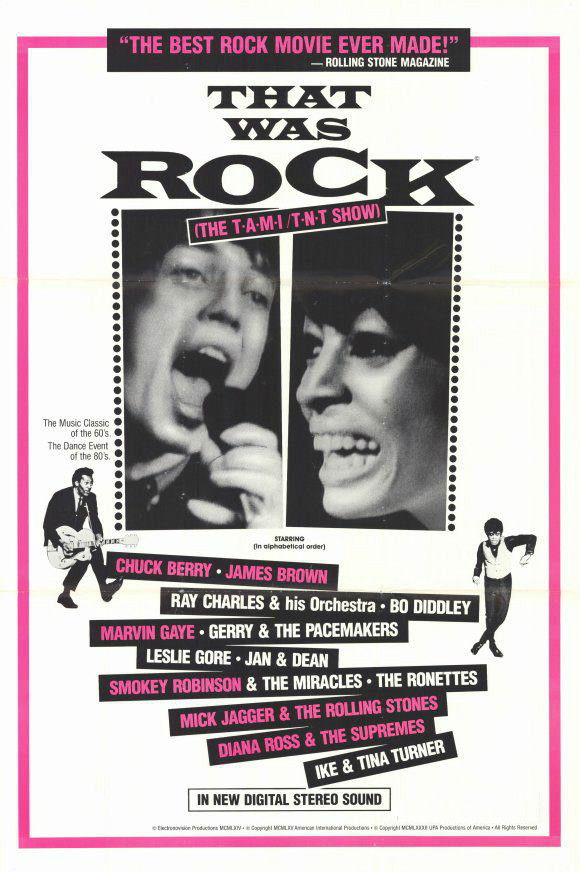
Peerce went on to direct several episodes of the Western television series Branded and the campy superhero series Batman, among other shows, before directing the early rock and roll concert film The Big T.N.T. Show, released in 1966 by American International Pictures and featuring such performers as The Byrds, Ray Charles, Bo Diddley, Donovan, The Lovin' Spoonful, The Ronettes and The Ike & Tina Turner Revue.
Following more TV, Peerce returned to film in 1967 with The Mystery of the Chinese Junk and The Incident, the latter of which starred Martin Sheen and Tony Musante. He followed this with the acclaimed Goodbye, Columbus, an adaptation of the Philip Roth novel. The movie earned Peerce a DGA Award nomination for Outstanding Directorial Achievement in Motion Pictures, and screenwriter Arnold Schulman an Academy Award nomination for Best Writing, Screenplay Based on Material from Another Medium.
Peerce's subsequent theatrical features included The Sporting Club, A Separate Peace, Ash Wednesday, and The Other Side of the Mountain. Peerce's work is frequently viewed as part of the expressive sentimental directorial style with a particular focus on coming-of-age stories.
2001
Réalisation
1999
Réalisation
1999
Réalisation
1995
Réalisation

1994
Réalisation

1993
Réalisation

1992
Réalisation

1990
Réalisation

1989
Réalisation
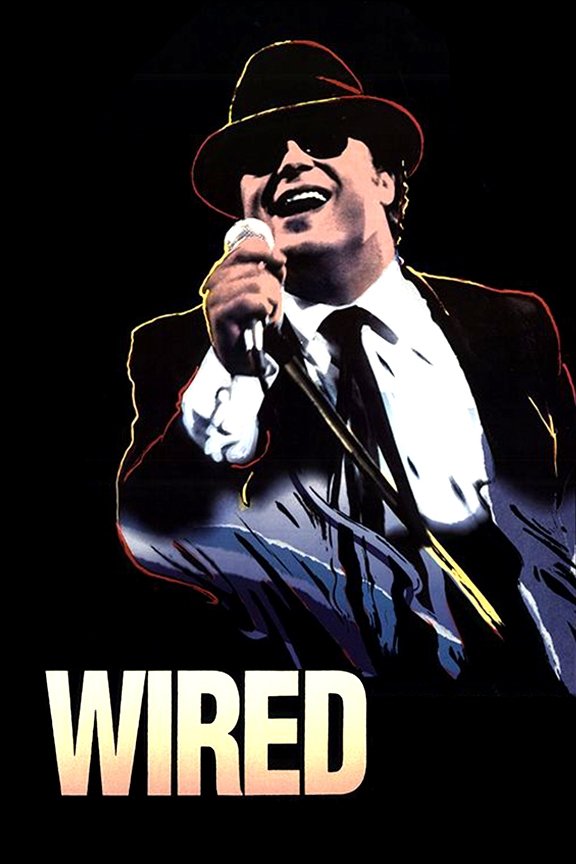
1989
Réalisation
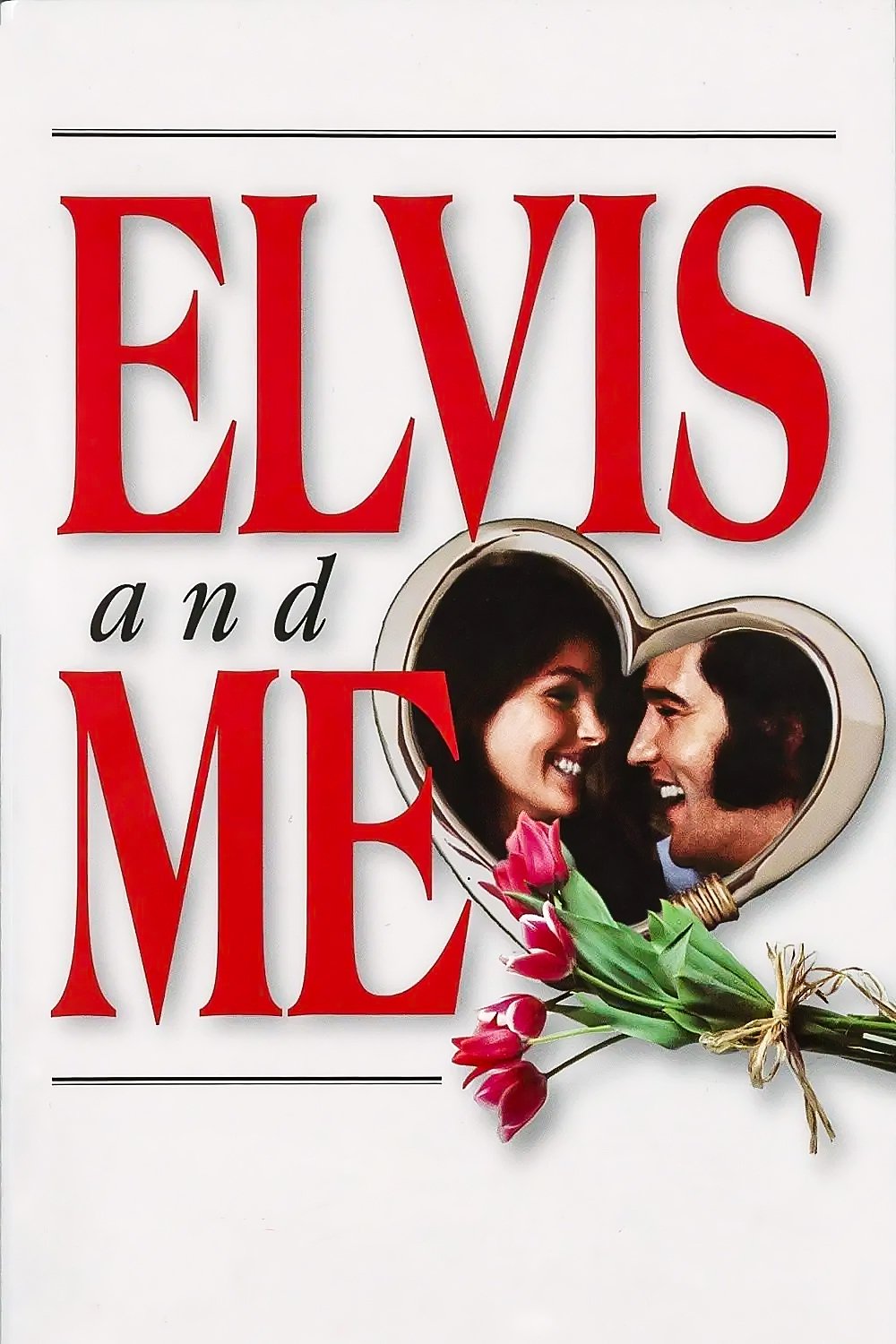
1988
Réalisation
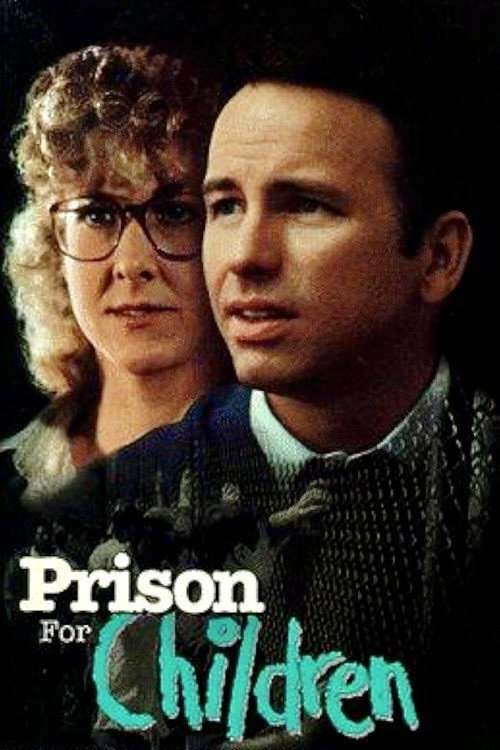
1987
Réalisation
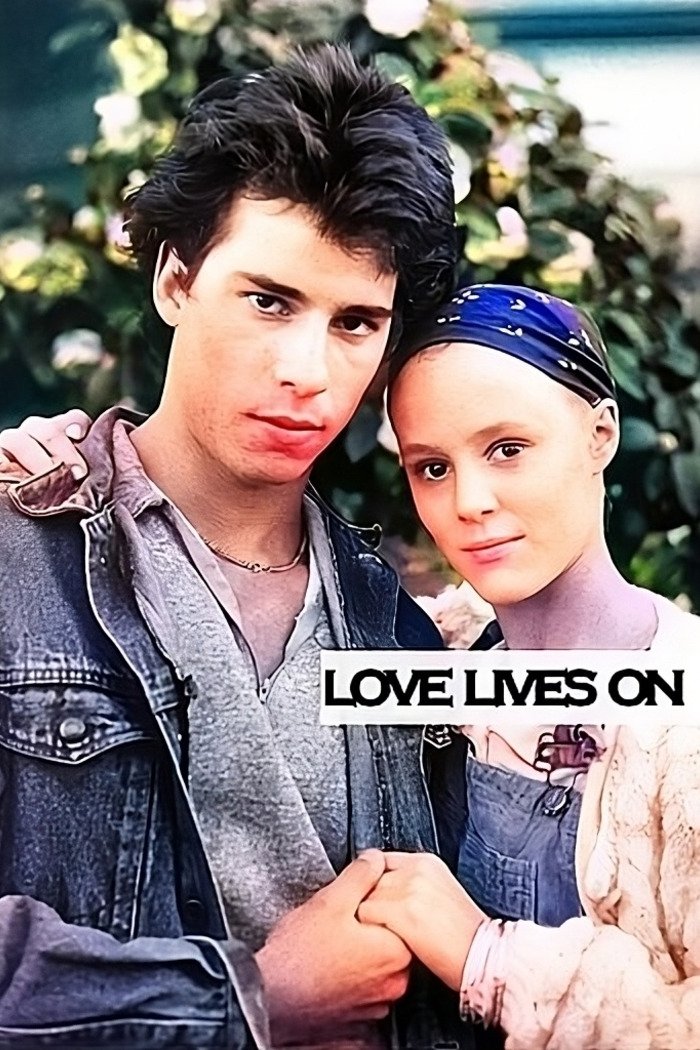
Une adolescente de 15 ans atteinte d'un cancer apprend qu'elle va avoir un enfant.
1985
Réalisation

1984
Réalisation
1984
Réalisation
1983
Réalisation

1982
Réalisation
1980
Réalisation

1979
Réalisation

1978
Réalisation
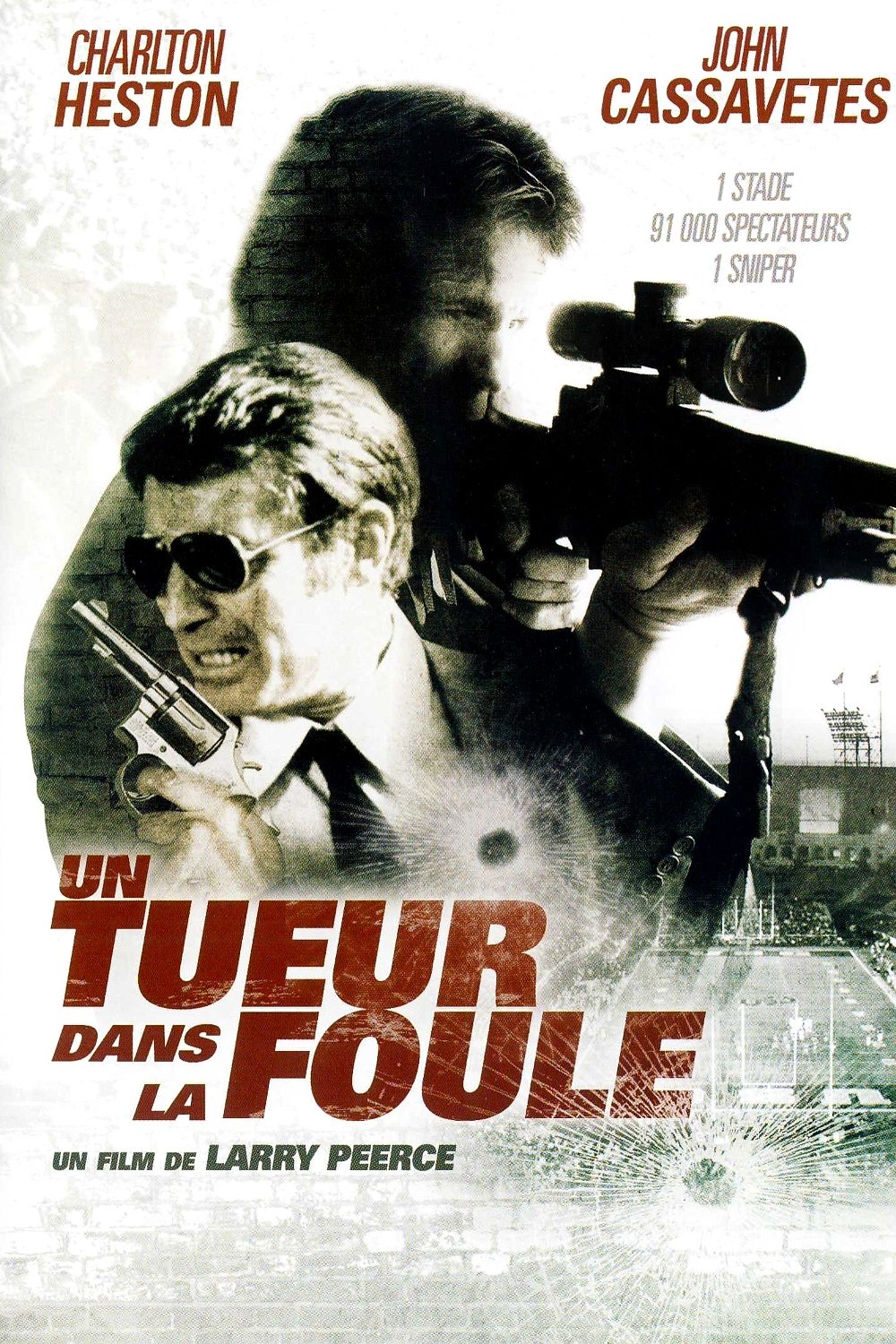
Un tireur menace de sévir durant un match de championnat de football américain entre Baltimore et Los Angeles se déroulant au Los Angeles Memorial Coliseum. Les équipes d'intervention de la police sont mobilisées.
1976
Réalisation

Une jeune championne de ski, Jill Kinmont, est paralysée après un tragique accident de ski. Sa meilleure amie subit le même sort après avoir contracté la poliomyélite. Jill doit lentement reconstruire sa vie avec l'aide de ses proches.
1975
Réalisation
1974
Réalisation

1973
Réalisation

1972
Réalisation

1971
Réalisation

Vers deux heures du matin dans le métro de New York, deux voyous terrorisent les passagers du wagon où ils se trouvent...
1967
Réalisation
1967
Réalisation

1967
Réalisation

1965
Réalisation
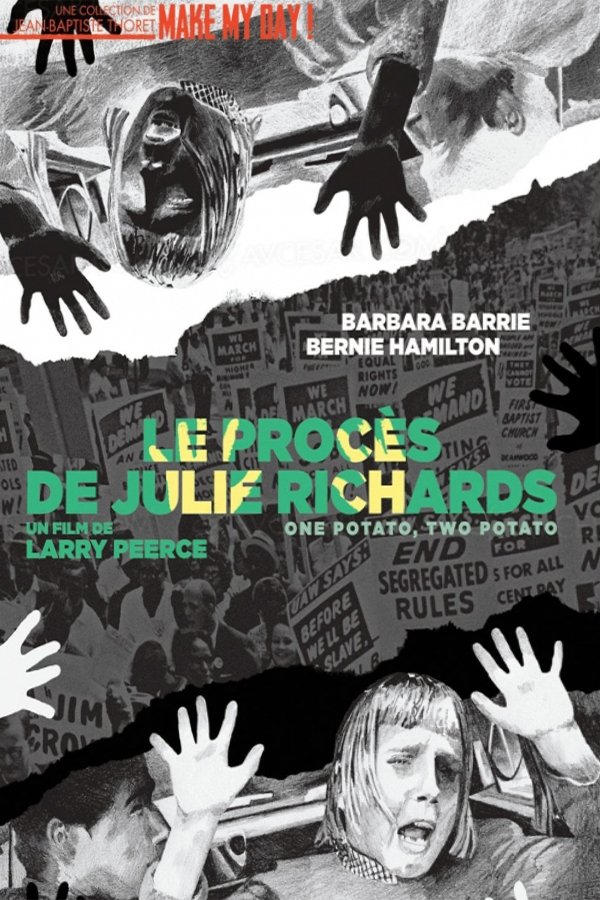
Après son divorce, Julie Cullen s’est installée dans une petite ville des États-Unis où elle mène une vie paisible en compagnie de sa fille. Elle rencontre alors, et épouse, Frank, un employé de bureau noir. Mais le retour de son ex-mari, qui réclame la garde de l’enfant, va faire éclater le couple.
1964
Réalisation