6,0
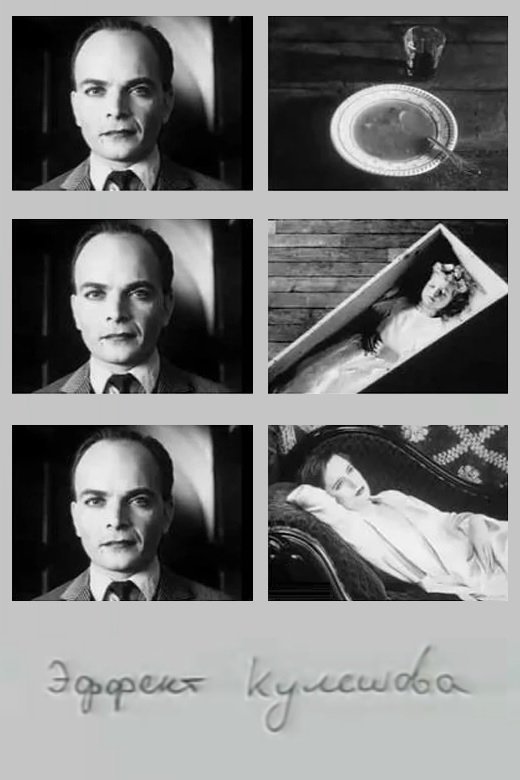
Эффект Кулешова
1969
Réalisation
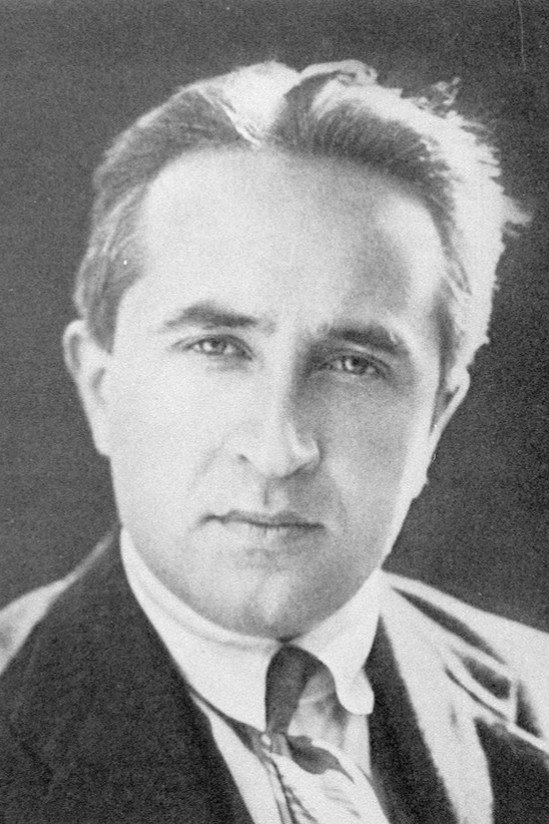
Lev Vladimirovich Kuleshov was a Russian and Soviet filmmaker and film theorist, one of the founders of the world's first film school, the Moscow Film School. People's Artist of the RSFSR (1969).
Lev Kuleshov was born in 1899 into an intellectual Russian family. At the time he was born, the family became financially broke, lost their estate and moved to Tambov, living a modest life. In 1911 his father died; three years later Lev and his mother moved to Moscow where his elder brother was studying and working as an engineer. Lev Kuleshov decided to follow the steps of his father and entered the Moscow School of Painting, although he didn't finish it.
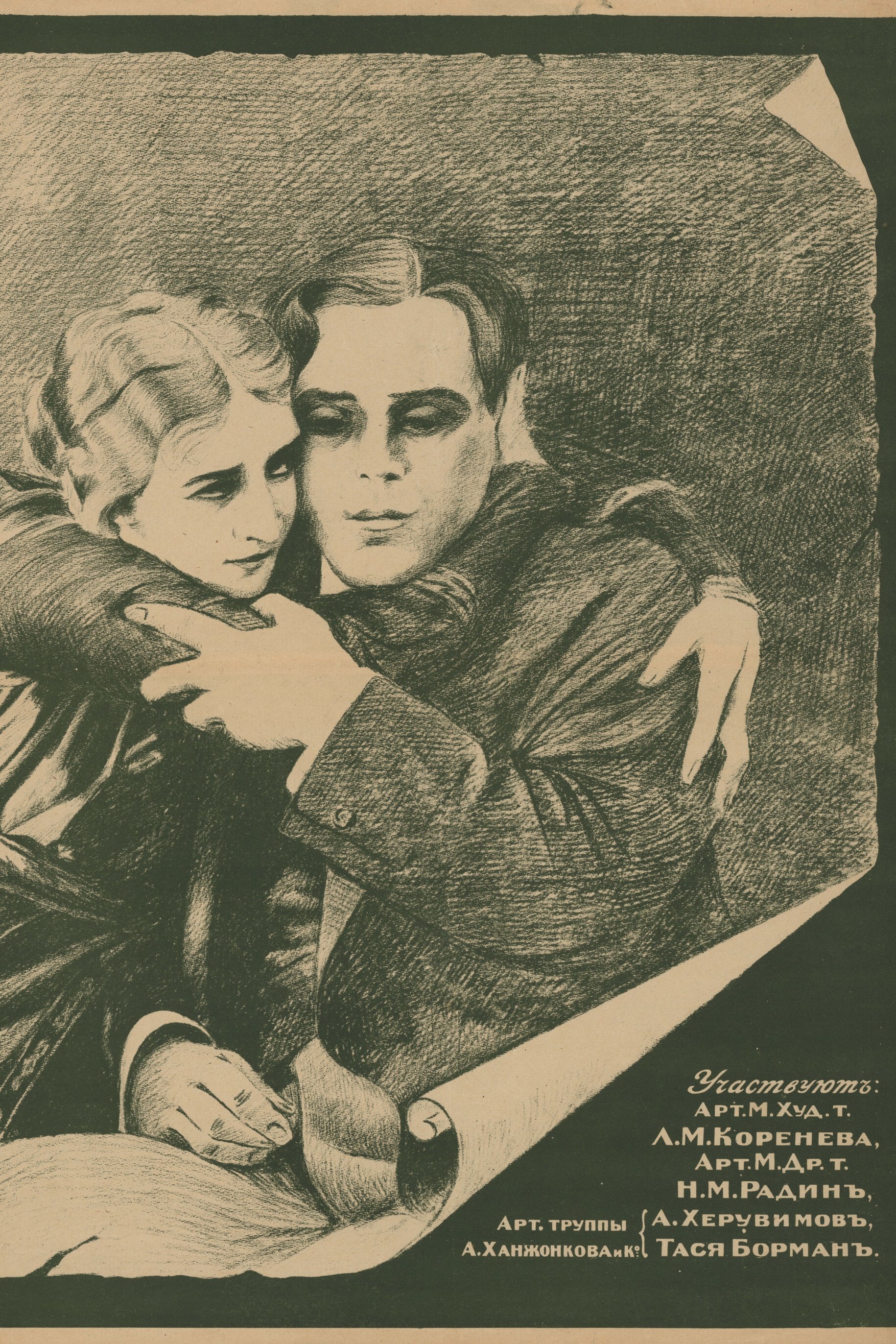
In 1916 he applied to work at the film company led by Aleksandr Khanzhonkov. He produced scenery several pictures but with time he became more interested in film theory. He co-directed his first movie Twilight in 1917. His next film was released under the Soviet patronage.
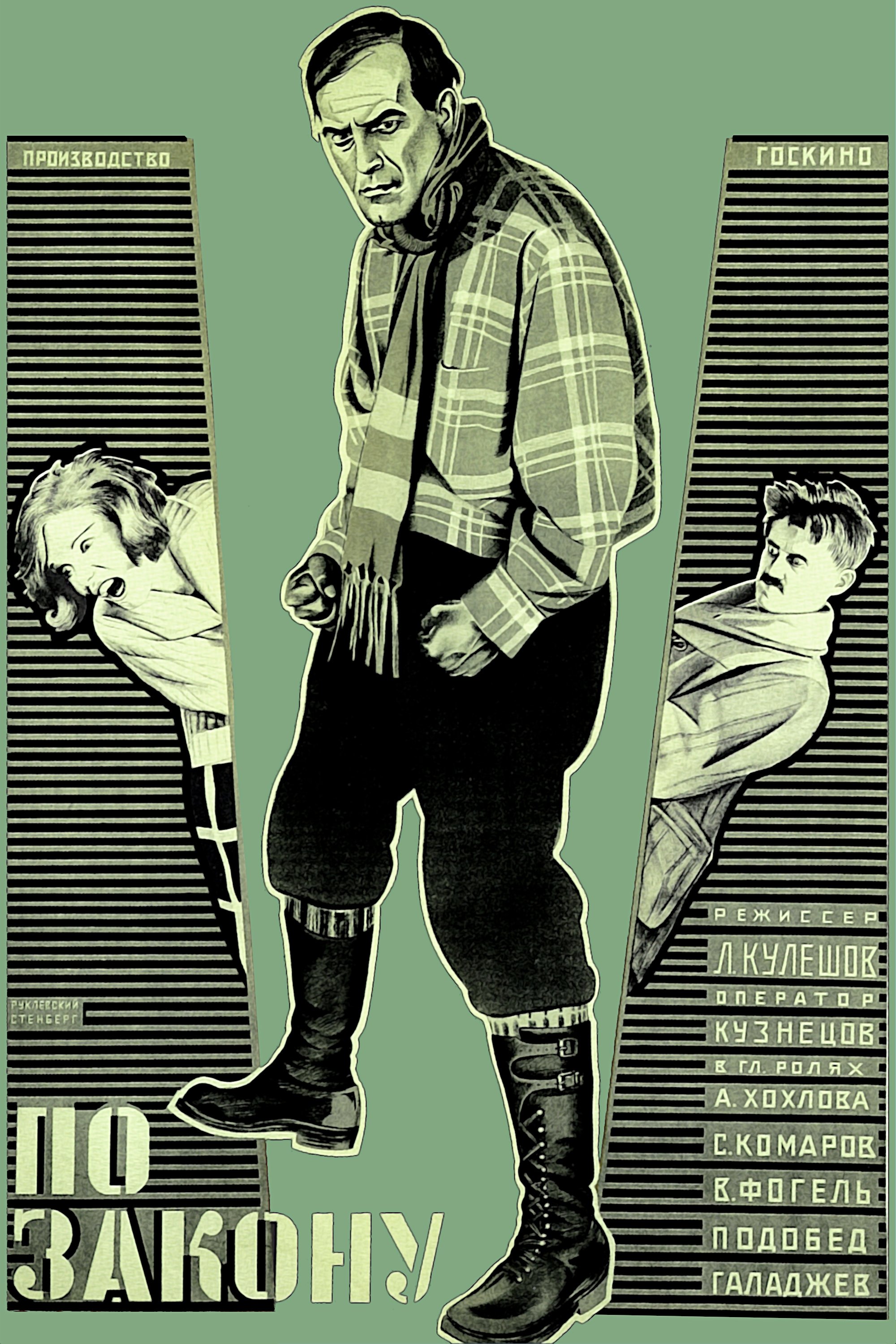
During the 1918-1920 he covered the Russian Civil War with a documentary crew. In 1919 he headed the first Soviet film courses at the National Film School. Kuleshov may well be the very first film theorist as he was a leader in the Soviet montage theory — developing his theories of editing before those of Sergei Eisenstein (briefly a student of Kuleshov). For Kuleshov, the essence of the cinema was editing, the juxtaposition of one shot with another. To illustrate this principle, he created what has come to be known as the Kuleshov Effect. In this now-famous editing exercise, shots of an actor were intercut with various meaningful images (a casket, a bowl of soup, etc.) in order to show how editing changes viewers' interpretations of images. In addition to his theoretical and teaching work, Kuleshov also directed a number of feature-length films. Among his most notable works is an action-comedy The Extraordinary Adventures of Mr. West in the Land of the Bolsheviks (1924), a psychological drama By the Law (1926) adapted from the short story by Jack London and a biographical drama The Great Consoler (1933) based on O. Henry's life and works. After directing his last film in 1943, Kuleshov served as an artistic director and an academic rector at VGIK where he worked for the next 25 years.
Lev Kuleshov died in Moscow in 1970. He was buried at the Novodevichy Cemetery. He was survived by his wife Aleksandra Khokhlova (1897—1985) — an actress, film director and educator and her son from the first marriage.
1969
Self

L'histoire de deux adolescents et de leur vie pendant la Seconde Guerre mondiale dans la région de l'Oural en Russie.
1943
Réalisation
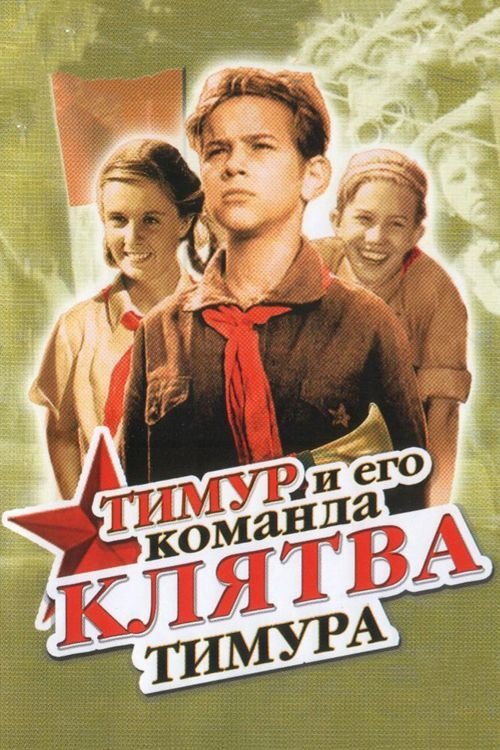
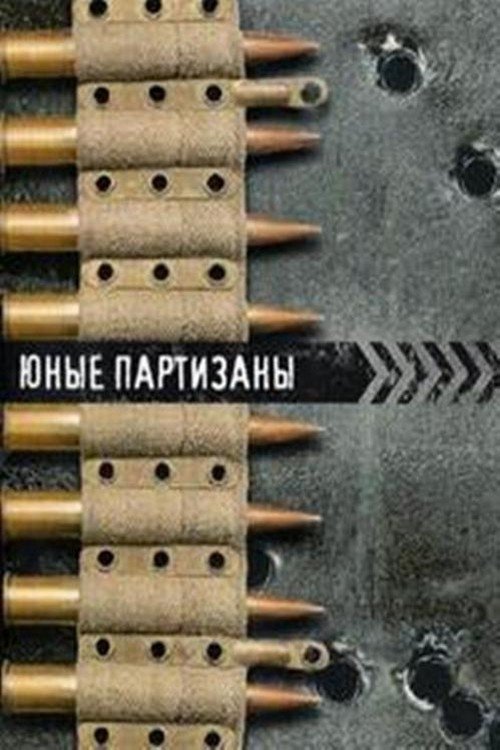
Timour est un jeune pionnier, qui forme une équipe qui se rend dans un village de datchas avec la mission secrète de venir en aide à ceux qui en ont besoin.
1942
Réalisation
1942
Réalisation

1941
Production

1940
(archive footage)
1934
Réalisation
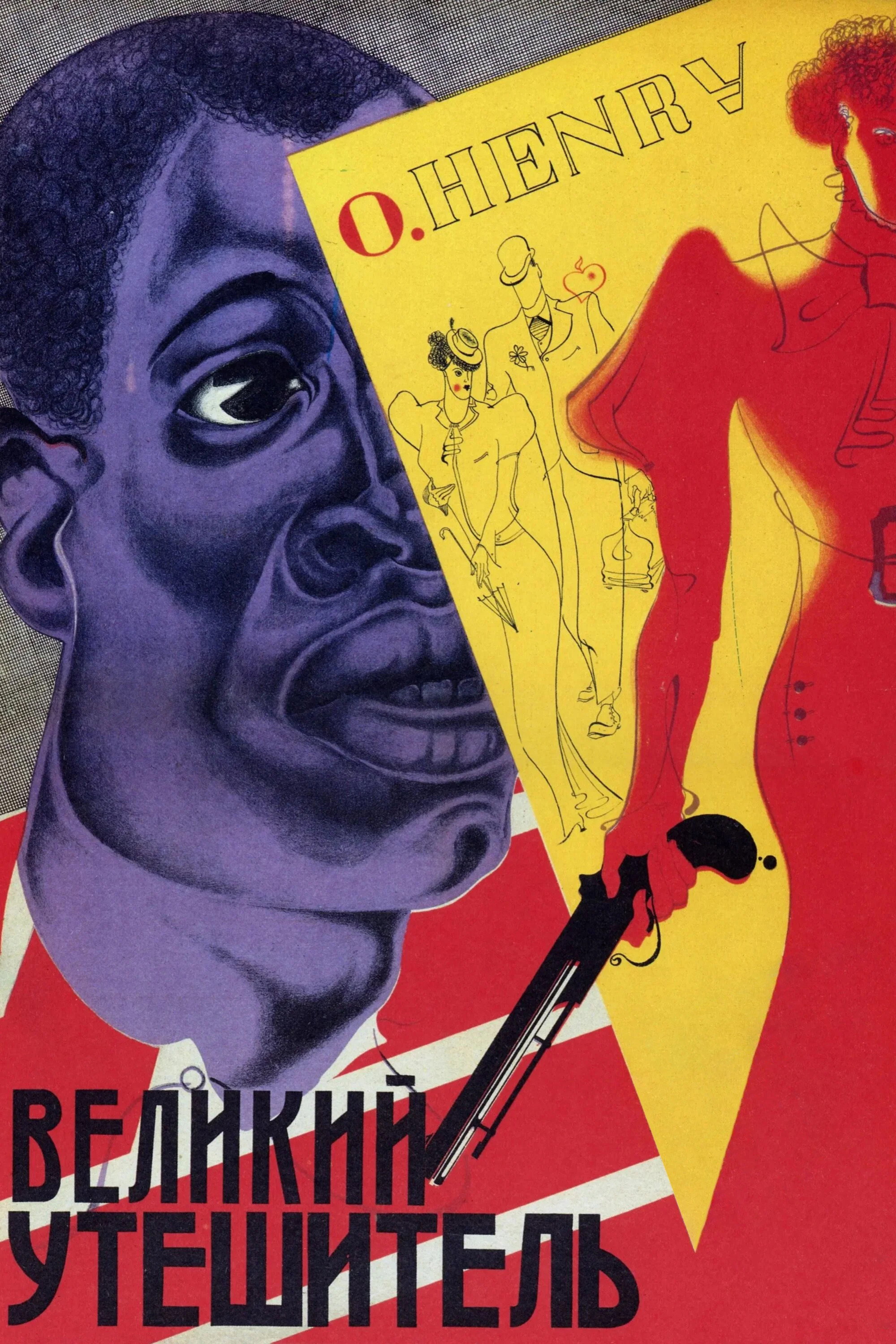
États-Unis, fin du XIXe siècle. En prison, Bill Porter, qui deviendra O. Henry, écrit des nouvelles « à l'encre rose » pour consoler les pauvres gens.
1933
Réalisation
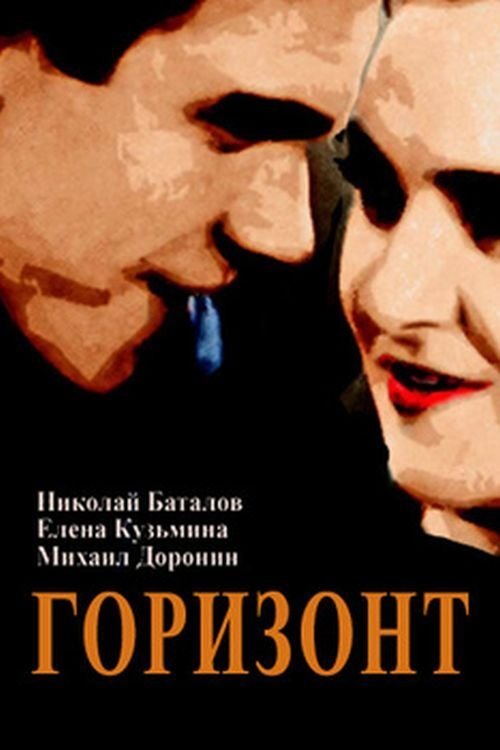
Itinéraire d'un juif russe fuyant les pogroms avant la révolution et revenant dans son pays natal en tant que soldat des armées d'intervention. Film longtemps occulté par les autorités soviétiques.
1932
Réalisation
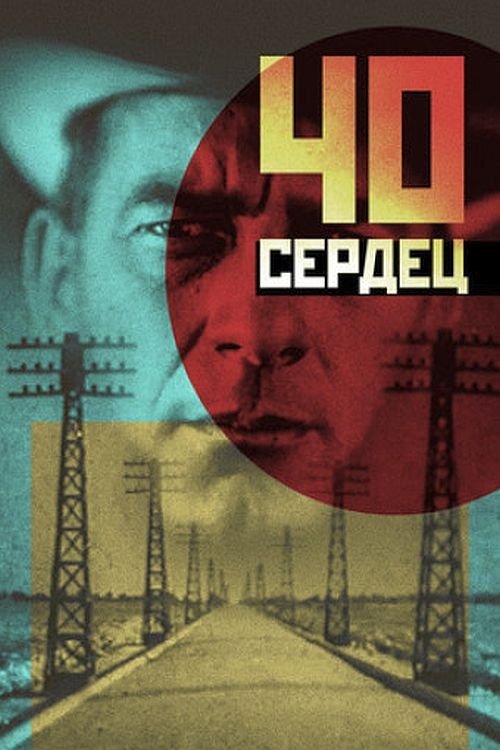
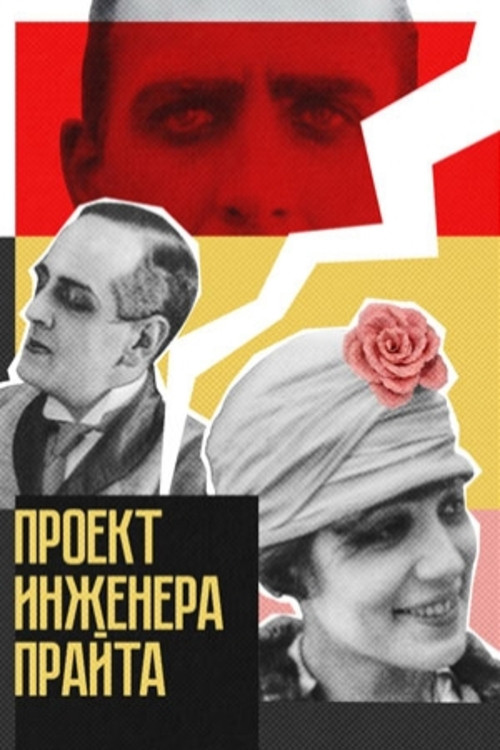
Au sujet de 40 centrales électriques construites selon le plan.
1931
Réalisation
1930
Réalisation
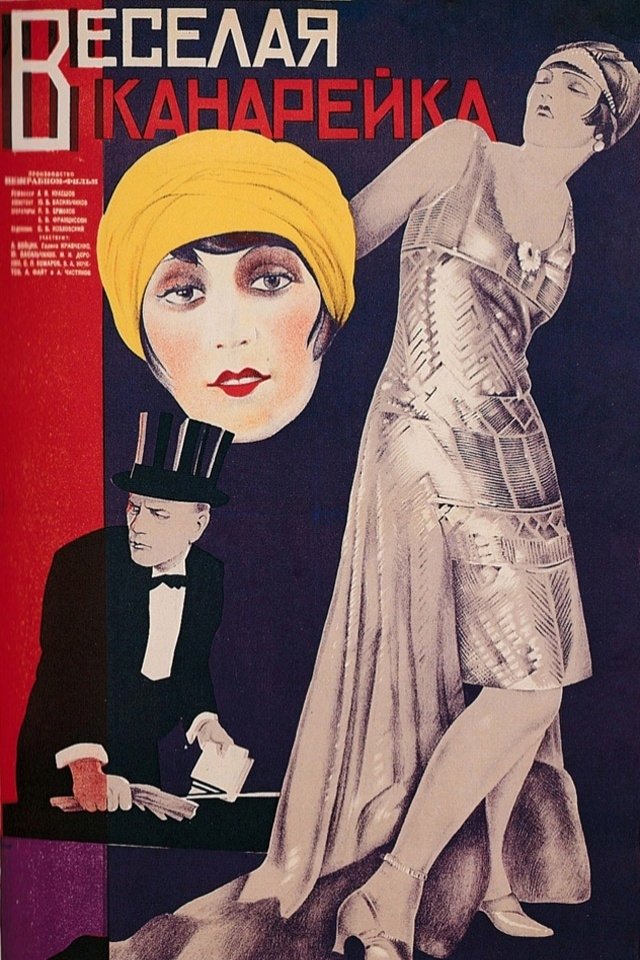
Dans une ville d'Ukraine occupée, un comité clandestin de bolcheviks confie aux communistes Brianski et Lougovets la mission de suivre un contre révolutionnaire ennemi. Dans ce but Brianski fait connaissance avec l'actrice Brio qui travaille dans le café « Le joyeux canari ».
1929
Réalisation
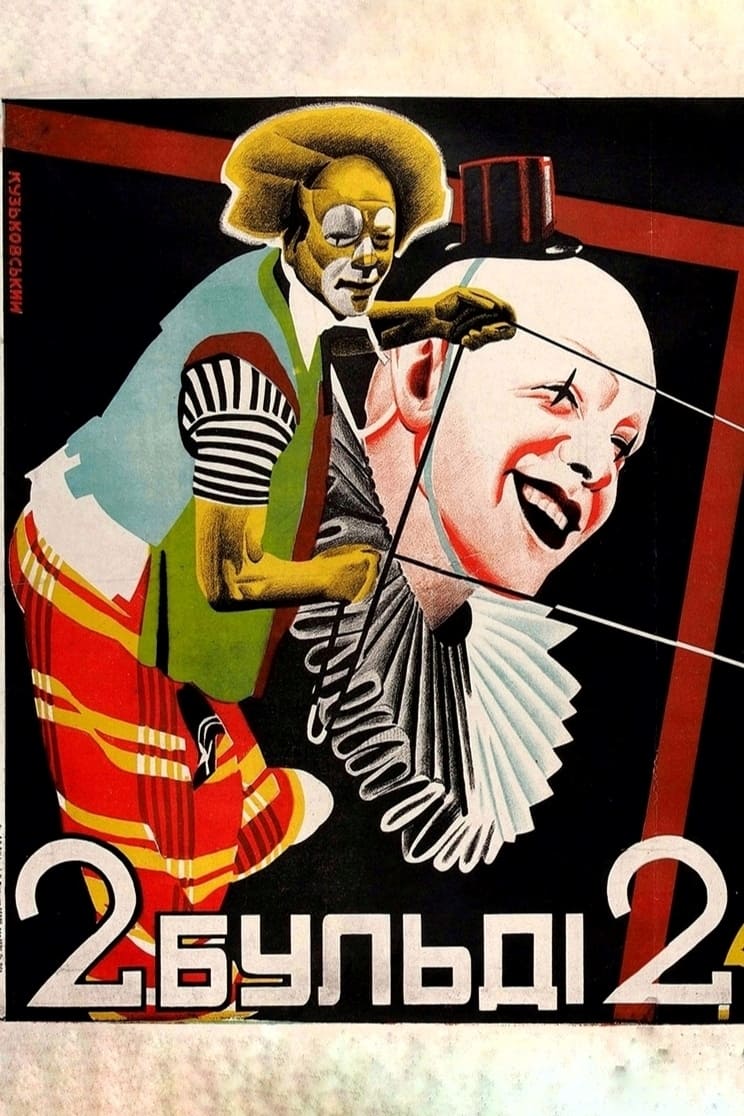
Un cirque ambulant, pendant la guerre civile, dans une petite ville. Un clown fameux et son fils, bolchevik, préparent un numéro à deux. La ville tombe aux mains des blancs. Le jeune Bouldi est arrêté.
1929
Réalisation
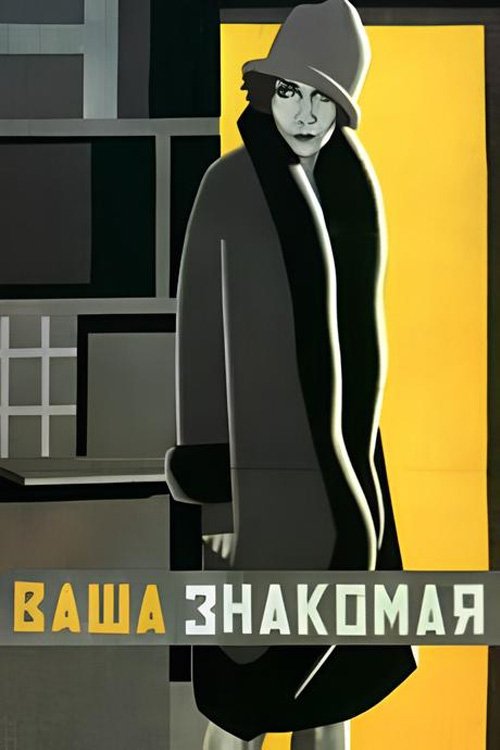
La vie difficile d'une femme moderne, une journaliste nommée Khokhlova.
1927
Réalisation
1926
Réalisation

Dans un pays capitaliste, les travailleurs sont fortement réprimés mais parviennent à se procurer un « rayon de la mort » pour se défendre.
1925
Interprétation
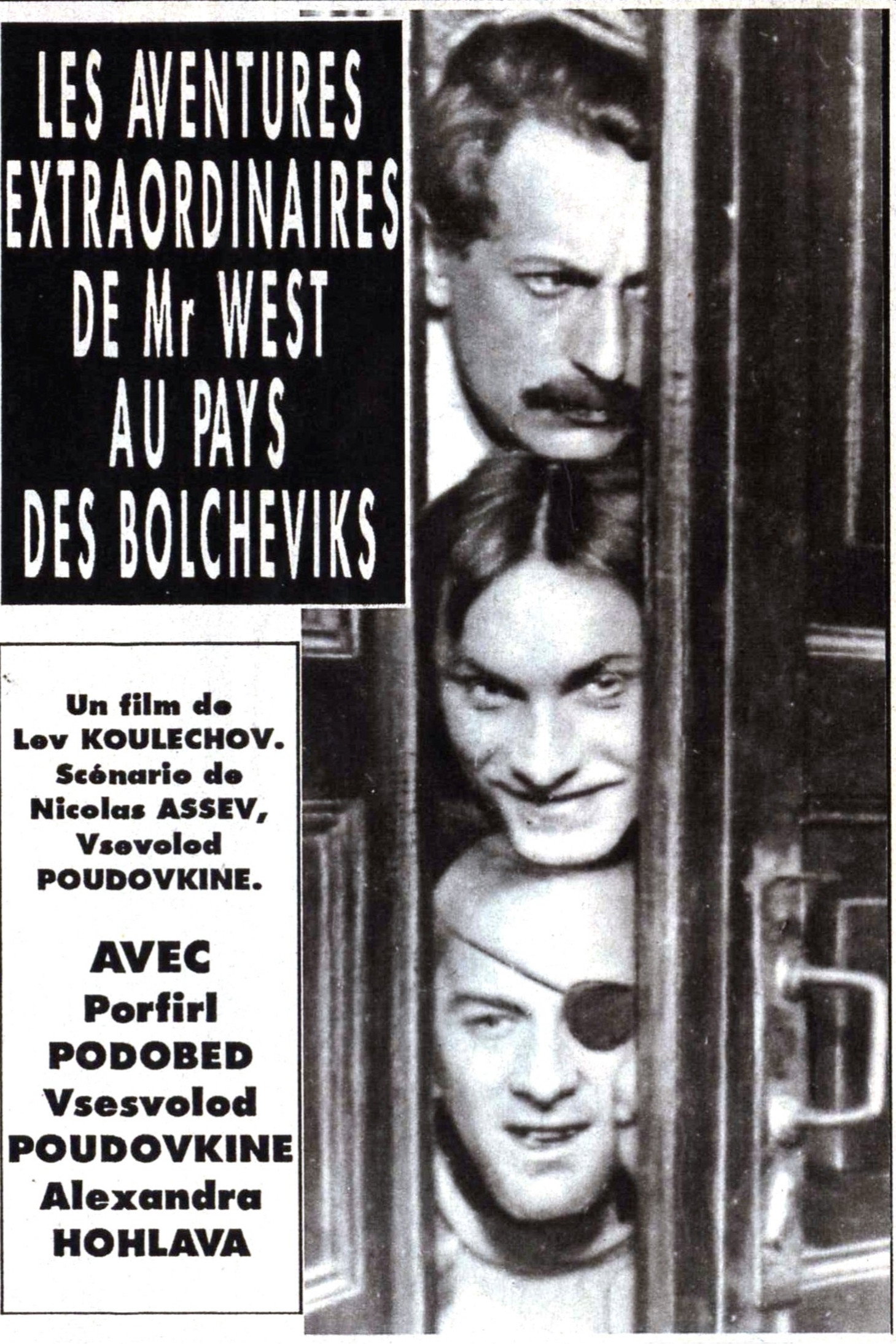
Un citoyen américain, Mr West, visite l'Union soviétique. Tétanisé par l'influence de la propagande capitaliste, il ne prévoit que misères et dangers et n'en devient que plus facilement la proie d'une bande d'escrocs qui renchérissent sur ses craintes. Par bonheur, une compatriote éclairée et une escouade de purs bolchéviks, animée des meilleures intentions, se portent à son secours et lui ouvrent les yeux sur l'avenir radieux de l'URSS…
1924
Réalisation
1920
Réalisation
1920
Resident of war zone
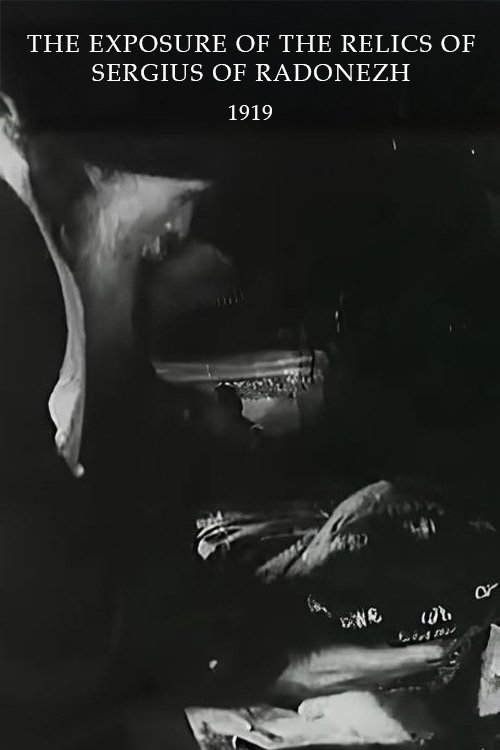
Dziga Vertov documente les funérailles de Sergueï Radonejski.
1919
Réalisation
1919
Réalisation
1918
Réalisation
1917
Enrico, painter

1917
Interprétation