7,6
紙屋悦子の青春
2006
Réalisation

Kazuo Kuroki (黒木和雄 Kuroki Kazuo) was a Japanese film director who was particularly known for his films on World War II and the question of personal guilt.
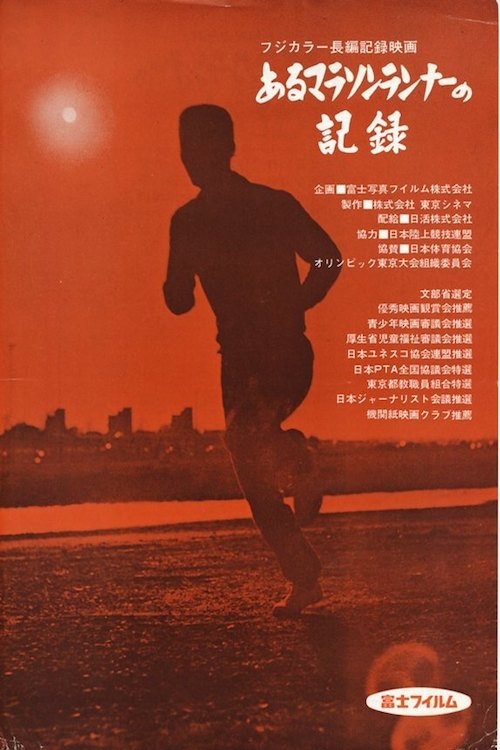
He attended Doshisha University, but left before graduating, instead finding employment at Iwanami Productions. There he directed PR films and documentary films, while also participating in the "Blue Group" (Ao no kai) with other Iwanami filmmakers such as Noriaki Tsuchimoto, Shinsuke Ogawa, and Yōichi Higashi, a group that was exploring new paths in documentary. Kuroki left Iwanami after experiencing conflicts with the sponsors of Hokkaido, My Love (1960). With Record of a Marathon Runner (1964) that helped spark changes in the Japanese documentary world.
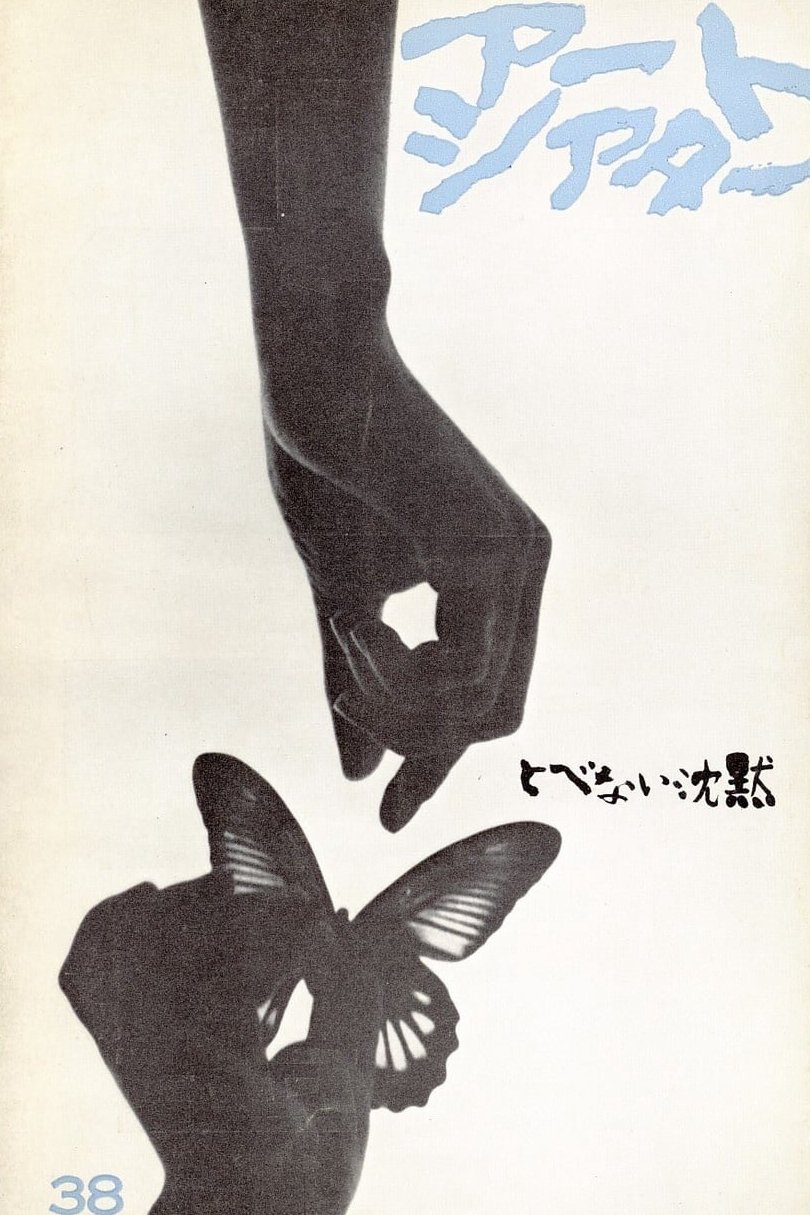
Kuroki switched to fiction film, independently producing Silence Has No Wings (1966) and showing it at the Art Theatre Guild. He became one of the representative figures of ATG and independent Japanese cinema, and was particularly known for a series of works dealing with the atomic bombings of Japan, such as Tomorrow (1988) and The Face of Jizo (2004). These were in part spurred by his growing up near the city of Nagasaki. Kuroki's work also dealt with his own feelings of guilt from the war, as he felt responsible when some of his fellow students, who had been conscripted to work in a local factory, died in Allied bombings and he did not help
2006
Réalisation
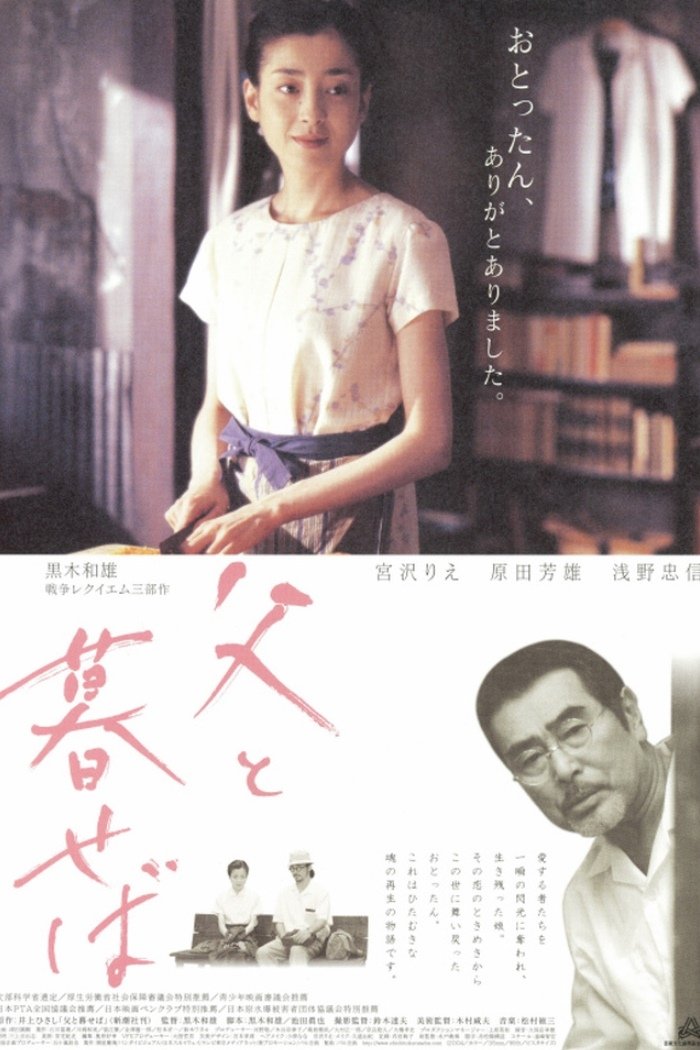
2004
Réalisation
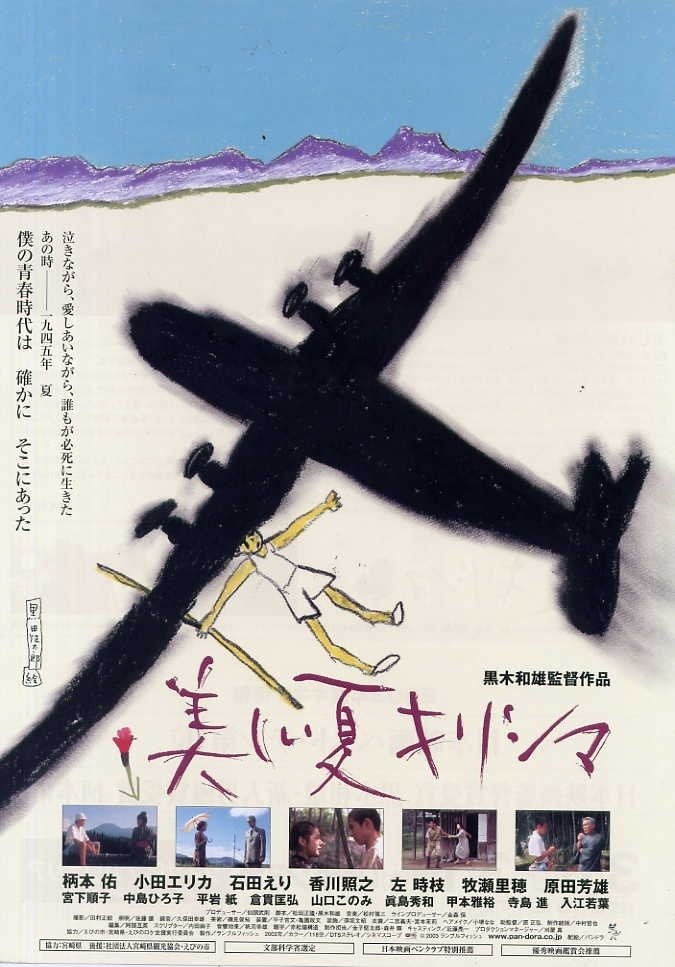
2002
Réalisation
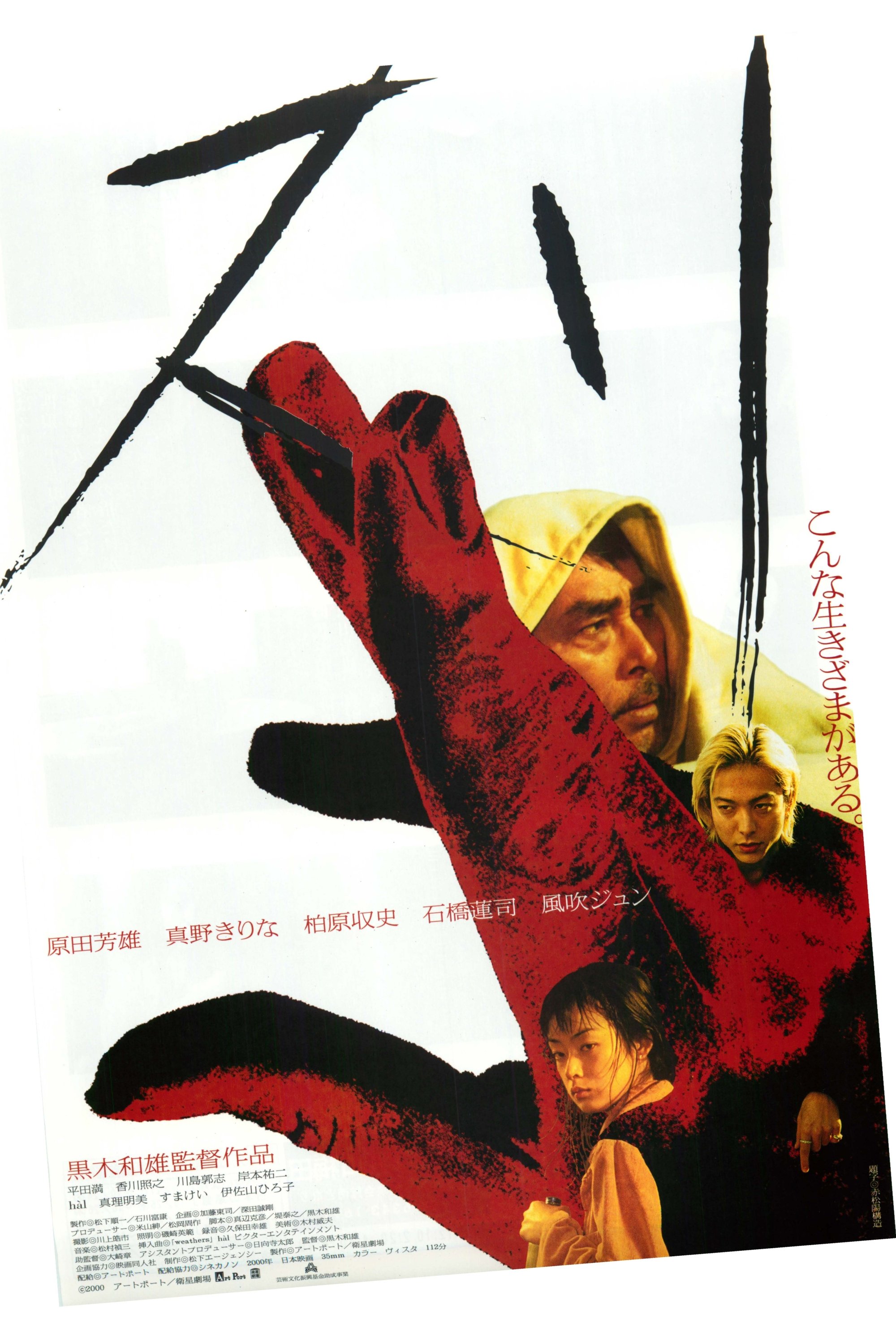
2000
Réalisation
1993
Réalisation
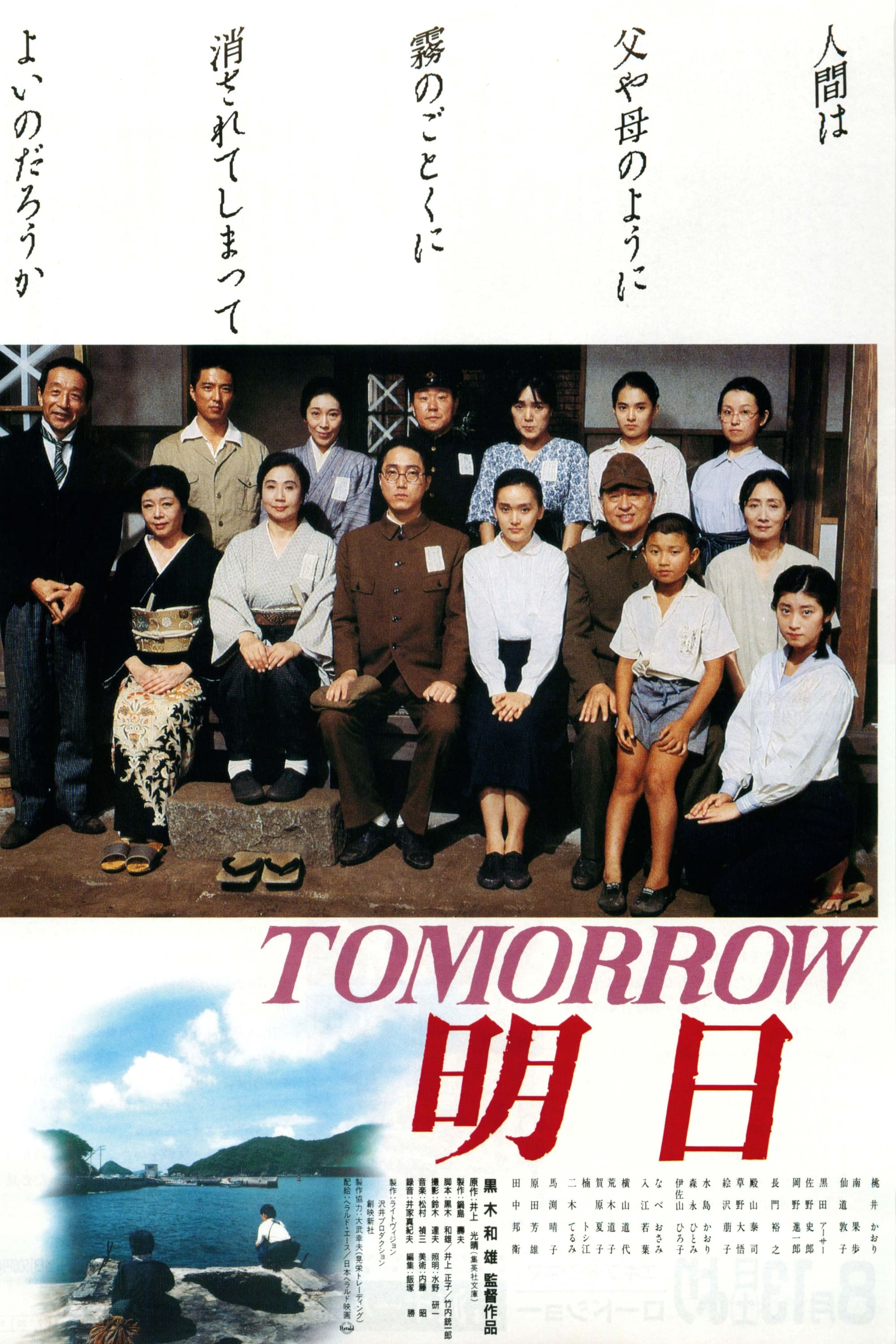
Le 9 août 1945, les Américains lâchent une bombe atomique sur Nagasaki. Ce film décrit la vie quotidienne des gens la veille de cet événement fatidique, leurs sentiments de joie et de tristesse. Pour eux, demain ne viendra jamais.
1988
Réalisation
1983
Réalisation
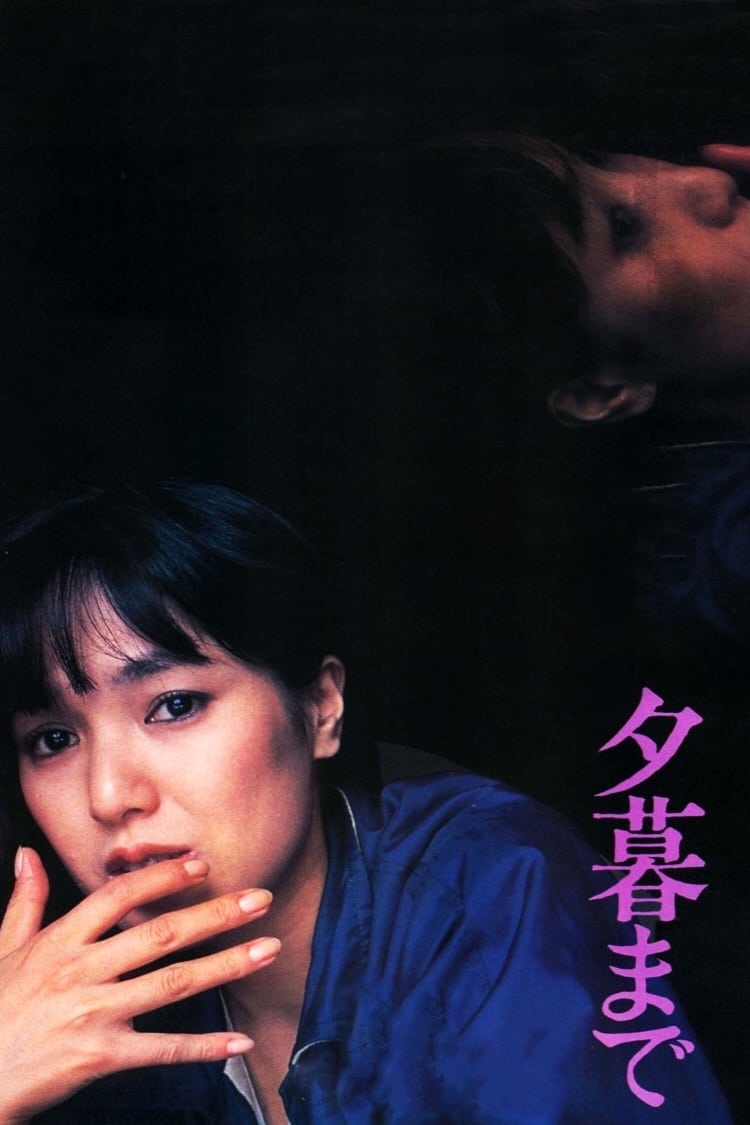
1980
Réalisation
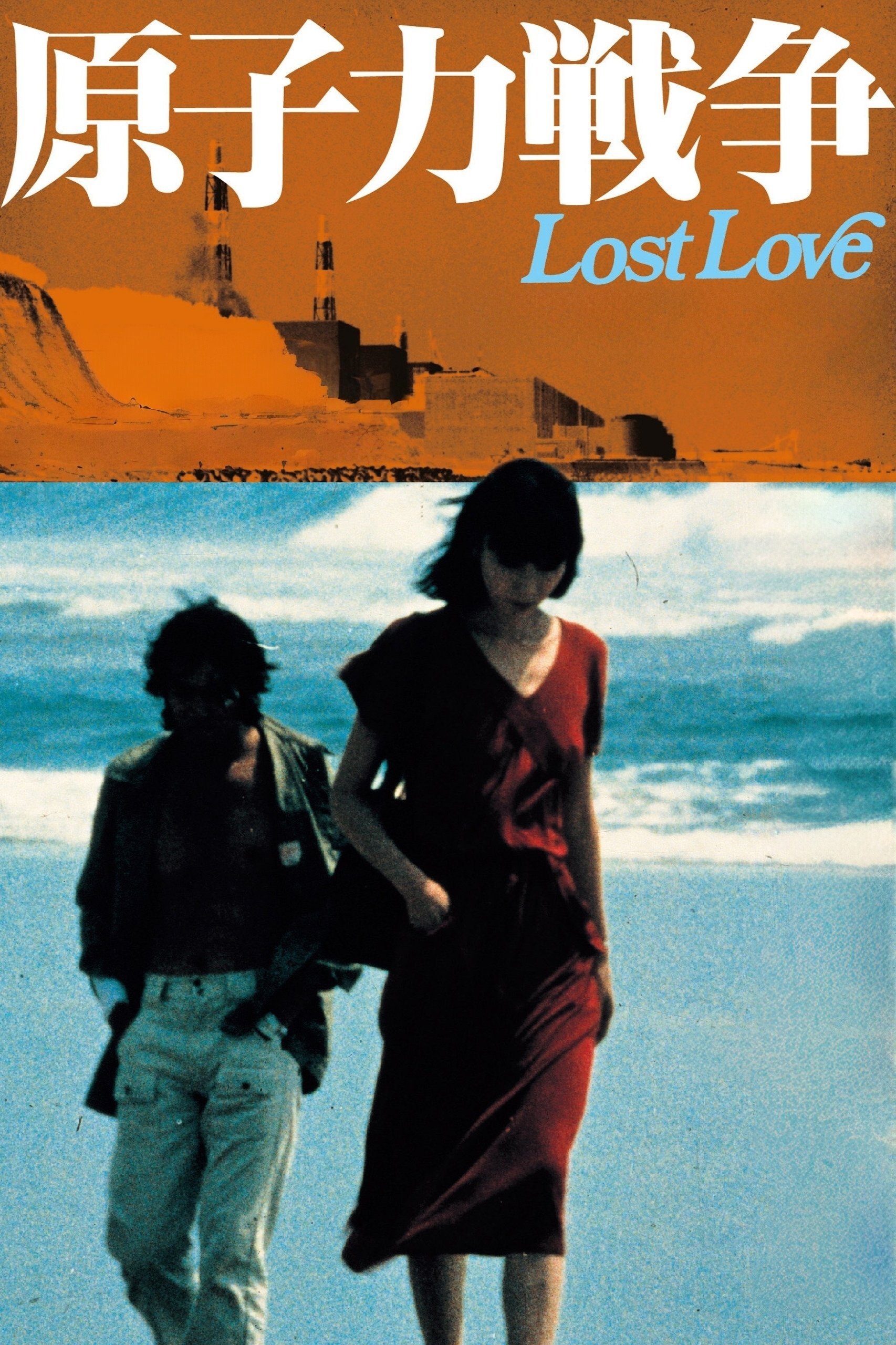
1978
Réalisation

Tateo, jeune et névrosé, souhaite quitter le village où sa mère l'a élevé.
1975
Réalisation
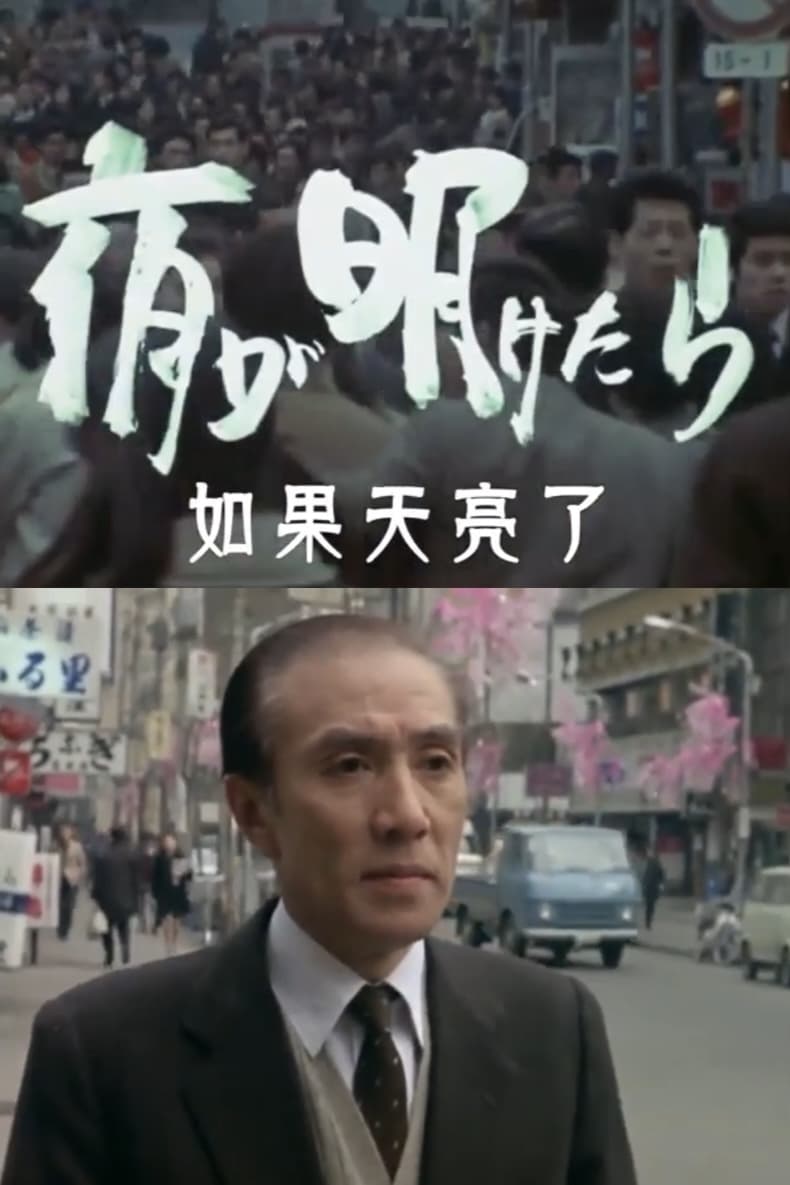
1973
Réalisation
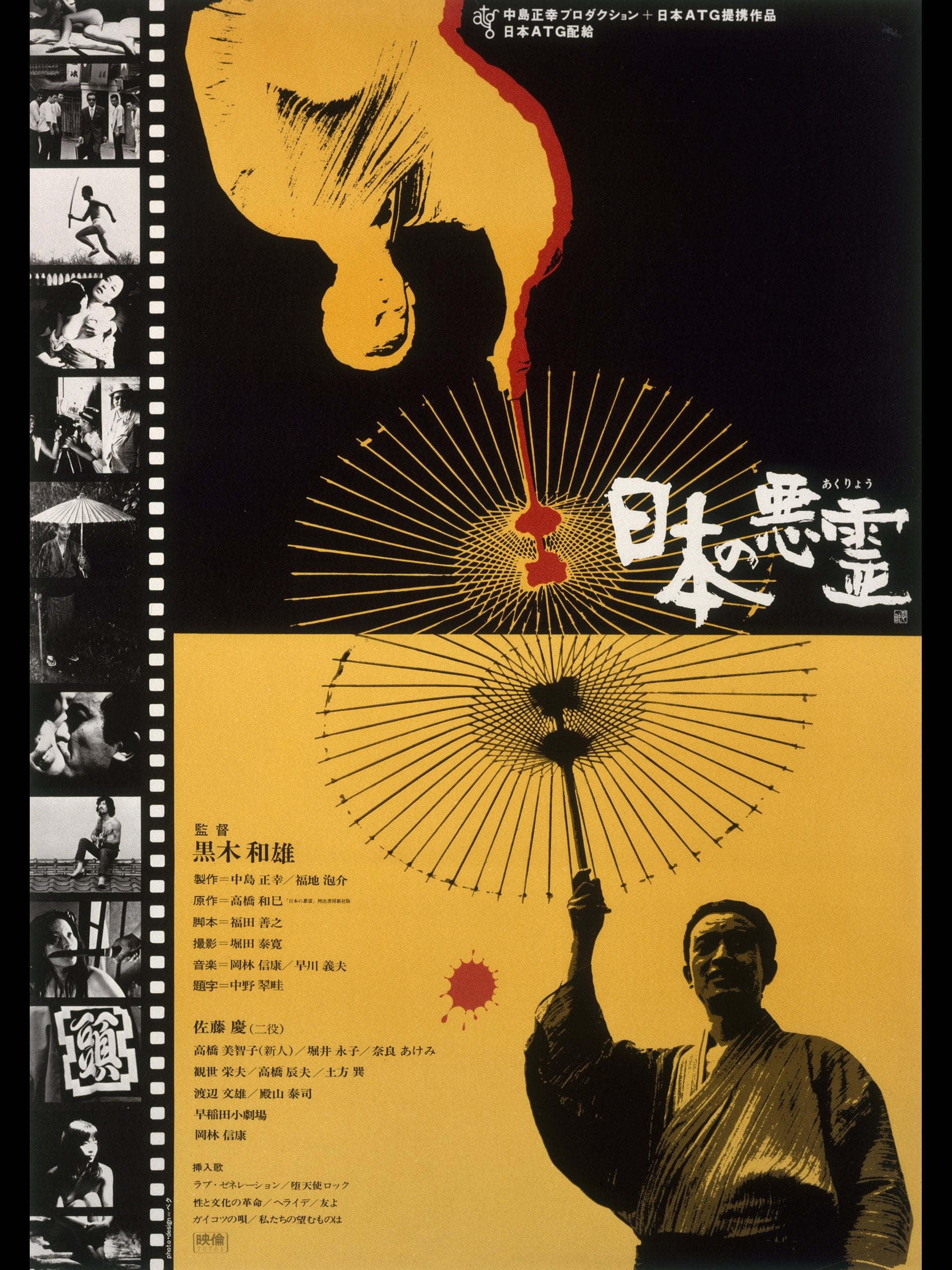
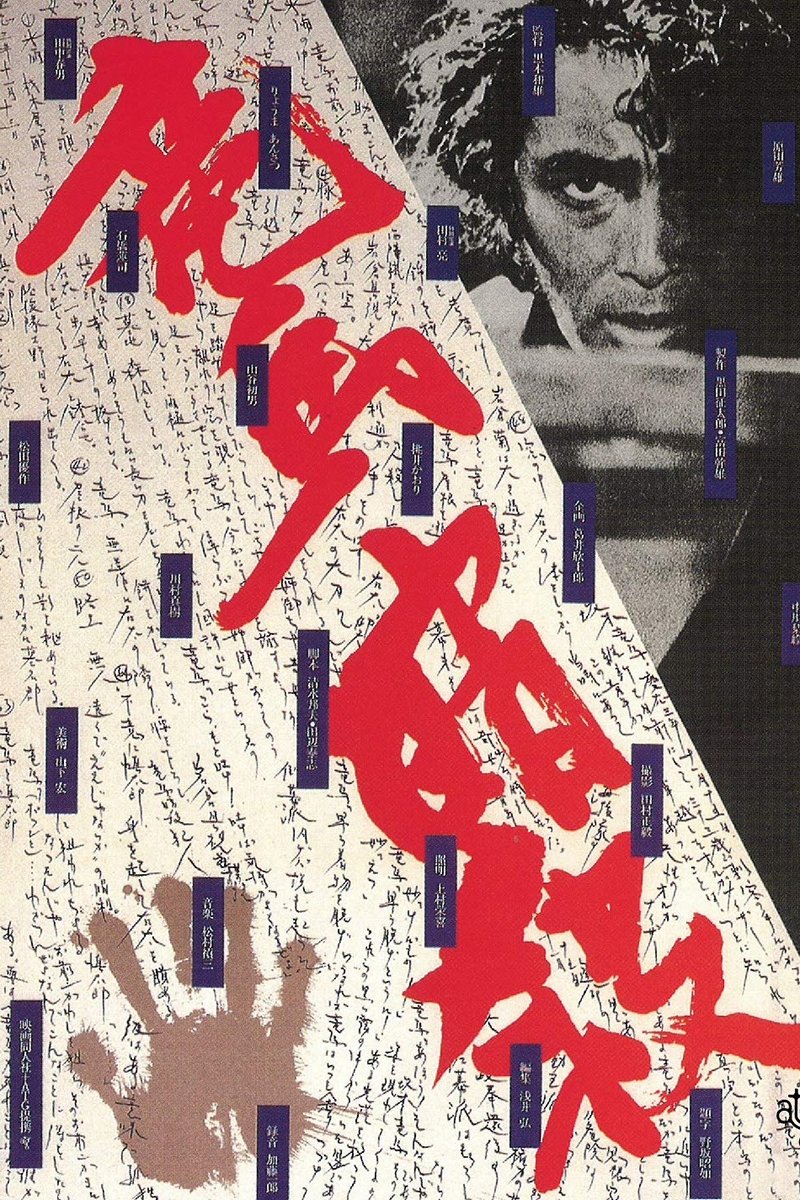
Murase est un garde du corps d'un groupe de yakuzas. Ochiai est un officier de police qui a été un militant étudiant. Lorsqu'ils se rencontrent, ils sont surpris de voir à quel point ils sont identiques.
1970
Réalisation
1969
Réalisation
1963
Réalisation

1963
Réalisation
1962
Réalisation
Court clip promotionnel.
1961
Réalisation
1959
Réalisation