7,5
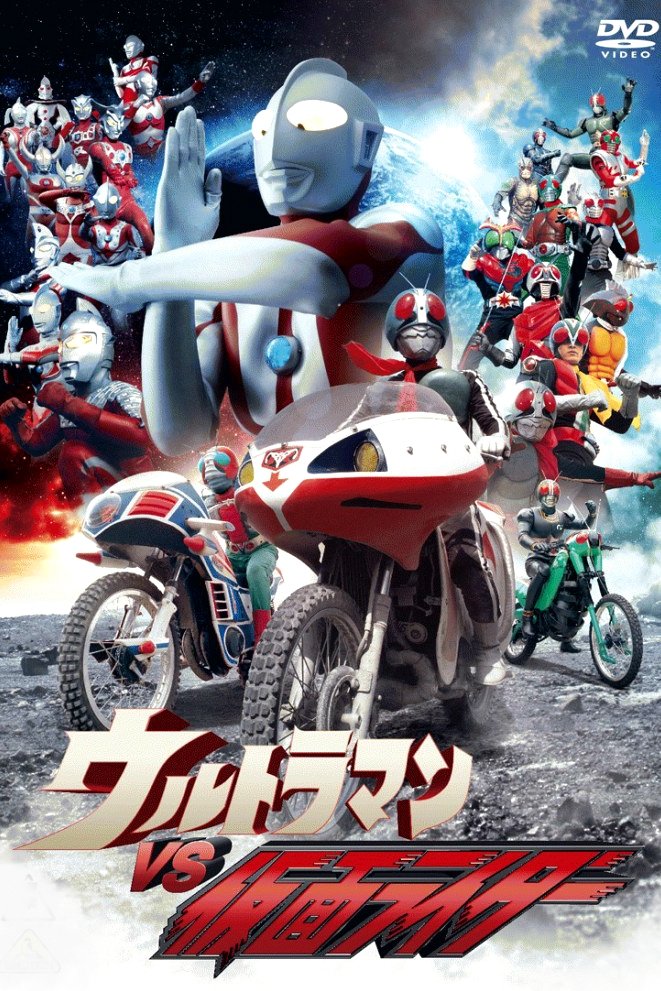
ウルトラマンVS仮面ライダー
1993
Interprétation
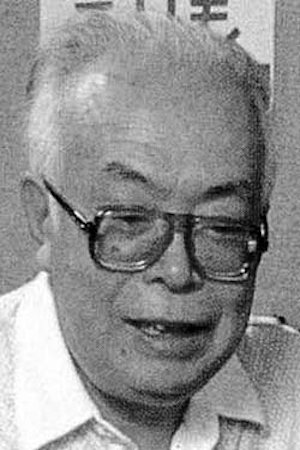
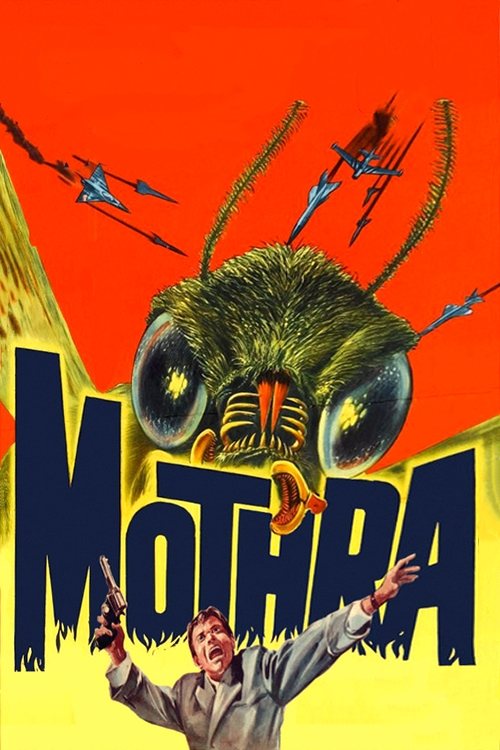
Shinichi Sekizawa (June 2, 1921 – November 11, 1992) was a Japanese screenwriter known for his immense contributions to the original Godzilla series, providing screenplays and/or stories for 10 of the original 15 Showa films. He began his career in his native Kyoto, joining an association of manga cartoonists which included the anime pioneer Osamu Tezuka. His career would be interrupted when he was reluctantly drafted to fight in the South Pacific during WWII. Sekizawa would reignite his film career in 1946 when he joined Beehive Productions as an assistant director, demonstrating a talent for screenwriting when completing the screenplay for the film Profile of the City in a record four days. Later at Shintoho Studios he would direct the now considered lost film Fearful Attack of the Flying Saucers. His career at Toho began in 1958 working on Kihachi Okamoto's early films before eventually became the studio's go-to monster scripter after the immense success of his screenplay for Mothra. His kaiju screenplays for Ishiro Honda have been noted for their inventiveness, especially in his interplay of human drama blending with monster action and characterization. His lighthearted approach was contrasted to that of Takeshi Kimura, whose scripts had a darker, more cynical sensibility. Sekizawa's talents were not limited to science fiction, with his output in the 60s being as many as six screenplays a year in genres such as salaryman comedies and war movies as well as TV shows such as the original Ultraman. While Sekizawa enjoyed writing monster movies, he would eventually become tired of the Godzilla series and moved on to scripting for animating features while continuing his career as a lyricist. He was also an aficionado of model trains and published numerous publications on the subject. Before his death he was awarded a Purple ribbon by the Japanese government due to his immense artistic and cultural contributions.
1993
Scénario

1987
Scénario
1969
Scénario
1968
Scénario

Un camion transportant de l'uranium tombe d'une falaise dans l'océan, réveillant un monstre géant qui fait des ravages au Japon.
1968
Scénario
1967
Scénario
1966
Scénario
1966
Scénario
1965
Scénario
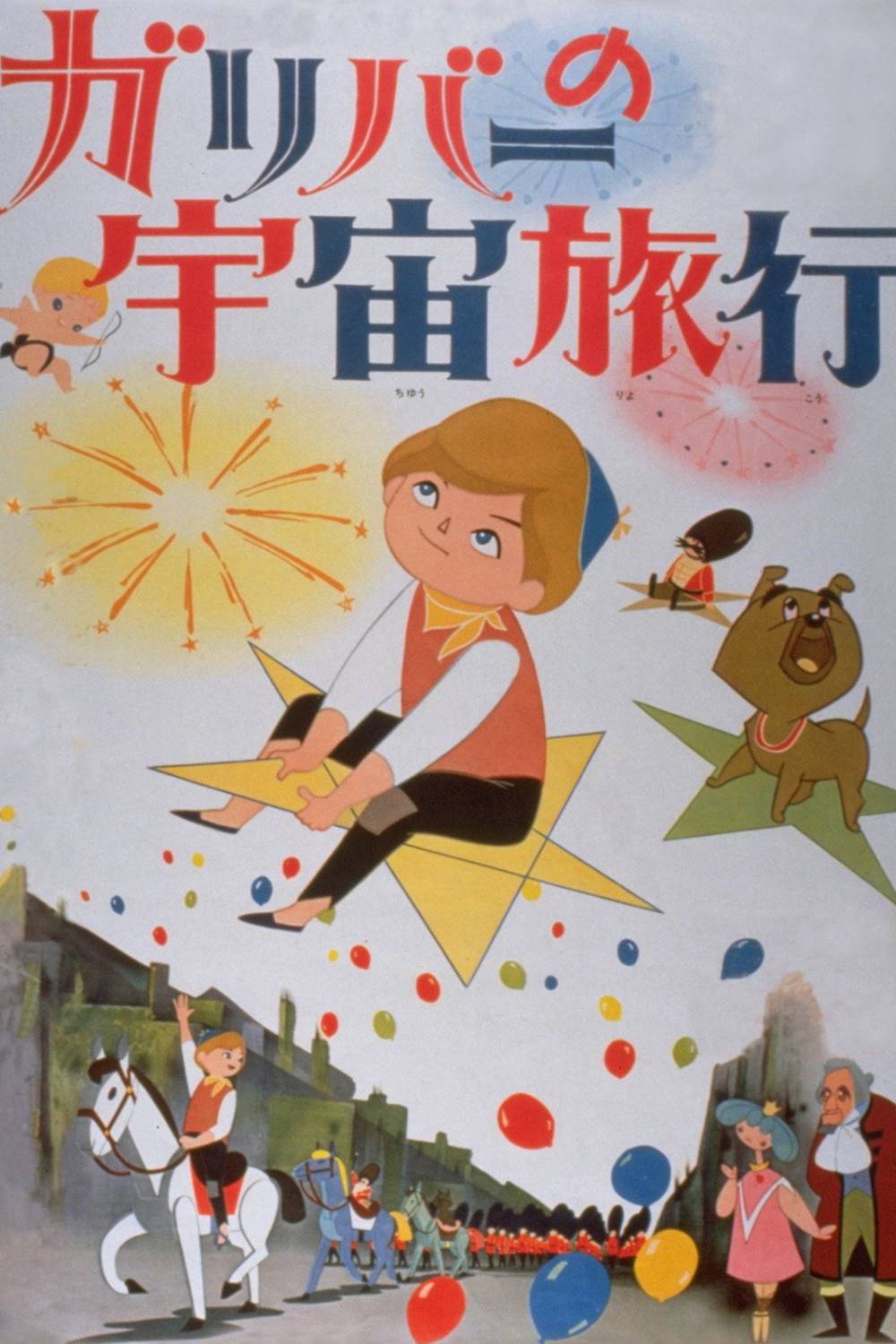
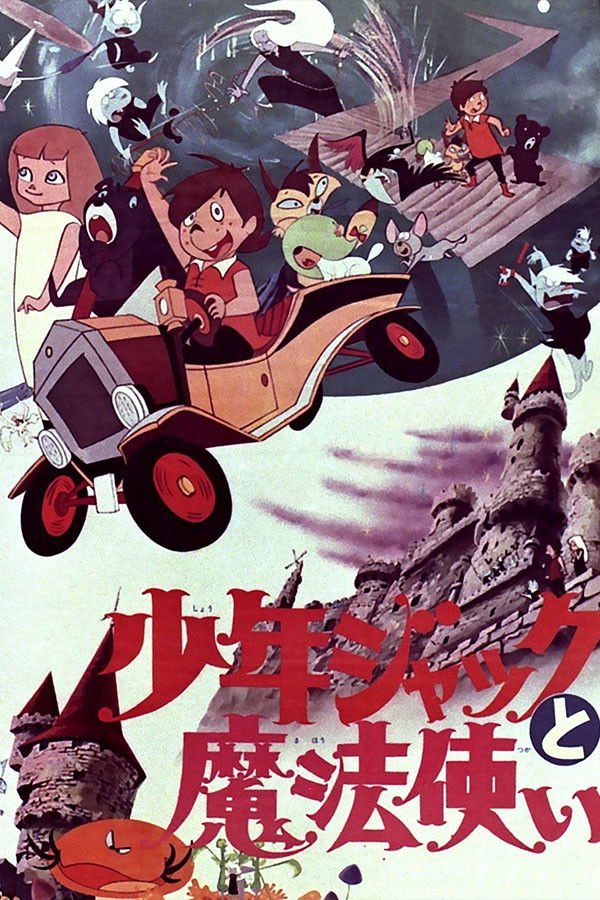
Après avoir vu un film sur Gulliver, le petit vagabond Ted le rencontre. Le professeur Gulliver, est alors un scientifique âgé qui veut voyager à travers l'espace. Avec l'assistant de Gulliver, un corbeau nommé Crow, et les compagnons de Ted (un chien parlant et un jouet en forme de soldat), ils voyagent sur la Voie lactée jusqu'à la planète de l'Espoir bleu...
1965
Scénario

1964
Scénario
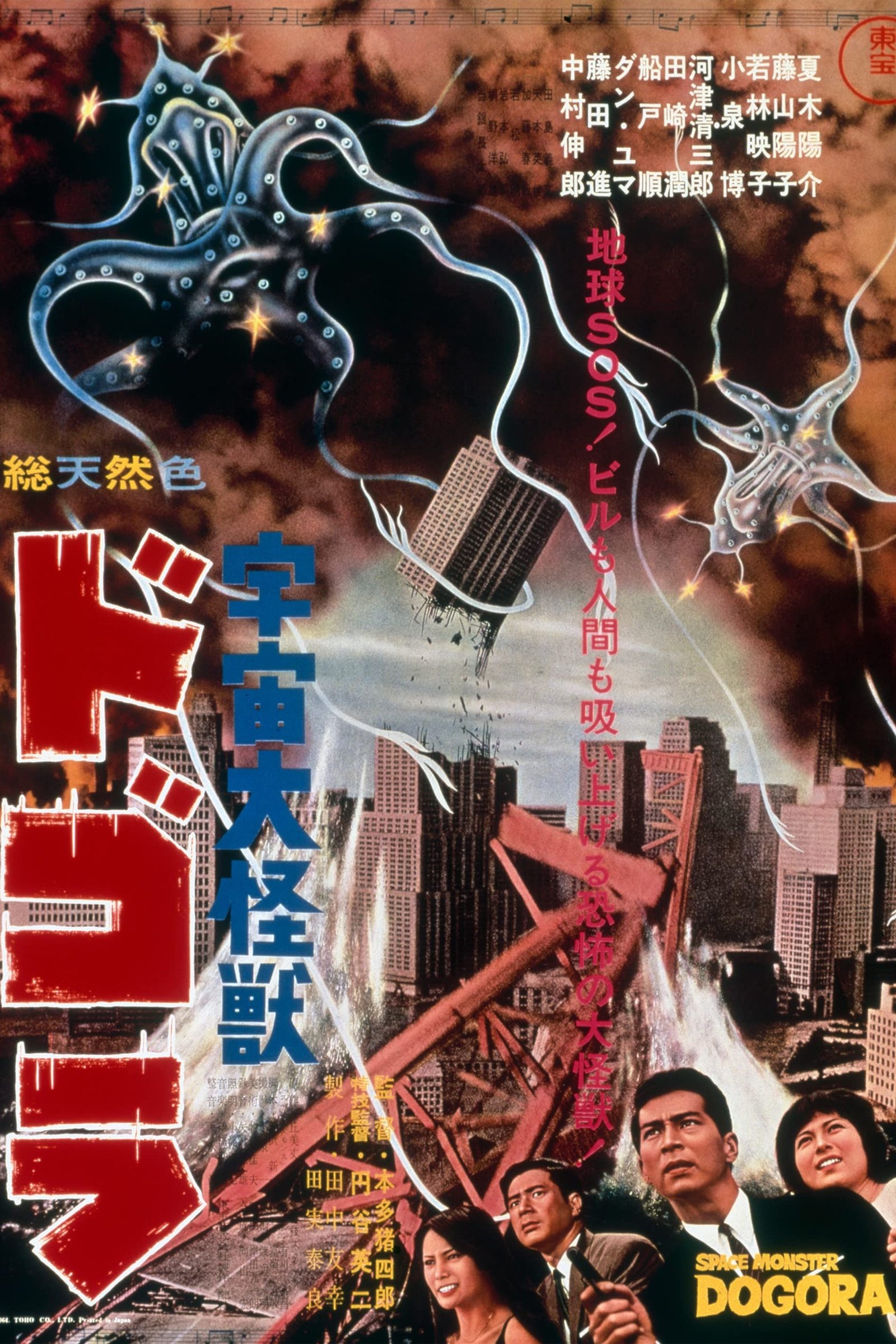
Une forme de vie amorphe flottante descend de l'atmosphère pour consommer du carbone sous forme de diamants.
1964
Scénario
1964
Scénario

1963
Scénario
1963
Scénario

1962
Scénario
1962
Scénario
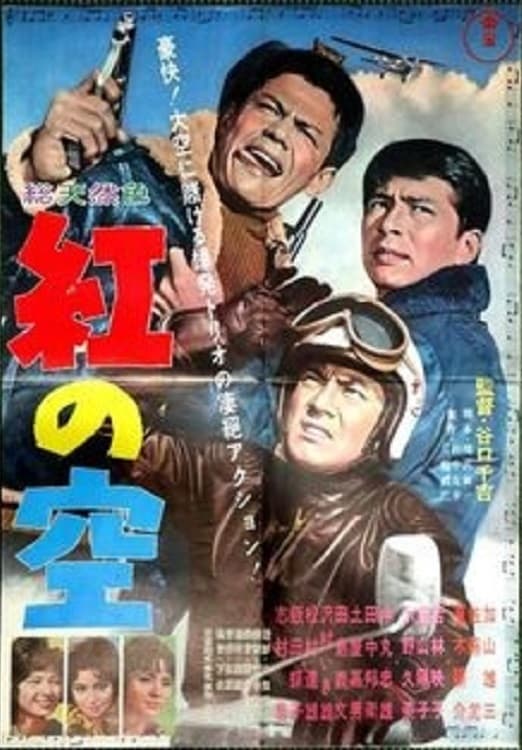
1962
Scénario
1961
Scénario
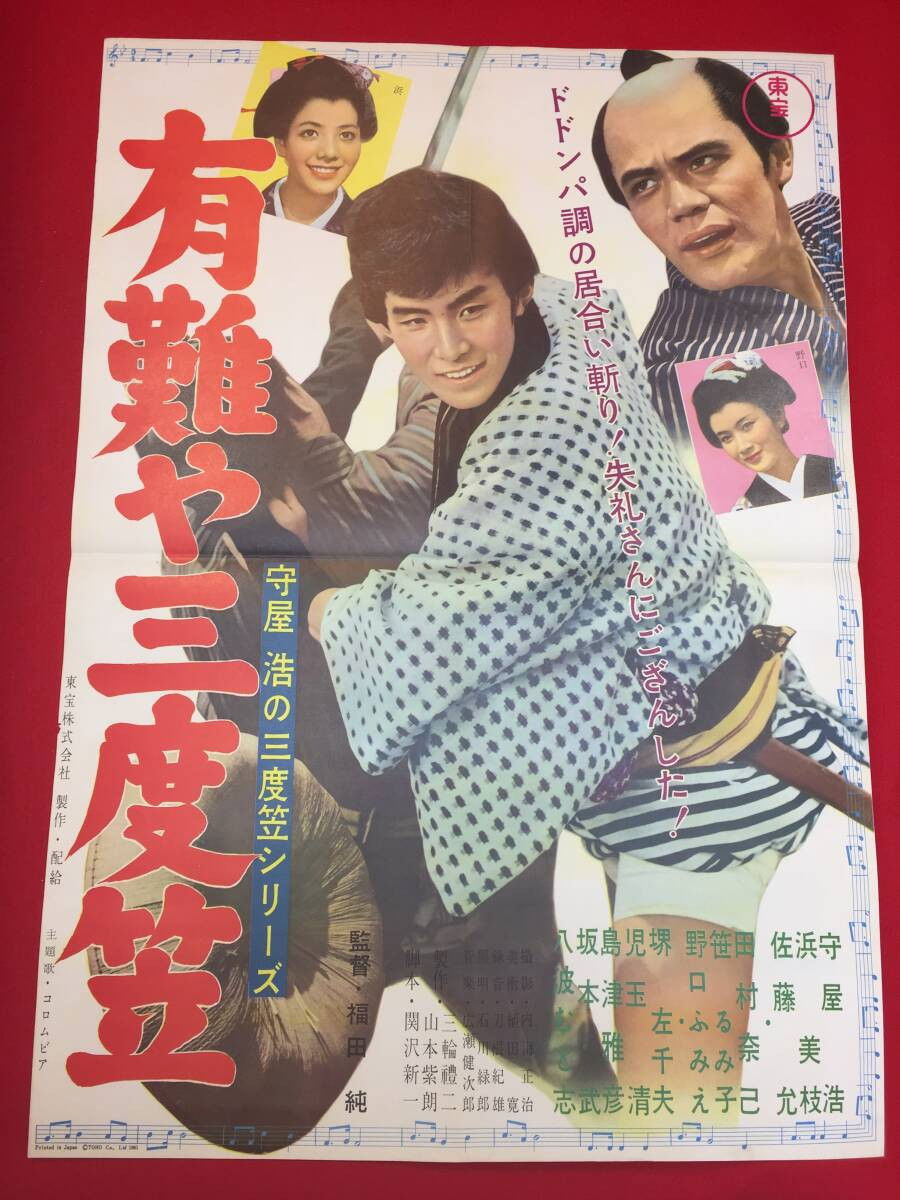
1961
Scénario
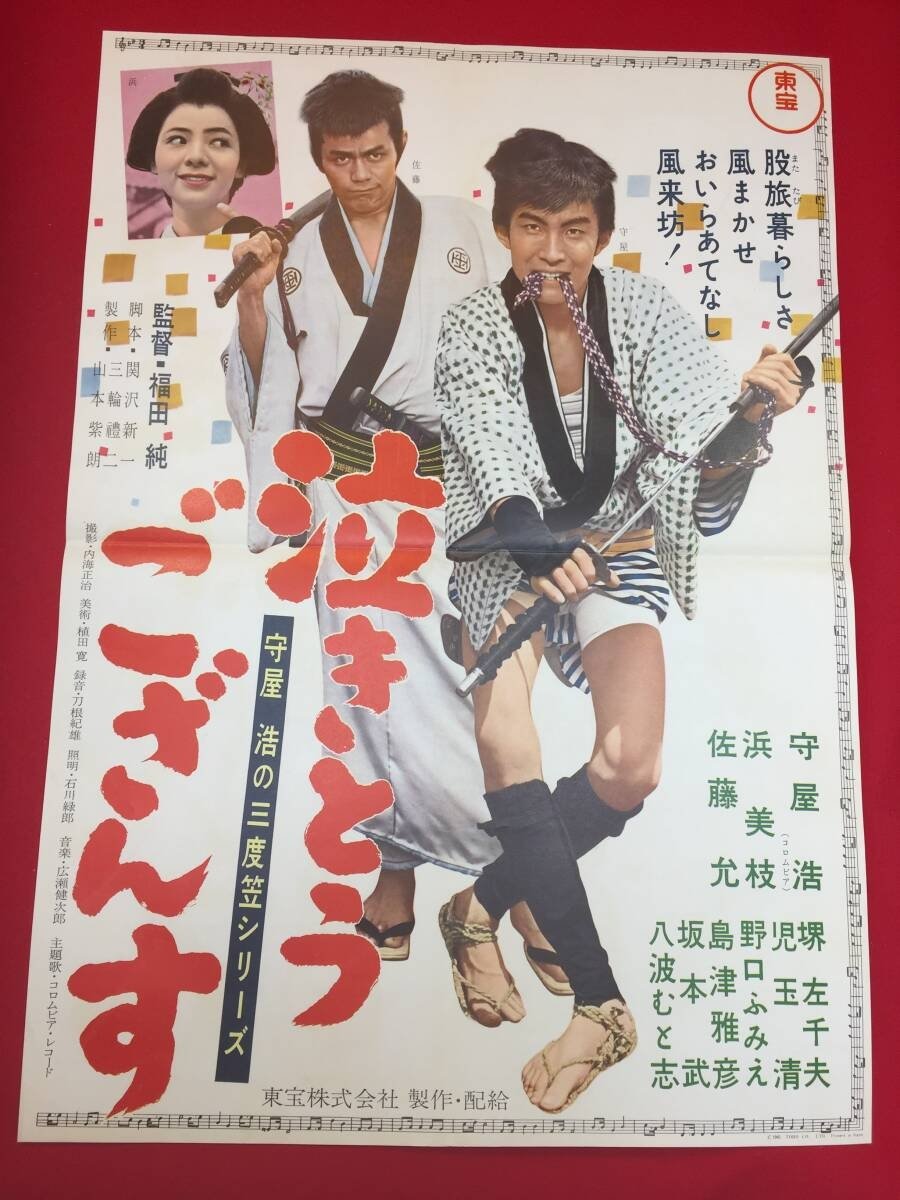
1961
Scénario

1961
Scénario
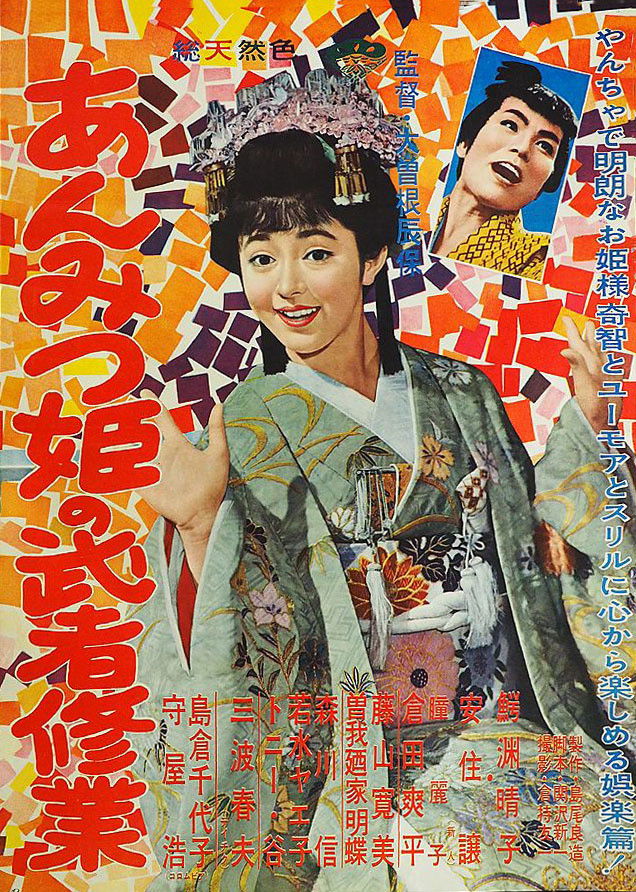
1960
Scénario
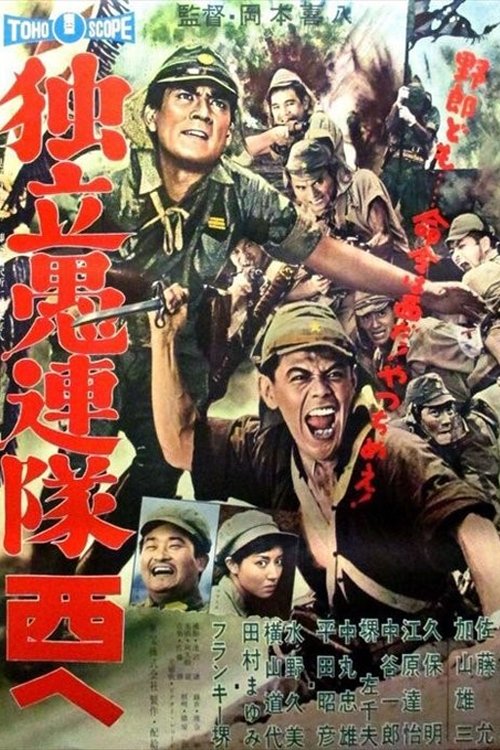
1960
Scénario
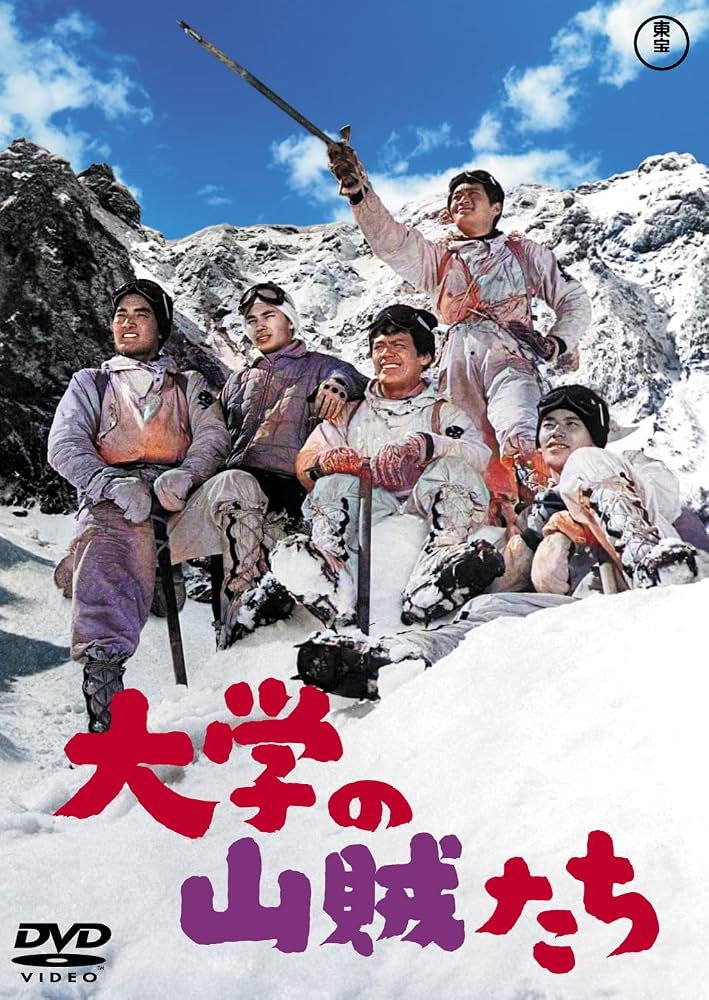
1960
Scénario
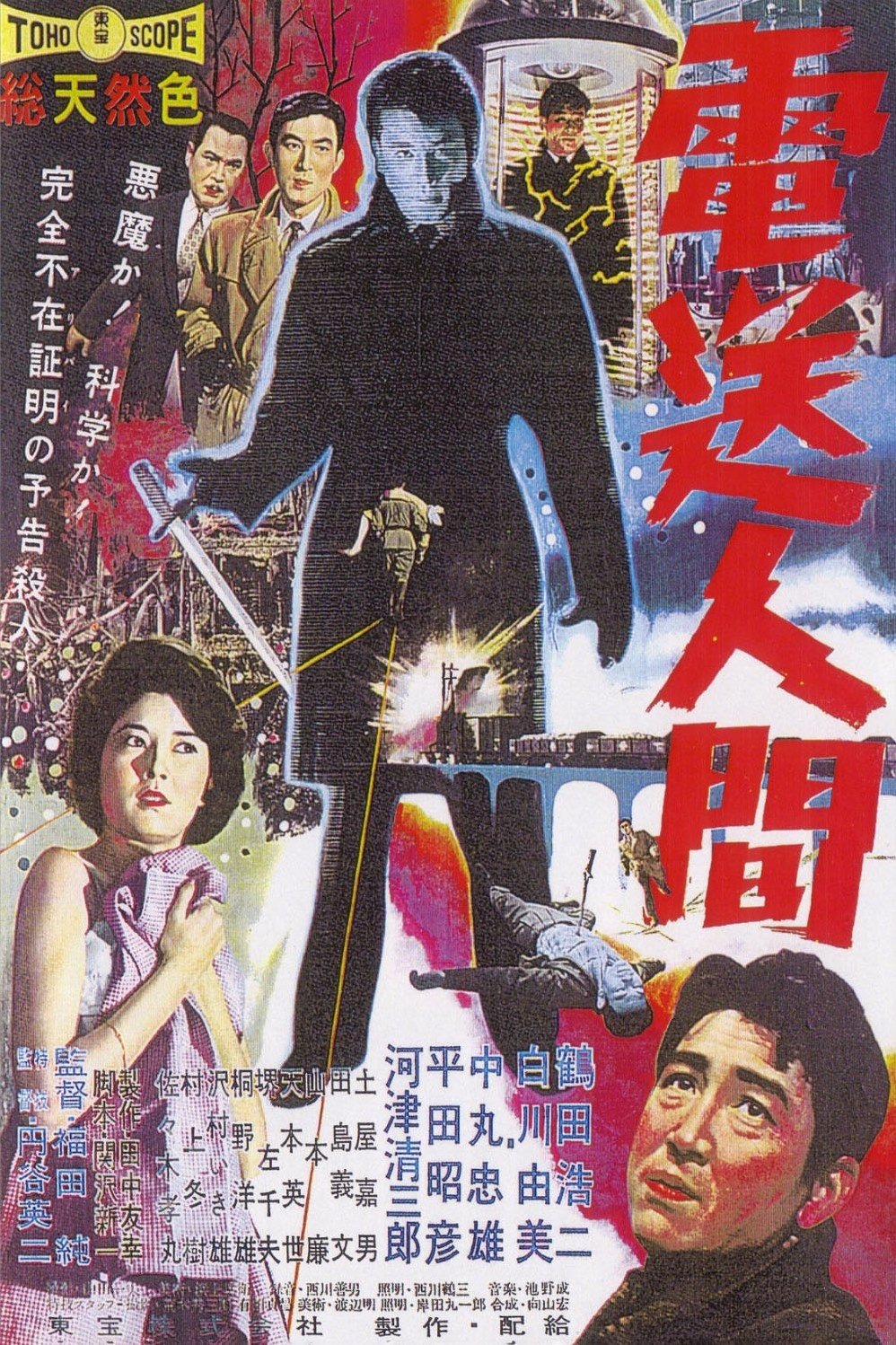
1960
Scénario

Un fourgon transportant des prisonniers est mystérieusement attaqué. Deux des passagers sont tués et Daijiro, le gardien chargé de les surveiller, récolte une mise à pied de six mois. Chômage forcé qu’il compte bien mettre à profit pour mener sa propre enquête…
1960
Scénario
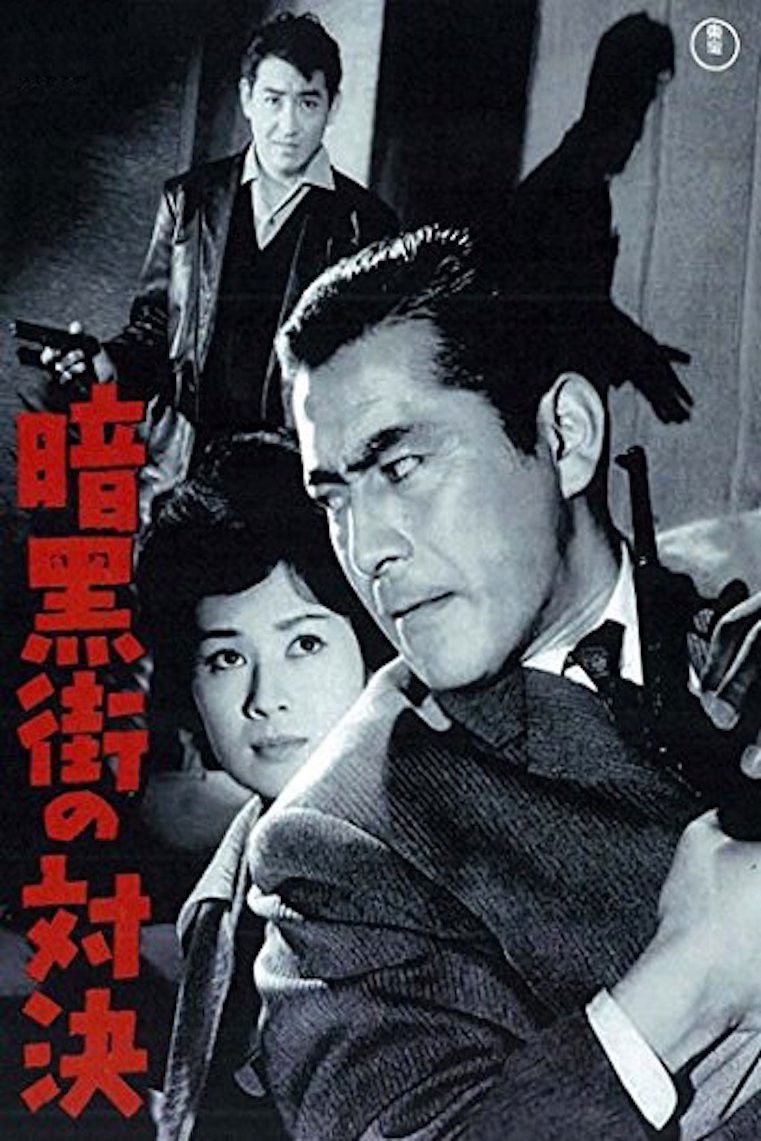
1960
Scénario
1959
Scénario
1959
Scénario
1958
Scénario
1958
Scénario
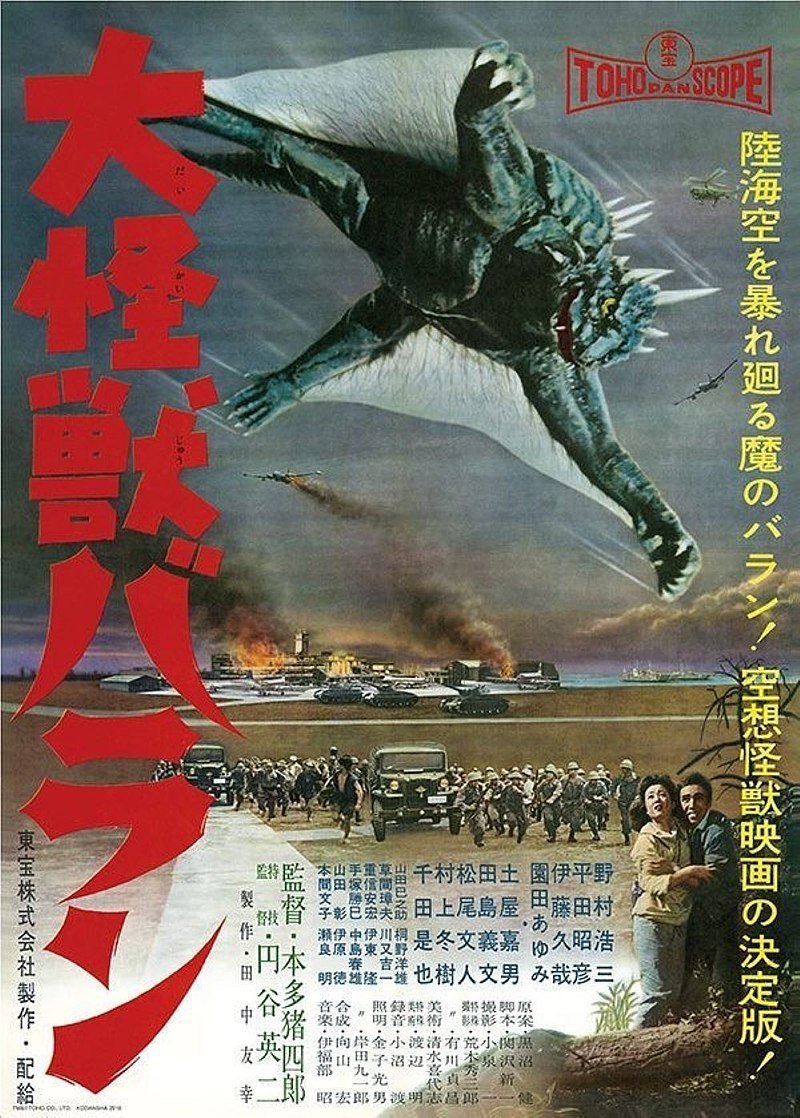
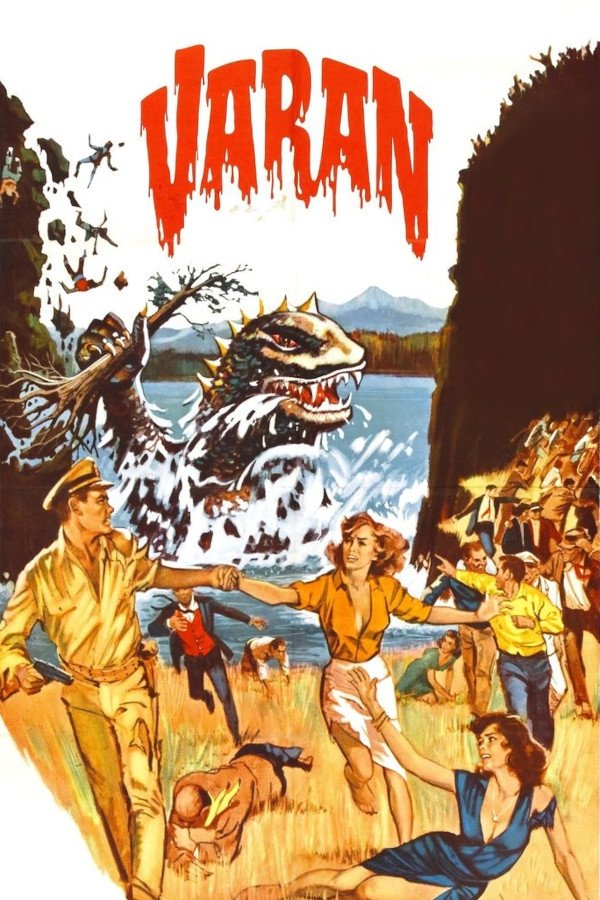
Lorsqu’une espèce rare de papillon est découverte dans une vallée mystérieuse du Japon, deux entomologistes vont enquêter et en trouver d’autres. Ils découvrent Varan, un monstre géant, qui décide de quitter la vallée et de se diriger directement vers Tokyo.
1958
Scénario
1958
Scénario
1958
Scénario
1957
Scénario

1957
Scénario
1956
Scénario
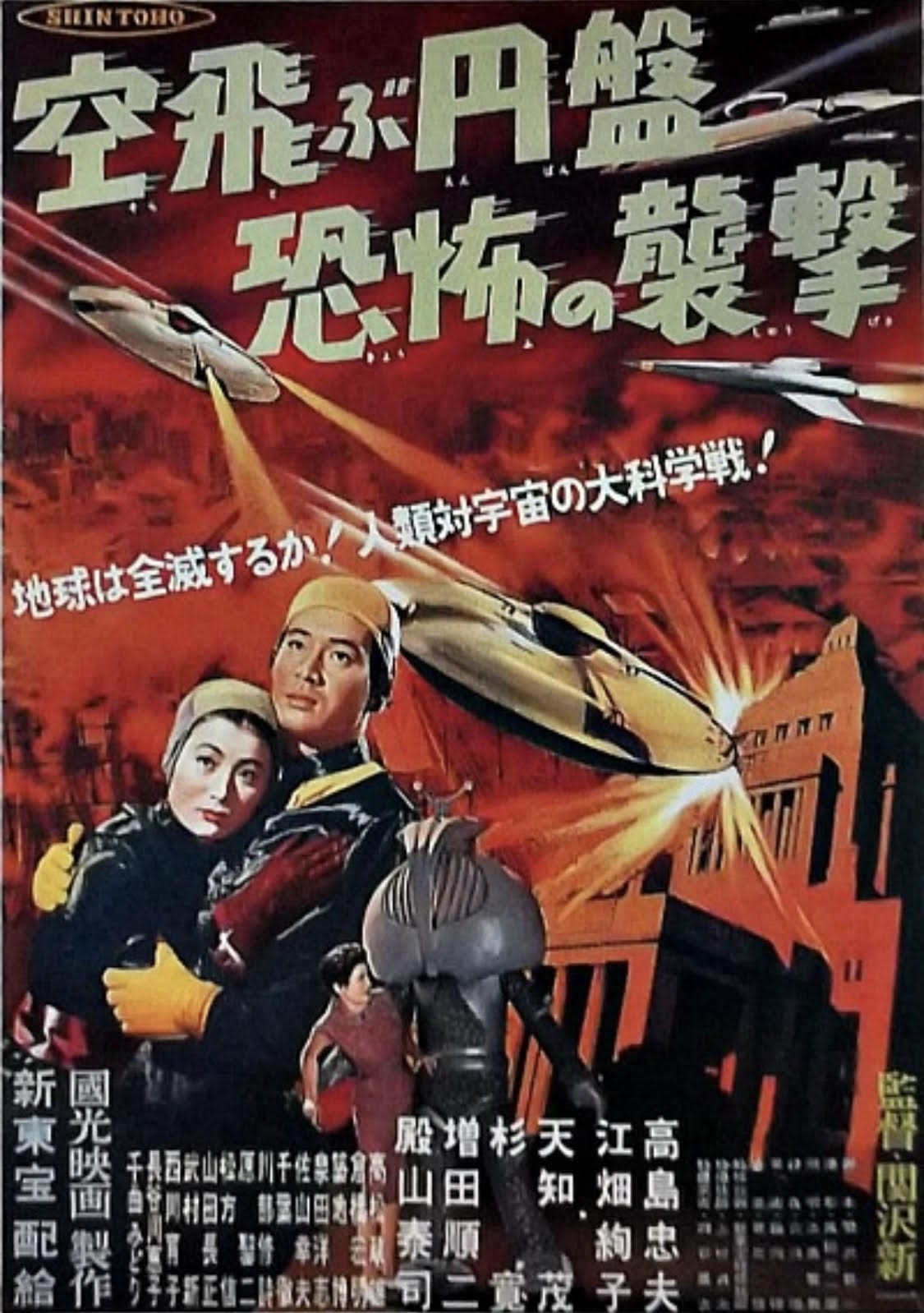
1956
Scénario
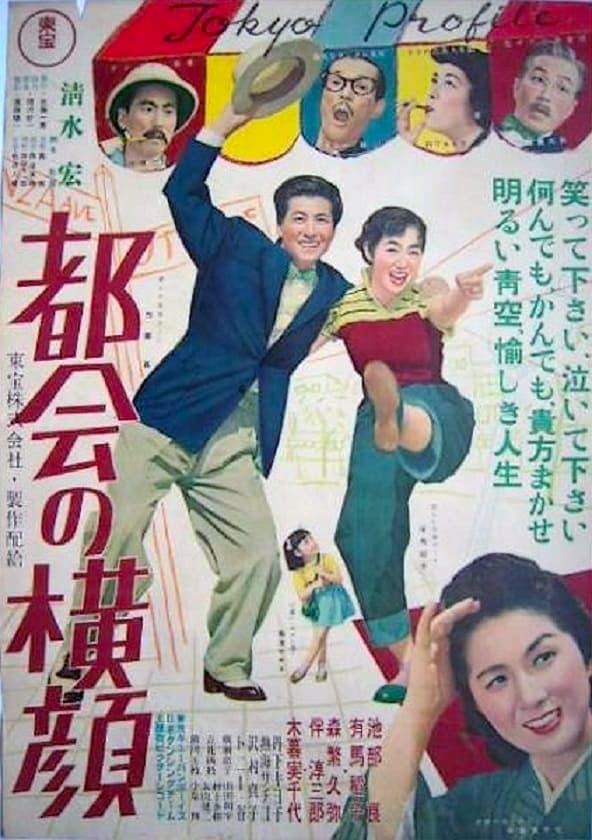
Un homme-panneau et une cireuse de chaussures rencontrent une enfant de cinq ans qui a été séparée de sa mère dans une rue de Ginza. Ils essaient de trouver sa mère dans la ville bondée...
1953
Scénario
1949
Scénario
1948
Scénario