6,5
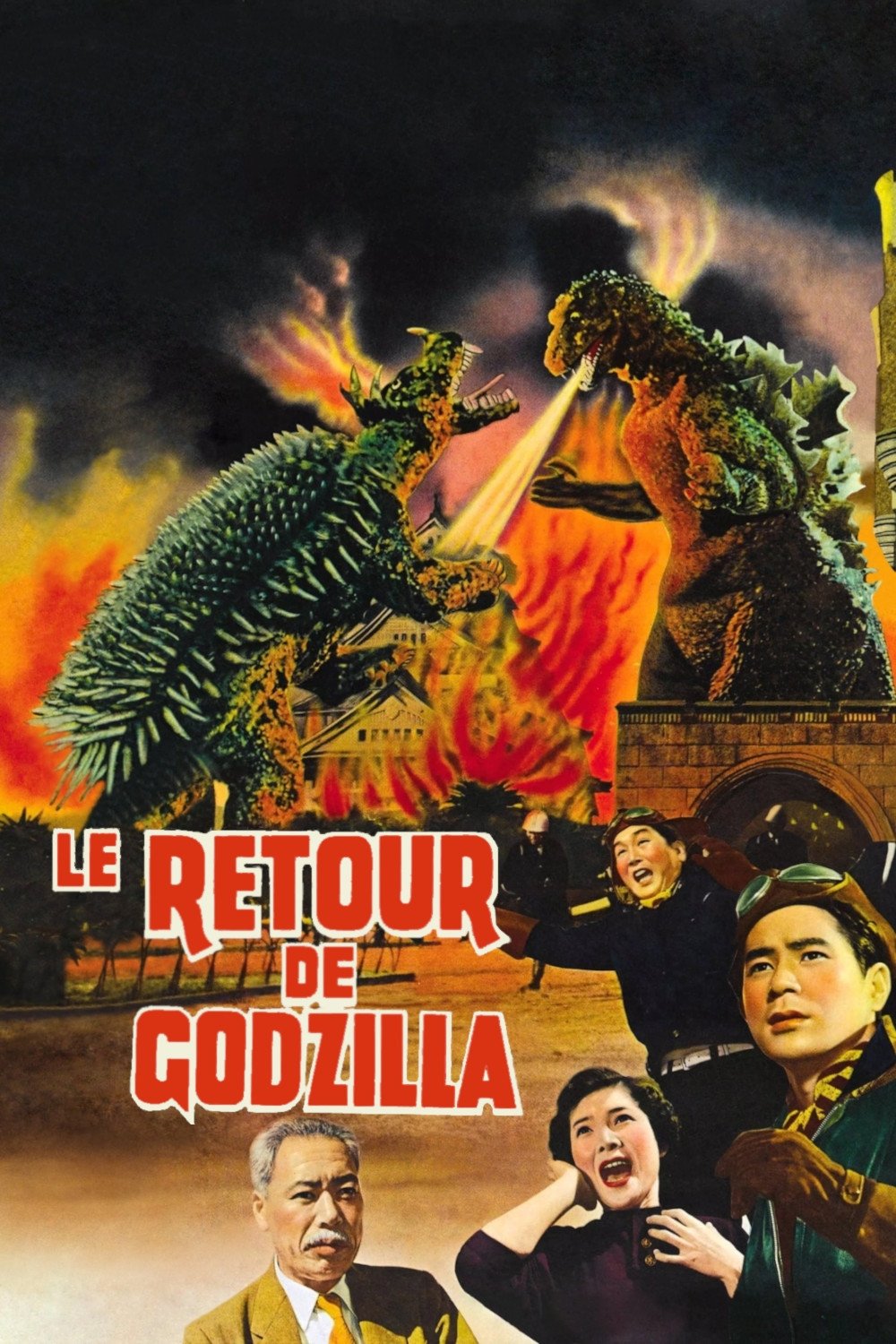
La version américaine modifiée de Godzilla Raids Again. Initialement prévu pour être connu sous le nom de "The Volcano Monsters", le film est finalement sorti sous le nom de "Gigantis".
Gigantis, the Fire Monster
1959
Réalisation
From Wikipedia, the free encyclopedia
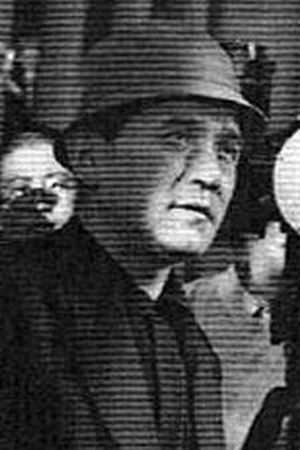
Motoyoshi Oda (July 21, 1910; Moji City, Fukuoka – October 21, 1973; Tokyo) was a Japanese film director.
An English major who graduated from Waseda University, one of Japan's most prestigious, in 1935, Motoyoshi Oda was promptly accepted into the directors' program at Tokyo's P.C.L. (Photo Chemical Laboratories, a film company later incorporated into Toho Studios). He studied under director Satsuo Yamamoto, as did Akira Kurosawa, Ishirō Honda, and Senkichi Taniguchi. When the latter two trainees were drafted into Japan's war in China, Oda found his career accelerated. He was promoted to director in 1940 with Song of Kunya, after a relatively scant few years of training. Perhaps because of this relative lack of training, and certainly because Oda was not drafted into the army, P.C.L. and Toho kept Oda going as a maker of programmers - trivial pictures that had to be made in order to keep product flowing into the theaters, but which offered little time or room for artistic achievement.
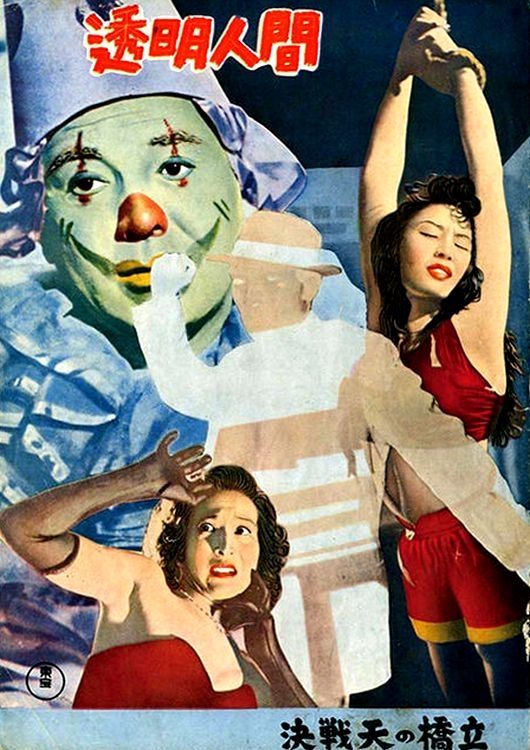
Probably his most distinguished credits are Lady From Hell (1949, based on a Kurosawa script), Tomei Ningen a 1954 Japanese horror classic inspired by The Invisible Man, a follow-up to his earlier 1954 film Ghost Man. The only film he made ever to be shown outside Japan was the second Godzilla film, Godzilla Raids Again (1955), released in the United States as Gigantis, the Fire Monster. Toho insisted that Oda direct as many as seven movies a year, knowing that he could be trusted to deliver them on time. Over his entire career, Motoyoshi Oda directed fifty movies, not to mention his work as assistant director and second-unit direction on Ishiro Honda's Eagle of the Pacific (1953). No credits are available for Oda during the last 15 years of his life, after 1958.
Description above from the Wikipedia article Motoyoshi Oda, licensed under CC-BY-SA, full list of contributors on Wikipedia.
La version américaine modifiée de Godzilla Raids Again. Initialement prévu pour être connu sous le nom de "The Volcano Monsters", le film est finalement sorti sous le nom de "Gigantis".
1959
Réalisation
1958
Réalisation

1958
Réalisation

1958
Réalisation

1958
Réalisation

1958
Réalisation

1957
Réalisation
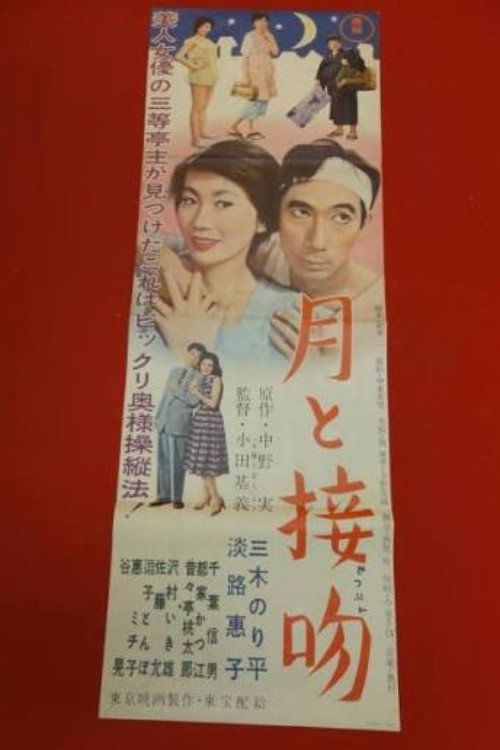
1957
Réalisation

1957
Réalisation

1957
Réalisation
1957
Réalisation

1957
Réalisation

1957
Réalisation

1957
Réalisation
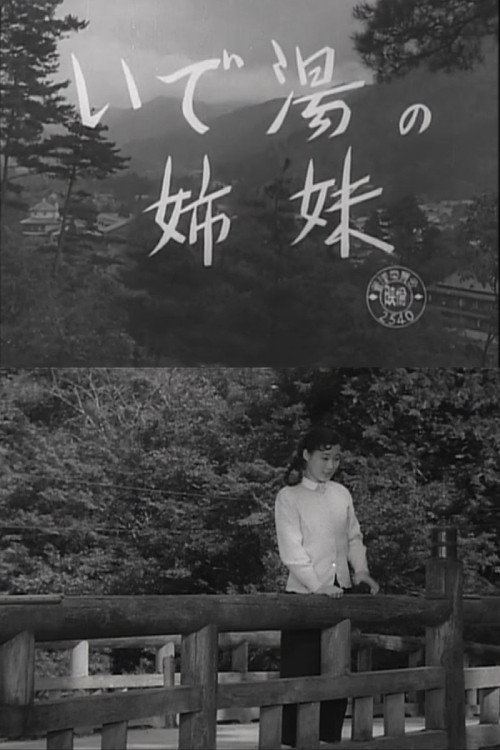
1956
Réalisation

1956
Réalisation
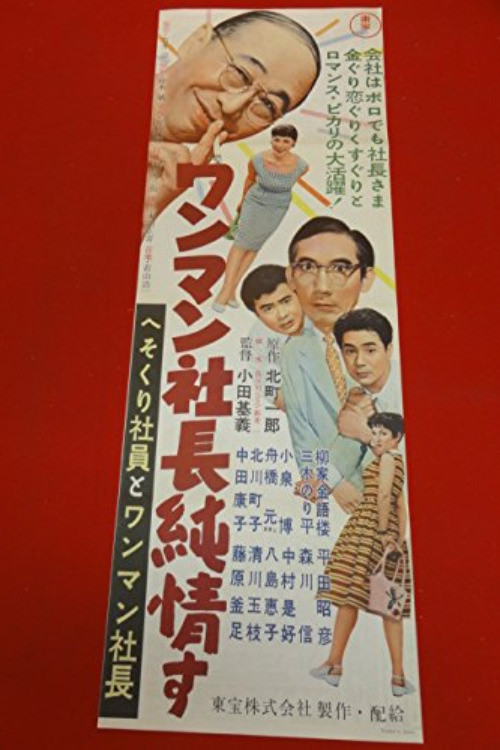
1956
Réalisation
1956
Réalisation
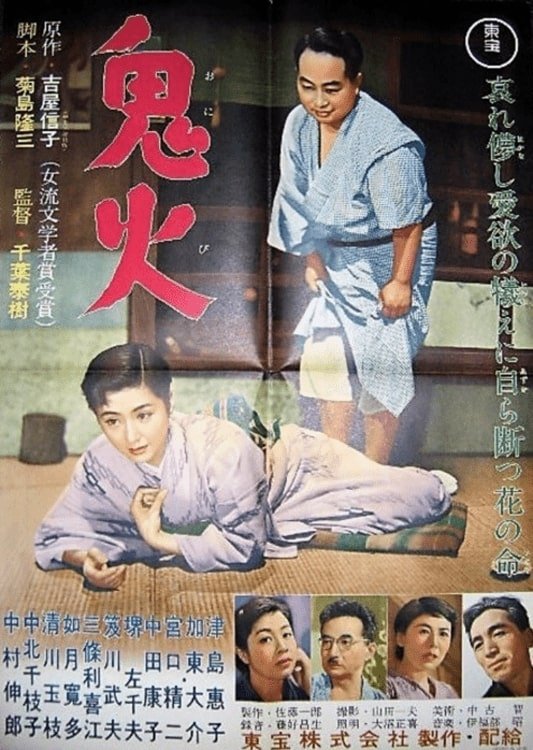
1956
Réalisation

1956
Réalisation
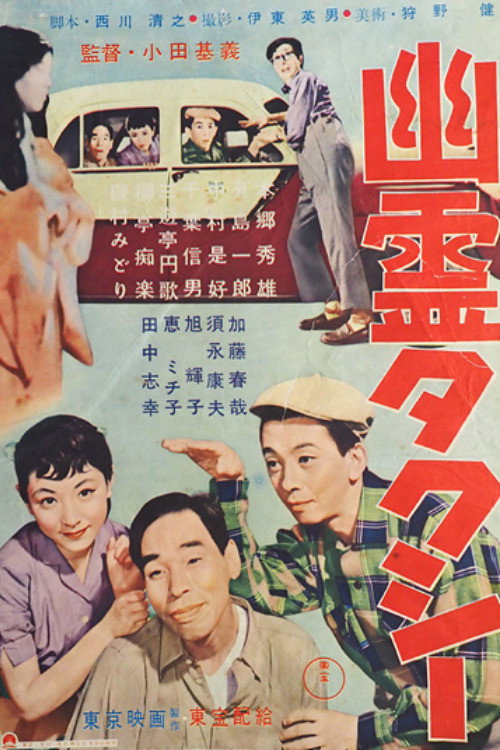
1956
Réalisation

1956
Réalisation

1956
Réalisation
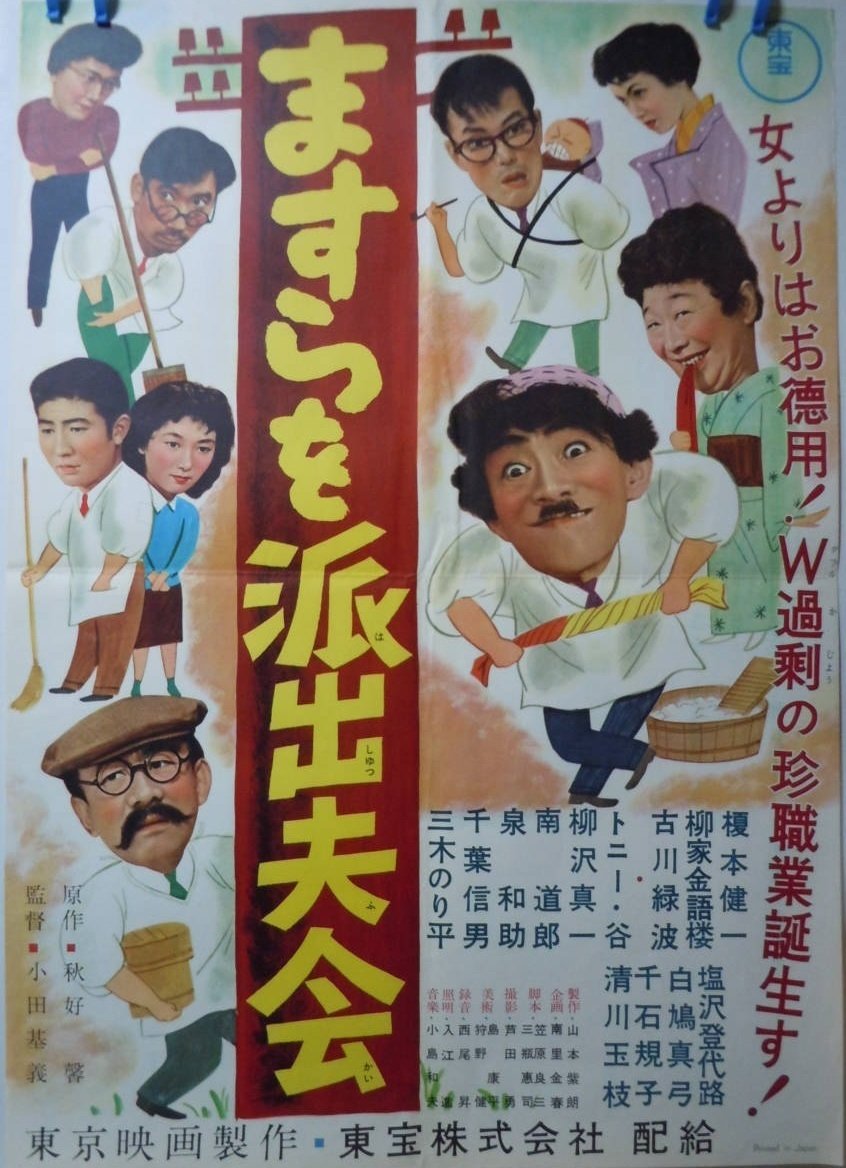
1956
Réalisation

1955
Réalisation

1955
Réalisation
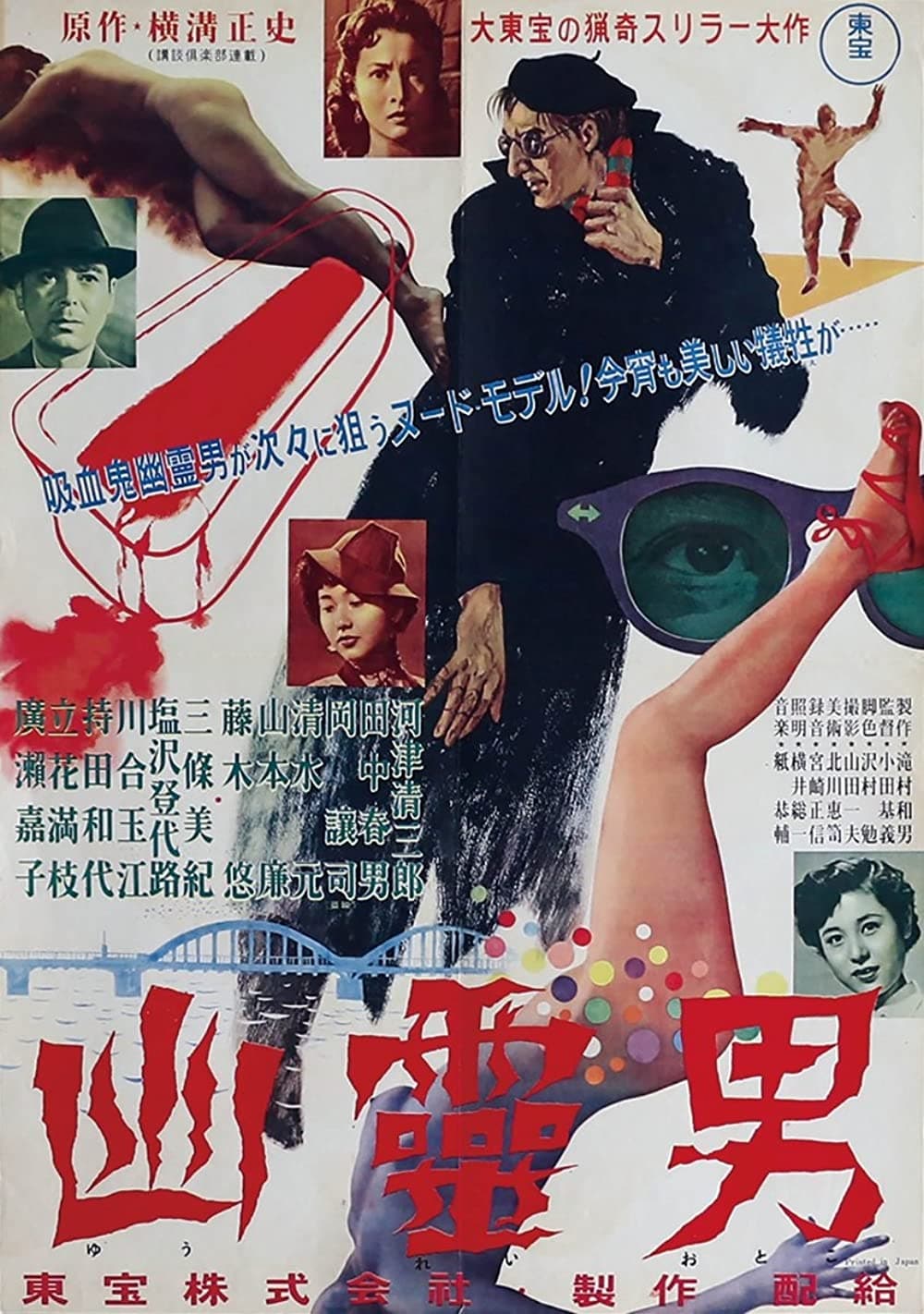
1954
Réalisation
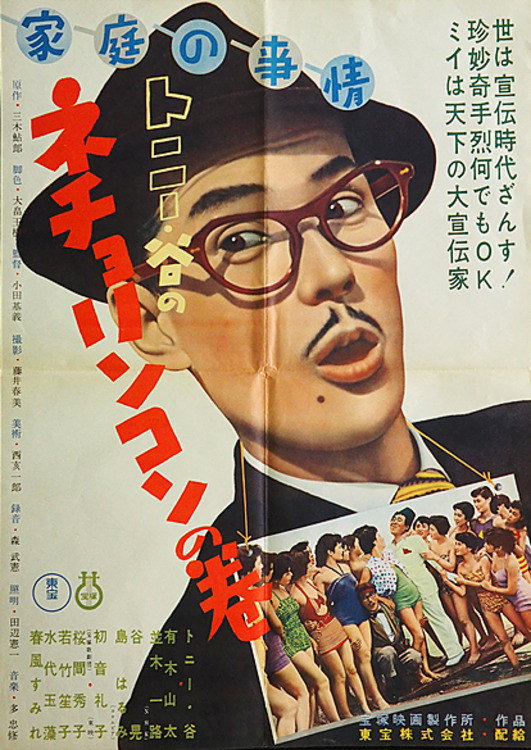
1954
Réalisation
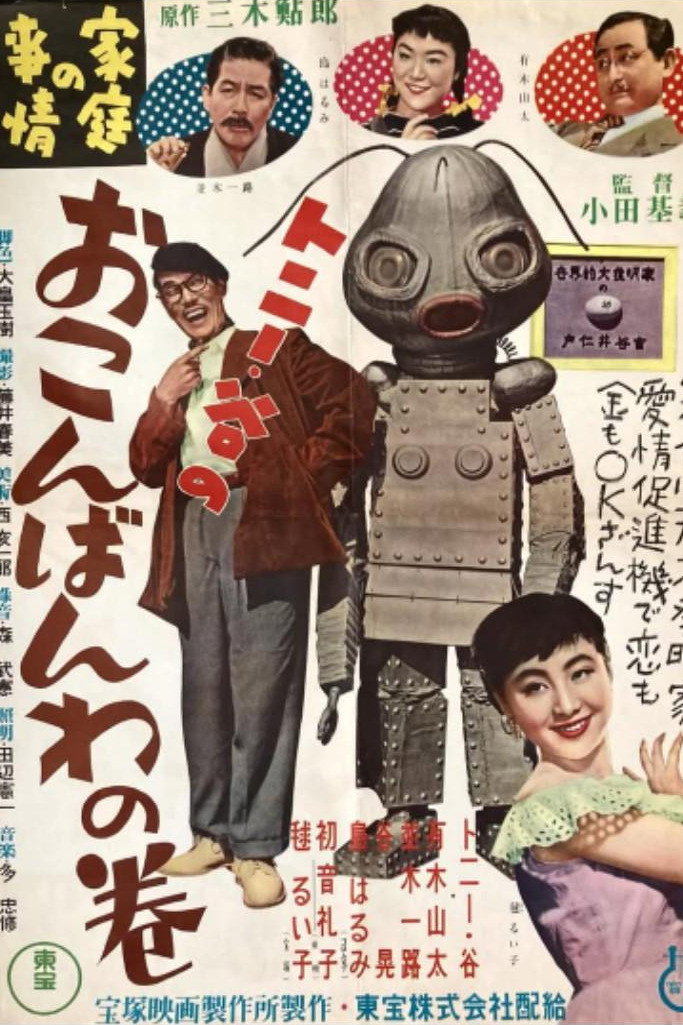
1954
Réalisation
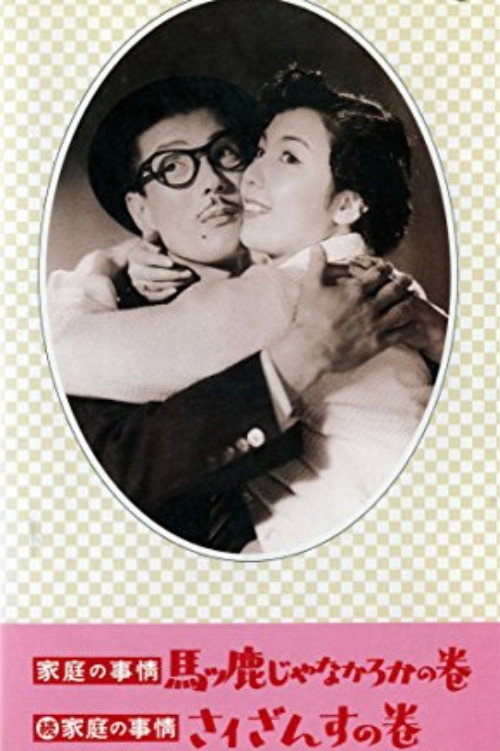
1954
Réalisation
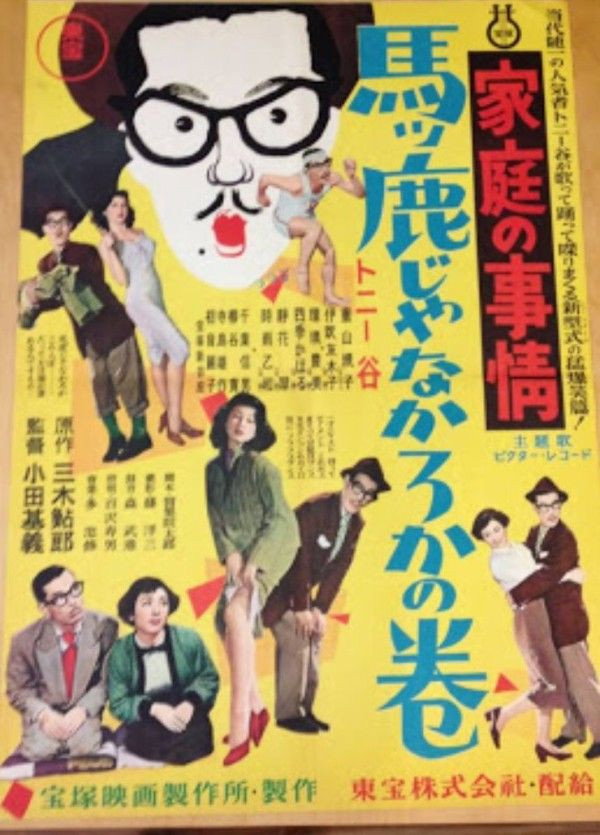
1954
Réalisation
1954
Réalisation

1953
Réalisation

1951
Réalisation
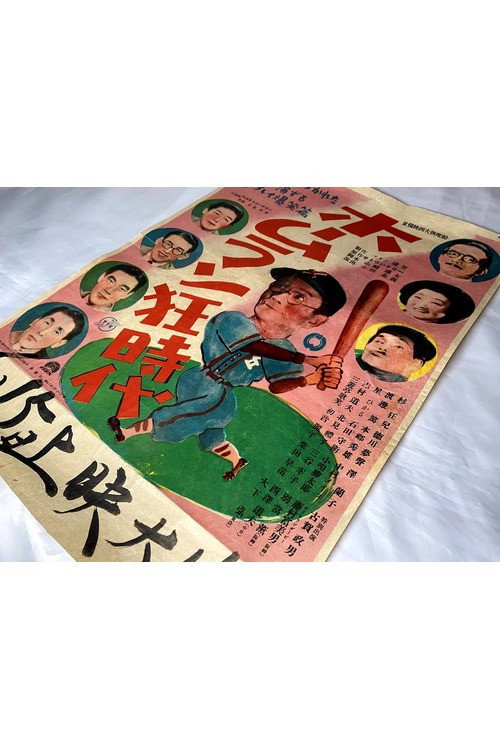
1949
Réalisation
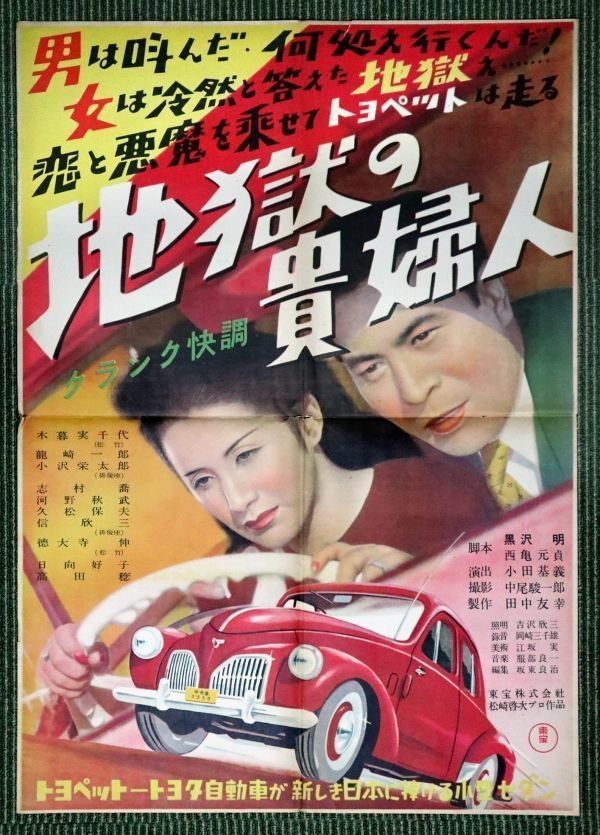
1949
Réalisation
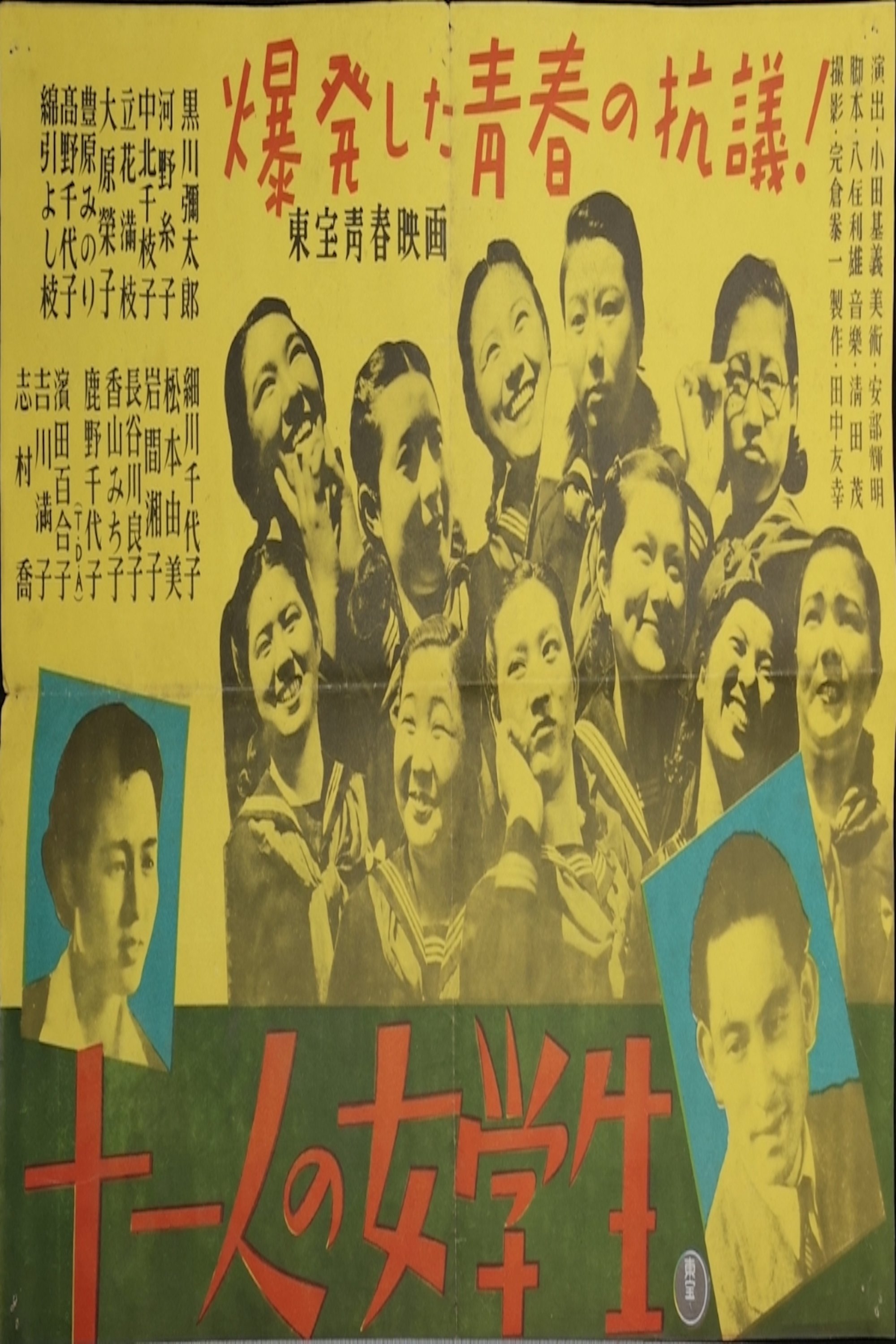
1946
Réalisation
1941
Réalisation

1941
Réalisation