4,0
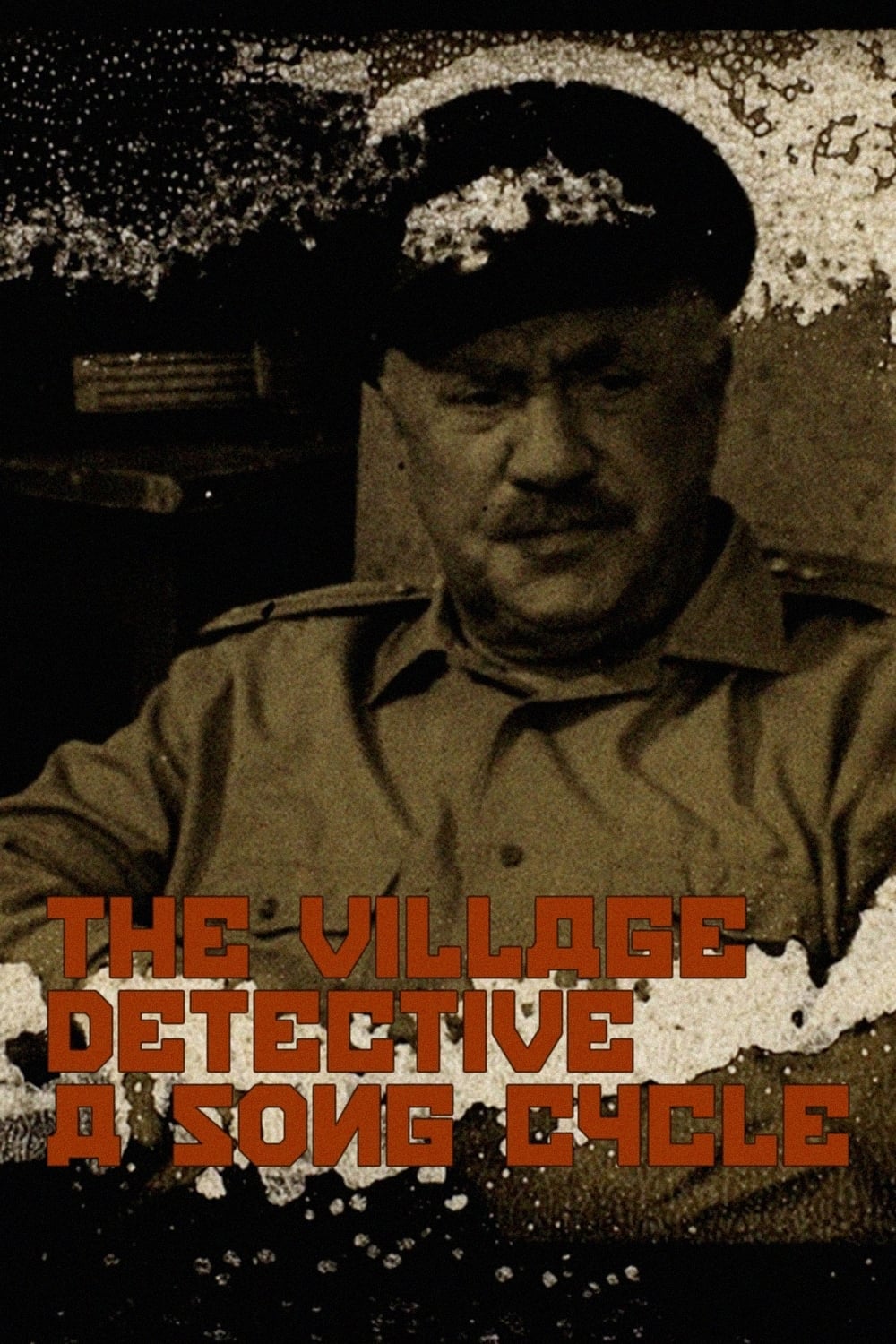
The Village Detective: A Song Cycle
2021
Interprétation
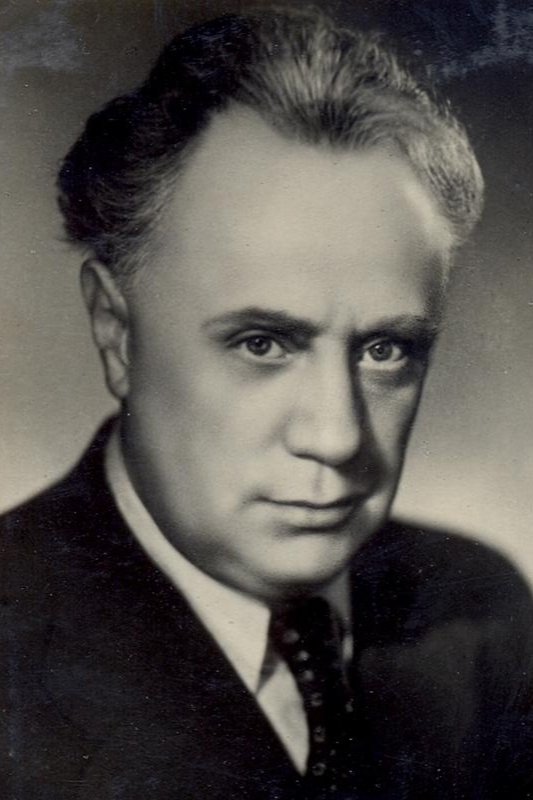
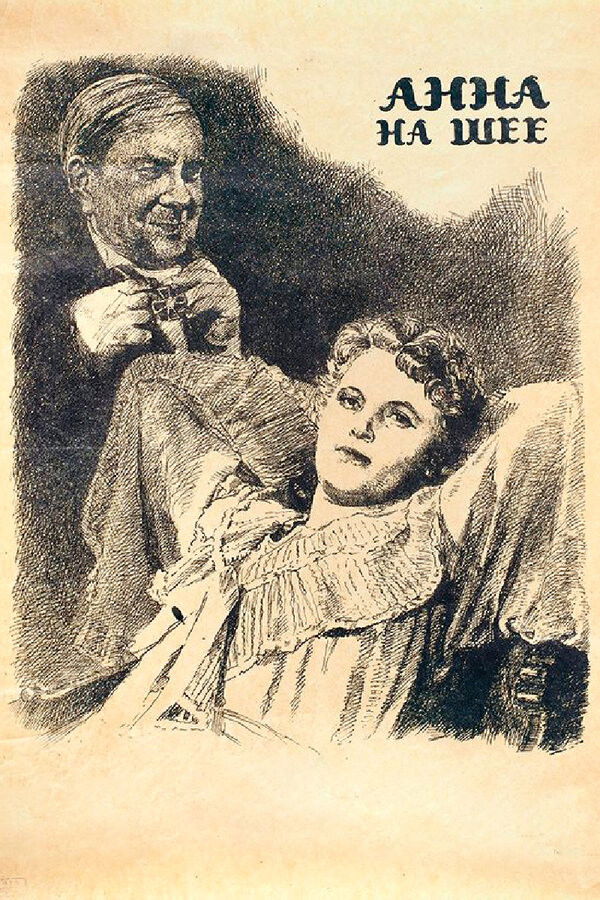
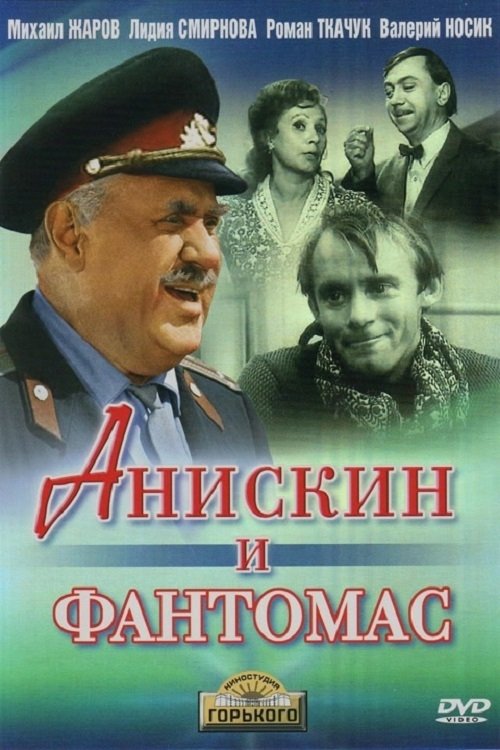
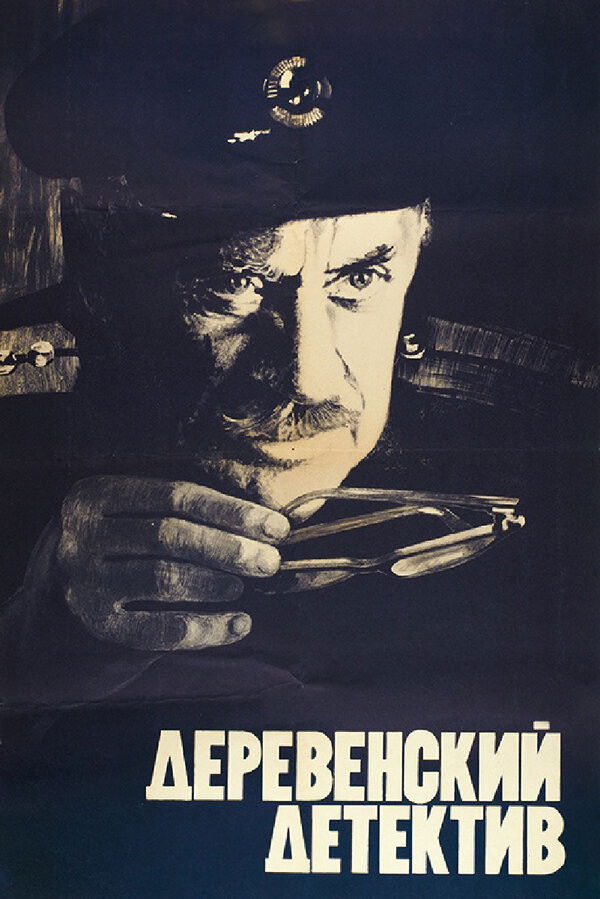
Mikhail Ivanovich Zharov is a Soviet theater and film actor. People's Artist of the RSFSR (1944) and People's Artist of the USSR (October 26, 1949). In 1920, he graduated from the studio at the theater of the Artistic and Educational Union of Workers' Organization. He acted in theaters No. 1 of the Revolutionary Military Union of the Republic, the Safonov Theater, the Baku Workers' Theater, the Realistic Theater, and the Moscow Chamber Theater. From 1938, he was an actor and director at the Maly Theater. He made his film debut in 1915 with a tiny, practically unnoticeable role as an oprichnik in the film "Tsar Ivan Vasilyevich the Terrible." He played his first major role, that of Red Army soldier Yegor, in 1925 in the film "The Road to Happiness." In those years, Zharov was considered an unrivaled master of the episodic genre (Don Diego and Pelageya, The Man from the Restaurant, The White Eagle, The Living Corpse, Outskirts, and Puppets). He found expressive, distinctive details and rich, vibrant colors for his characters, imbuing them all—both villains and heroes—with a common quality: they are all great lovers of life, charming, confident, and in control of life. His heroes know how to enjoy everything: food, billiards, wine, women, the simple songs they often hum, a sunny day, or an unexpected win. Zharov combined absolute authenticity and vivid psychological characterization with a sometimes grotesque portrayal of the role, enlivening any plot, even the most serious, with his presence. In the 1930s, thanks to cinema, Zharov achieved national popularity. The artist was in great demand. He was invited by the most famous directors. With Nikolai Ekk he played one of his most famous roles - the bandit Zhigan (A Start in Life), with Grigory Kozintsev and Leonid Trauberg - the smug clerk Dymba (The Return of Maxim and The Vyborg Side), with Vladimir Petrov - the cheerful prankster Kudryash (The Storm) and the good-natured, cheerful courtier Menshikov (Peter the Great), with Isidor Annensky - the loud, healthy landowner Smirnov (The Bear), the cheerful teacher Kovalenko (The Man in the Case) and the carefree landowner Artynov (Anna on the Neck), with the Vasiliev brothers - the daring Cossack Perchikhin (The Defense of Tsaritsyn), with Sergei Eisenstein - Malyuta Skuratov, a cunning, cruel, "smart" peasant, who managed to become the Tsar's right hand ("Ivan the Terrible"). In 1944, he was awarded "For successful work in the field of Soviet cinematography during the Patriotic War and the release of highly artistic films." In total, M.I. Zharov starred in more than 60 films. Over the years, the courage of his characters diminished; they became calmer, wiser, and more grounded. His last film character was the rural policeman Aniskina ("The Village Detective," "Anikina and Fantomas," "And Again Aniskina"). The role was a signature one for the actor: his Aniskina is a village philosopher, a sage, insightful, unfussy, and attentive to all matters. A hero who affirms the belief that our lives depend on our own decision to live correctly and wisely. As a film director, Zharov made three films: “Troublesome Economy”, “Aniskine and Fantomas” (together with V.A. Rappoport), “And Again Aniskine” (together with V.I. Ivanov).
2021
Self - Actor / Various Roles (archive footage)
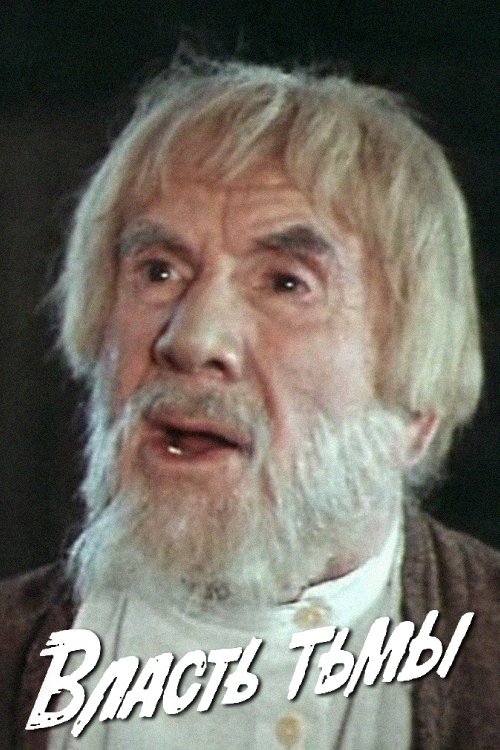
1978
Митрич
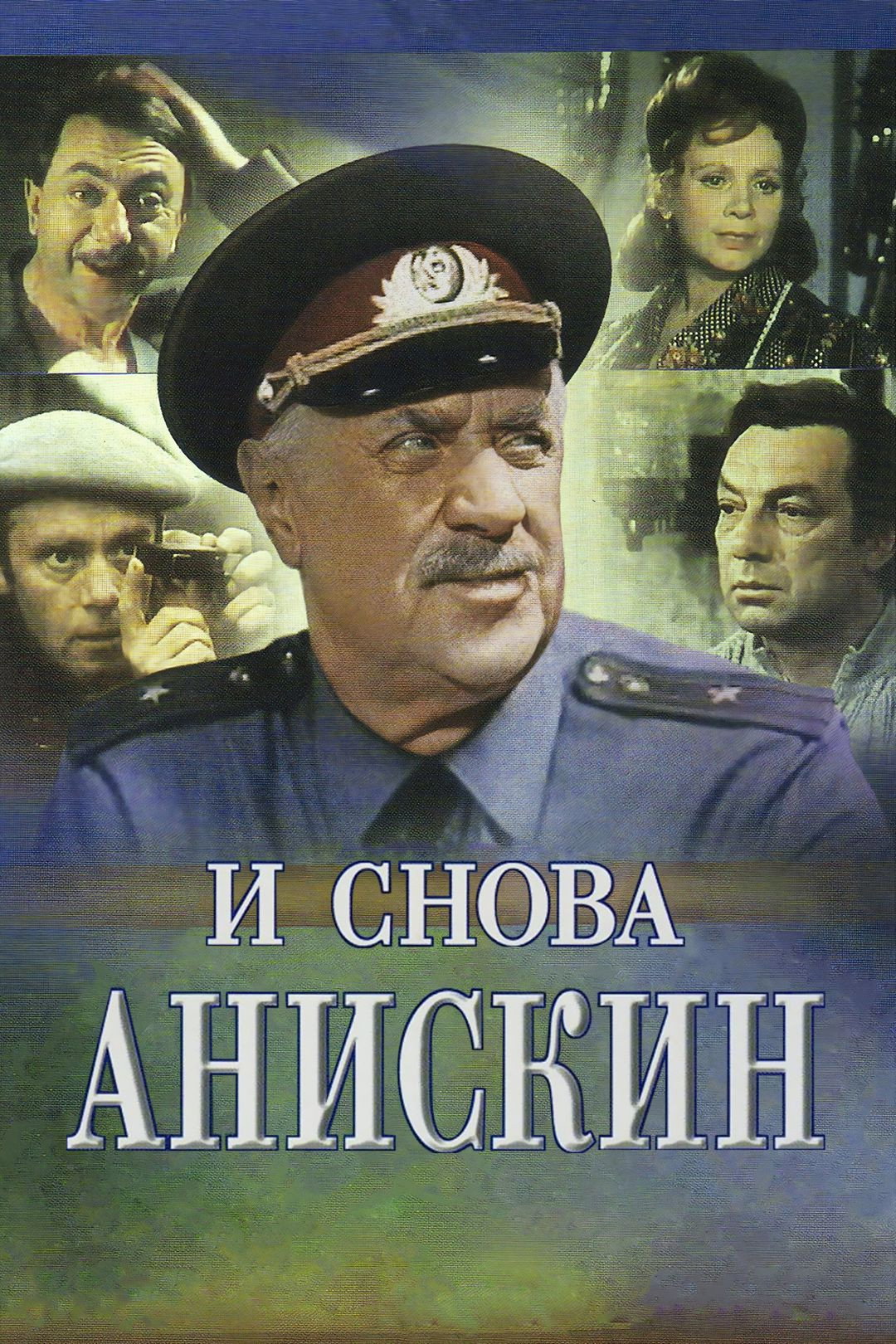
1977
Aniskin
1974
Лыняев
1973
Воронцов
1973
Фёдор Анискин
1973
Семен Митрофанович Ковалев
1973
Interprétation
1972
Interprétation
1970
Interprétation
1969
Fyodor Ivanovich Aniskin
1967
Ukhov
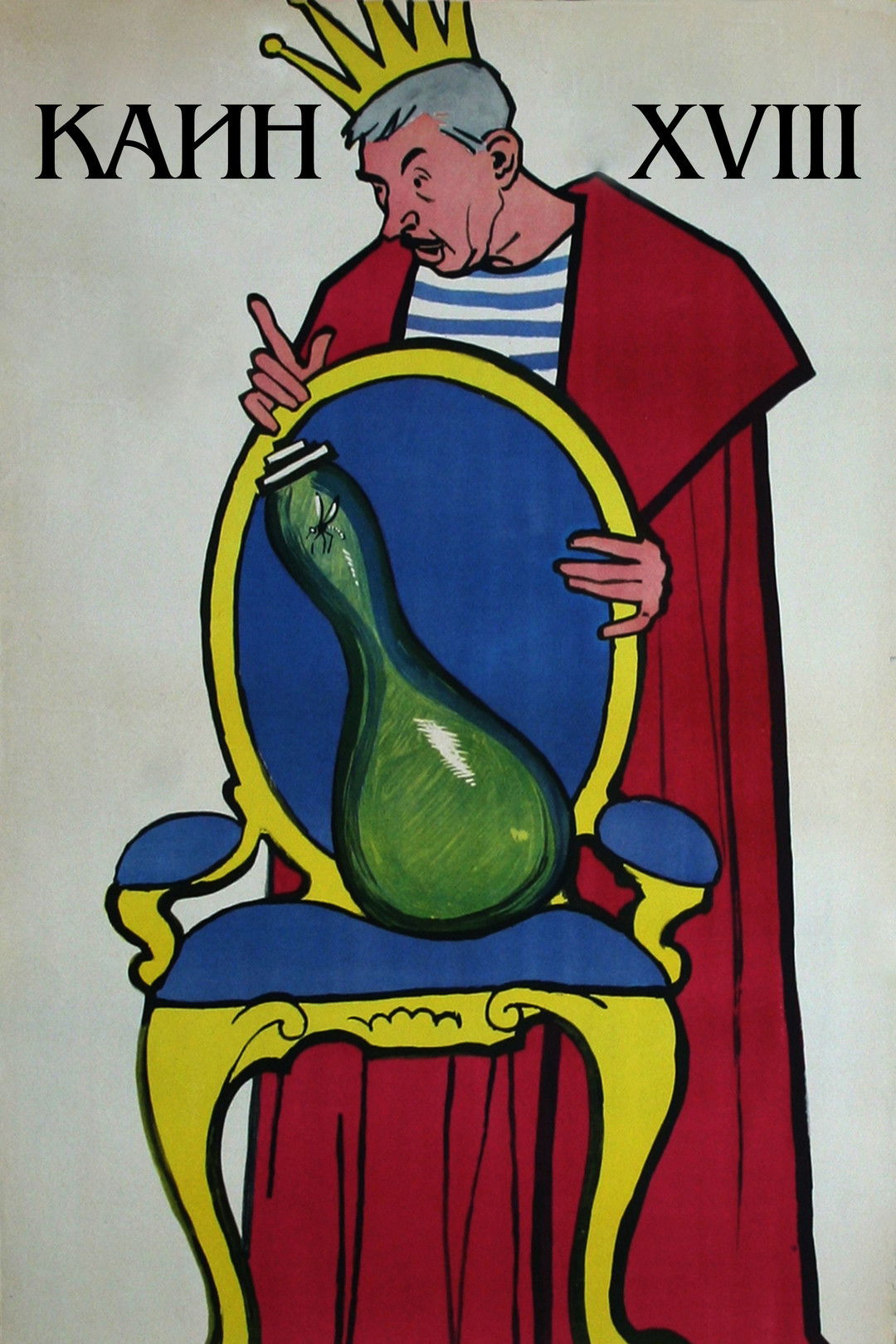
1963
Minister of War
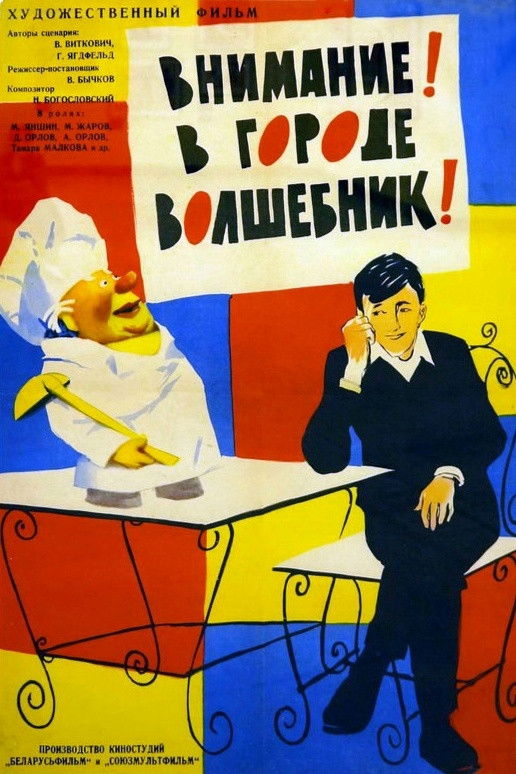
1963
cook
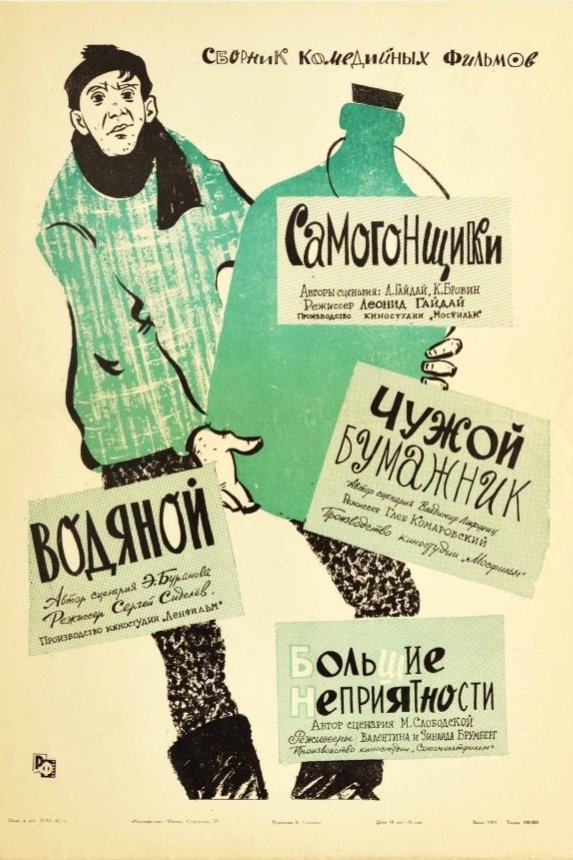
1962
Interprétation

1959
Interprétation
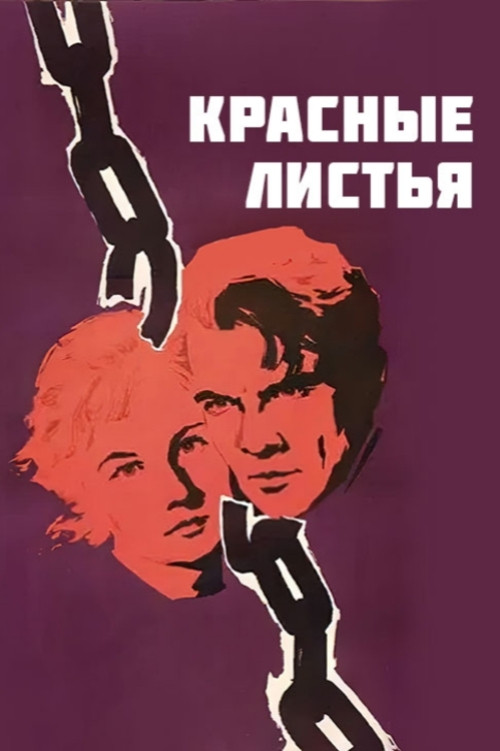
1958
(as M. Zharov)
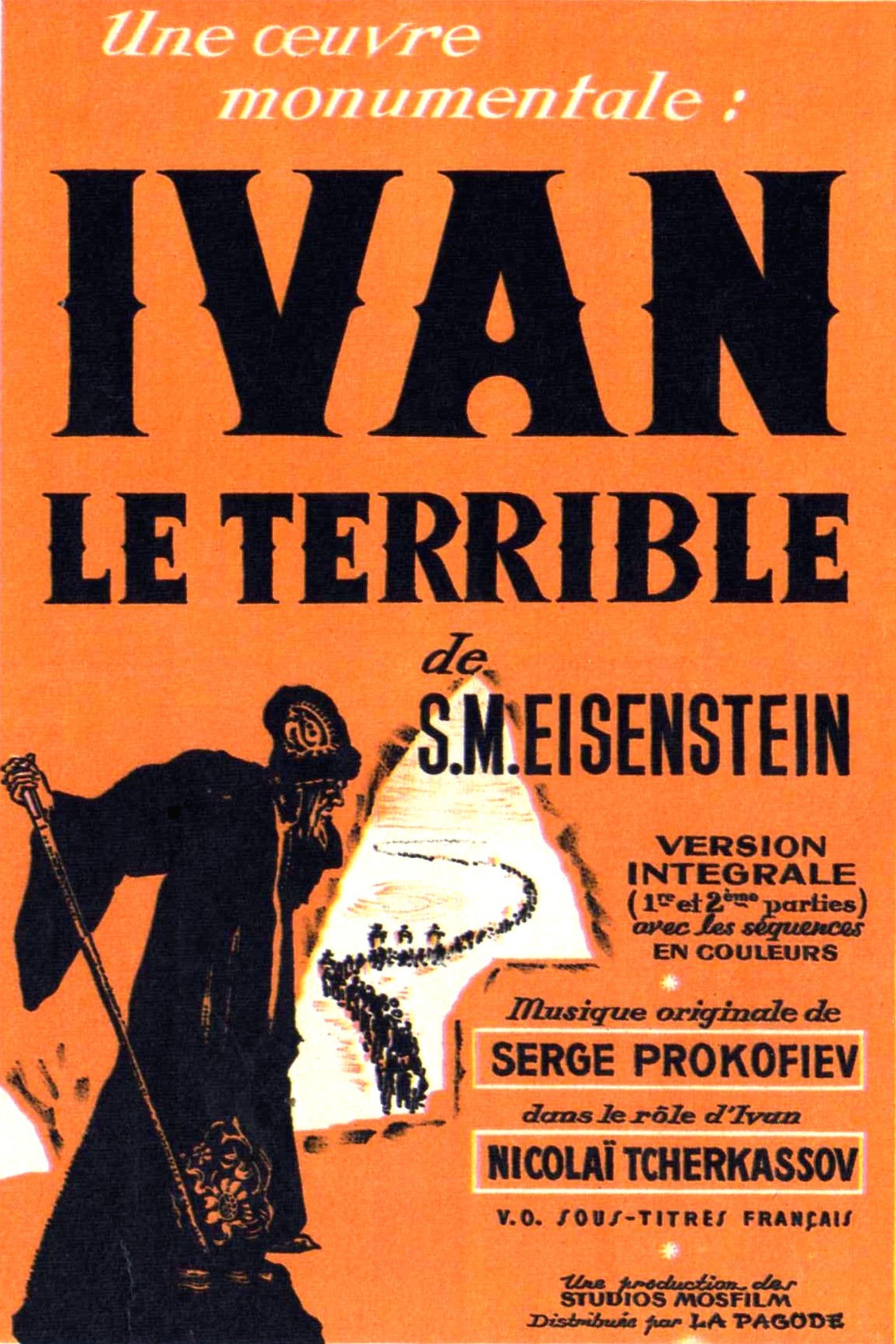
Tandis qu'Ivan le Terrible tente d'asseoir son pouvoir en créant une armée personnelle, ses ennemis, les Boyars russes, complotent pour assassiner leur tsar.
1958
Czar's Guard Malyuta Skuratov
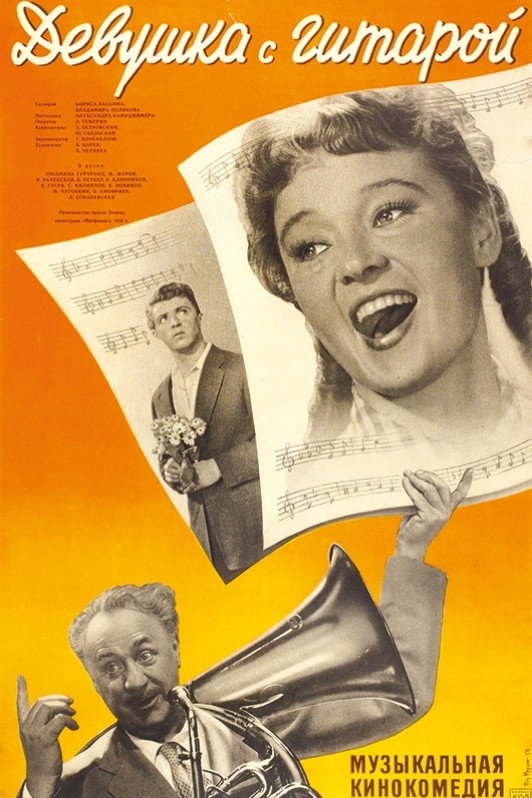
1958
Sviristinsky
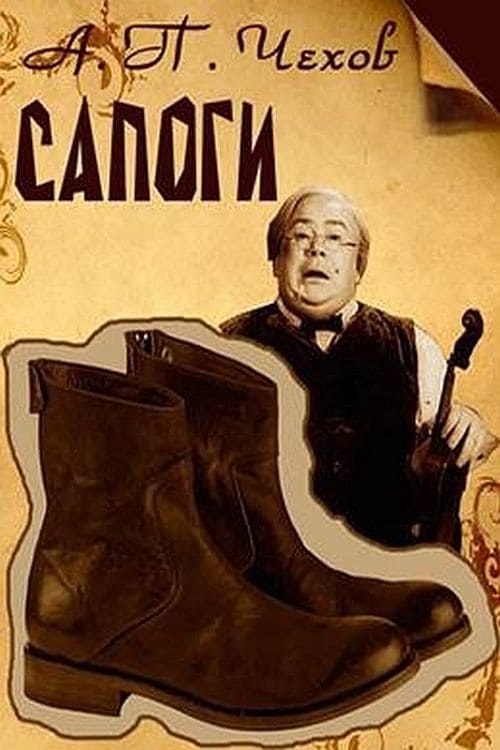
1957
Interprétation
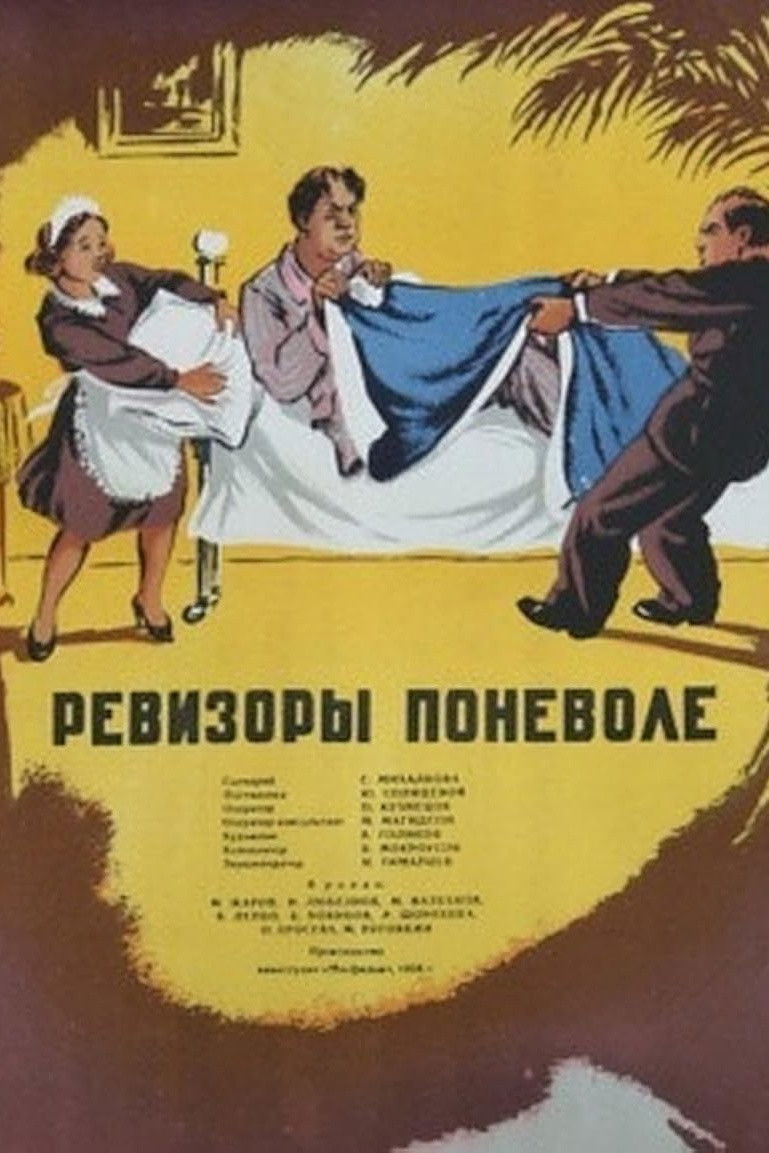
1955
Лаптев
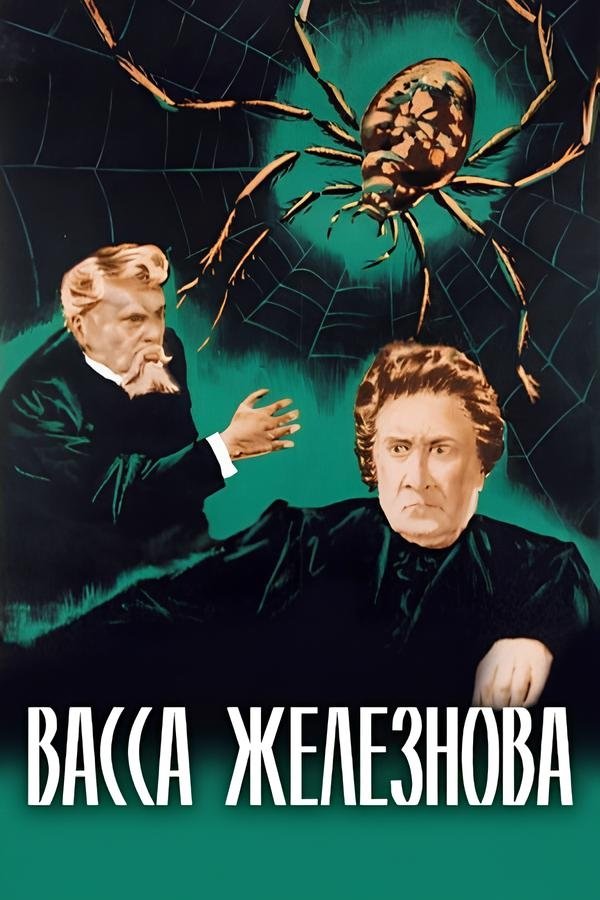
1953
Interprétation
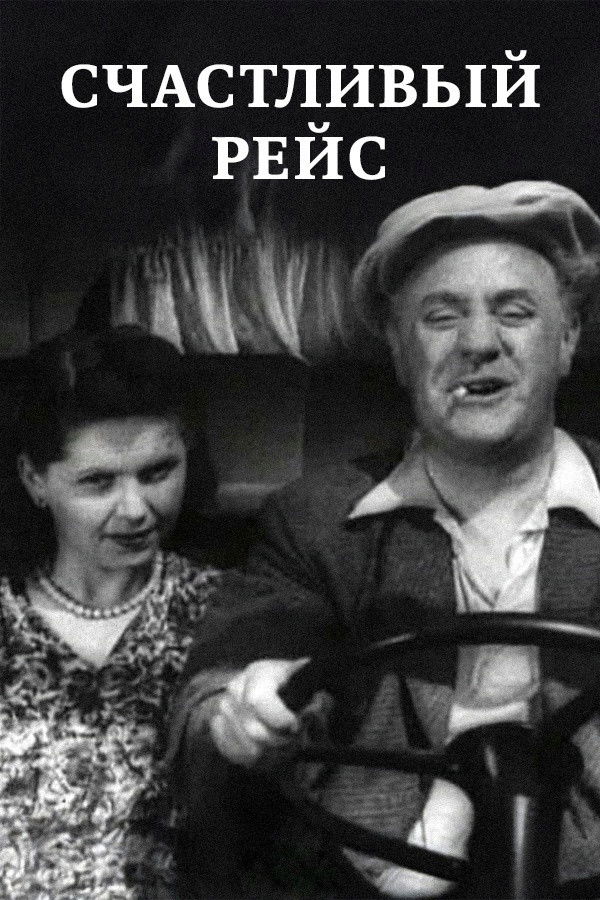
1949
шофер Зачесов
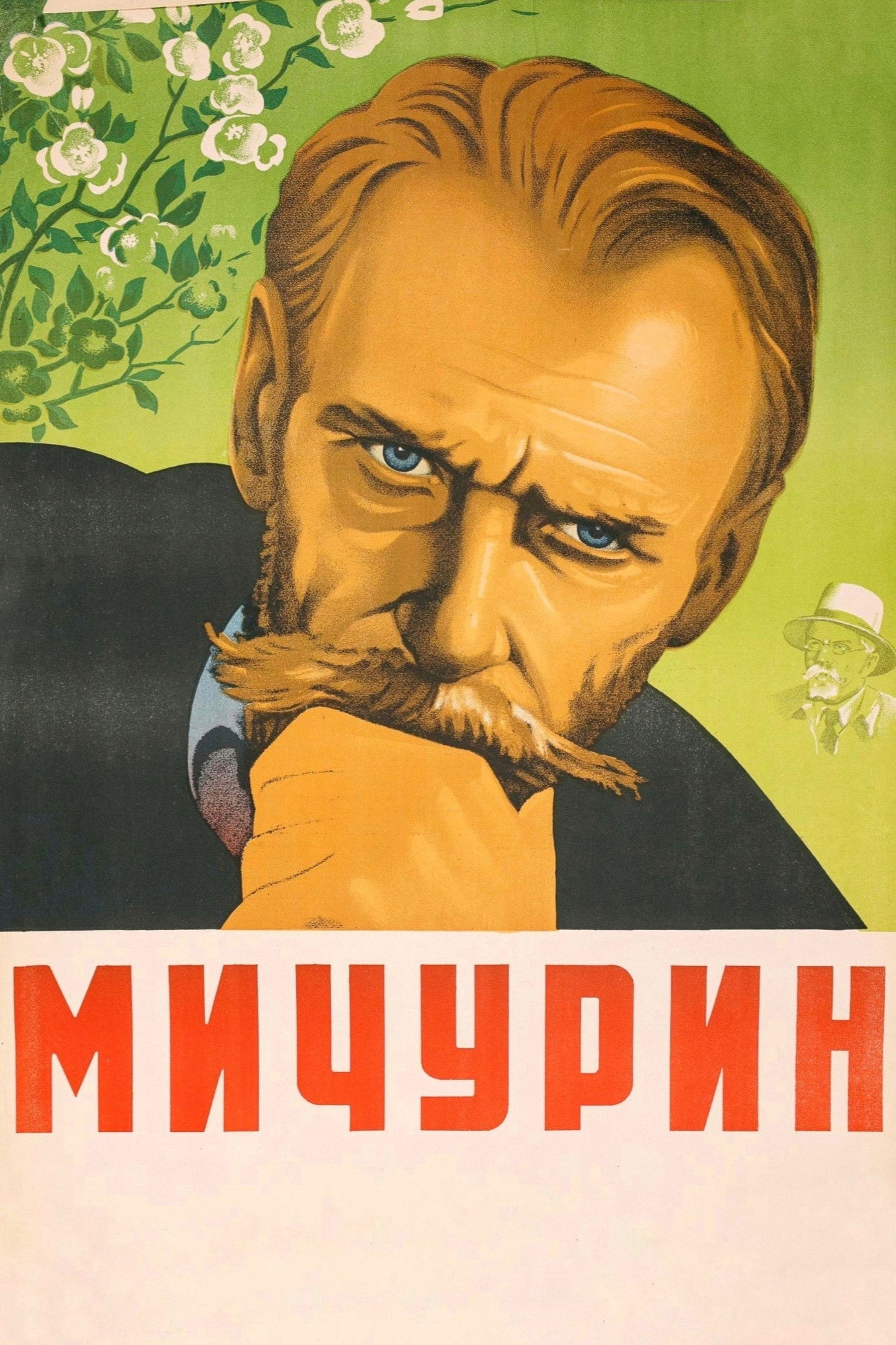
1949
Khrenov
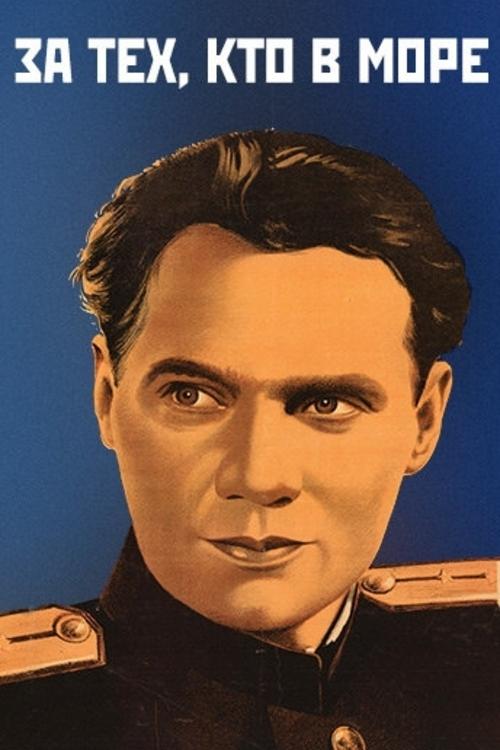
1948
Interprétation
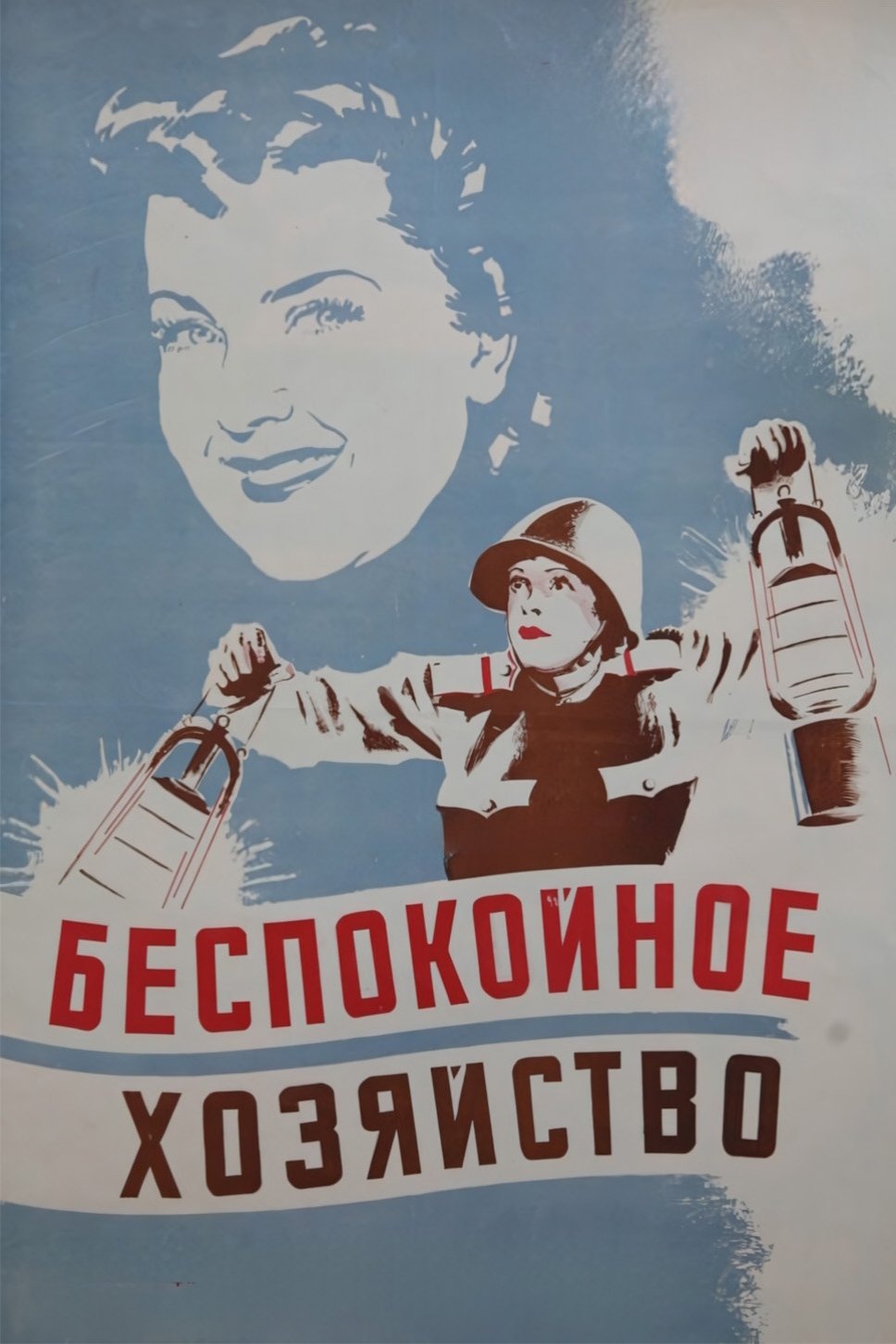
1946
Semibab
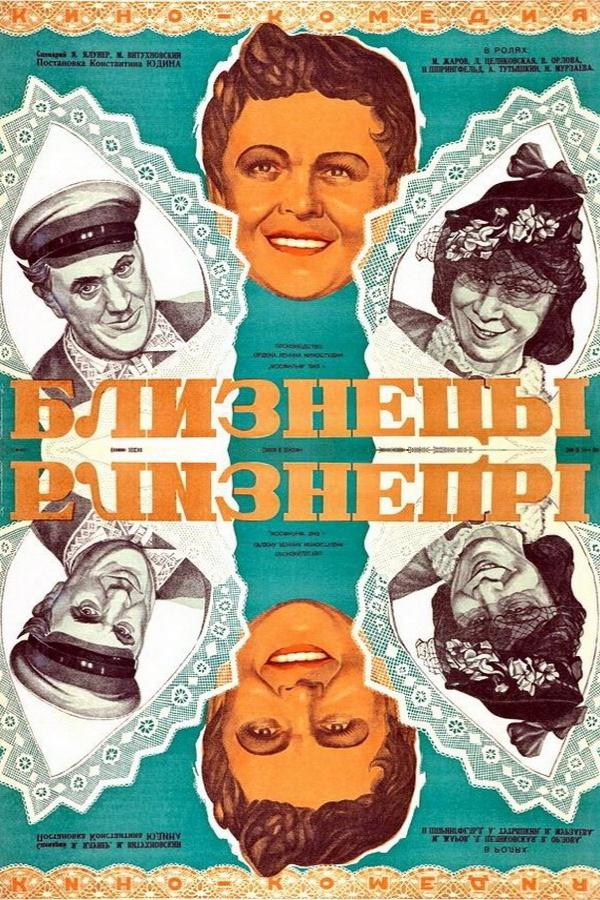
1945
Vadim Spiridonovich Yeropkin
Devant l'incapacité des régents, le jeune Ivan décide de se faire couronner. Mais sa tante, qui voudrait voir son fils Vladimir sur le trône, avec la complicité des boyards, fait empoisonner la tsarine. Ivan se retire alors dans un monastère. Le peuple rappelle Ivan.
1944
Czar's Guard Malyuta Skuratov
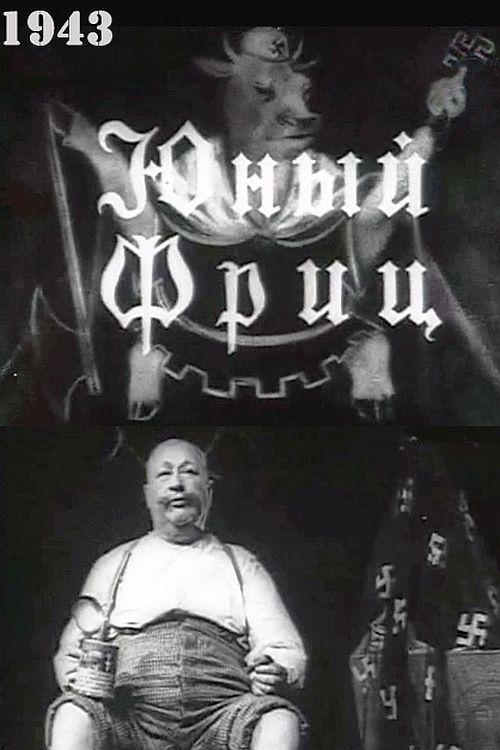
1943
Fritz
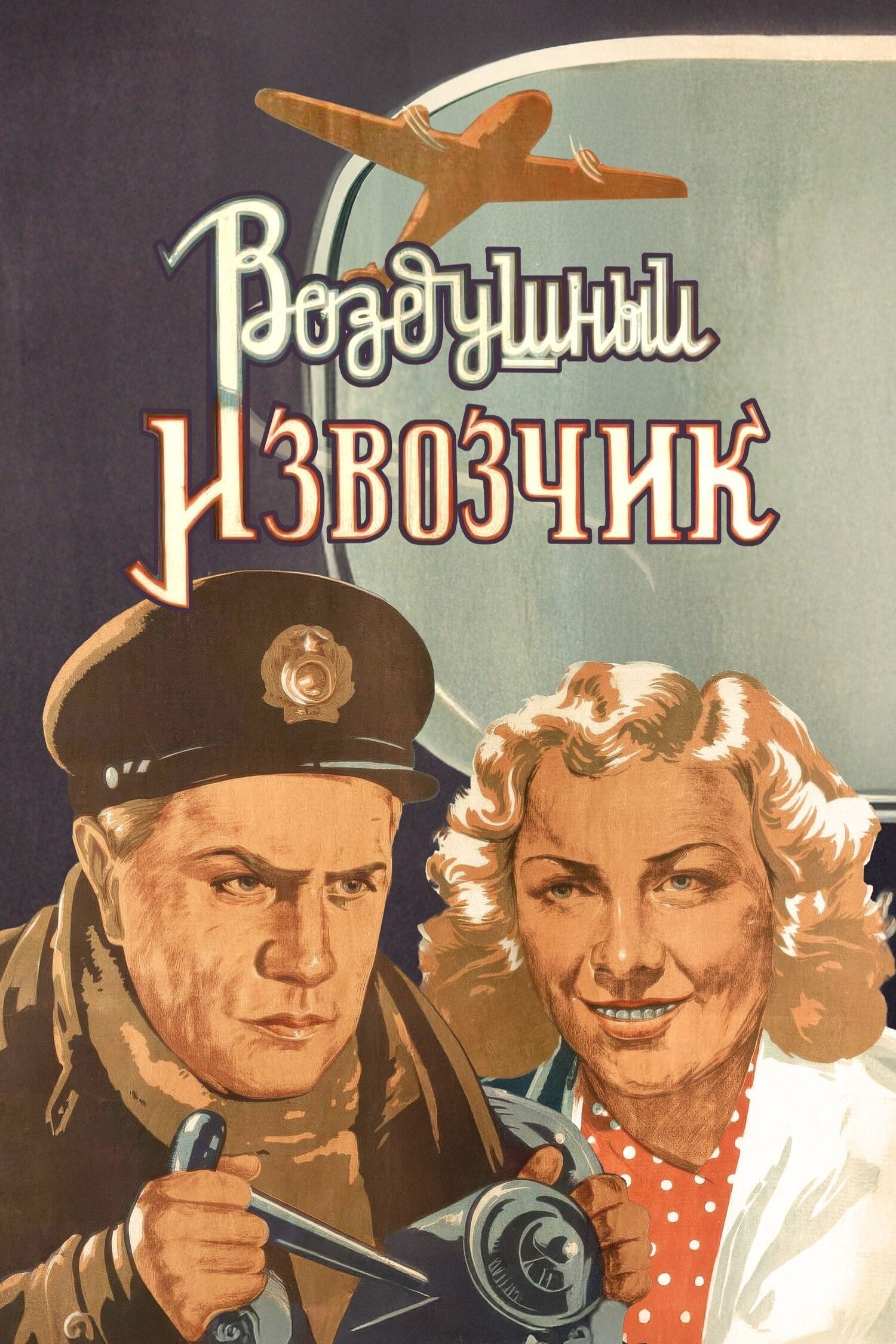
1943
Baranov
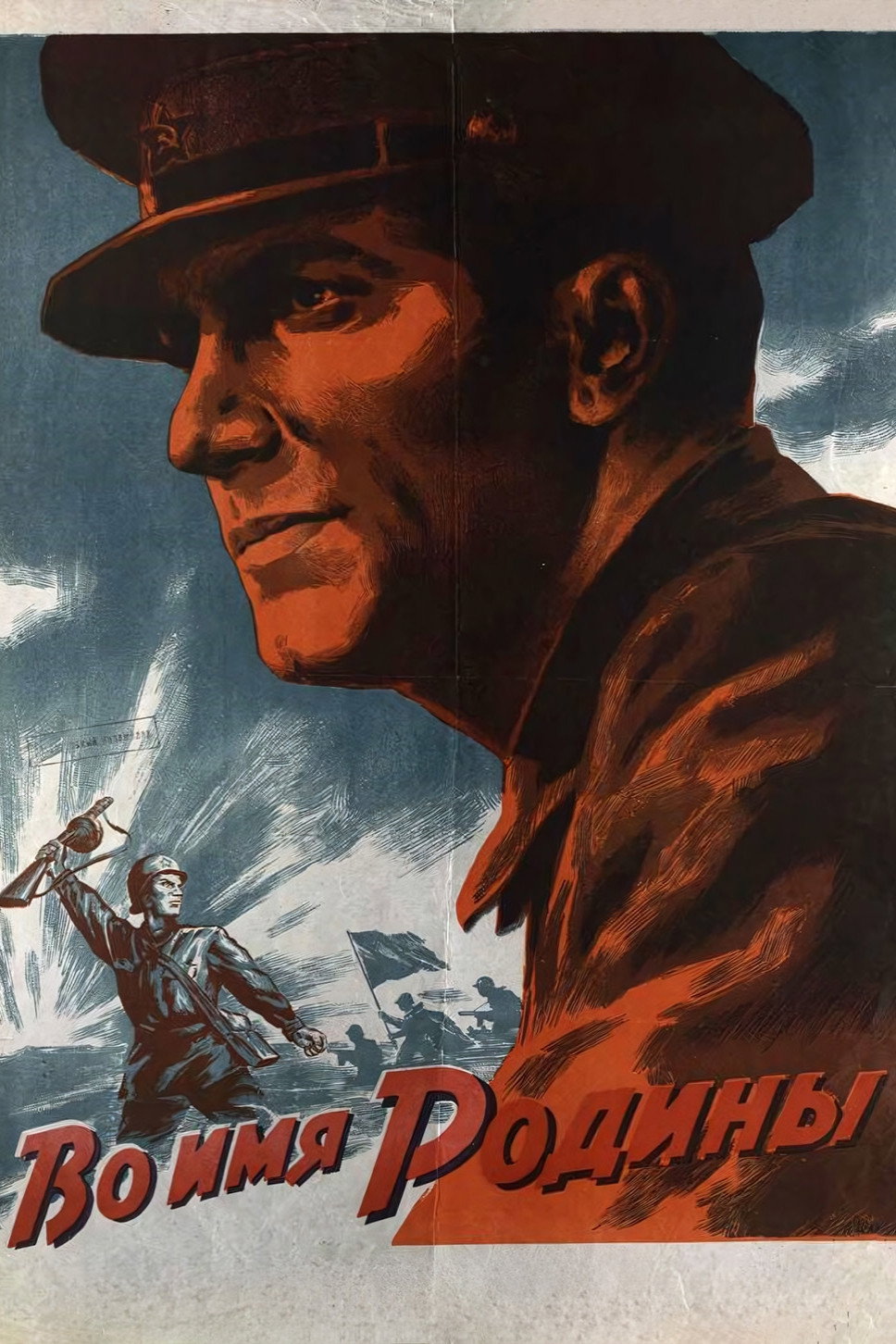
1943
Globa
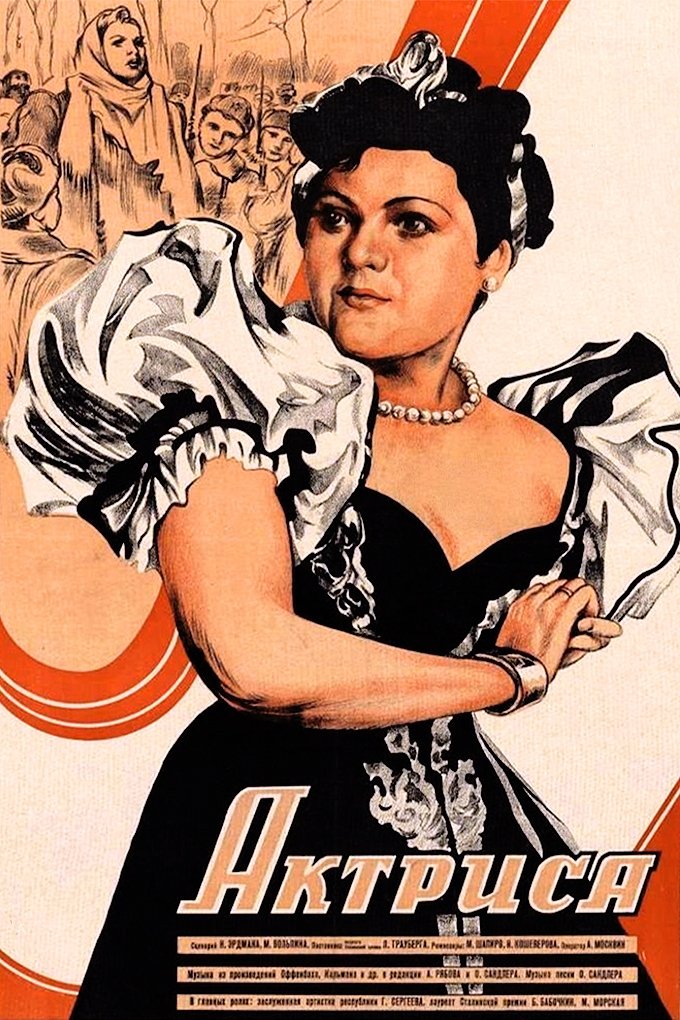
1943
Reciter in hospital
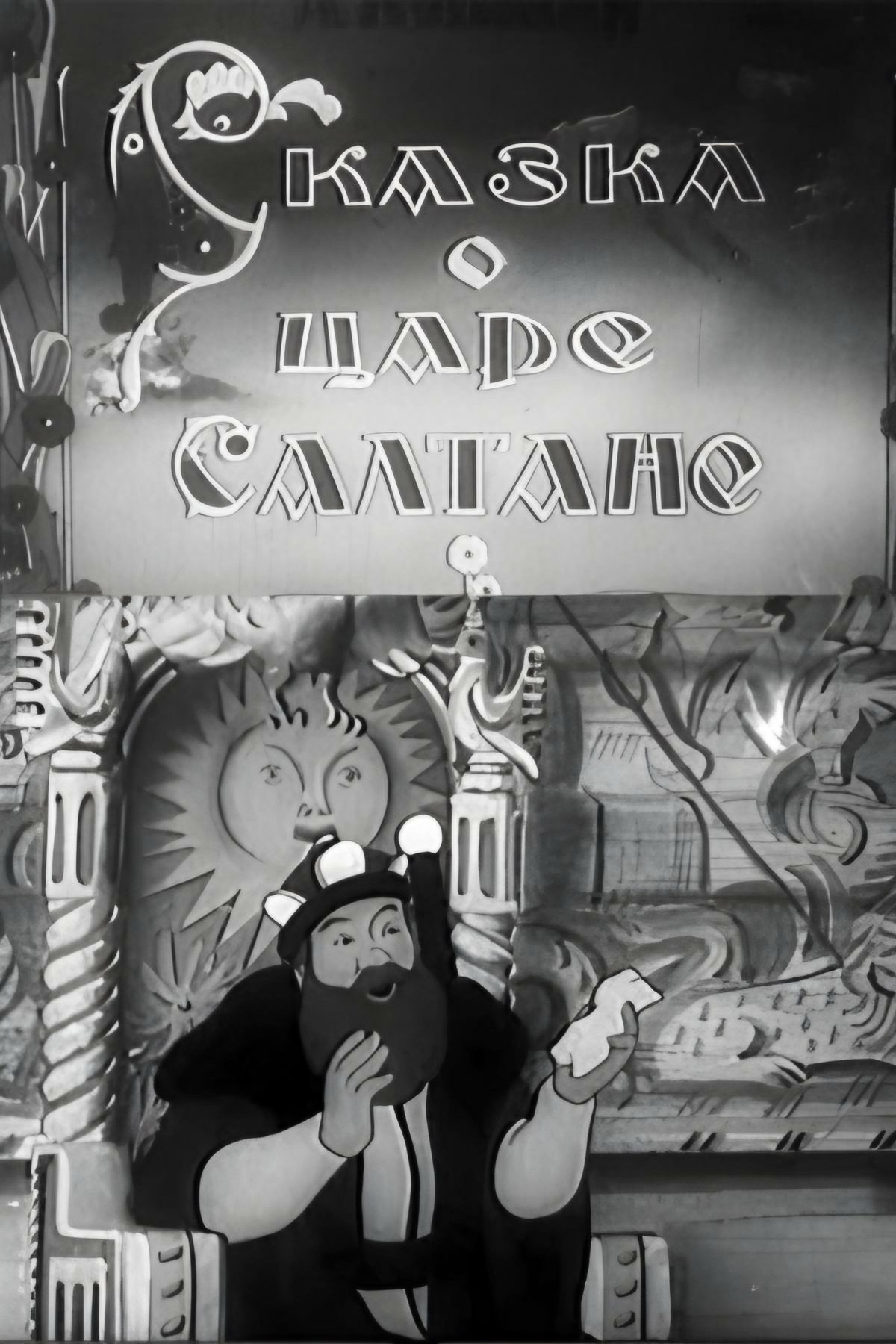
1943
Tsar (voice)
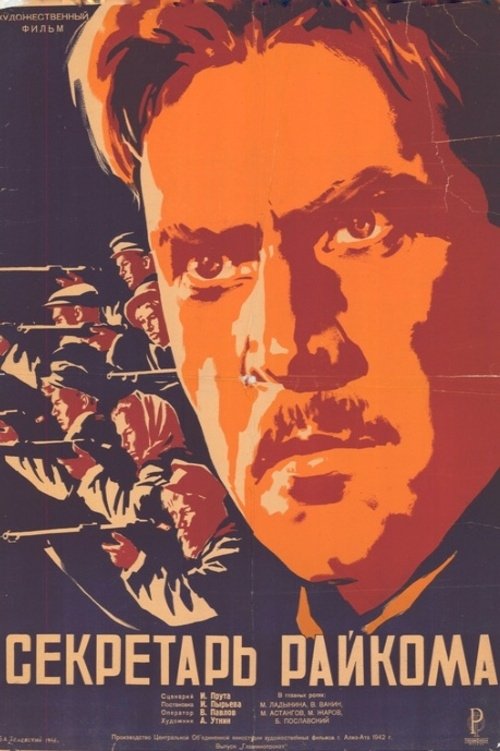
1942
Gavril Fedorovich Rusov
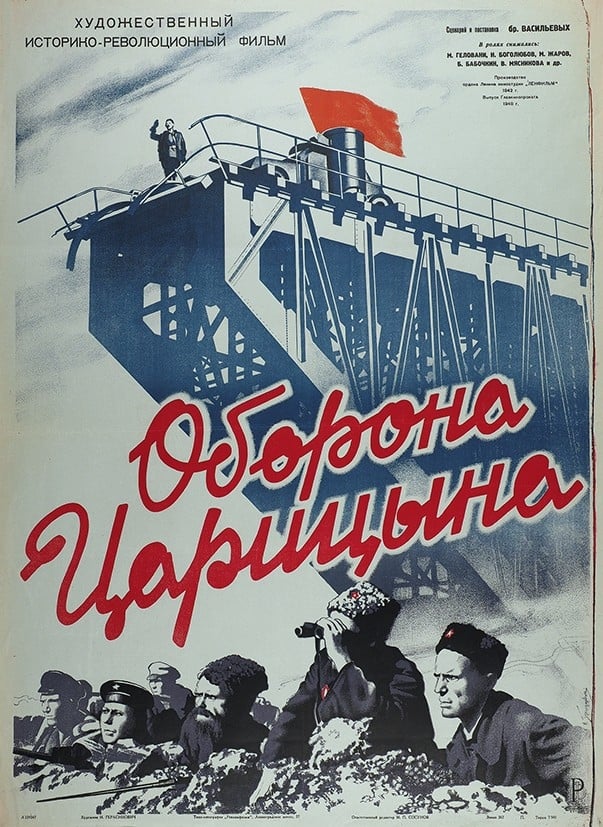
1942
Perchikhin
1941
cantor Havrylo

1940
(archive footage)
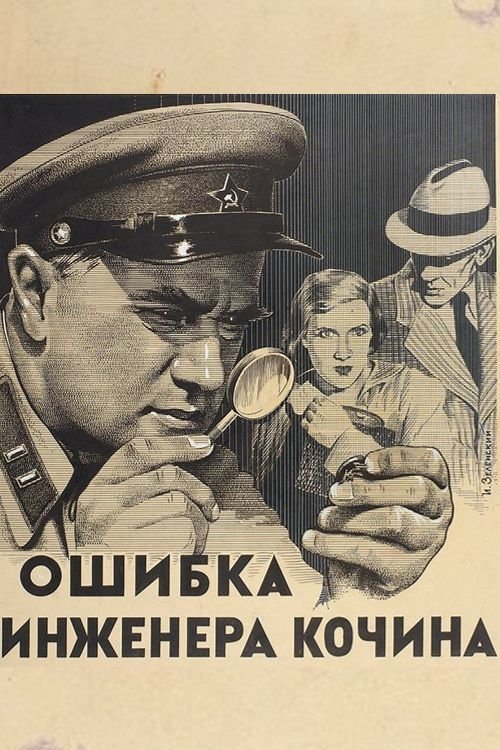
1939
Lartsev
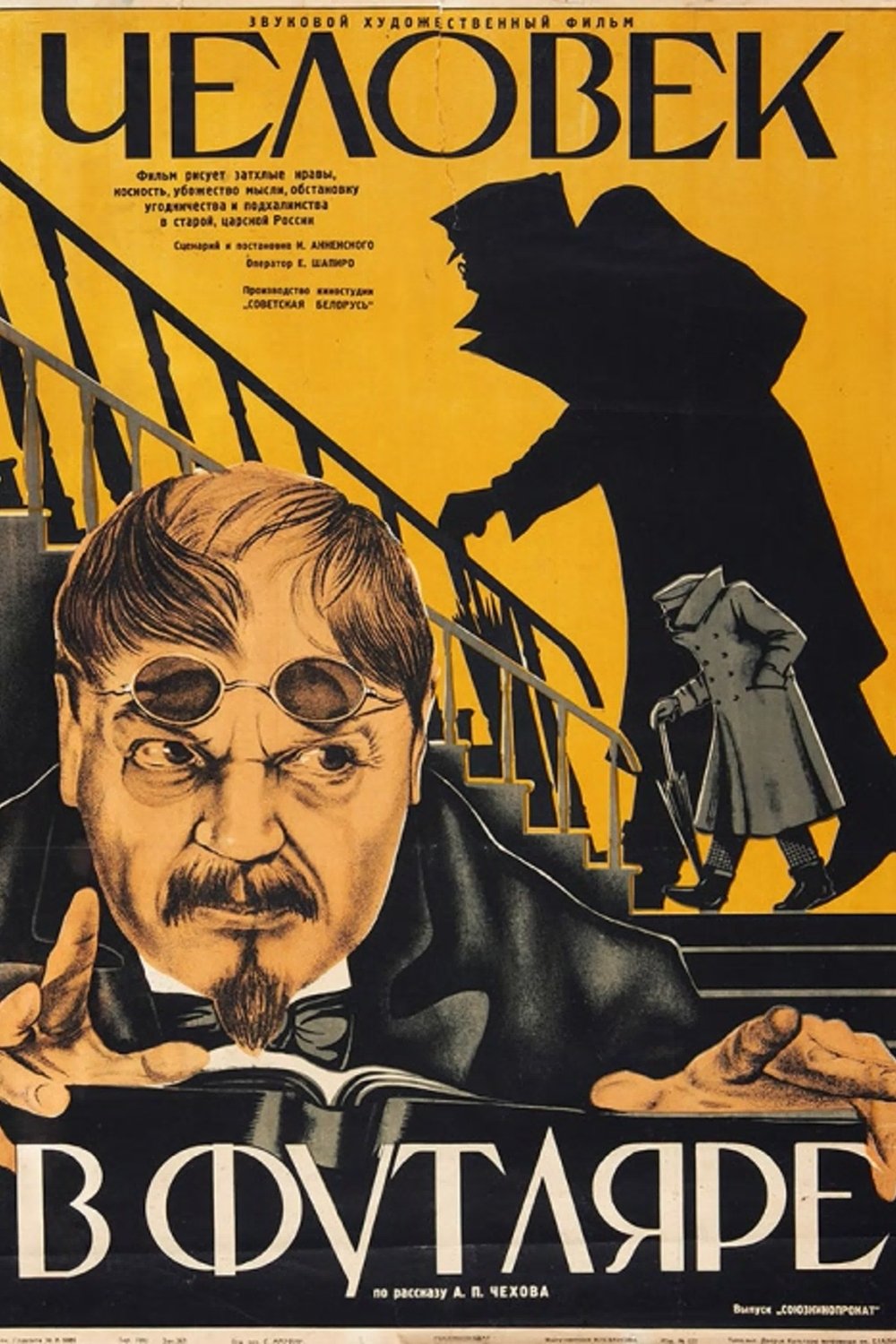
1939
Михаил Александрович Коваленко (учитель истории и географии)
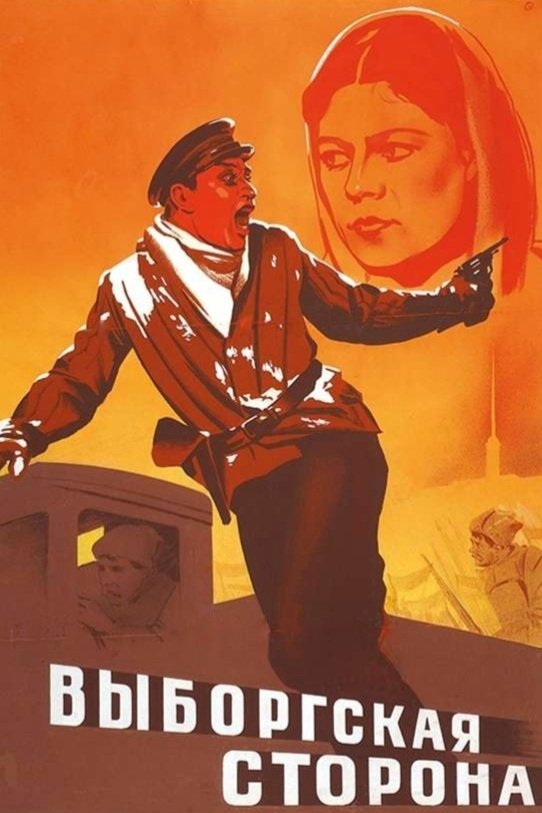
1939
Platon Vassilievich Dymba
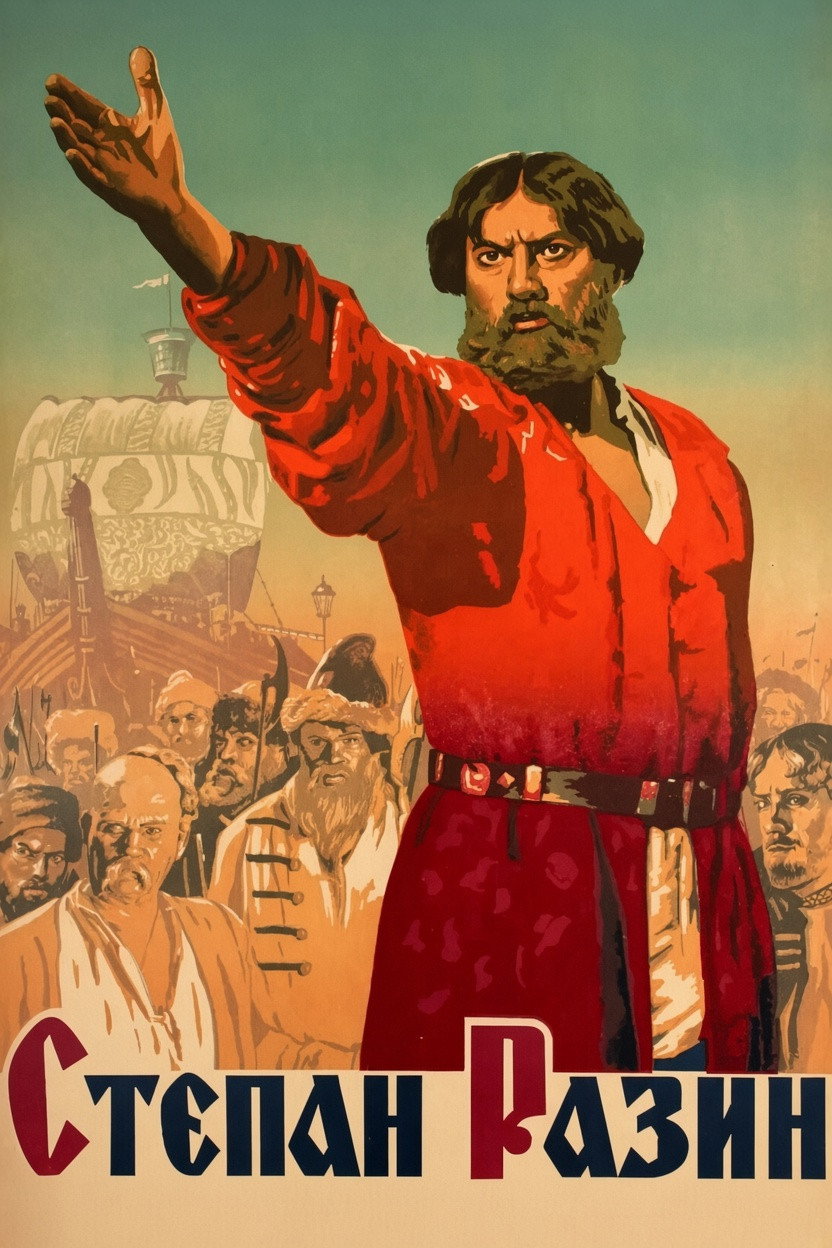
1939
Lazunka, boyarin's son
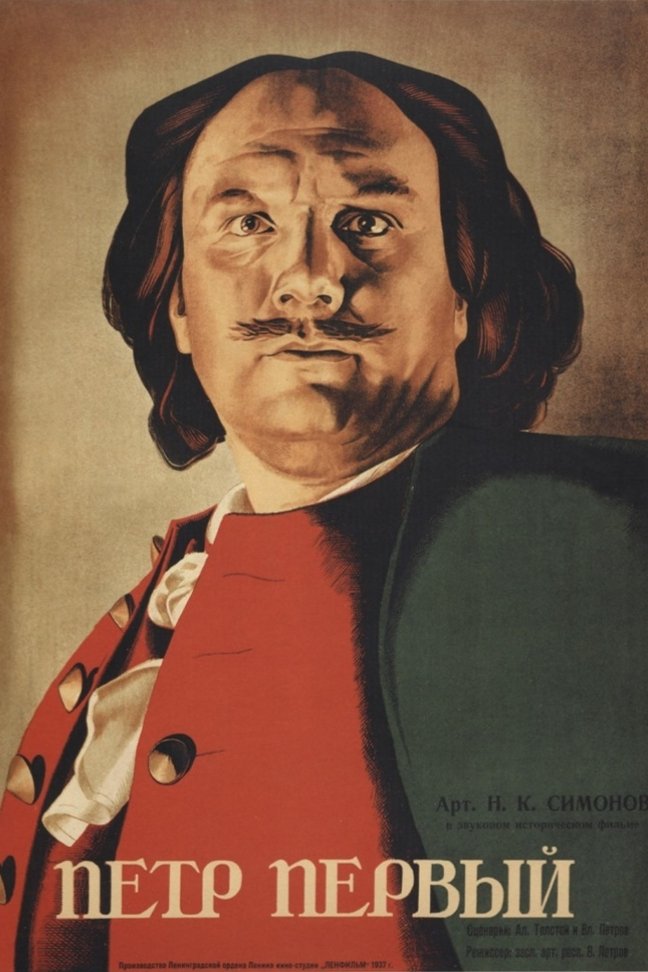
Ce film décrit la conquête du tsar russe Pierre Ier sur les Suédois et le complot de son fils Alekseï pour le renverser.
1938
Alexander Danilovich Menshikov
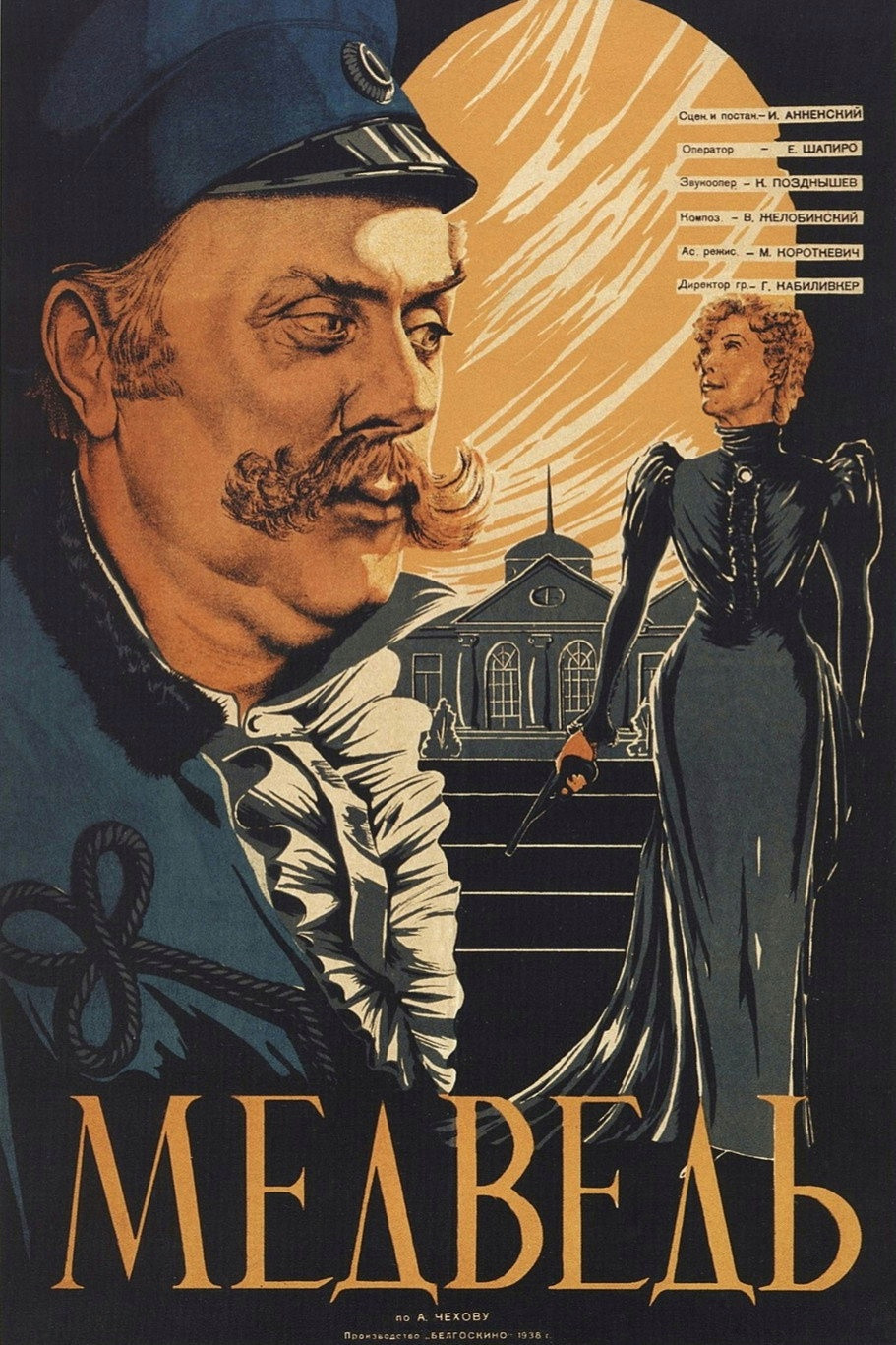
1938
Grigori Stepanovich Smirnov
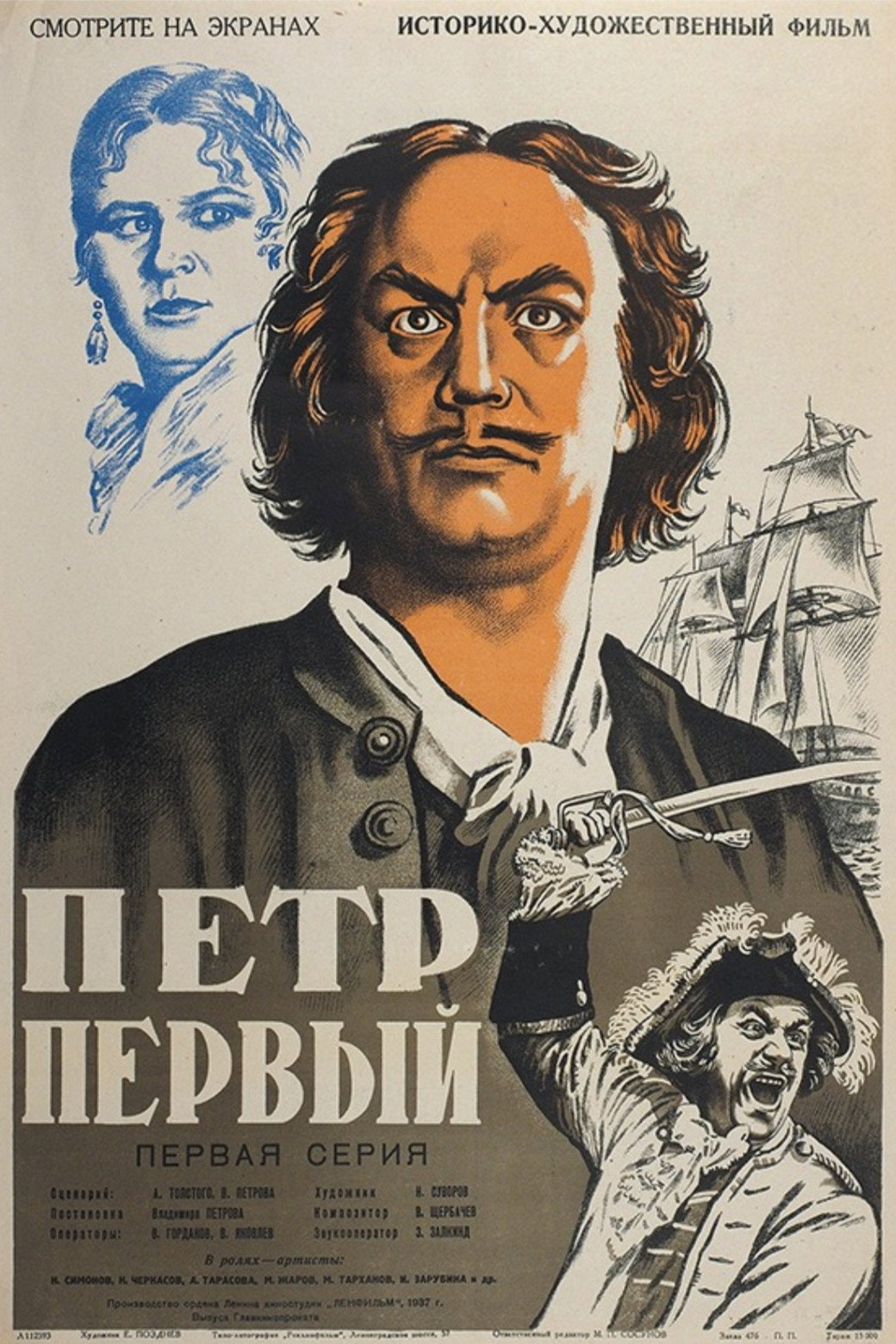
Cette première représentation soviétique de Pierre le Grand a ouvert la voie à ce qui allait devenir la ligne post-révolutionnaire concernant les premiers Romanov. Des souverains comme Ivan le Terrible et Pierre le Grand étaient largement admirés pour leur dévouement à la Russie et leur détermination absolue à améliorer sa position dans le monde. Mais l'éloge des derniers Romanov, détestés, était trop en conflit avec les convictions mêmes qui avaient provoqué la révolution de 1917.
1937
Alexander Danilovich Menshikov
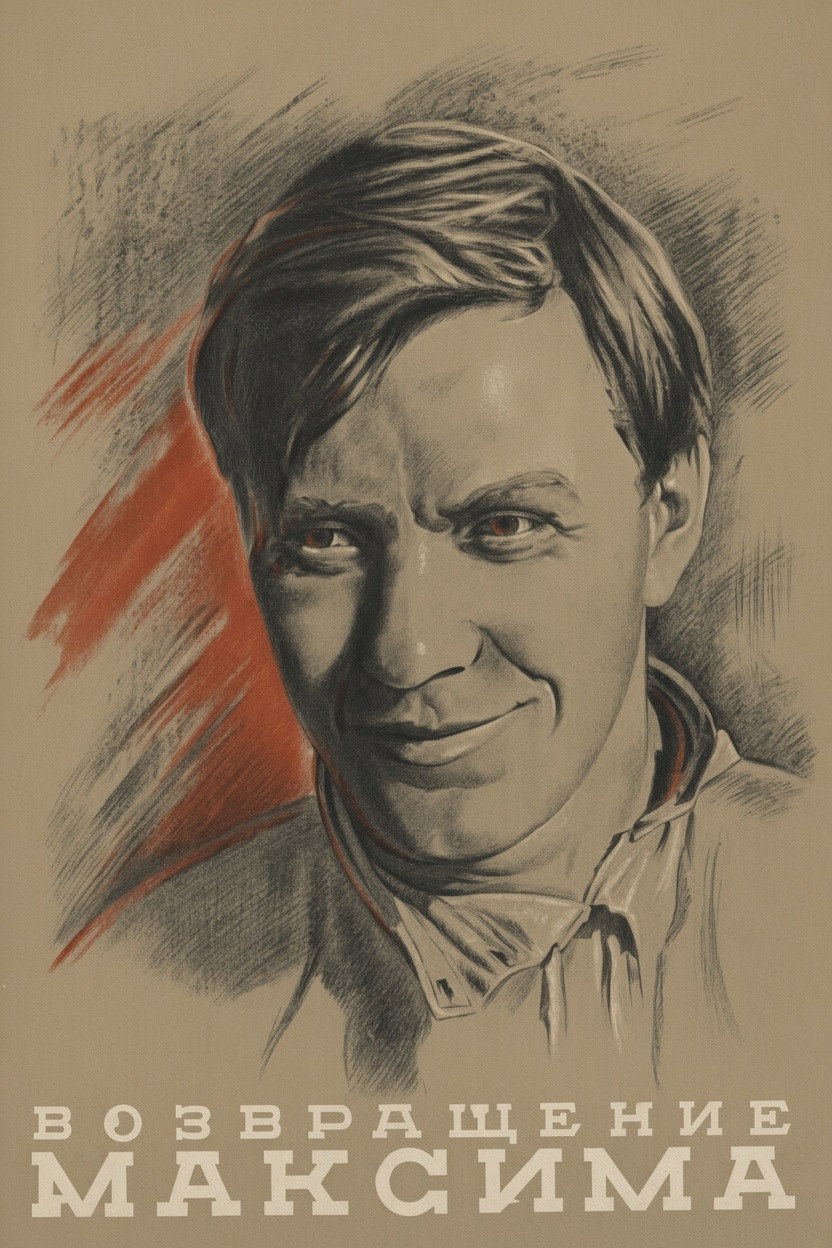
1937
Platon Dymba
En 1919, dans un bourg minier du Donets, en Ukraine. En l'absence de leurs maris partis au front, les femmes résistent à leur manière aux soldats de l'Armée blanche.
1935
Interprétation

1935
Zaitsev

1934
Interprétation
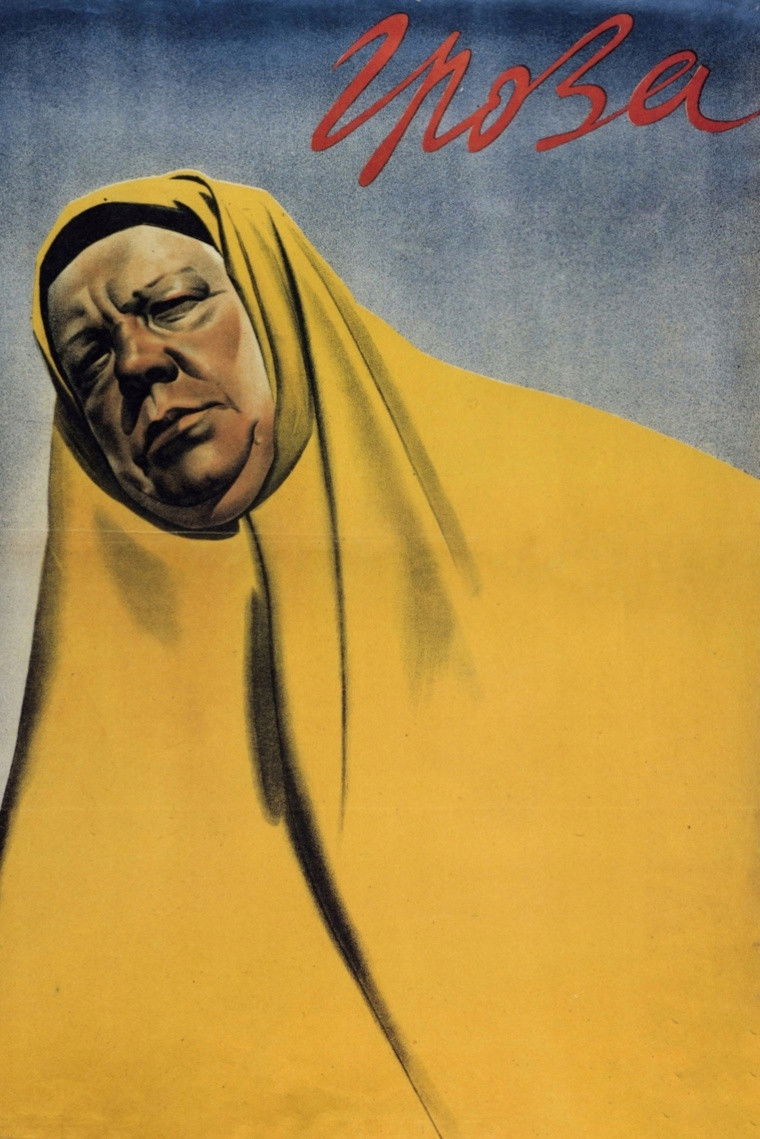
1934
Koudryash
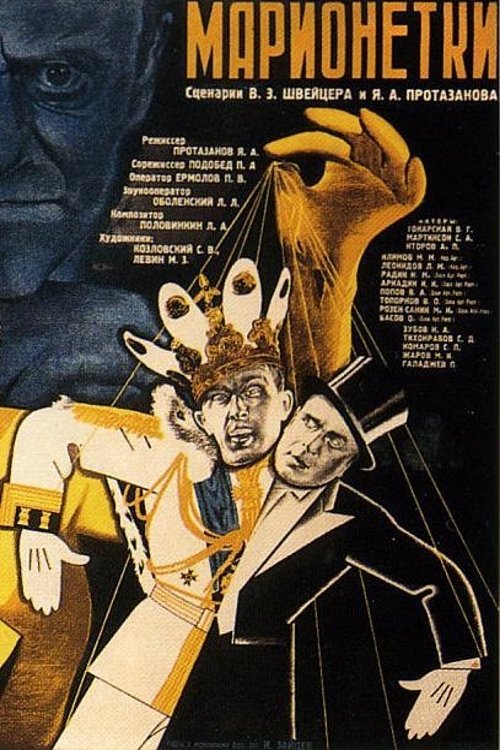
1934
Border checkpoint commander
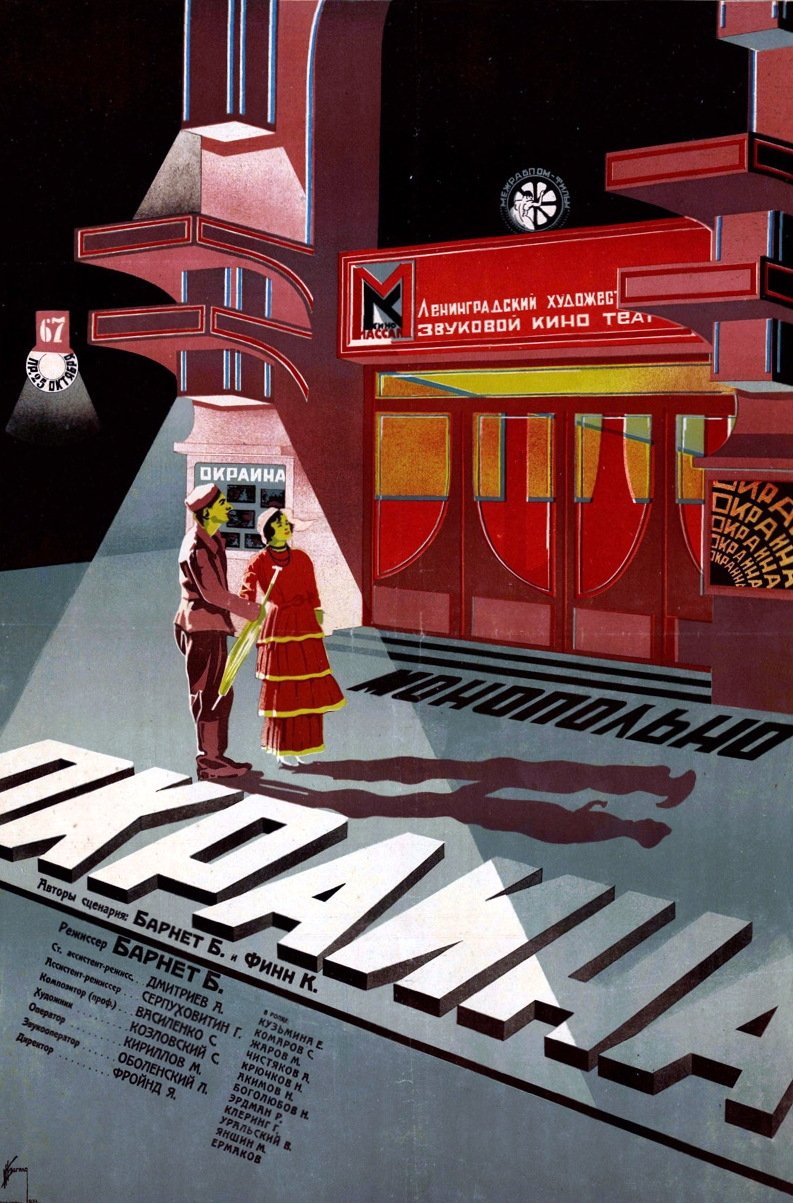
L'Allemagne a déclaré la guerre à la Russie. Un vent patriotique souffle sur le faubourg d'une petite ville frontalière de l'empire tsariste. Les hommes partent au front et découvrent l'horreur des tranchées.
1933
Krayevitch, a student
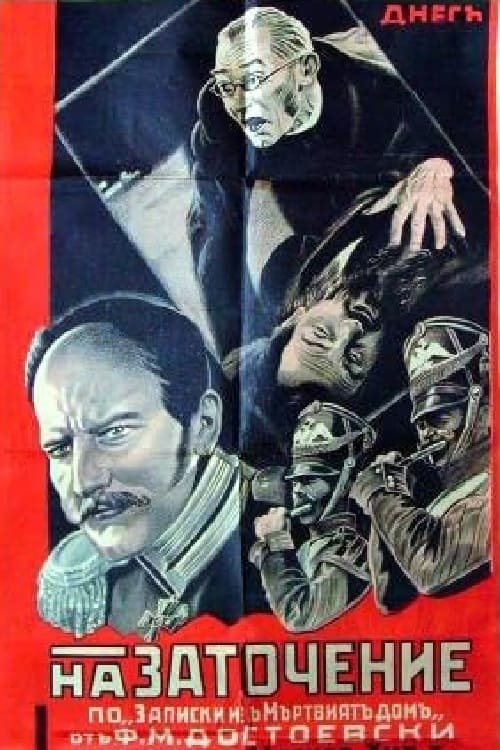
En 1880, l'écrivain russe Fiodor Dostoïevski prononce un discours où il incite le peuple à l'humilité. Pris d'un malaise, il se remémore des épisodes de sa jeunesse politique.
1932
Interprétation
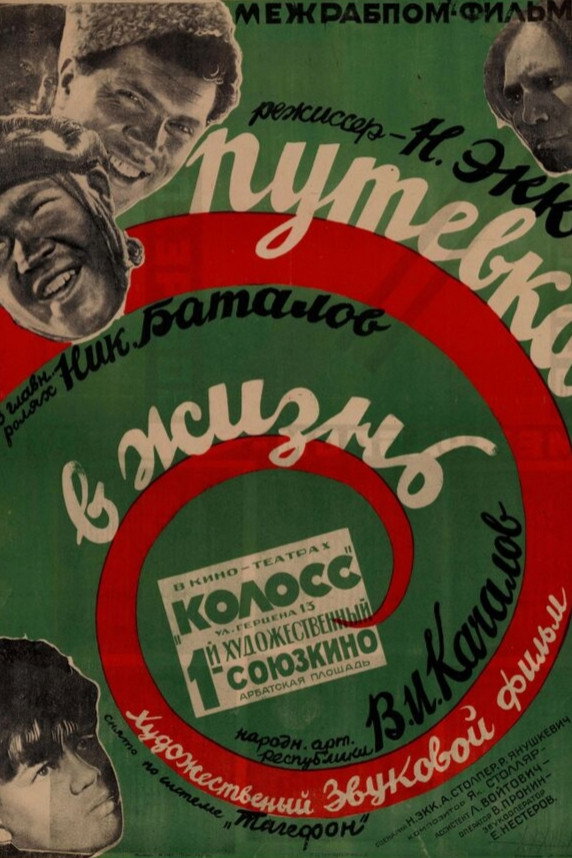
1931
Фомка «Жиган»
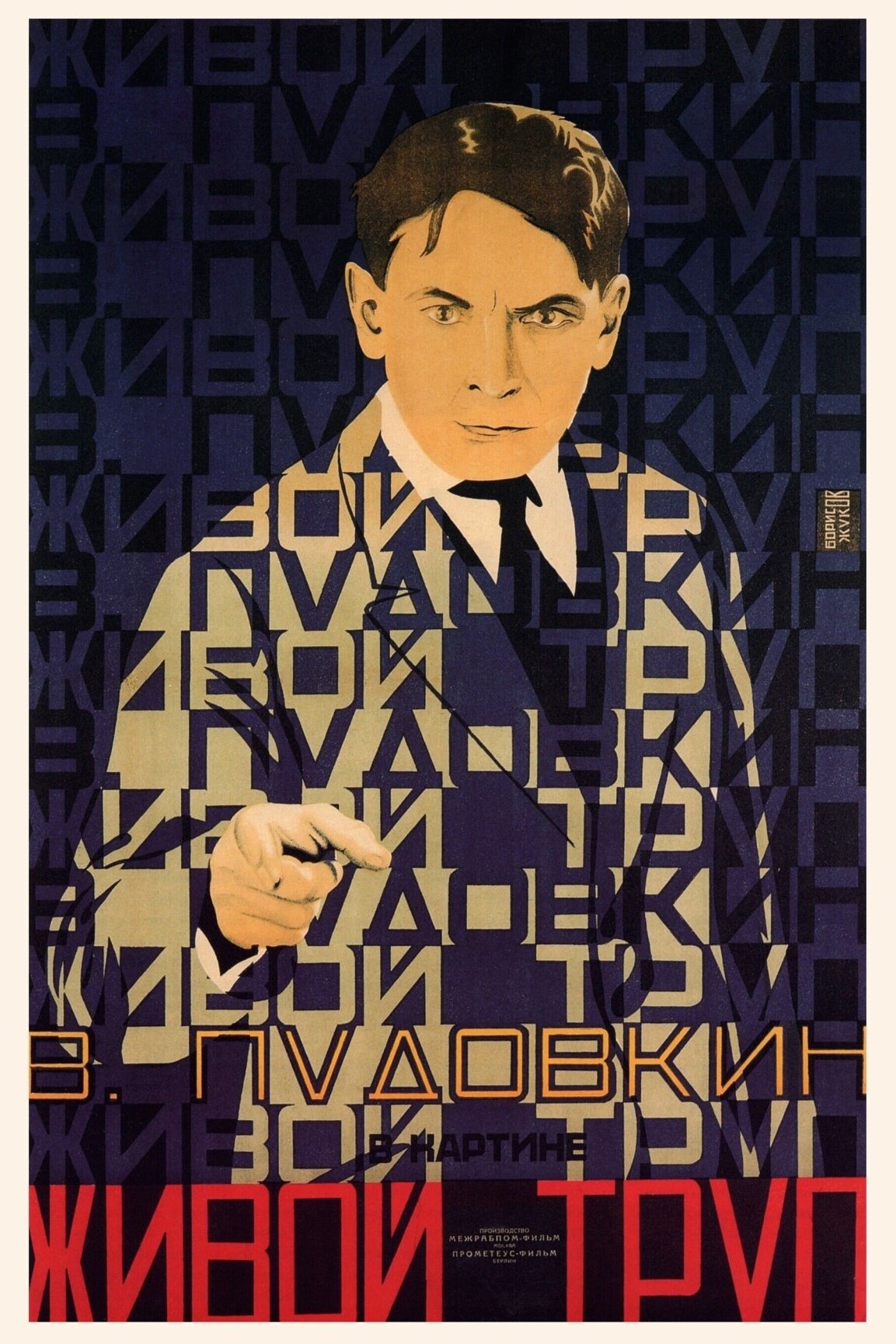
1929
Hired witness (uncredited)
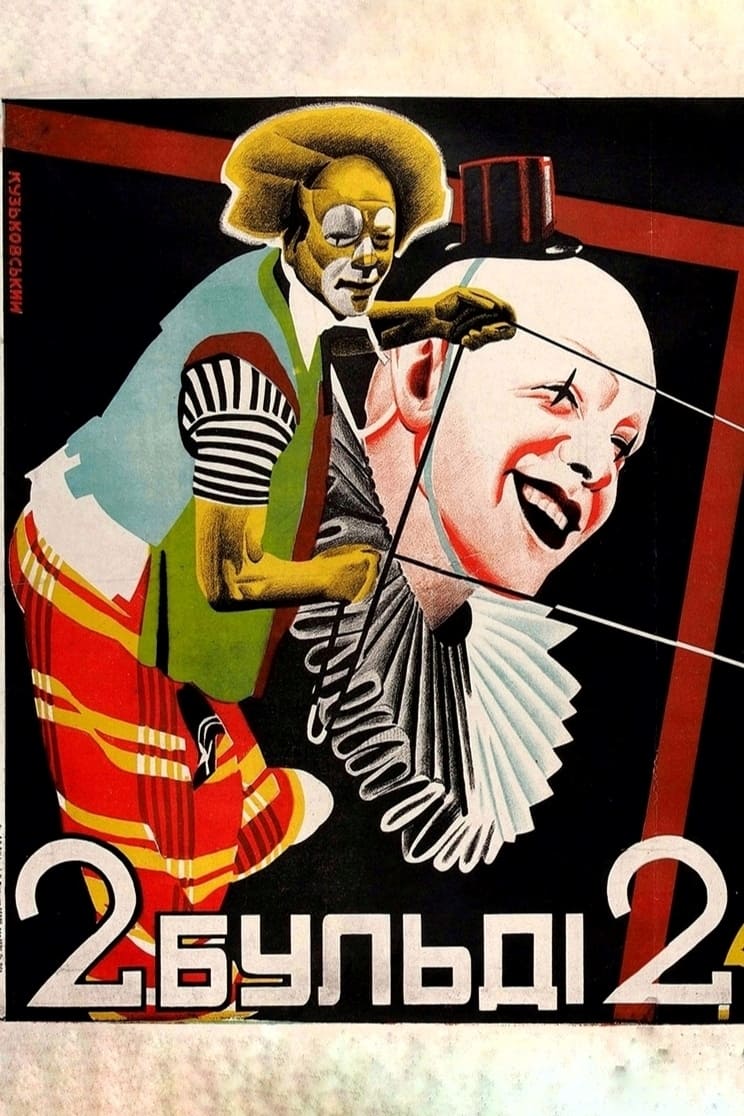
Un cirque ambulant, pendant la guerre civile, dans une petite ville. Un clown fameux et son fils, bolchevik, préparent un numéro à deux. La ville tombe aux mains des blancs. Le jeune Bouldi est arrêté.
1929
Chairman of the revolution committee
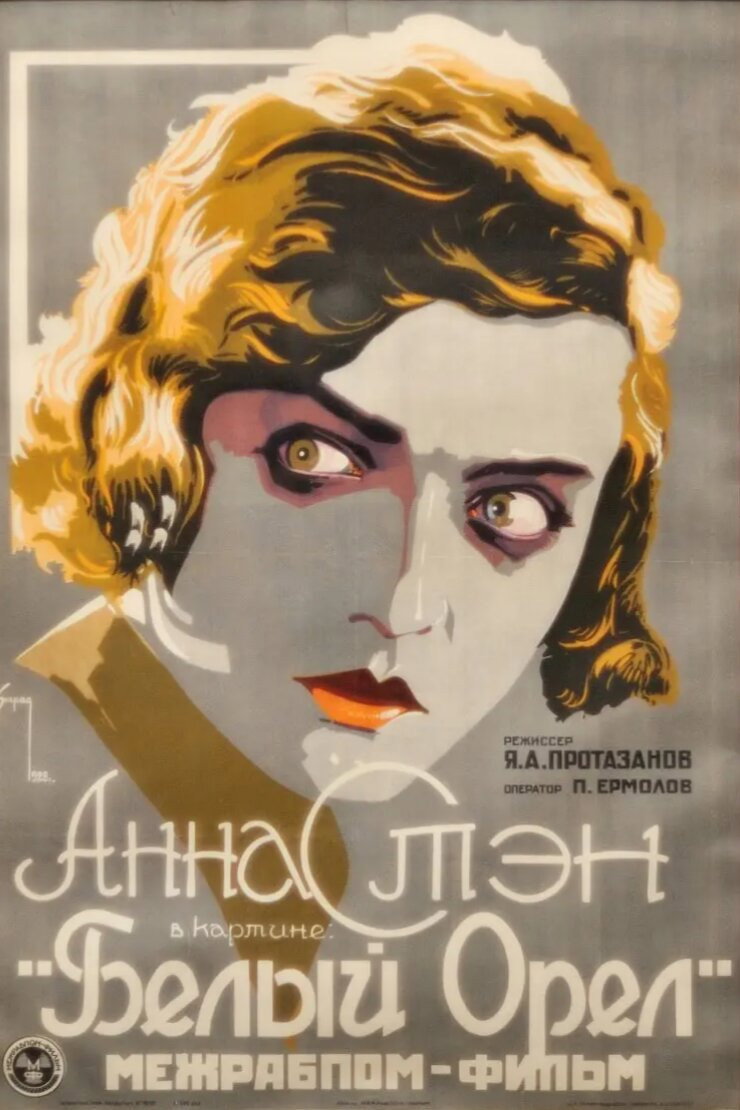
1928
Official
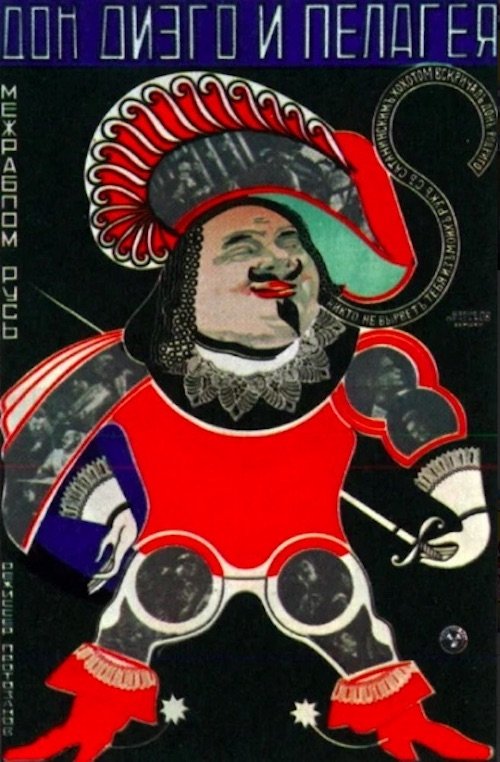
1928
Mikhail Zharov
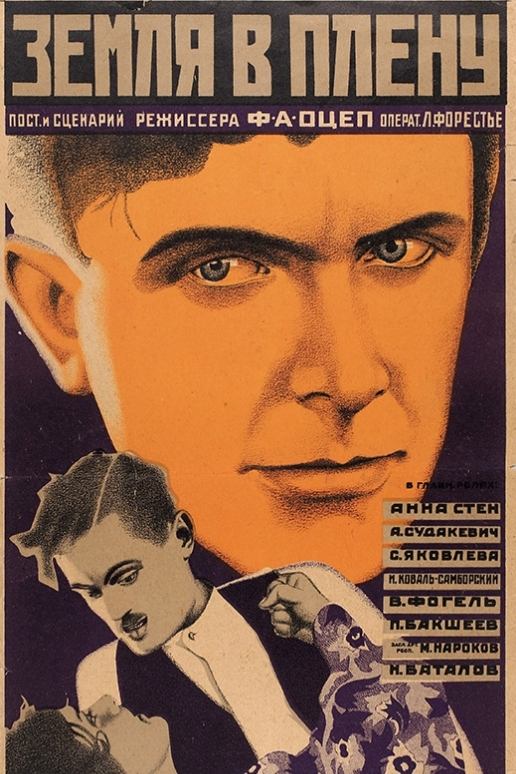
1928
Visitor in the brothel

1927
Student
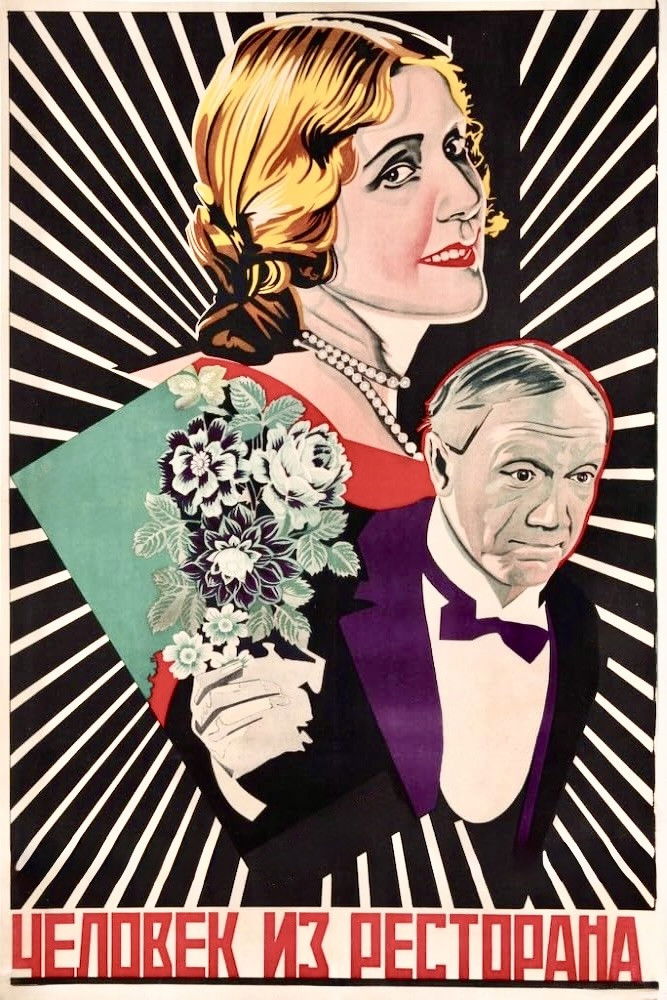
1927
Waiter
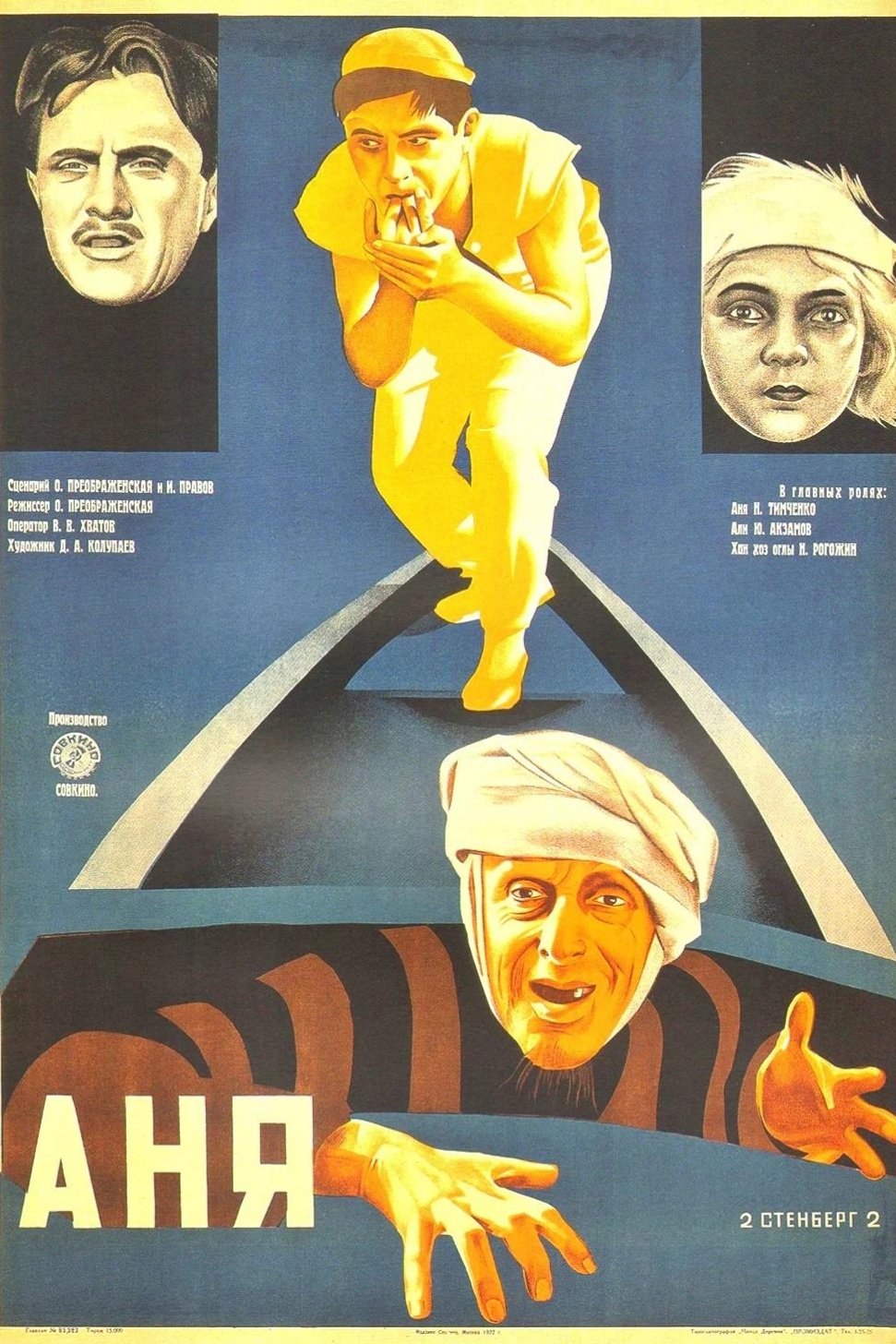
1927
Zhdan
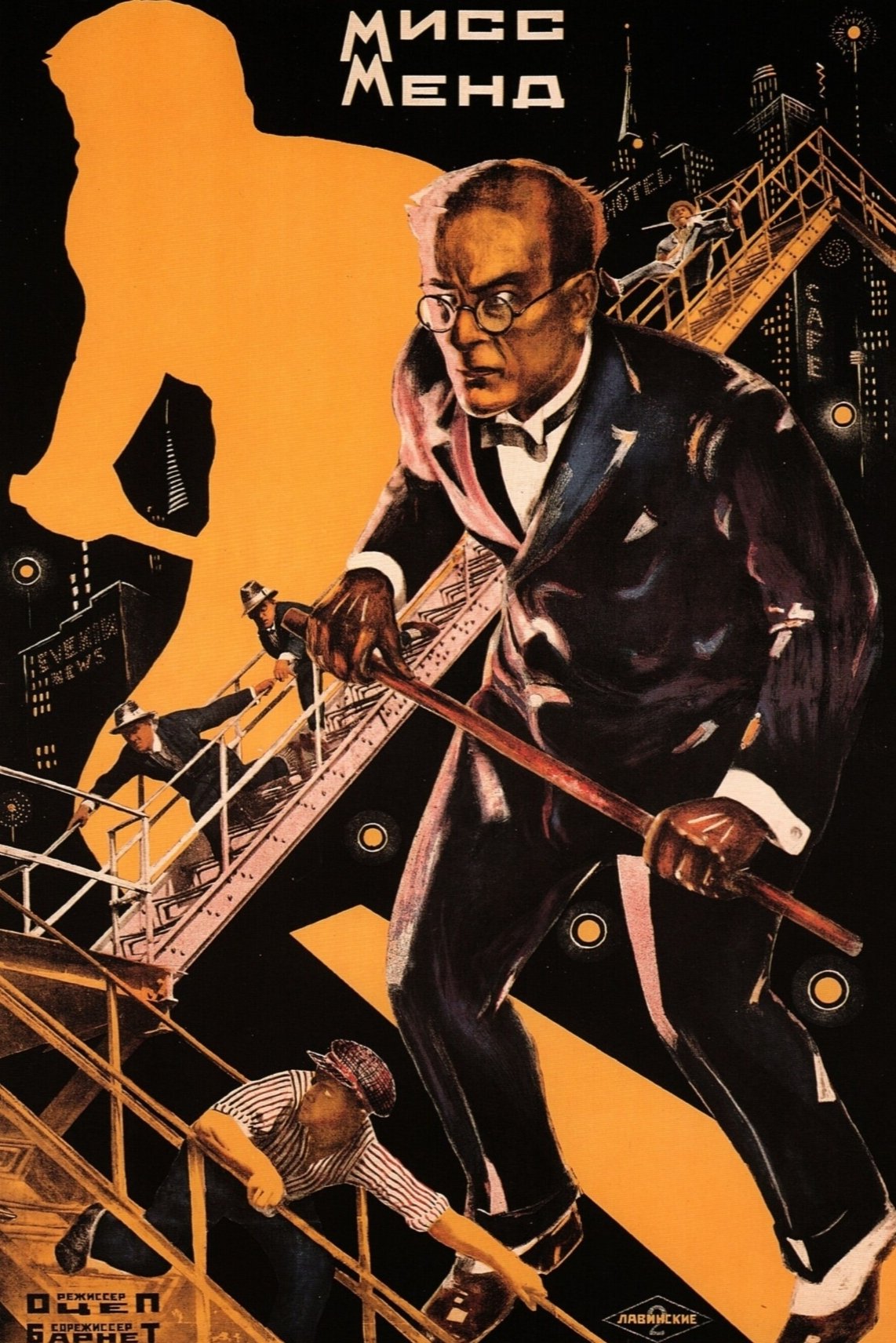
Satire parodique du film policier et d'aventures, l'action de « Miss Mend » commence aux États-Unis et se termine en Union soviétique. Miss Mend accompagnée d'intrépides reporters, lutte contre un savant fou.
1926
Waiter at the inn
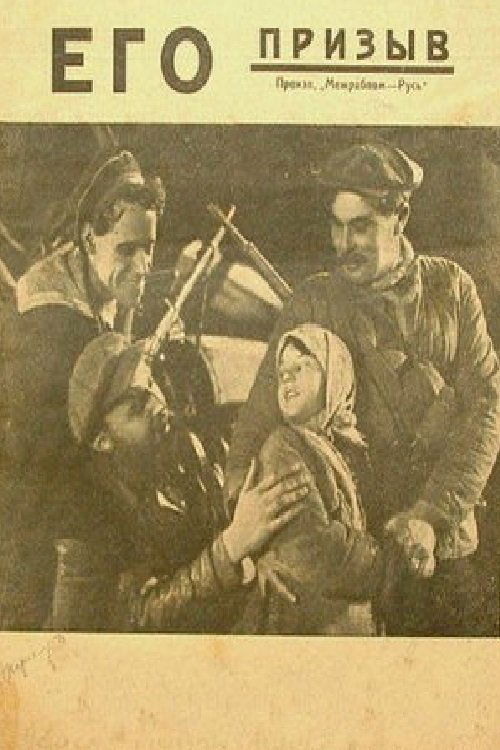
1925
Factory worker

Maria Ivanovna rêve de se marier avec son collègue de travail, Nikodim Mityushin. Cependant, Nikodim est amoureux de Zina, qui vend des cigarettes à la sauvette . Elle se retrouve être figurante dans une équipe de tournage dont le cameraman, Latugin, tombe amoureux d'elle. Pour compliquer ce triangle amoureux, Zina a encore un autre admirateur en la personne d'Oliver MacBride, un homme d'affaires américain en visite à Moscou.
1924
sluzhashchiy i nosil'shchik
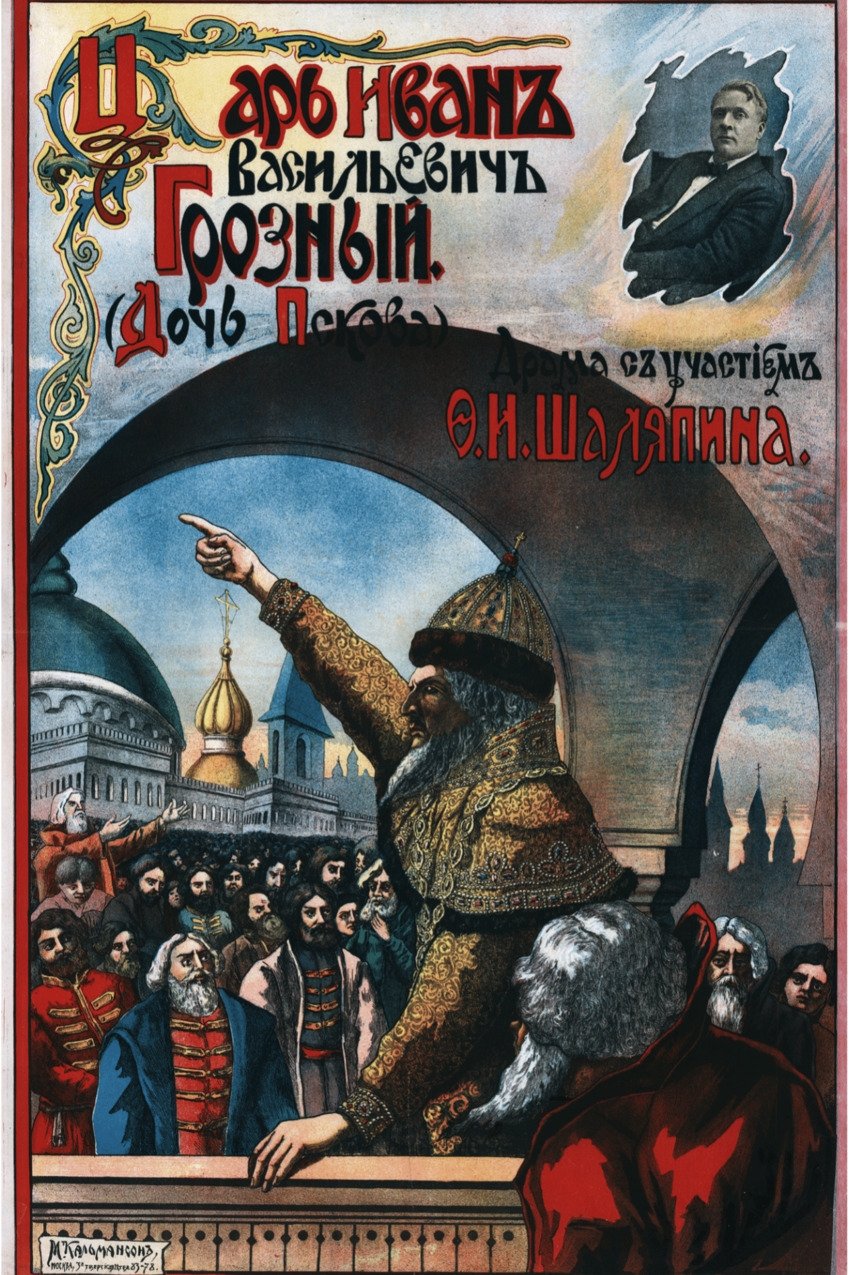
1915
Soldier