Pas encore noté
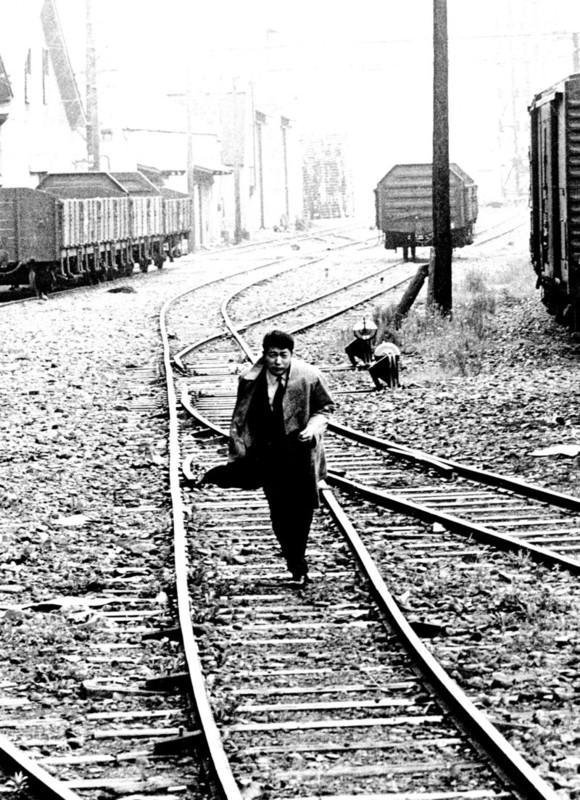
あしたはどっちだ、寺山修司
2017
Réalisation
From Wikipedia, the free encyclopedia.
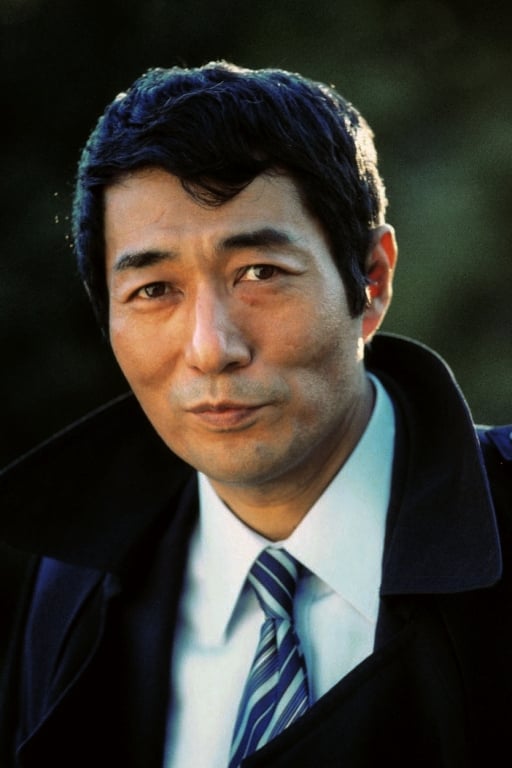
Shūji Terayama (December 10, 1935 – May 4, 1983) was an avant-garde Japanese poet, dramatist, writer, film director, and photographer. According to many critics and supporters, he was one of the most productive and provocative creative artists to come out of Japan. He was born December 10, 1935, the only son of Hachiro and Hatsu Terayama in Hirosaki city in the northern Japanese prefecture of Aomori. His father died at the end of Pacific War in Indonesia in September 1945. At the age of nine, his mother moved to Kyūshū to work at an American military base while he himself went to live with relatives in the city of Misawa, also in Aomori. At this same time, Terayama lived through the Aomori air raids that killed more than 30,000 people.
Terayama entered Aomori Prefectural Aomori High School in 1951, and in 1954 went to prestigious Waseda University's Faculty of Education to study Japanese language and literature. However, he soon dropped out because he fell ill with nephrotic syndrome. He received his education through working in bars in Shinjuku. His oeuvre includes a number of essays claiming that more can be learned about life through boxing and horse racing than by attending school and studying hard. Accordingly, he was one of the central figures of the "runaway" movement in Japan in the late 1960s, as depicted in his book, play, and film "Throw Away Your Books, Run into the Streets!
In 1967, Terayama formed the Tenjō Sajiki theater troupe, whose name comes from the Japanese translation of the 1945 Marcel Carné film "Les Enfants du Paradis", so can be translated as "children of heaven", however its correct translation is "Ceiling Gallery" and has a meaning similar to the English expression "Peanut Gallery". The troupe was dedicated to the avant-garde and staged a number of controversial plays tackling social issues from an iconoclastic perspective. Some major plays include "Bluebeard", "Yes", and "The Crime of Fatso Oyama", among others. Also involved with the theater were artists Aquirax Uno and Tadanori Yokoo, who designed many of the advertisement posters for the group. Musically, he worked closely with experimental composer J.A. Seazer and folk musician Kan Mikami.
He was also involved in poetry and at 18 was the second winner of the Tanka Studies Award.
Terayama experimented with ‘city plays’, a fantastical satire of civic life.
Also in 1967, Terayama started an experimental cinema and gallery called 'Universal Gravitation,' which is in fact still in existence at Misawa as a resource center. The Terayama Shūji Memorial Hall, which has a large collection of his plays, novels, poetry, photography and a great number of his personal effects and relics from his theatre productions, can also be found in Misawa. In 1976, he was a member of the jury at the 26th Berlin International Film Festival.
Terayama published almost 200 literary works, and over 20 short and full-length films.
He was married to Tenjō Sajiki co-founder Kyōko Kujō, but they later divorced, although they continued to work together until Terayama's death on May 4, 1983 from cirrhosis of the liver.
Description above from the Wikipedia article Shūji Terayama, licensed under CC-BY-SA, full list of contributors on Wikipedia
2017
Himself (archive footage)
2013
Scénario

1993
Réalisation
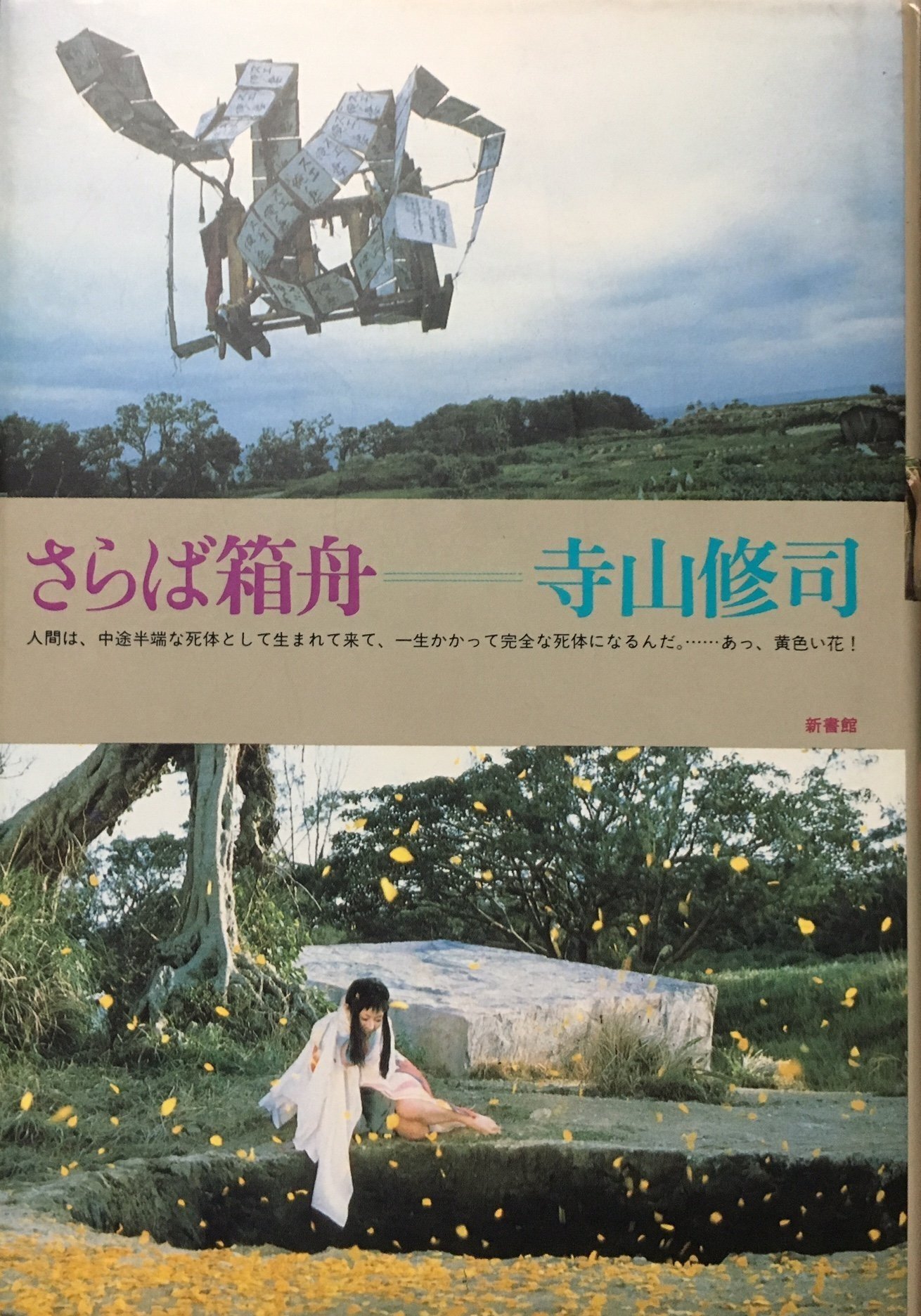
Un jeune homme qui vit avec sa cousine est la risée des villageois parce que toutes relations sexuelles leur sont interdites. Par désespoir, il tue le chef du village, avant de sombrer dans la folie.
1984
Réalisation
1984
Scénario
1983
Self

1983
Réalisation
1983
Scénario
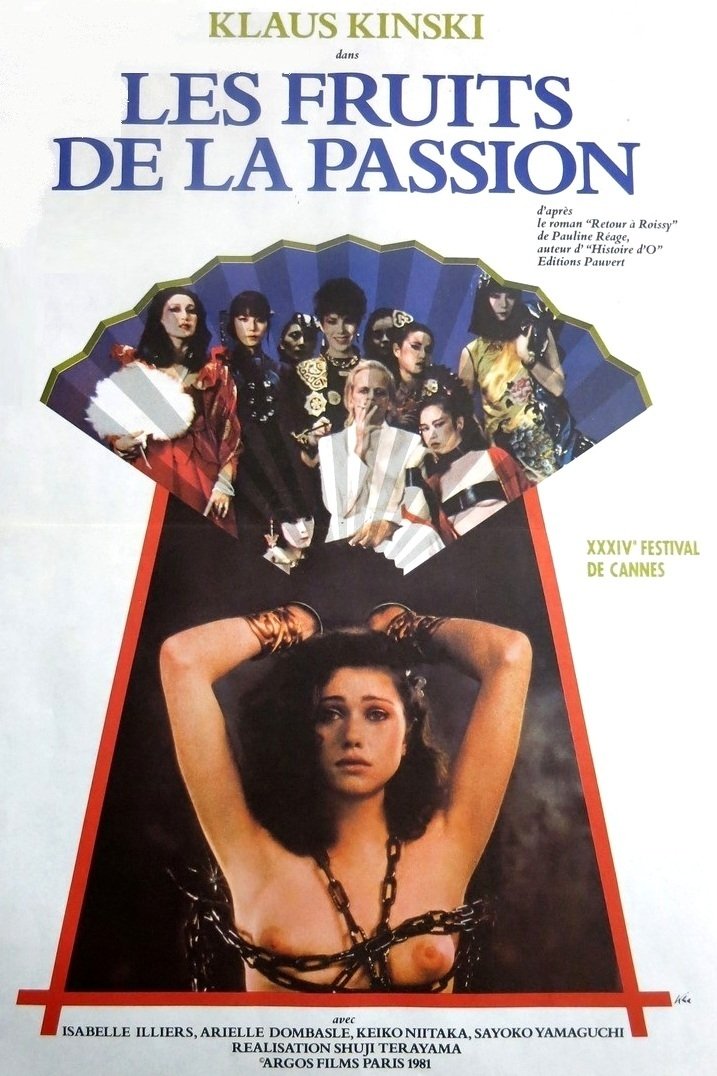
Chine, 1929. O est placée par Sir Stephen dans une maison close où elle subit les pires sévices sexuels. Lors de la révolte des étrangers, un adolescent s'éprend d'O et la protège. Furieux, Sir Stephen le tue...
1981
Réalisation
1981
Réalisation
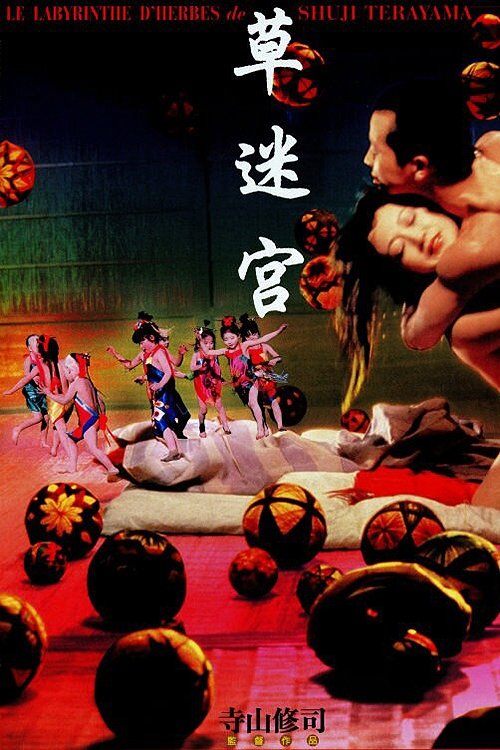
Fasciné par sa mère disparue, Akira essaie de retrouver les paroles d'une comptine qui évoque pour lui le bonheur, la période heureuse et insouciante de l'enfance.
1979
Réalisation

1979
Réalisation
1978
Himself

Ancien joueur de baseball, Third séjourne dans un centre de redressement pour avoir commis un meurtre.
1978
Scénario
1978
Réalisation
1978
Réalisation
1978
Réalisation
1978
Réalisation
1977
Scénario

Un jeune boxeur tue accidentellement le frère d'un ex-champion, qui va par la suite devenir son entraîneur.
1977
Réalisation
1977
himself
1977
Scénario
1977
Réalisation
1977
Réalisation
1976
Réalisation
1975
Réalisation
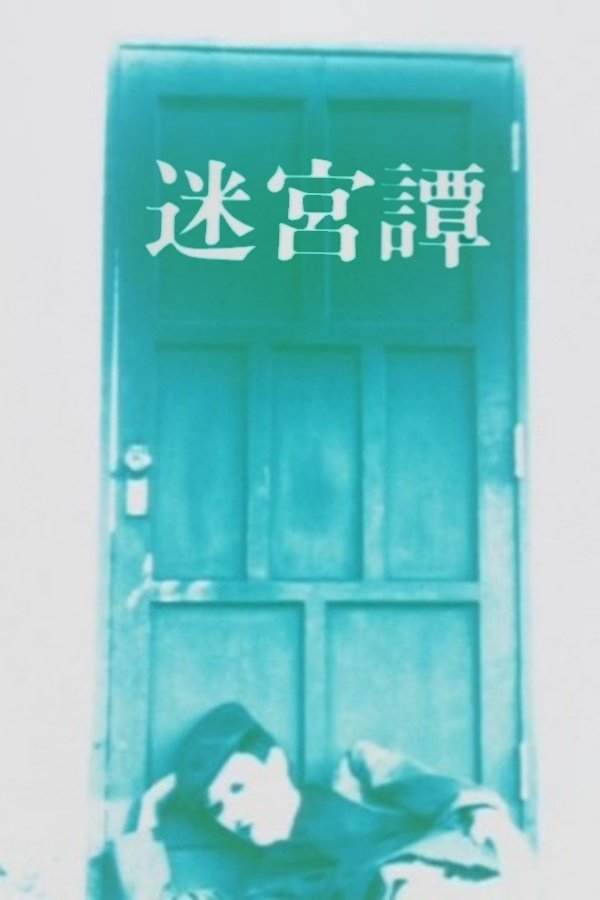
1975
Réalisation
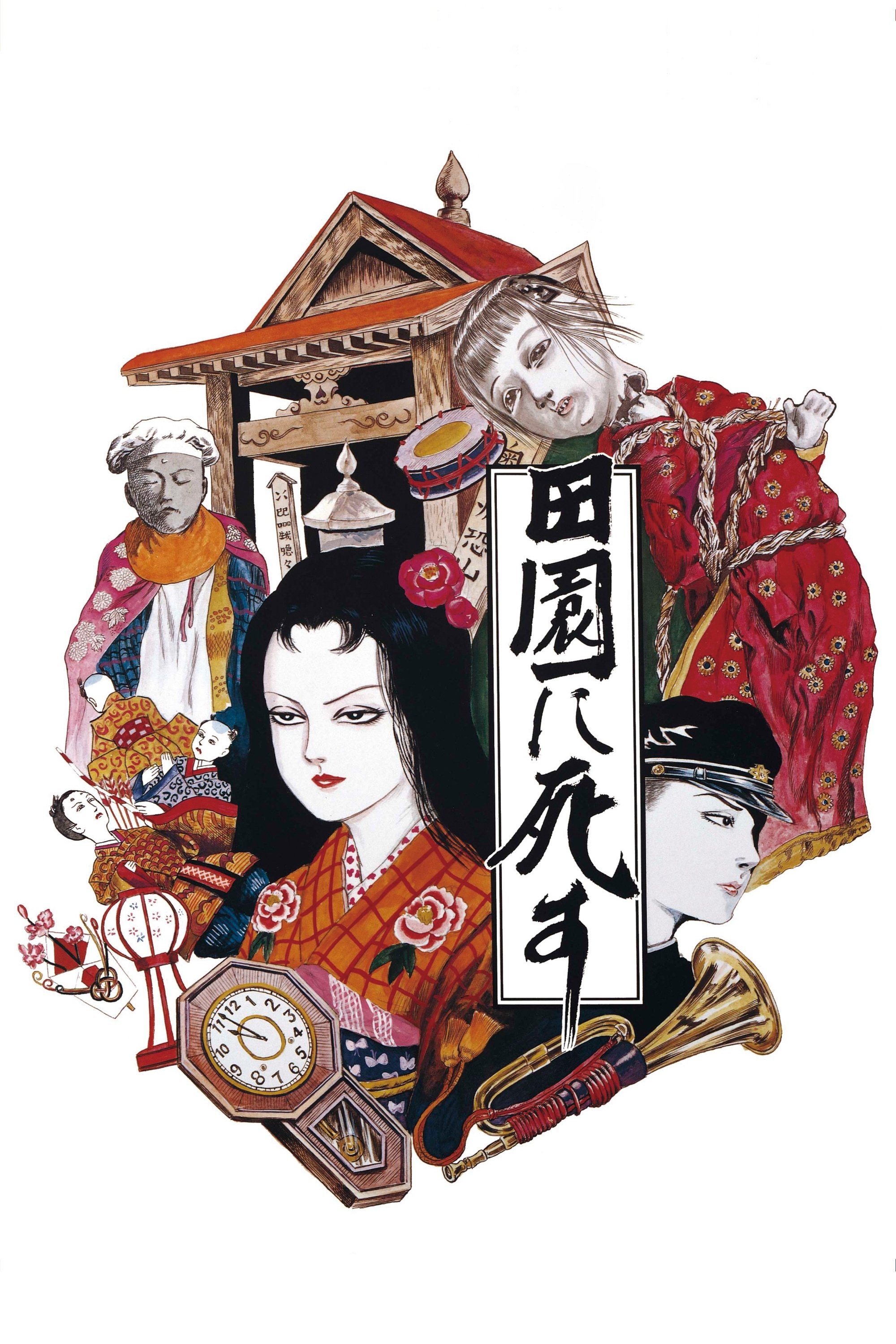
Racontant son enfance dans le film qu'il est en train de tourner, un cinéaste part à la recherche de son passé perdu et regrette de n'avoir pu tuer sa mère, trop présente dans sa vie. Il essaie à nouveau, mais ne peut accomplir le meurtre libérateur.
1974
Production
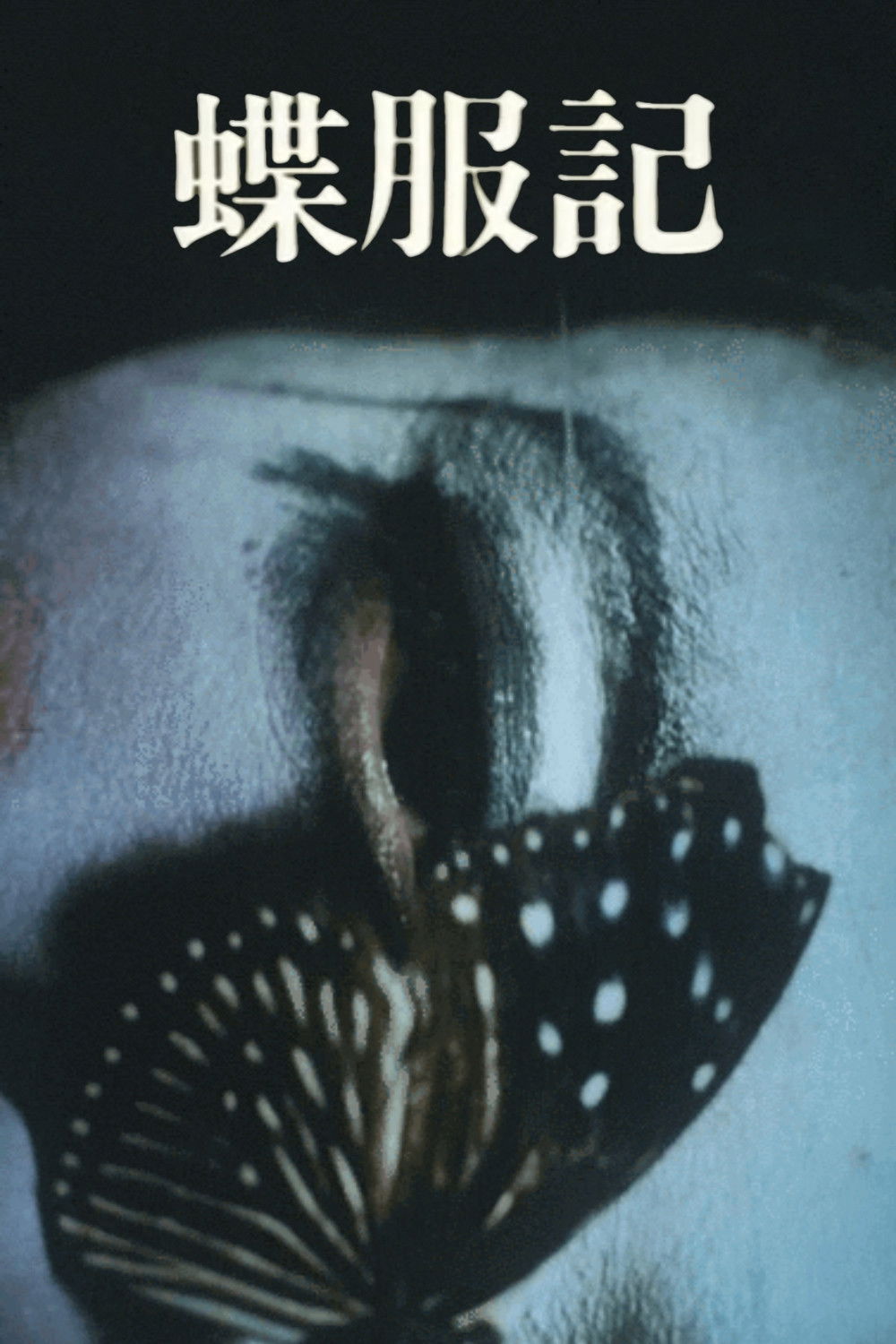
1974
Scénario

1974
Réalisation
1974
Scénario

1973
Réalisation
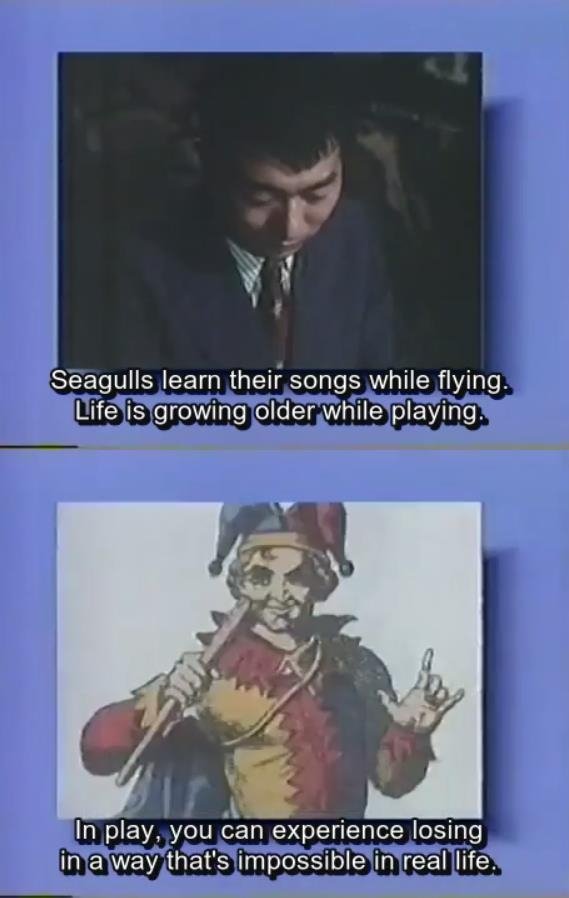
1973
Himself
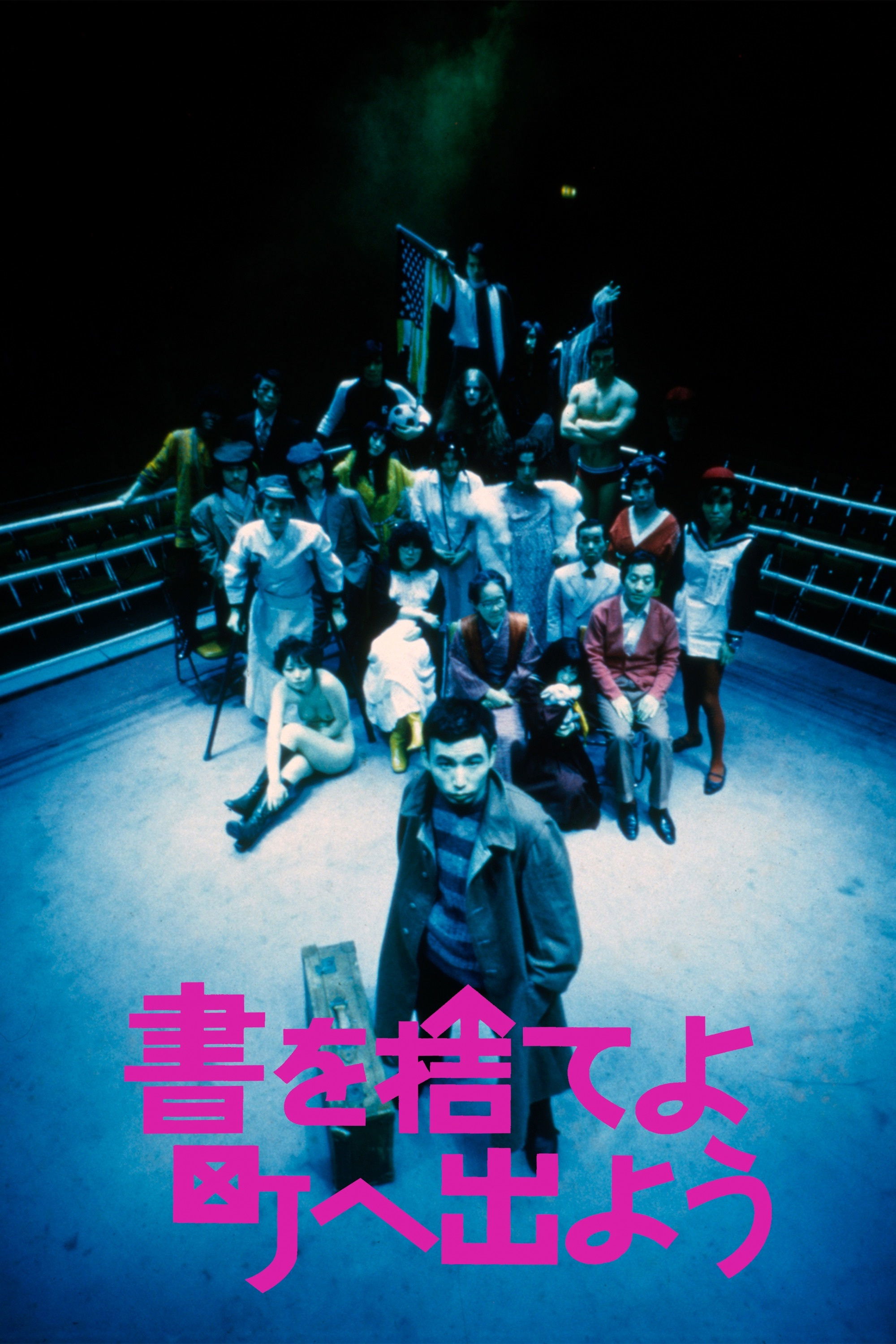
Un adolescent angoissé s'occupe de sa famille dysfonctionnelle dans la rue. L'histoire est entrecoupée de différentes vignettes psychédéliques et énergiques.
1971
Scénario
1971
Réalisation
1966
Imura
1962
Scénario
1961
Scénario

Une équipe de tueurs à gages cherche à tuer une journaliste gênante... qui se tourne à son tour vers un tueur pour la protéger.
1961
Scénario
1960
Scénario
1960
Interprétation
1960
Réalisation
Himself