7,0
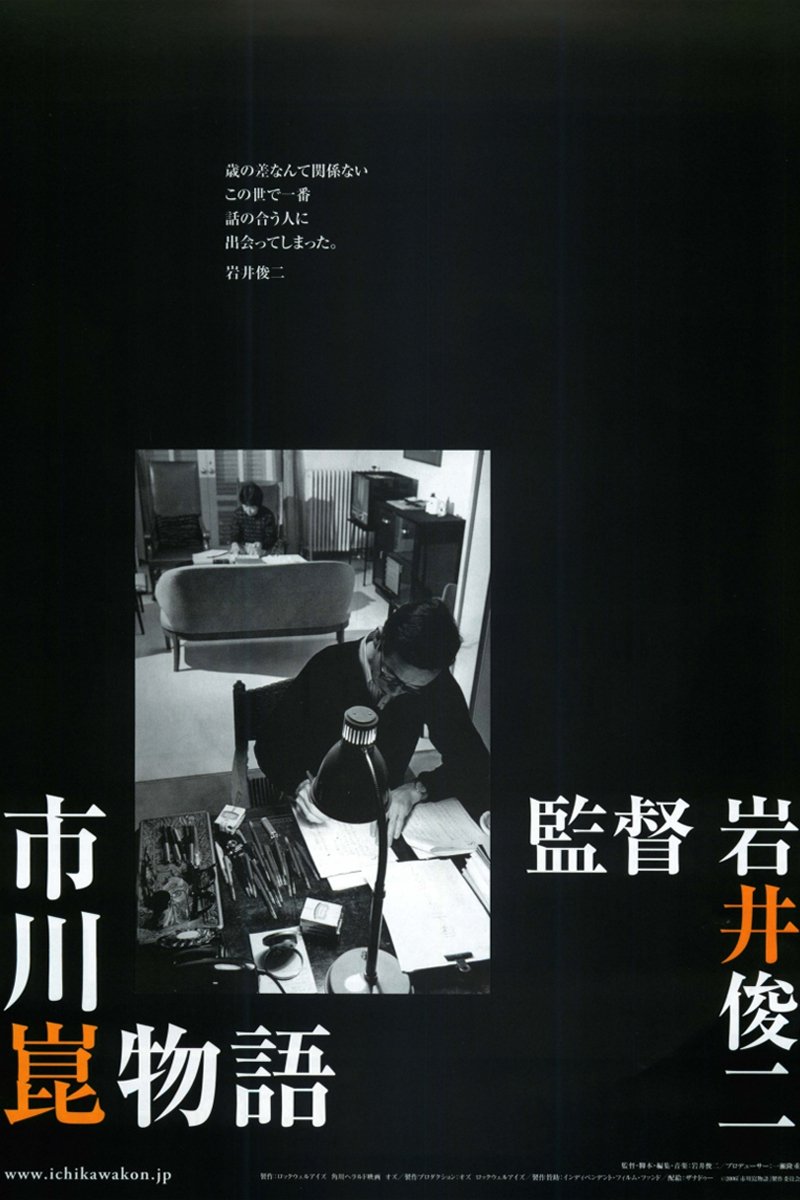
市川崑物語
2006
Interprétation
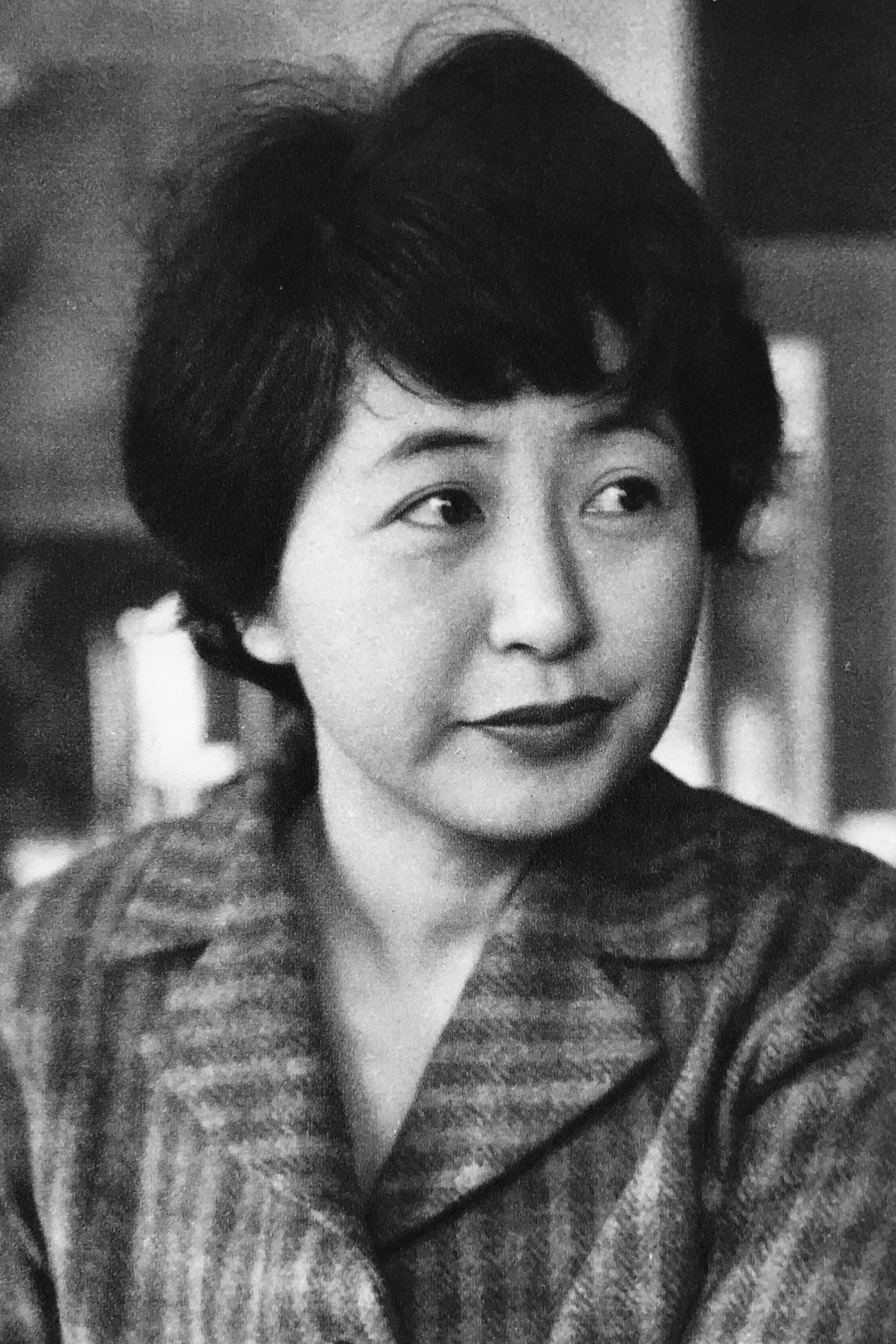
Natto Wada (和田 夏十, Wada Natto, 13 September 1920 – 18 February 1983), also known as Natsuto Wada, was a Japanese script writer and film columnist.
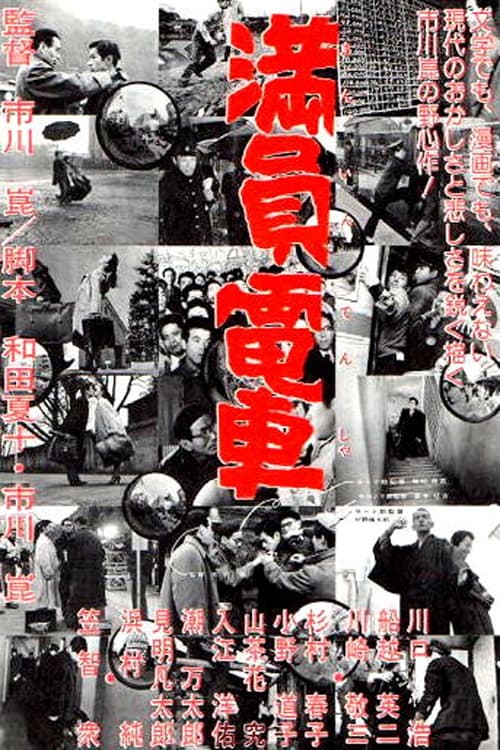
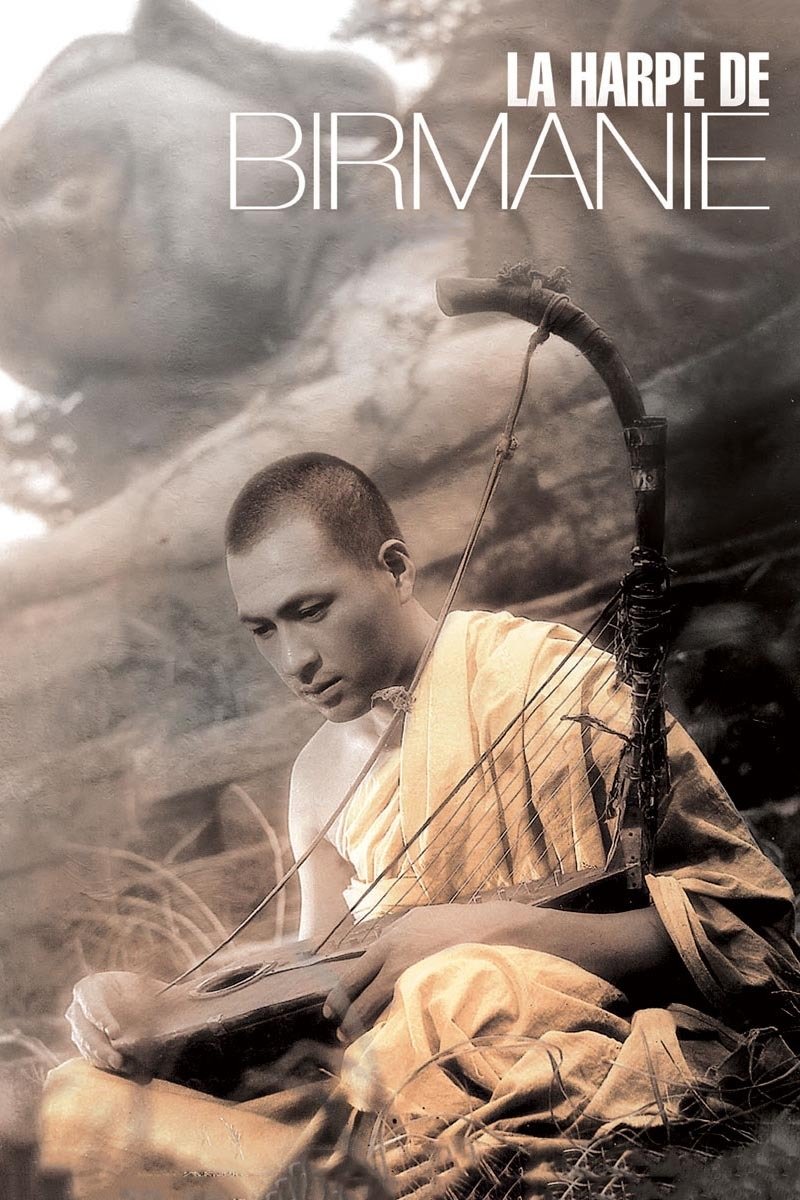
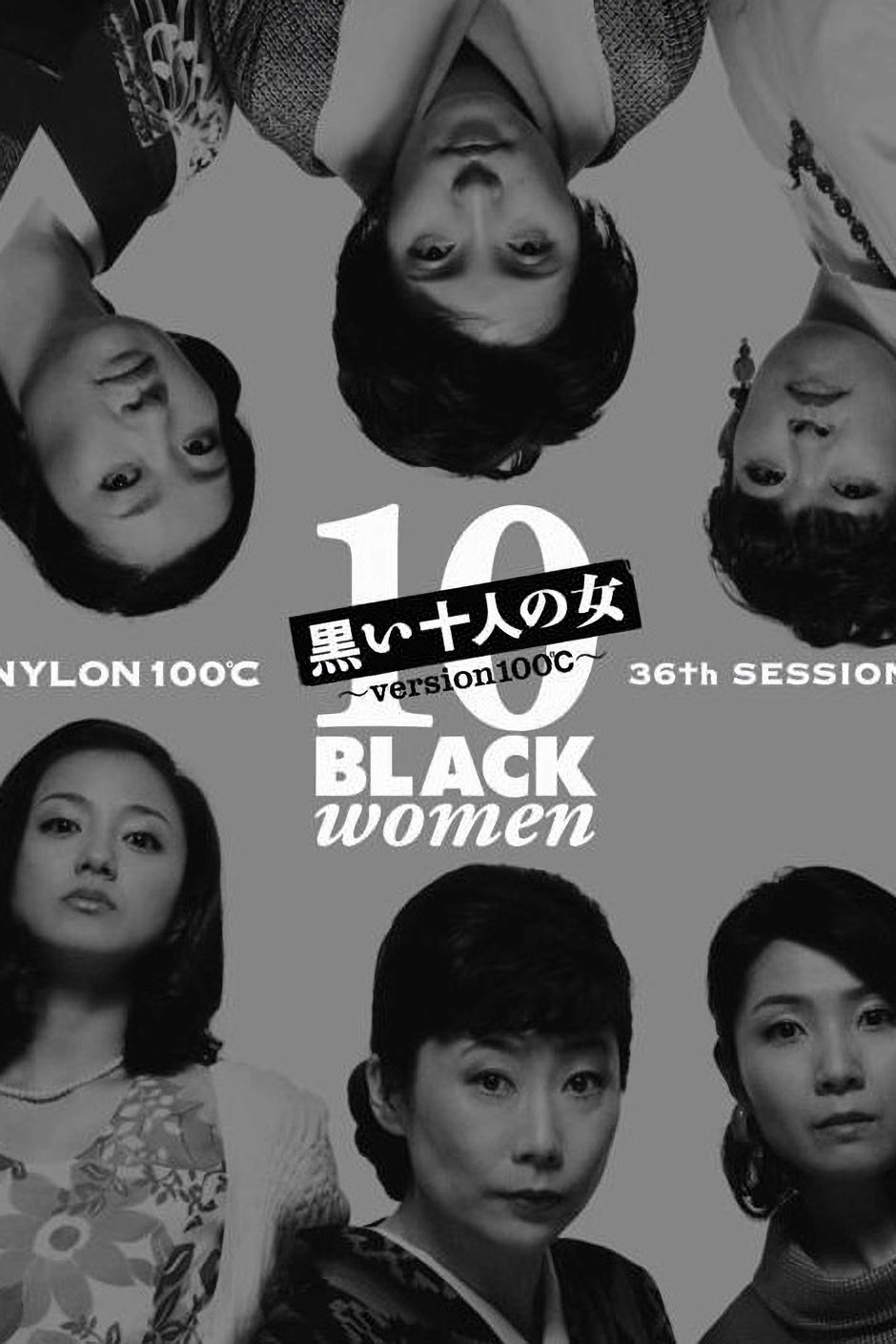
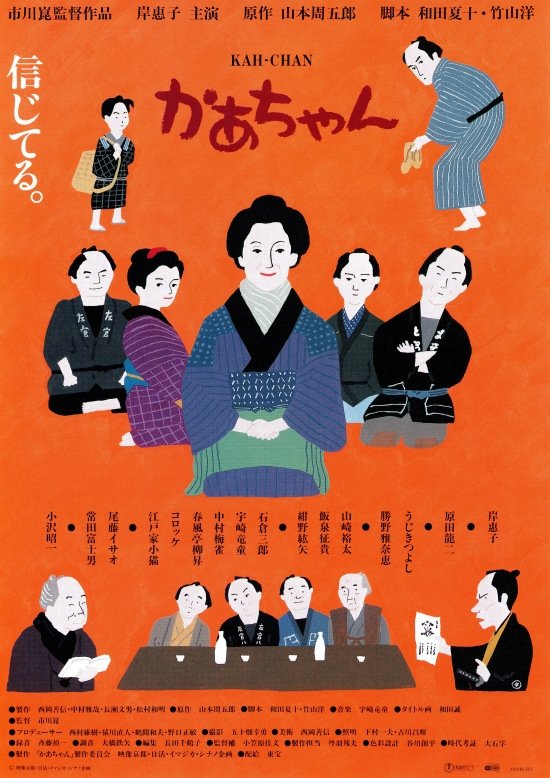
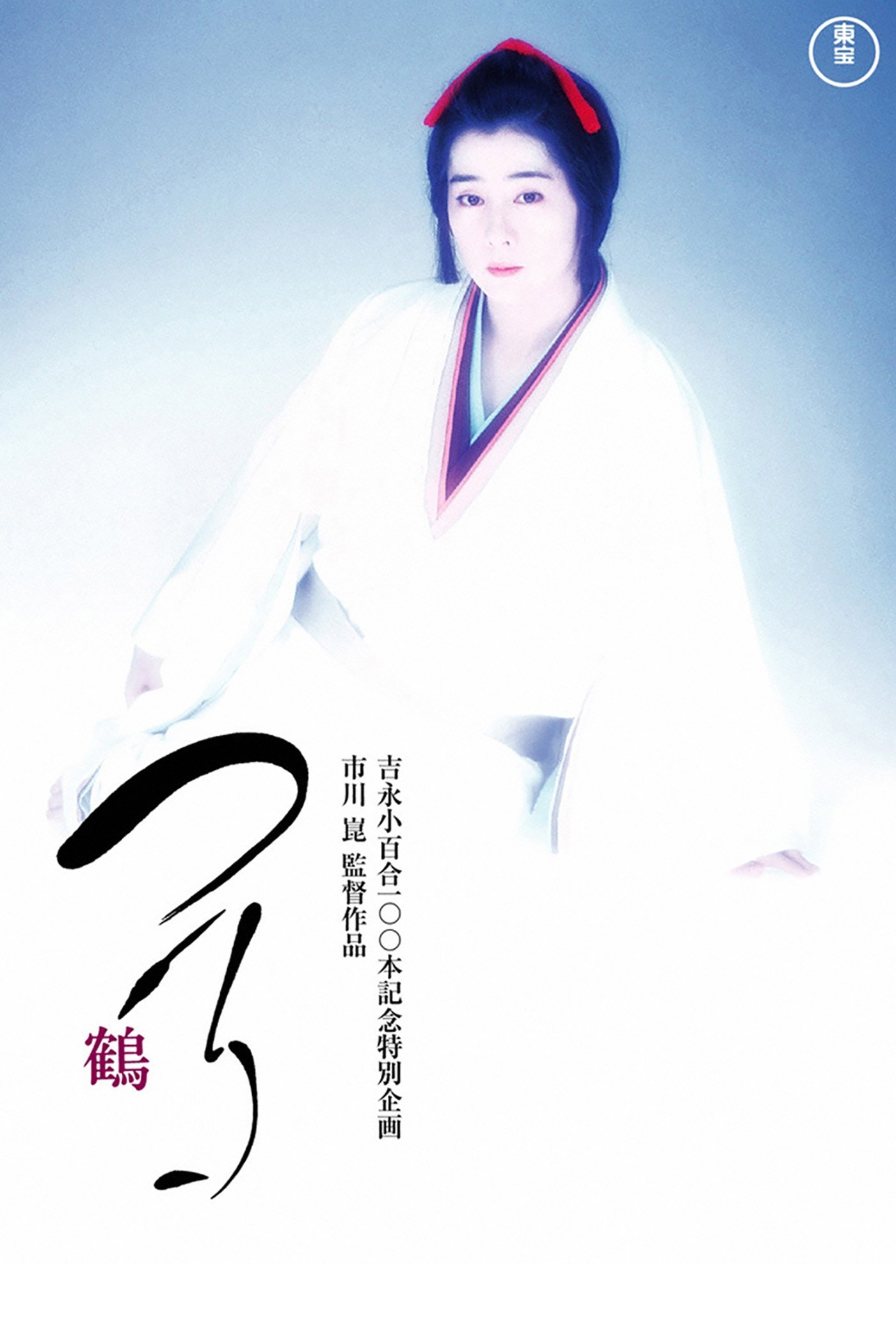
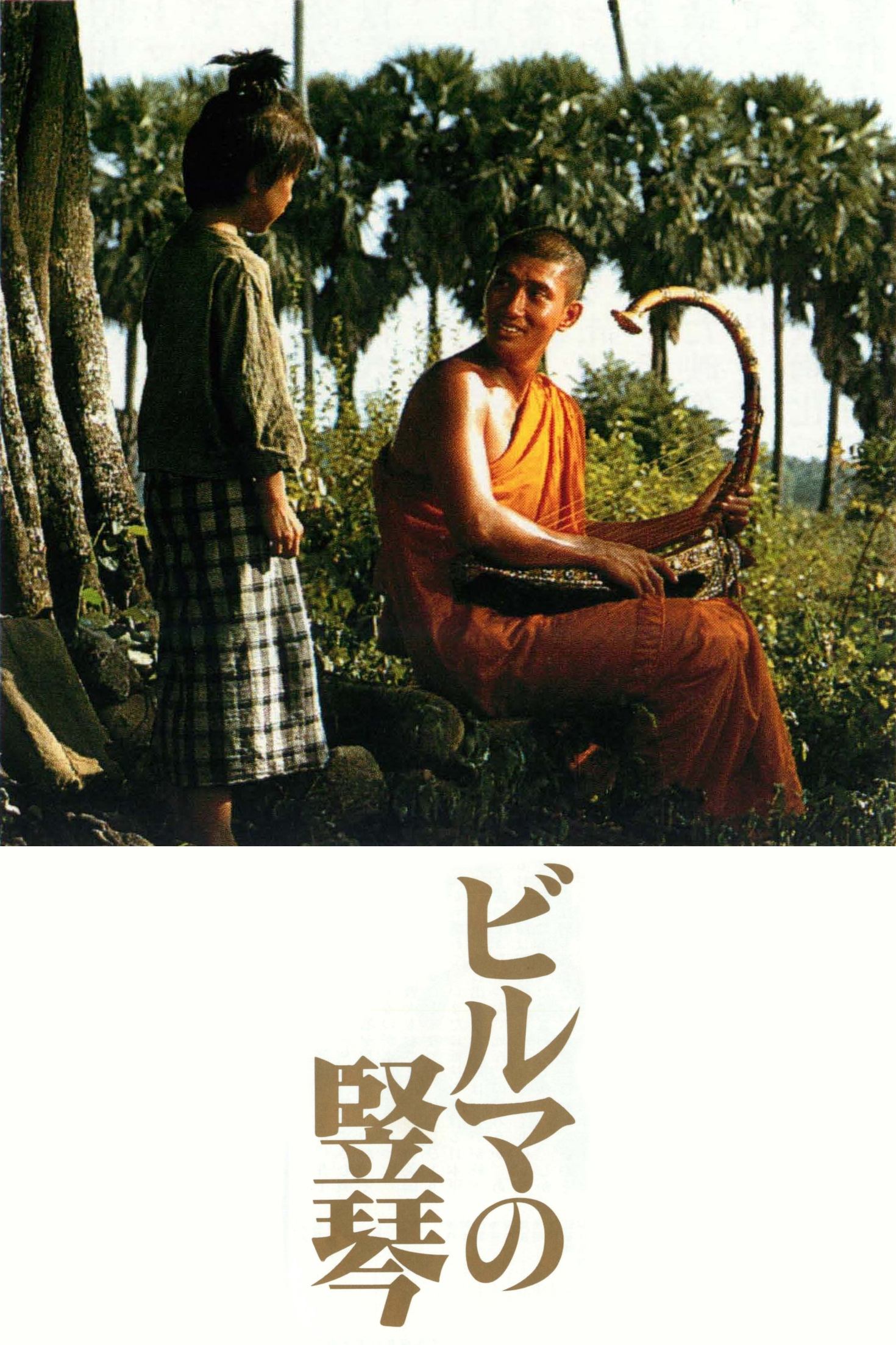
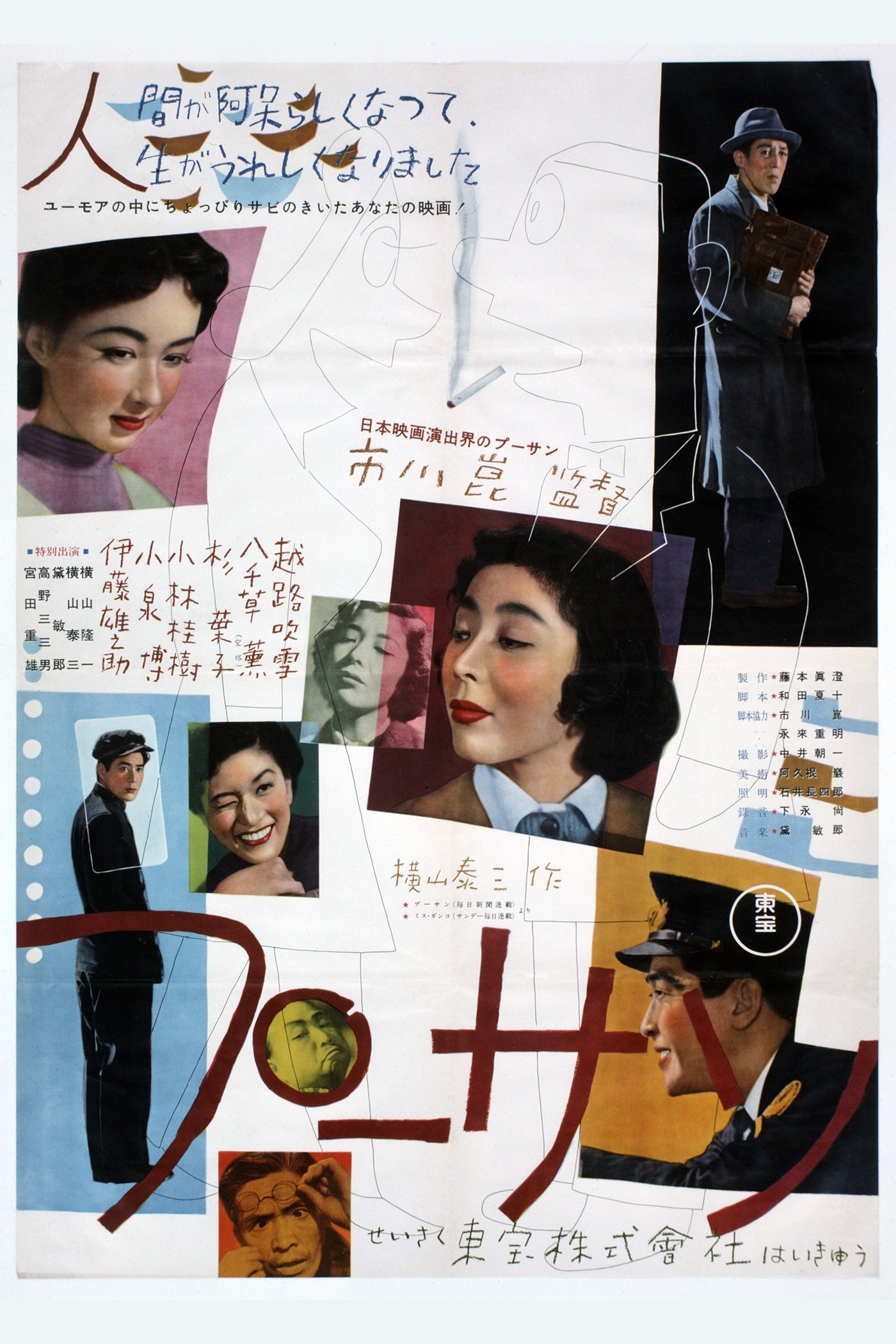
Wada graduated with an English degree from Tokyo Women's College in 1946. She started her career at the Fujimoto Cinema Production company, where she met her husband, Kon Ichikawa, a filmmaker who promoted her script work to colleagues and collaborated with her on several films. She began writing, or co-writing, scripts in 1951, and continued until 1965. Wada's scripts included the 1953 film Puu-san, a satirical comedy based on the manga of Yokoyama Taizo; the 1956 film Shokei no Heya, based on a novel by Ishihara Shintaro. That year, Wada also wrote Nihonbashi, based on a novel by Izumi Kyoka, which documented the rivalry of two geisha in a male-dominated culture. Kuroi Junin no Onna (Ten Dark Women) was a 1961 film that satirized an egotistical male's reliance on his wife to stay out of trouble. Also that year, Wada wrote Hakai (The Broken Commandment) a film adaptation of Shimazaki Toson's eponymous 1906 novel, which examined the life of a social outcast. Wada's adaptation was notable for strengthening the role of the female protagonist. Other film scripts by Wada or with collaborators include Biruma no Tategoto (Harp of Burma, 1956), based on the eponymous 1946 novel by Takayama Michio; Enjō (Conflagration, 1959) based on Mishima Yukio's 1956 novel, The Temple of the Golden Pavilion. Wada was also known for her work as an advice columnist during the 1960s. Her column, "Personal Life Consultation," ran in the Asahi Shimbun.
2006
Herself
2002
Scénario
2001
Scénario
1988
Scénario
1985
Scénario

Les Olympiades de Tokyo, en 1964, filmées avec plus de cent caméras.
1965
Scénario
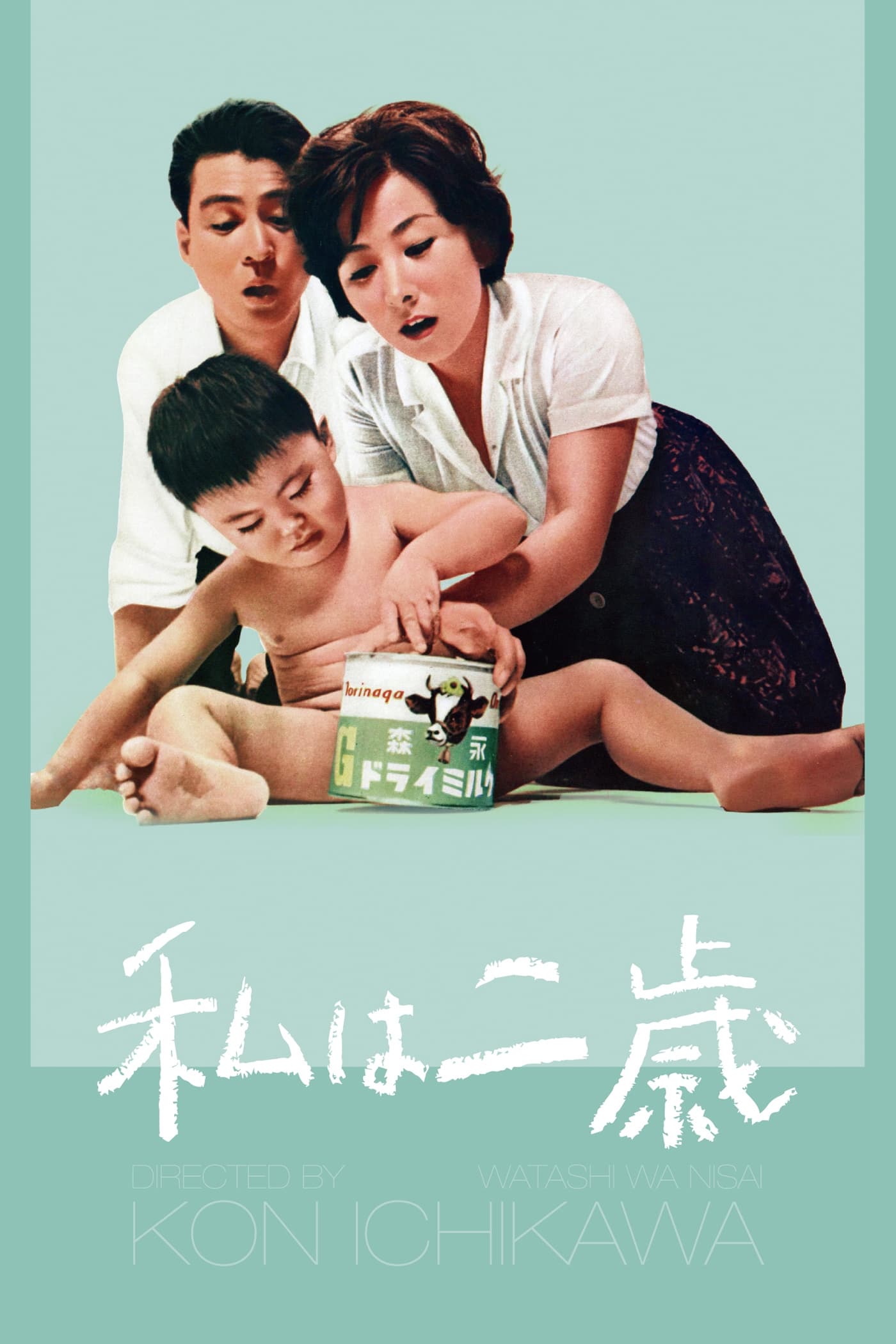
1962
Scénario
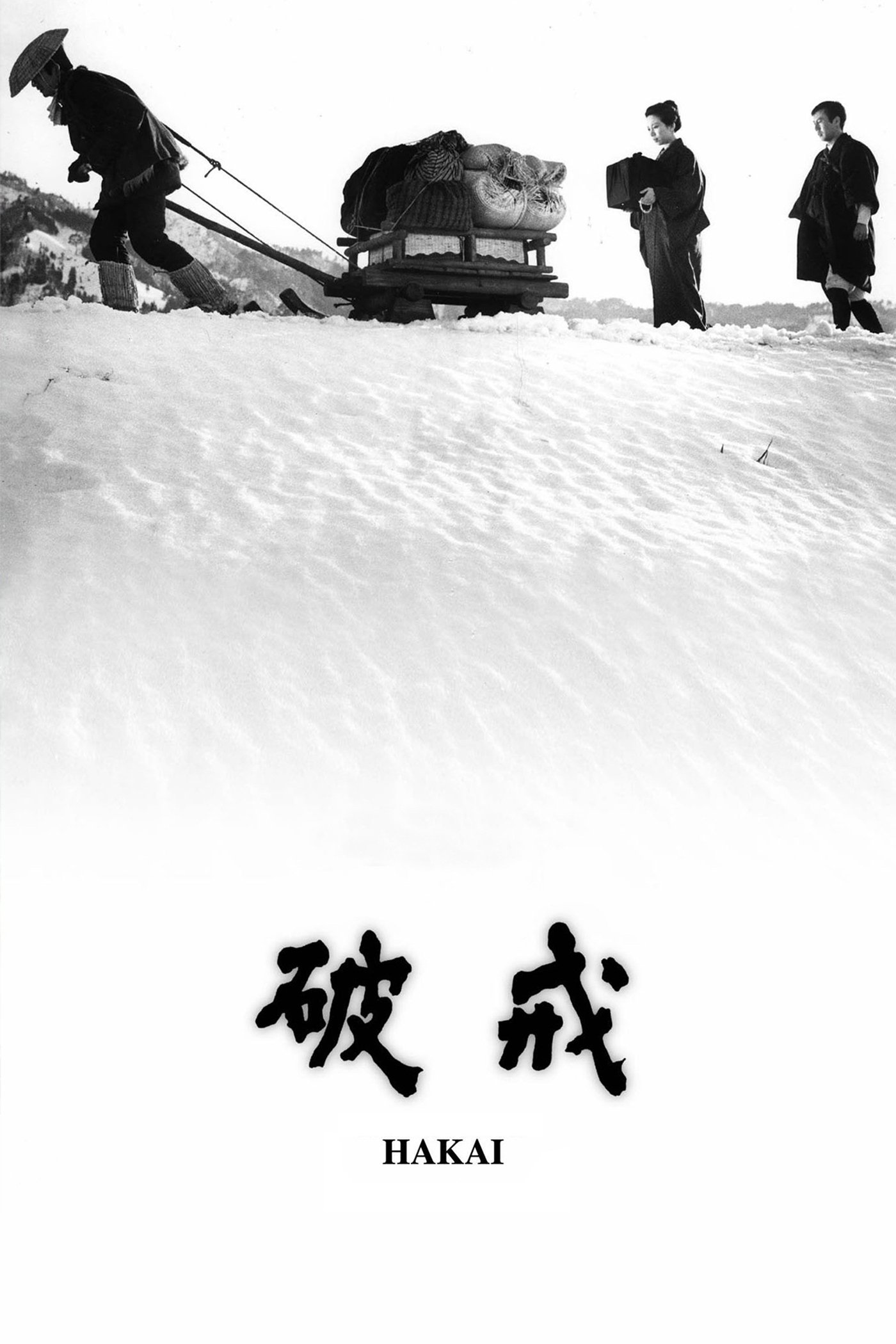
Un jeune homme a du mal à comprendre sa véritable identité dans un village reculé de castes au Japon, au début du XXe siècle.
1962
Scénario
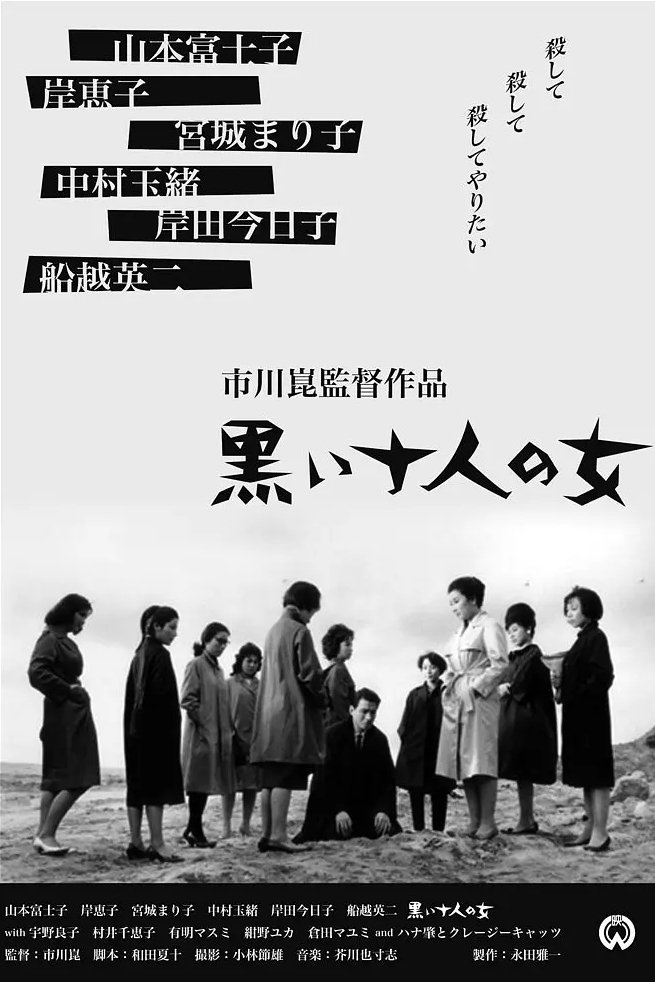
Un producteur de télévision projette de se débarrasser des dix femmes avec lesquelles il a entretenu une liaison. Bien mal lui en prend : celles-ci, maîtresses trompées et malheureuses, se solidarisent et trament un complot afin de l'assassiner.
1961
Scénario
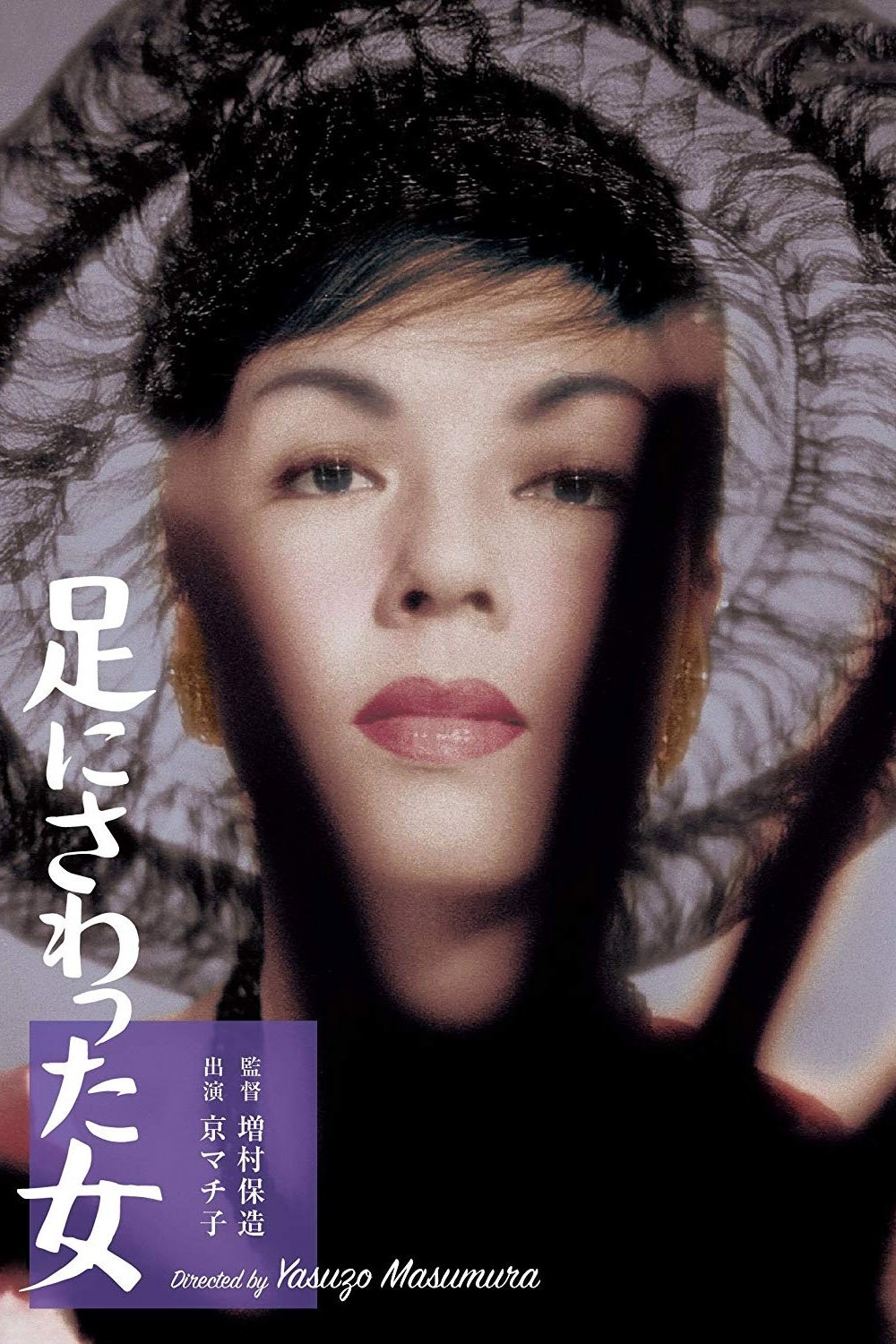
1960
Scénario
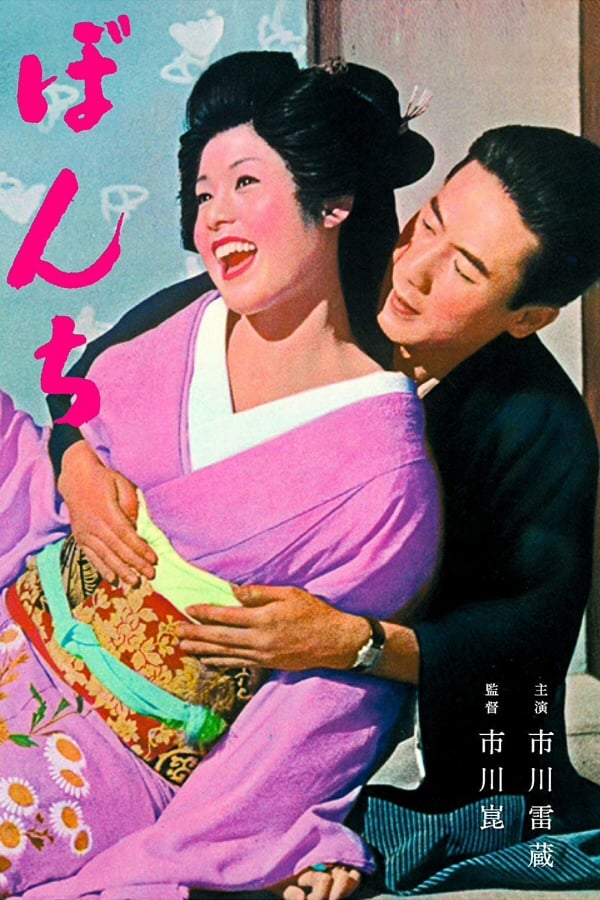
1960
Scénario
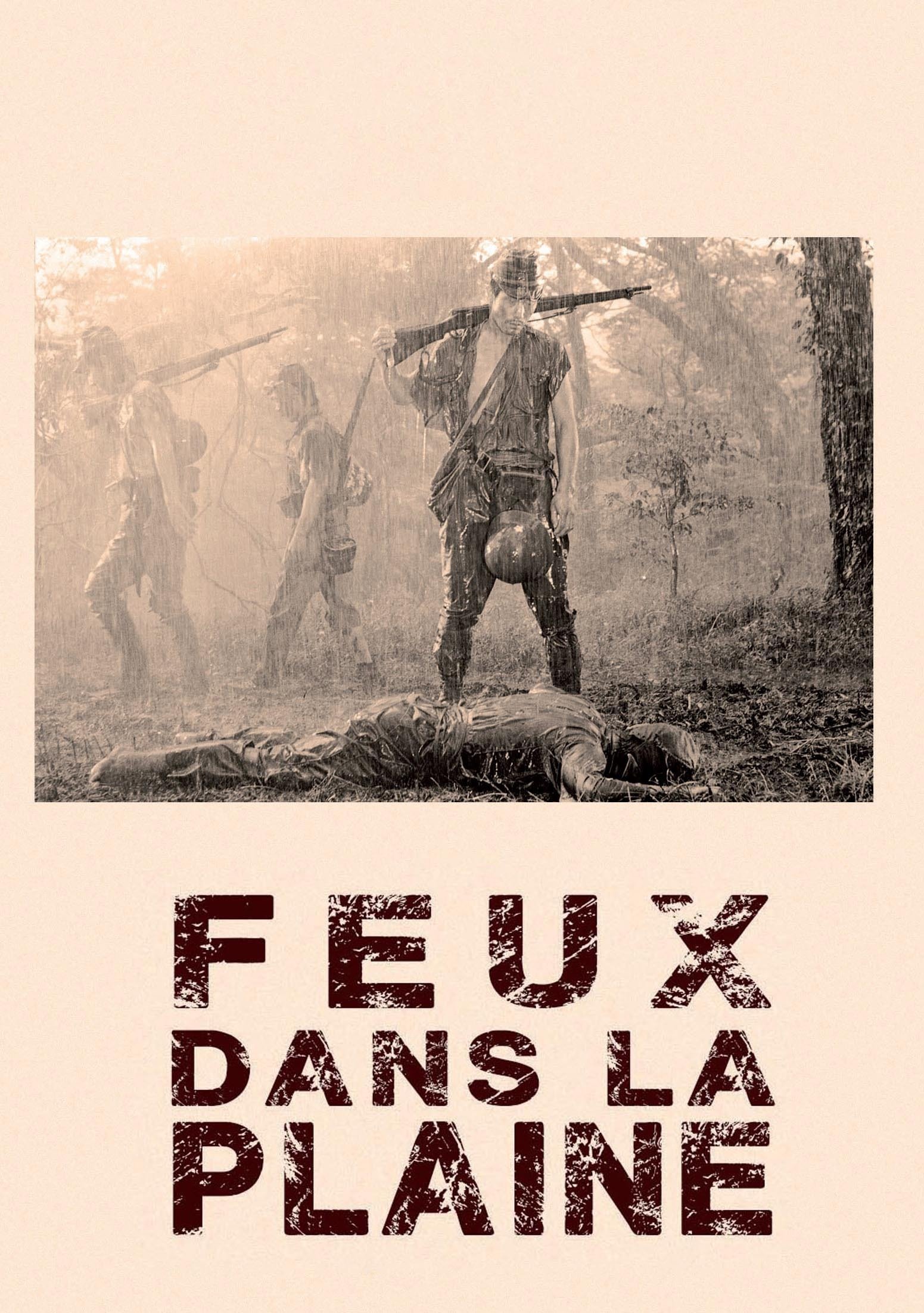
A la fin de la Seconde Guerre mondiale, le calvaire des derniers soldats japonais, pris entre les guérilleros philippins et les troupes américaines.
1959
Scénario
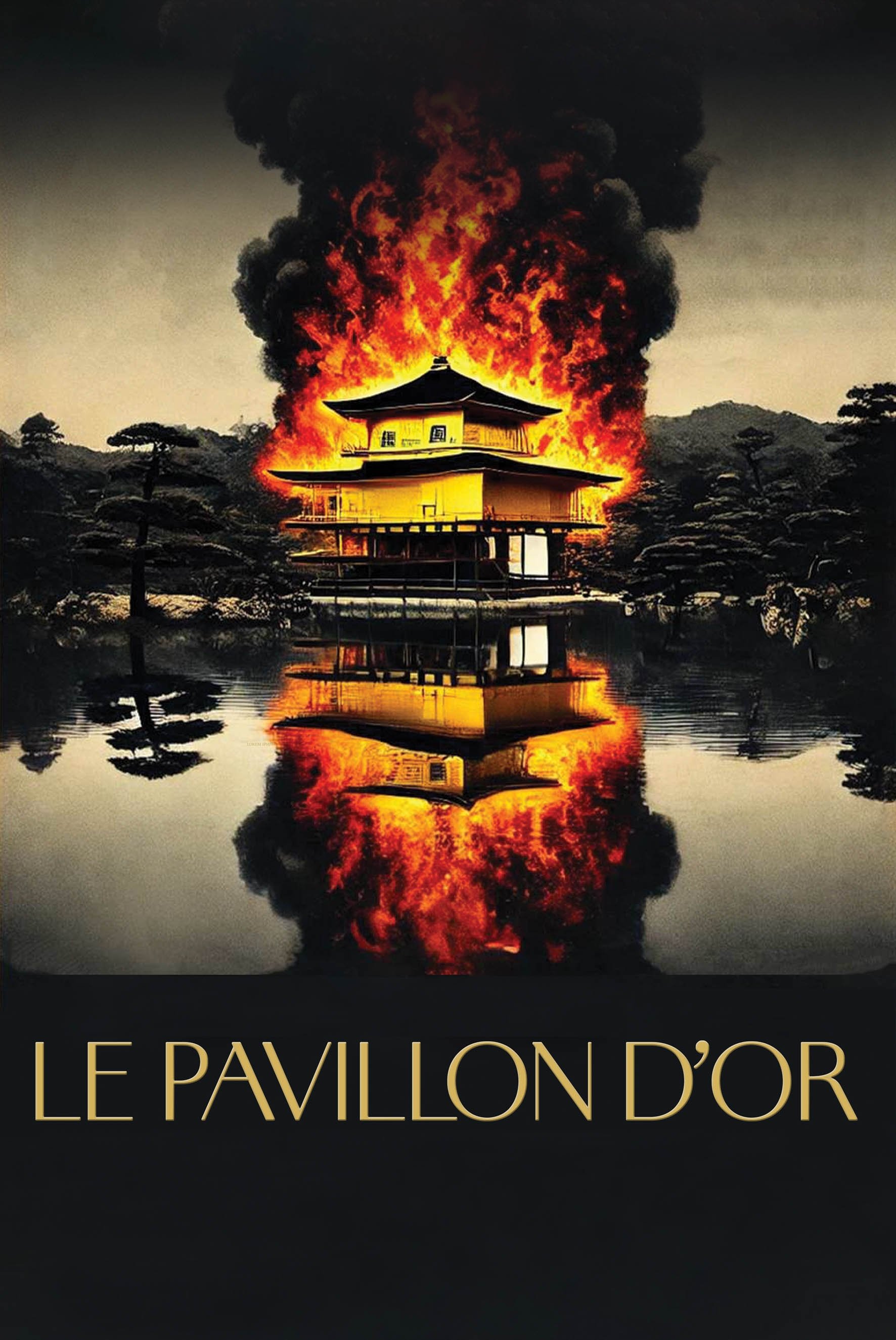
Un jeune homme brûle un symbole du Japon traditionnel, le Pavillon d'or du temple Rokuon-ji, à Kyôto.
1958
Scénario
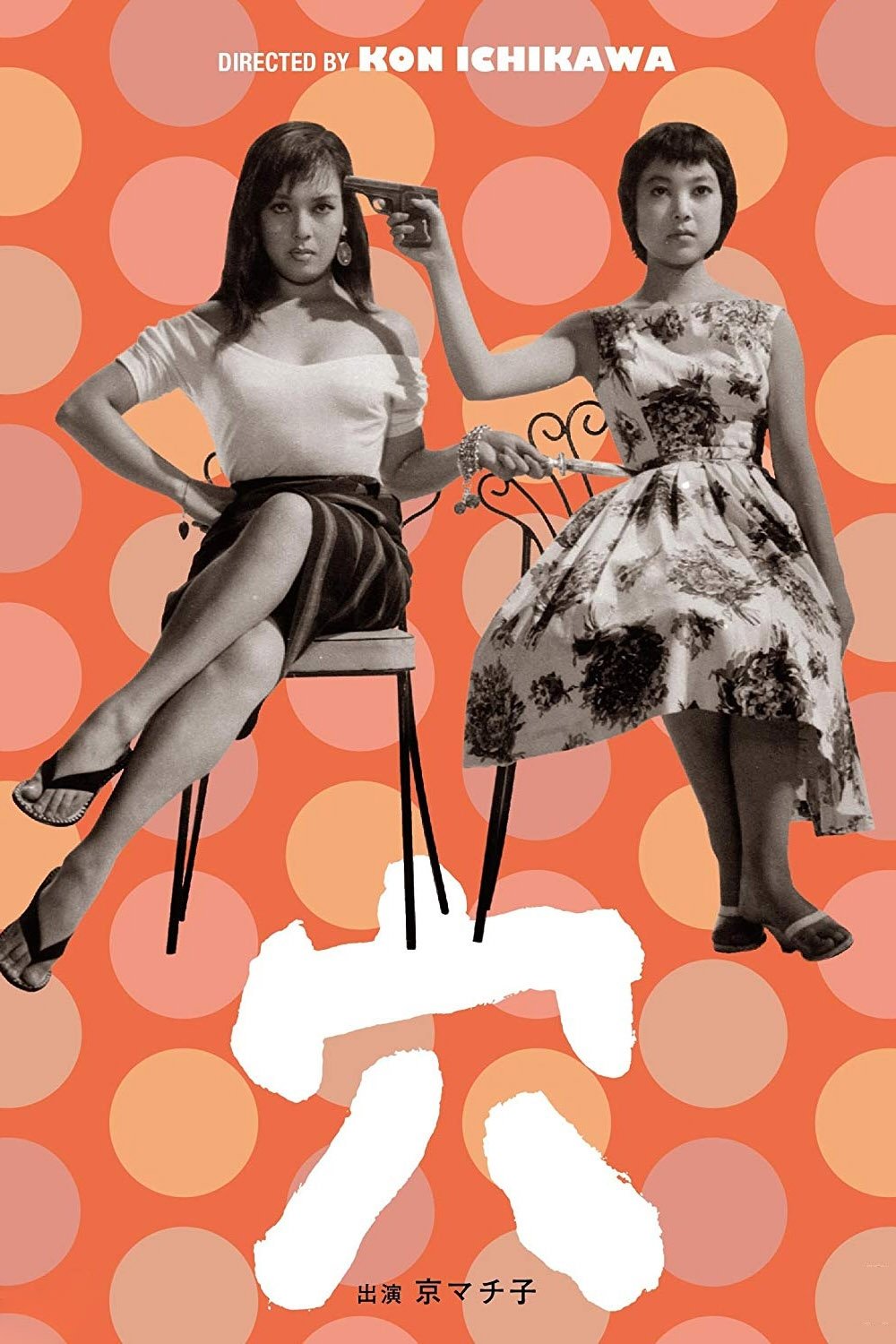
1957
Scénario
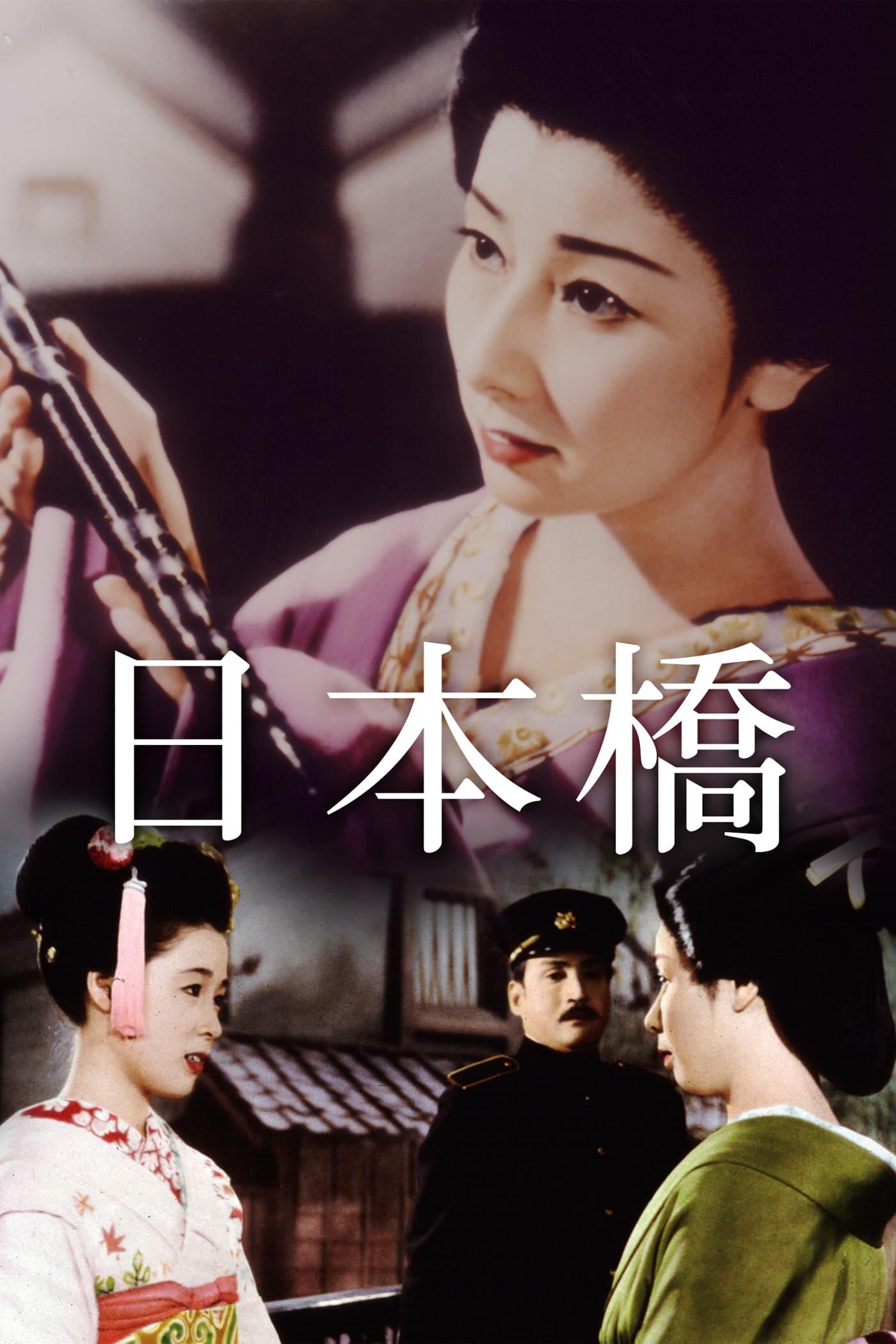
1956
Scénario
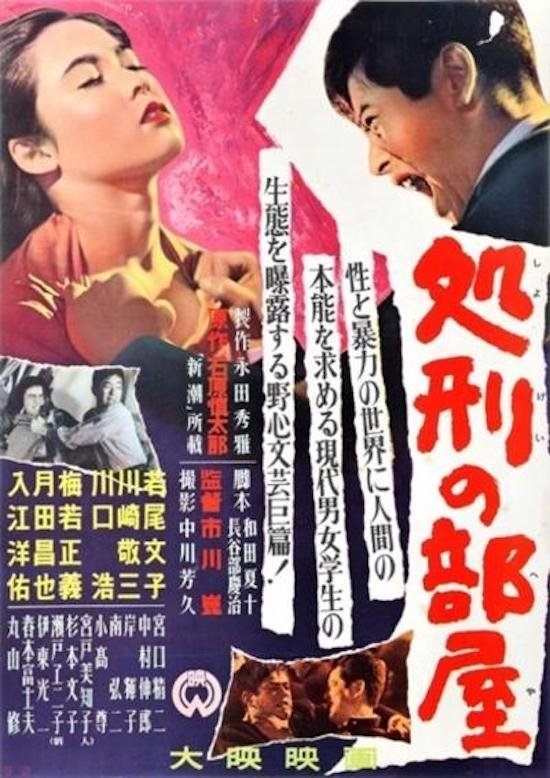
1956
Scénario
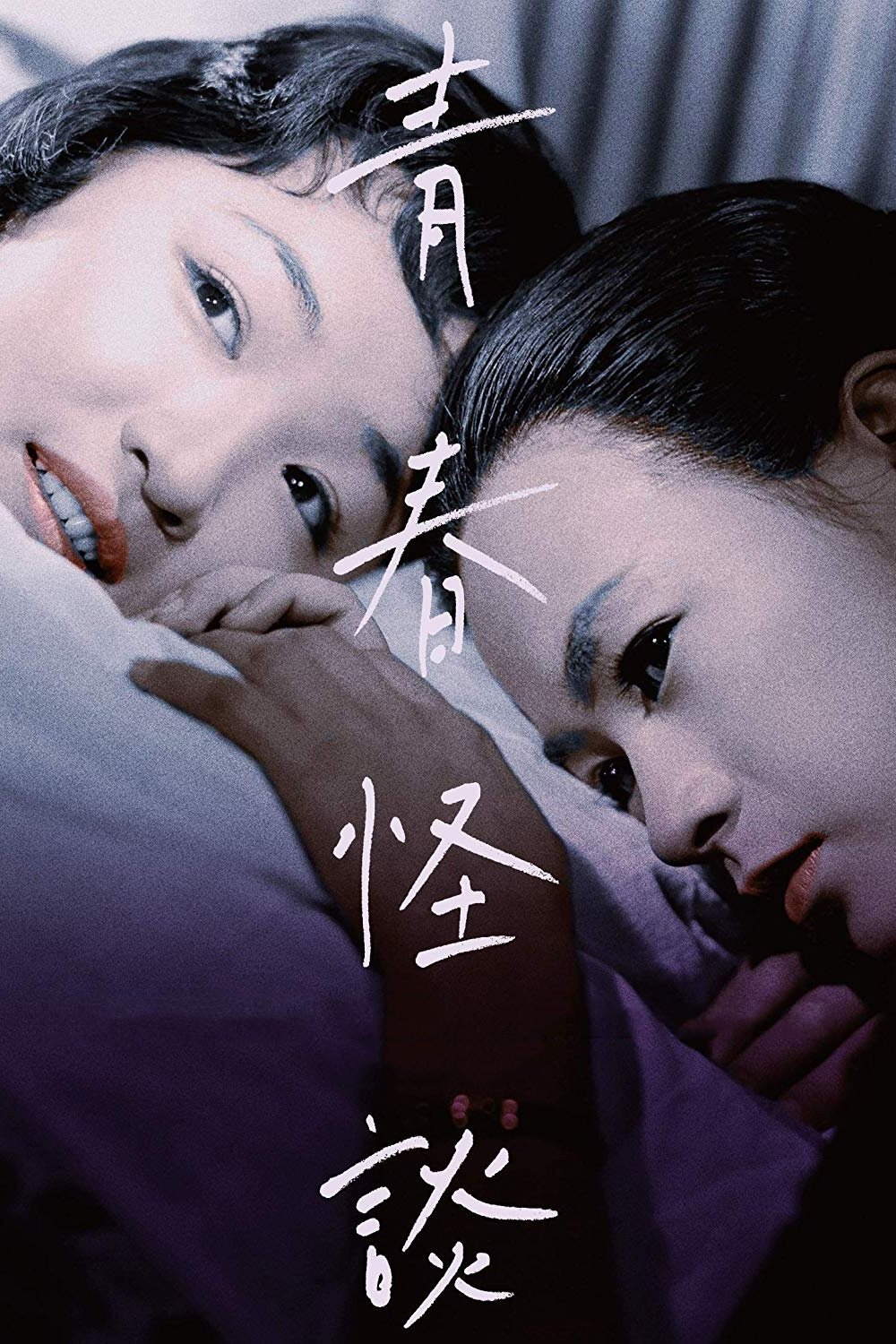
1955
Scénario
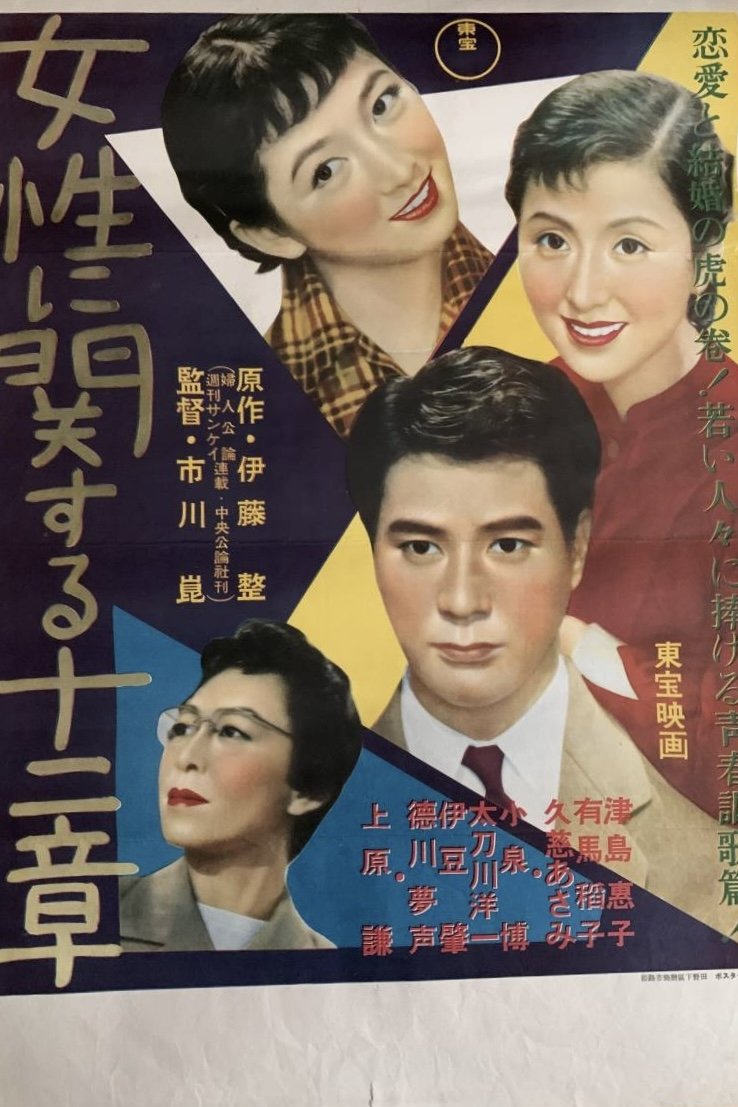
1954
Scénario
1954
Scénario
1953
Scénario
1953
Scénario
1953
Scénario
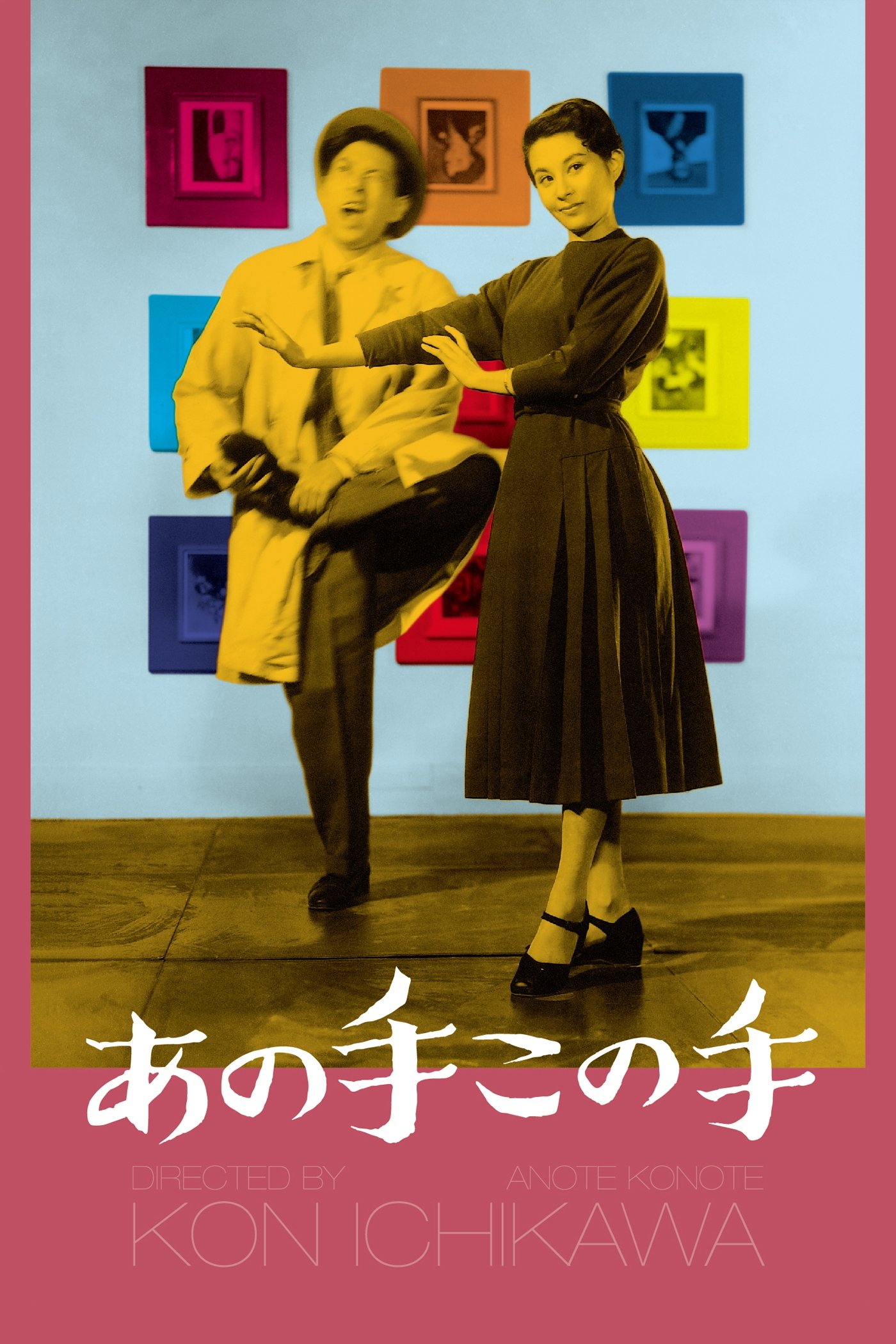
1952
Scénario
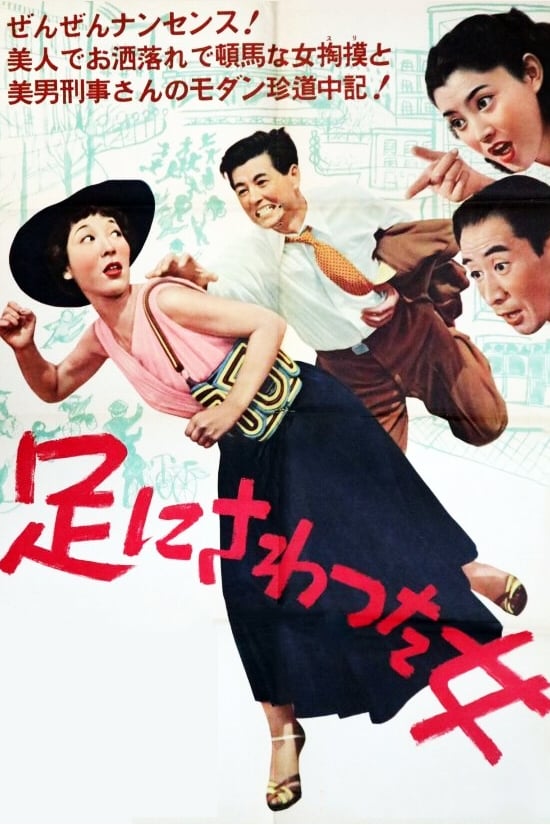
1952
Scénario
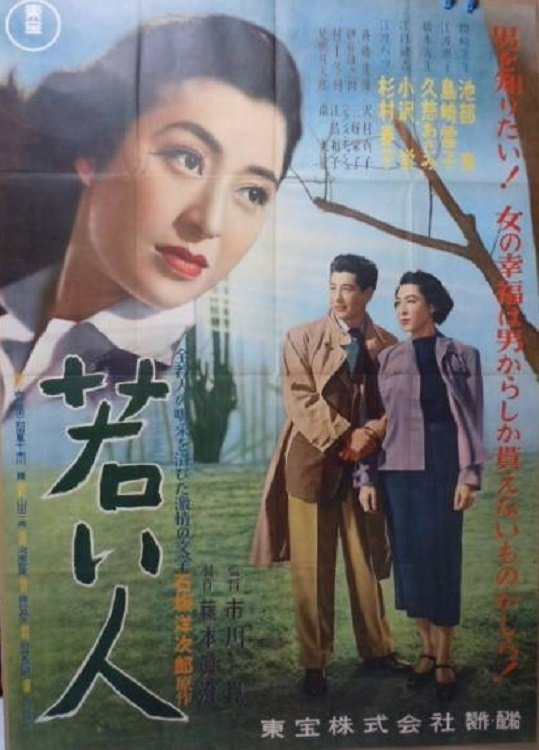
1952
Scénario
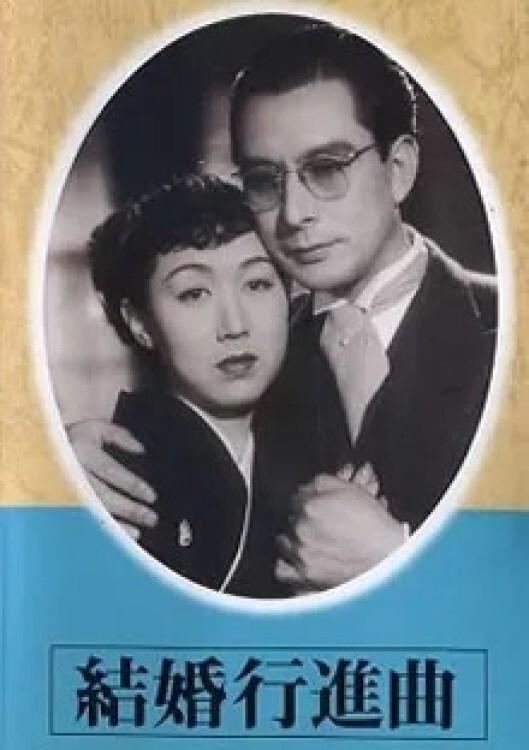
1951
Scénario
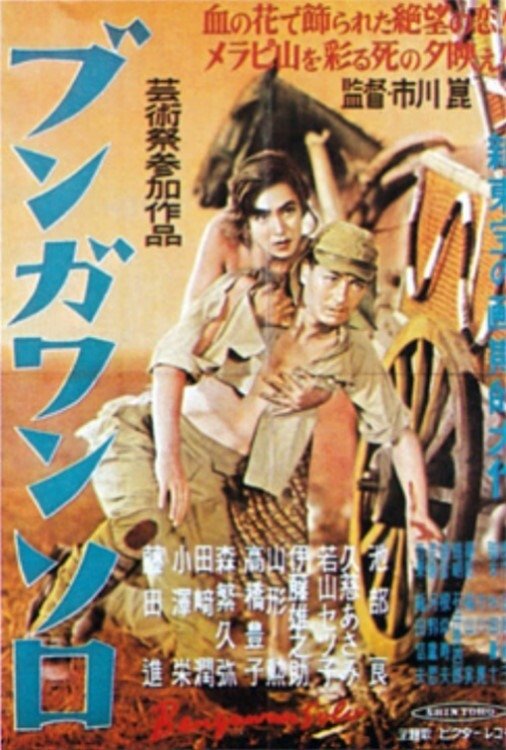
1951
Scénario
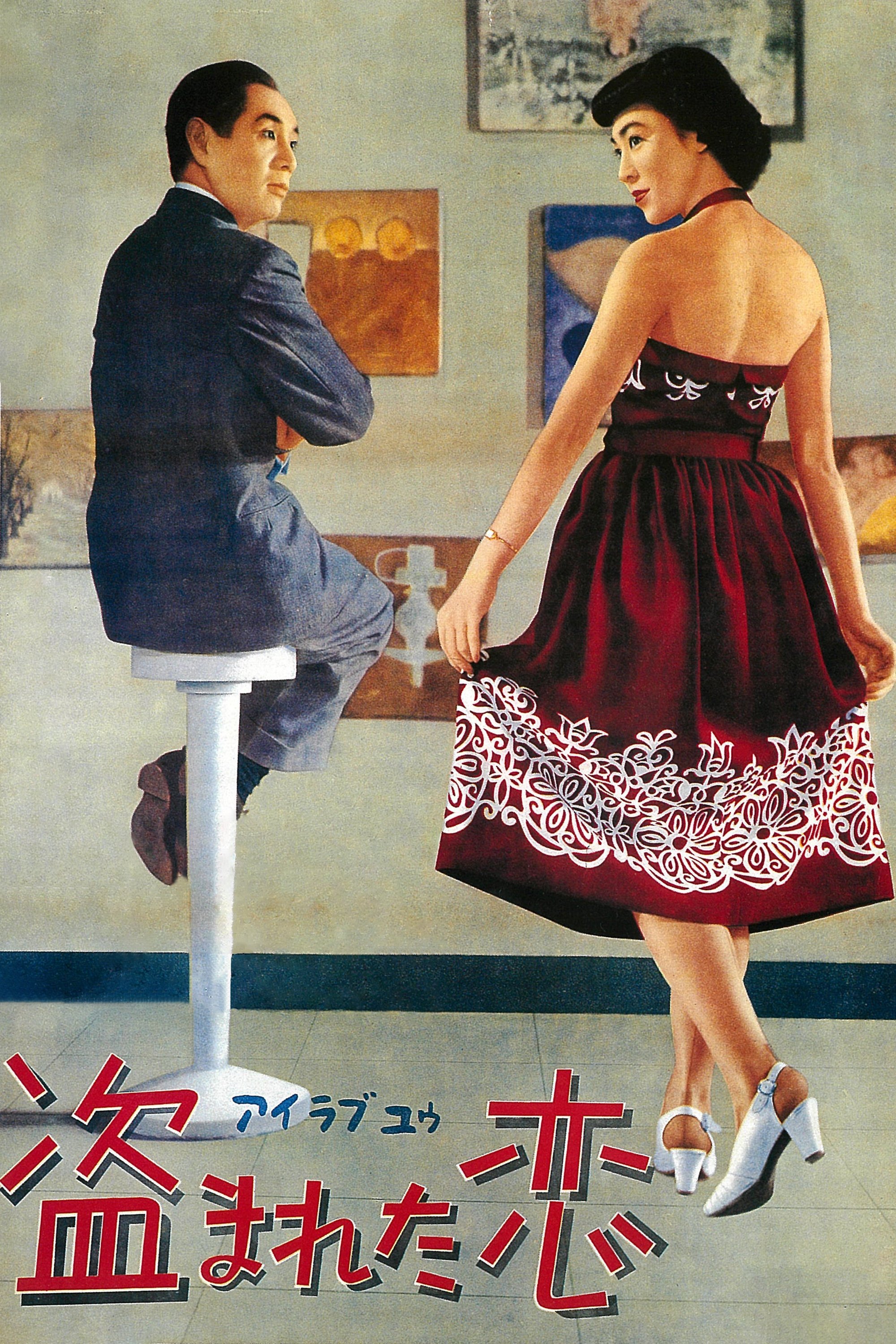
1951
Scénario
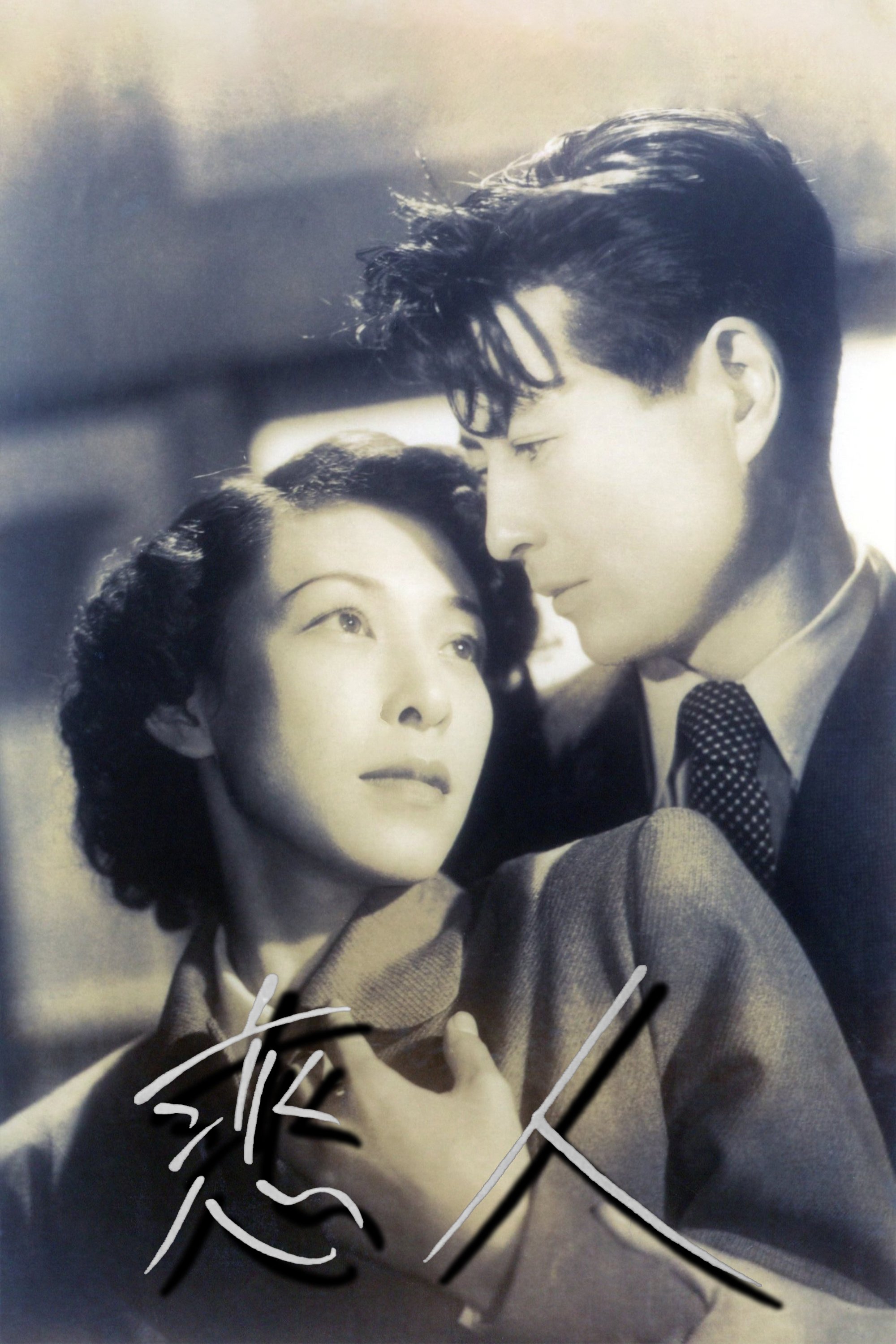
1951
Scénario
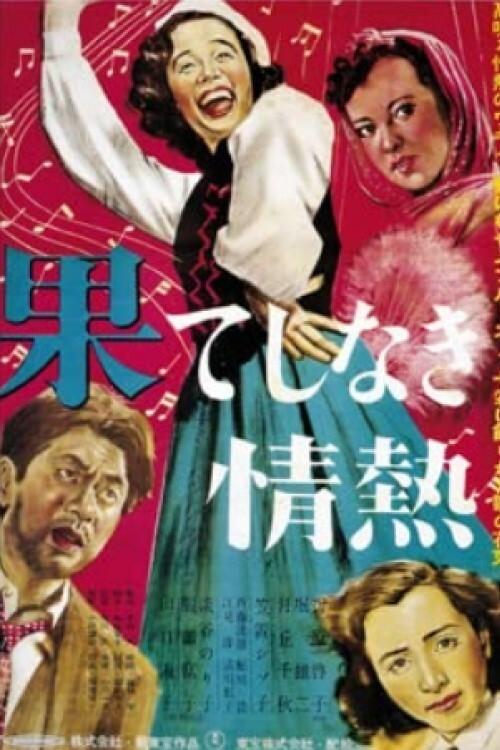
1949
Scénario
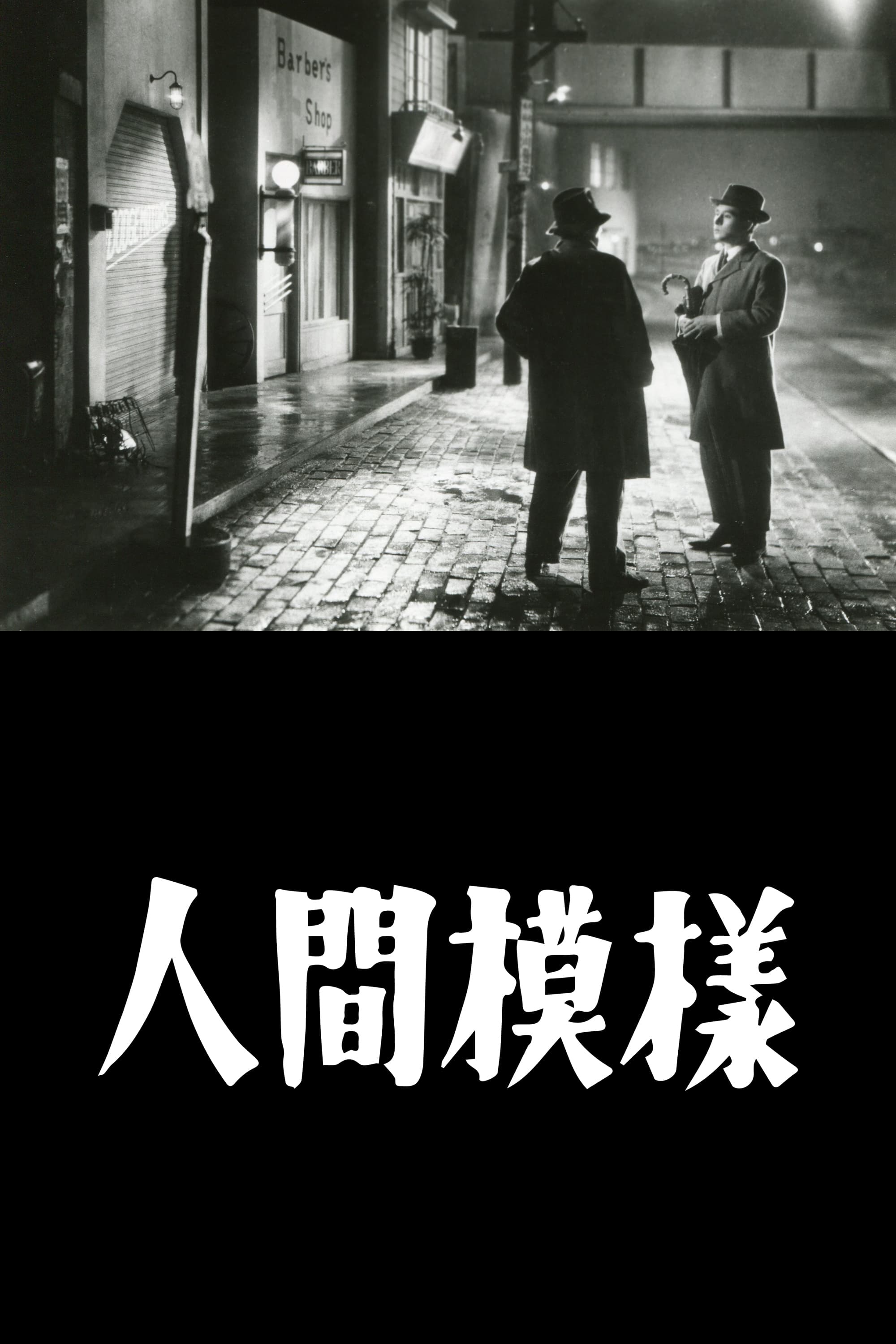
1949
Scénario