Pas encore noté
極道ステーキ II
1992
Interprétation
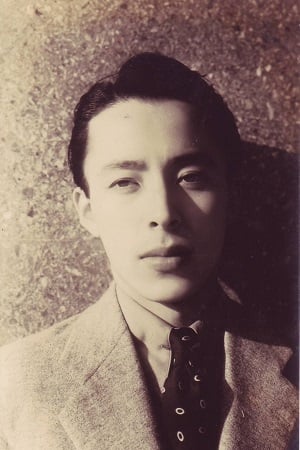
Biographie non disponible.
1992
Interprétation
1987
Kokichi Takada
1981
Interprétation
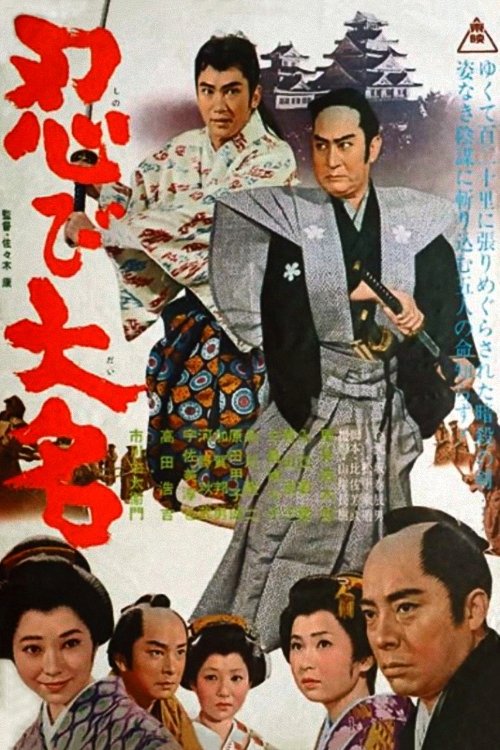
1964
Interprétation
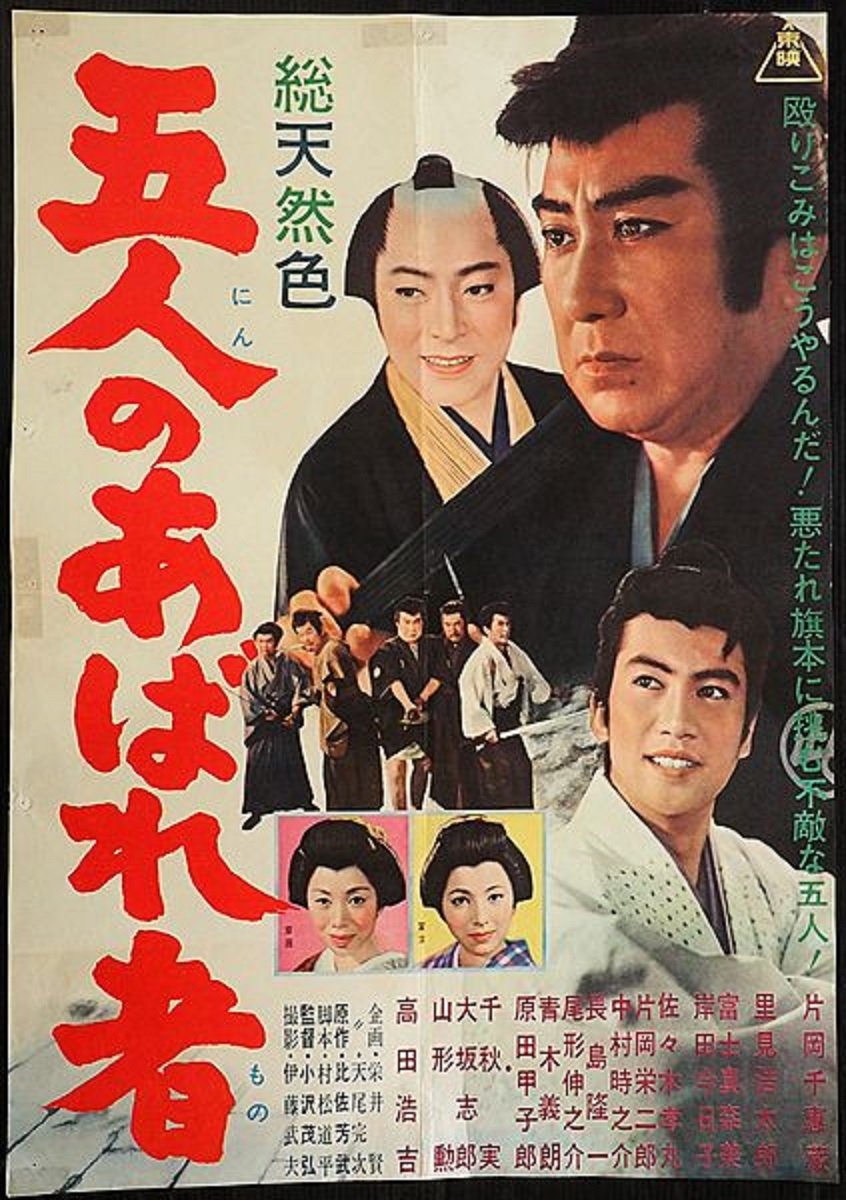
1963
Interprétation
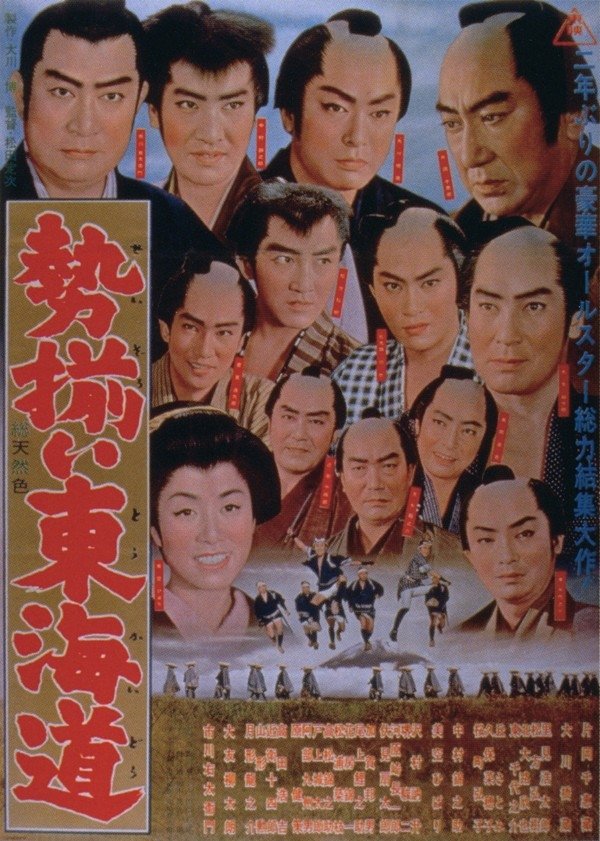
1963
Daimasa
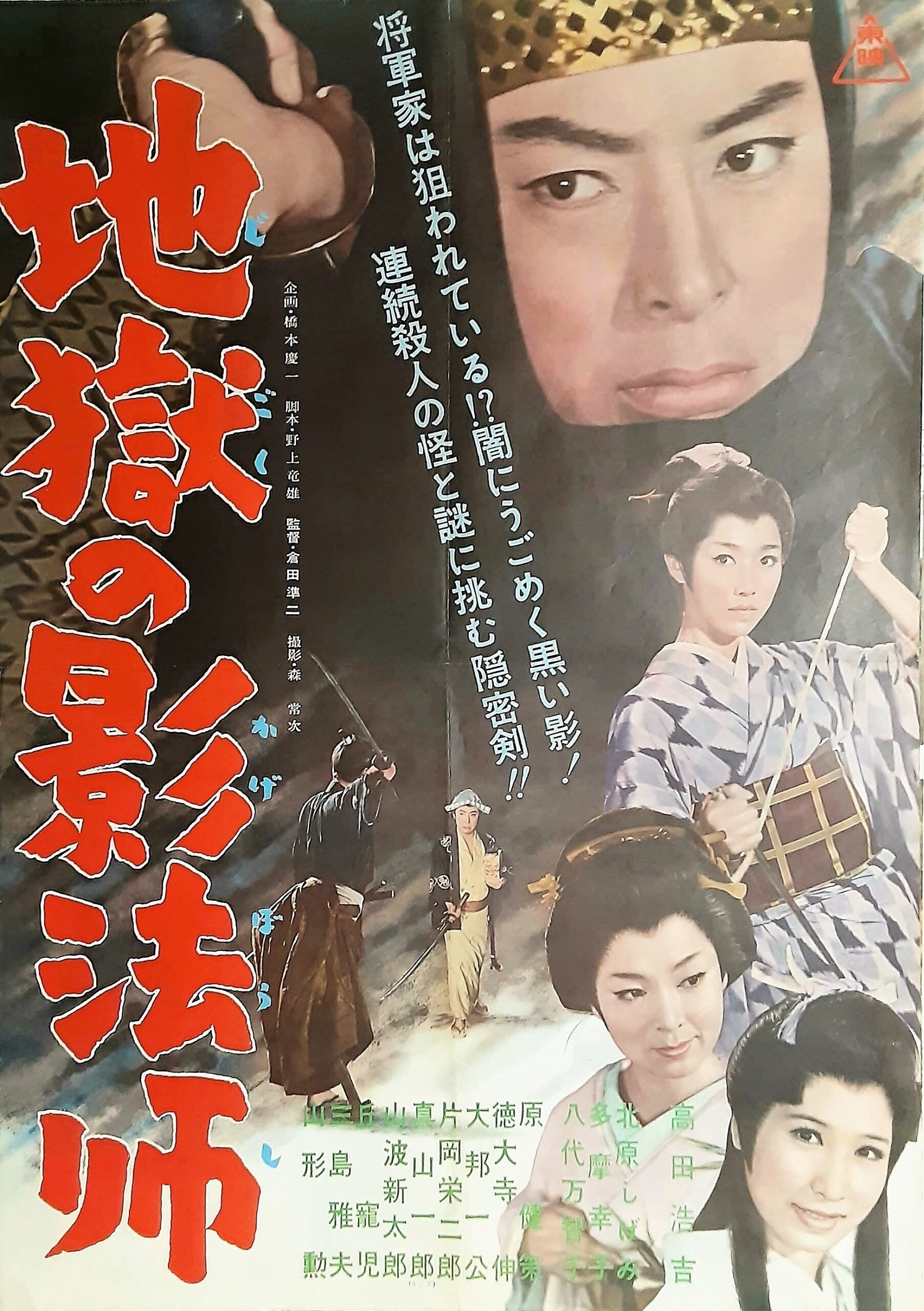
1962
Interprétation

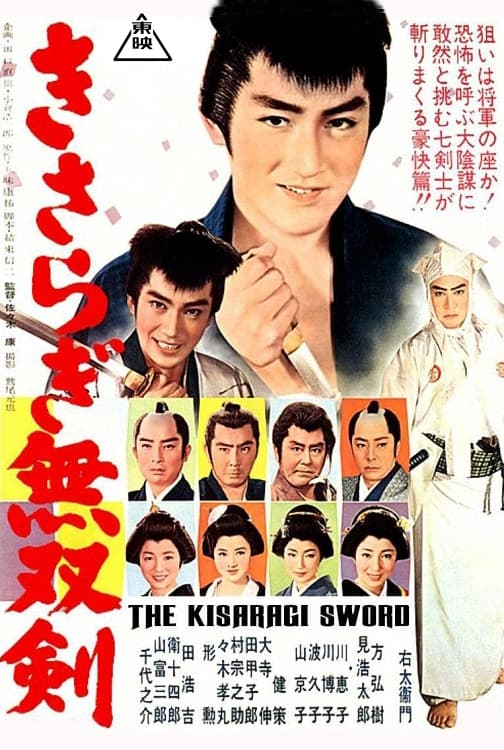
1962
Akao Saemontaro
1962
Interprétation

1962
Interprétation
1962
Interprétation

1962
Interprétation
1962
Interprétation
1962
Interprétation

1961
Interprétation

1961
Kosuke
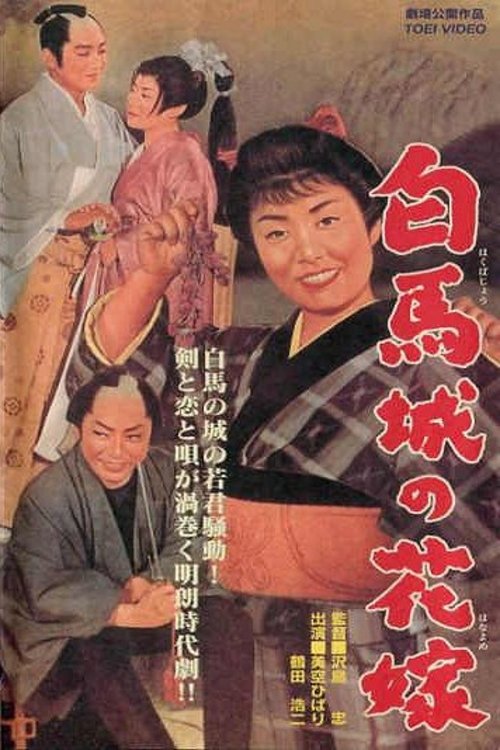
1961
Interprétation

1961
Kasumi Ippei
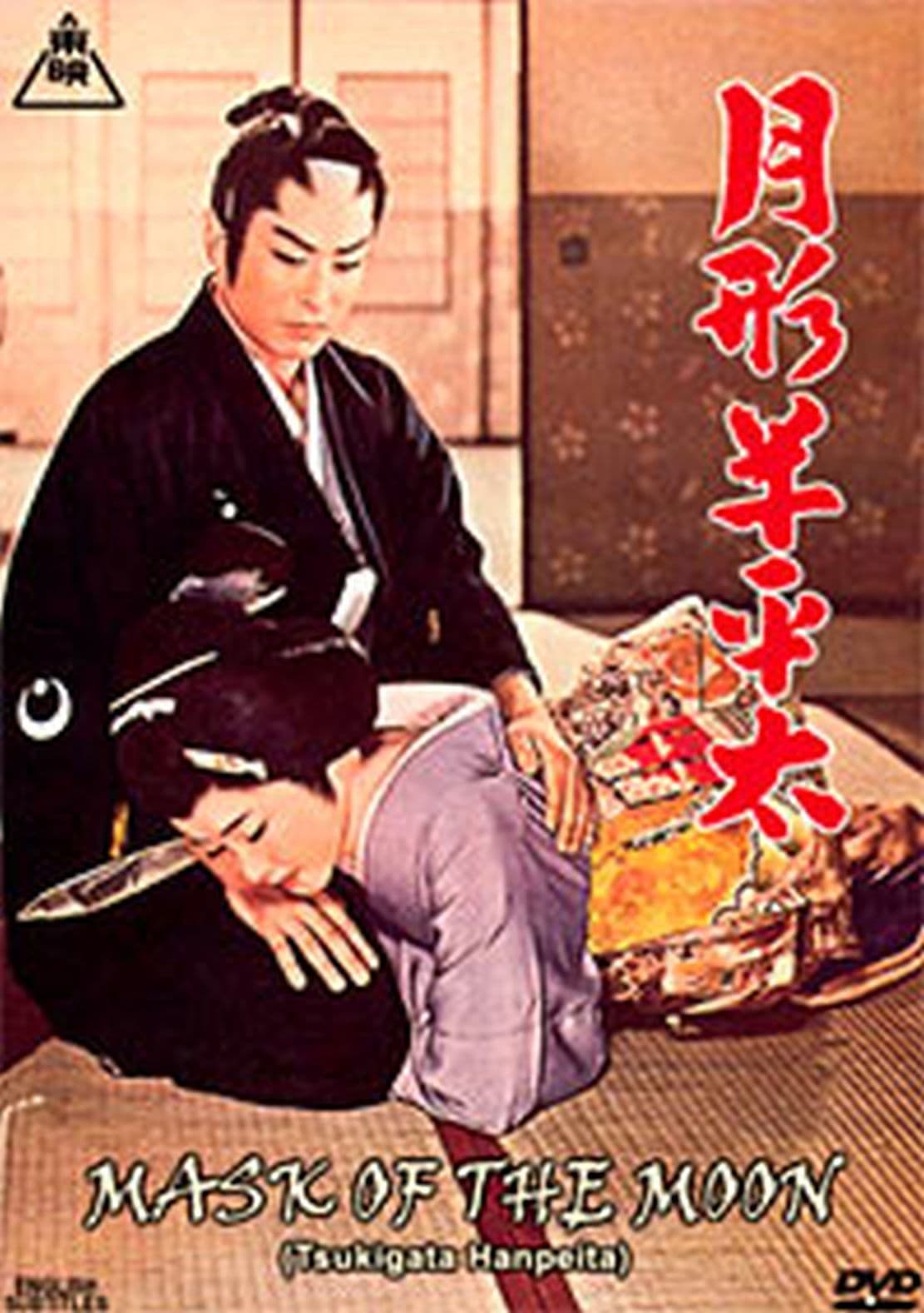
1961
Interprétation
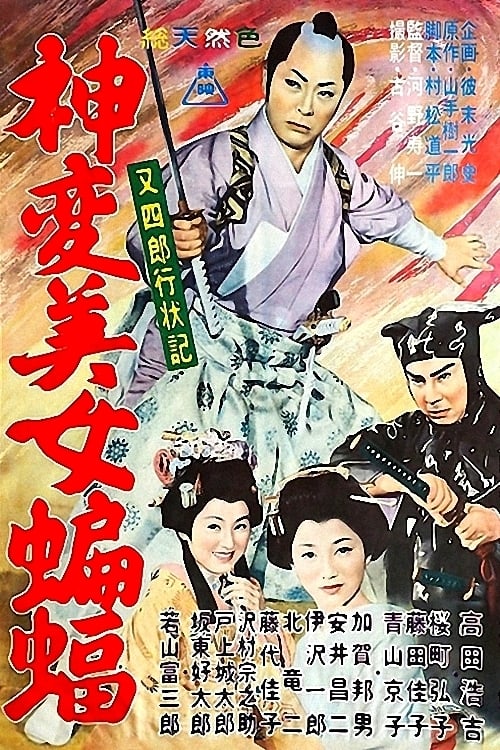
1961
Interprétation
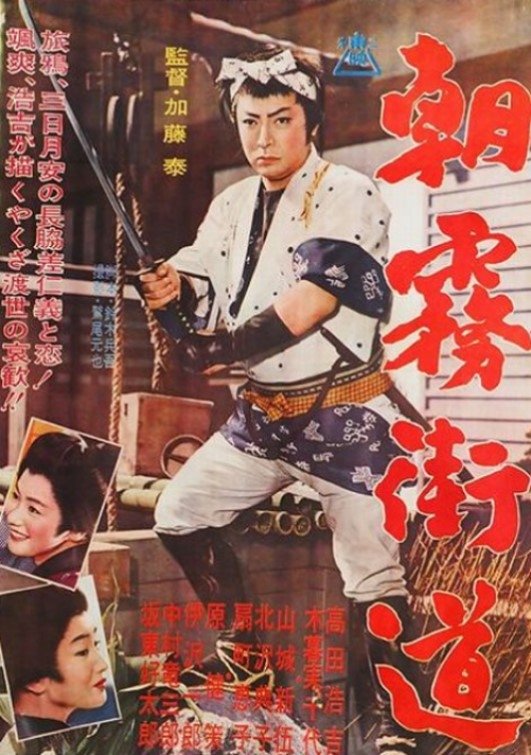
1961
Yasushi Mikazuki
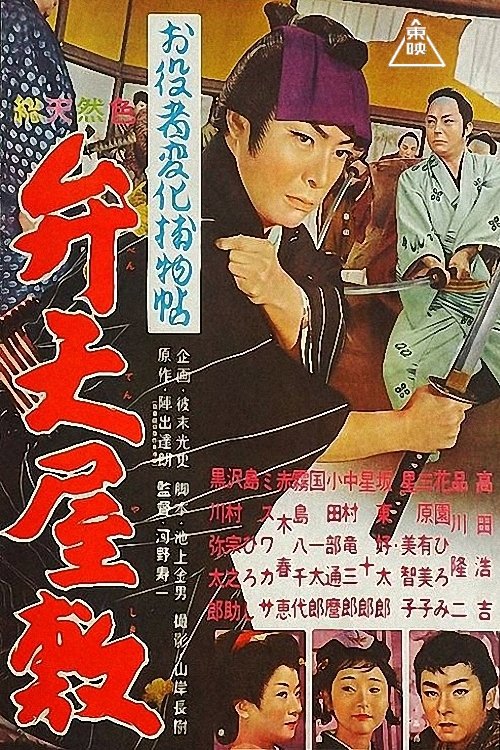
1961
Kasumi Ippei
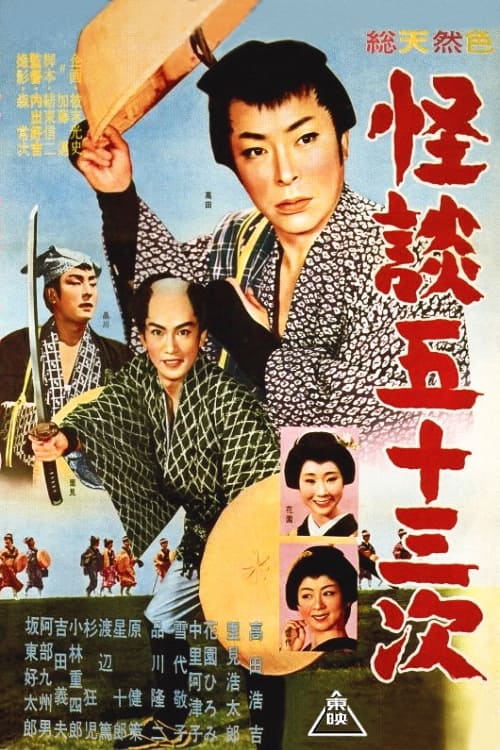
1960
Kosuke
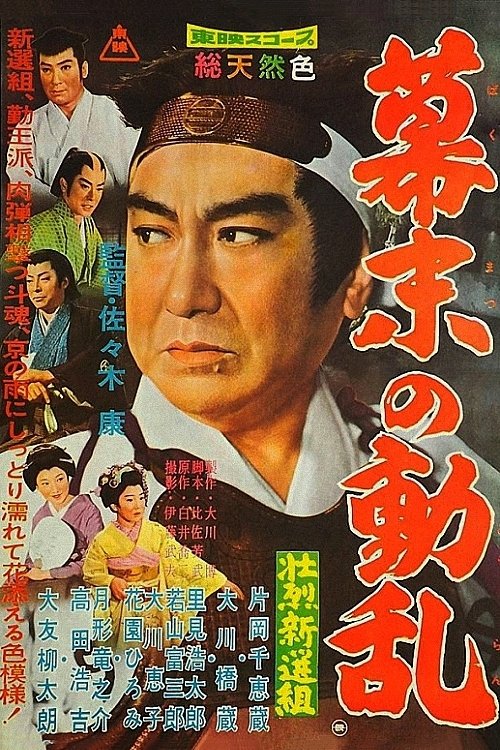
1960
Katsura Kogoro

1960
Interprétation
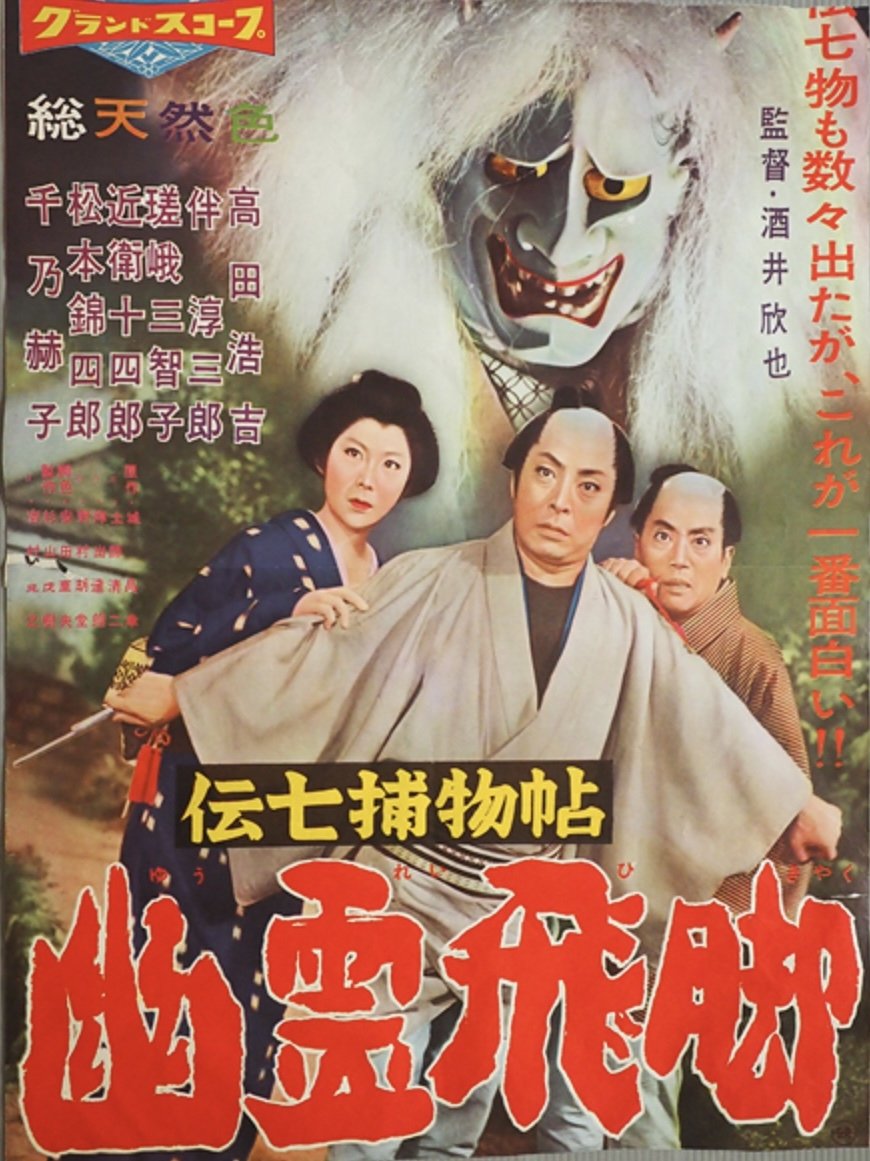
1959
Interprétation

1959
Interprétation
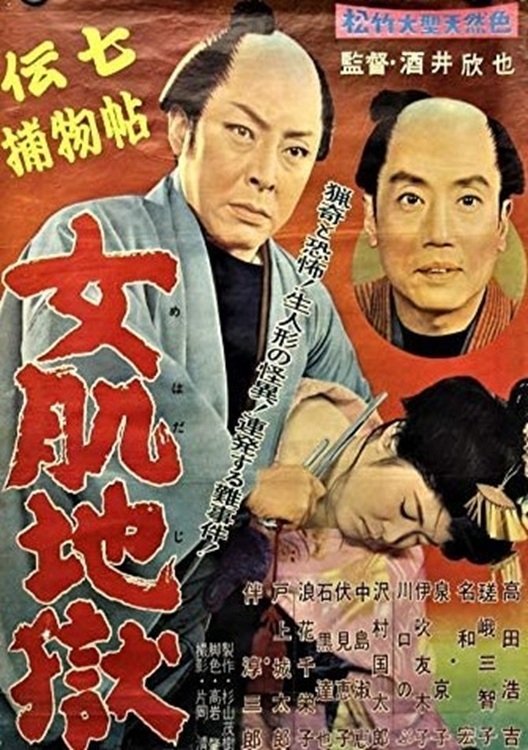
1959
Interprétation
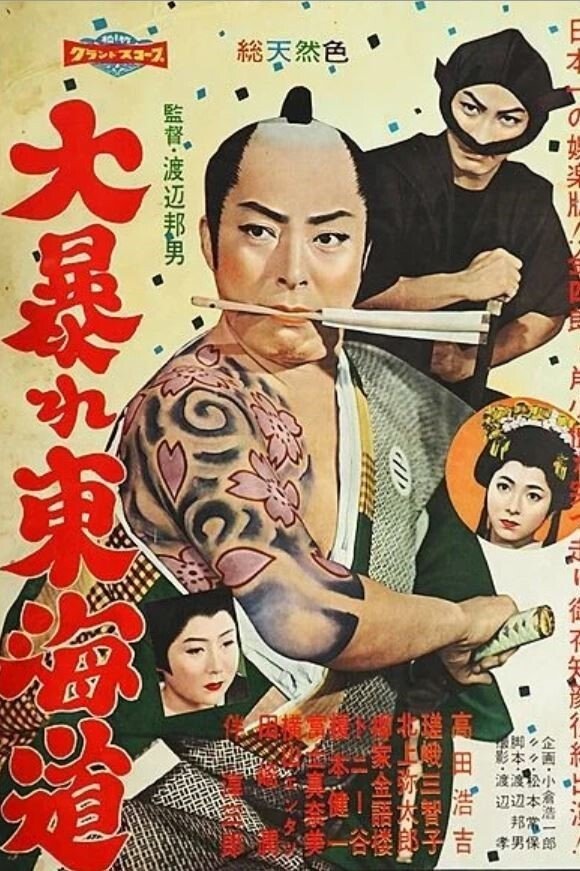
1958
Interprétation
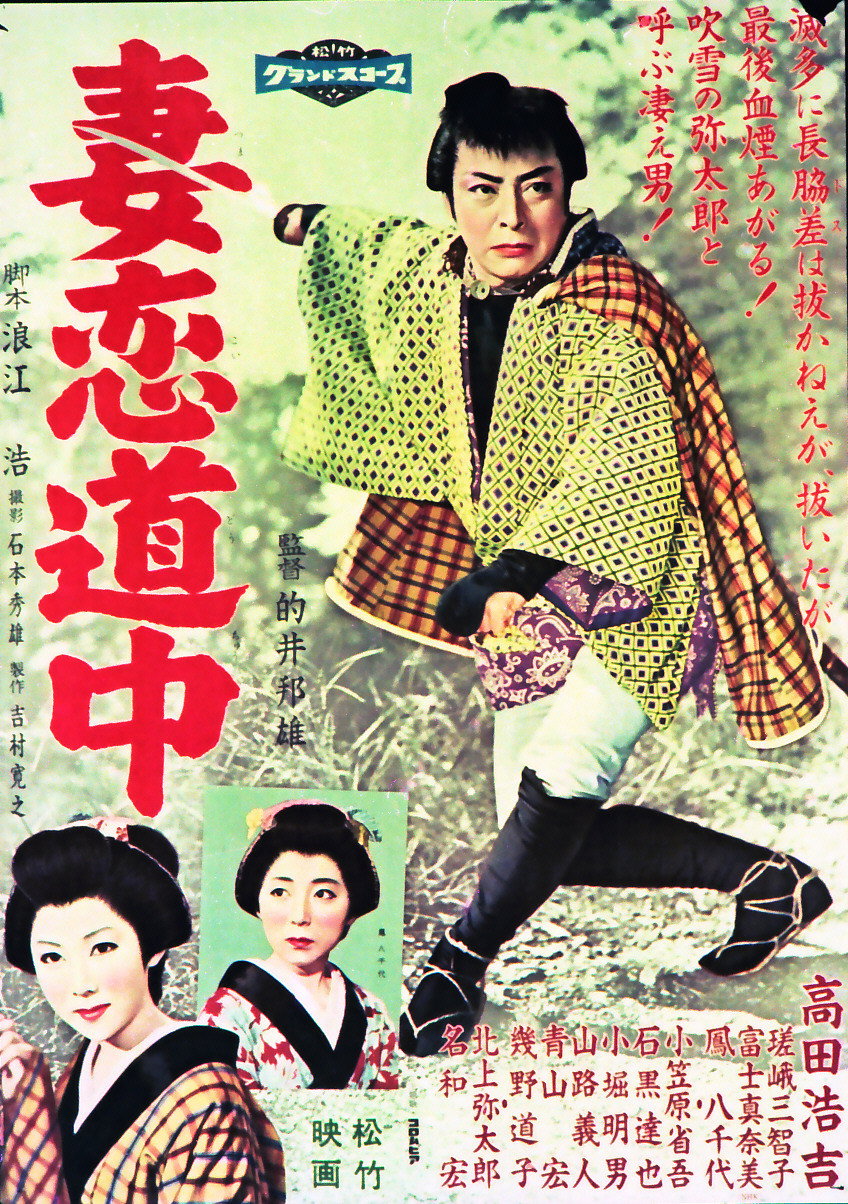
1958
Interprétation
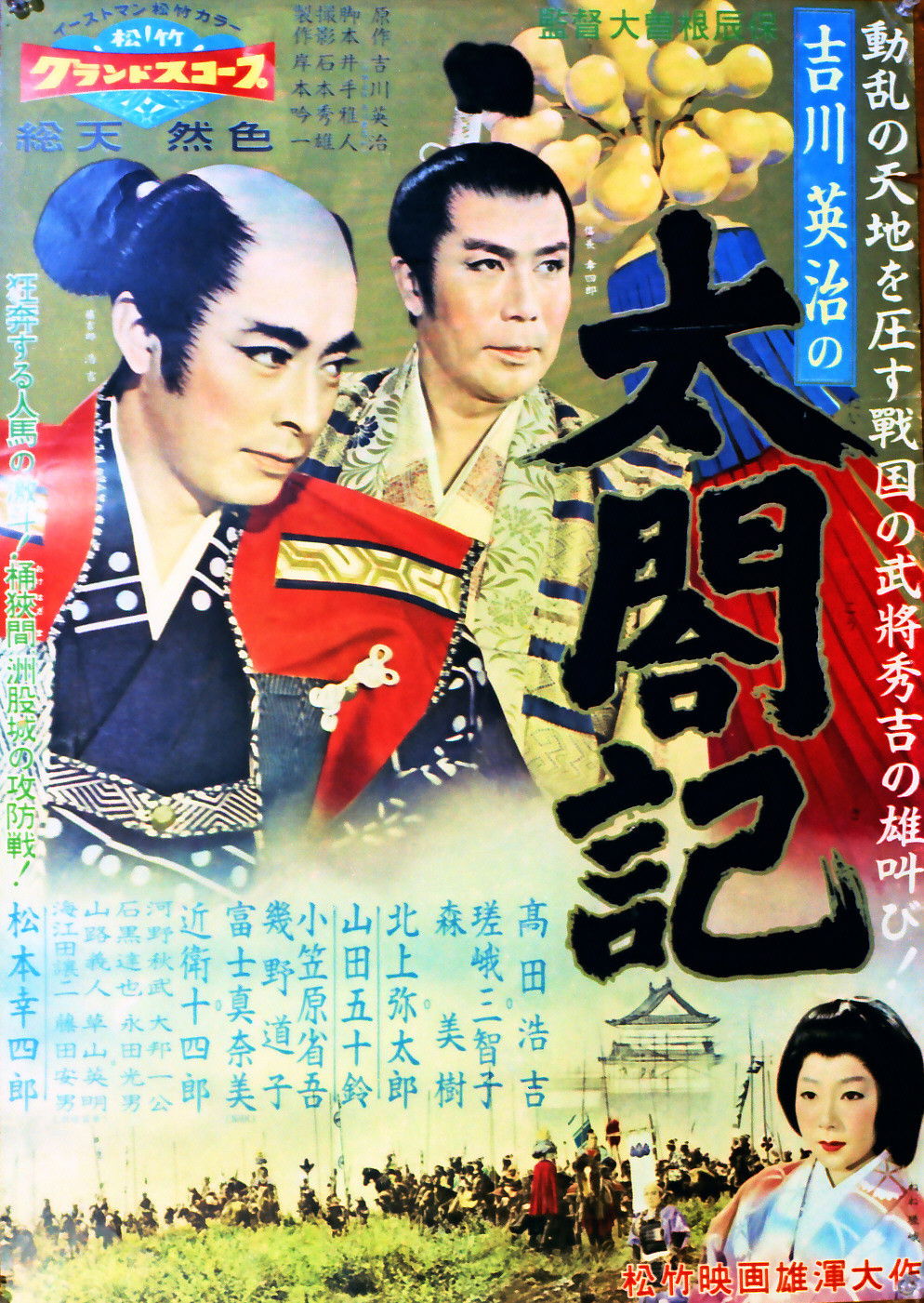
1958
Interprétation

1958
Interprétation

1957
Interprétation
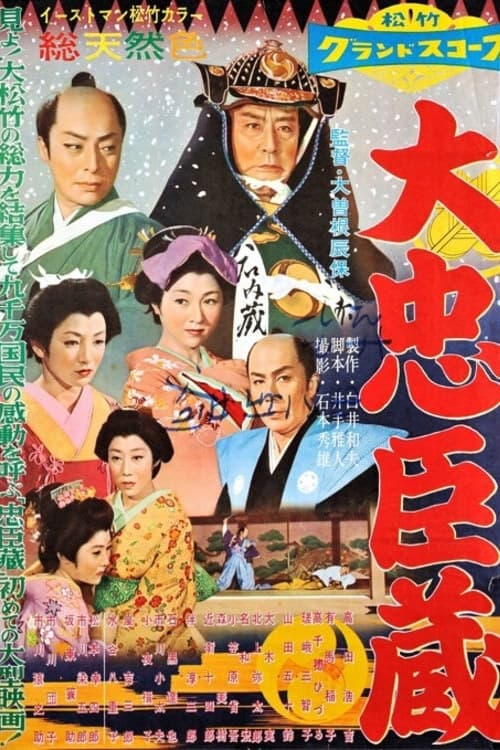
1957
Interprétation
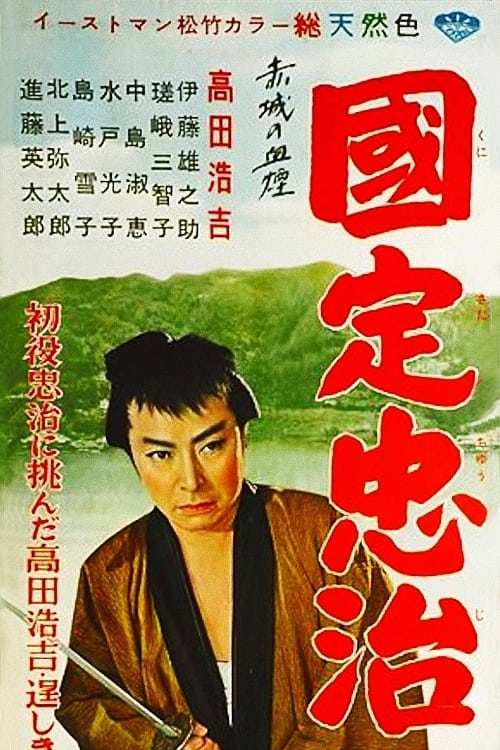
1957
Chuji Kunisada
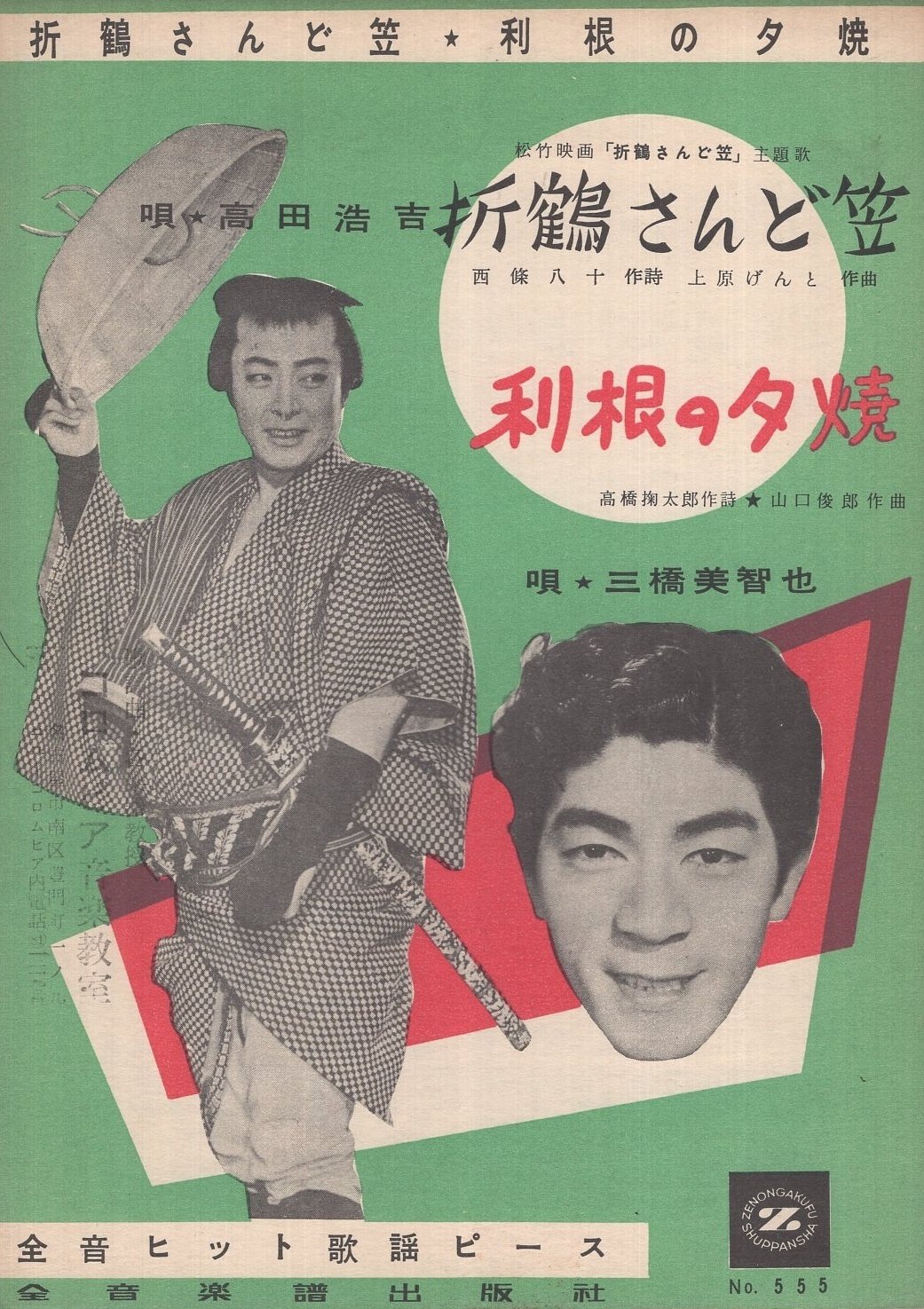
1957
Akitaro Orizuru
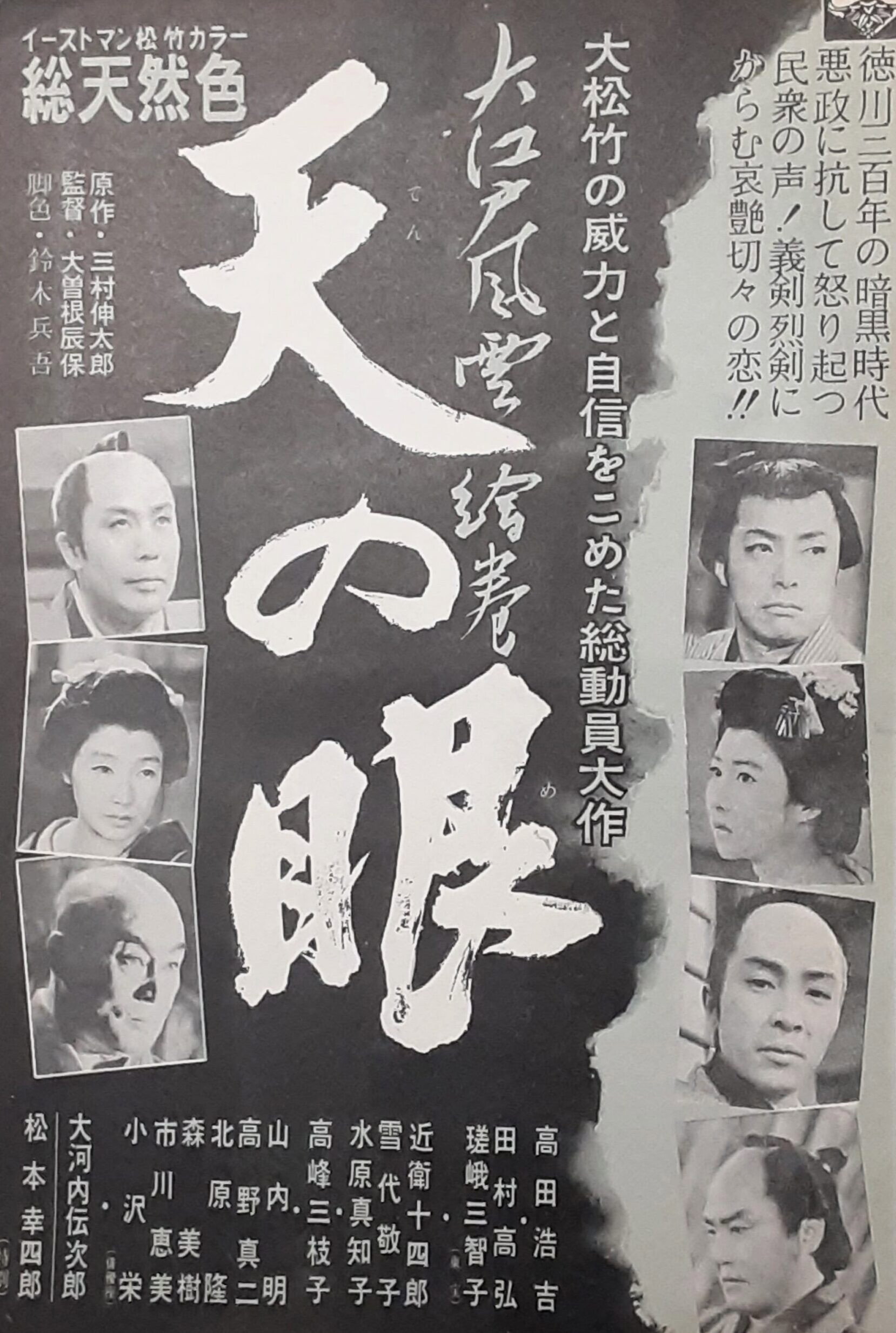
1957
Interprétation
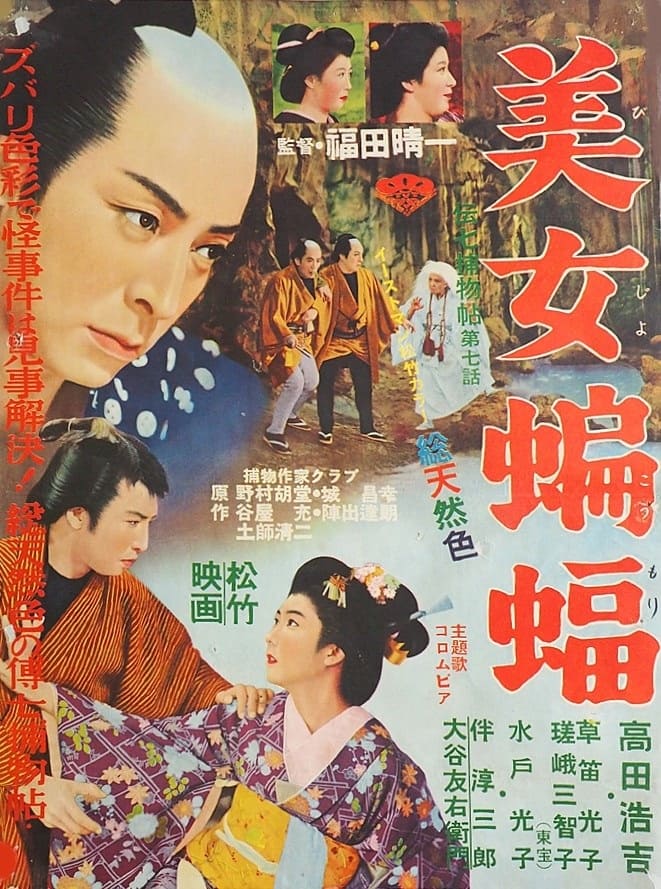
1957
Interprétation
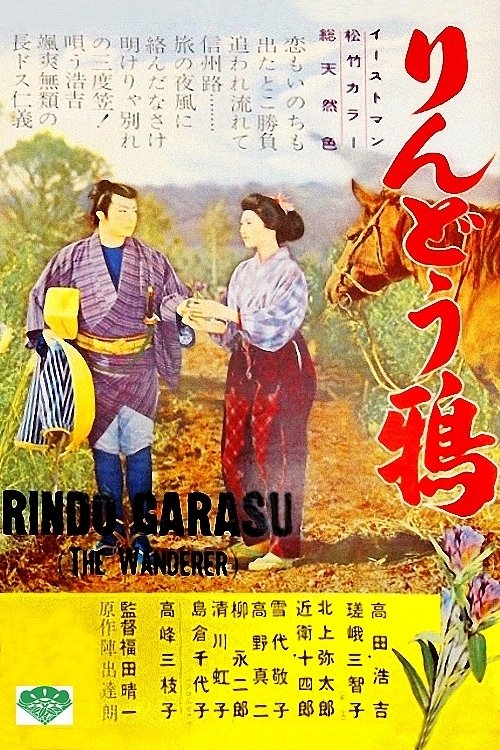
1957
Interprétation
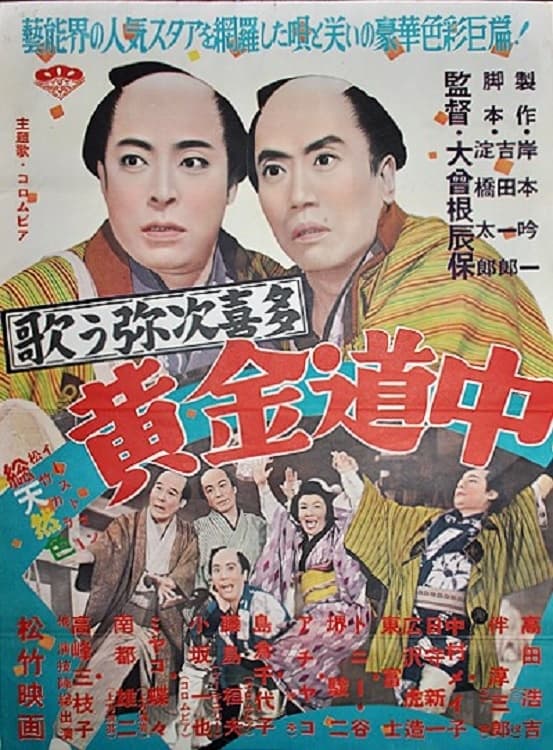
1957
Interprétation
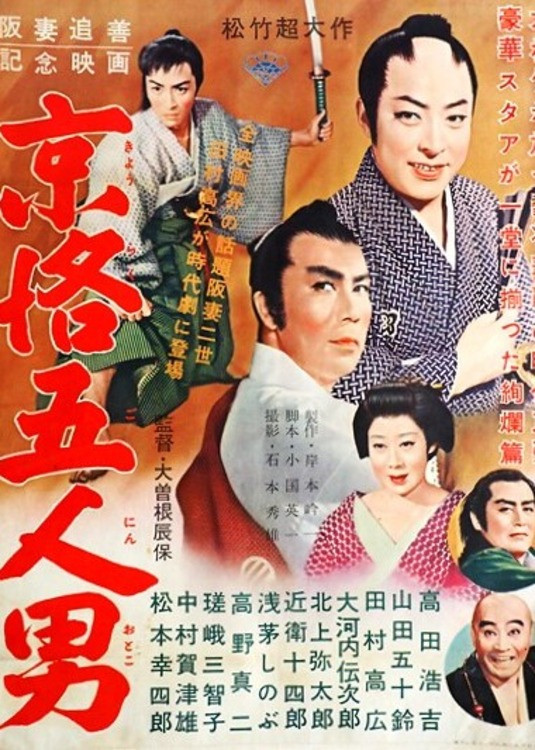
1956
Interprétation
1956
Interprétation
1956
三四郎
1956
中村滝之丞

1956
杵屋新二郎

1956
Interprétation

1956
清吉(霞の清次)
1955
一心太助
1955
Interprétation
1955
Gotaro Inaba / Kinshiro Toyama
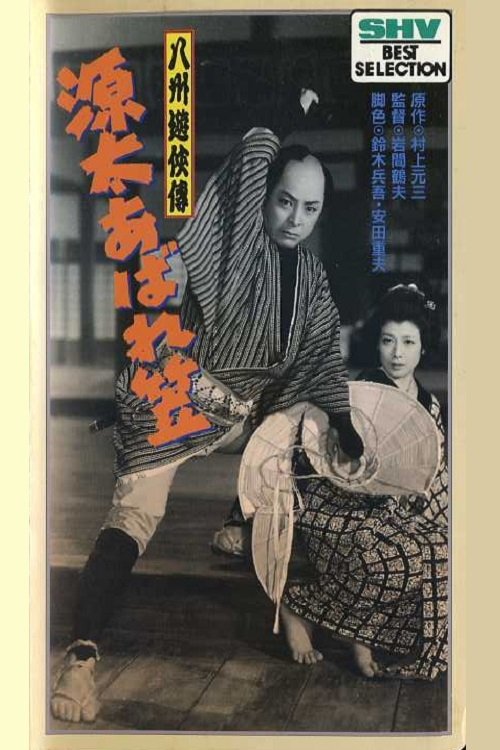
1955
Interprétation

1955
黒門町の伝七

1955
銀平
1955
Interprétation
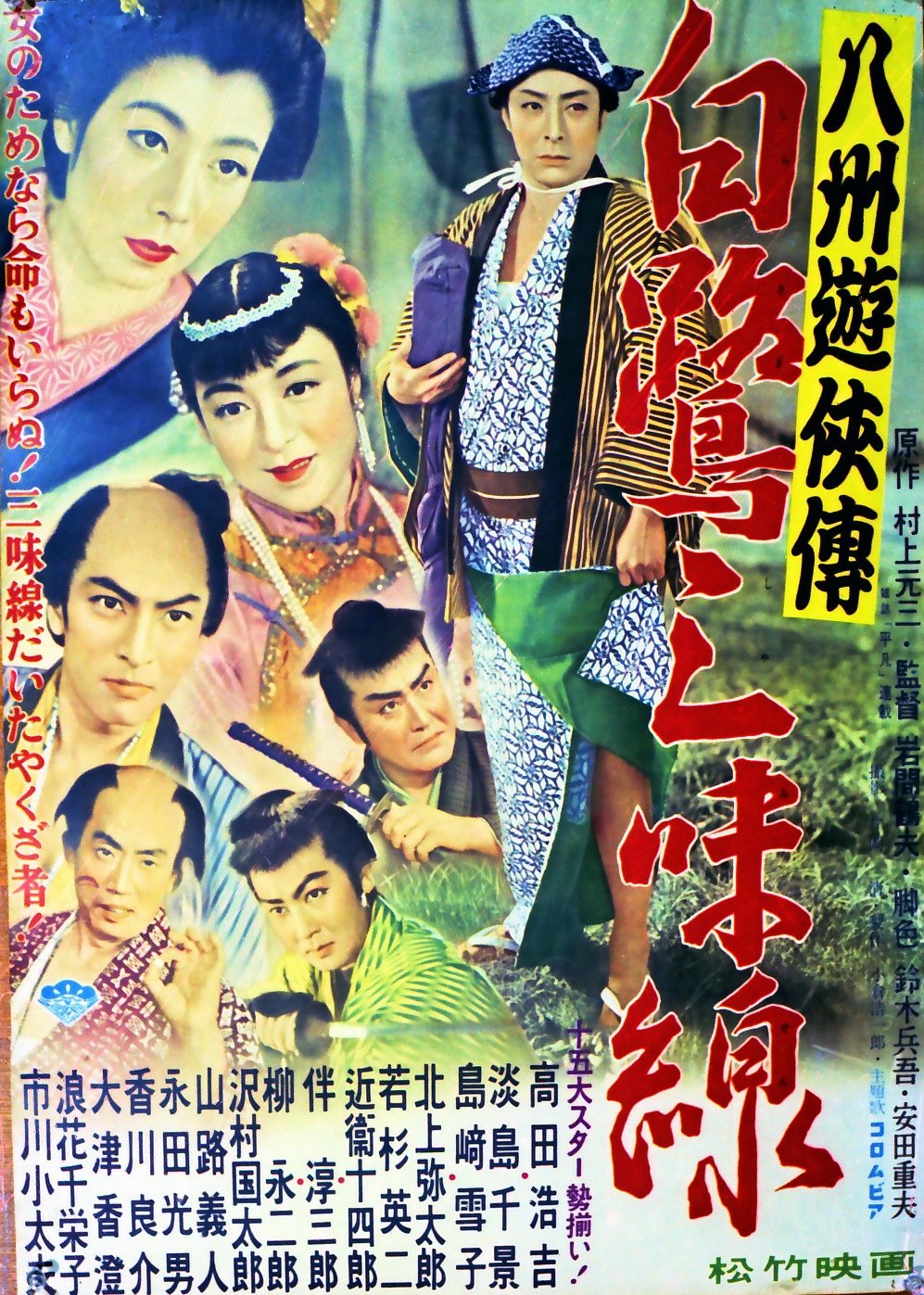
1955
大岡源太郎

1954
Interprétation

1954
Interprétation
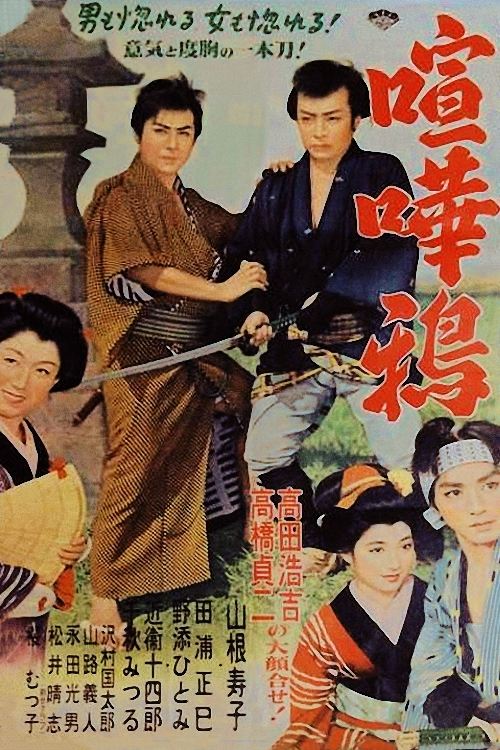
1954
Interprétation
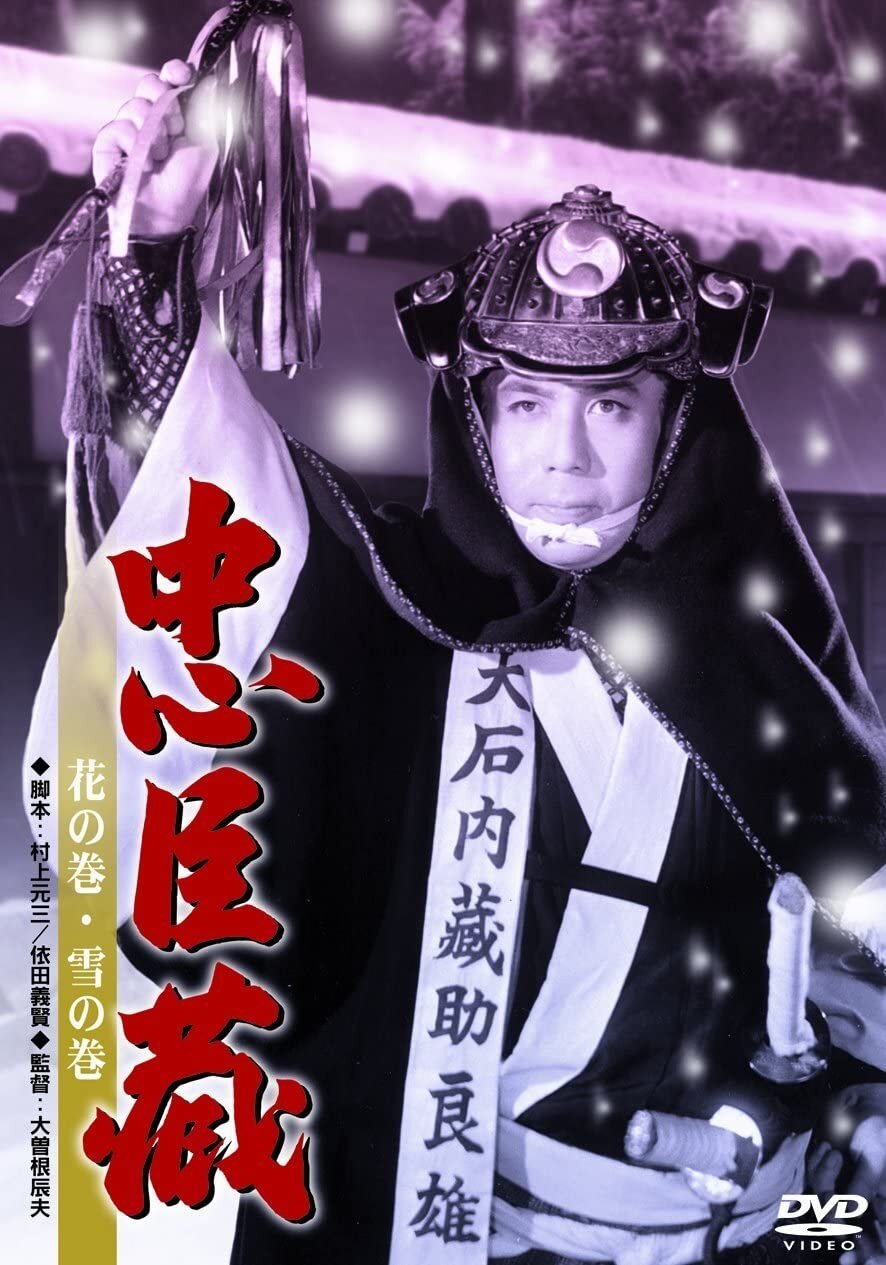
1954
Asano Takumi no Kami
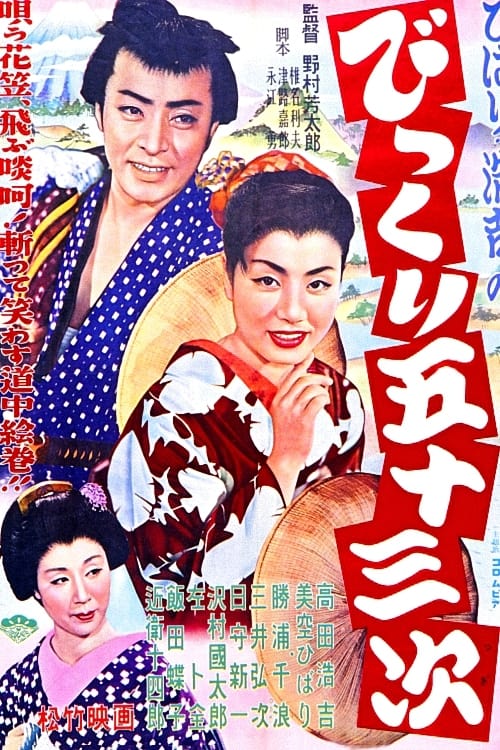
1954
Kintaro

1954
黒門町の伝七

1954
Interprétation

1954
黒門町の伝七

1954
櫟大介
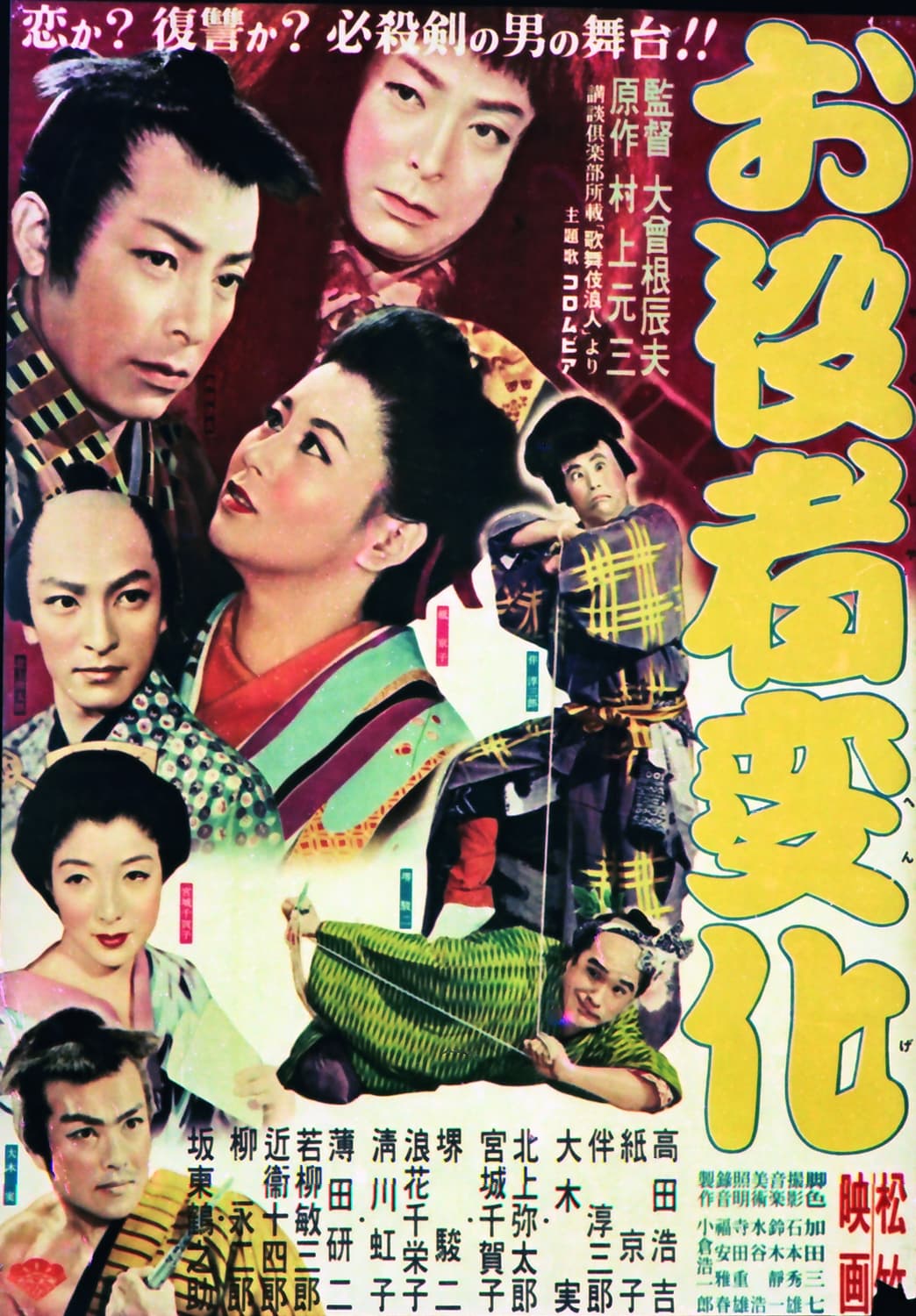
1954
梓弦之助
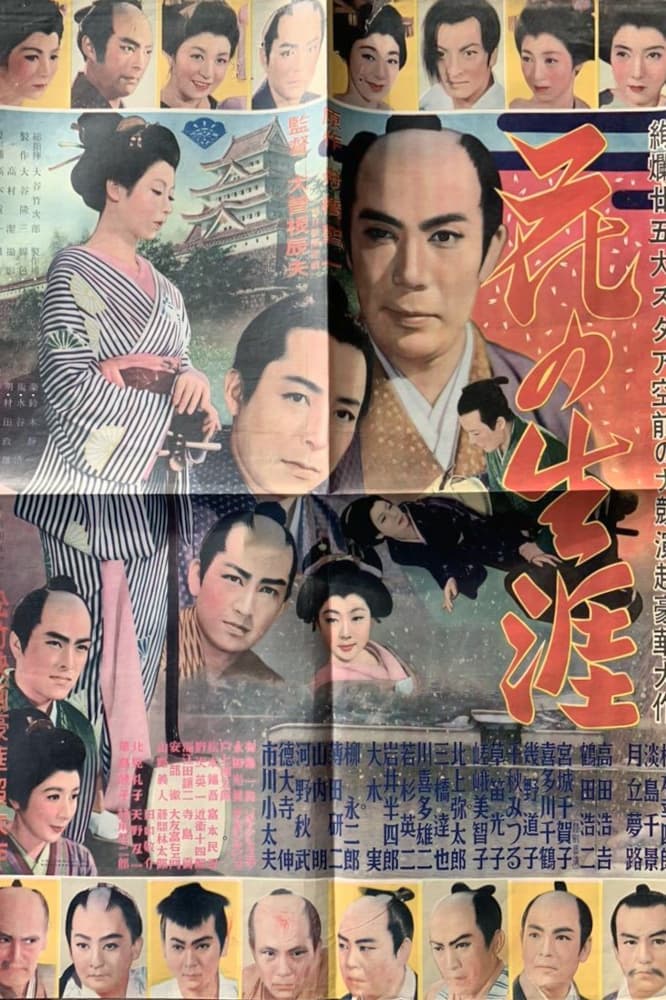
1953
長野主膳
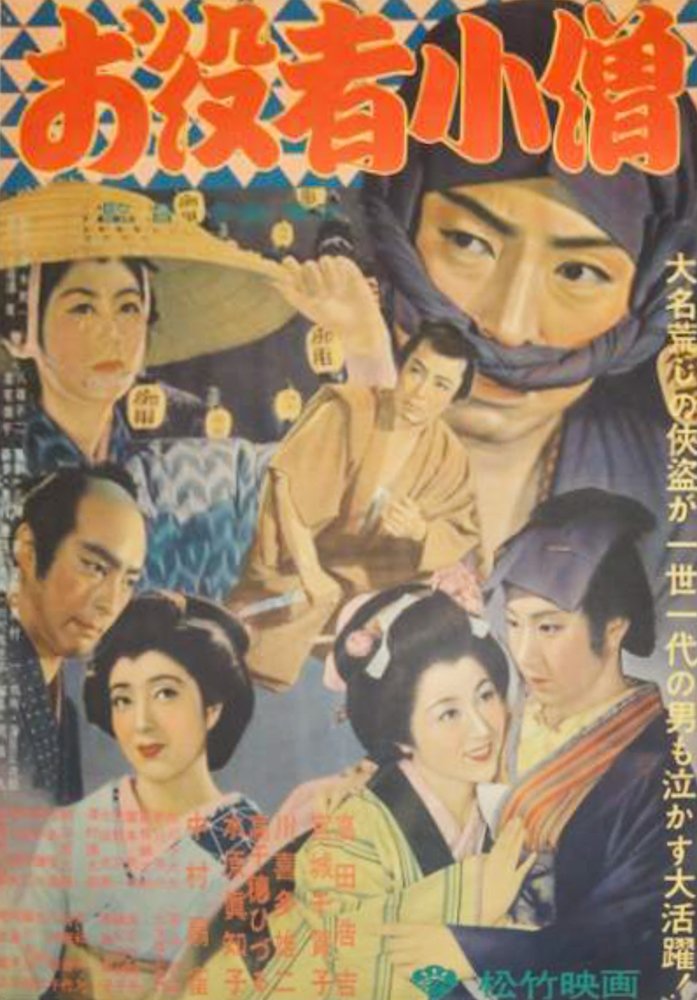
1953
稲葉剛太郎
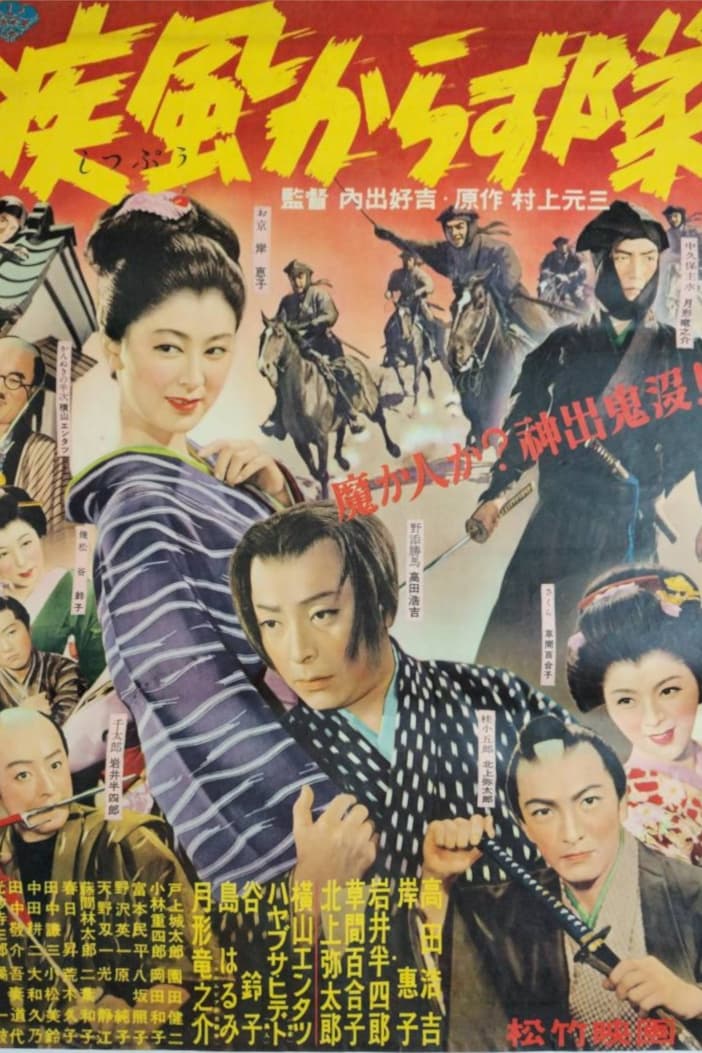
1953
野添勝馬
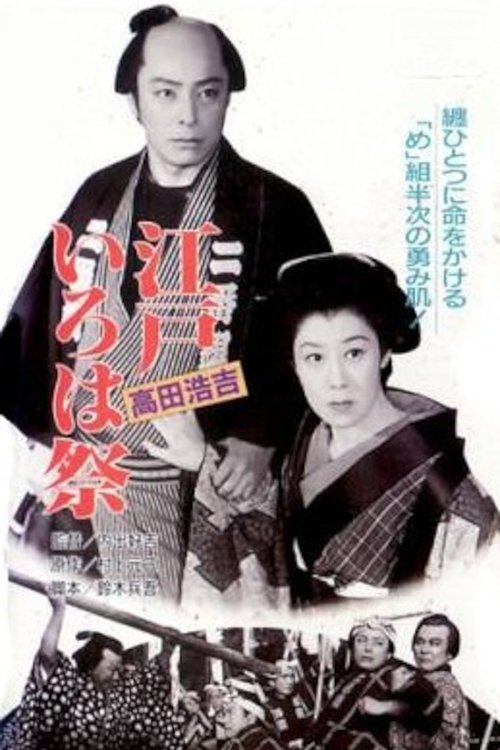
1953
め組の半次
1952
Interprétation
1952
Interprétation

1952
松平伊豆守
1952
Interprétation
1952
Katsura Kogoro
1952
徳川浄海坊
1951
Interprétation
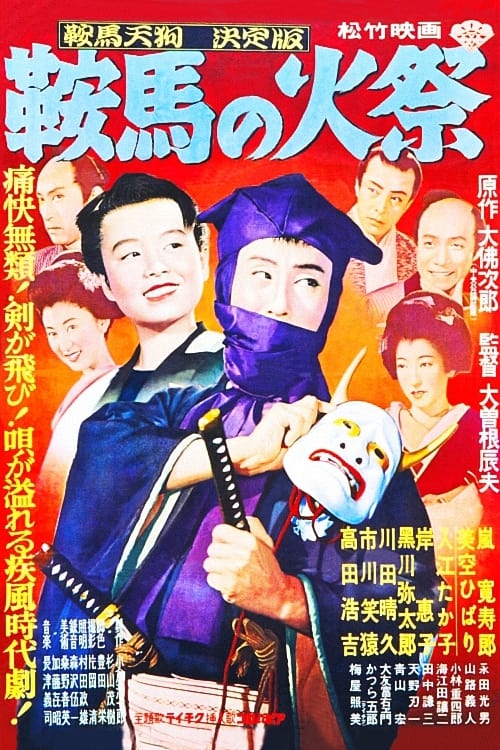
1951
Interprétation

1951
Interprétation
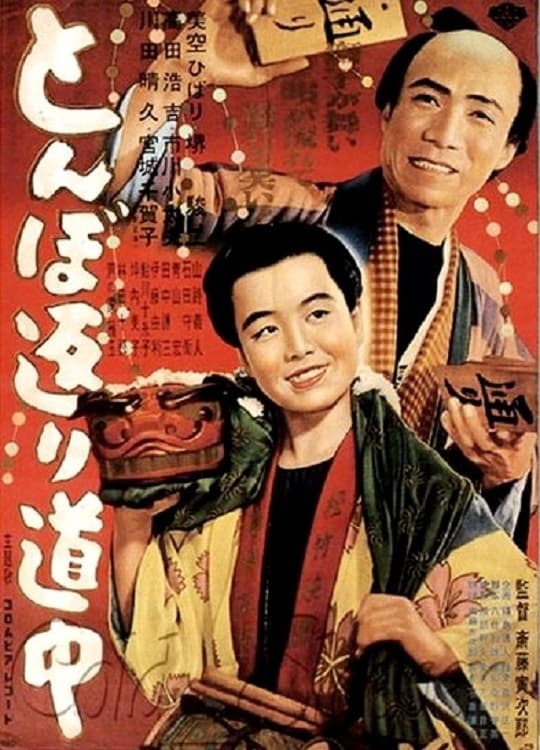
1950
Sashichi
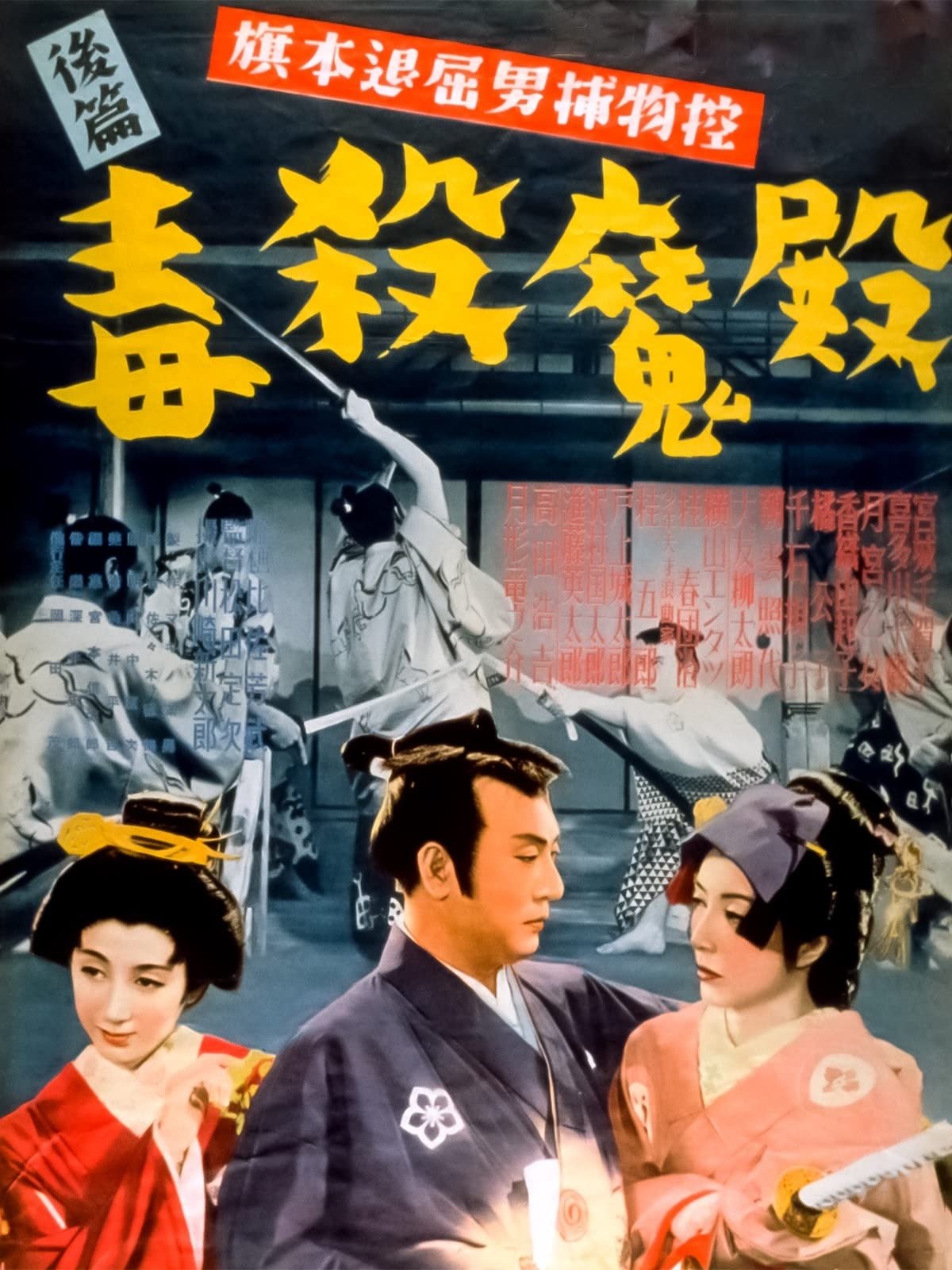
1950
Interprétation

1950
Interprétation

1950
Interprétation
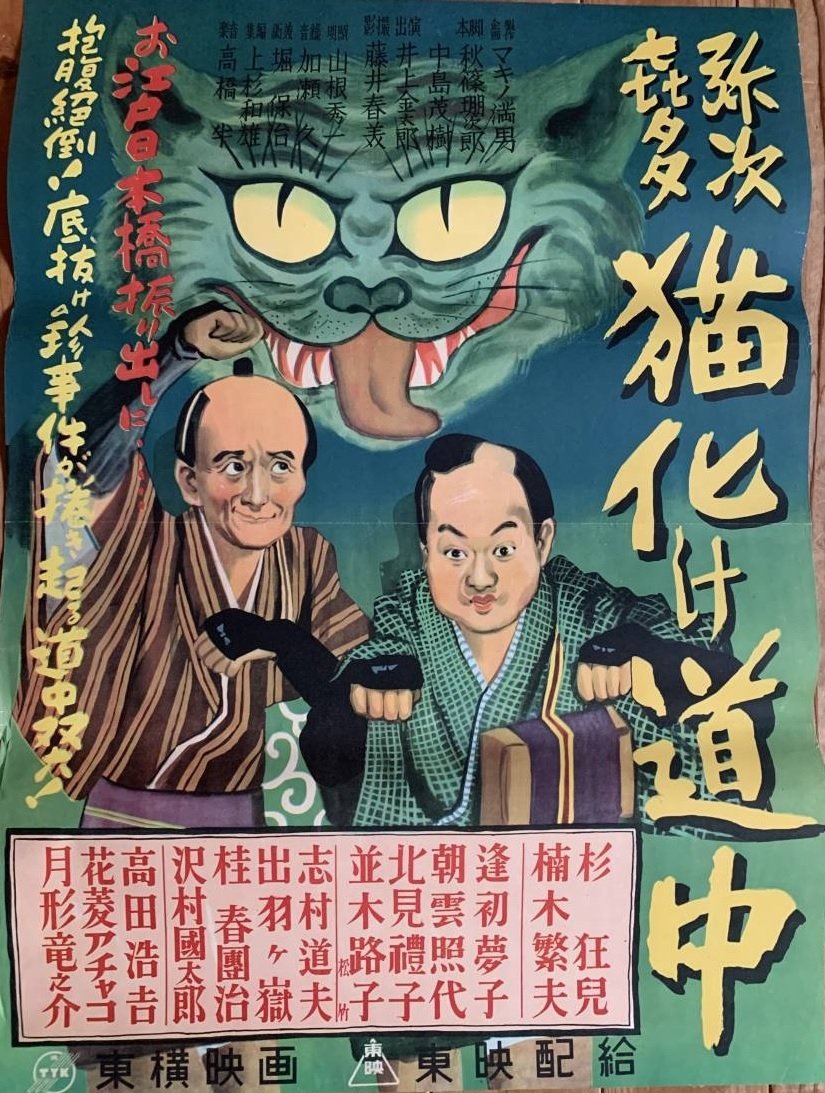
1949
Interprétation
1948
Interprétation
1946
Interprétation
1945
Interprétation
1945
Interprétation
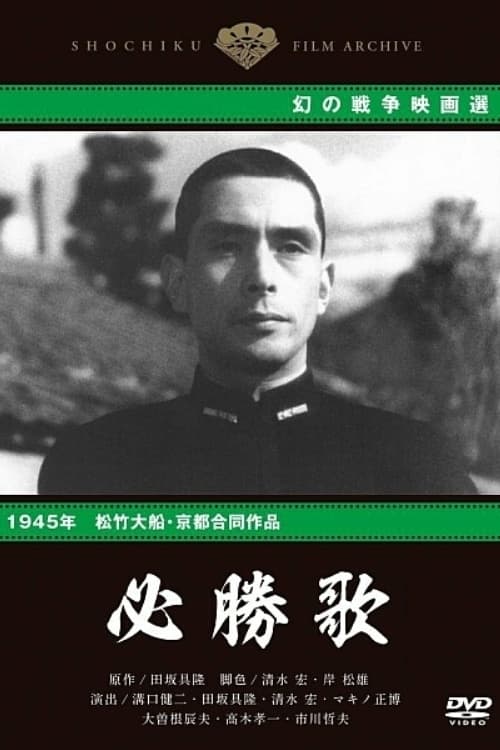
Le Chant de la victoire est constitué de treize histoires qui exaltent le patriotisme japonais.
1945
Army Captain
1944
Interprétation
1944
Interprétation
1941
Zen'ichirô Takeshita
1941
Interprétation
1940
Interprétation
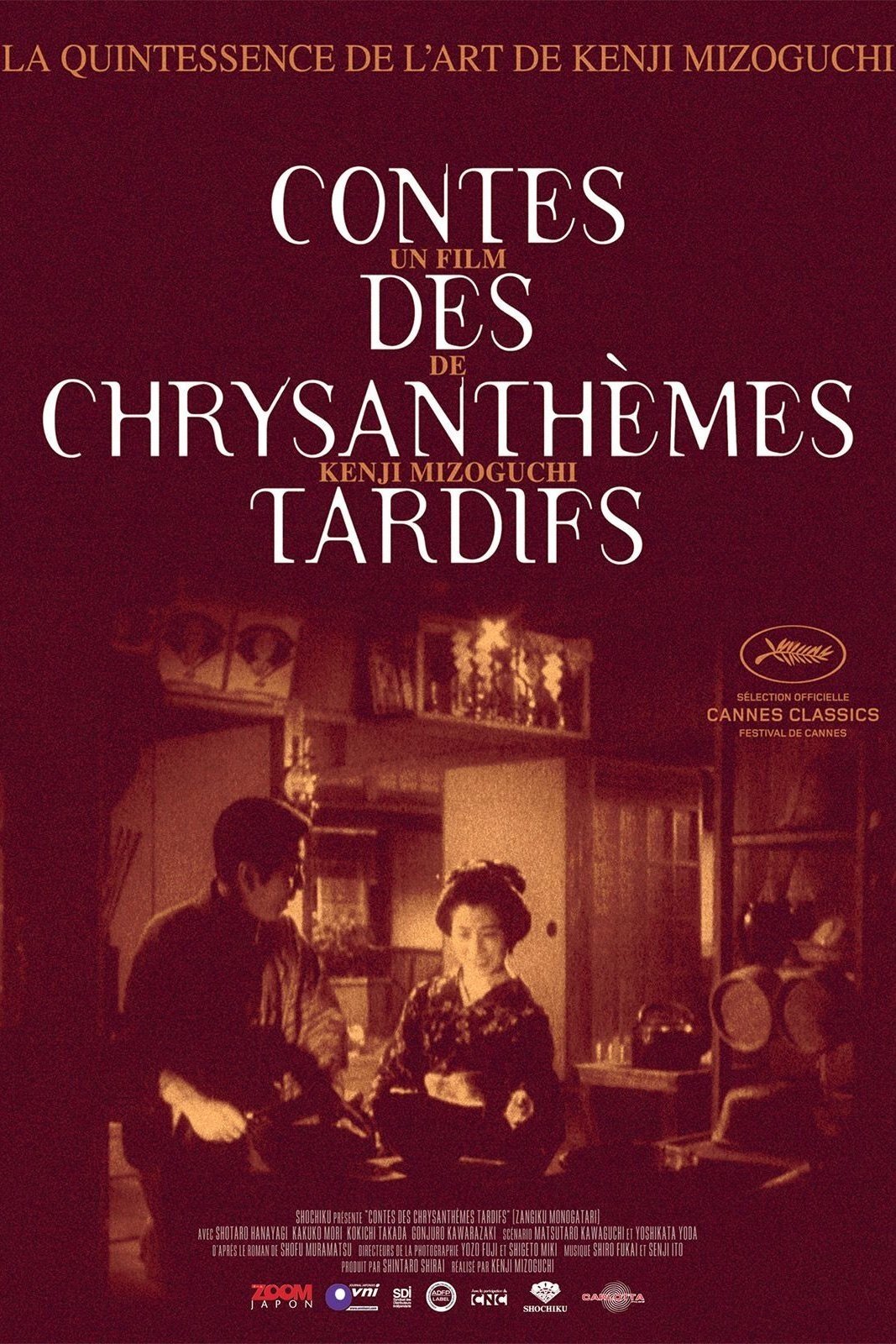
Fin du XIXe siècle, Tokyo. Kikugorô Onoe est un acteur populaire de kabuki. Son fils, Kikunosuke, est un piètre acteur en comparaison. Pourtant, c'est lui qui doit succéder à son père. Se reposant sur le prestige de son nom, Kikinosuke s'offre le luxe de ne pas travailler son jeu et enchaîne les conquêtes. La réalité va bientôt le rattraper.
1939
Fukusuke Nakamura
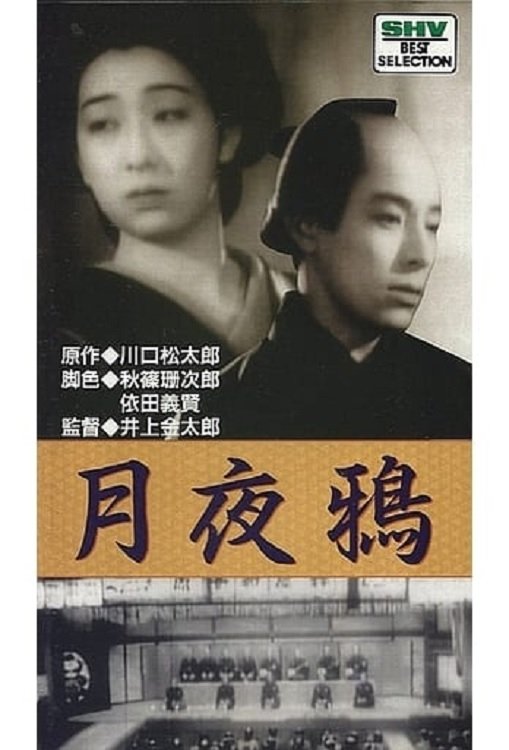
1939
Wakichi Kineya
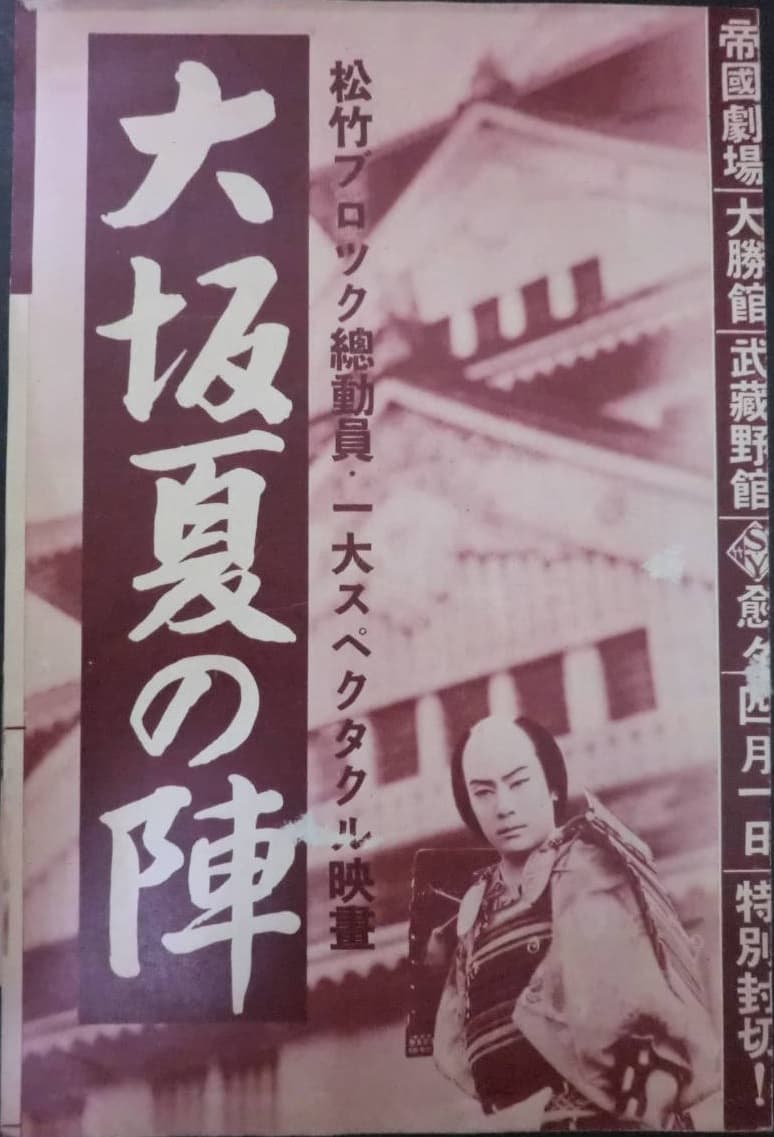
1937
Honda Masazumi
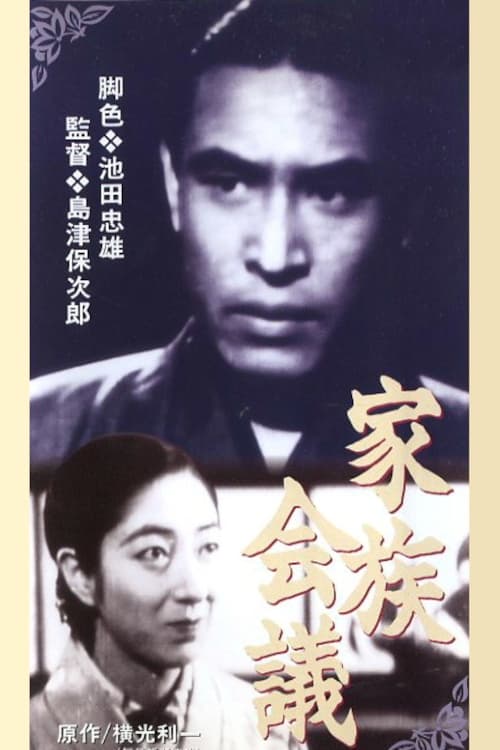
1936
Neritarō Kyōgoku
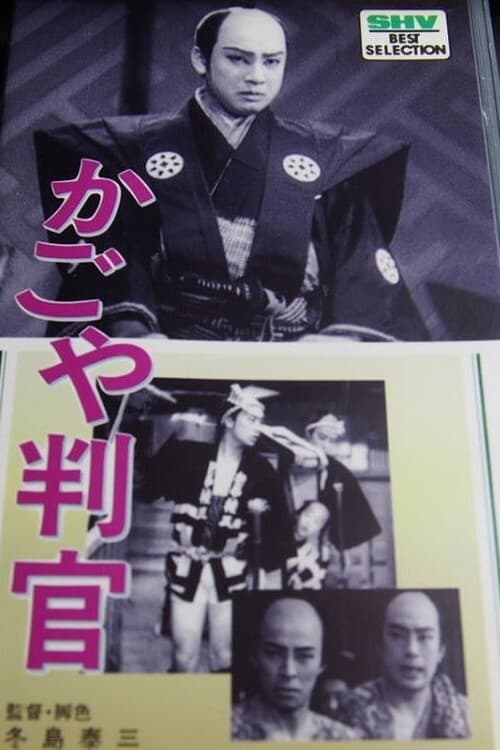
1935
Sukejû
1934
Interprétation
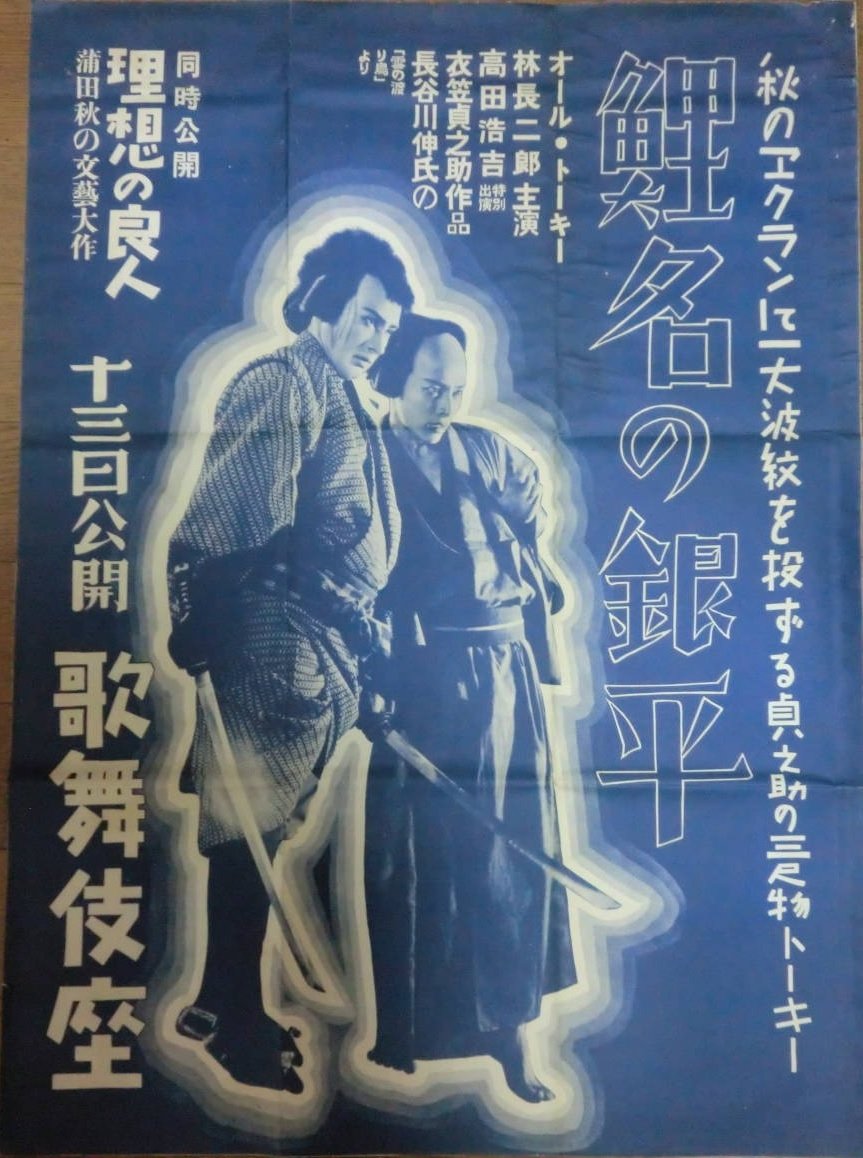
1933
Tsumeki no Unokichi
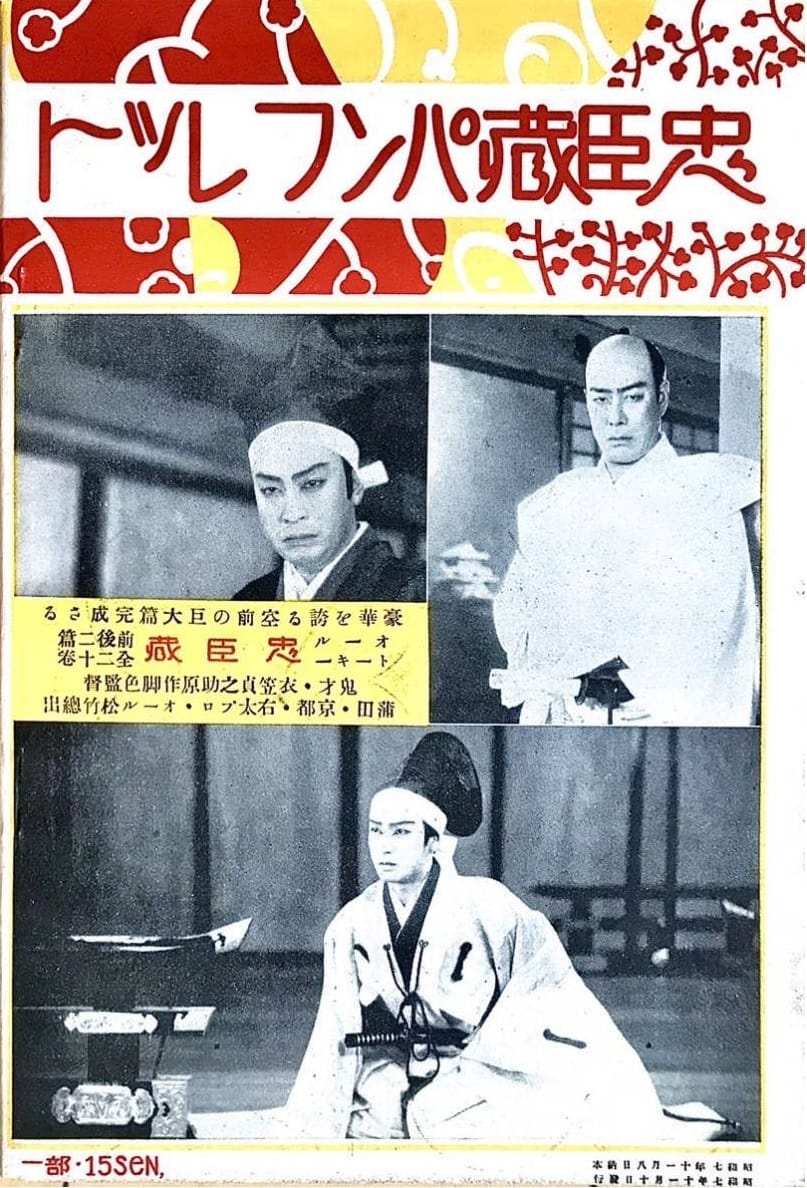
1932
Interprétation
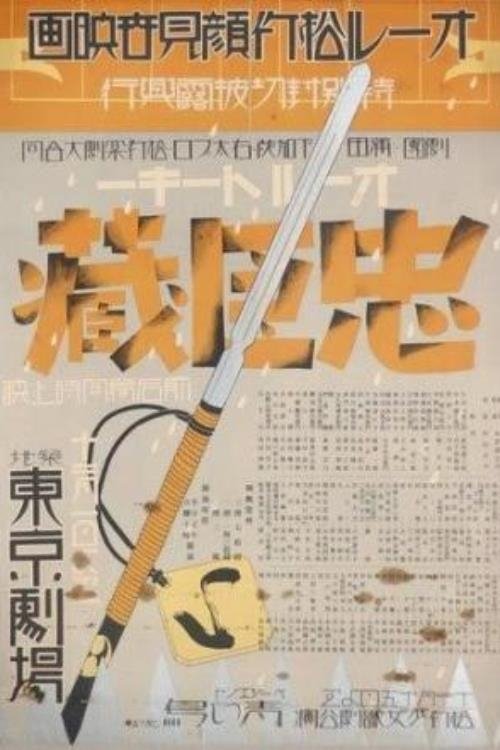
1932
Sezaemon Oishi
Histoire des conquêtes militaires du Japon moderne pour commémorer le 50e anniversaire du «Rescrit impérial aux soldats et aux marins » promulgué par l’empereur Meiji en 1882, glorifiant l’esprit martial millénaire du Japon. (Coréalisation Yasushi Sasaki et al.)
1932
Interprétation
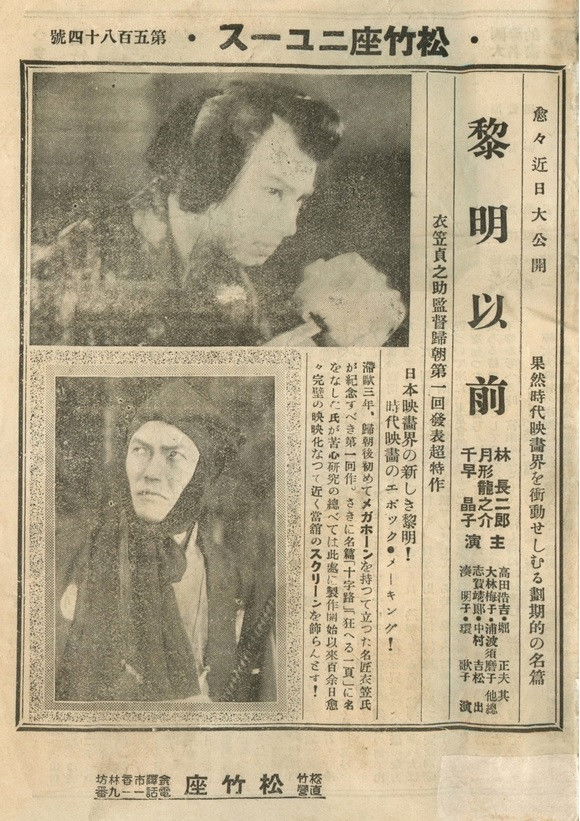
1931
Interprétation
1929
Interprétation
1928
Ikaura, Einosuke