10,0
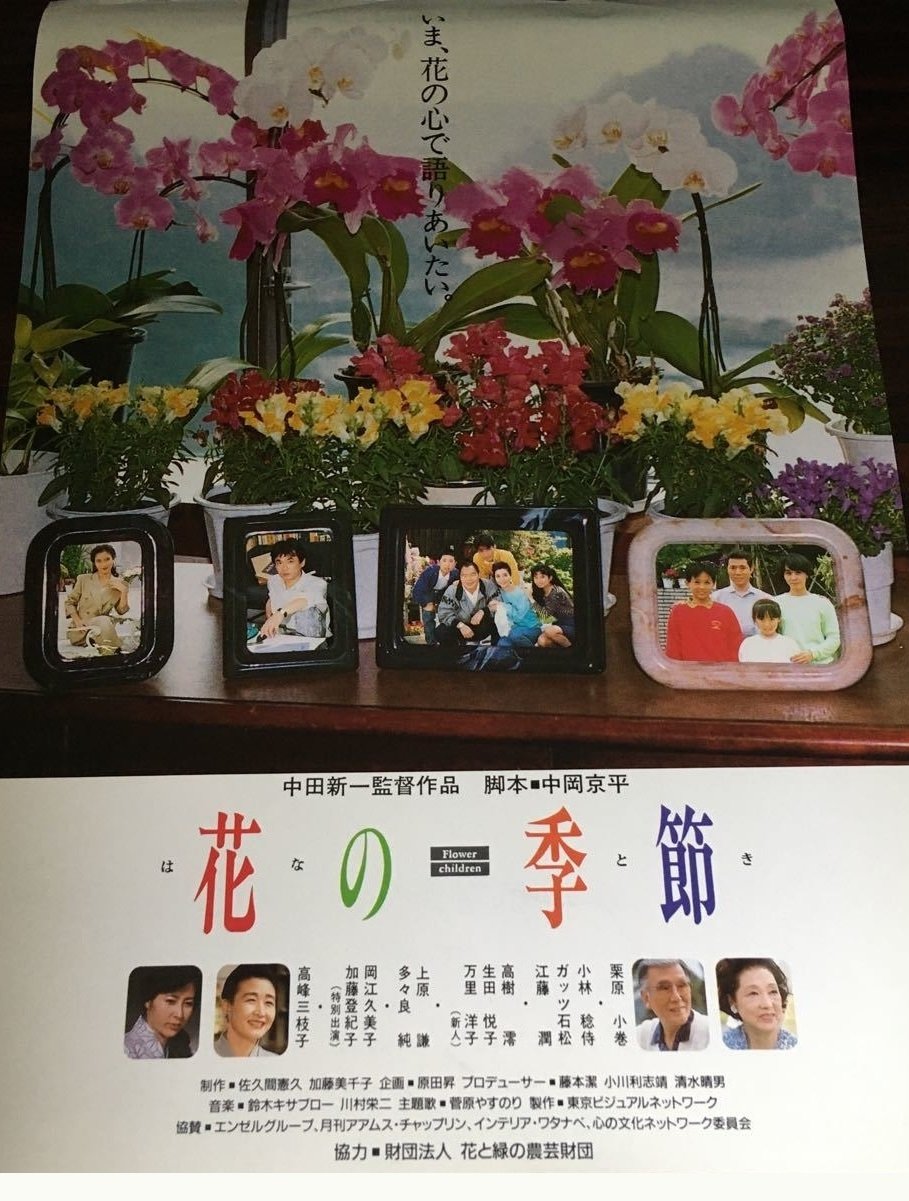
花の季節
1990
Interprétation
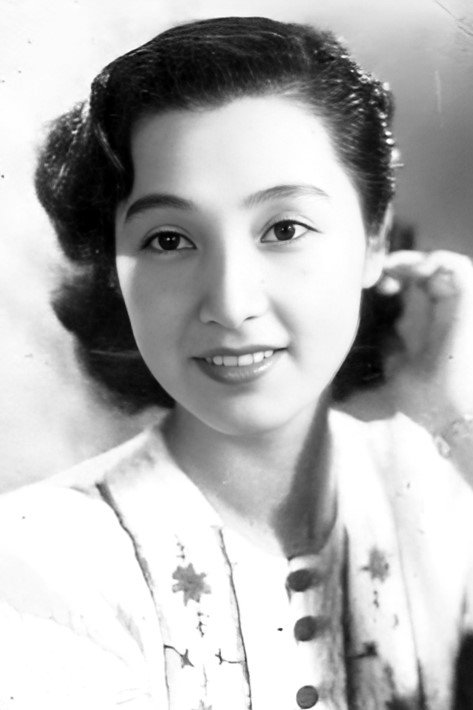
Mieko Takamine (高峰三枝子, Takamine Mieko) (2 December 1918 – 27 May 1990) was a Japanese actress and singer.
Mieko Takamine was born the eldest daughter of famous chikuzen biwa player and teacher Chikufu Takamine. She gave her acting debut in the 1936 film Kimi yo takarakani utae, produced by the Shochiku studios, to which she would remain affiliated throughout her career, although she would also occasionally appear in productions of other companies after the war. Her first released record as a singer was the theme song for the film Hotaru no hikari (1938), and she soon established herself as a "singing movie star".
Takamine starred in films of Japan's most notable directors, including Hiroshi Shimizu, Yasujirō Ozu, Mikio Naruse and Keisuke Kinoshita.
In 1976, Takamine won the Best Supporting Actress award at the 19th Blue Ribbon Awards for her role in The Inugamis (1976). In 1985, she was awarded the Medal of Purple Ribbon and a special Mainichi Film Award for her longtime achievements as a performer
1990
Interprétation
1989
Haruko Saito
1988
Interprétation
1984
Interprétation
1983
Interprétation
1980
Interprétation
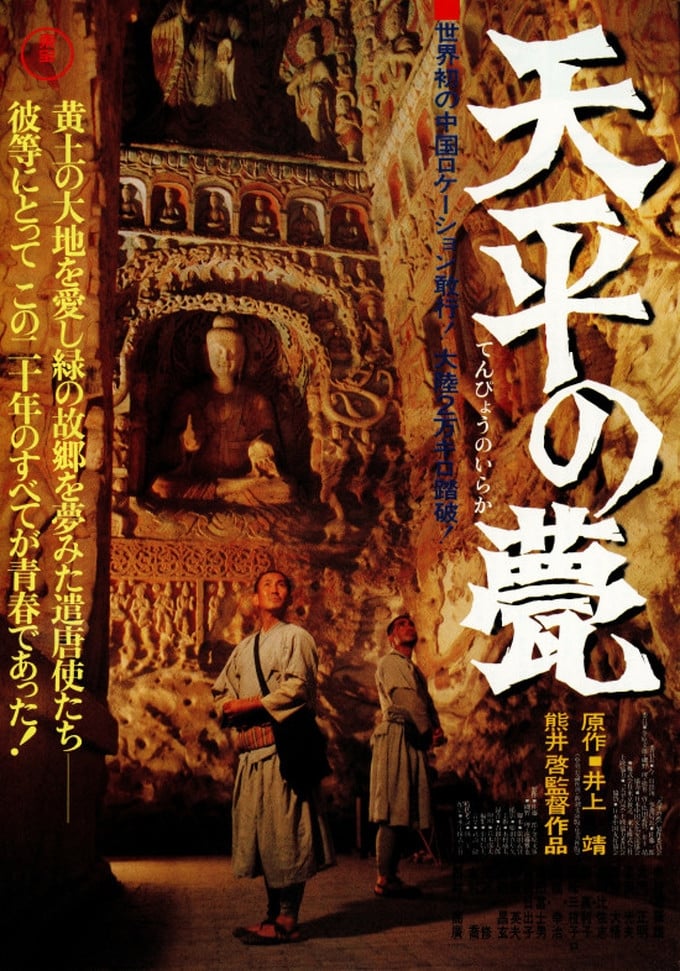
À l'époque du Japon Tenpyō (729-749 de notre ère), quatre jeunes moines sont envoyés en Chine pour étudier le bouddhisme et ramènent avec eux un grand prêtre au Japon. Le film raconte la jeunesse des quatre moines et la vie et les heures du grand prêtre Ganjin.
1980
Yoroshime
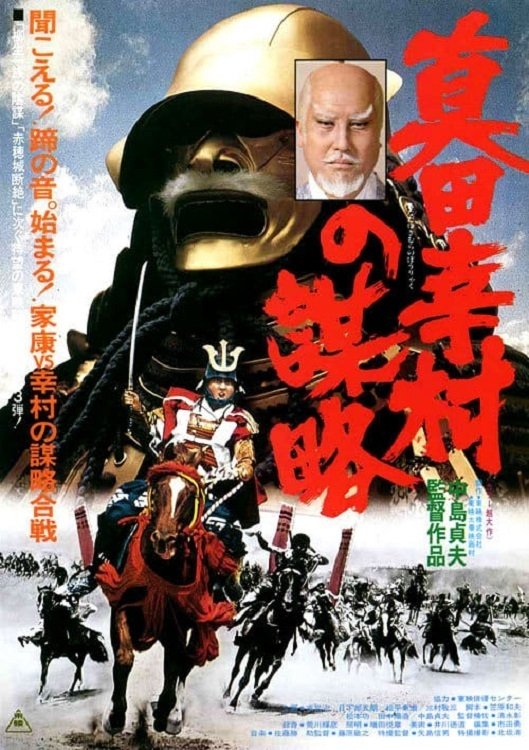
Le Seigneur Sanada Yukimura, cherchant à se venger du meurtre de son père commandité par le Shogun Tokugawa Ieyasu, va s’associer à des ninjas pour arriver à ses fins...
1979
Interprétation
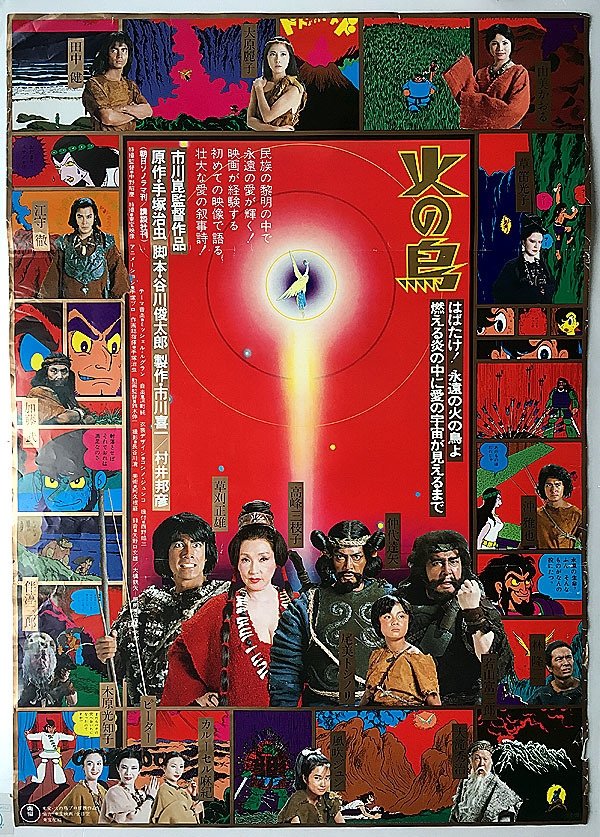
1978
Queen Himiko of Yamatai
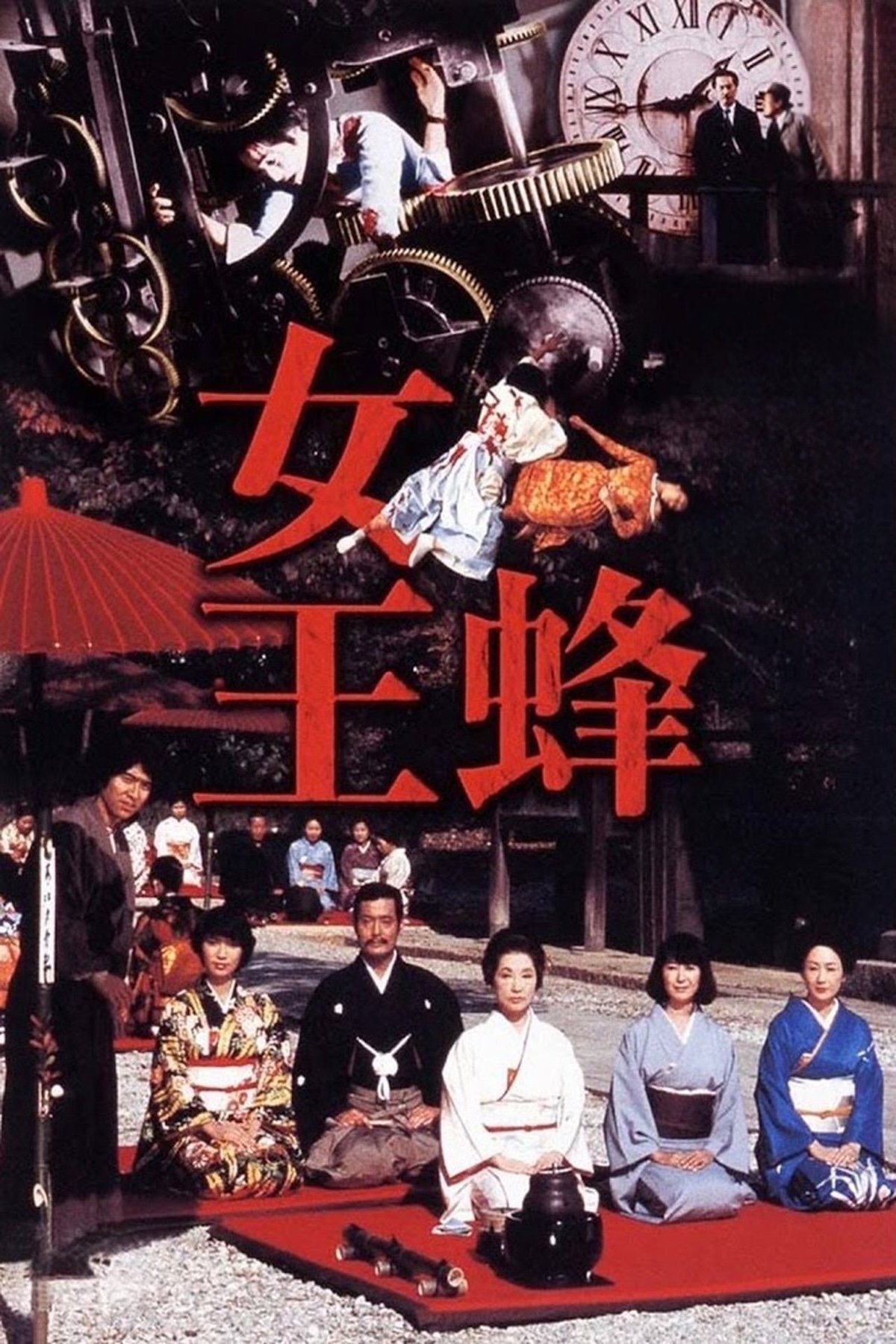
1978
Takako Higashikoji

1977
Interprétation
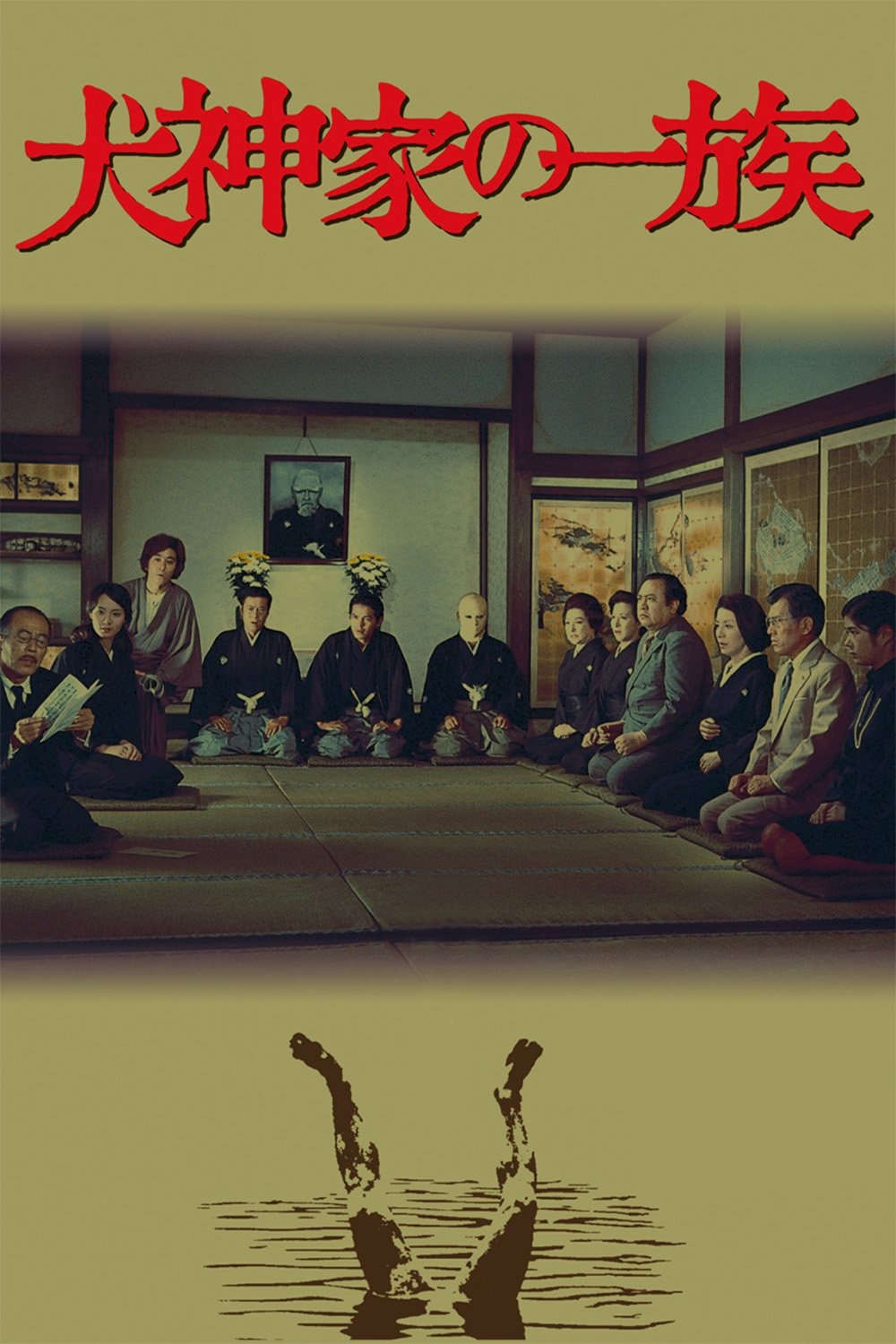
À la mort du puissant Sahei Inugami, son testament provoque de violentes tensions au sein de sa famille : son immense fortune reviendra à Tamayo, à condition qu’elle épouse l’un de ses trois petits-fils. Alors que les rivalités s’exacerbent et que les premiers meurtres surviennent, le détective Kōsuke Kindaichi est appelé à démêler les secrets du clan Inugami.
1976
Matsuko Inugami

1976
Motoko Sakurai
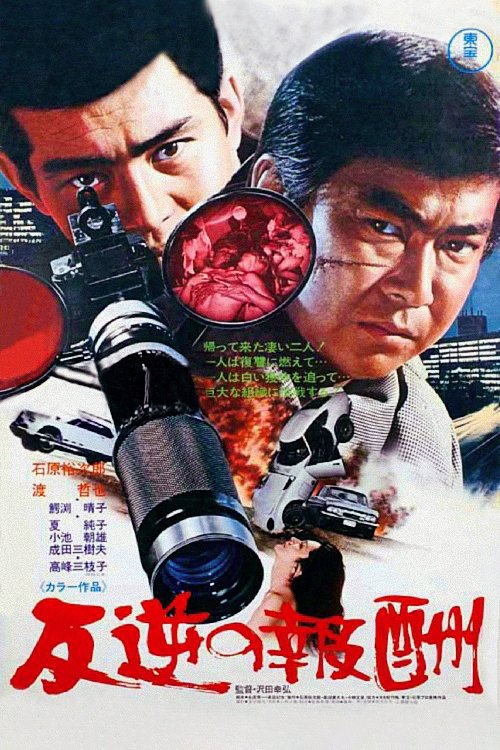
1973
Yoshie
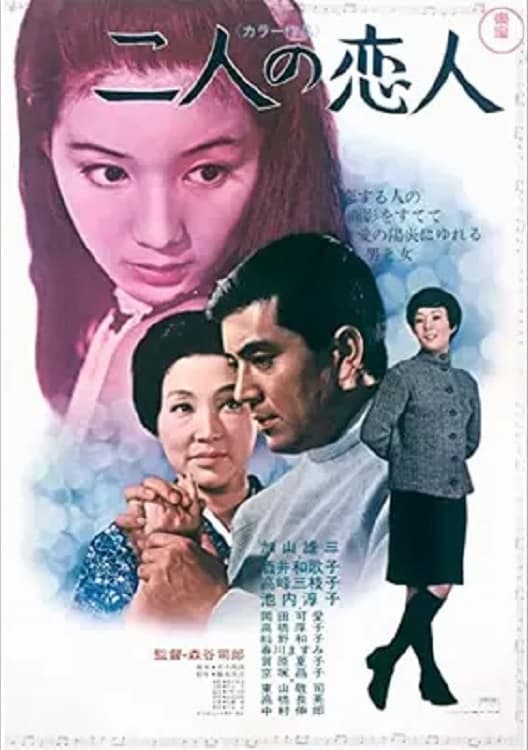
1969
Interprétation
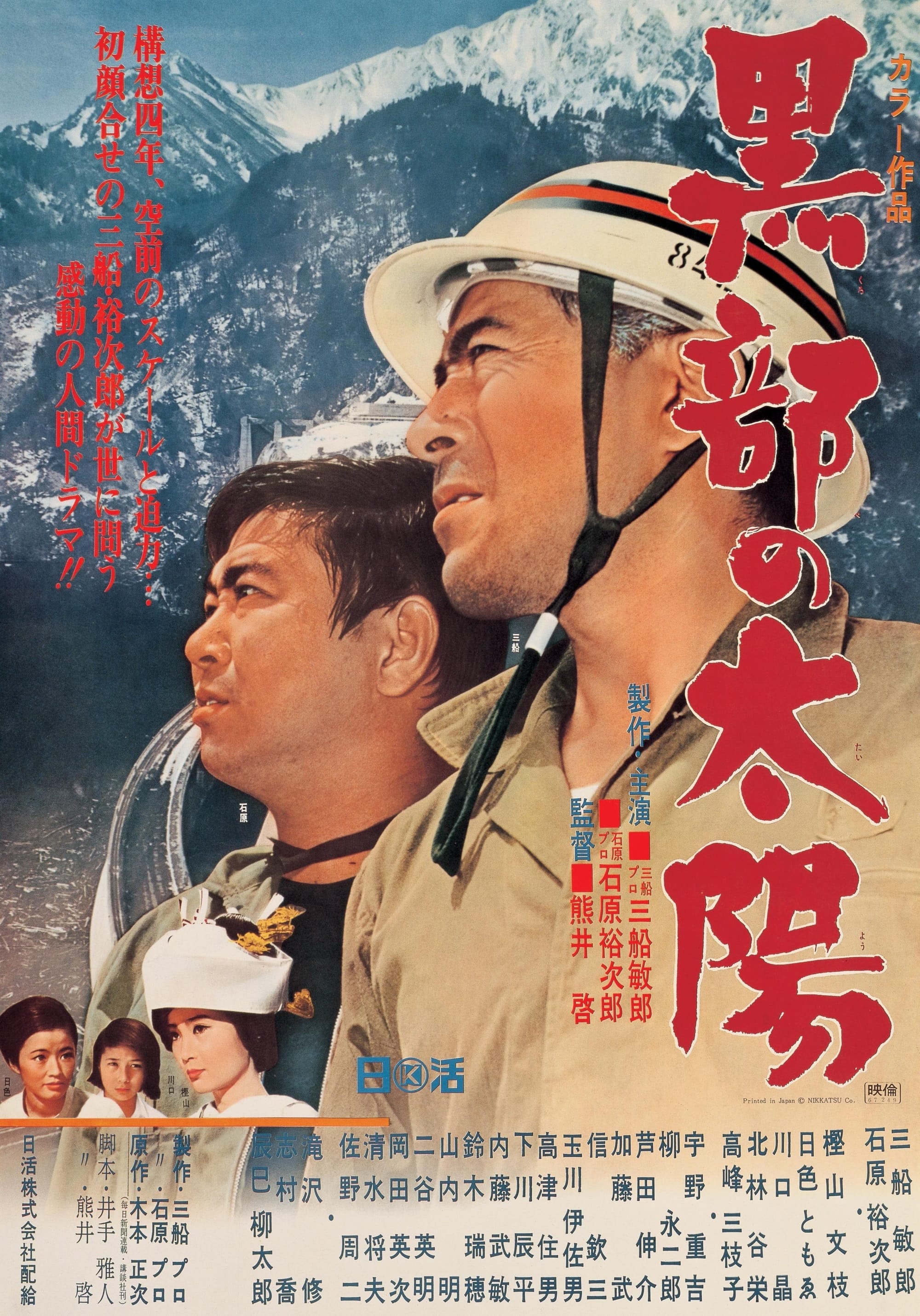
Drame relatant la construction du barrage de Kurobe, le plus grand barrage du Japon dont la construction a coûté la vie à 171 personnes.
1968
Interprétation

1967
Interprétation
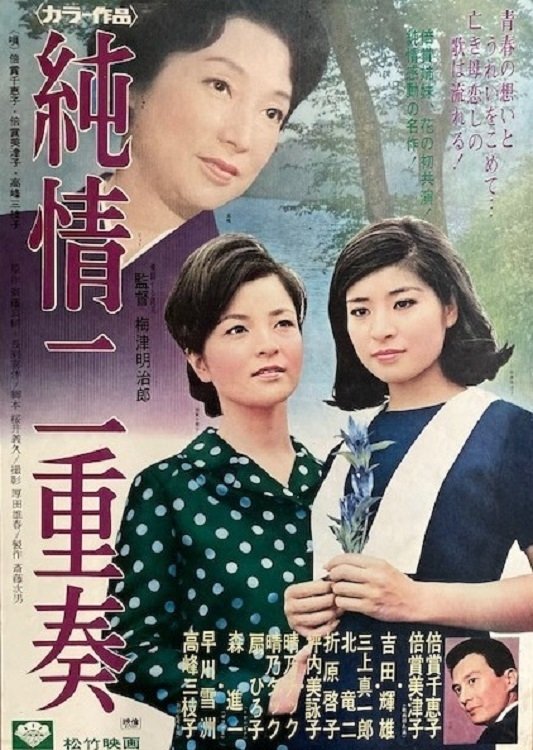
1967
Interprétation
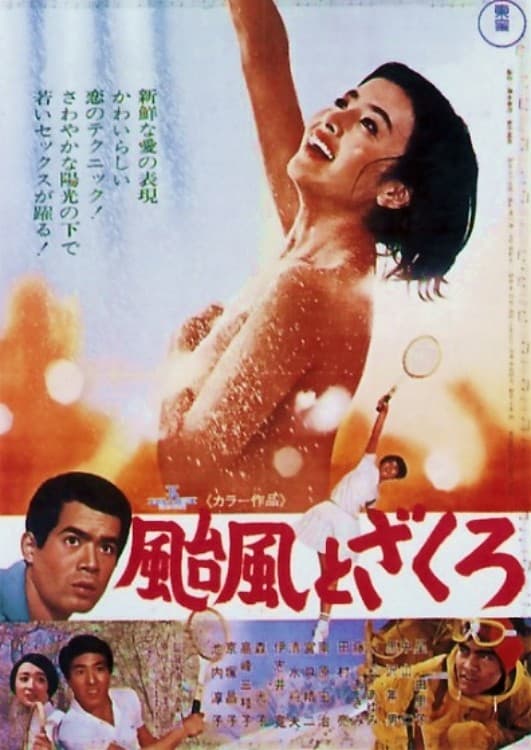
1967
Nobuko Sakamoto
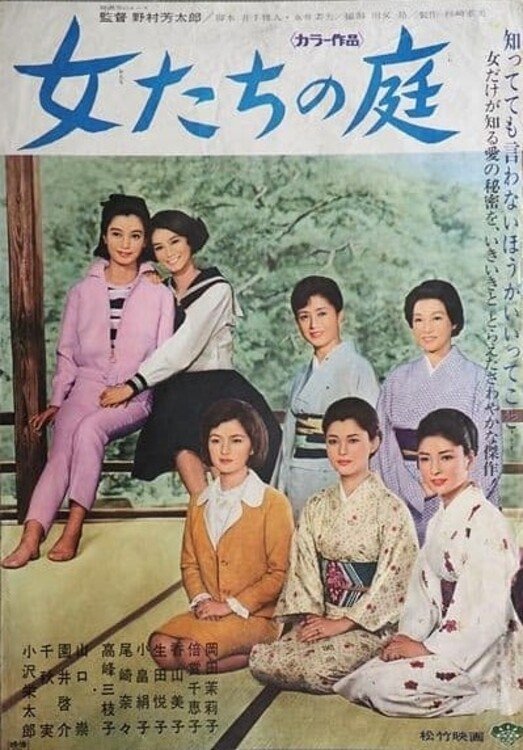
1967
石塚綾子

1967
Interprétation
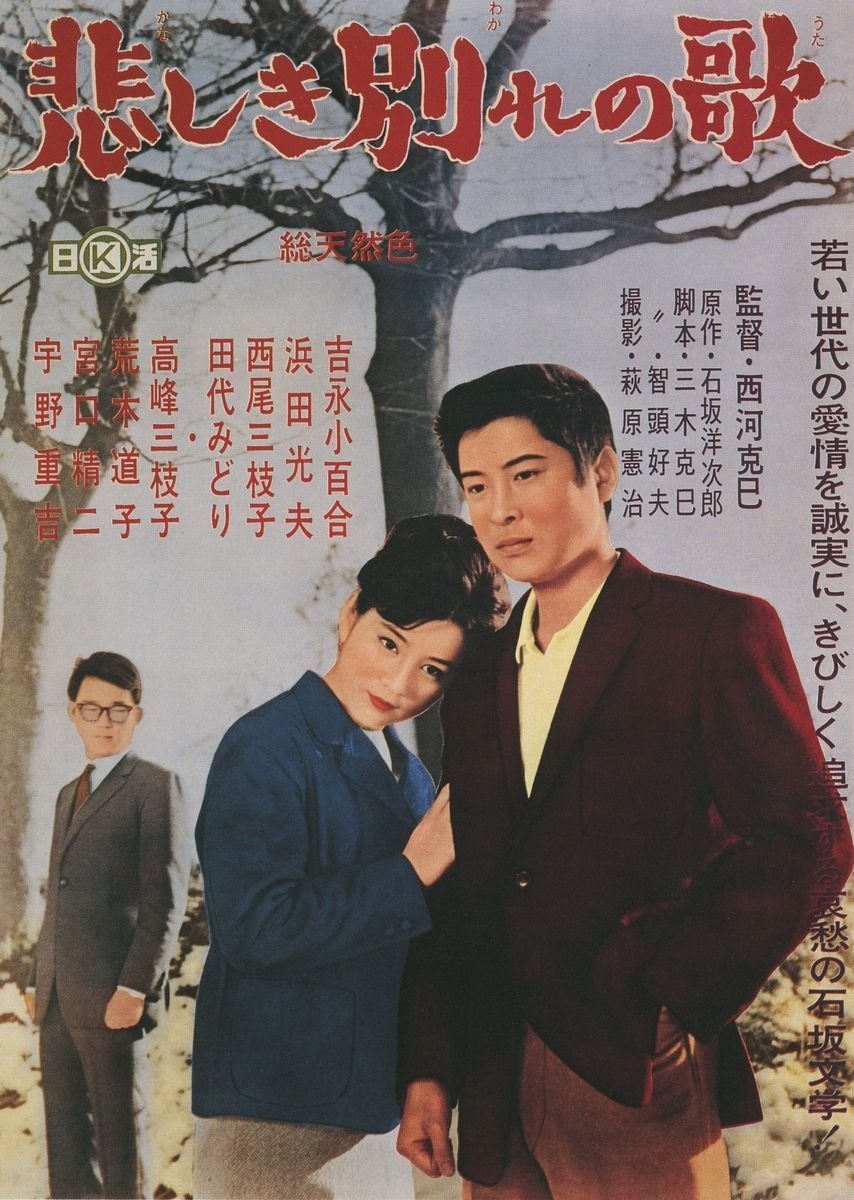
1965
Haruko Nomura
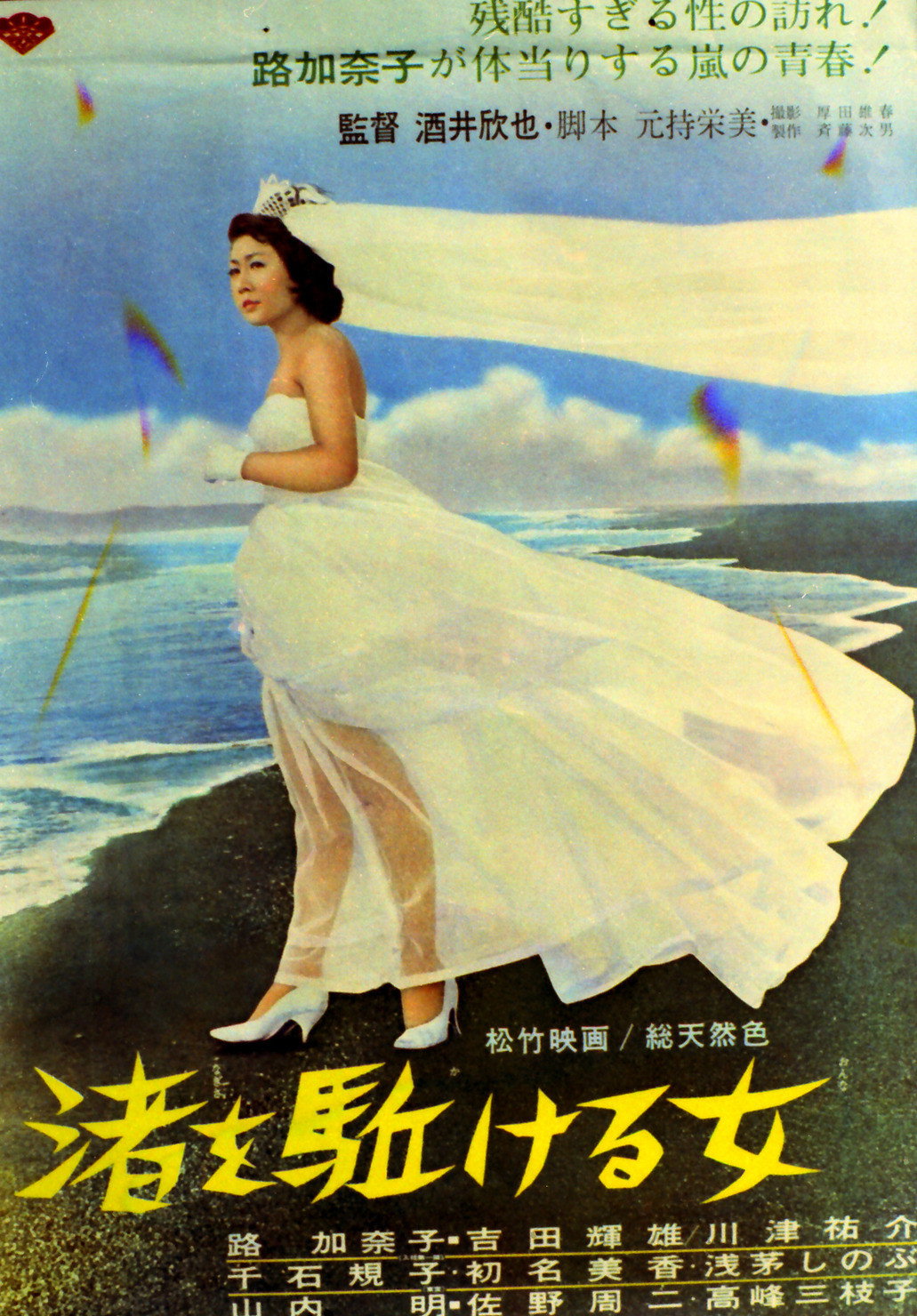
1964
Interprétation
1964
守屋節子
1964
Interprétation
1963
Yukiko Ishida

1963
Ohama
1963
Interprétation
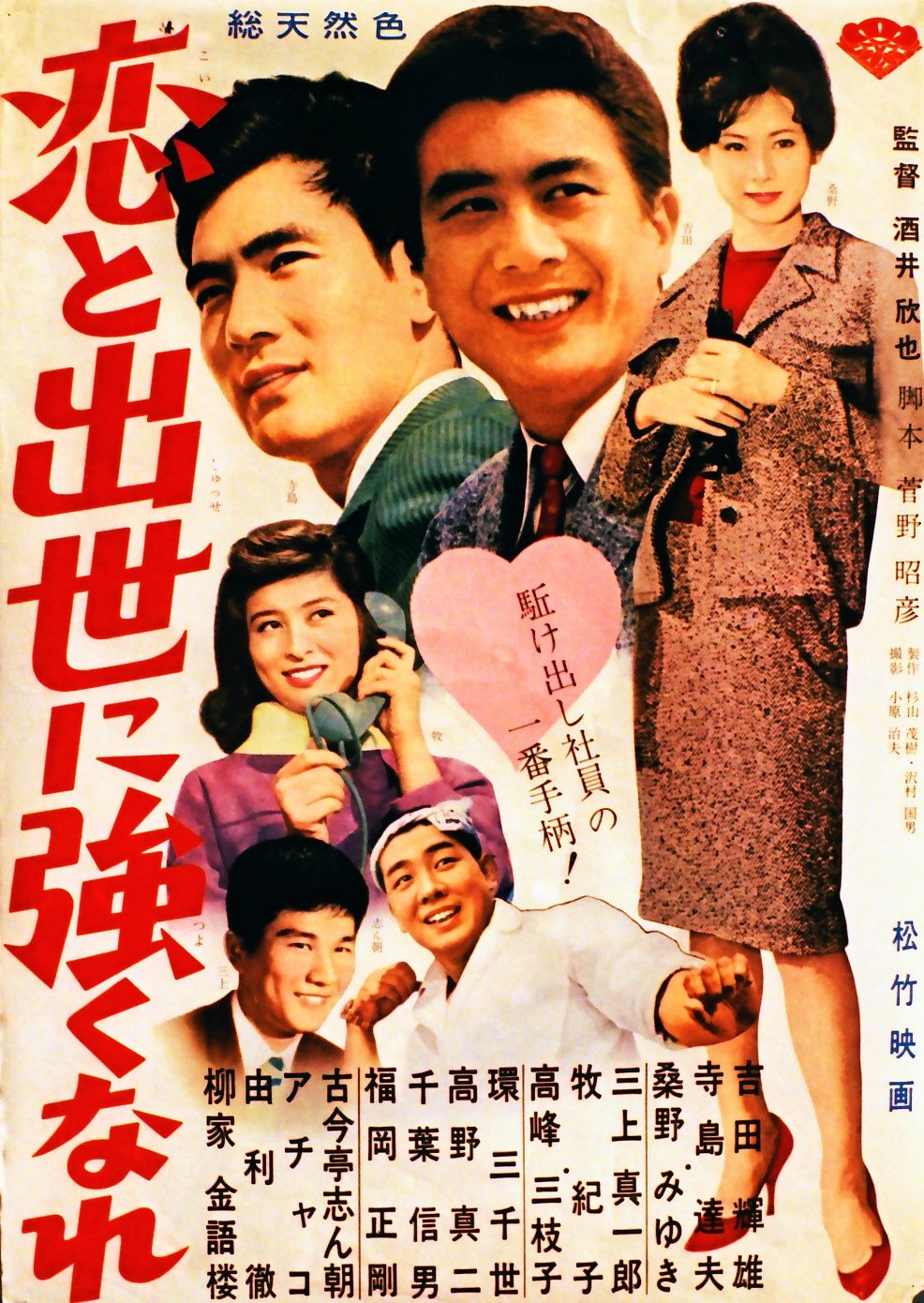
1963
牧野春代
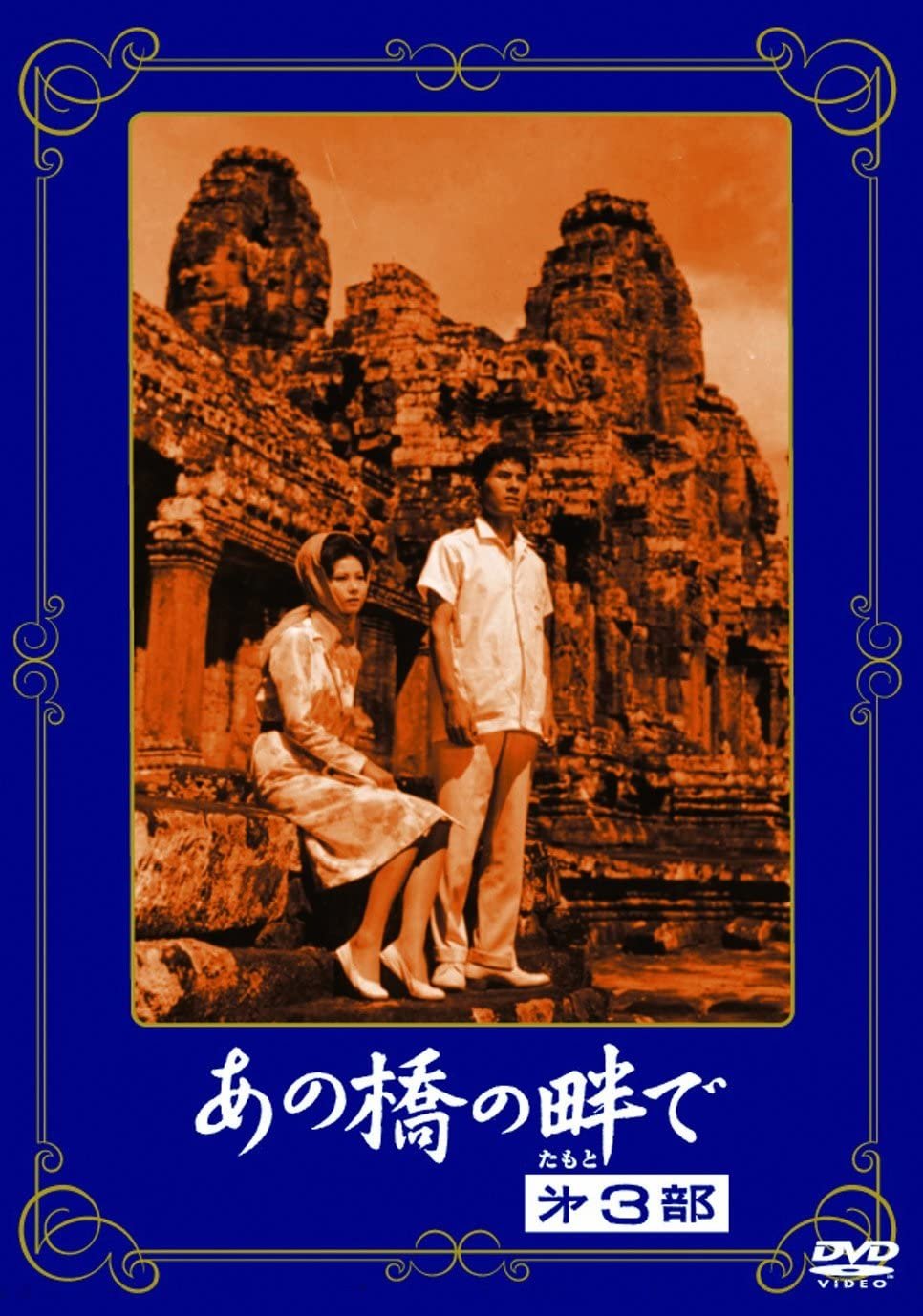
1963
Interprétation
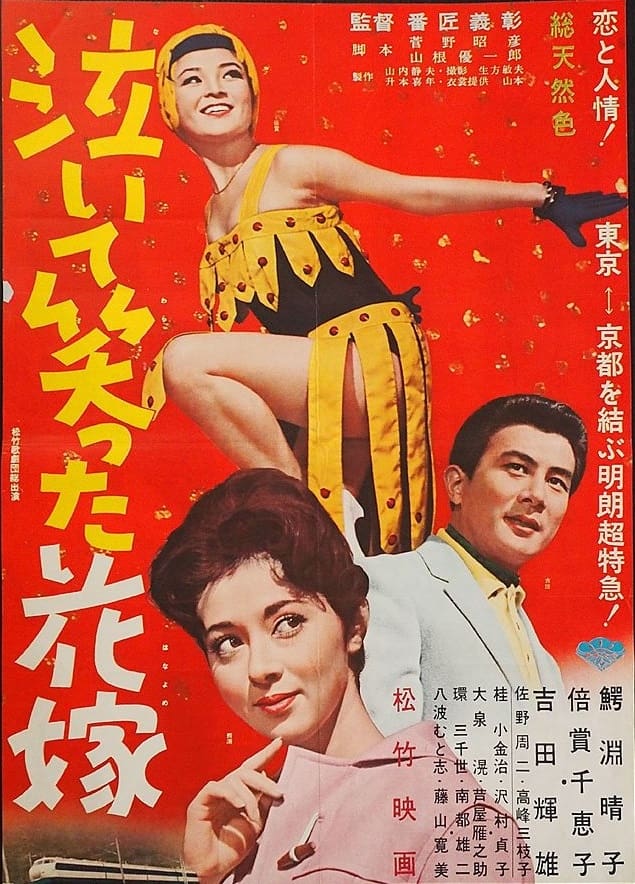
1962
Interprétation
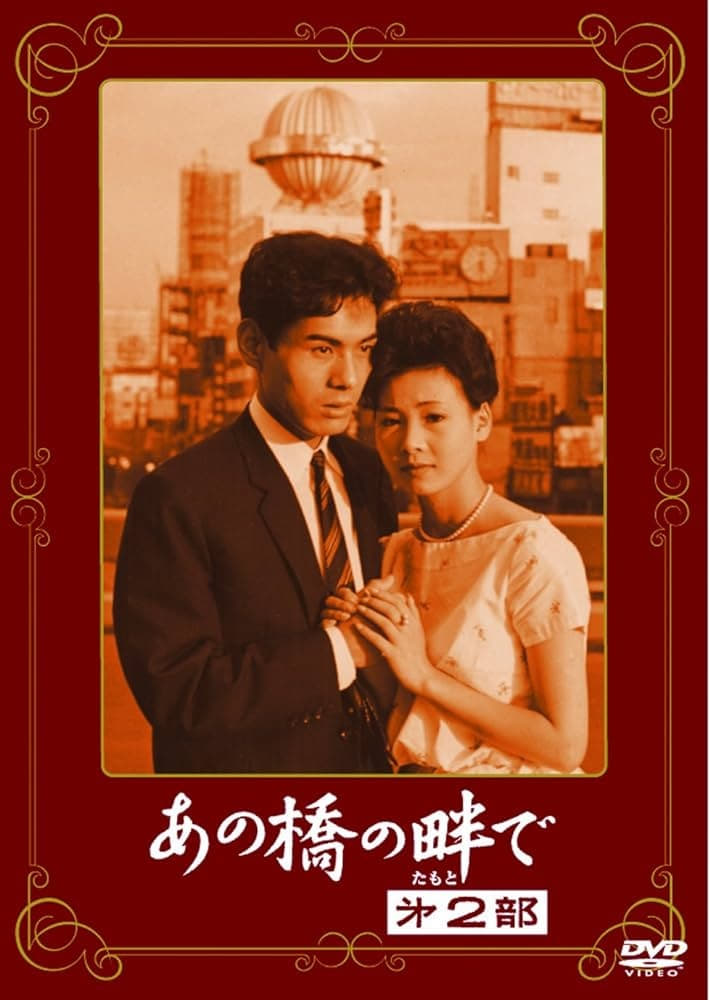
1962
Interprétation
1962
Interprétation
1962
Interprétation
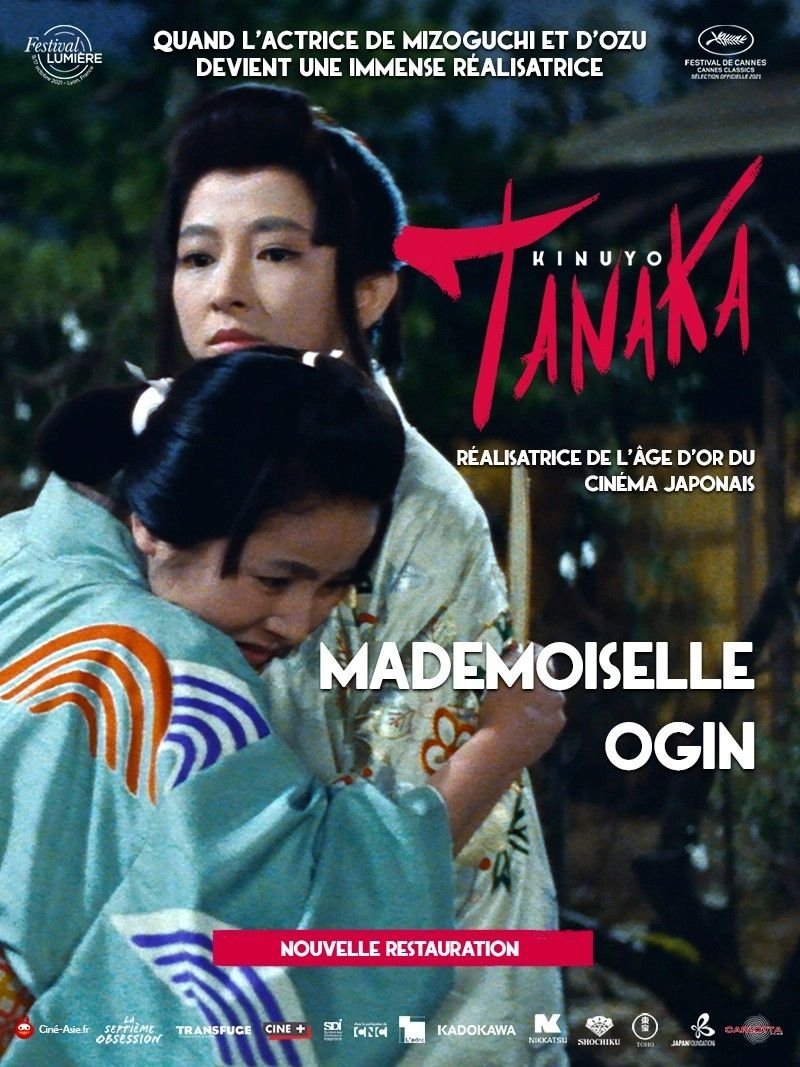
L'histoire d'amour contrariée entre Gin, la fille de Sen no Rikyū et Ukon Takayama, un seigneur en butte à la persécution des chrétiens décrétée par Hideyoshi Toyotomi.
1962
Riki

1962
Interprétation

1962
Interprétation
1961
Interprétation
1961
Interprétation

1961
Interprétation

Le 48e film de Yoshimura est l'histoire d'une famille japonaise aisée du début des années soixante qui montre les faiblesses et les défauts de cette classe sociale, son égoïsme et son manque total de considération sous des manières polies et superficiellement parfaites.
1961
Interprétation
1960
Interprétation
1959
Interprétation
1959
Interprétation
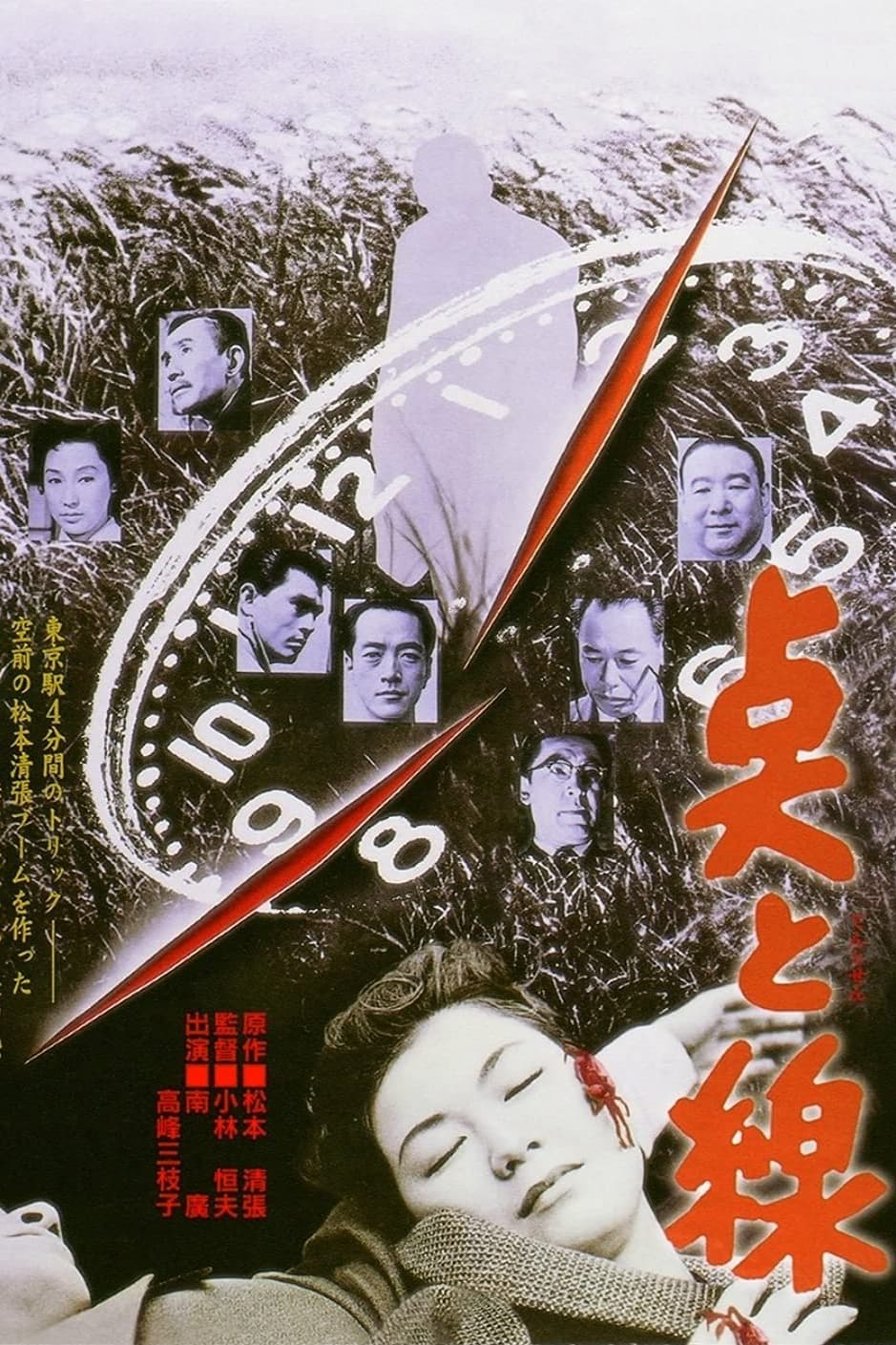
1958
Ryoko

1958
Interprétation

1958
Interprétation
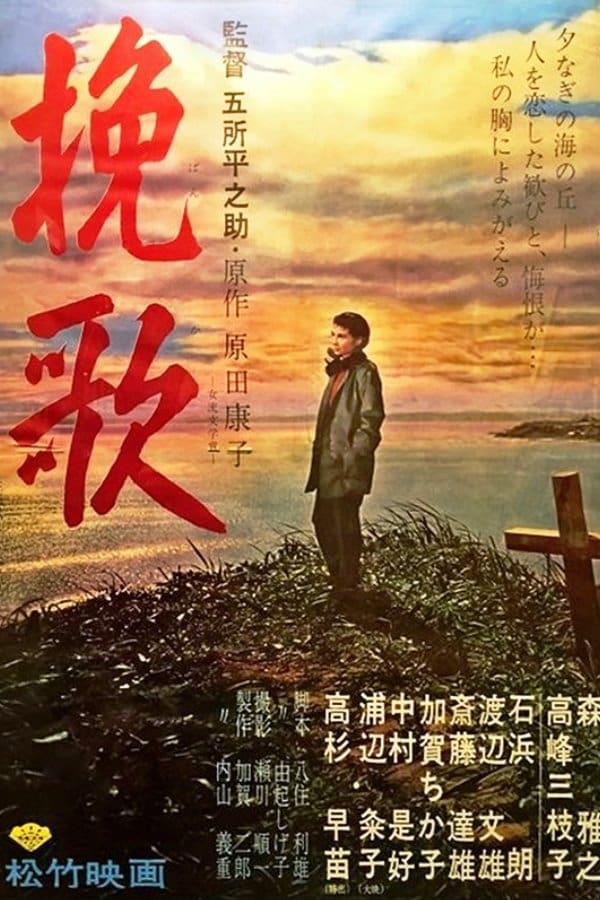
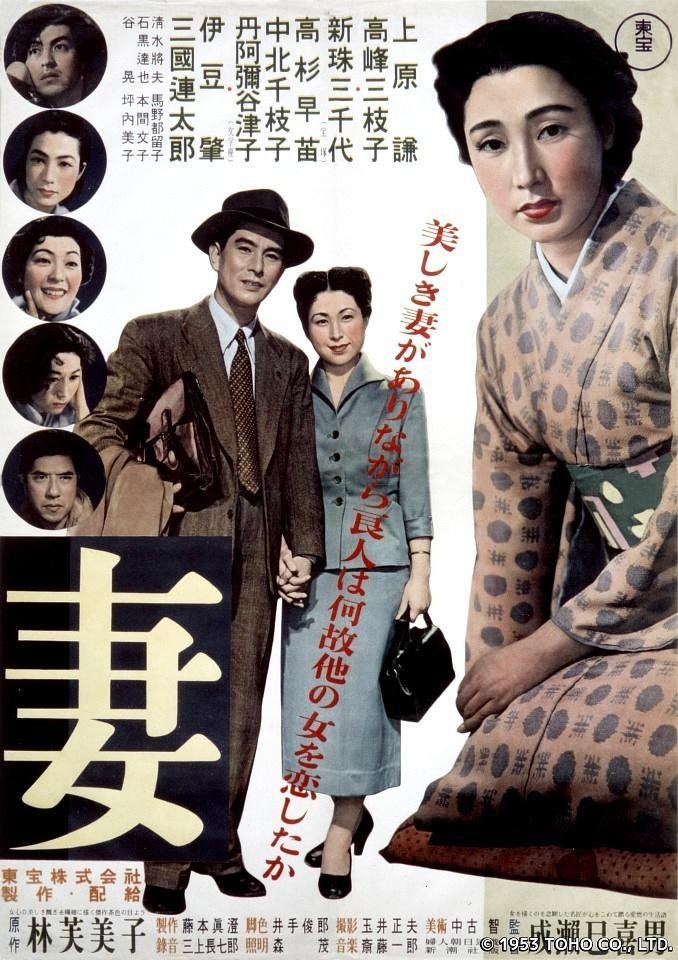
Une jeune femme tombe amoureuse d'un homme d'affaires plus âgé qu'elle, mais les choses se compliquent lorsqu'elle commence également à éprouver des sentiments pour sa femme.
1957
Akiko Katsuragi

1957
Yoshie Kono
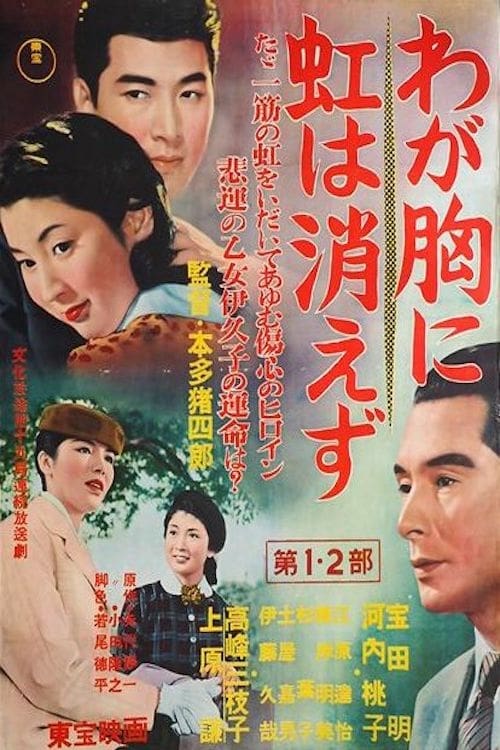
1957
Interprétation
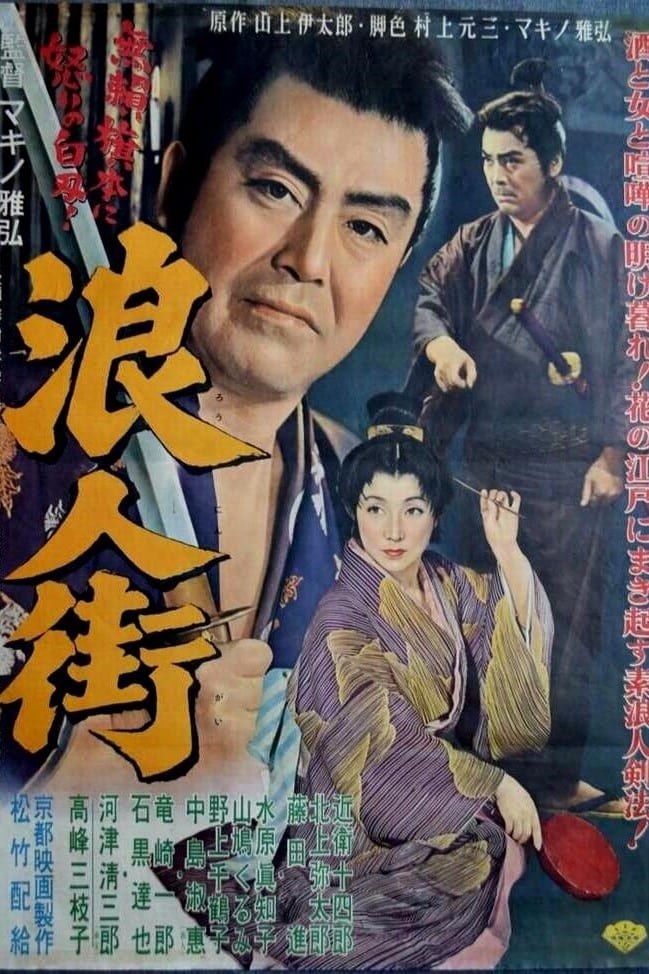
1957
Interprétation
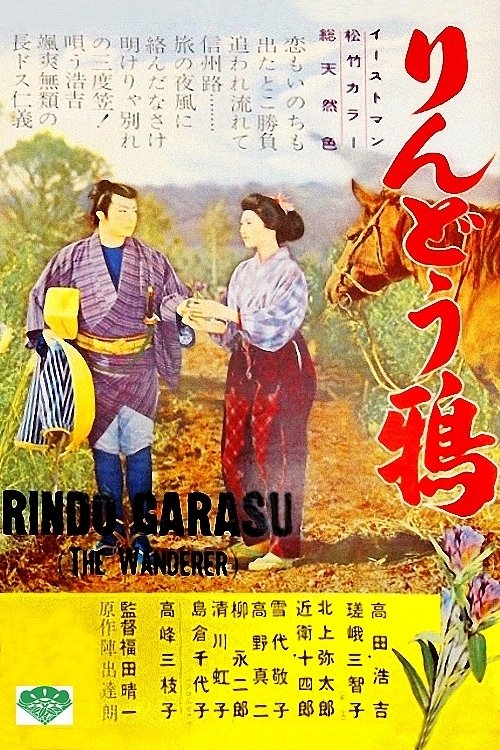
1957
Interprétation
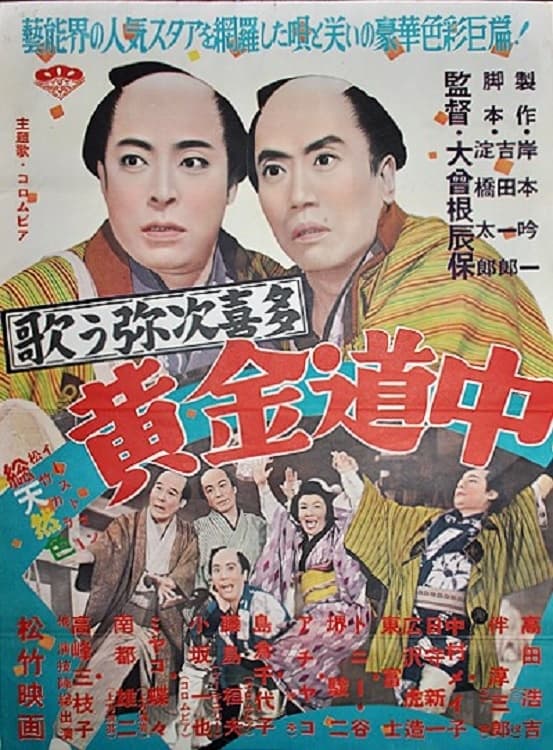
1957
Interprétation
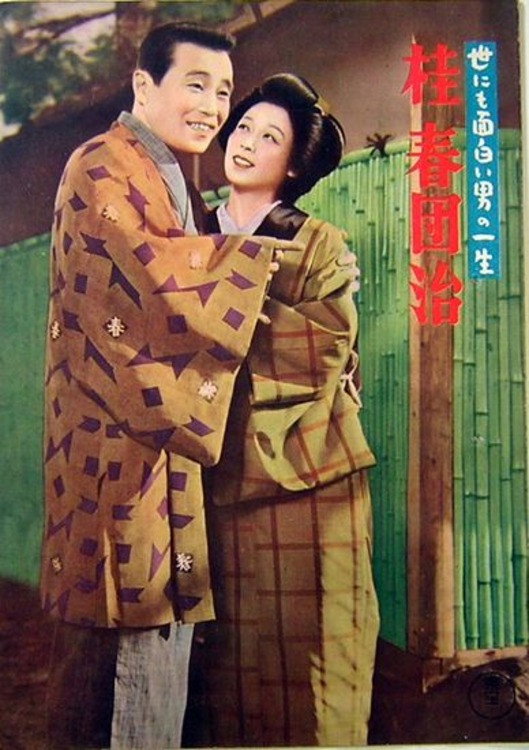
1956
Interprétation
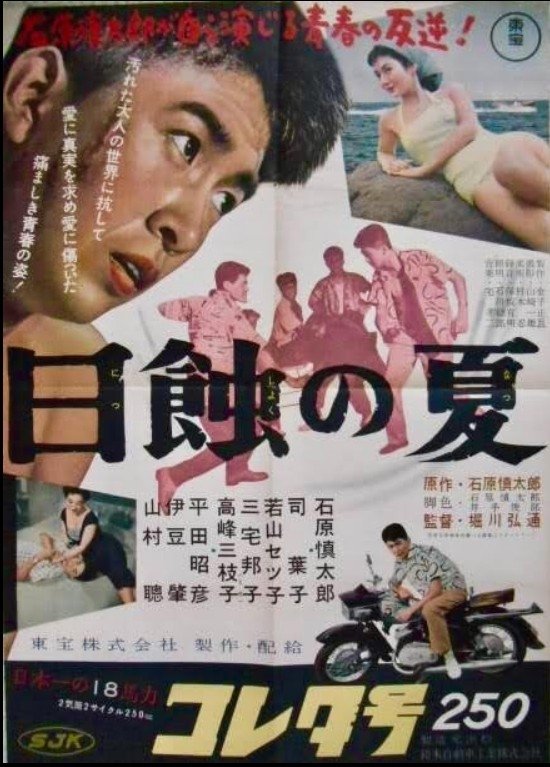
1956
Setsuko
1956
Interprétation
1956
Dancer Takai

1956
Interprétation
1956
Interprétation
1955
Interprétation
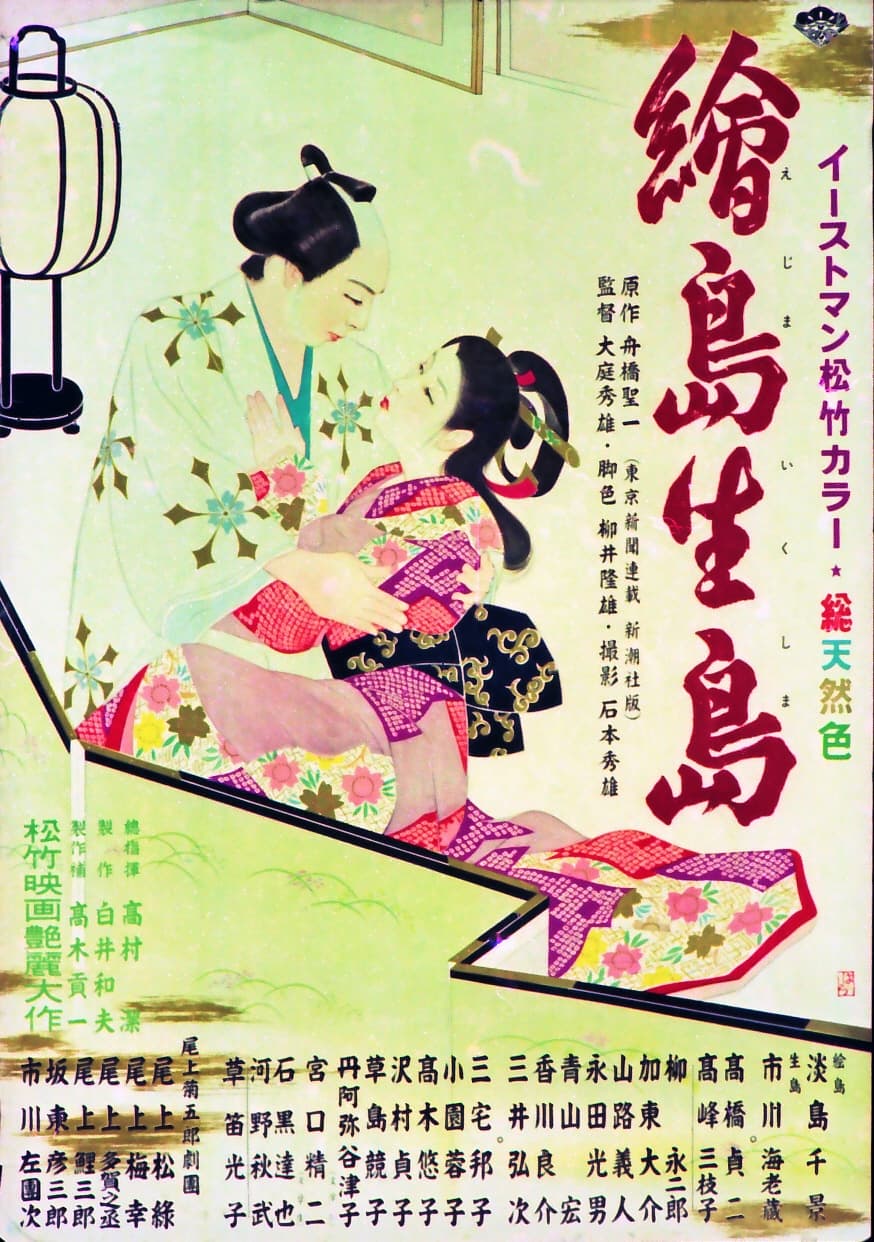
1955
月光院
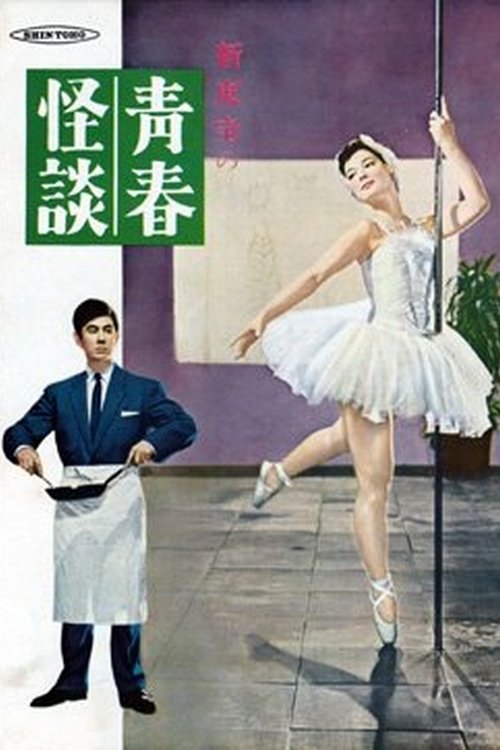
1955
Interprétation

1955
Interprétation
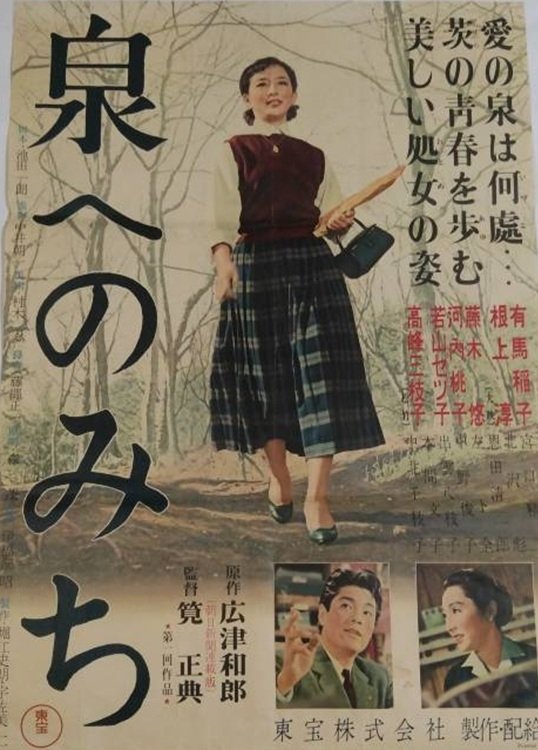
1955
Hatano Tsuneko
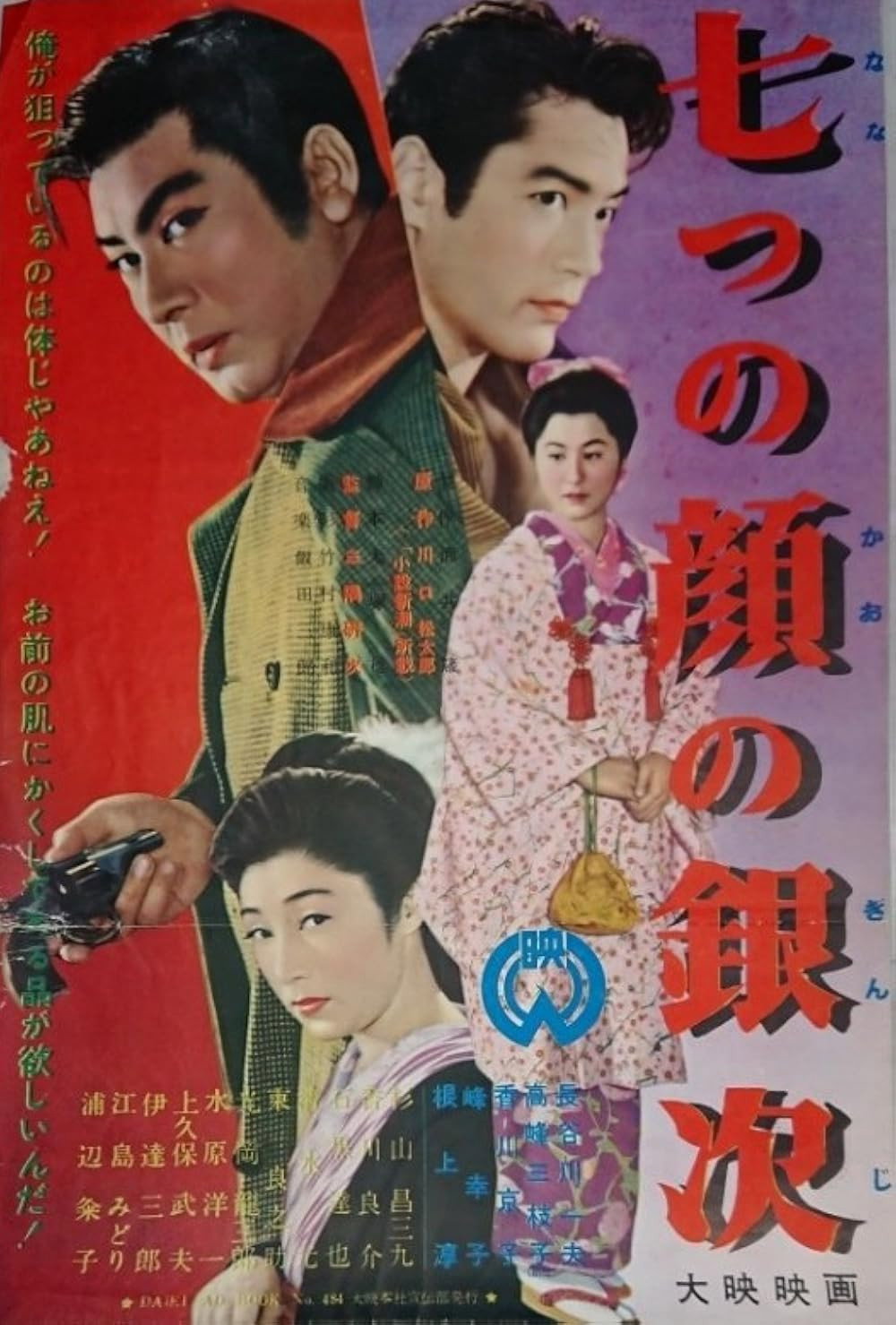
1955
Interprétation
1954
Interprétation
1954
Interprétation

1954
Interprétation

1954
Interprétation
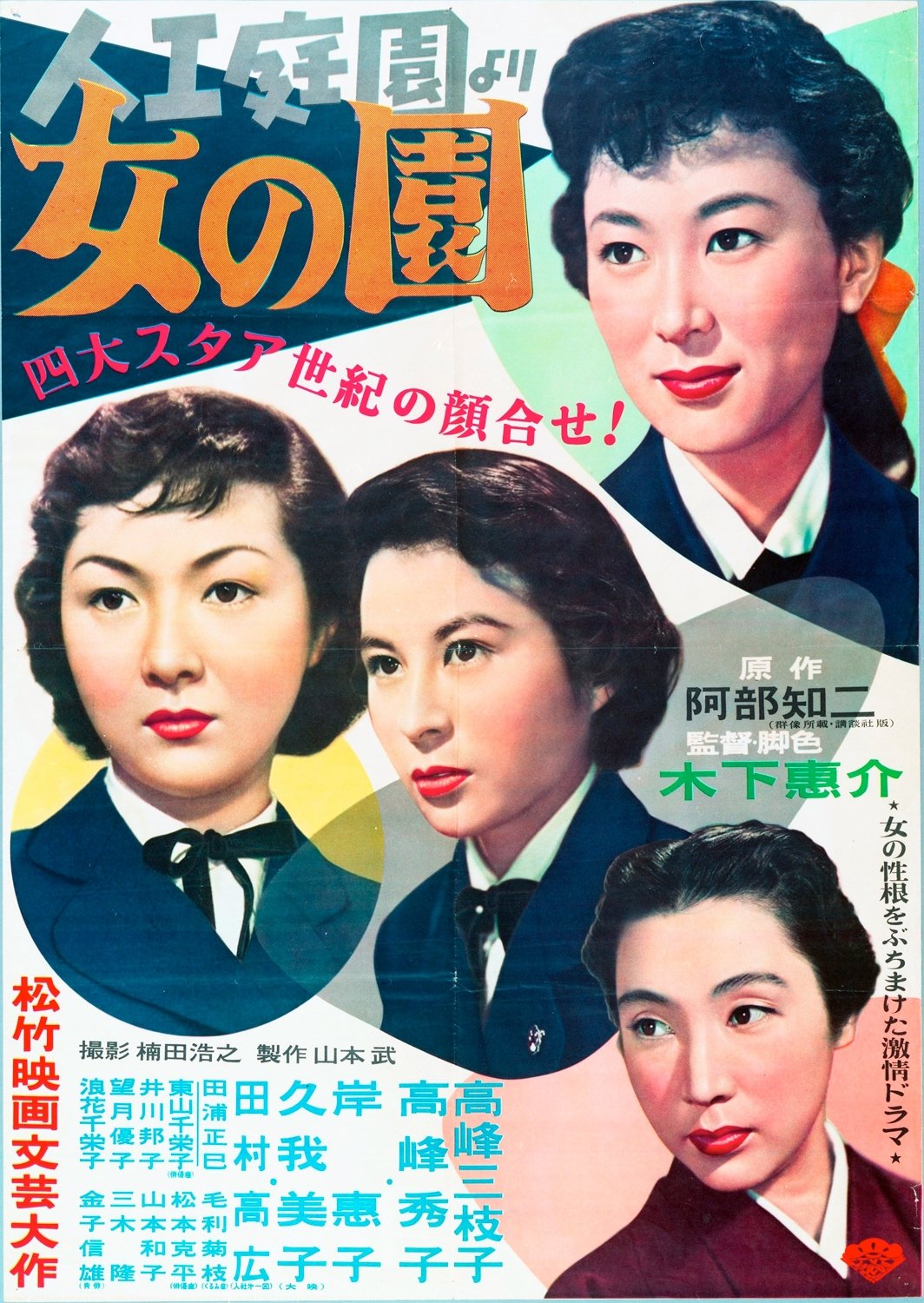
Une étudiante d'une université pour femmes entreprend une action controversée contre les doctrines désuètes de l'école.
1954
Mayumi Gojo
1953
Interprétation

1953
Interprétation
1953
Interprétation
1953
Interprétation

1952
Interprétation

1952
Interprétation
1952
お仙
1951
Interprétation
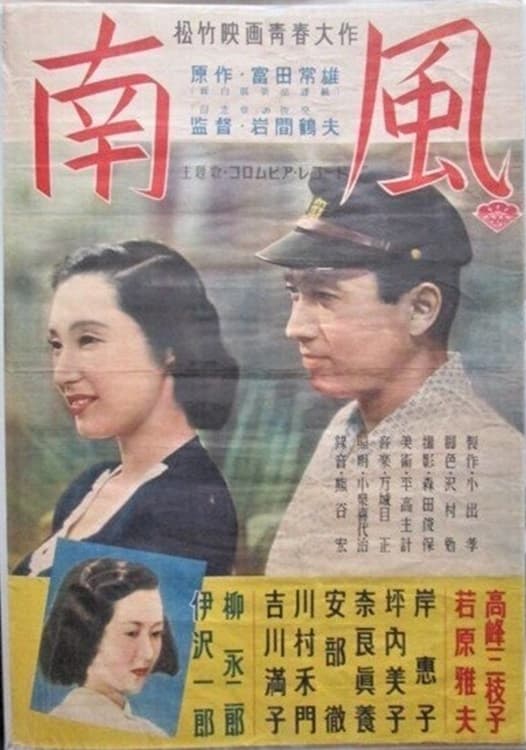
1951
Interprétation
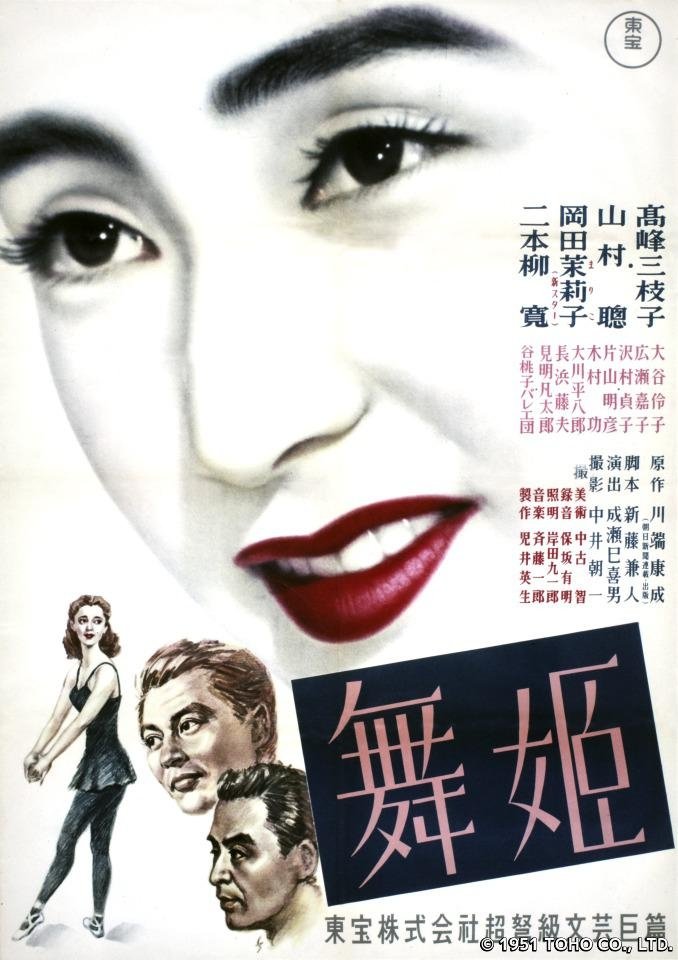
La relation entre un écrivain et sa femme professeur de ballet, qui aime depuis des années un autre homme, conduit finalement à la rupture de la famille.
1951
Namiko
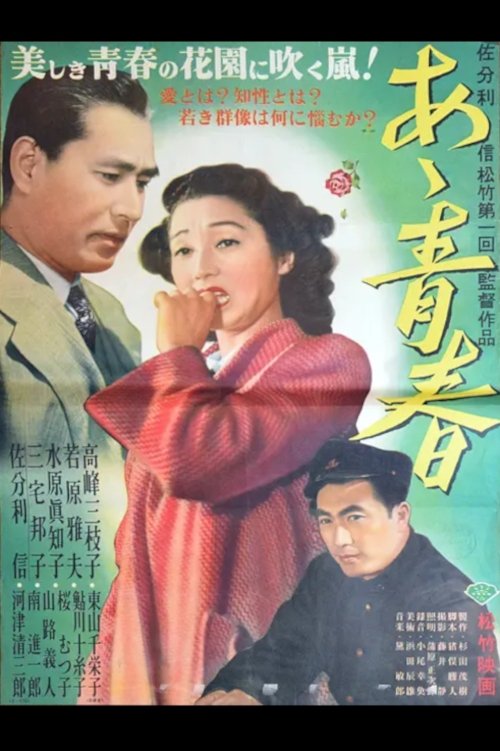
1951
Interprétation
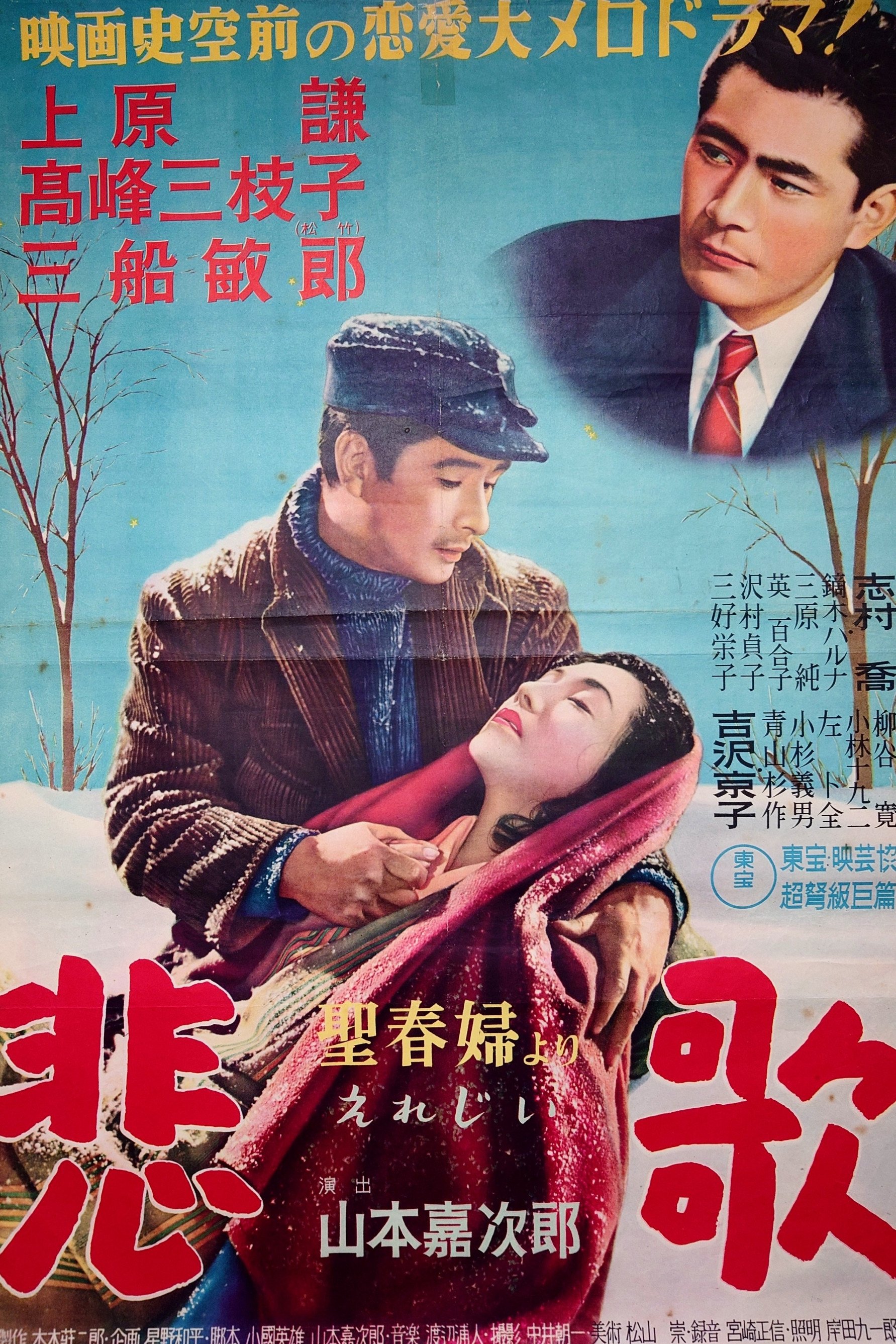
1951
Interprétation
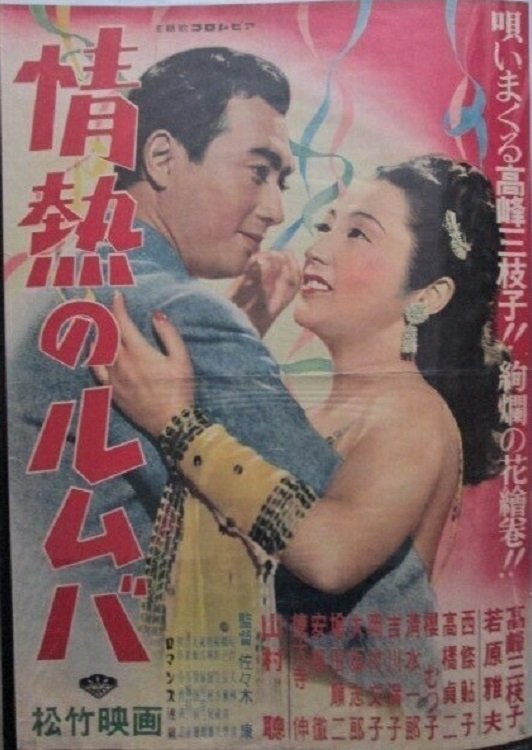
1950
Interprétation
1950
Interprétation
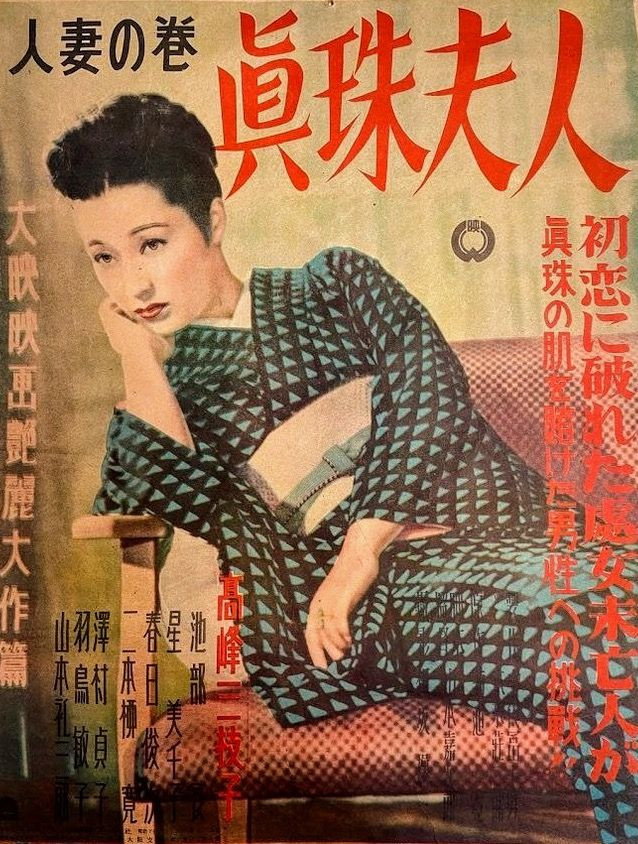
1950
Interprétation
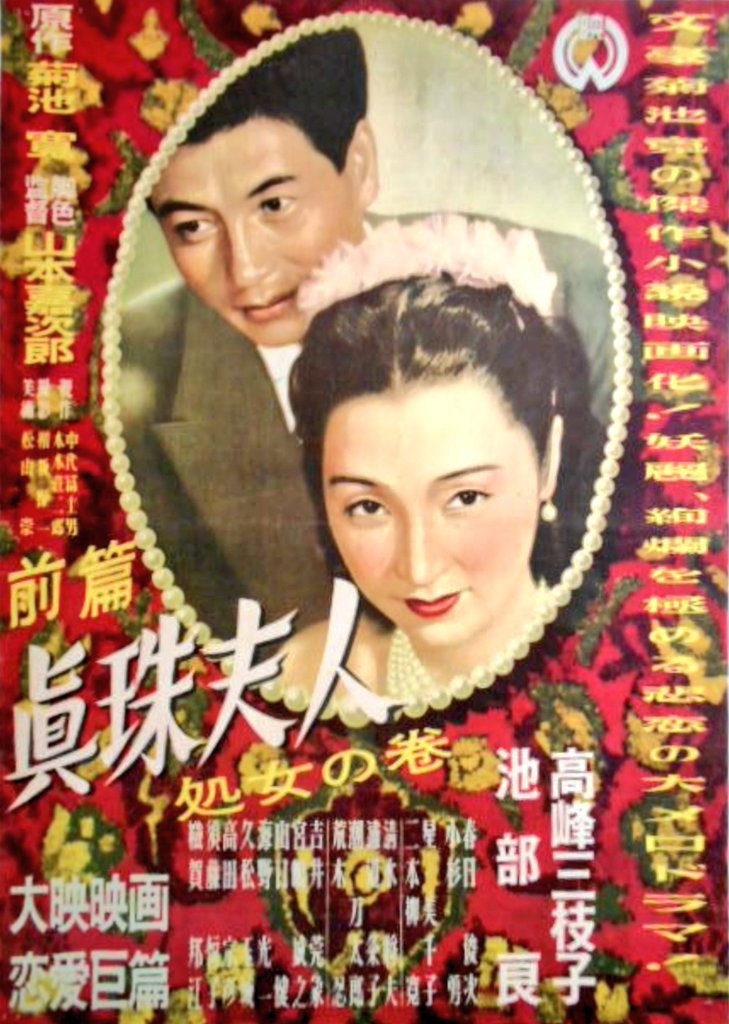
1950
Interprétation
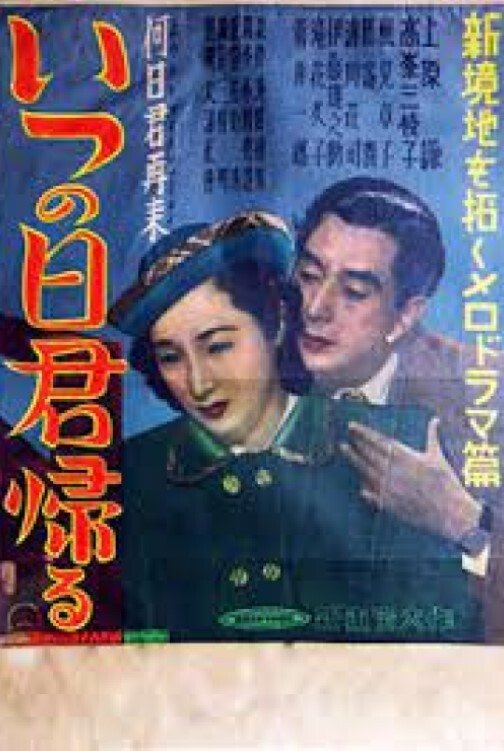
1950
Interprétation
1950
Interprétation
1949
Hanamura Emiko
1949
Interprétation
1949
Interprétation

1948
Interprétation

1948
Interprétation

1948
Interprétation
1948
Interprétation

1948
Interprétation
1947
Interprétation

1947
Akiko
1947
Interprétation
1946
Interprétation
1946
Interprétation
1945
Interprétation
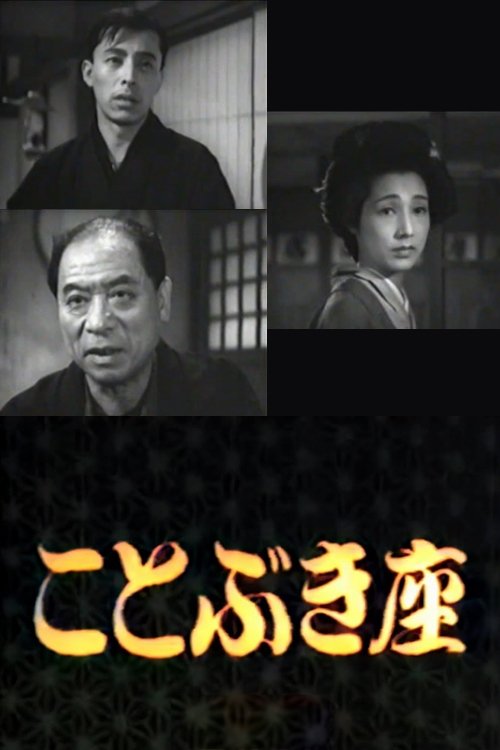
1945
Interprétation
1945
Interprétation
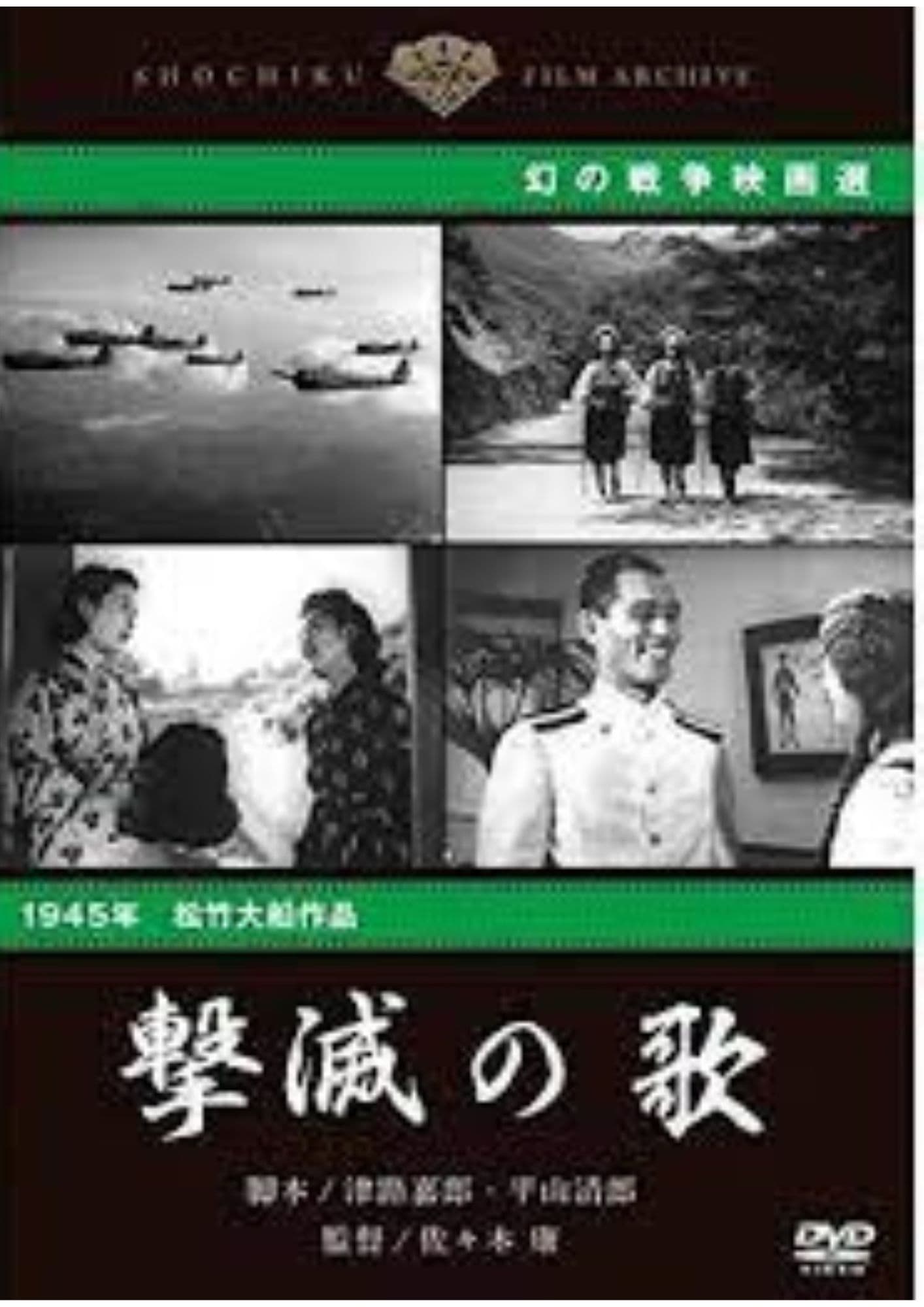
1945
桜井千鶴
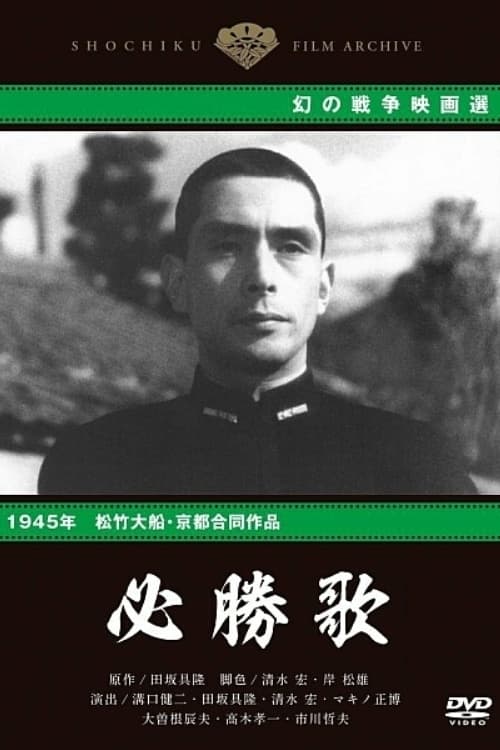
Le Chant de la victoire est constitué de treize histoires qui exaltent le patriotisme japonais.
1945
Nobue
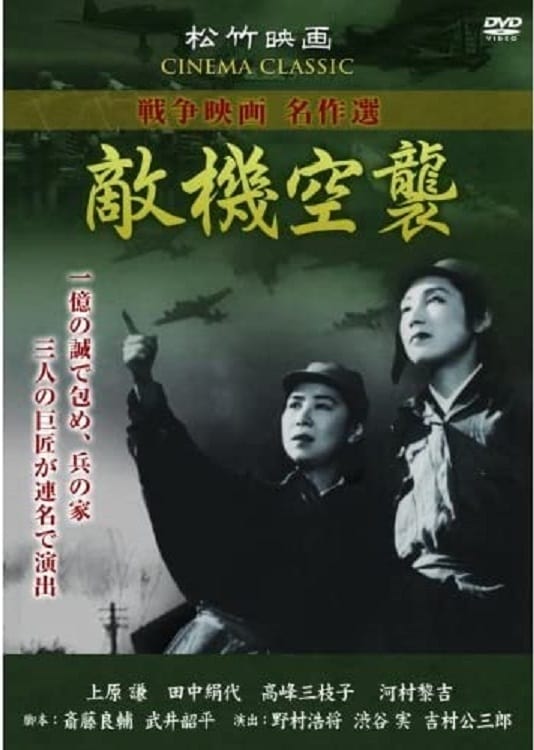
1943
Setsuko Ueno
1942
Interprétation
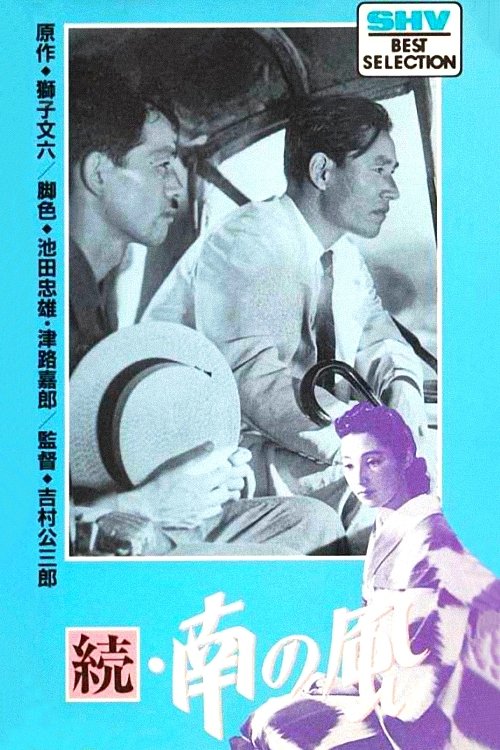
1942
Interprétation
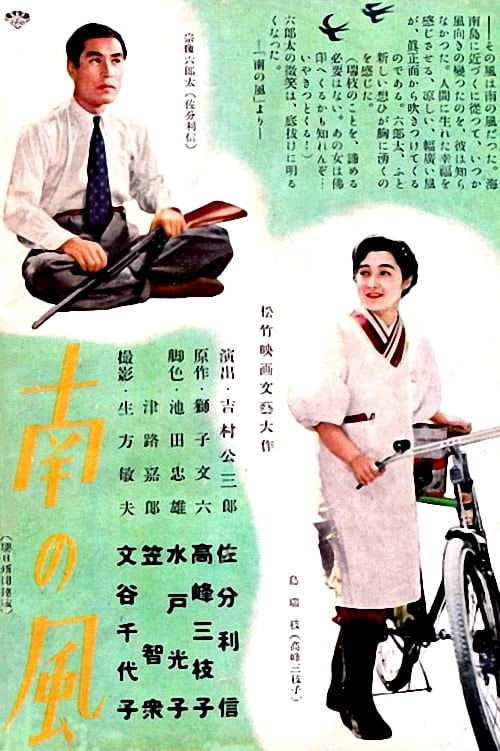
1942
Interprétation
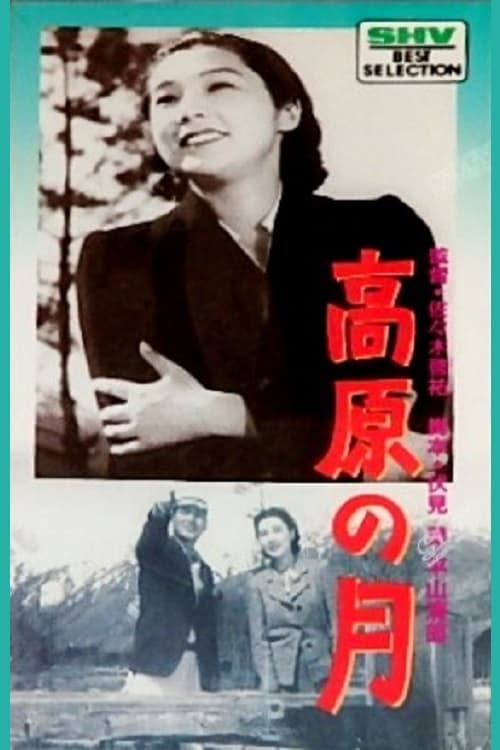
1942
Interprétation

Après l'injuste condamnation à se faire hara-kiri infligée à un jeune samouraï, quarante-sept de ses compagnons le vengent en se faisant à leur tour hara-kiri sur sa tombe.
1941
Omino
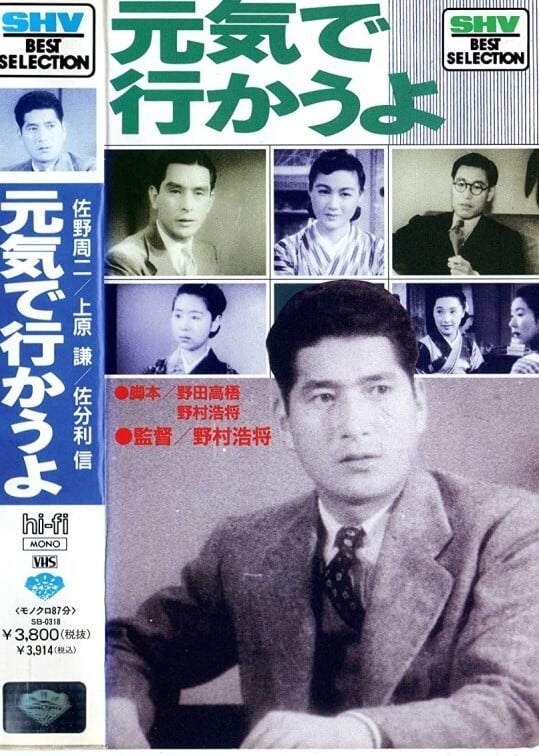
1941
Interprétation
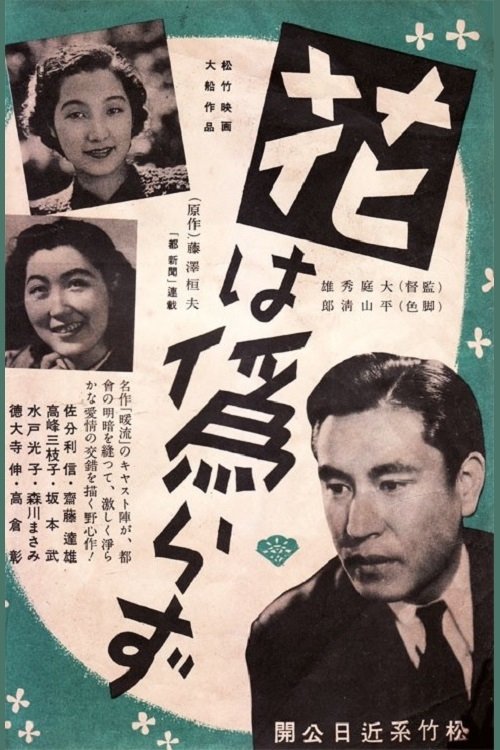
1941
Interprétation
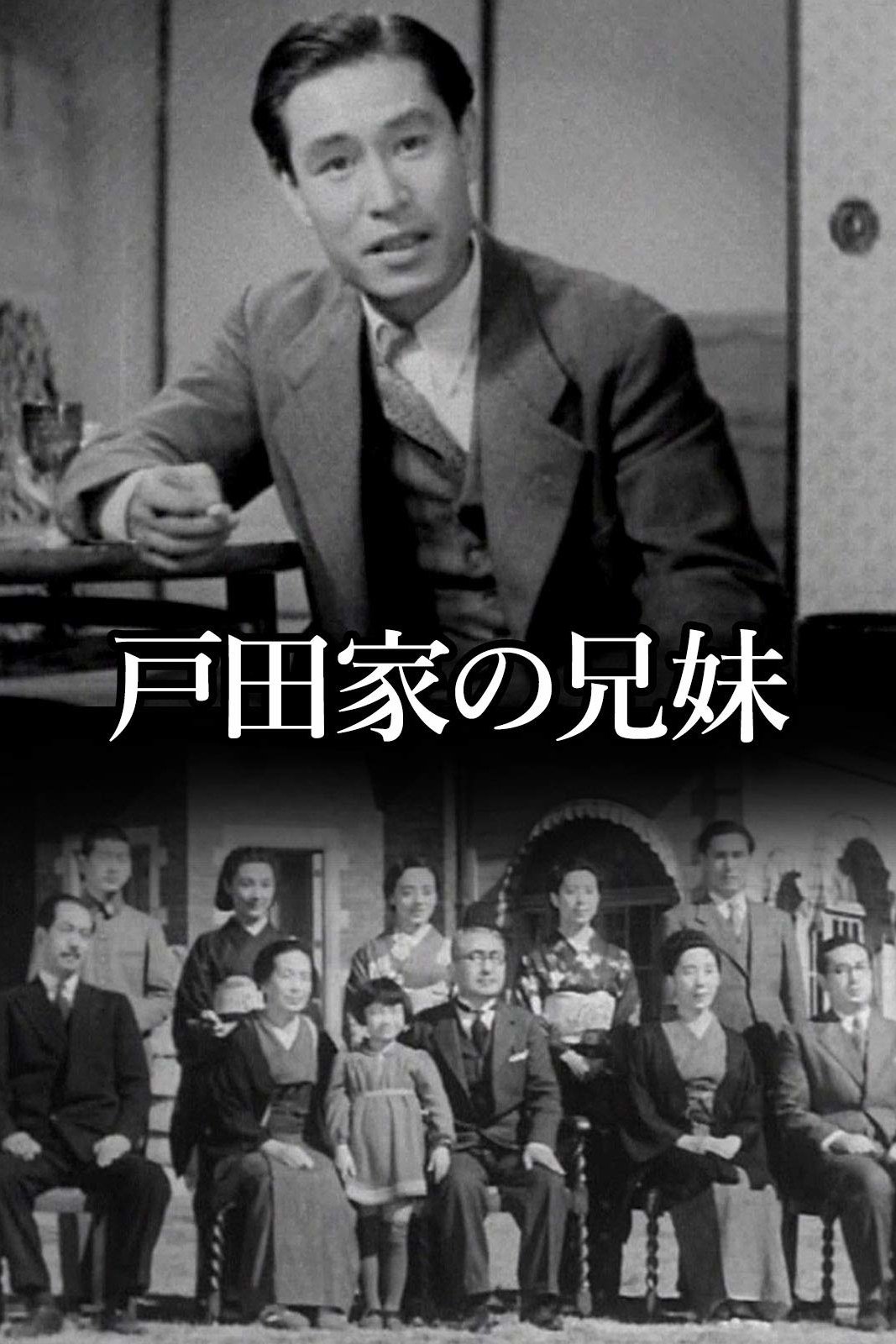
Après la mort de son époux, une femme et sa fille sont accueillies avec froideur dans le foyer du fils marié.
1941
Setsuko Toda
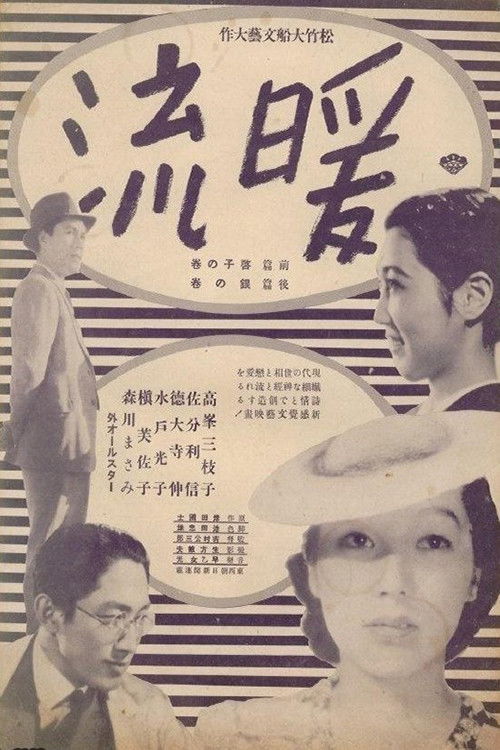
1939
Keiko Shima
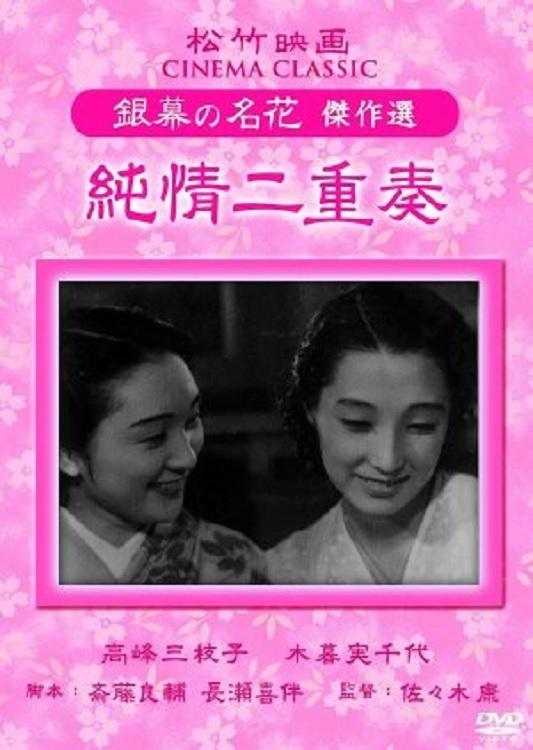
1939
Eiko Takayama
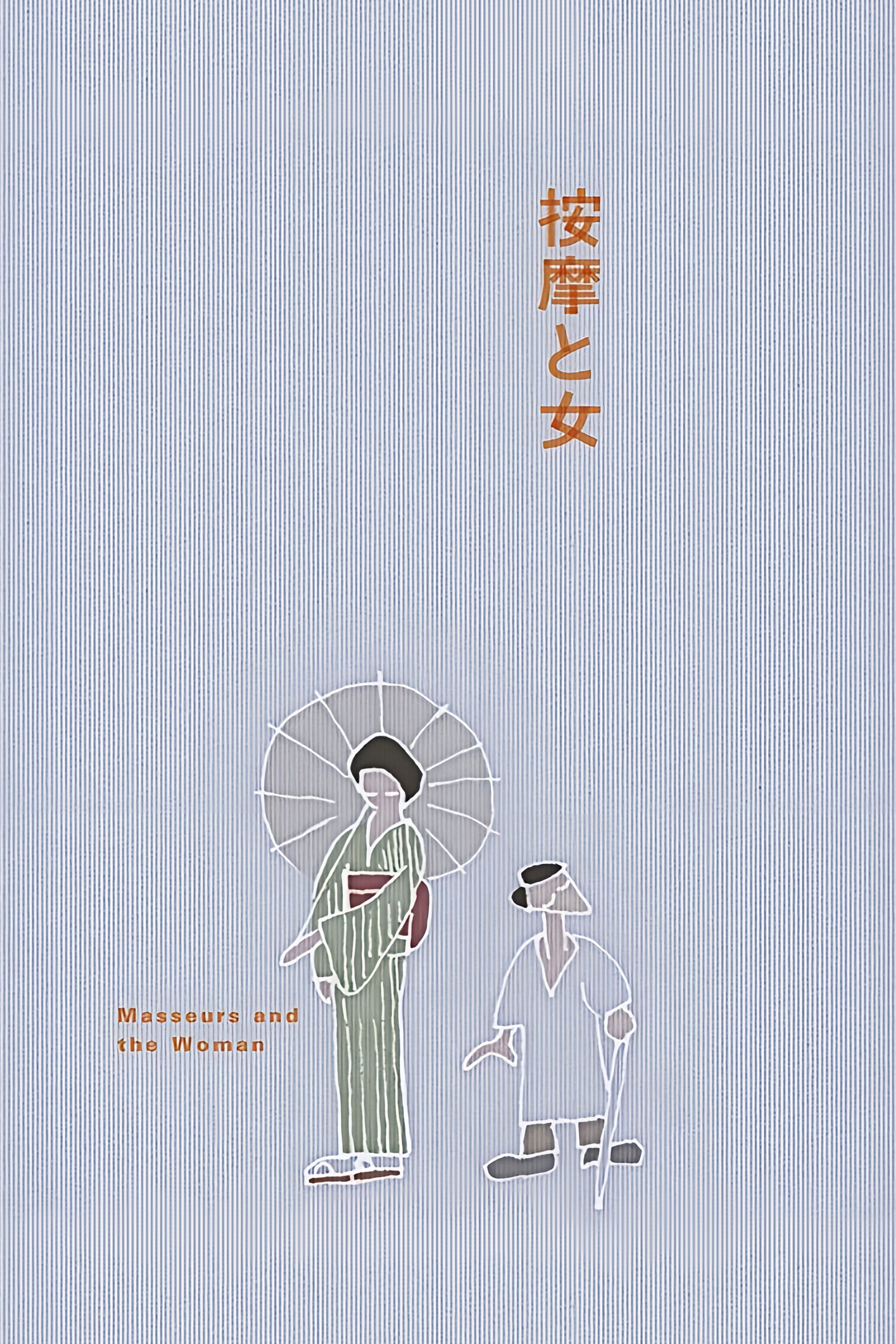
Deux masseurs aveugles arrivent dans une station thermale de montagne où ils viennent exercer leur métier chaque année. L’un d’eux, Tokuichi, s’éprend d’une mystérieuse jeune femme venue de Tokyo. Tandis que les relations se nouent entre les pensionnaires, une série de vols vient troubler la tranquillité des lieux et éveiller les soupçons.
1938
Michiho Misawa
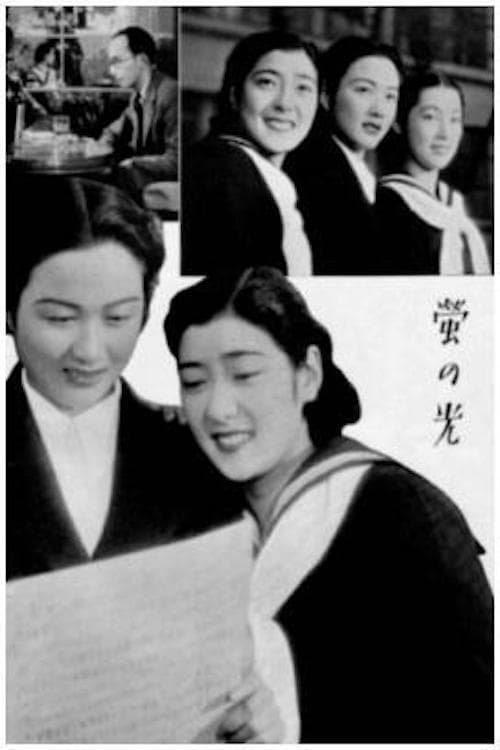
1938
Interprétation
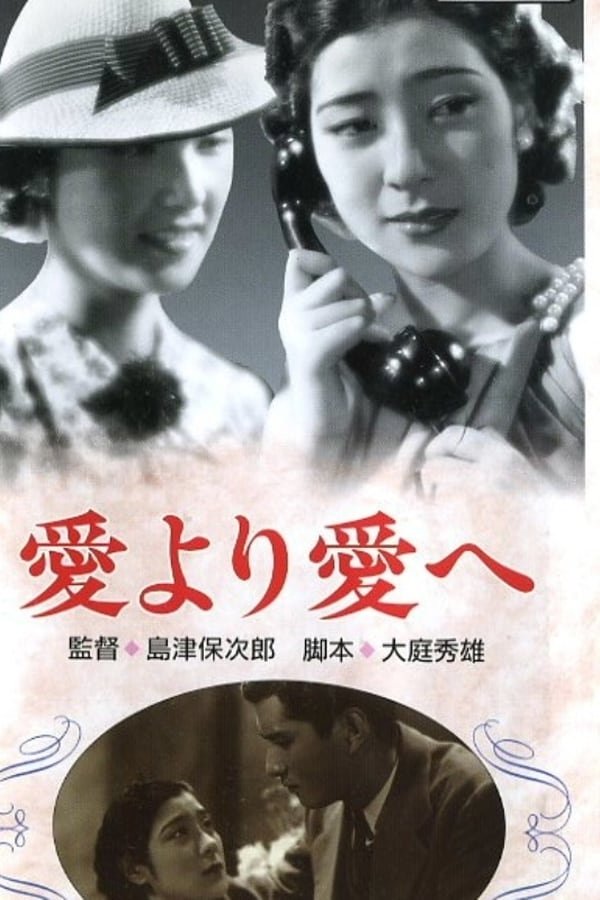
Issu d’une famille aisée, Shigeo rompt avec ses parents qui s’opposent à son mariage avec Miyako, une serveuse de bar. Tandis qu’il tente de s’imposer comme écrivain, sa femme subvient seule aux besoins du couple. Les difficultés financières et les tensions conjugales s’accumulent, tandis que la sœur de Shigeo s’efforce de réconcilier les jeunes époux avec leur famille.
1938
Toshiko, Shigeo's sisiter
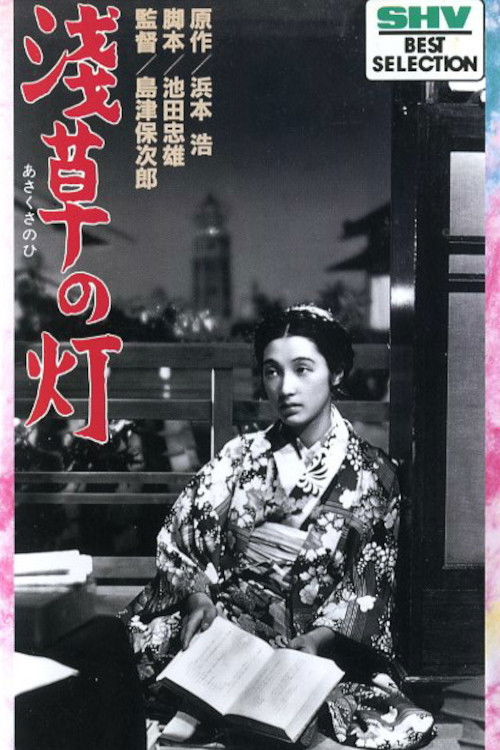
Dans le quartier animé d’Asakusa, à Tokyo, Reiko est une jeune chanteuse appréciée d’une troupe d’opérette en difficulté financière. Pour sauver son théâtre, la directrice envisage de la livrer à un riche admirateur. Les autres artistes, aidés d’un étudiant en peinture amoureux de Reiko, s’efforcent de déjouer ses projets.
1937
Reiko Kosugi
1937
Reiko Kageyama
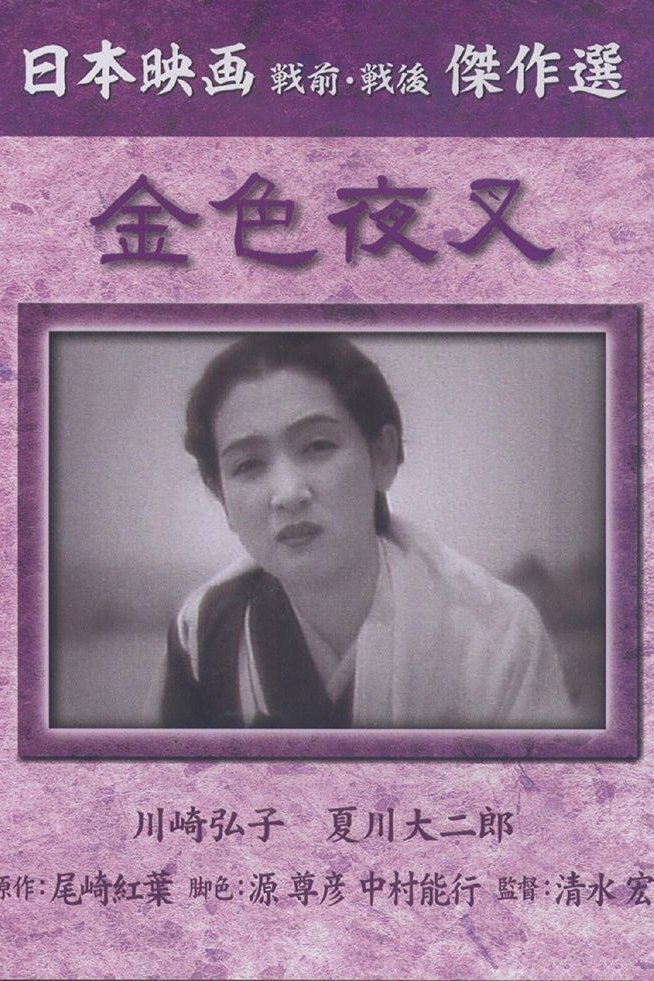
Omiya et Kan'ichi se fréquentent depuis des années et semblent promis l'un à l'autre. Mais Omiya, issue d'une famille modeste, est obligée d'accepter un mariage arrangé avec un bon parti.
1937
Toshiko Minowa
1937
Interprétation
1937
Omitsu