
Pas encore noté
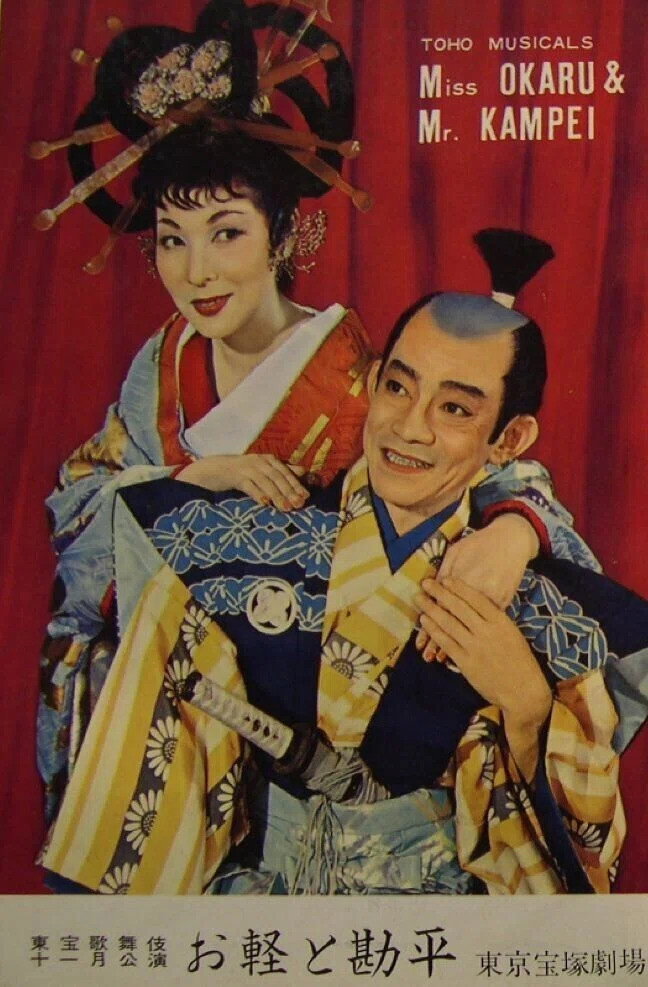
花のお江戸の法界坊
1965
Interprétation
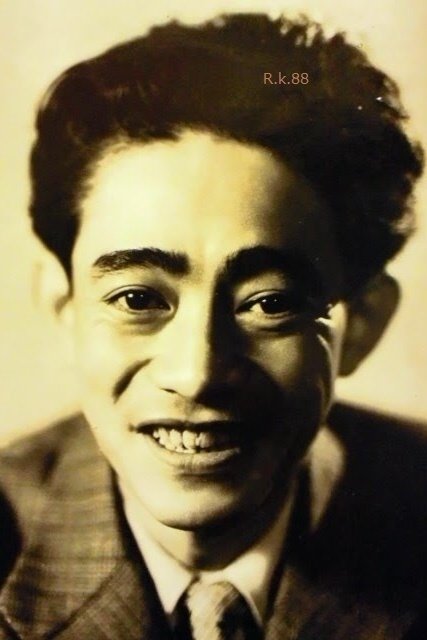
From Wikipedia, the free encyclopedia.
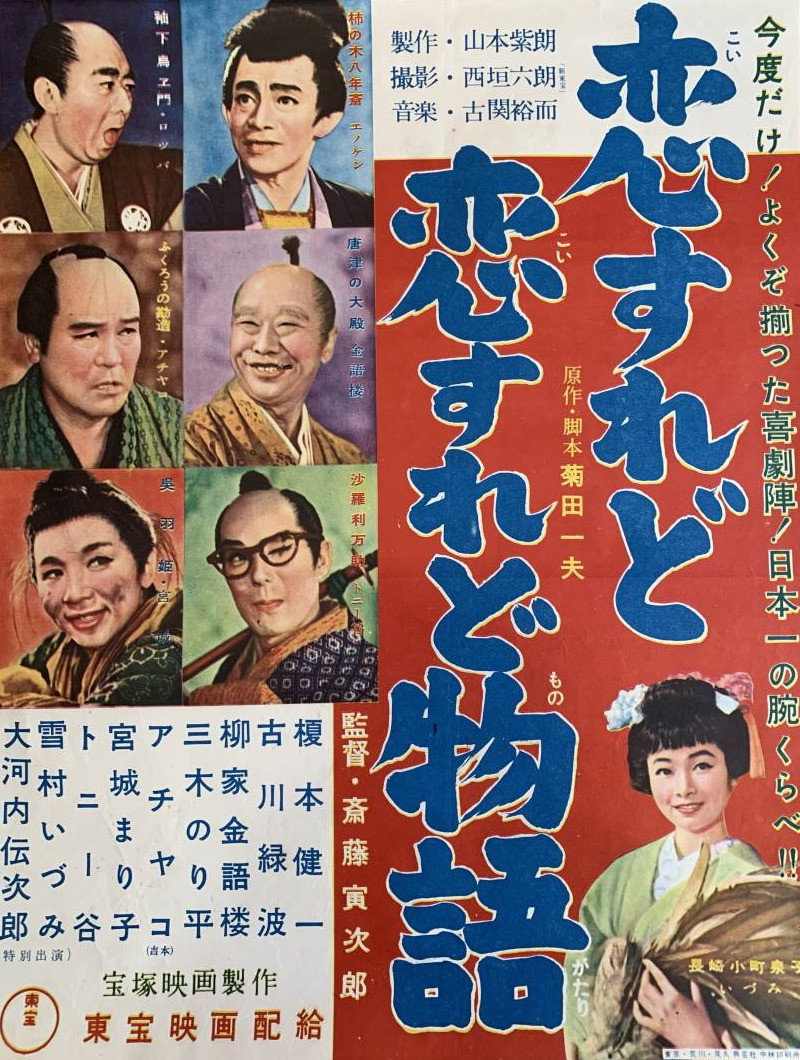
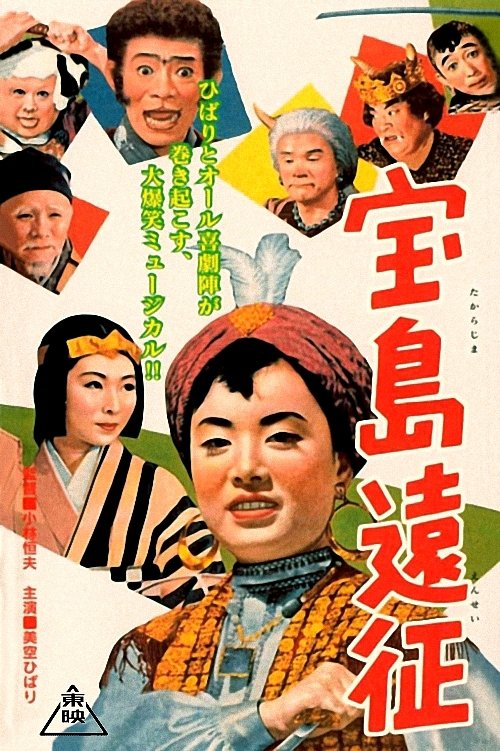
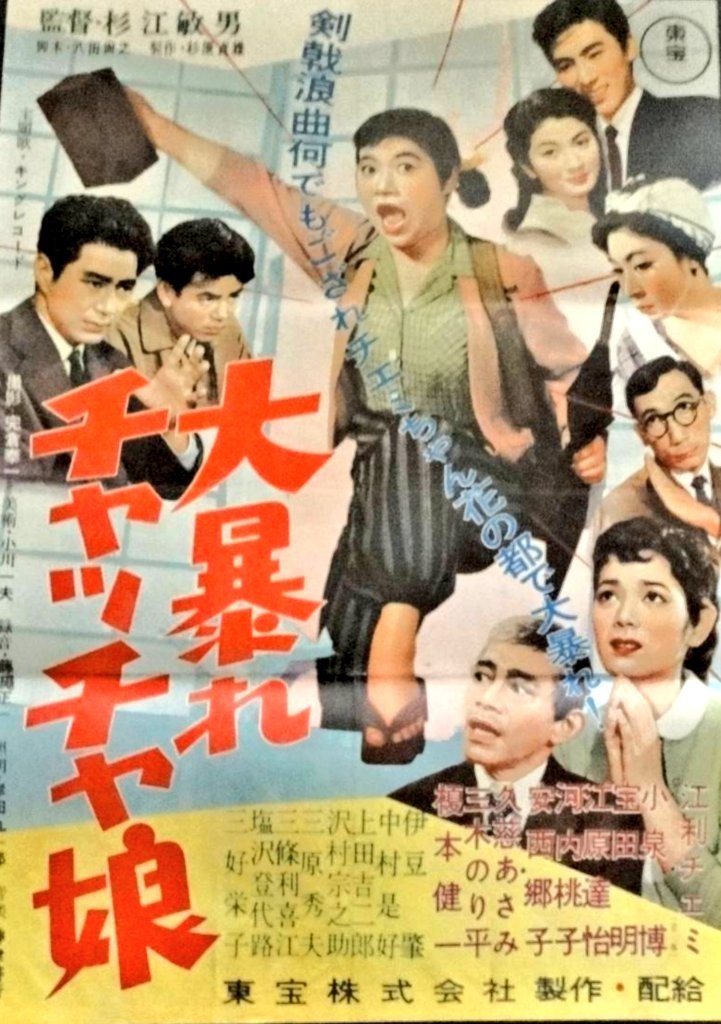
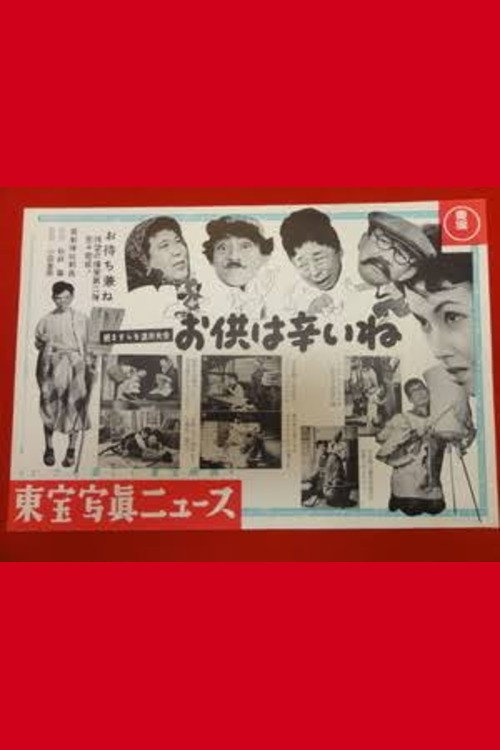
Kenichi Enomoto (October 11, 1904 – January 7, 1970) was a popular Japanese singing comedian, mostly known by his stage name Enoken.
A major innovator during his heyday, Enoken's stage shows, radio appearances, and film roles were a major influence within Tokyo theatre before World War II, and was a catalyst for the revival of comedy in the postwar period.
Born in Aoyama, Tokyo, the son of rice cracker shop owners, Enomoto fell under the spell of such stars of the Asakusa Opera as Taya Rikizo and Fujiwara Yoshie, and in 1922 he made his stage debut at age 18 as a chorus member of the Asakusa Kinryukan Theatre. The Great Kanto Earthquake of the following year dealt a great blow to the opera world in Tokyo, at which time Enomoto shifted to comic theatre. Playing small roles in various comedy productions, he returned to the Asakusa stage in 1929 as part of the troupe Casino Folly. The following year saw him launch his own troupe, Enoken Gekidan, which would firmly establish him as a leading figure in Tokyo theatrical circles. In 1934, he starred in the movie Enoken no Seishun Suikoden (Enoken’s Tale of Youth’s Folly), and gained national popularity. His subsequent film career saw him parody a whole parade of Japanese historical personages, including Kondo Isami and Sakamoto Ryoma, in a series of "jidai-geki" (historical dramas) and "chanbara" (samurai drama) films, including some directed by Kajirō Yamamoto, Nobuo Nakagawa and Akira Kurosawa.
Enomoto became afflicted with necrosis of the right leg in the 1950s, which required amputation, curtailing his film and stage career. He did, however, make a legendary comeback at the Shinjuku Koma Theatre 1963 wearing a prosthetic leg. He died in 1970, and is entombed in Hase Temple in Nishi-Azabu, Minato, Tokyo, on whose tombstone is inscribed "The King of Comedy".
Description above from the Wikipedia article Kenichi Enomoto, licensed under CC-BY-SA, full list of contributors on Wikipedia.
1965
Interprétation

1963
Interprétation
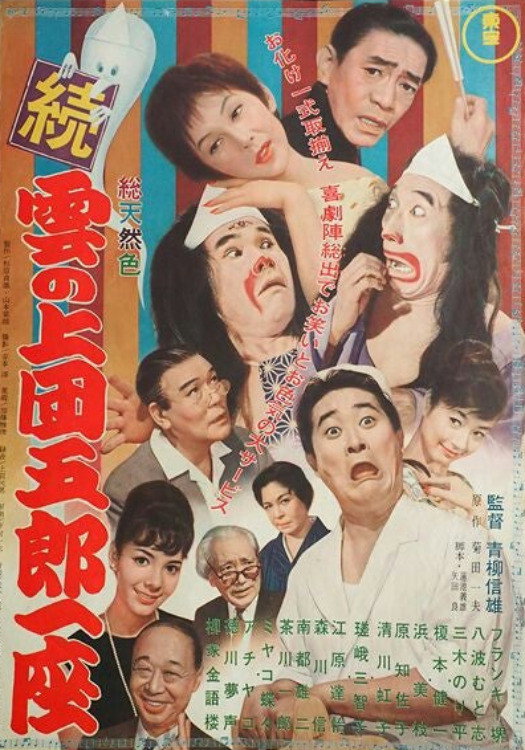
1963
Interprétation
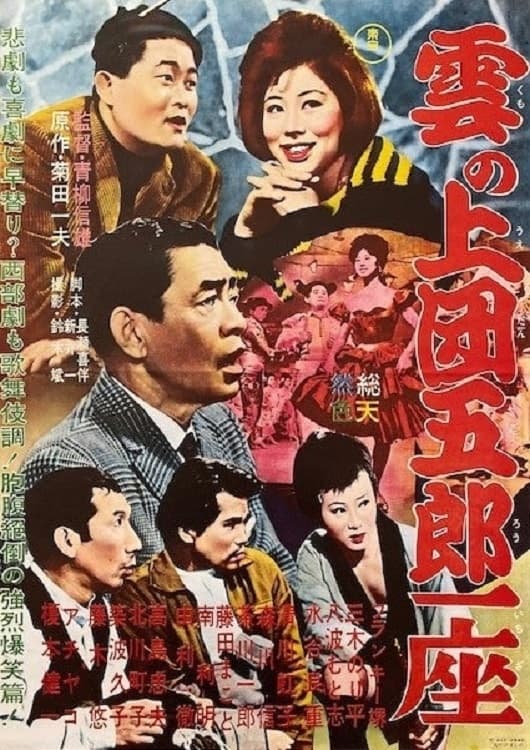
1962
Interprétation

1962
Interprétation

1962
Ryunosuke Edohara
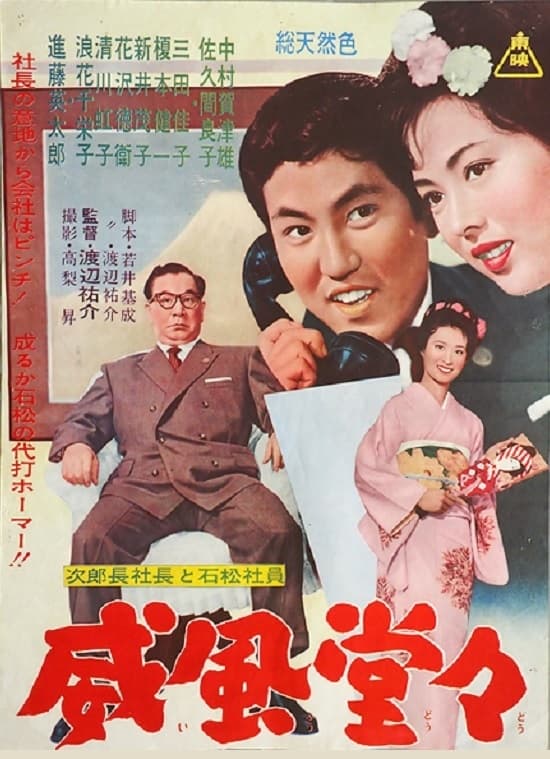
1962
Interprétation
1961
Interprétation
1961
Interprétation
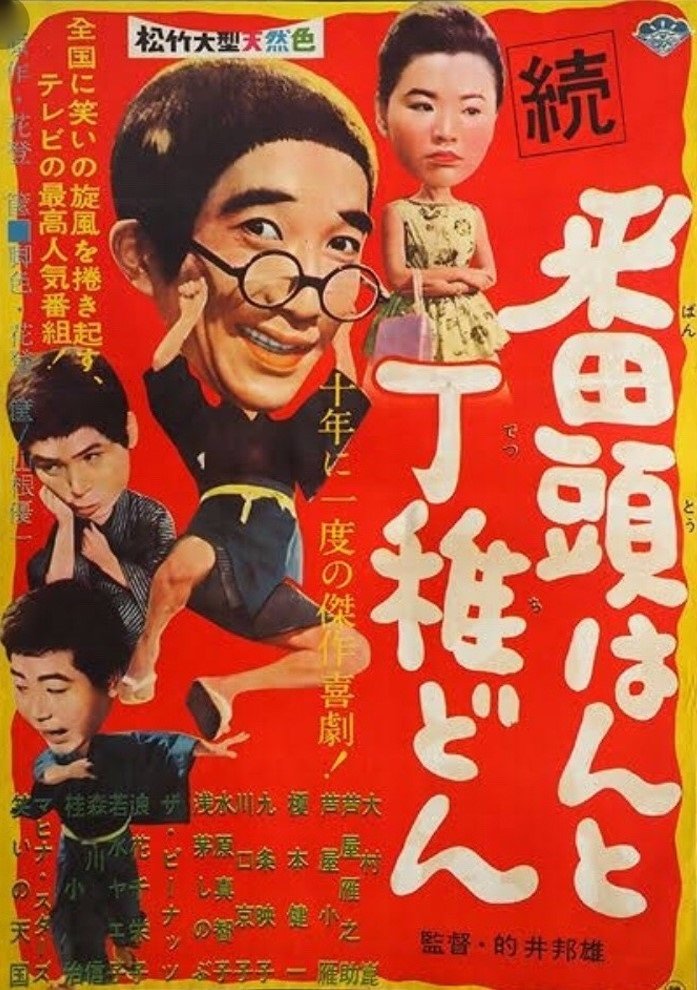
1960
Interprétation
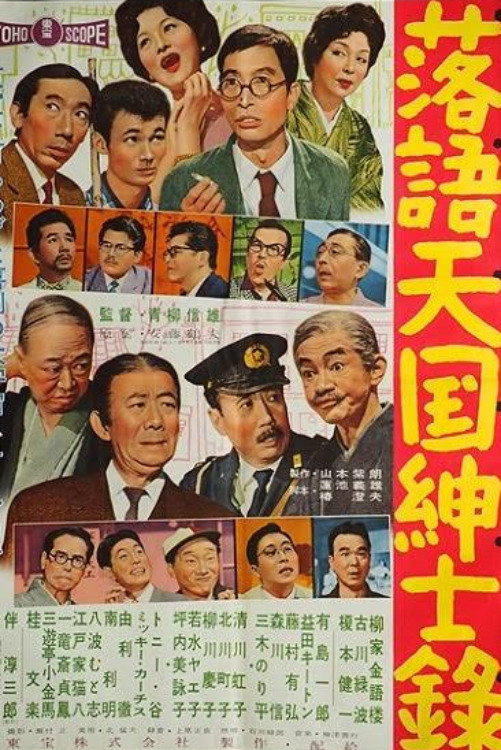
1960
Interprétation

1959
God of Yaoyorozu
1959
Interprétation

1958
Interprétation
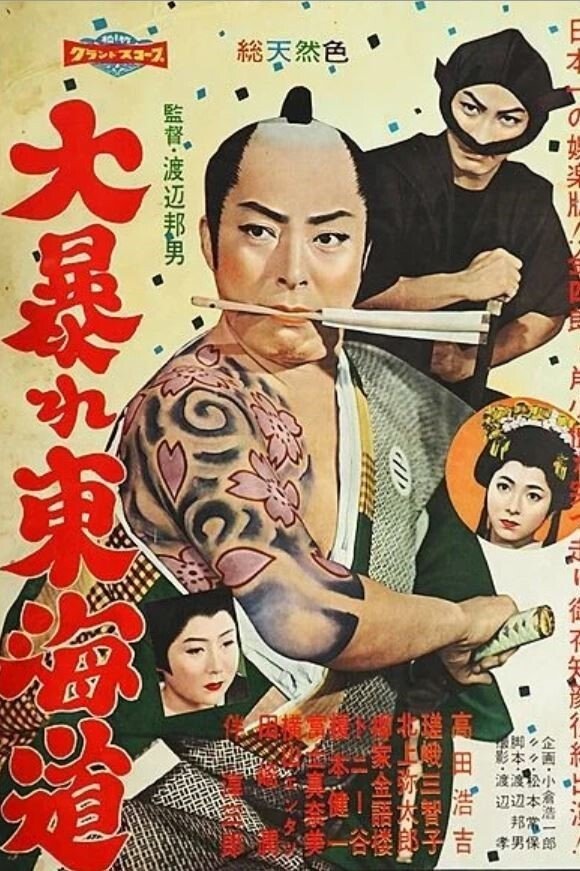
1958
Interprétation
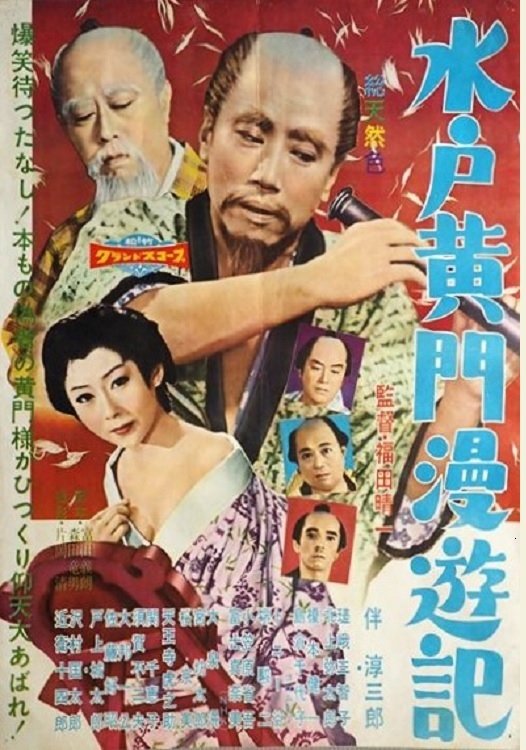
1958
Interprétation

1958
Interprétation
1958
Interprétation
1957
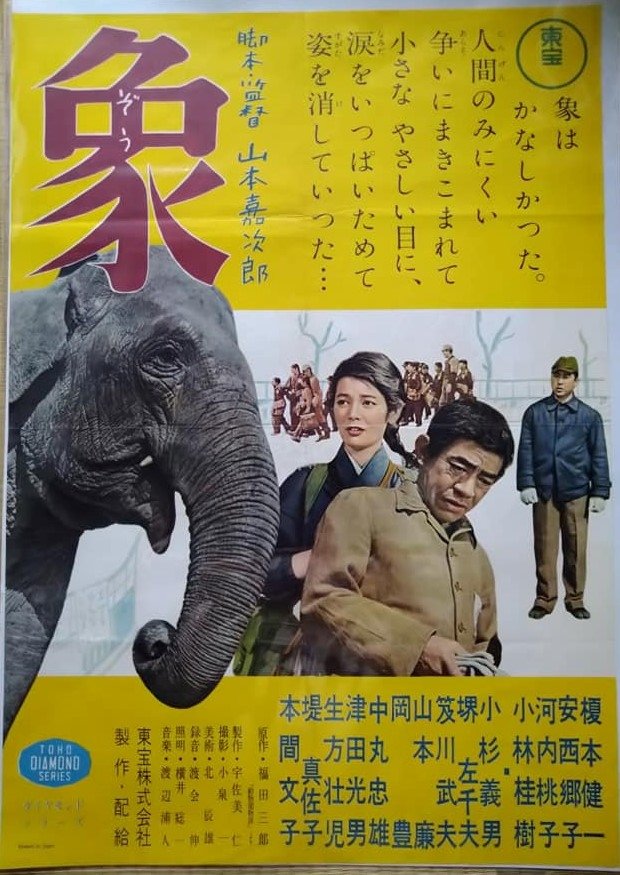
Zen-san (Elephant Officer)

1957
Interprétation
1957
Interprétation
1957
Interprétation
1956
Interprétation
1956
Sarukichi

1956
Interprétation

1956
Interprétation
1956
Iwasuke Egawa
1956
Interprétation
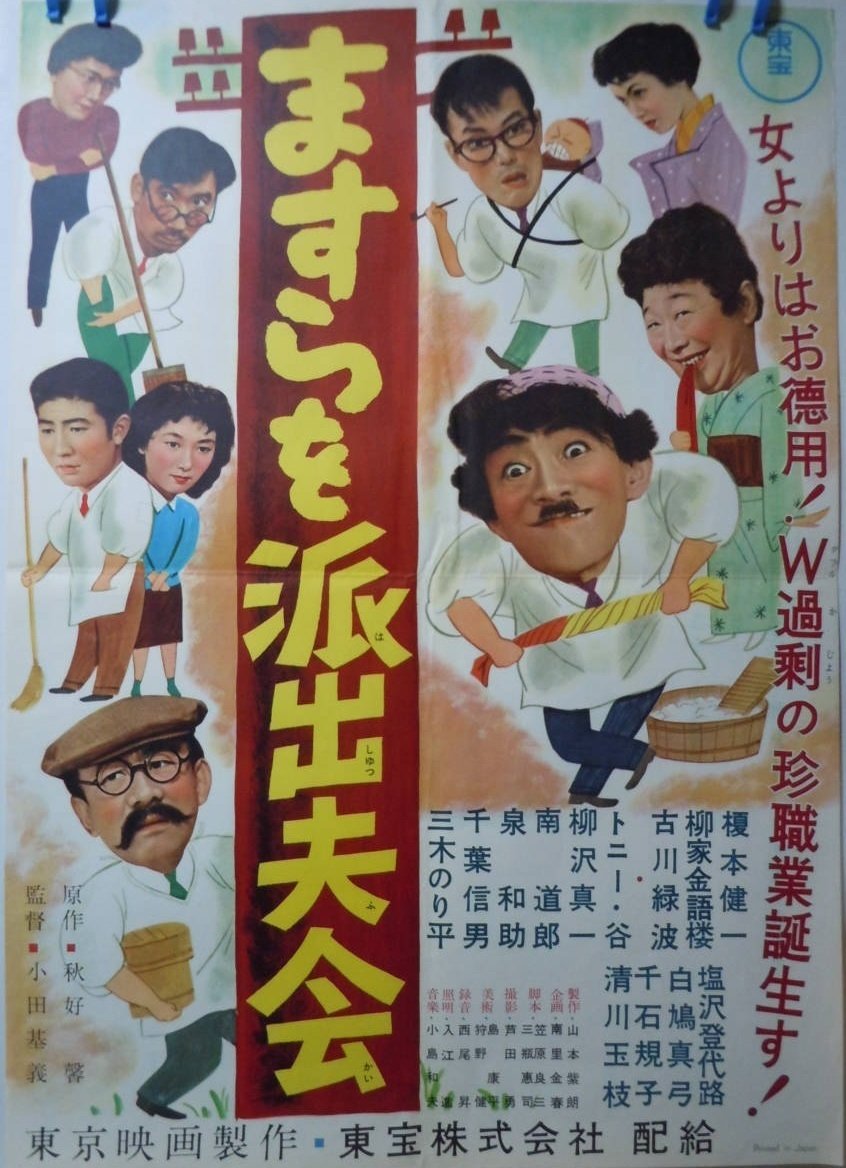
1956
Interprétation

1955
Interprétation

1955
Interprétation
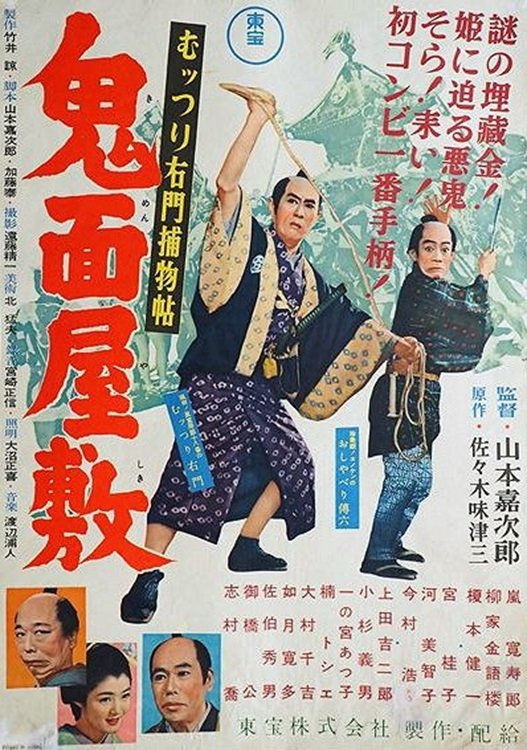
1955
Interprétation
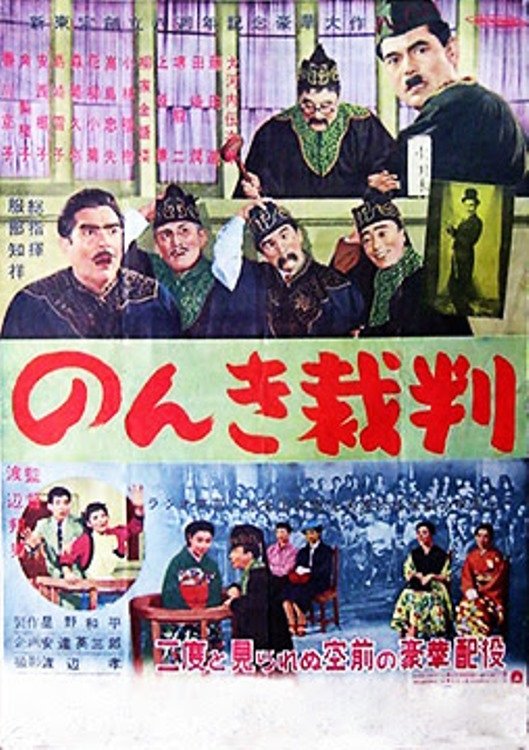
1955
Interprétation

1955
Interprétation
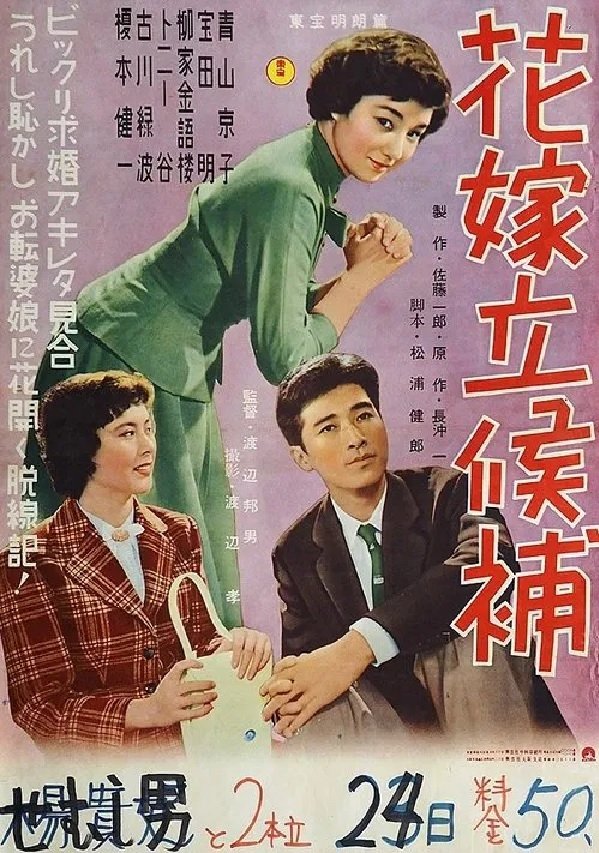
1955
Yoshiro Ishibashi
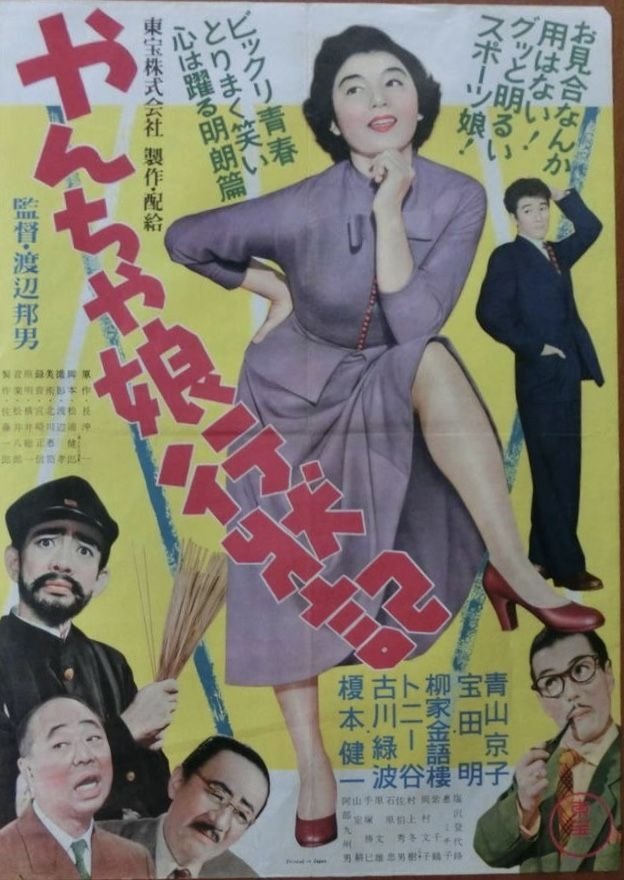
1955
Ken'ichi Enomoto

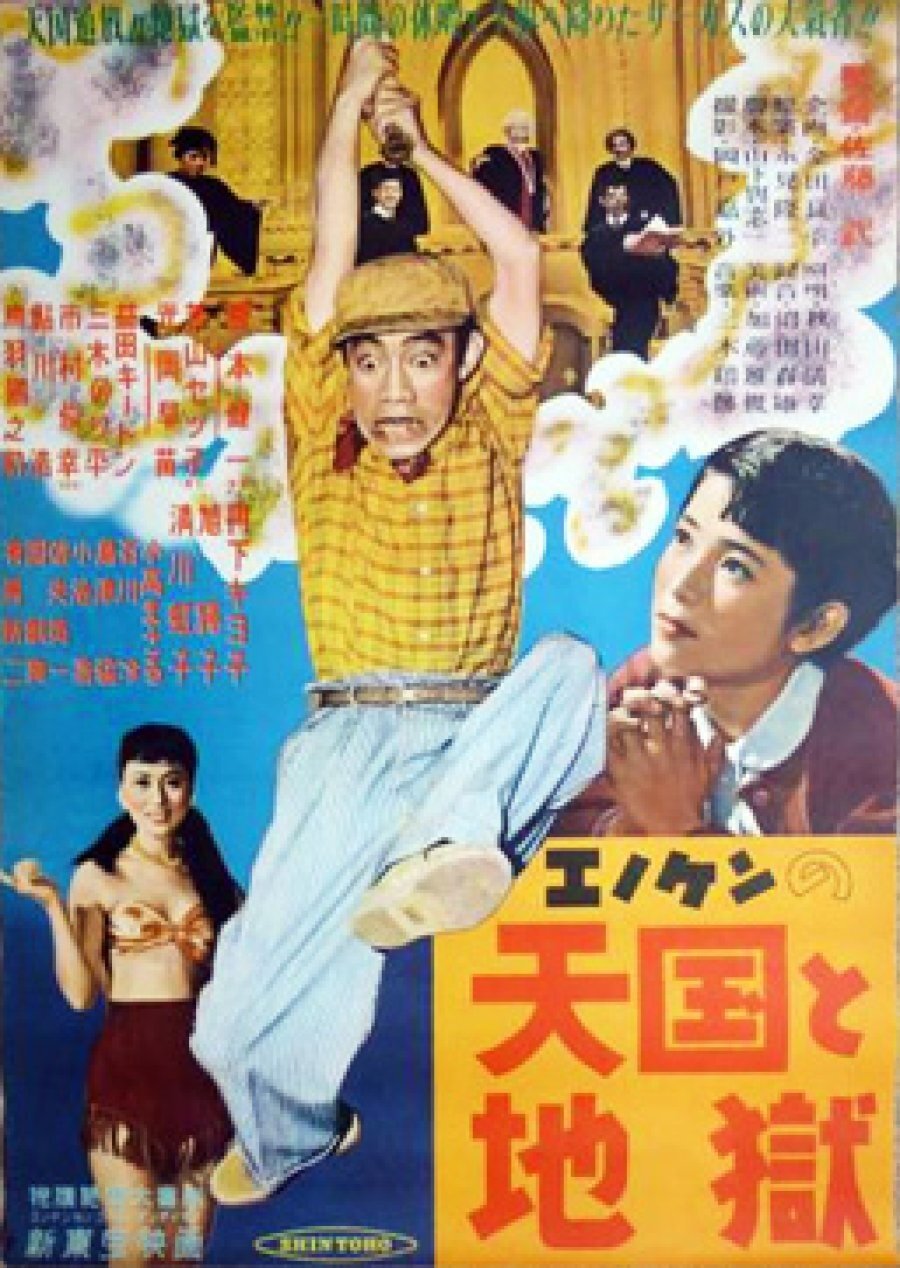
1955
Furaibo Kinta
1954
Interprétation
1954
Interprétation
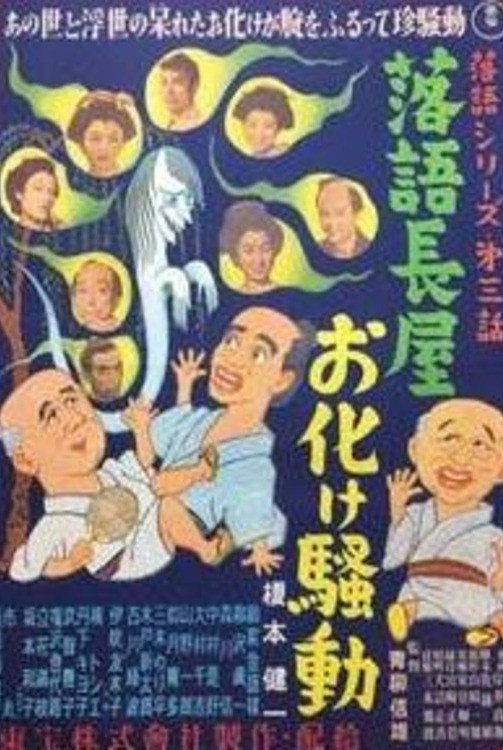
1954
Interprétation
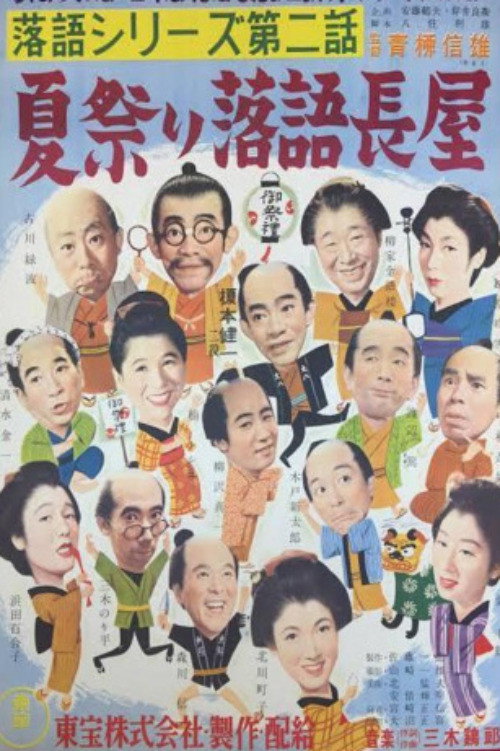
1954
Interprétation
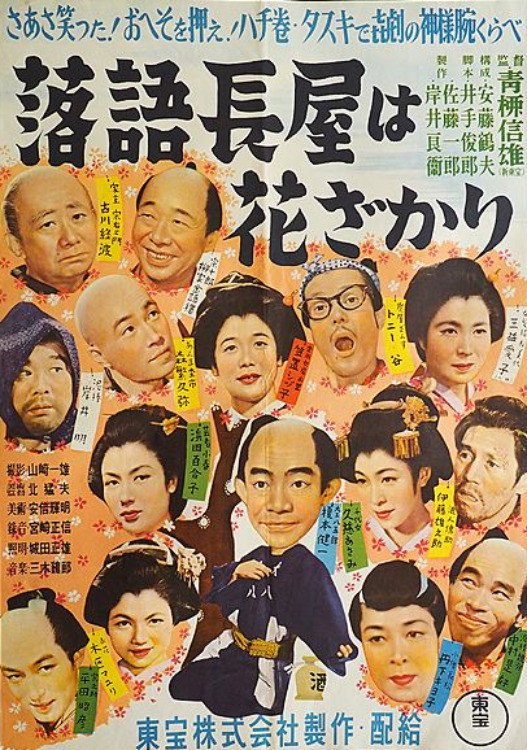
1954
Interprétation
1952
Interprétation
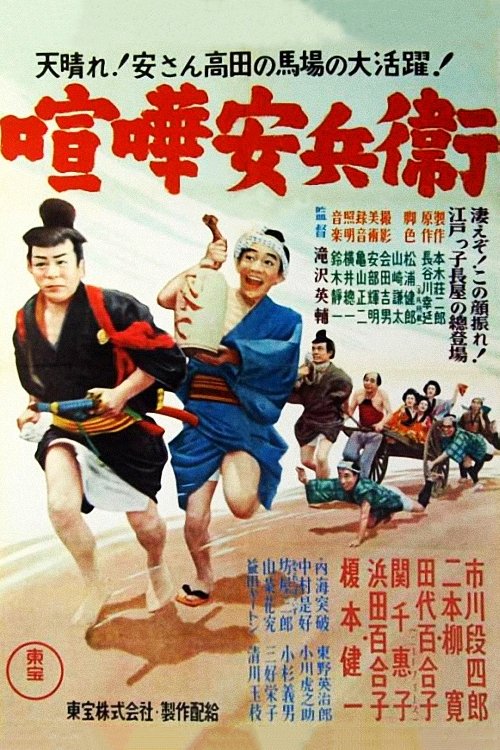
1952
Ginji Tateya
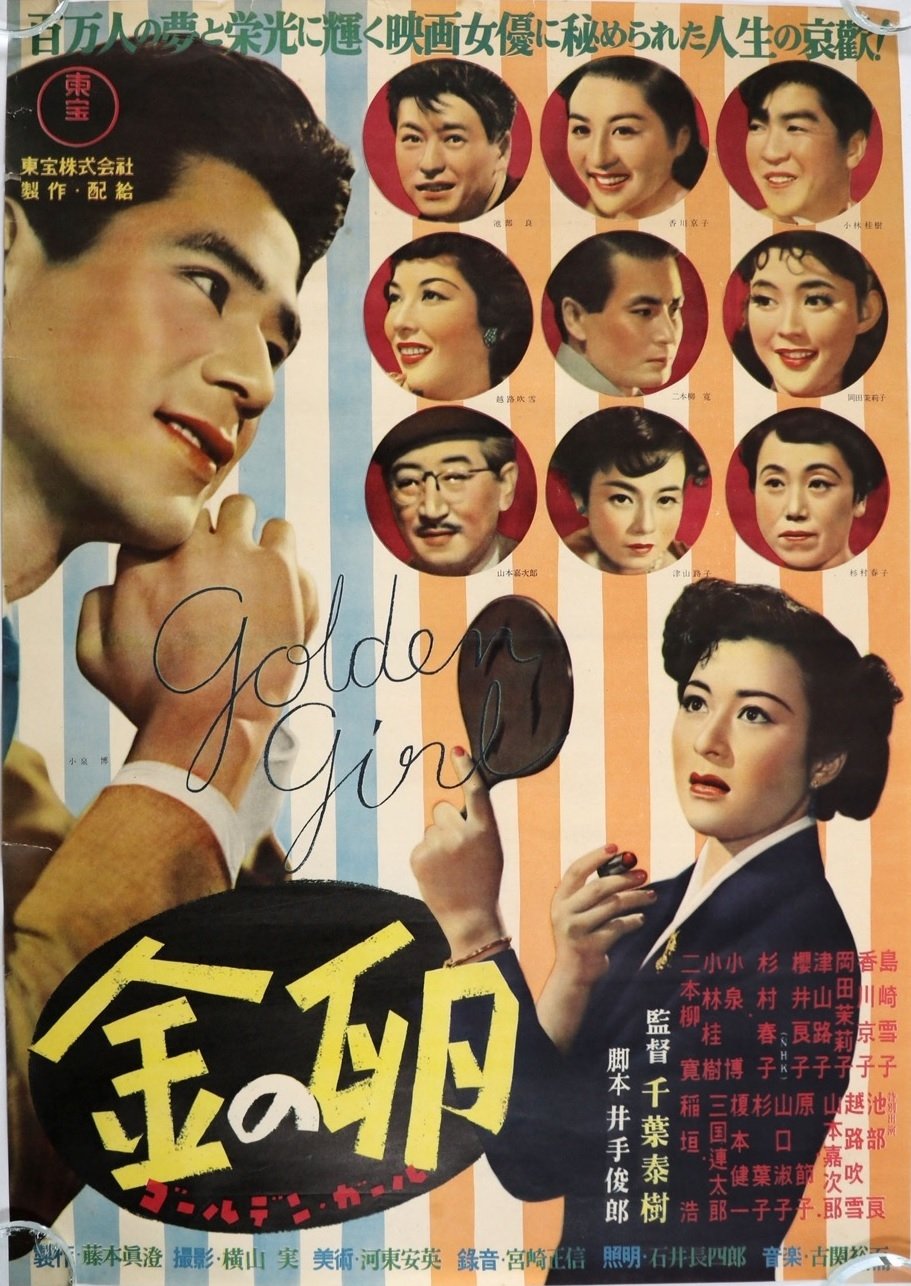
1952
Interprétation
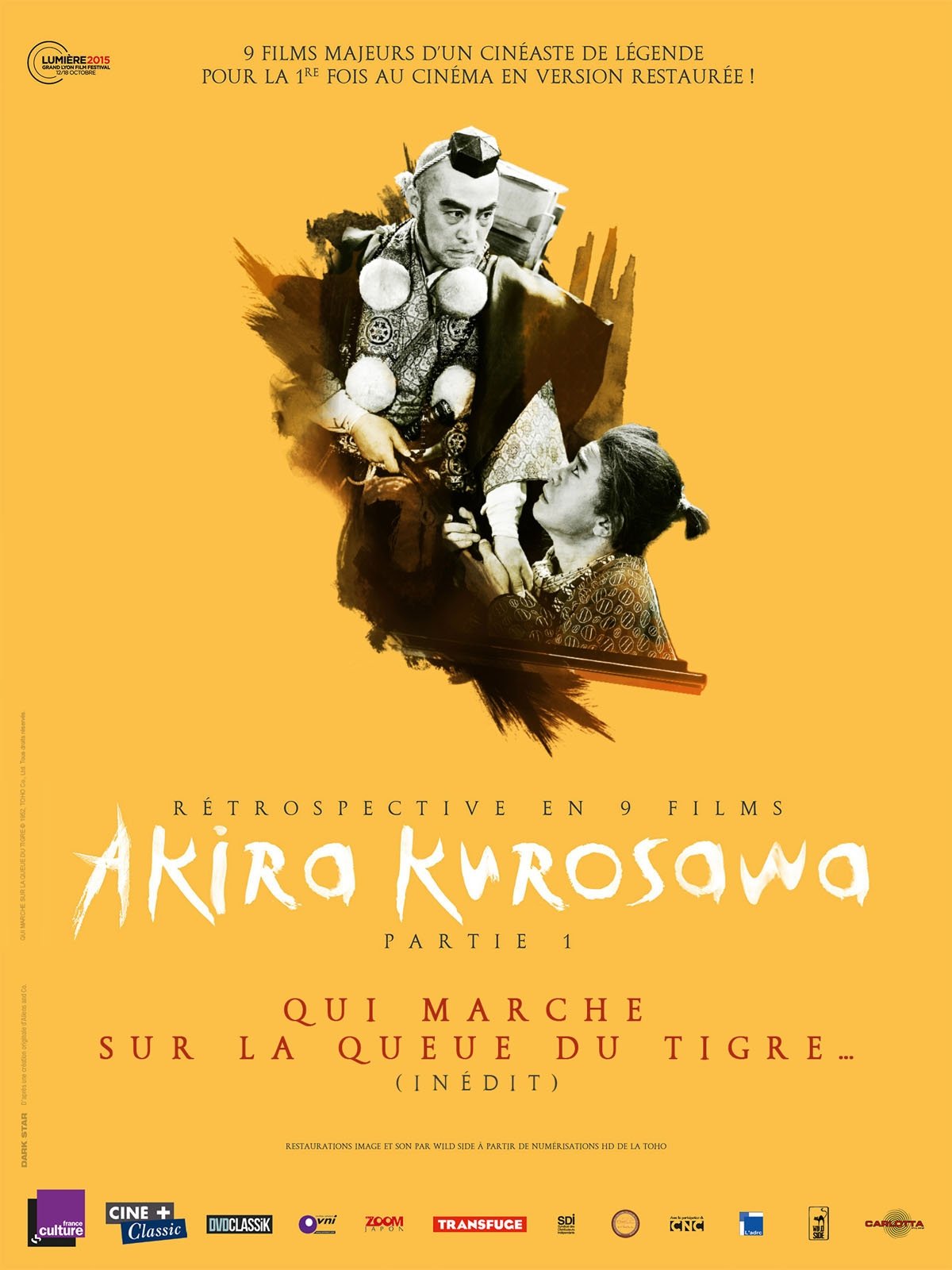
Au XIIe siècle, les guerres de clans font rage au Japon. Le prince Yoshitsune est pourchassé par son frère aîné, jaloux de sa récente victoire sur le clan Heike. Yoshitsune prend la fuite, aidé par six fidèles vassaux déguisés en moines pour tromper leurs poursuivants. Mais avant de quitter le territoire, il leur faut traverser le poste-frontière d’Ataka, minutieusement gardé par les hommes de son frère…
1952
Porter
1952
Kenichi Hanemoto
1951
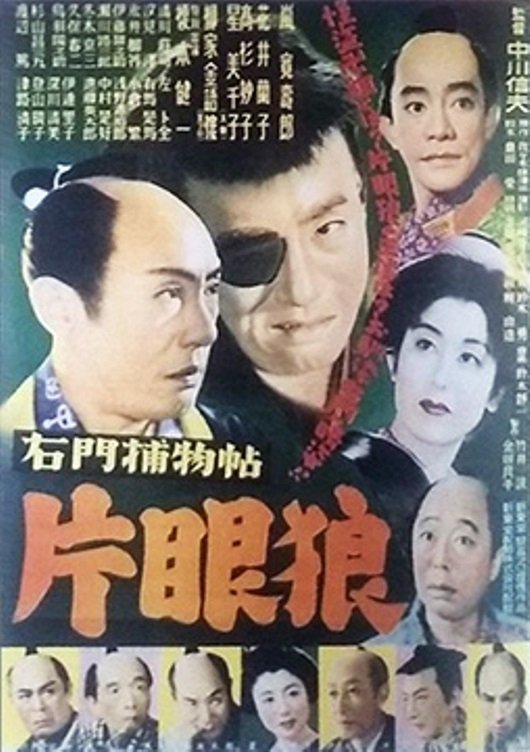
Interprétation
1951
Interprétation
1950
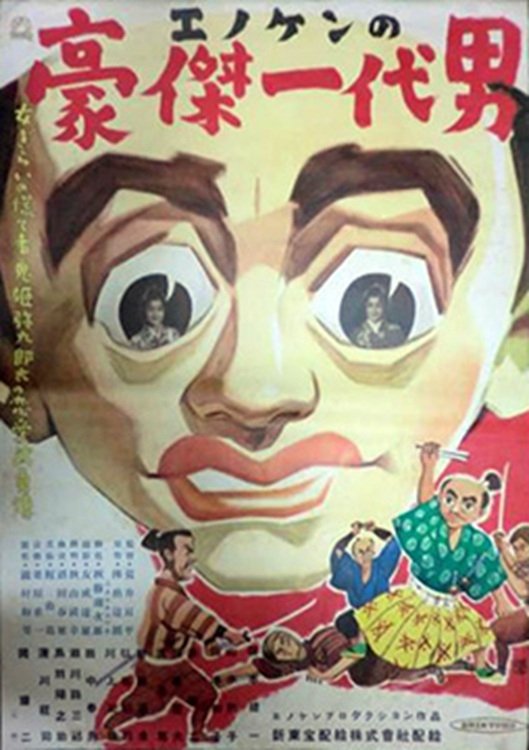
Onihime Yakurota
1950
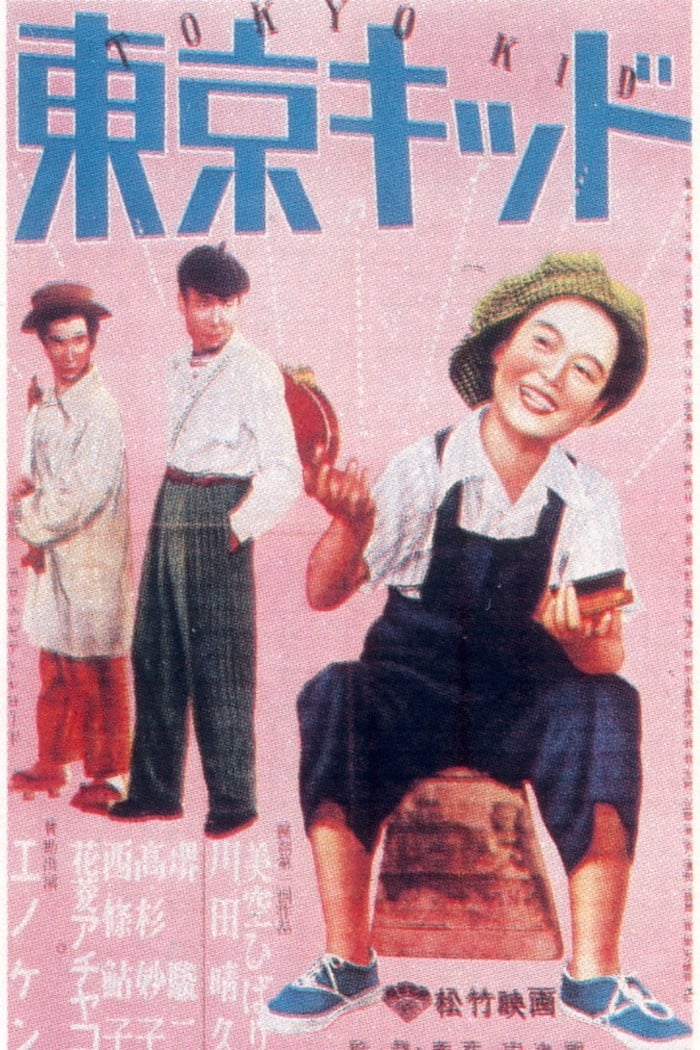
Interprétation
1950
Interprétation
1950
Interprétation
1949
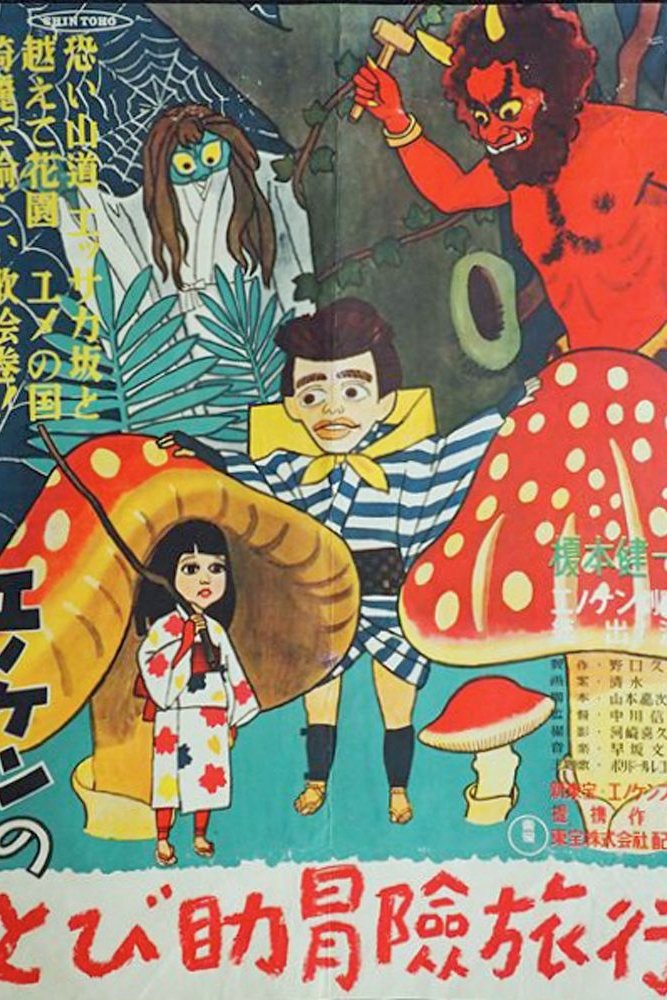
Tobisuke
1949
Interprétation
1948
Interprétation
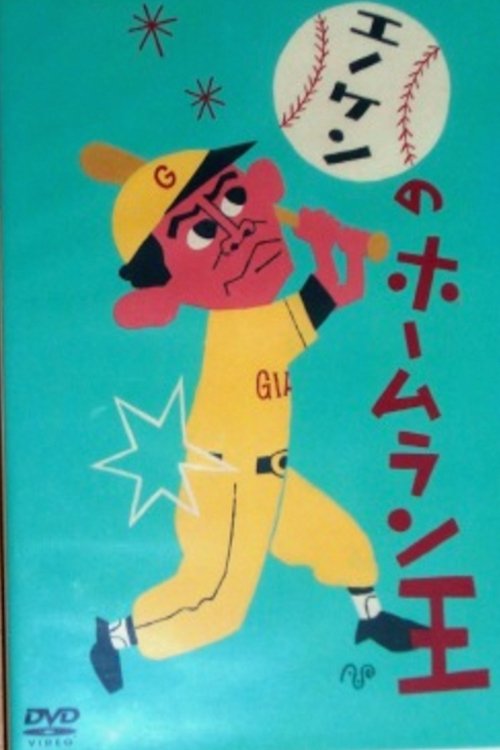
1948
Interprétation

1948
Interprétation
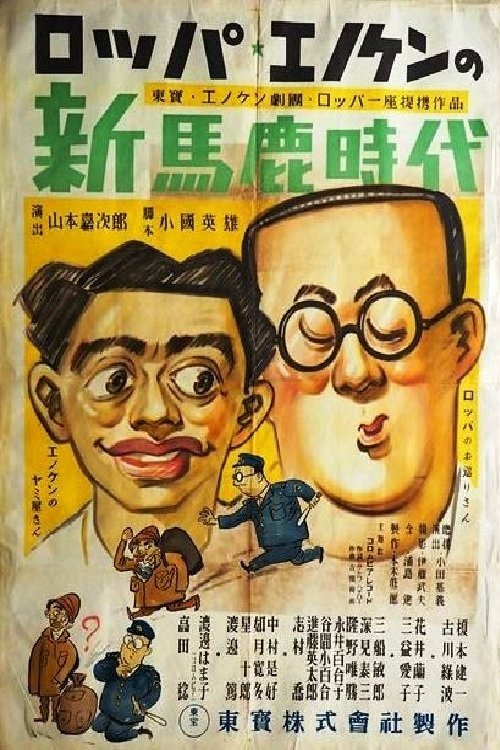
1947
Interprétation
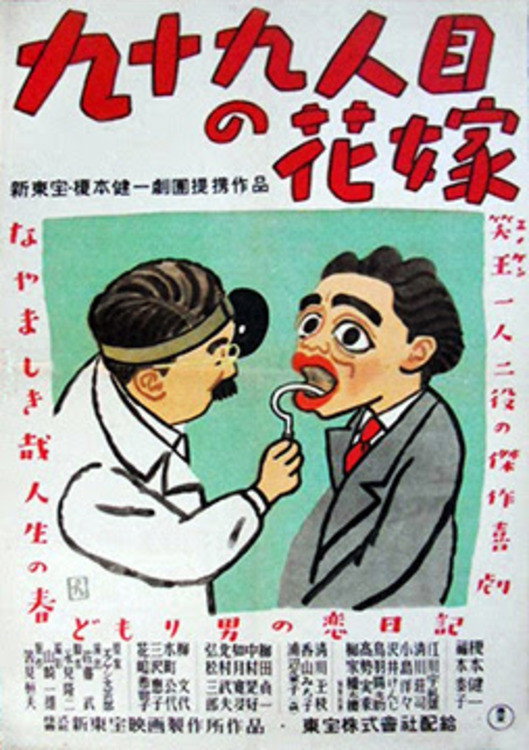
1947
Interprétation
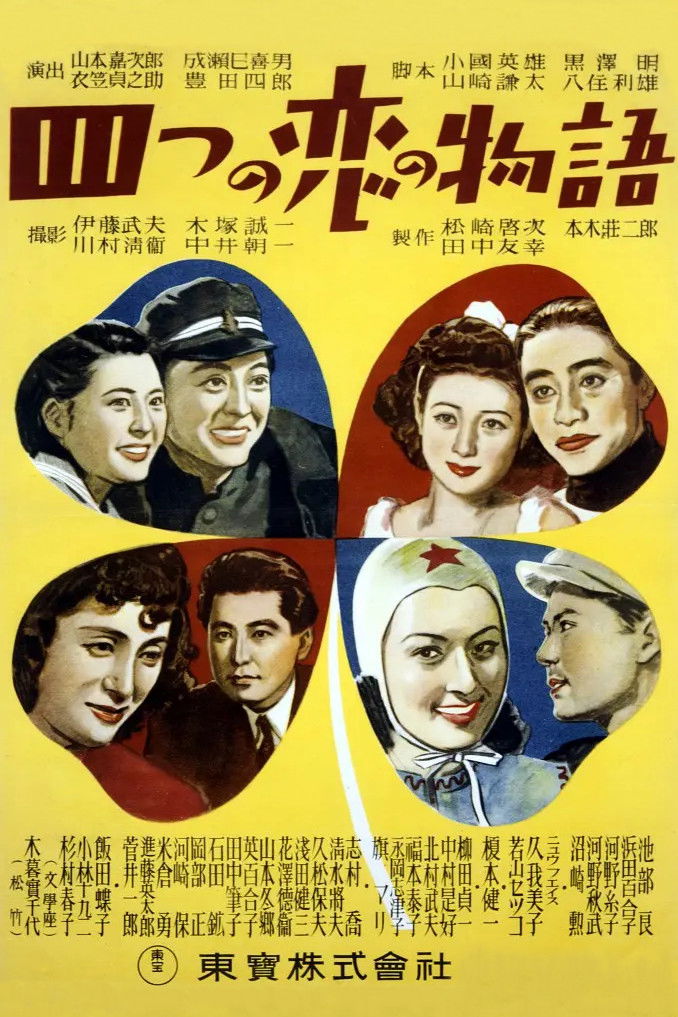
Omnibus d'histoires d'amour de 1947 réalisées par des réalisateurs célèbres, avec de grandes stars.
1947
Interprétation
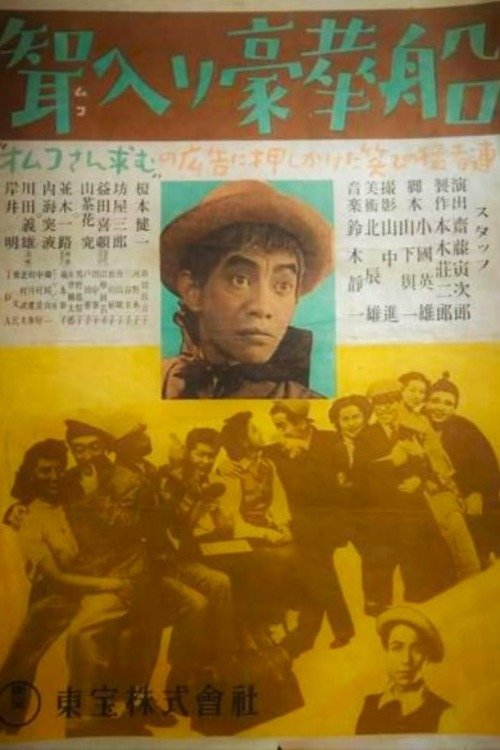
1947
Interprétation
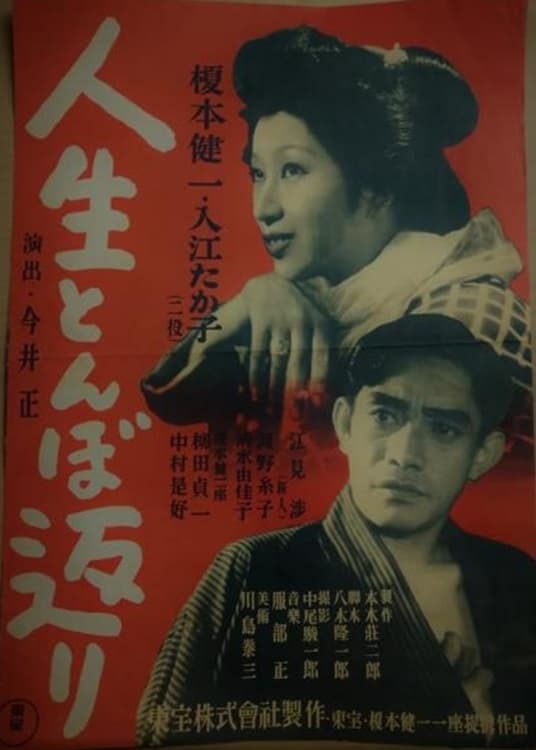
1946
Interprétation

1945
Interprétation
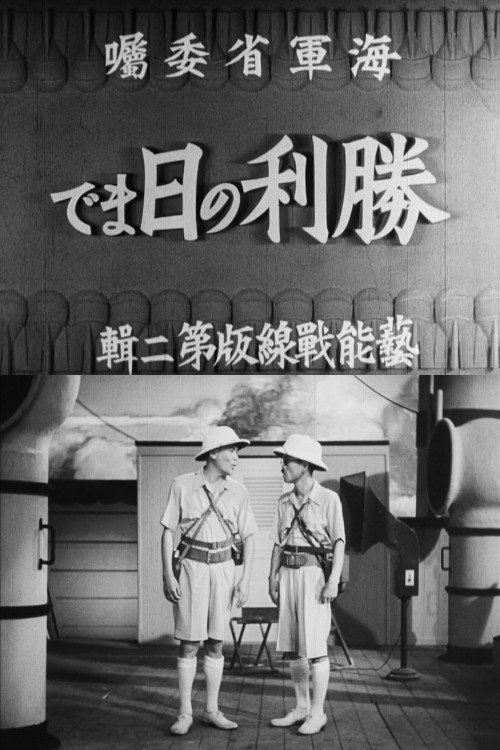
Pendant la Seconde Guerre mondiale, un laboratoire japonais met au point une étrange fusée destinée à divertir les soldats au front. À son arrivée, l’engin doit libérer des artistes miniaturisés capables de donner un spectacle musical. Chercheurs et assistants s’affairent à préparer cette invention insolite, destinée à soutenir le moral des troupes jusqu’à la victoire.
1945
Interprétation
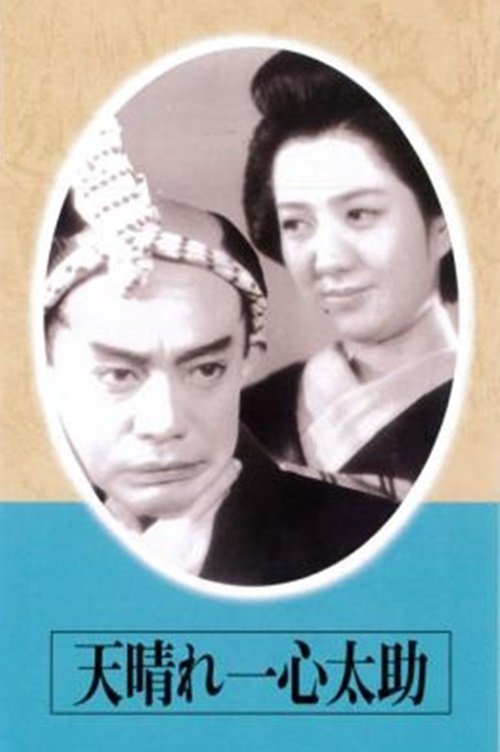
1945
Interprétation
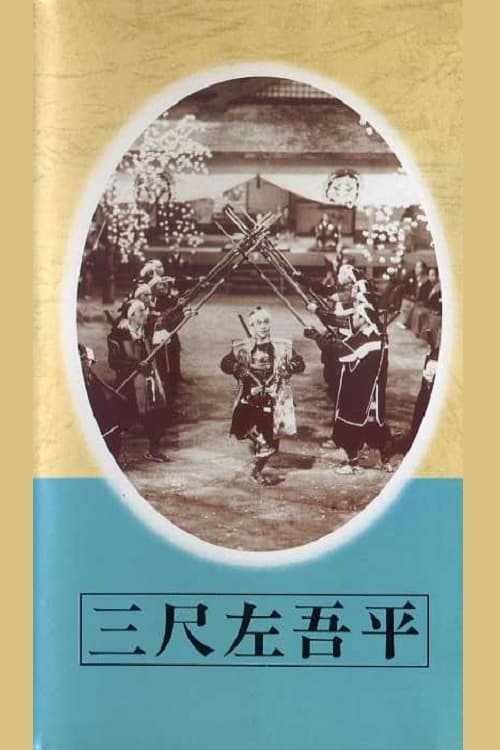
1944
'Three-Footer' Sagohei
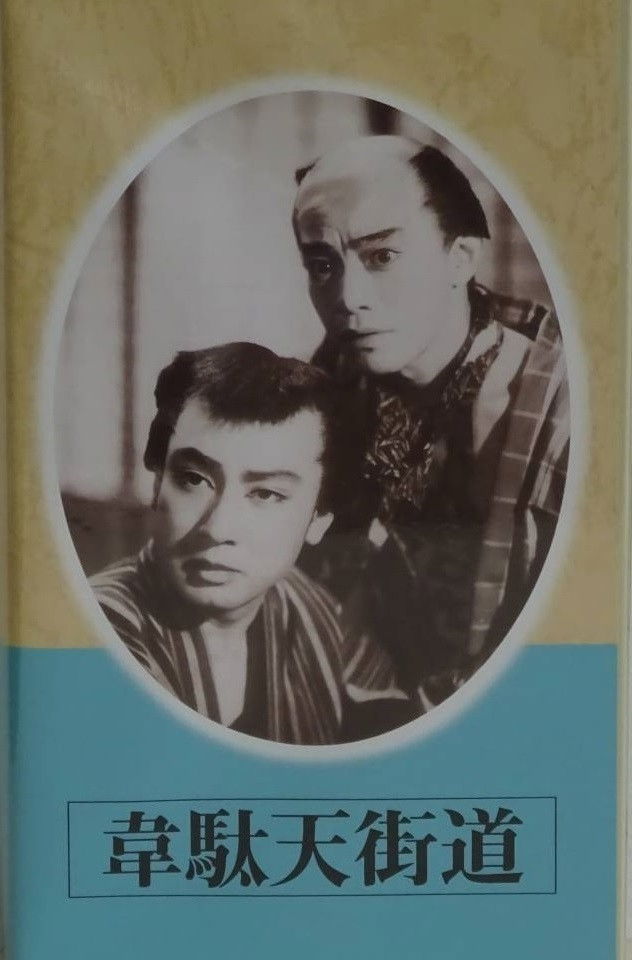
1944
Interprétation
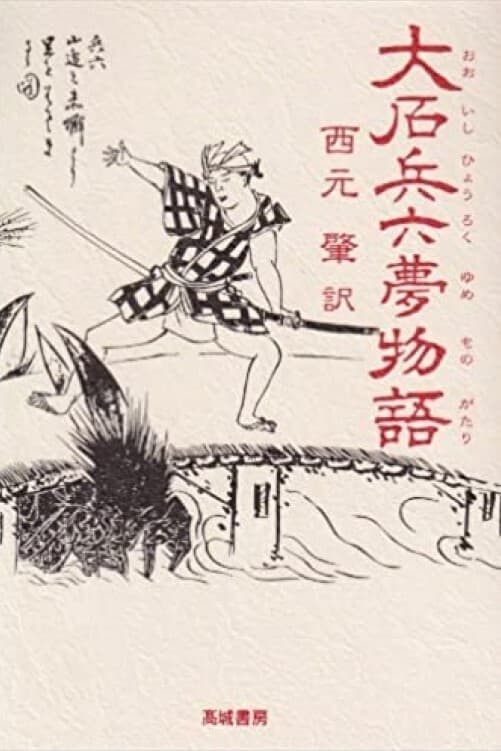
1943
Hyoroku Oishi

1942
Interprétation
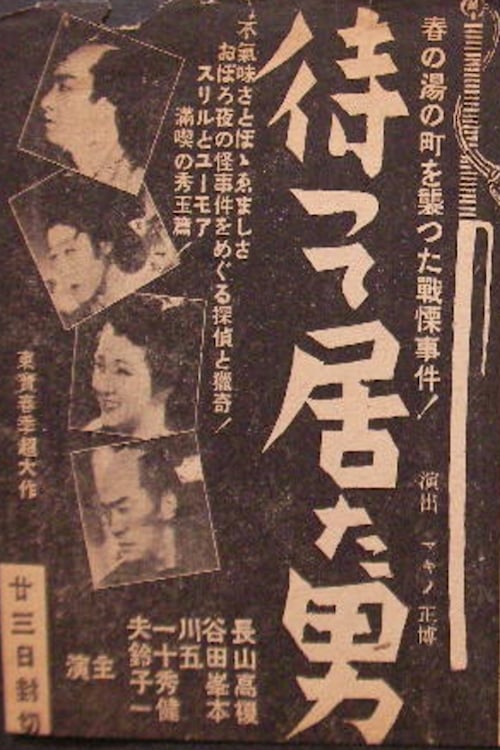
1942
Interprétation
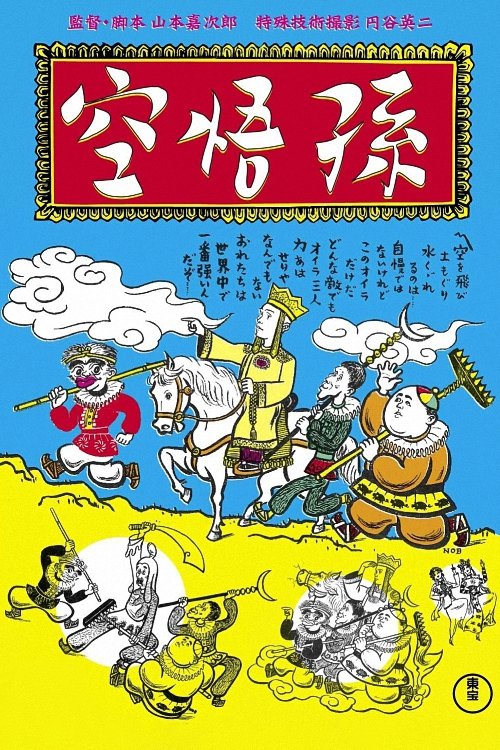
1940
Son Goku

1940
Santa

1940
Interprétation
1940
Interprétation
1939
Interprétation

1939
Interprétation
1939
Interprétation
1939
Interprétation

1939
Enoken
1938
Enoken
1938
Interprétation
1937
Interprétation
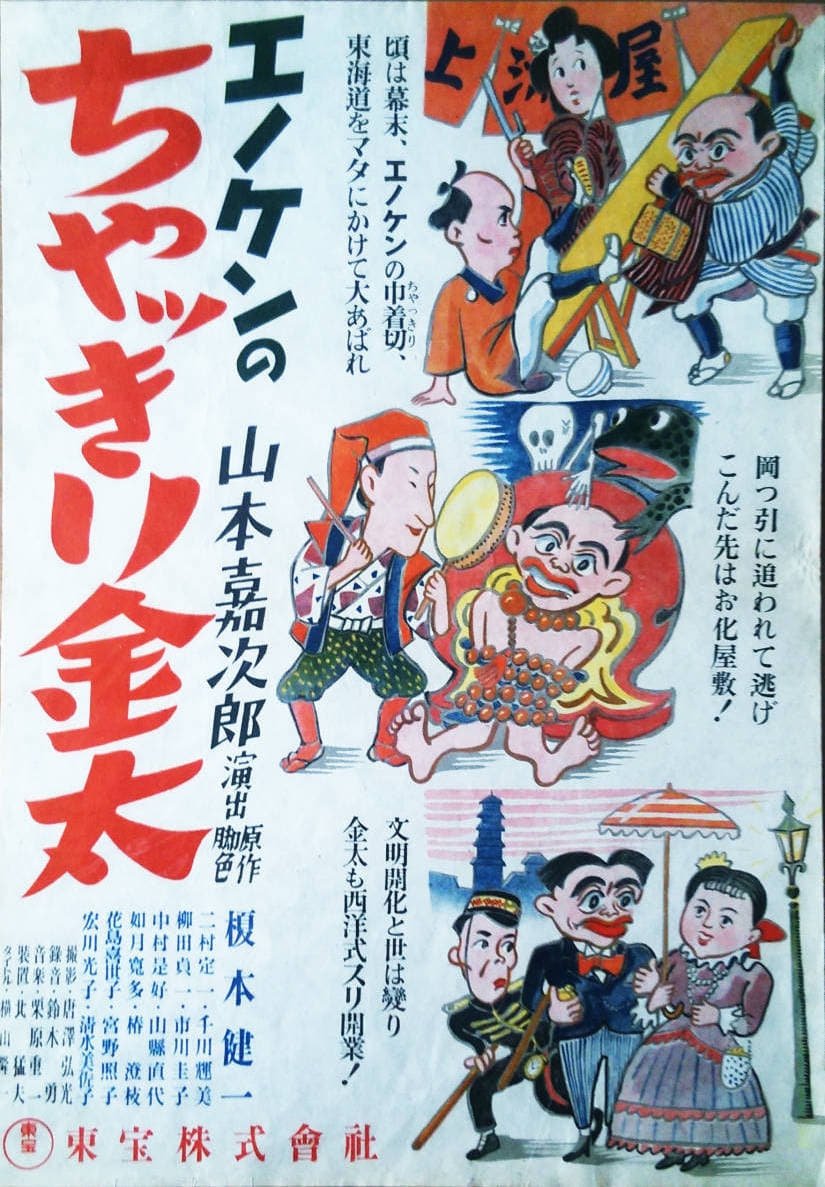
1937
Interprétation
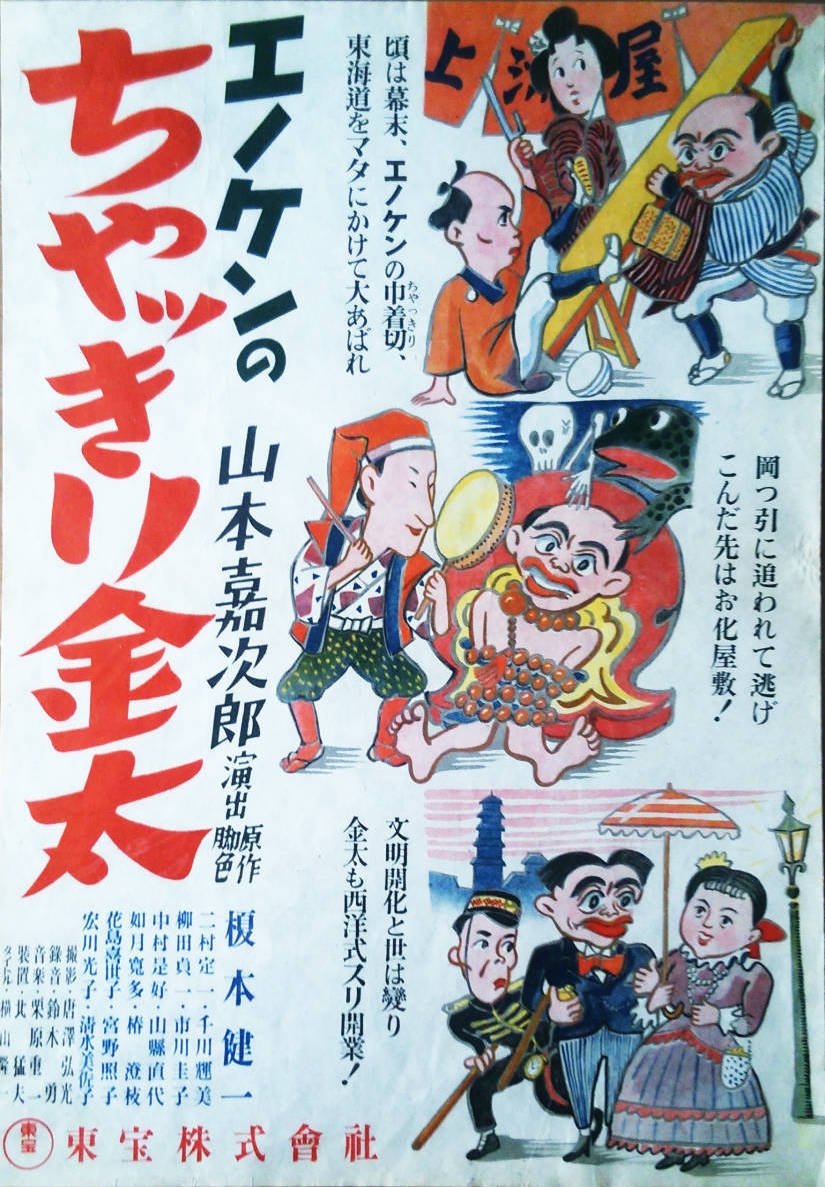
1937
Interprétation

1936
Enoken
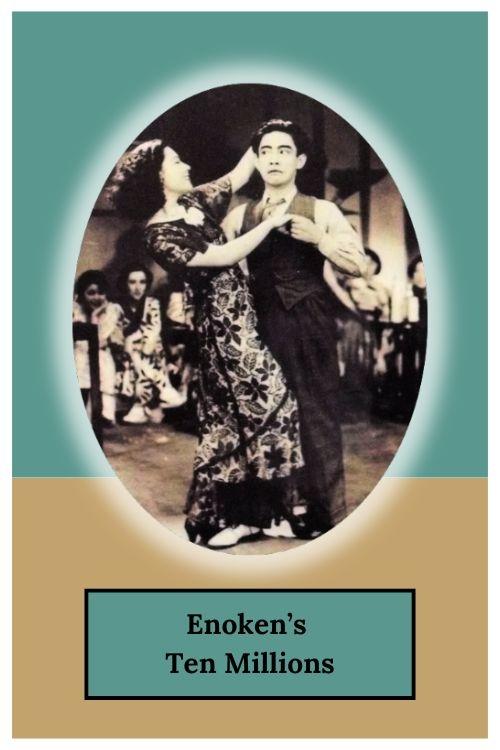
1936
Interprétation
1936
Interprétation
1935
Kondo Isami / Sakamoto Ryoma
1934
Interprétation
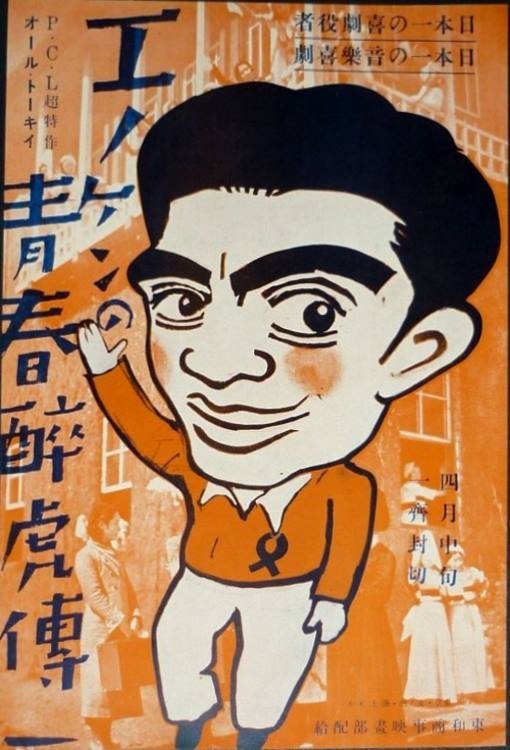
1934
Enoken