Pas encore noté
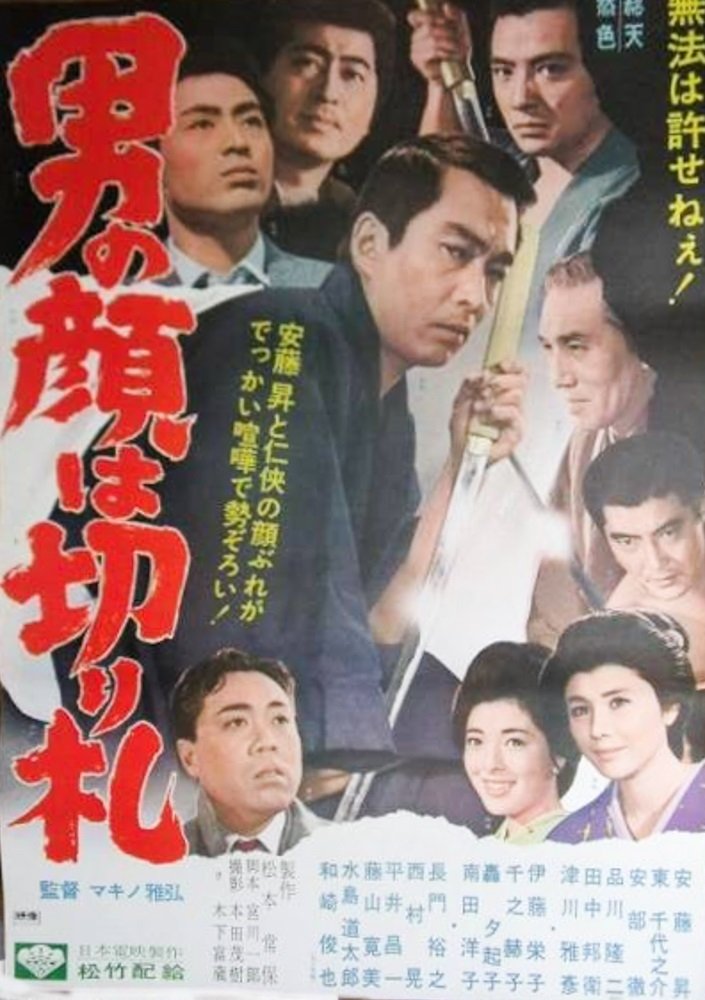
男の顔は切り札
1966
Interprétation

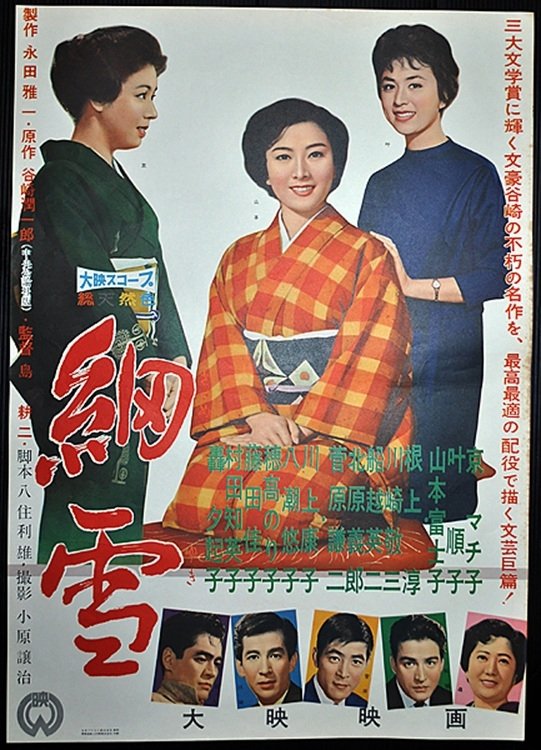
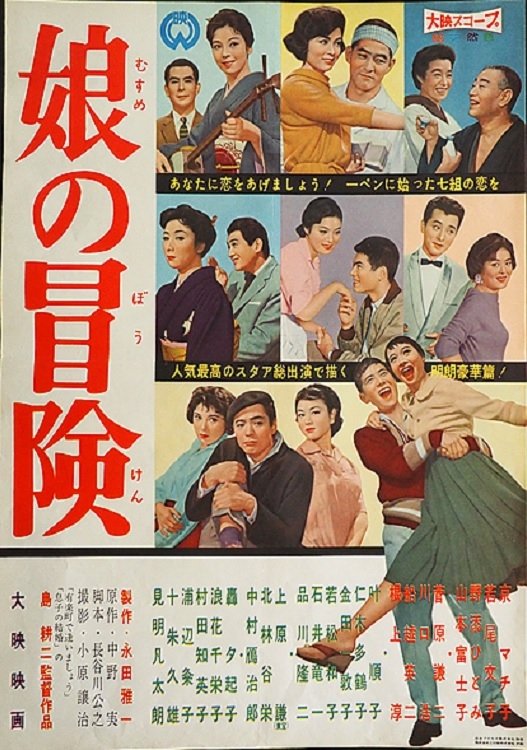
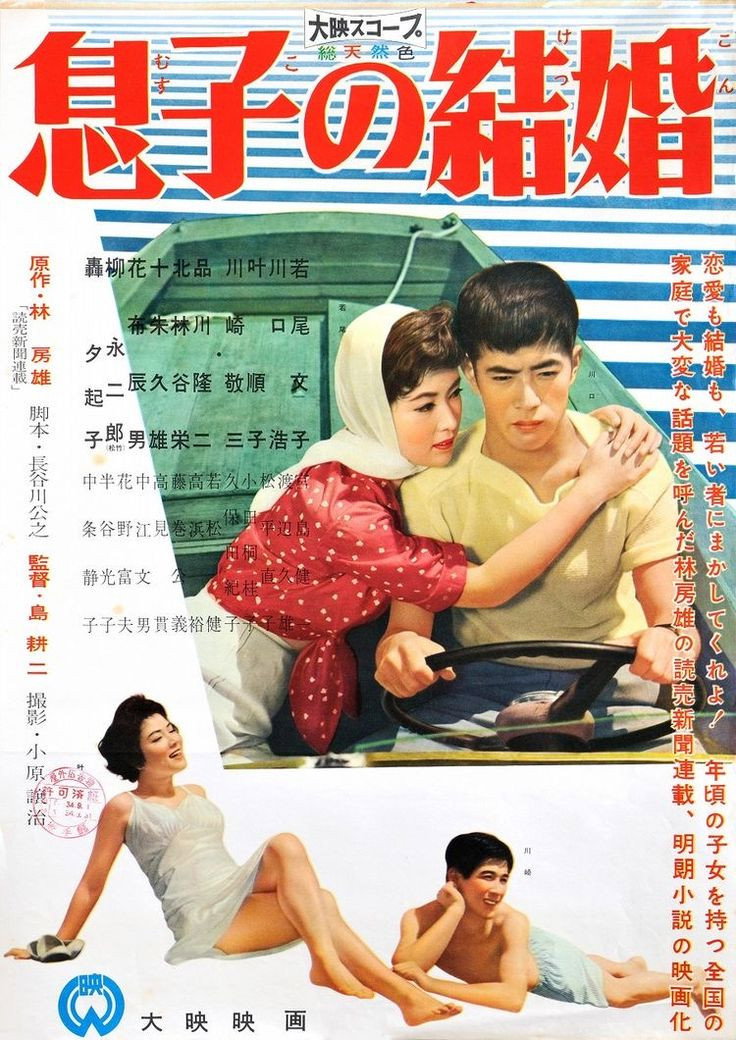
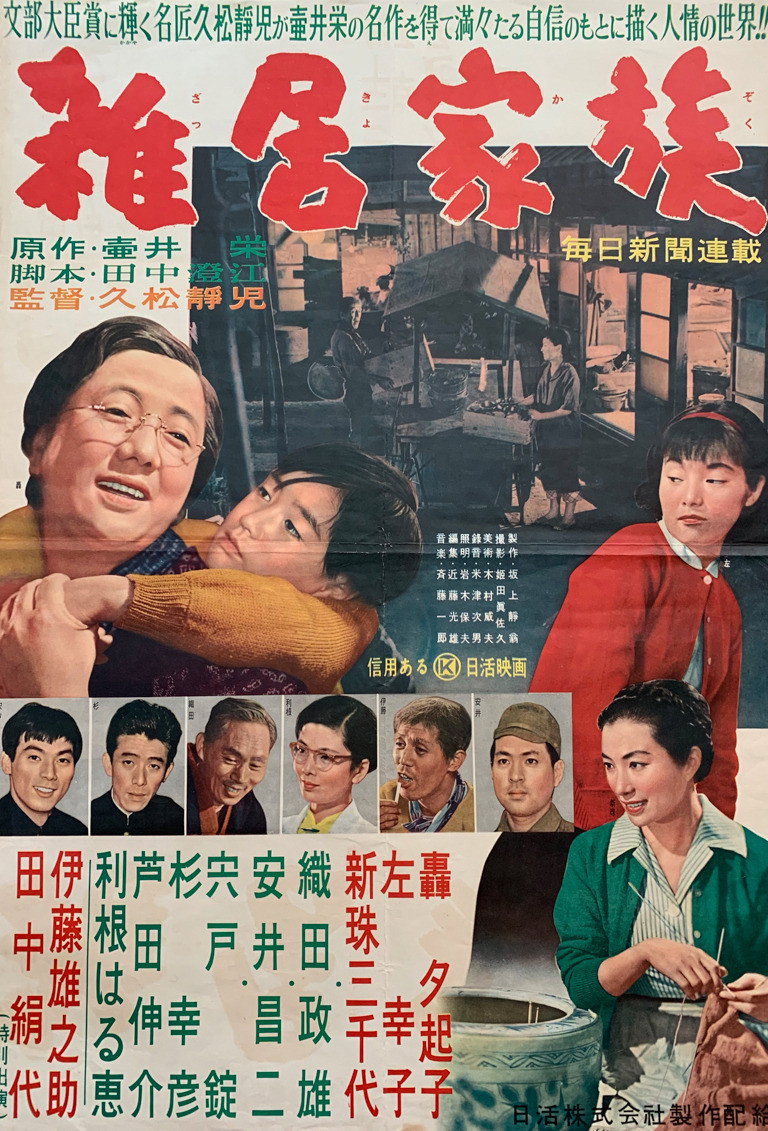
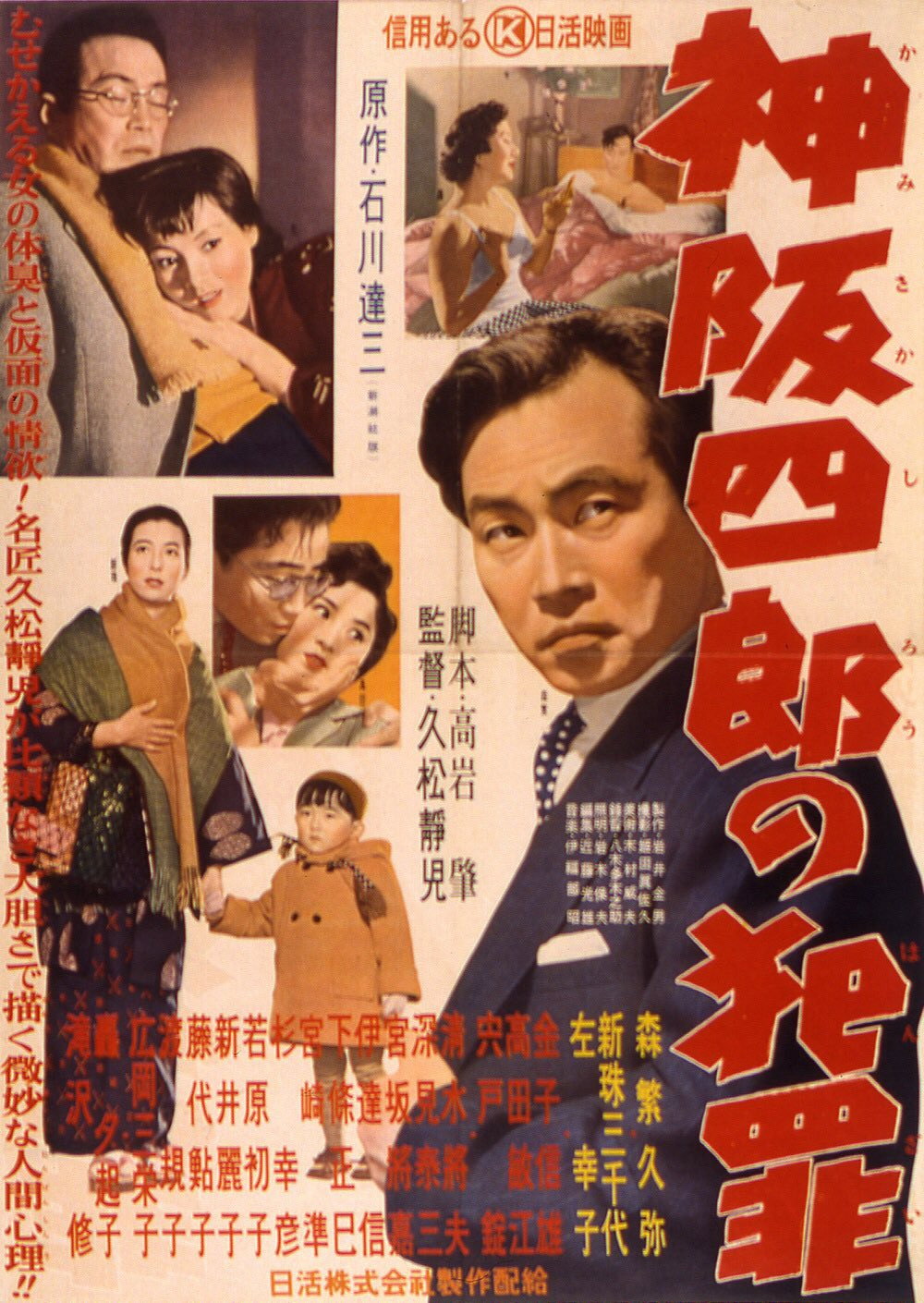
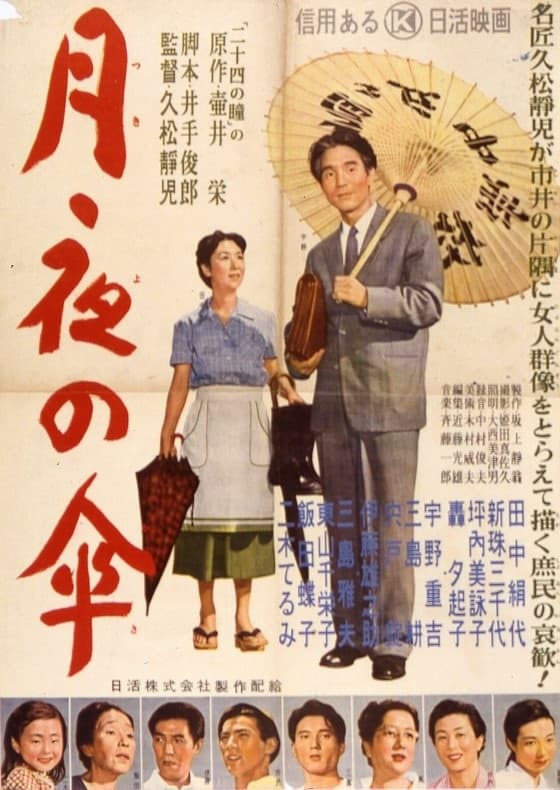
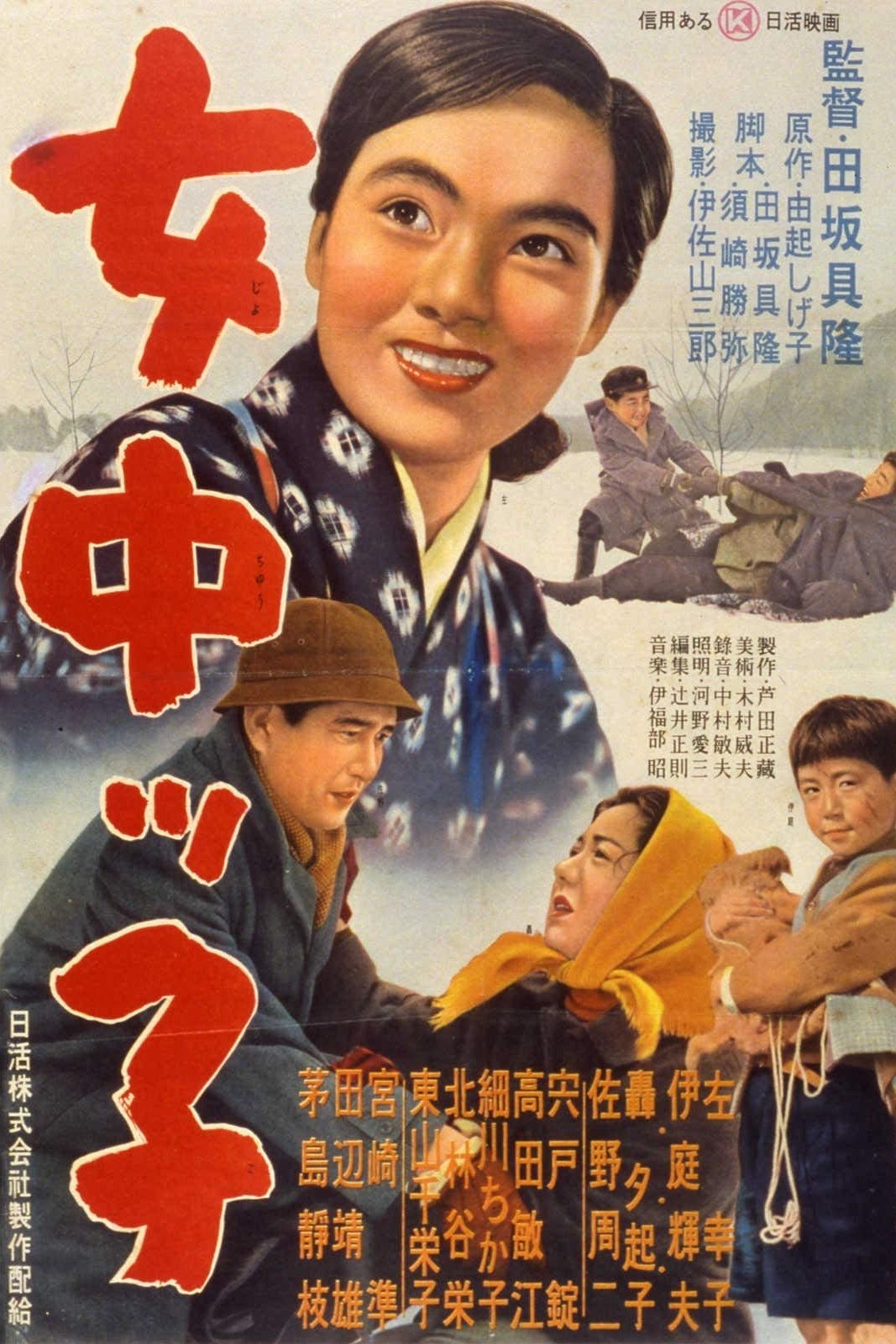
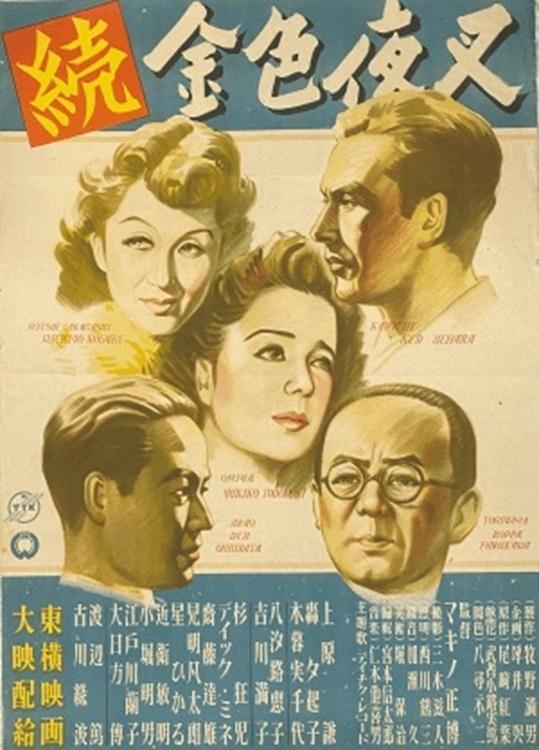
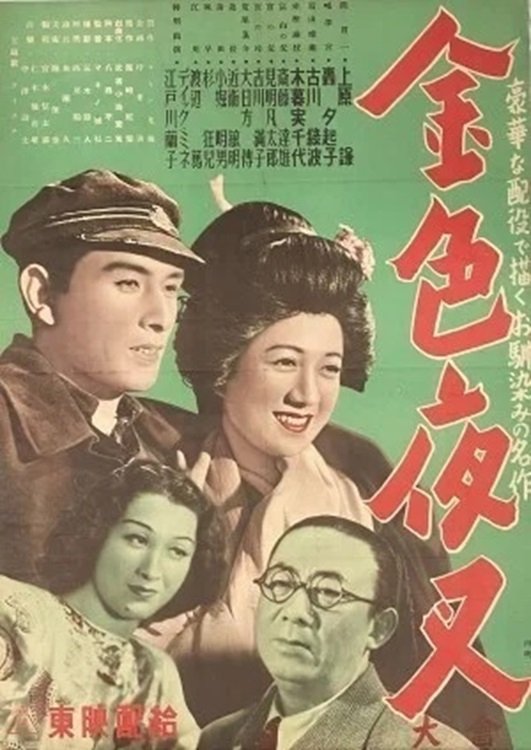
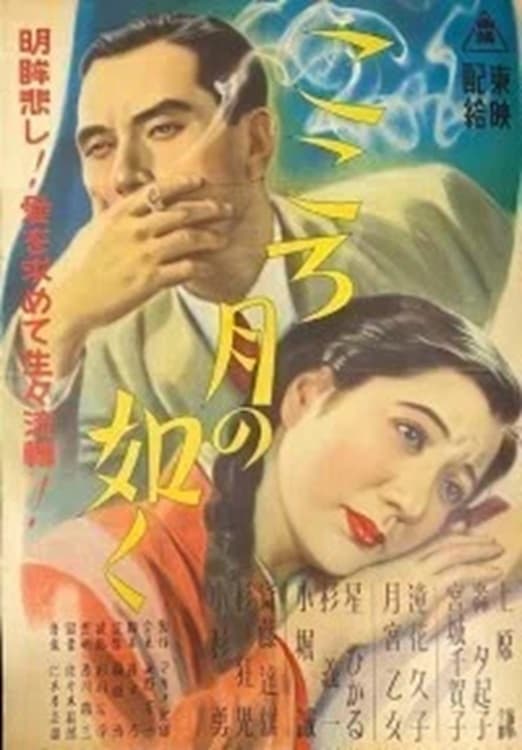
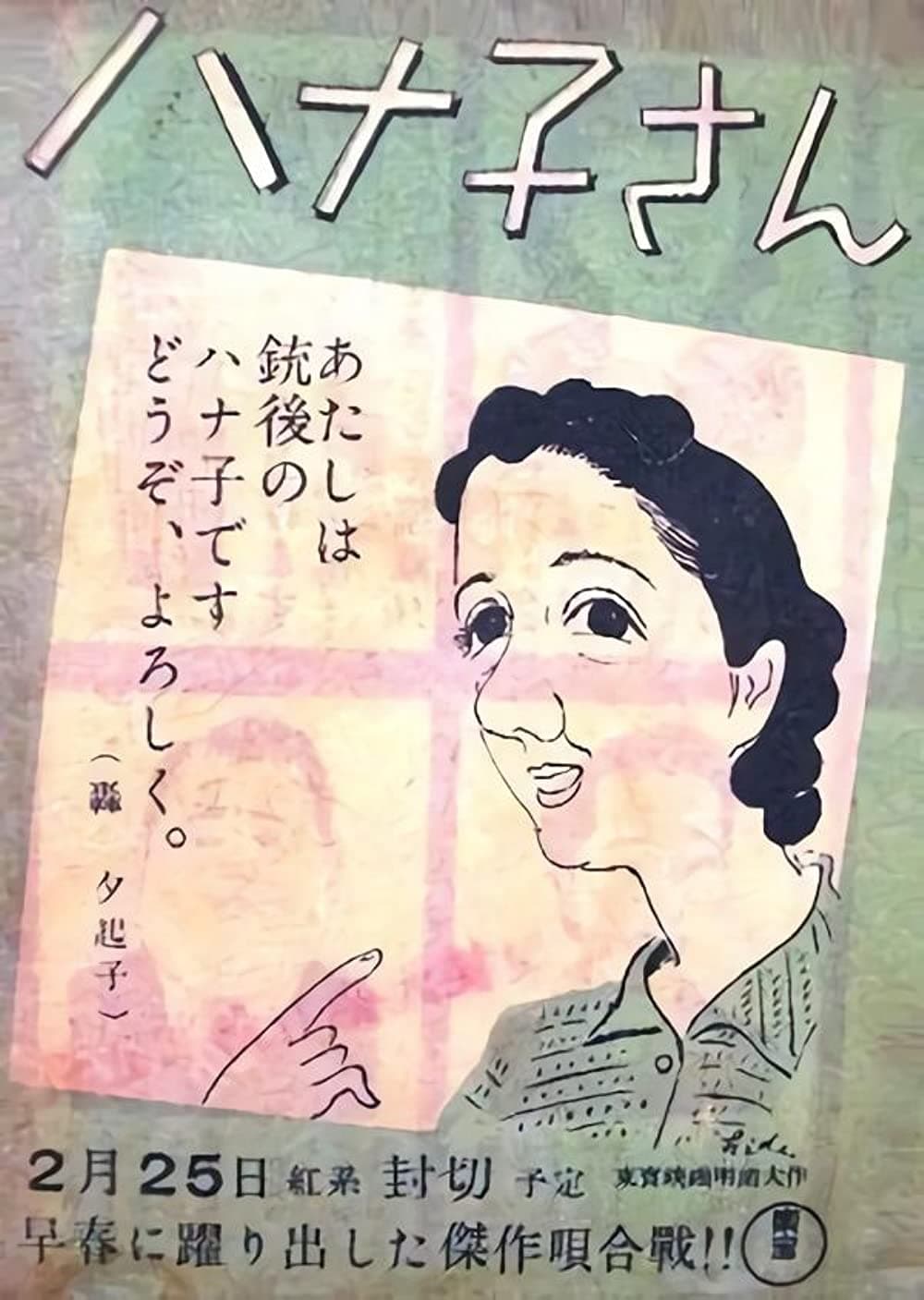
Yukiko Todoroki (轟 夕起子 Todoroki Yukiko; September 11, 1917 – May 11, 1967) was a Japanese actress. Her real name was Tsuruko Nishiyama. She participated in the Takarazuka Revue. At Takarazuka, she was known not by her real name, but by the stage name Toruko (Turquoise or Turk). Her birthplace was Shinbori, Azabu-ku in Tokyo. Her two ex-husbands were film directors Masahiro Makino and Koji Shima. Her son is Masayuki Makino, the principal of Okinawa Actors School. Anna Makino, a former member of idol group Super Monkey's, is her granddaughter.
1966
Okimi
1965
Interprétation
1965
Interprétation
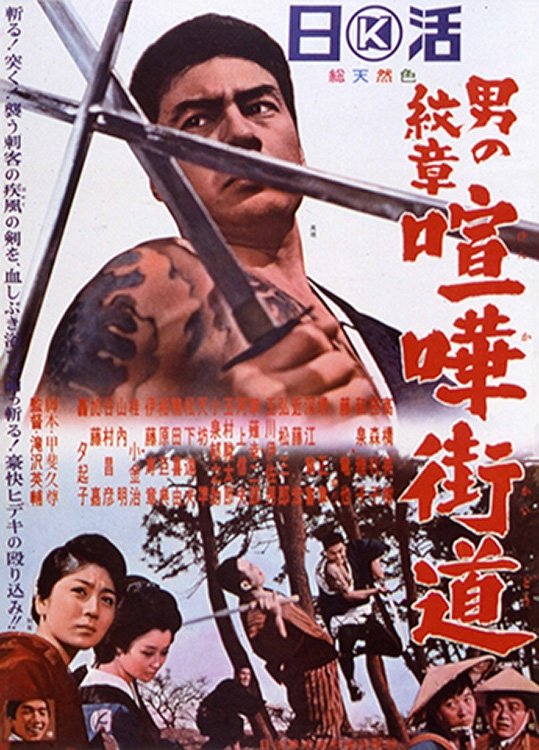
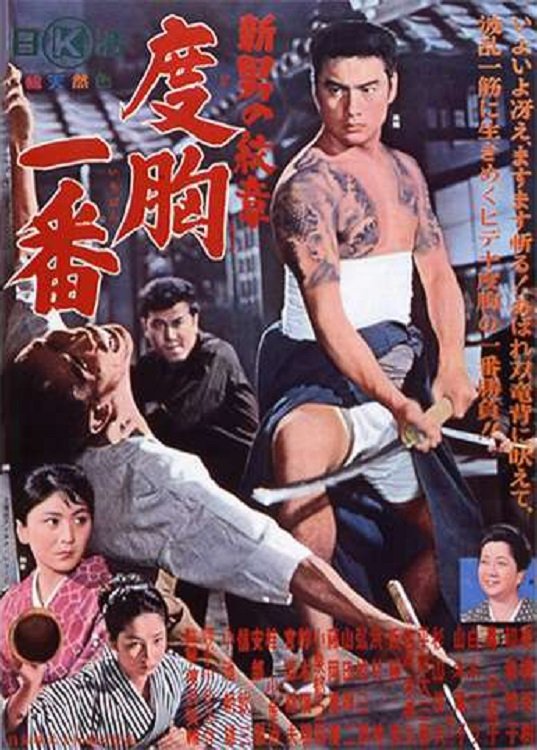
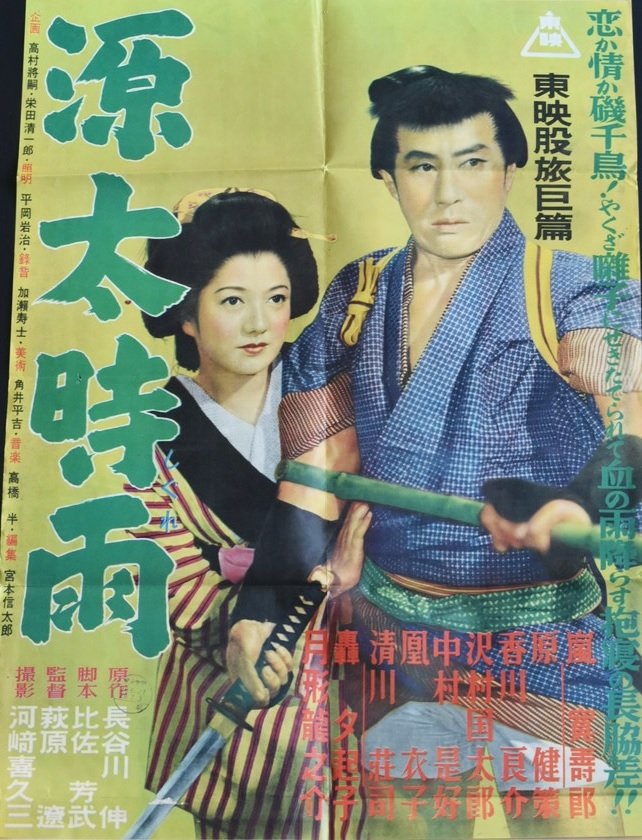
Le nouveau chef (Ryuji) du puissant clan yakuza Oshima-Murata fait face au danger d'un rival maléfique qui cherche le sang et la vengeance dans ce conte historique classique de samouraï.
1965
Interprétation

1965
Masa Miyata
1964
Interprétation
1964
Interprétation

1964
Interprétation

1964
Mihoko Ishizawa

1963
Interprétation

Une histoire violente de loyauté et de vengeance parmi les nombreux « yakuzas » ou groupes de jeu au Japon. En 1936, Oshima Shozaburo, 60 ans, s'inquiète de l'avenir de son fils unique, Ryuji, qui refuse de suivre ses traces et décide de devenir médecin.
1963
Interprétation
1963
Interprétation
1963
南条規子
1962
Interprétation

1962
Interprétation
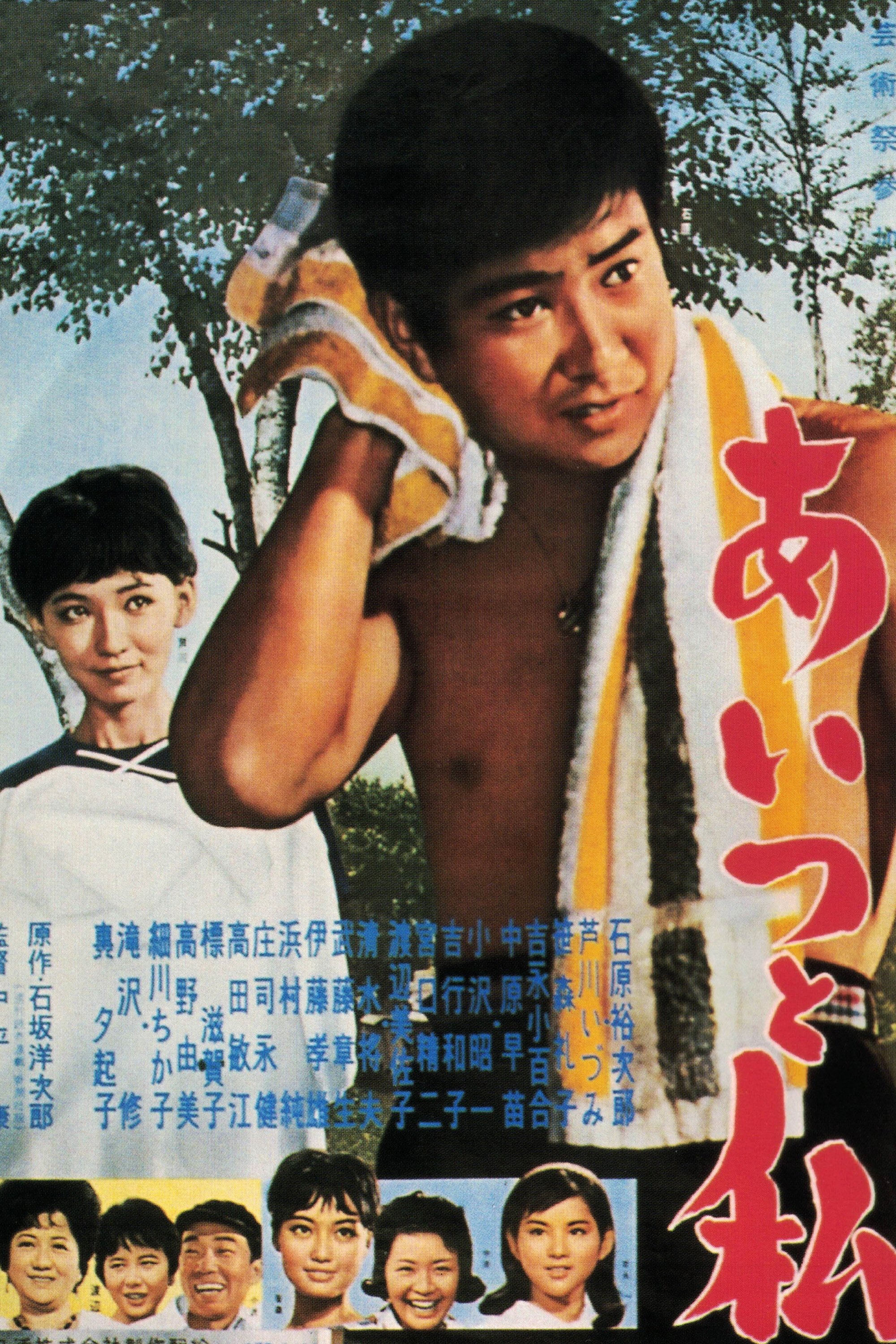
1961
Interprétation
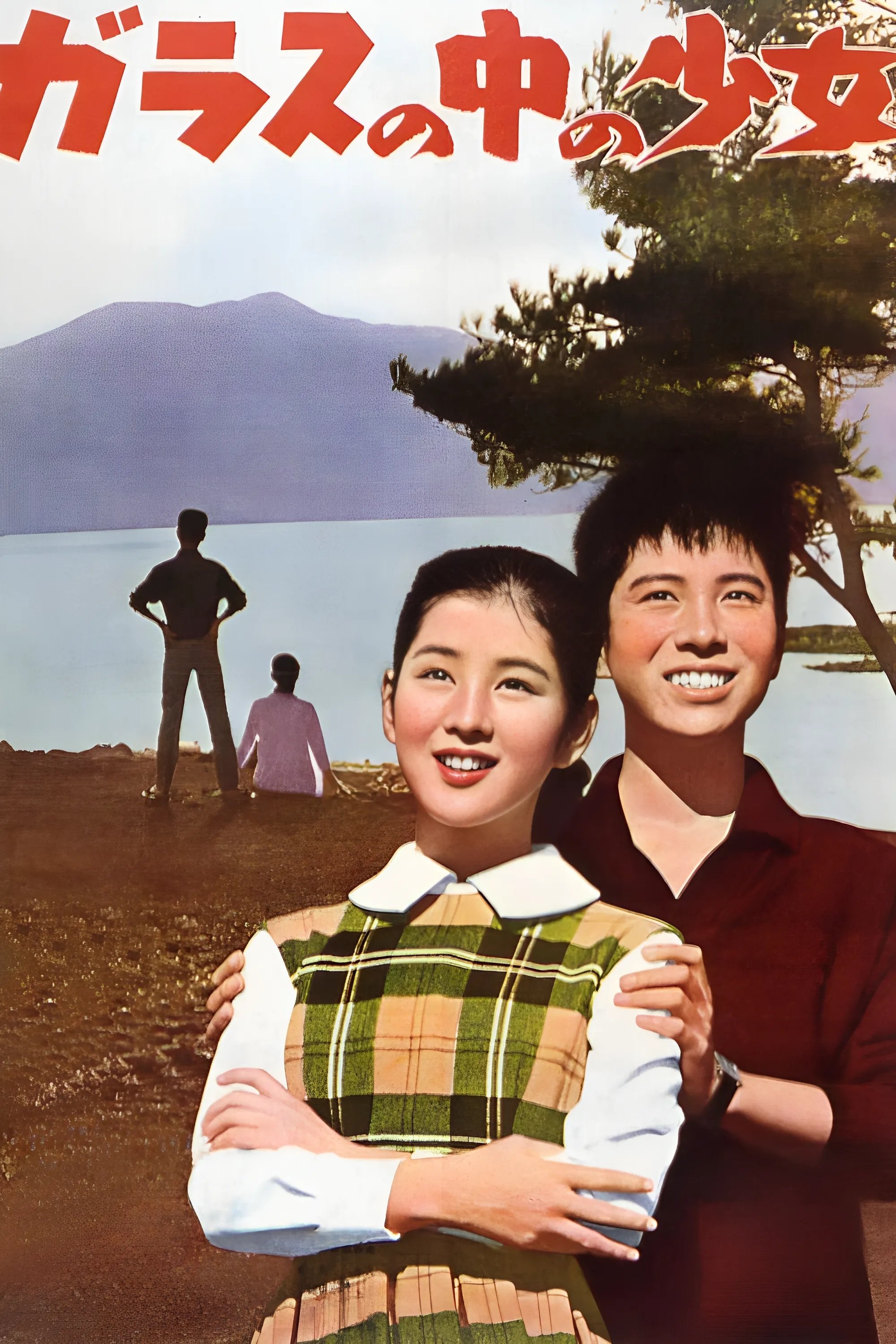
1960
Satoko Okinaka
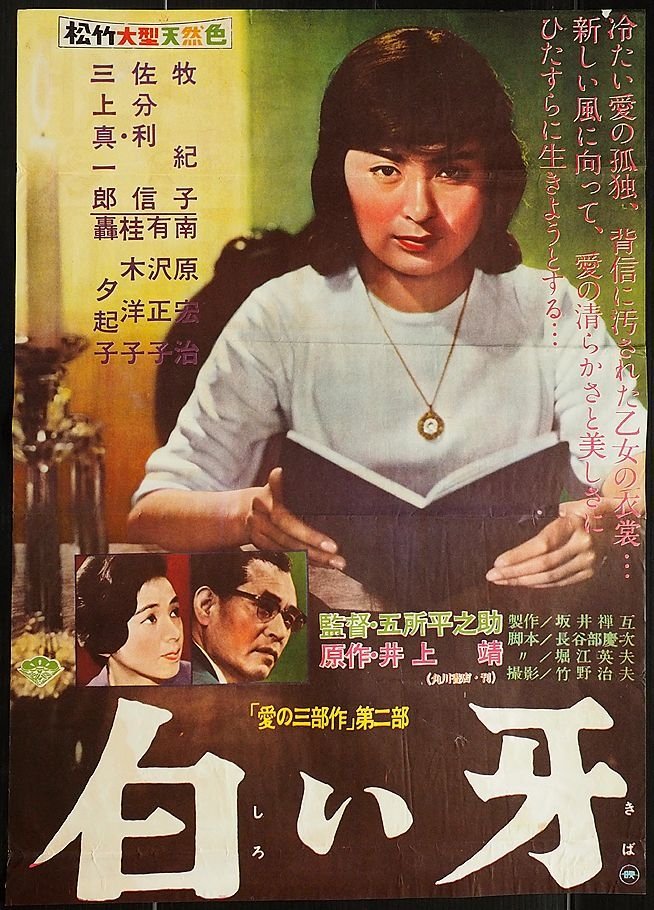
1960
Kyôko Tashiro
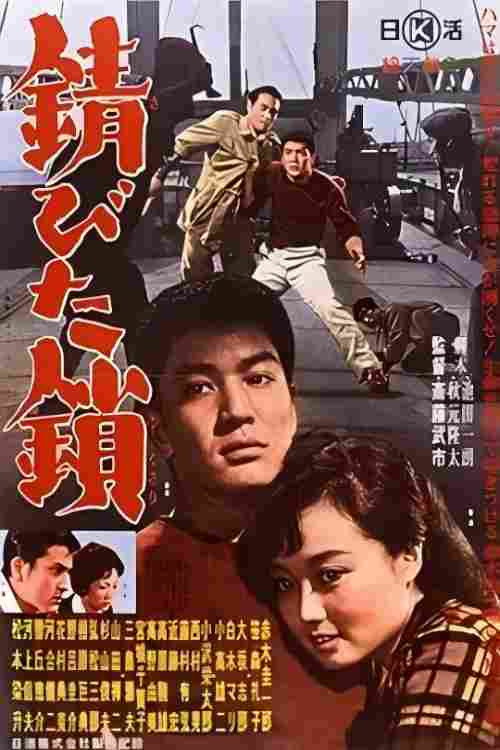
1960
Interprétation
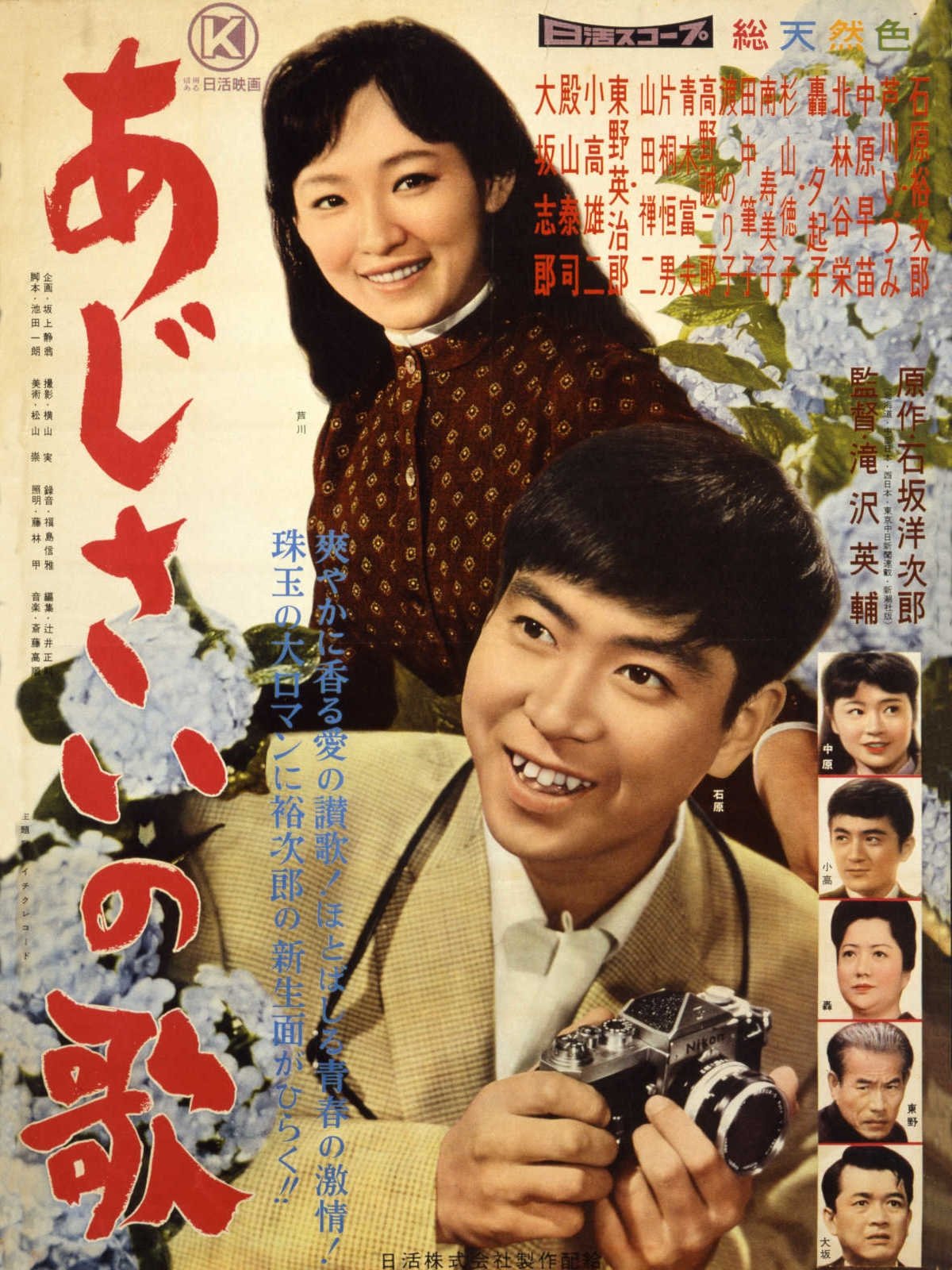
1960
Interprétation

1959
Interprétation
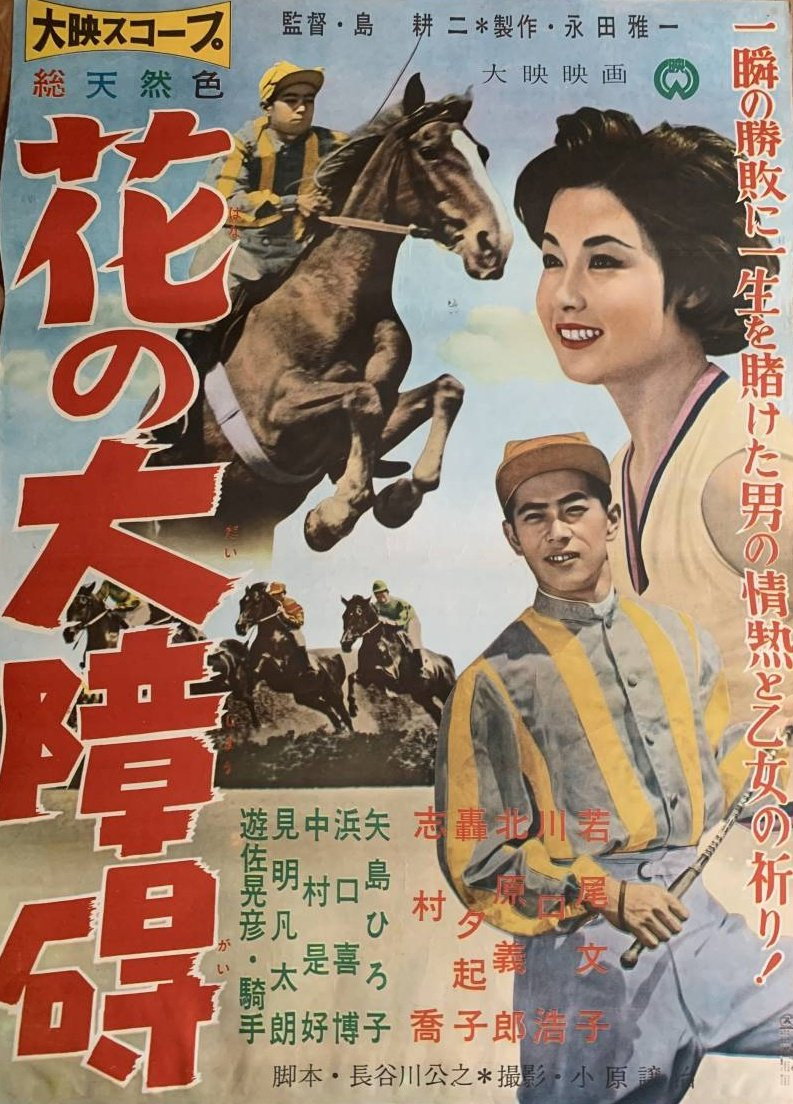
1959
Interprétation
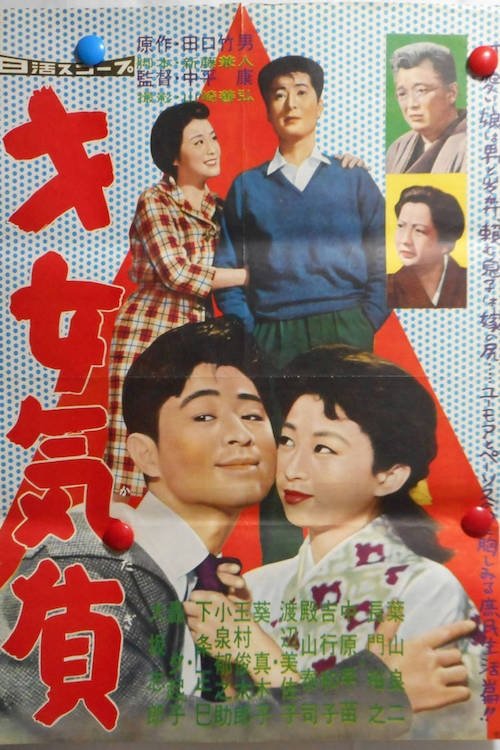
1959
Nobuyo
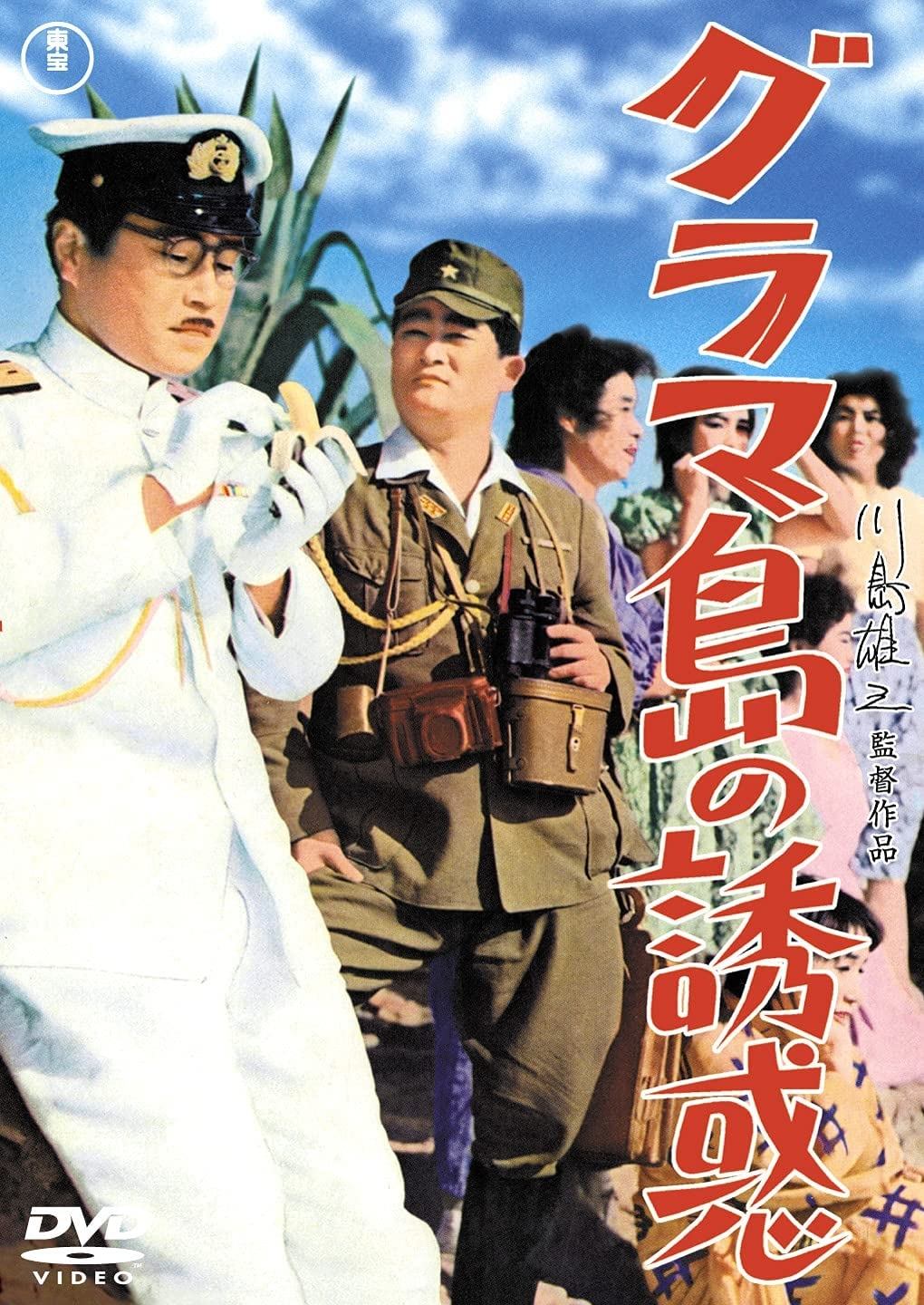
1959
Tatsu Kitagawa

1959
Interprétation
1959
Interprétation
1958
Interprétation
1958
Mama
1958
Interprétation
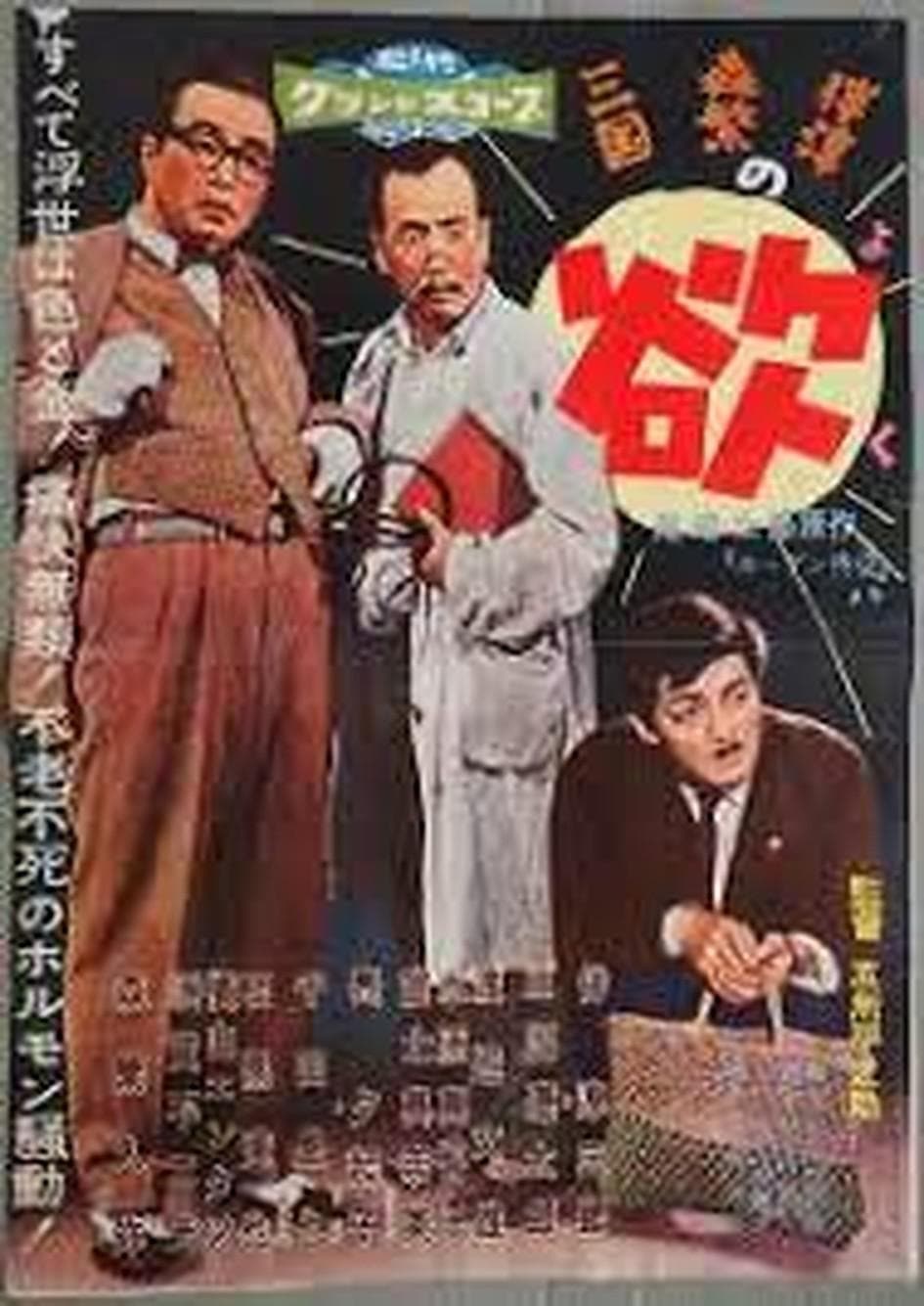
1958
Interprétation

À Tokyo, la jeune Takako devient la préceptrice de Kumiko, fille d’une famille aisée, et se fait rapidement une place dans le foyer. Elle attire bientôt l’attention des deux frères de la jeune fille, aussi différents l’un de l’autre que liés par les secrets et les tensions qui traversent leur famille.
1958
Midori Tashiro
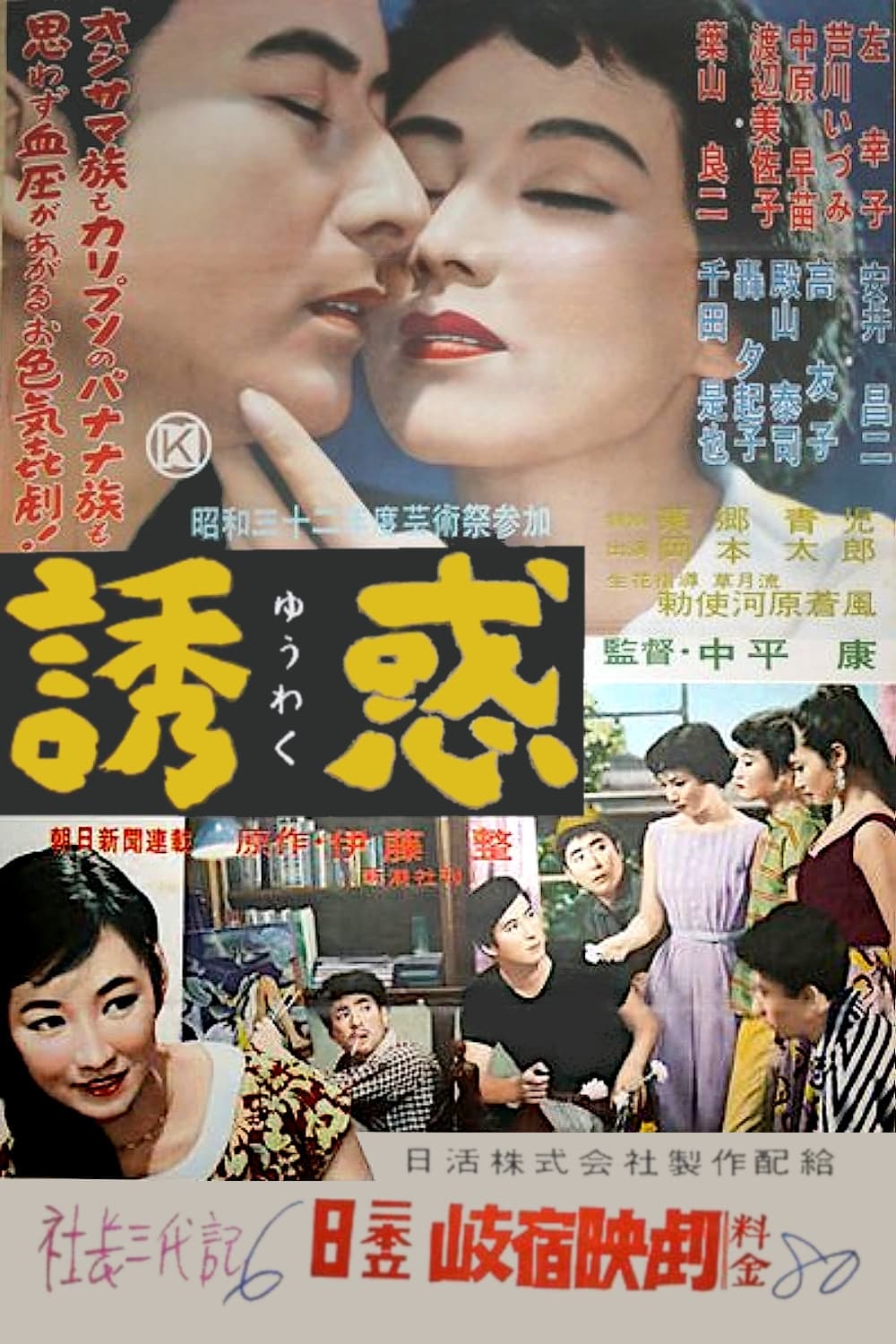
1957
Kotoko Sonoya
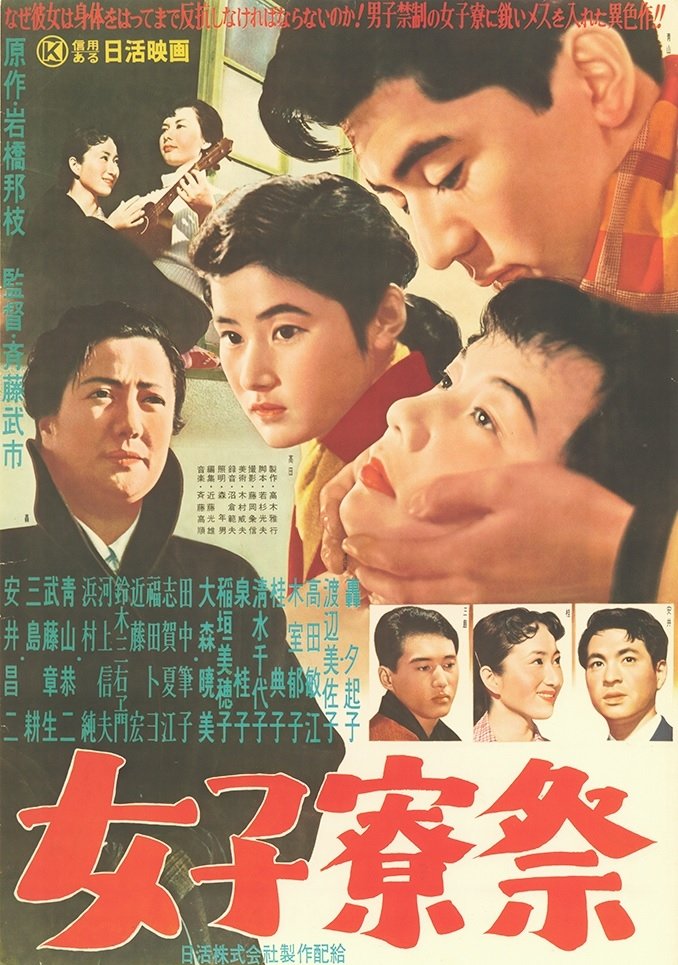
1957
Interprétation

1957
Fuyuko Taki
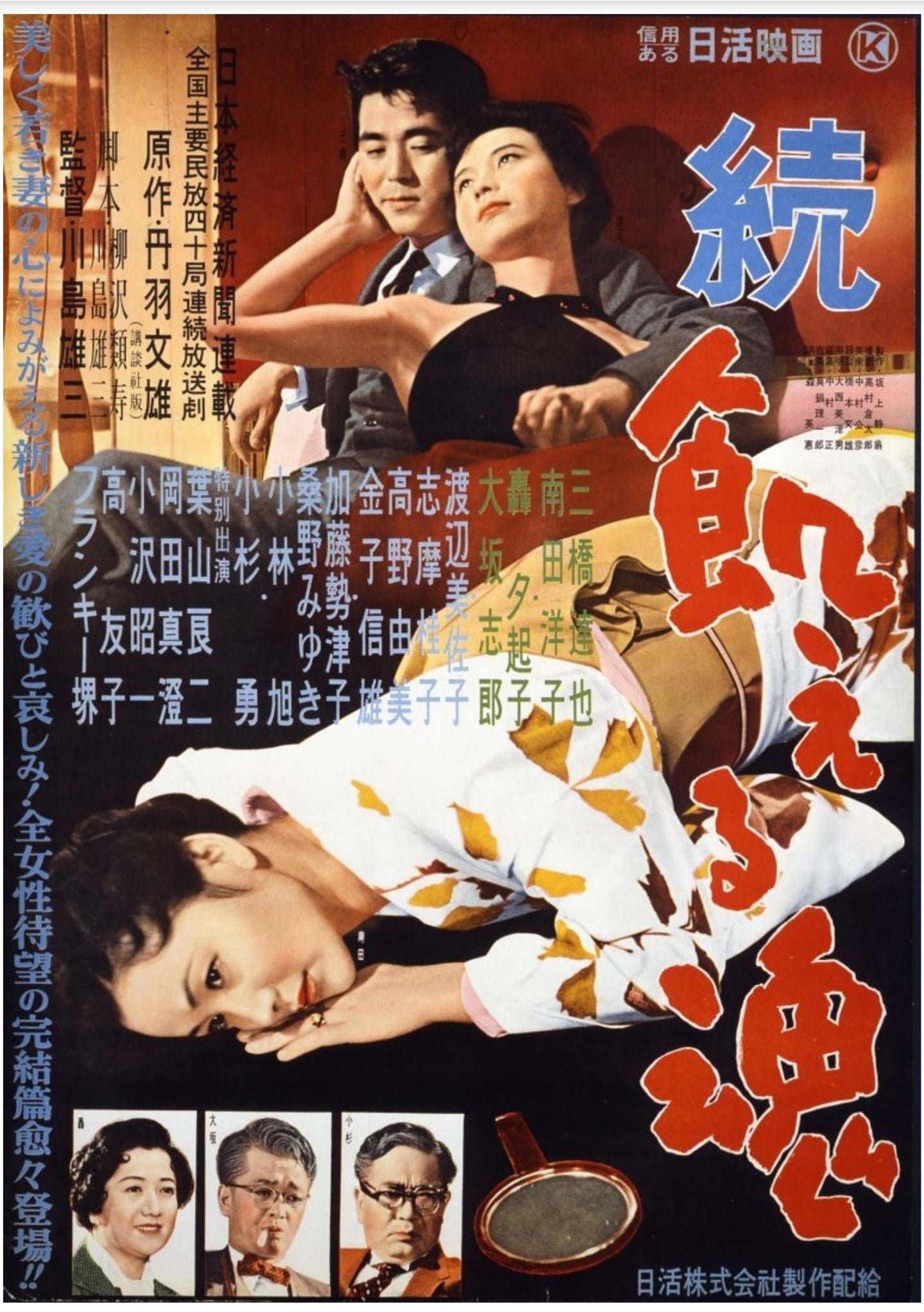
1956
Mayumi Ogouchi

1956
Mayumi Ogouchi
1956
Interprétation
1956
Tomoko Togawa
1955
Interprétation
1955
Interprétation
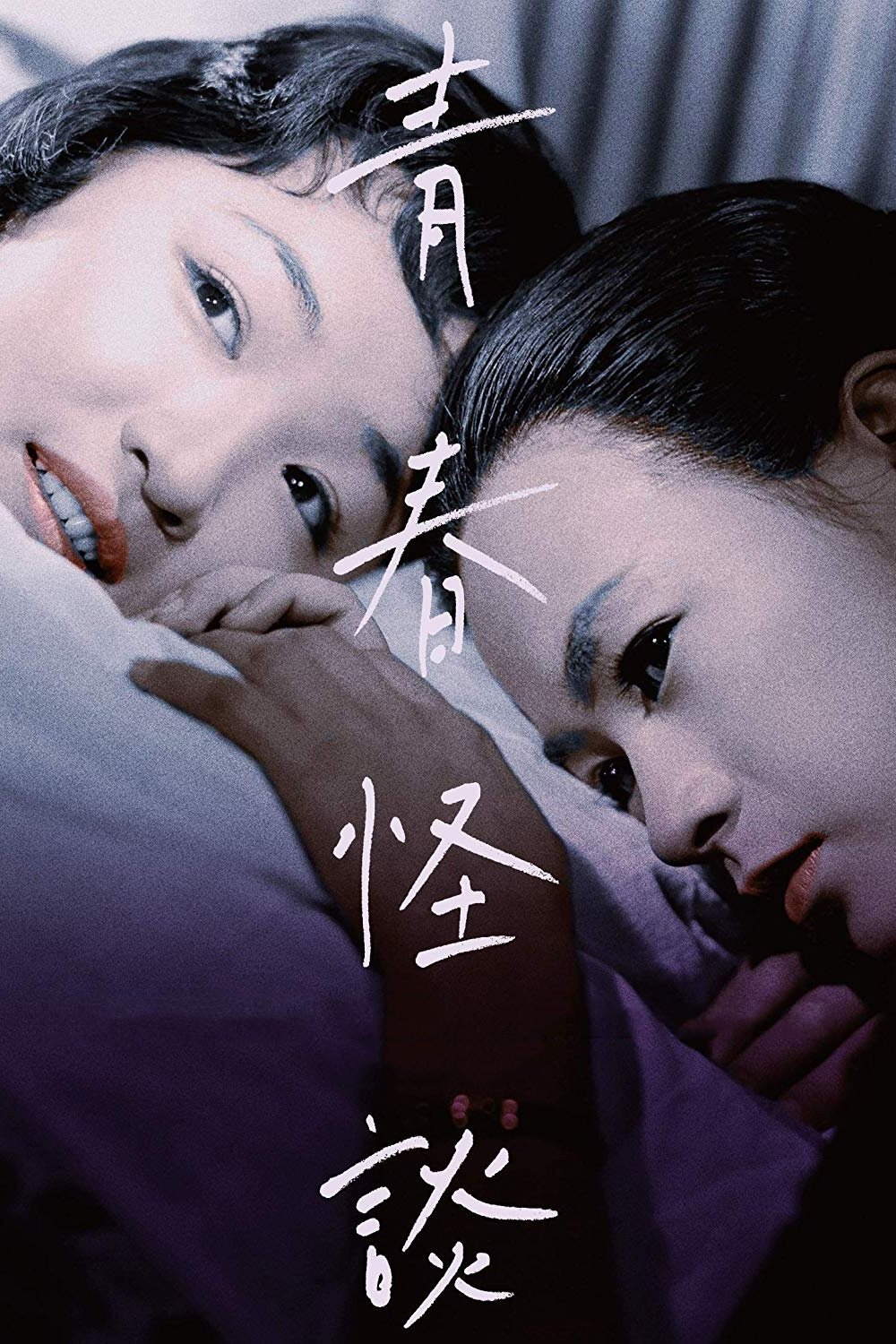
1955
Choko, mother of Shinichi

1955
Interprétation
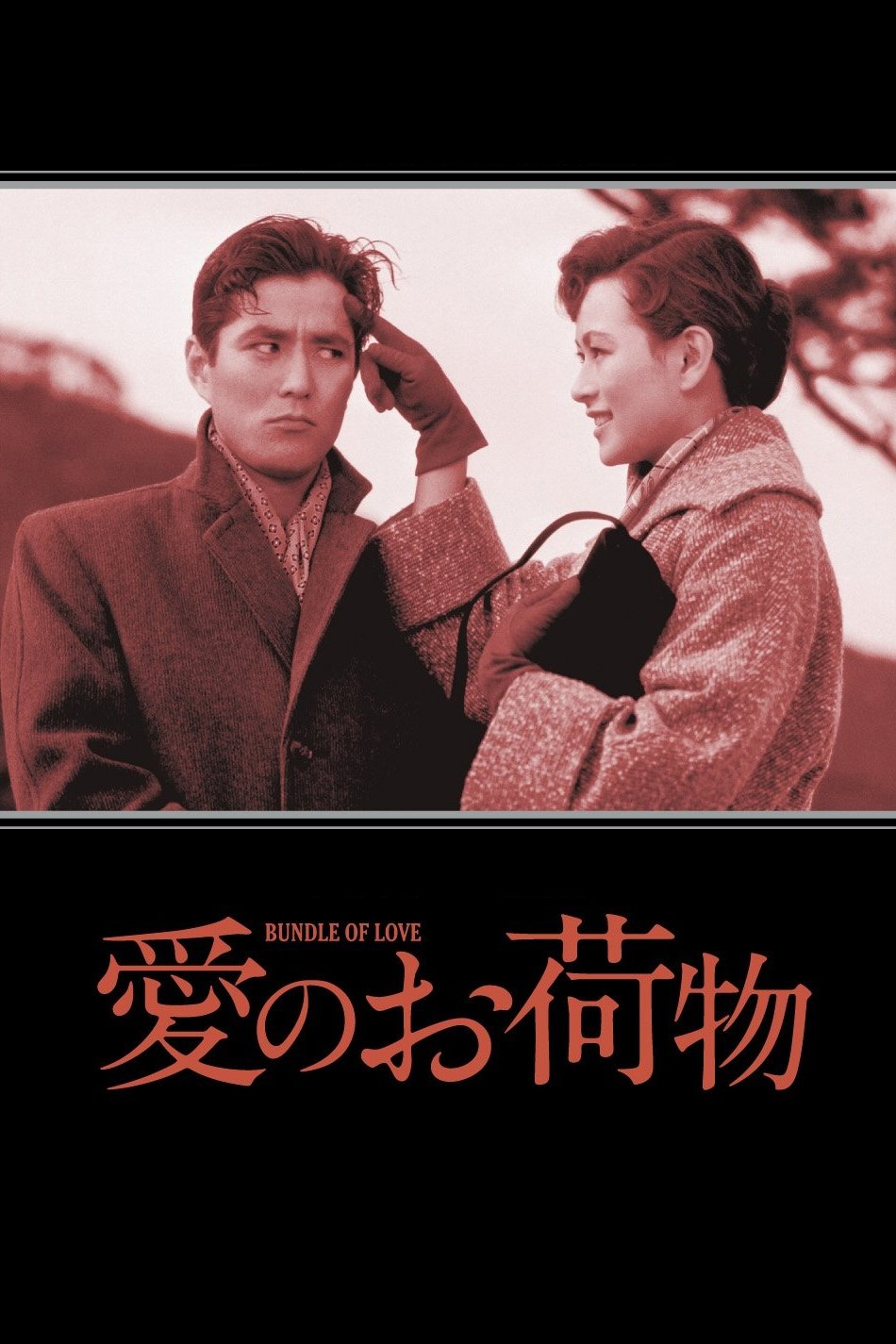
1955
Ranko Araki
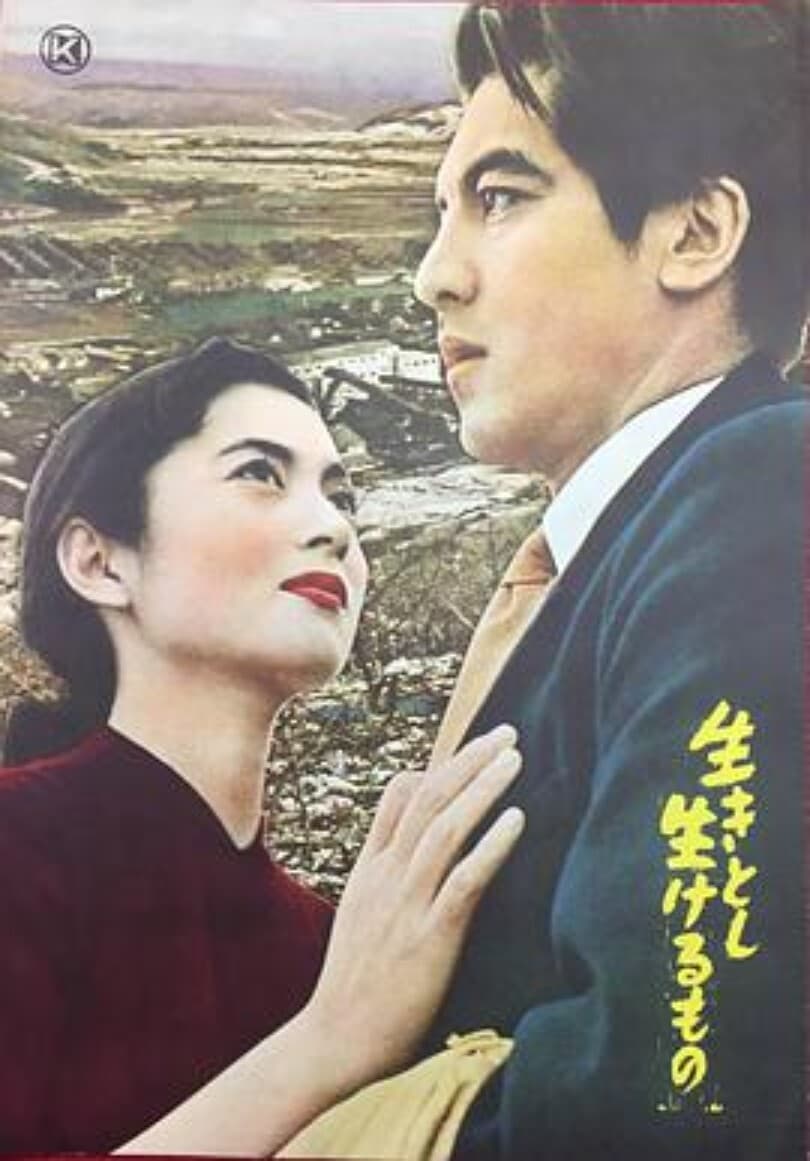
1955
Interprétation
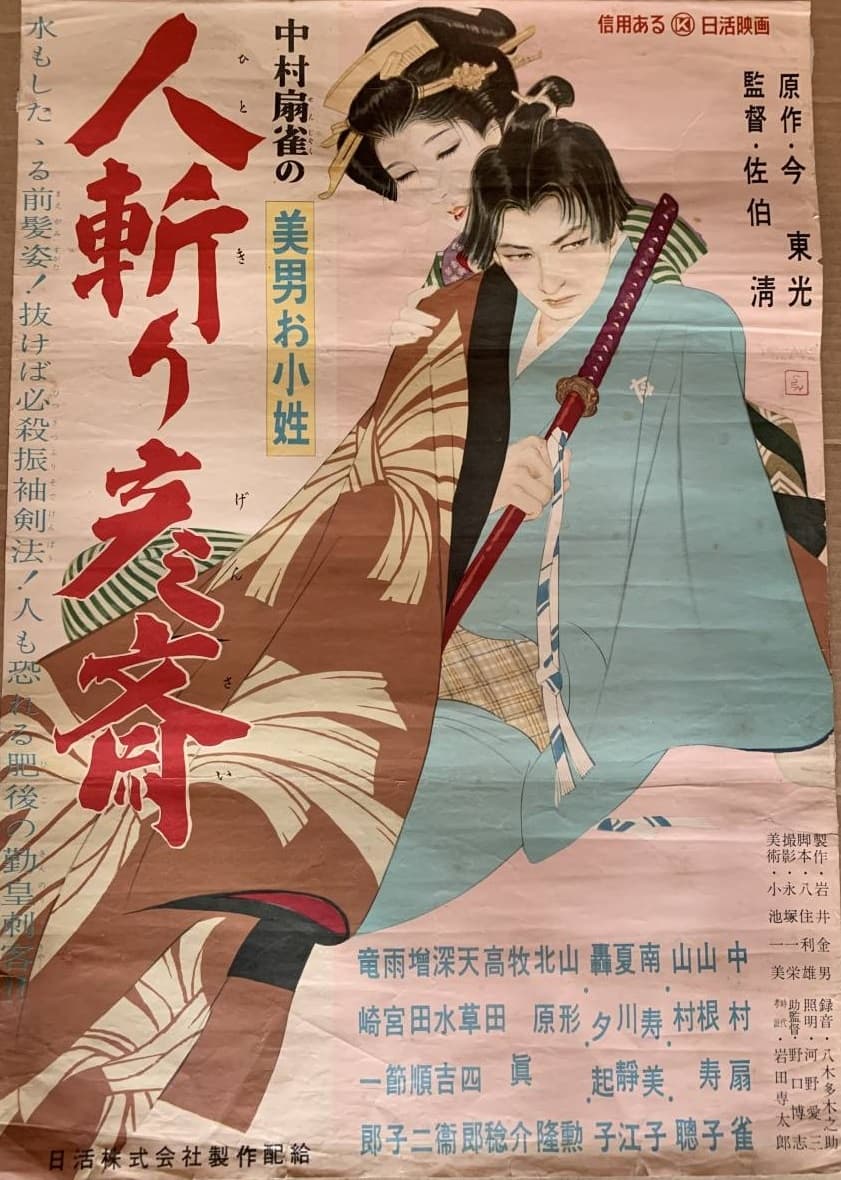
1955
Interprétation
1954
Interprétation
1954
Interprétation
1954
Interprétation
1954
Mitsu Nakahara
1954
Interprétation
1953
Mrs. Natsuko
1953
Interprétation
1953
Tomoko Takashima
1953
Interprétation

1952
Interprétation
1952
Interprétation
1952
Interprétation

1952
Interprétation
1952
Interprétation
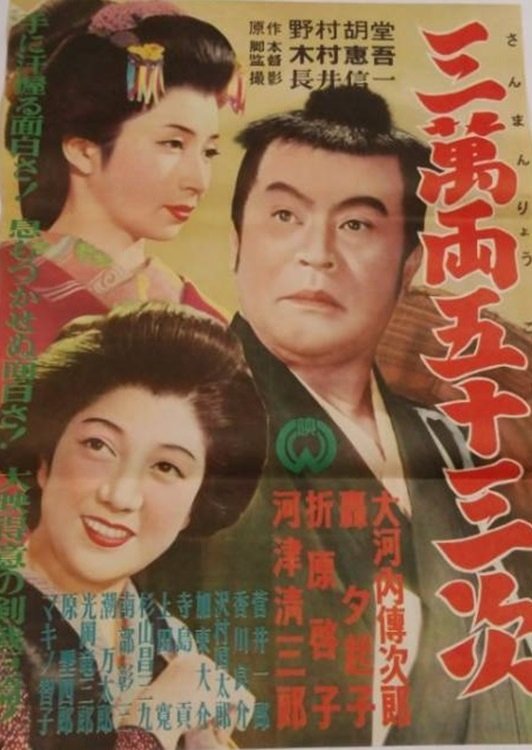
1952
Interprétation
1952
Interprétation
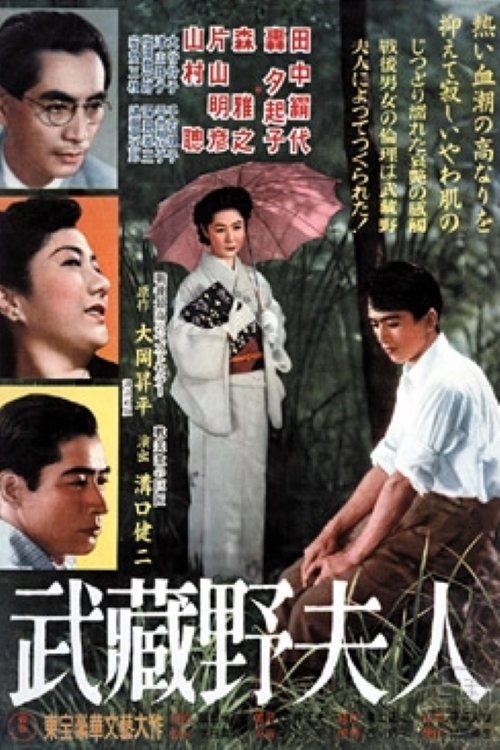
Dans une petite ville, la femme désœuvrée d'un professeur tombe amoureuse d'un jeune cousin.
1951
Tomiko Ono
1951
Interprétation
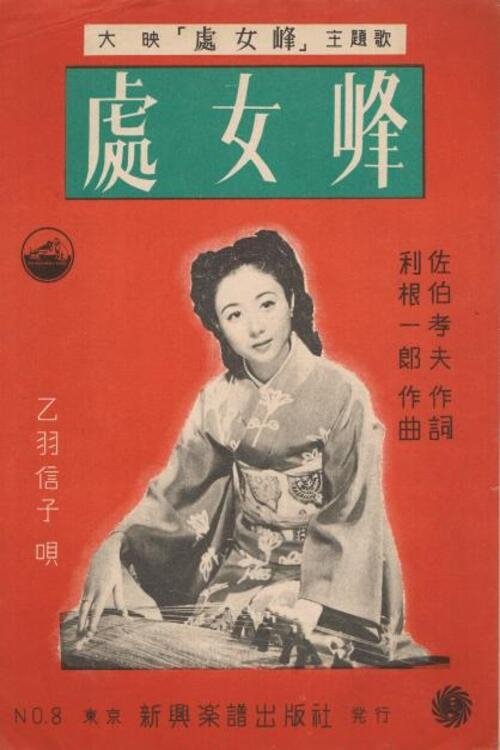
1950
Taniguchi Kozue
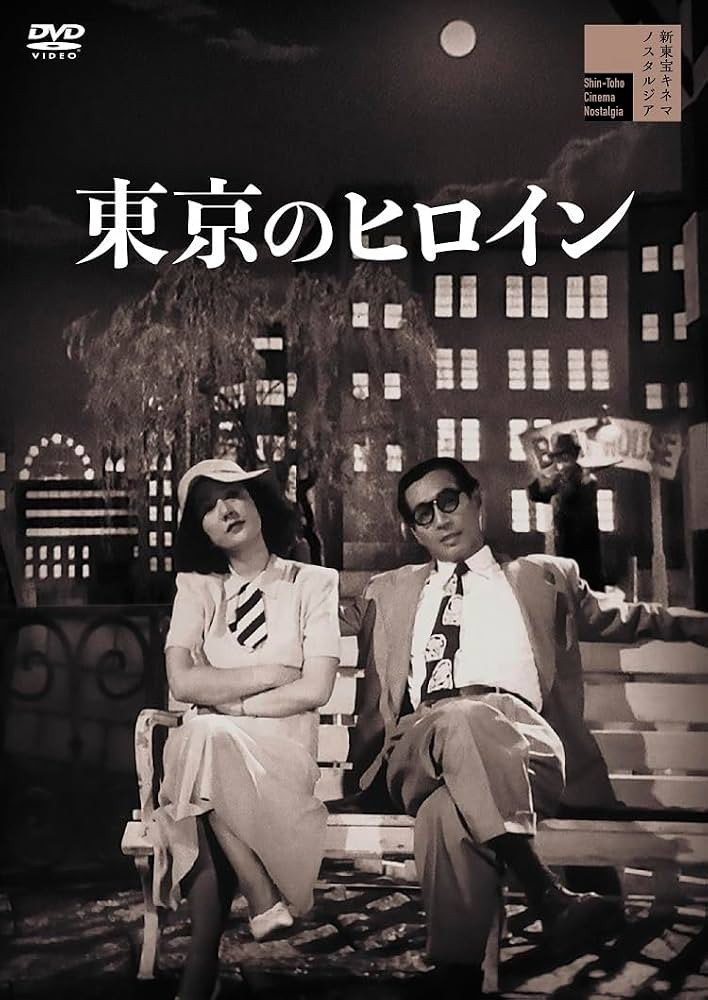
1950
Interprétation
1950
Interprétation
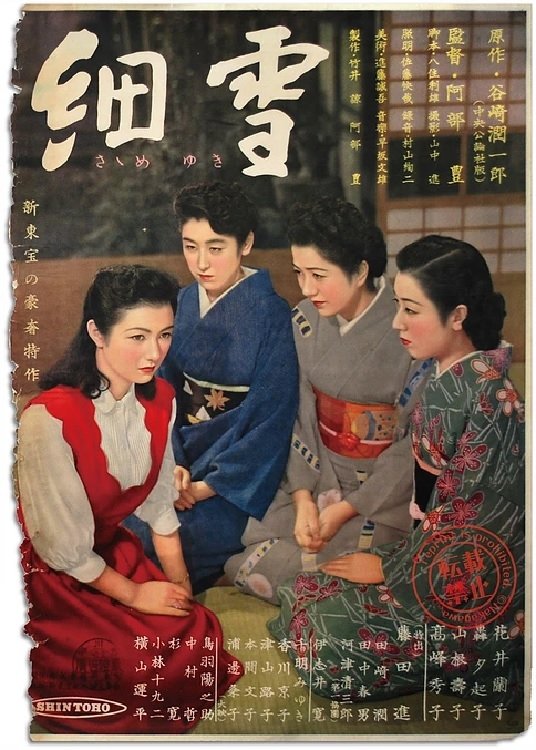
1950
Sachiko
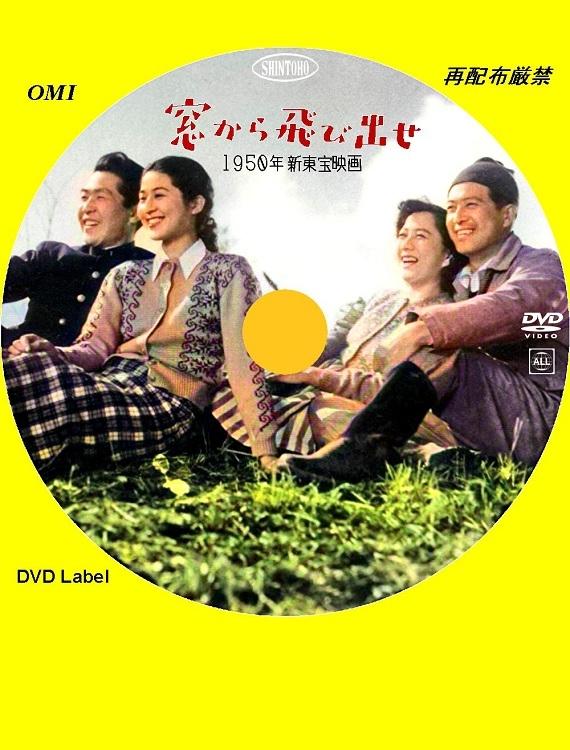
1950
Fujiko - Shûsuke's wife
1949
Interprétation
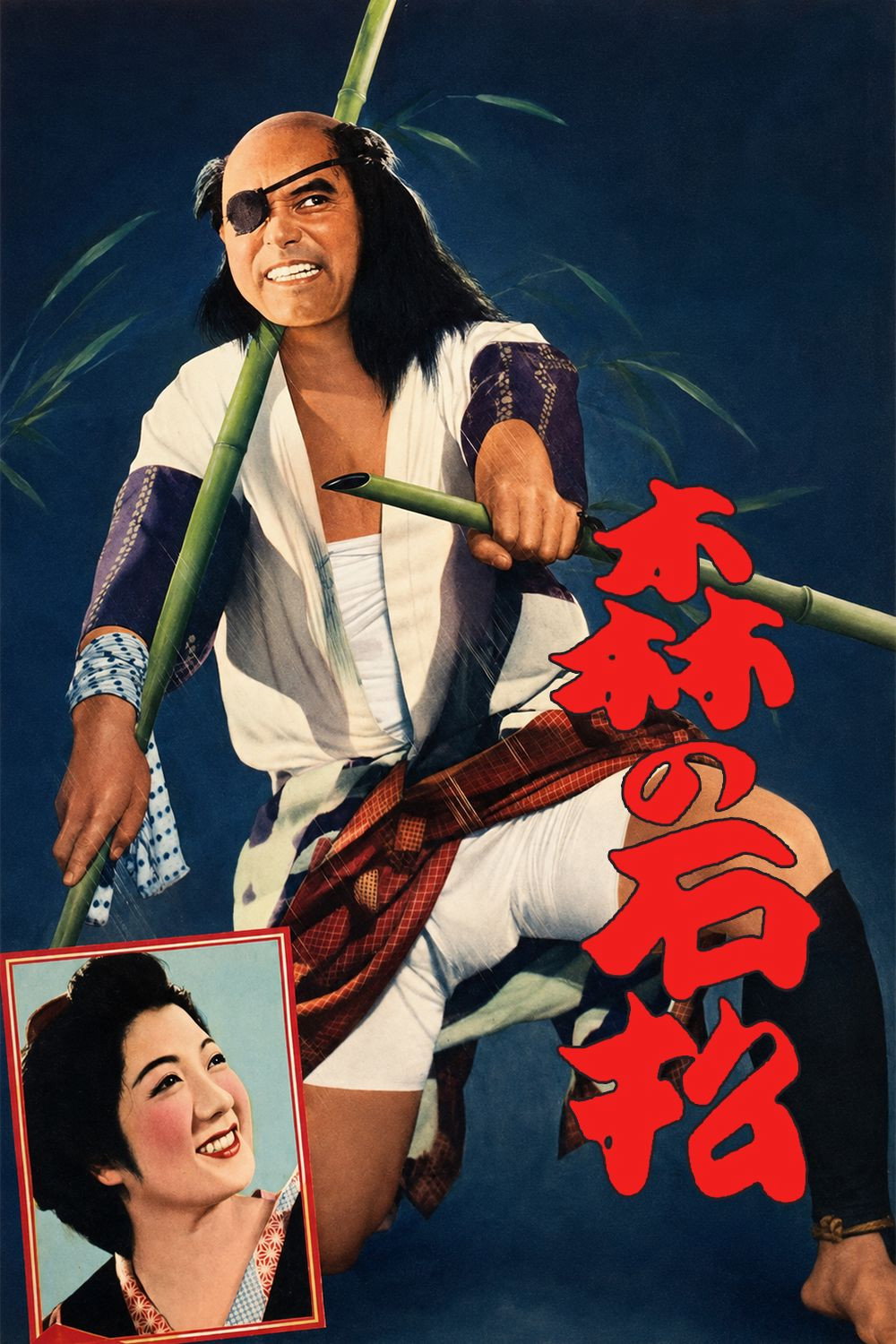
1949
Ofuji

1949
Interprétation
1949
Interprétation
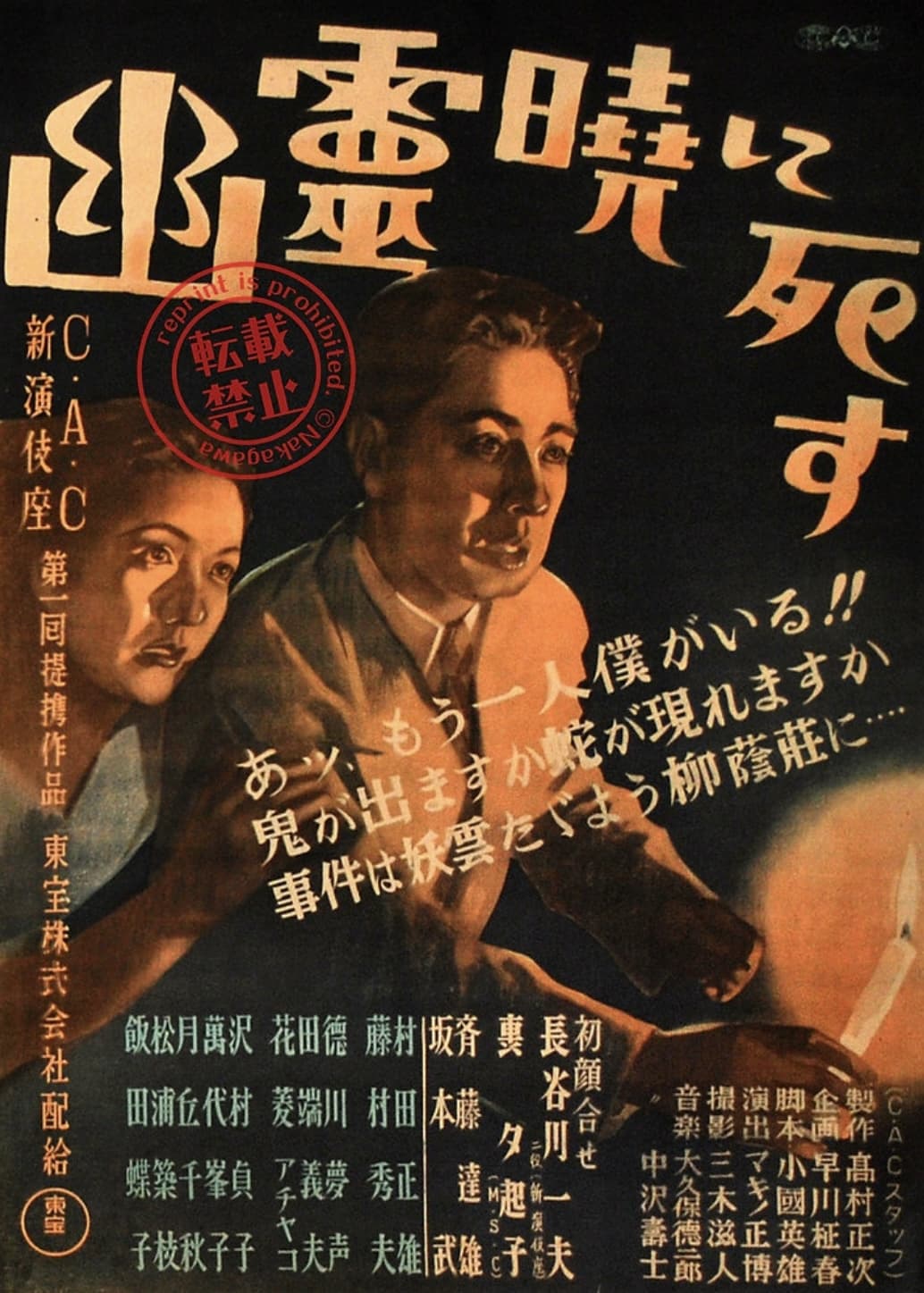
1948
Michiko

1948
Interprétation
1948
Interprétation
1948
Interprétation
1947
Interprétation
1947
Interprétation

1946
Interprétation
1946
Interprétation
1946
Interprétation

1945
Interprétation
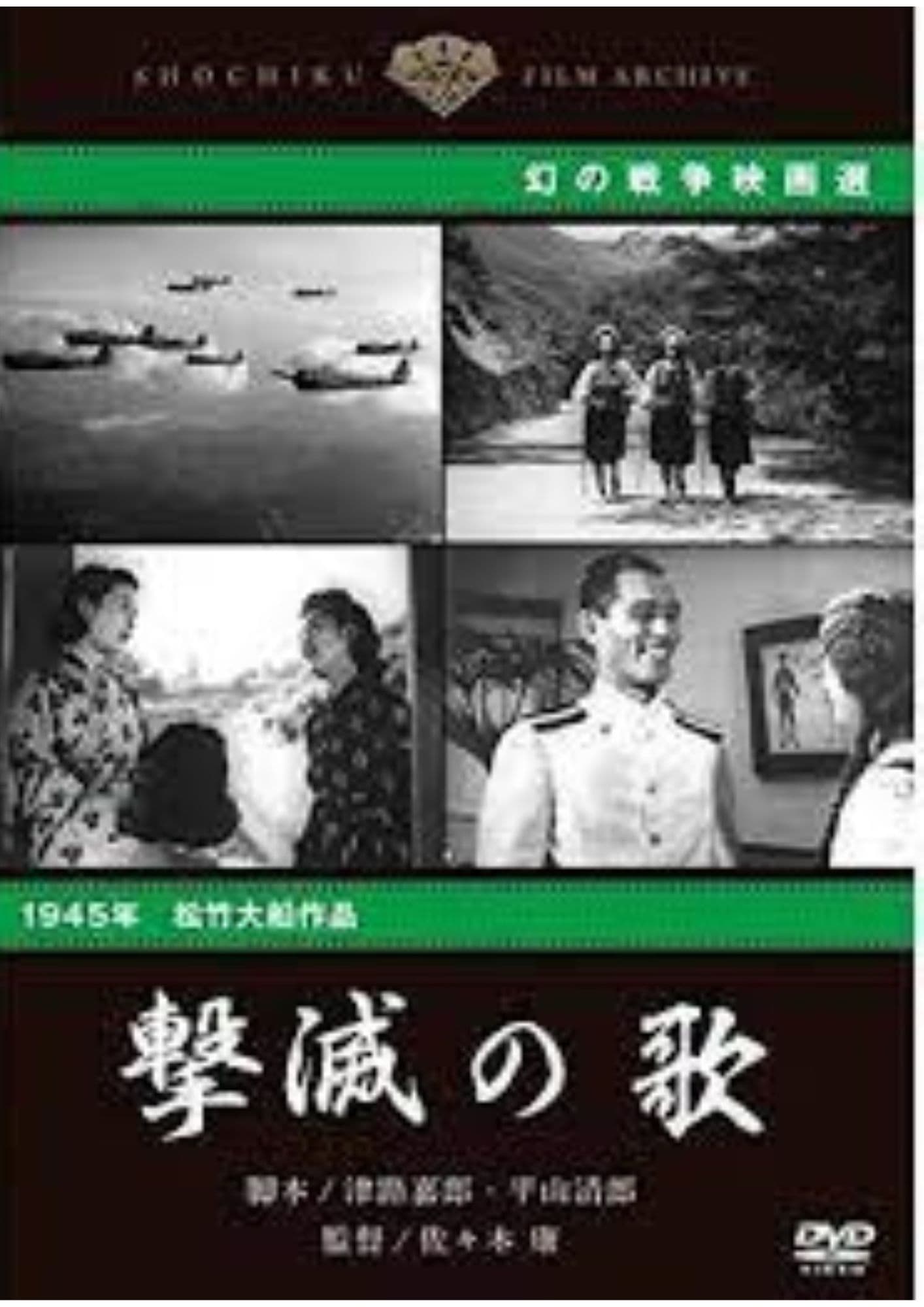
1945
堀越弓子
1945
Interprétation
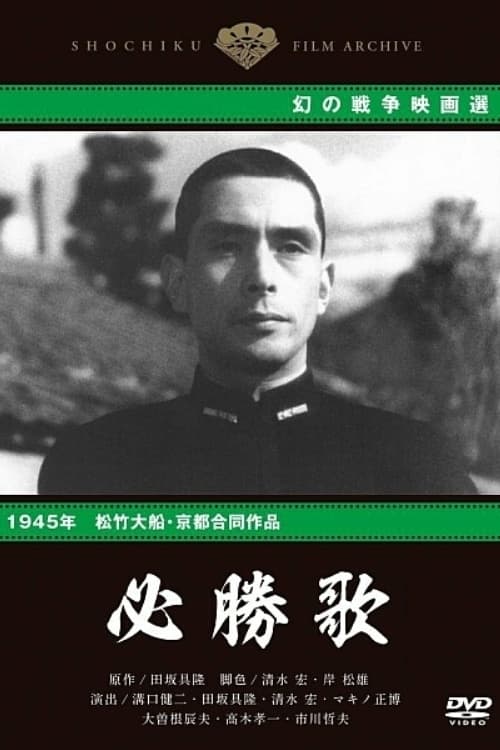
Le Chant de la victoire est constitué de treize histoires qui exaltent le patriotisme japonais.
1945
Ritsuko
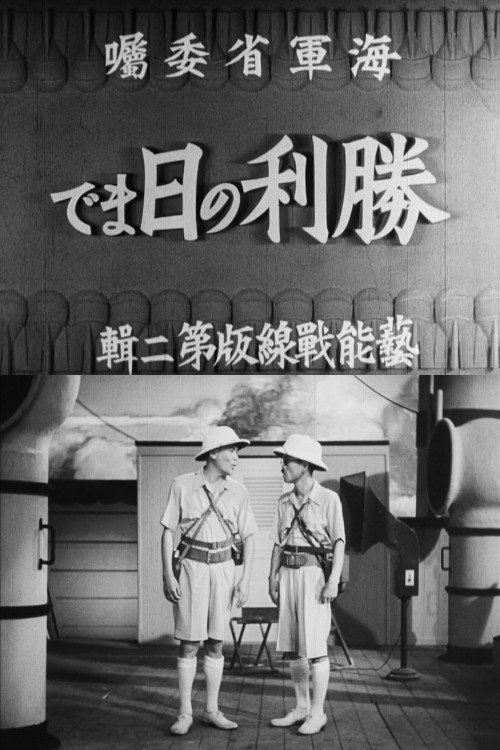
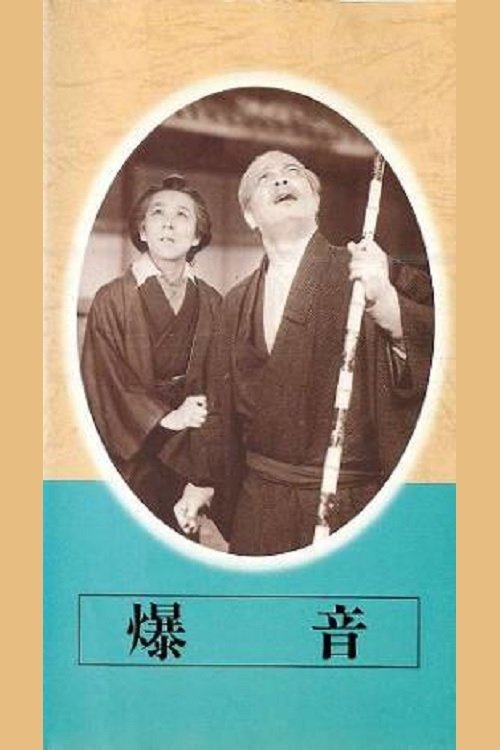
Pendant la Seconde Guerre mondiale, un laboratoire japonais met au point une étrange fusée destinée à divertir les soldats au front. À son arrivée, l’engin doit libérer des artistes miniaturisés capables de donner un spectacle musical. Chercheurs et assistants s’affairent à préparer cette invention insolite, destinée à soutenir le moral des troupes jusqu’à la victoire.
1945
Interprétation
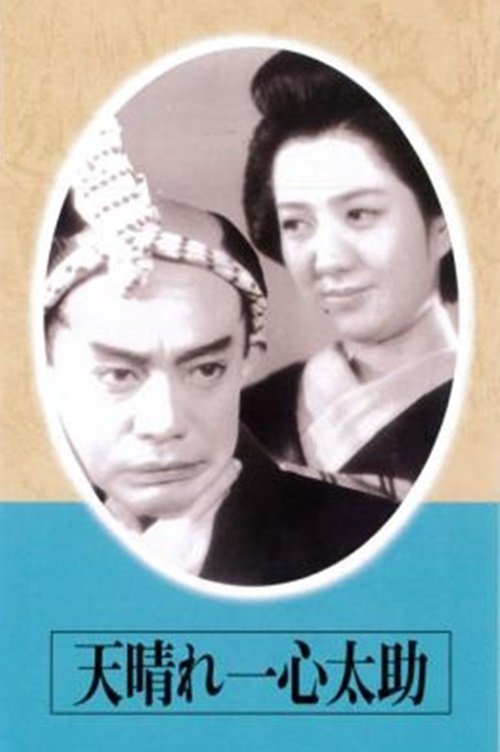
1945
Interprétation
1944
Interprétation
1943
Interprétation
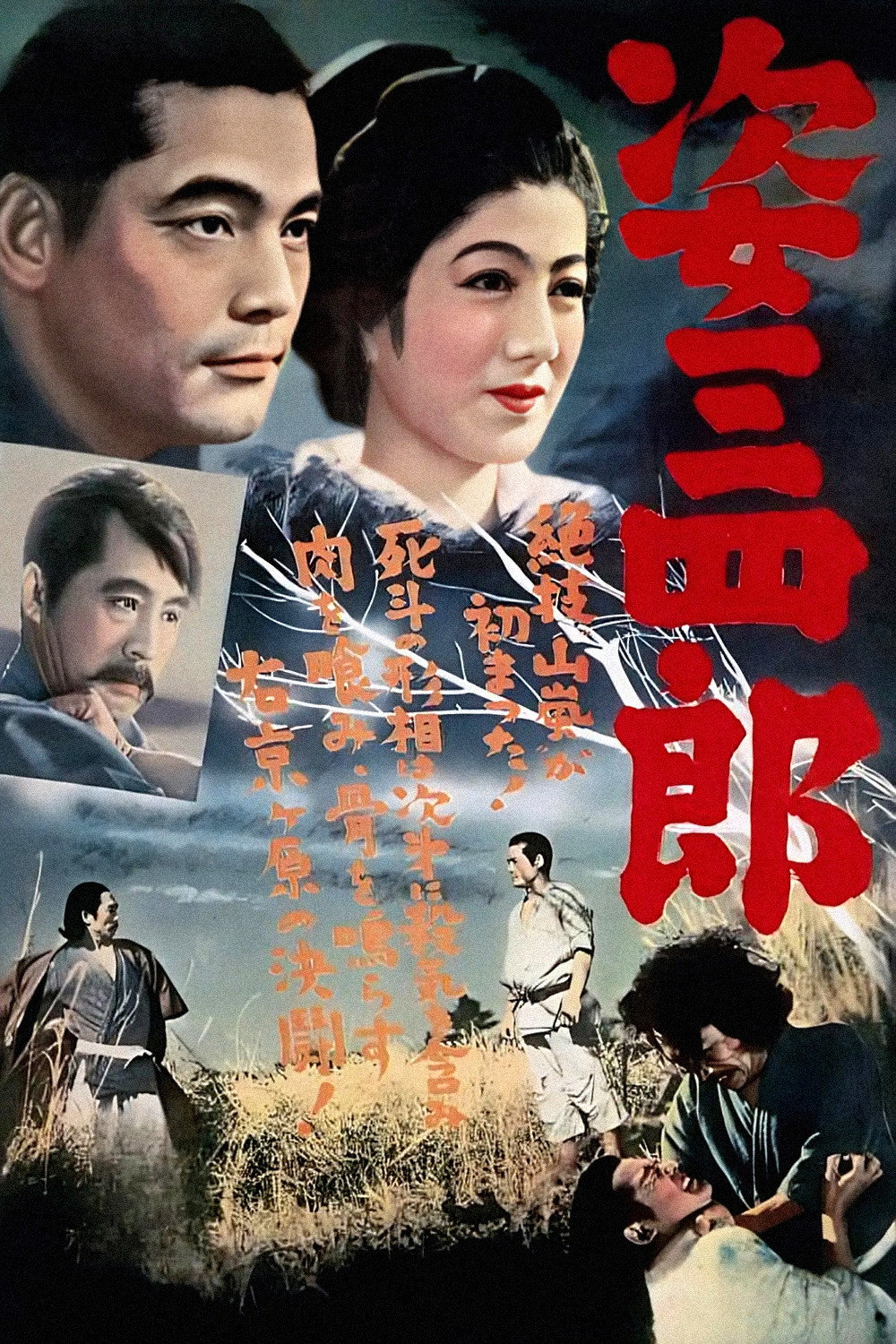
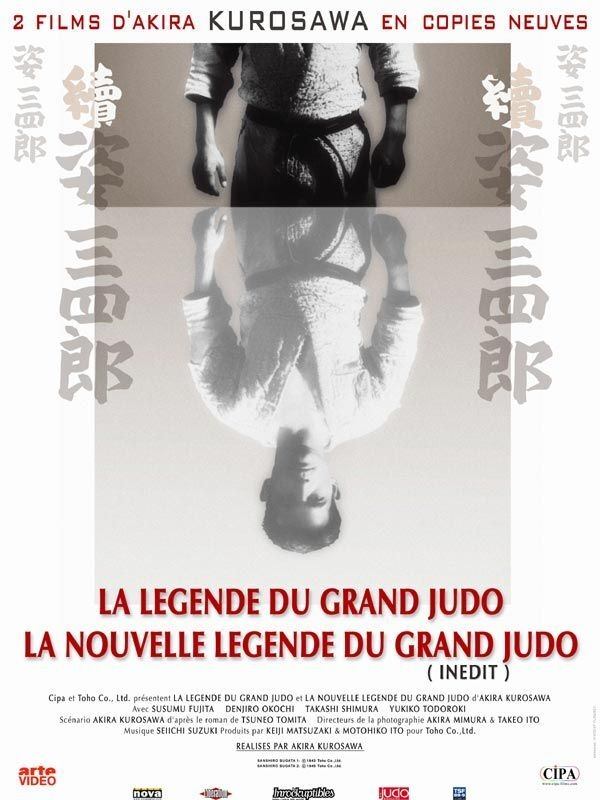
En 1882, Sanshiro Sugata débarque dans un port japonais pour apprendre le jiu-jitsu auprès du maître Momma. Mais c'est finalement le judo, par l'intermédiaire d'un autre grand maître, qu'il choisira. Entre les deux écoles, l'affrontement sera sévère.
1943
Sayo Murai
1943
Hanako
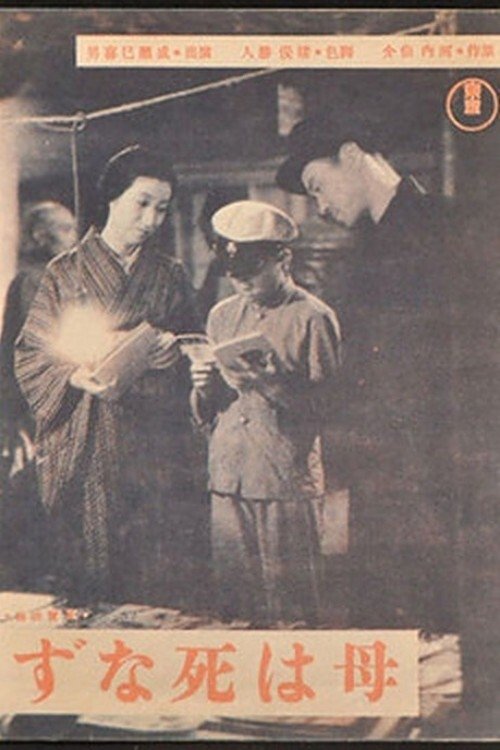
La mort prématurée d'une jeune mère sert d'inspiration à son mari et à son fils.
1942
Interprétation
1942
Interprétation
1941
Interprétation
1941
Interprétation
1940
Interprétation
1939
Interprétation
1939
Interprétation
1937
Interprétation