Pas encore noté
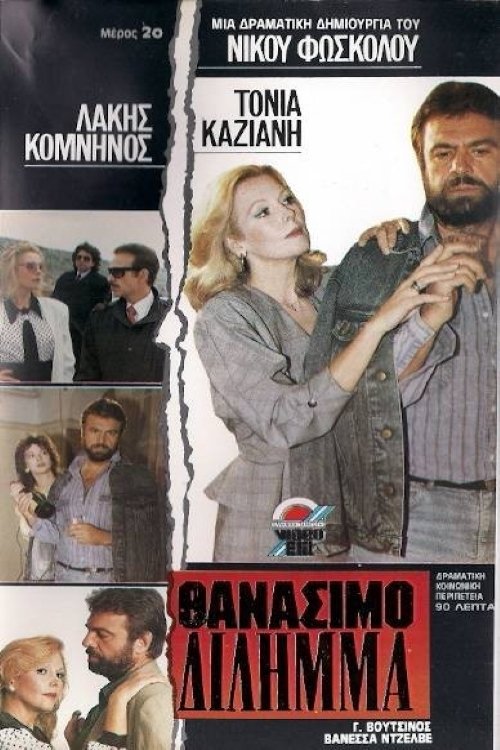
Θανάσιμο δίλημμα
1989
Interprétation
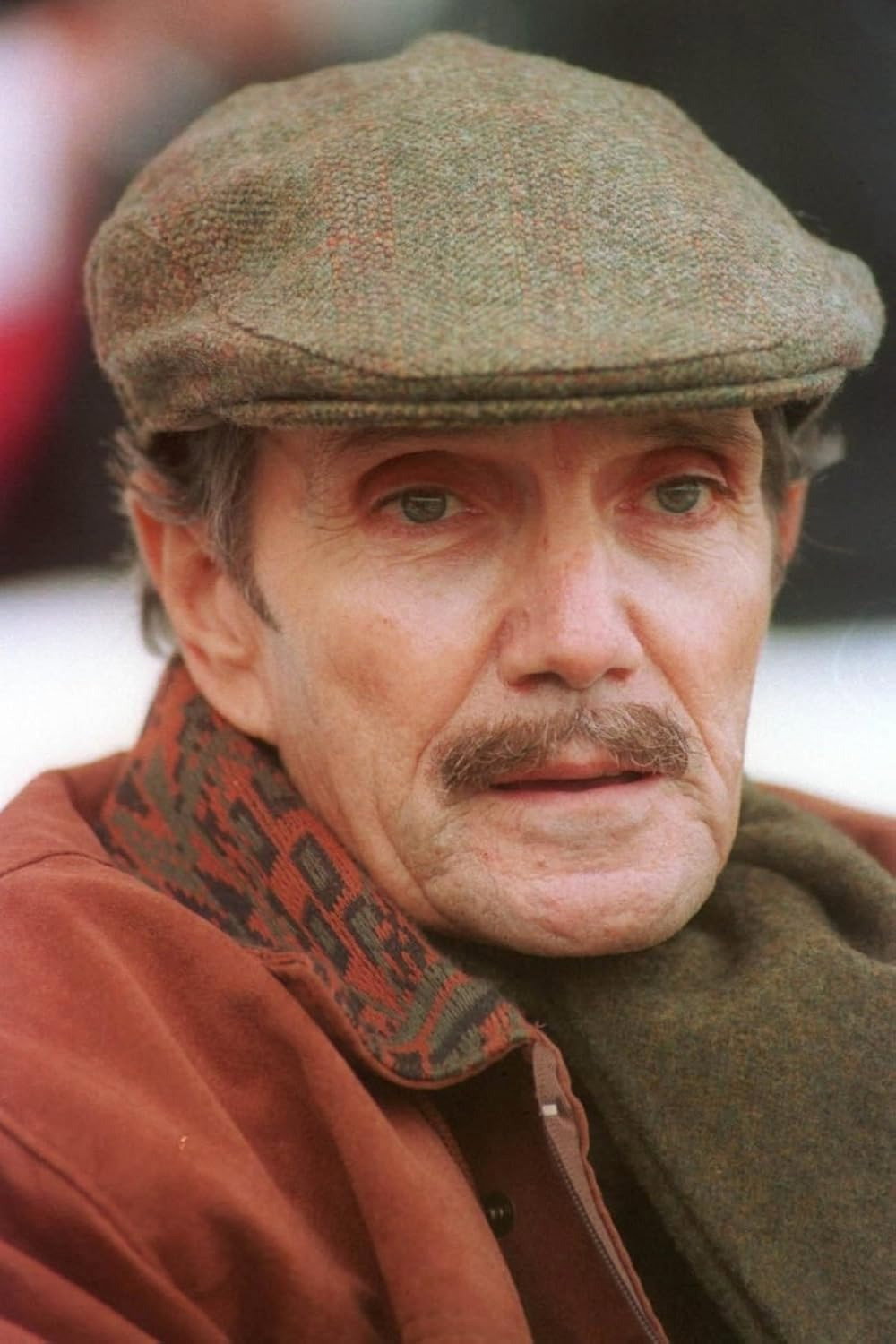
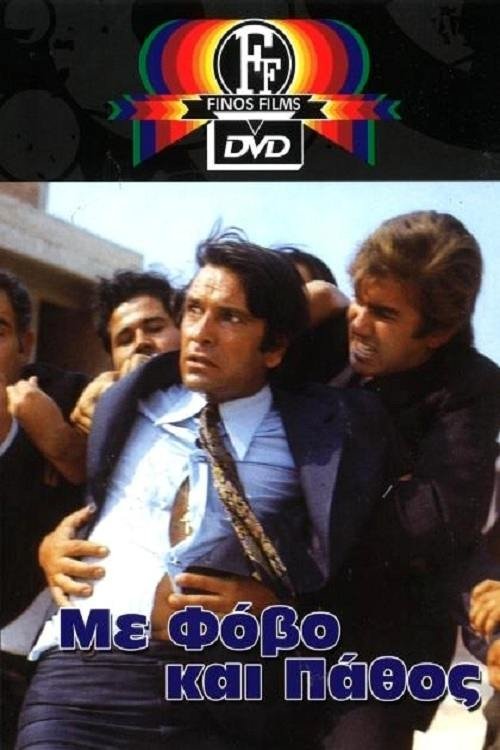
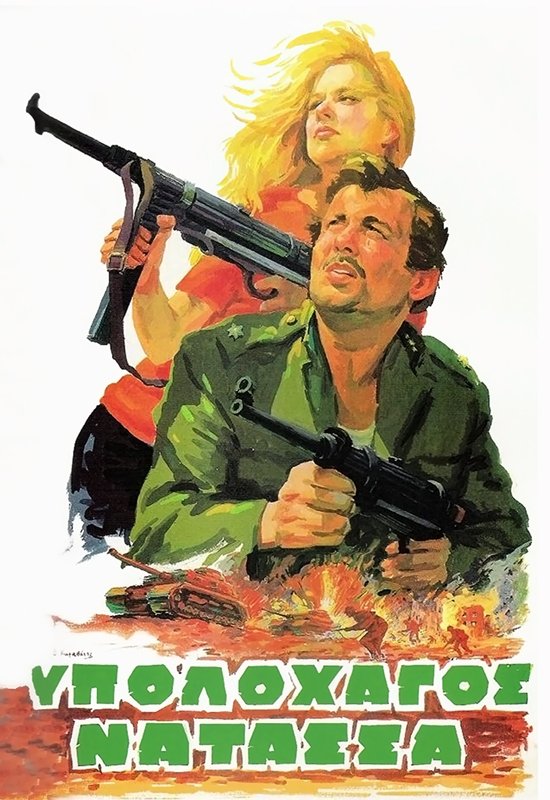
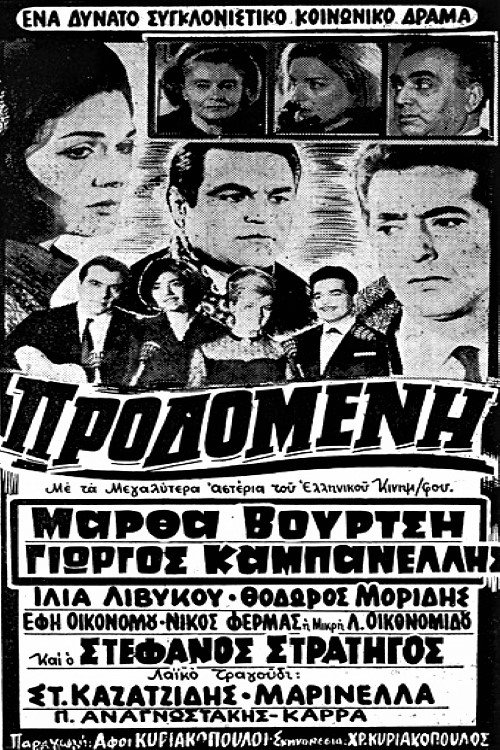
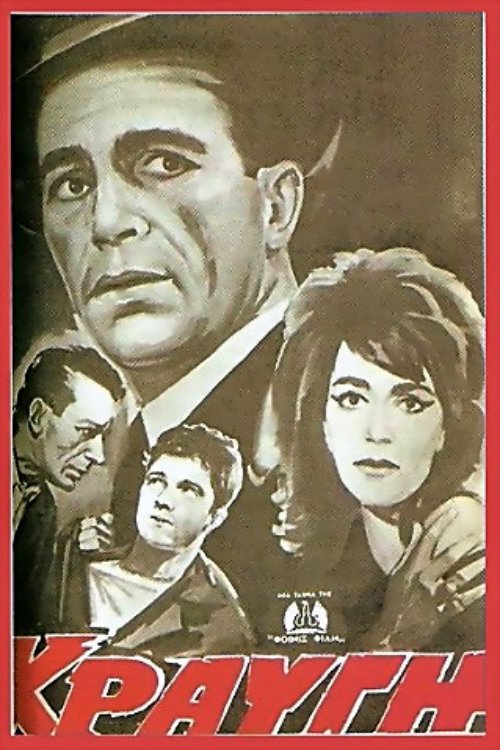
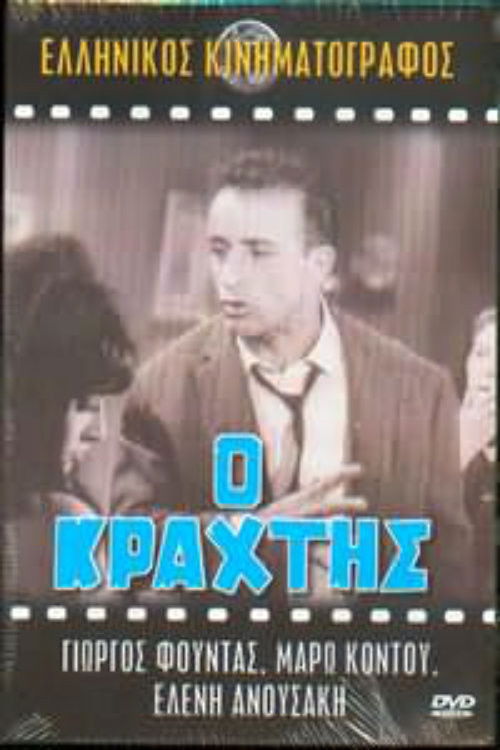
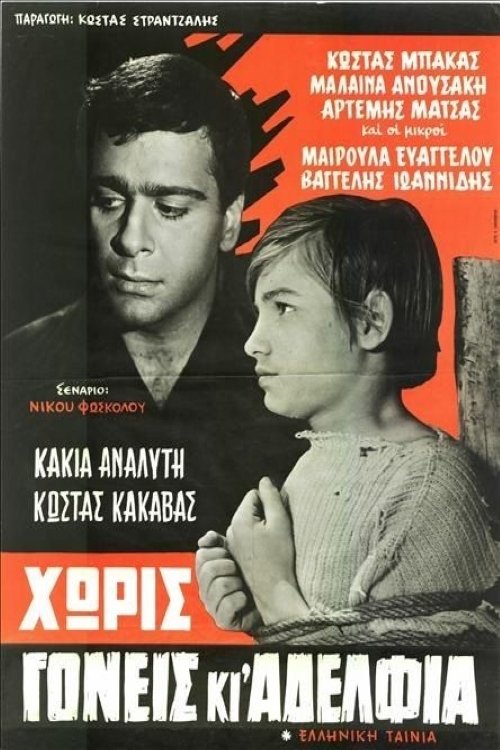
Nikos Foskolos (Greek: Νίκος Φώσκολος; 26 November 1927 – 30 October 2013) was a Greek screenwriter and director. He is one of the most commercially successful screenwriters of Greek cinema. He has been called the "Goldfinger of commercial shows". He has been described as "the maître of exaggeration" and "the king of TV shows". His film Ipolochagos Natassa kept the most commercially successful film record for almost three decades from 1970 to 1999.
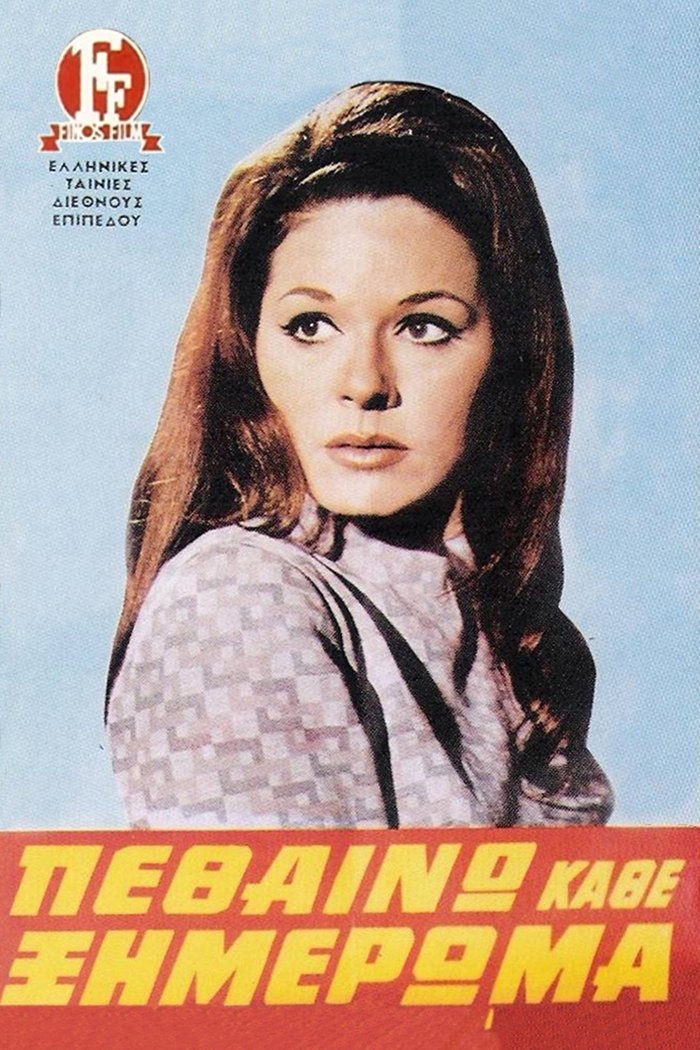
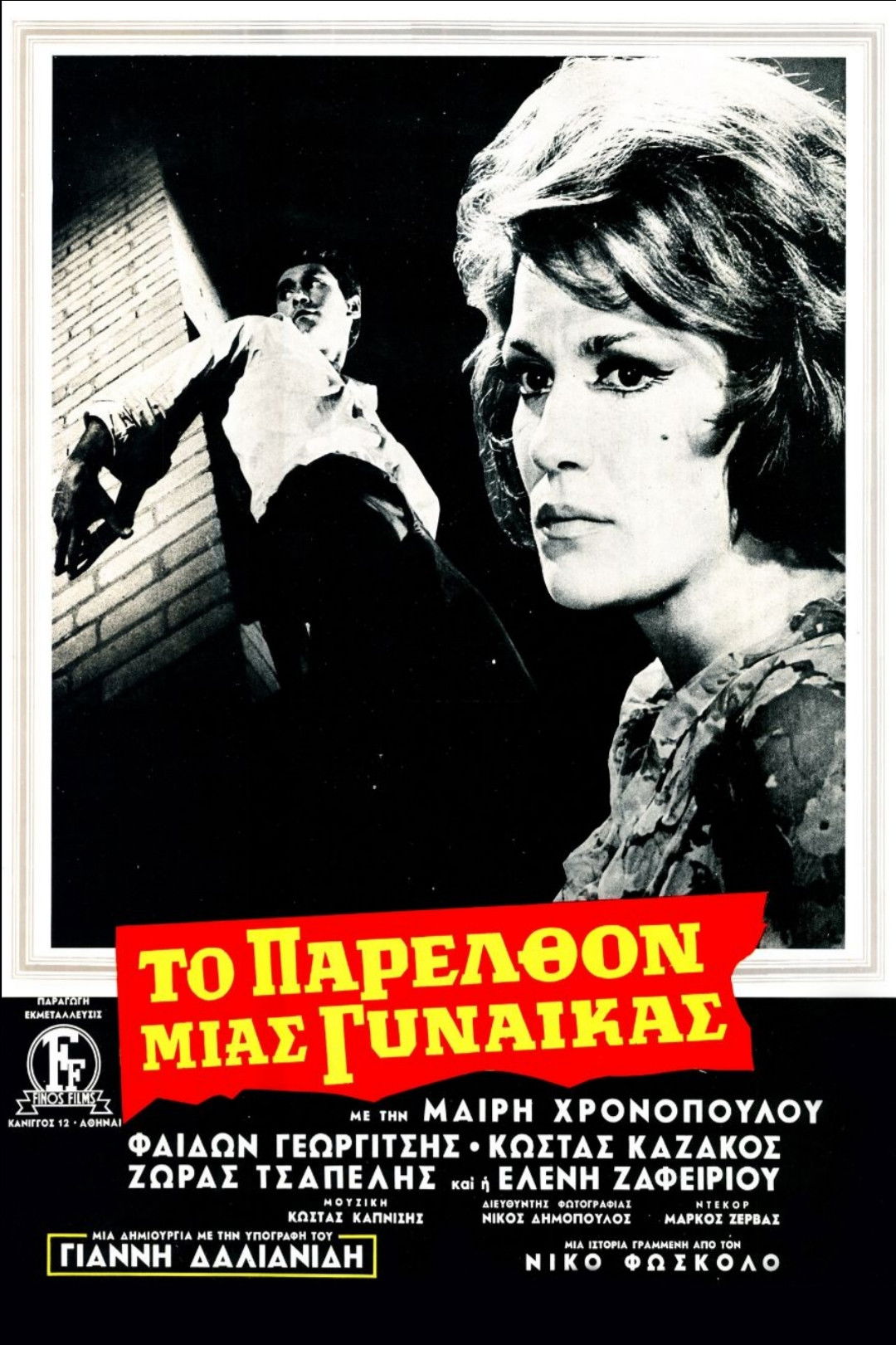
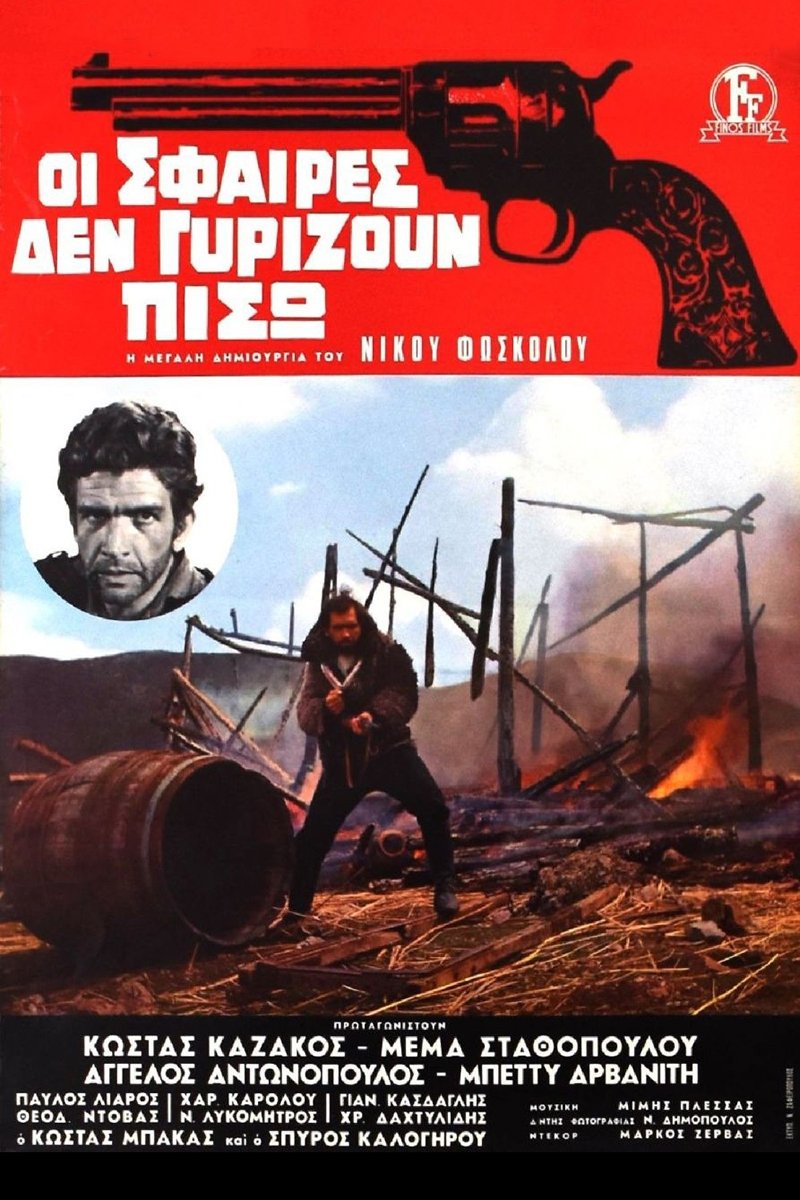
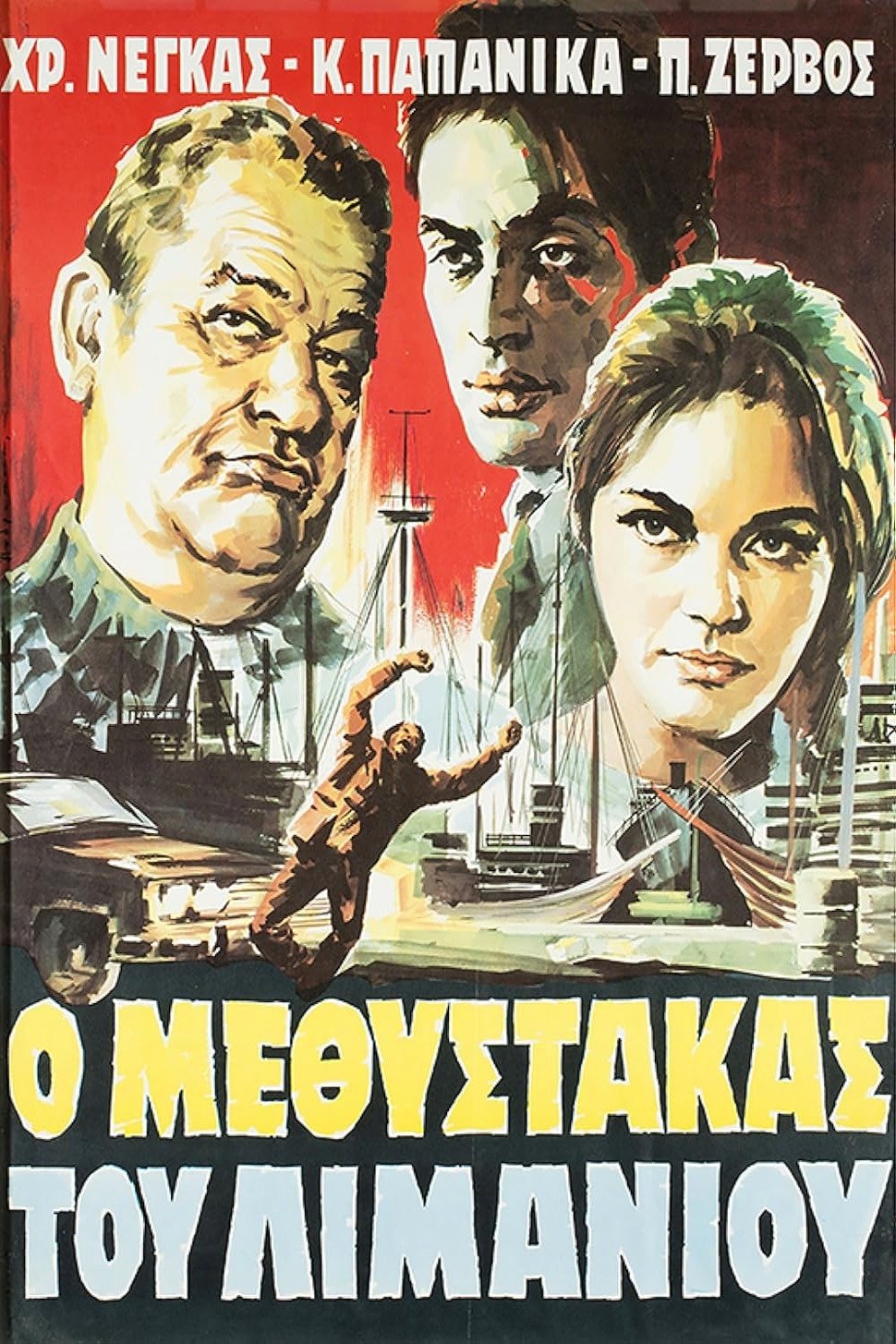
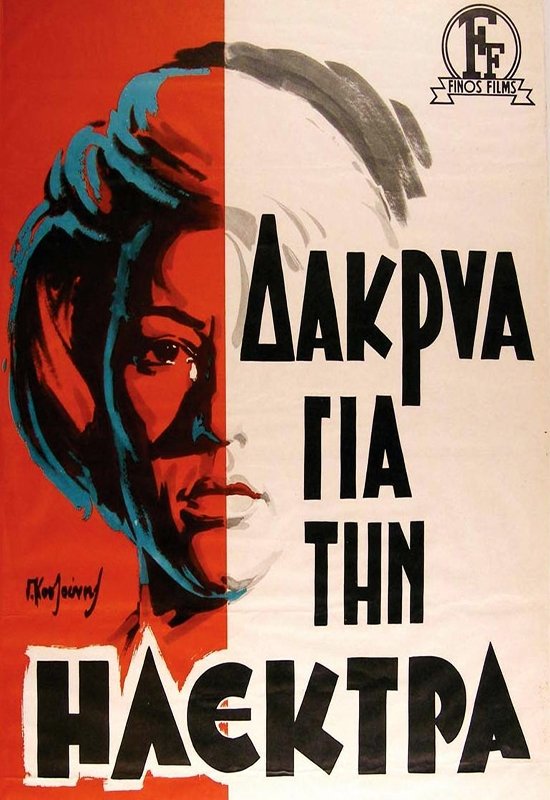
Foskolos was born in Athens on 26 November 1927. He studied Political Science at the University of Athens but did not graduate. From the age of 17, he started writing successful radio plays with both a historical and modern background. His radio series Police Stories were the most popular radio series for three years. In the 1960s, he worked as a theatre critic and also wrote plays for the theatre and radio. He wrote screenplays for over 70 Greek films, mostly working for Finos Film. He introduced Spaghetti Westerns to Greek cinema.
His TV daily serial Lampsi was a huge success and ran for 14 seasons getting into the Guinness World Records in 1995. He gained another entry into the Guinness World Records for writing two daily TV series, Lampsi and Kalimera Zoi, for ten years. Lampsi was shown for 13 years from 1991 to 2005 with a total of 3457 episodes produced.
In the 1970s, his TV serial Agnostos Polemos (Unknown War) broke the record of TV ratings with 92% of Greek households tuning in to the show. Foskolos has been described as an "important screenwriter", a "talented director", a "wonderful human being" and "the father of TV-serials and films". Ta Nea refers to him as "hyperproductive". The same paper also calls him polygrafotatos translating as "a prolific writer".
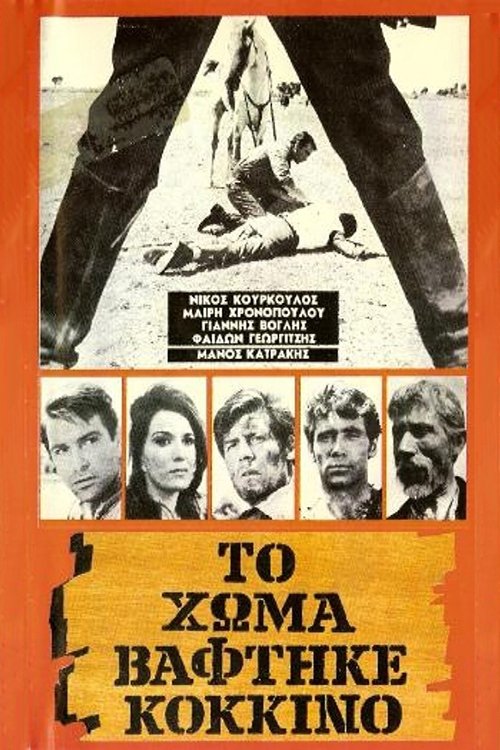
Foskolos has received awards for The Asphalt Fever (Πυρετός στην άσφαλτο), and The Ruthless (Οι αδίστακτοι). His film Blood on the Land (Το χώμα βάφτηκε κόκκινο) was an Academy Awards Best Foreign Film nominee in 1965. He also received three awards and a state award for Concert for Machine Guns (Κοντσέρτο για πολυβόλα).
1989
Réalisation

1989
Scénario

1988
Réalisation
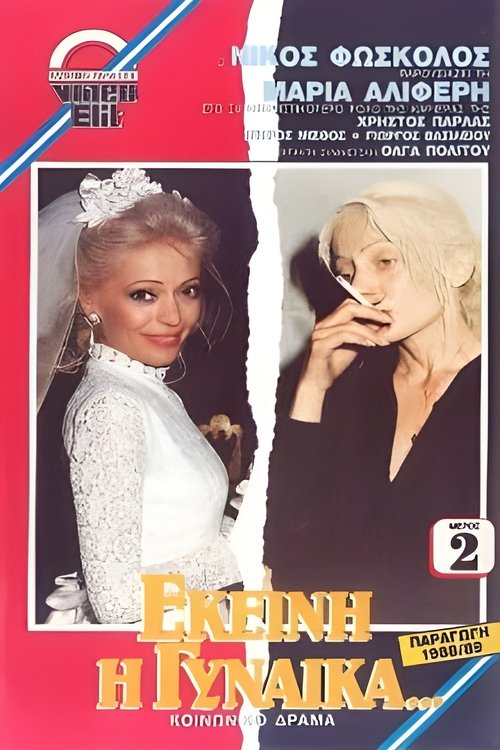
1988
Scénario
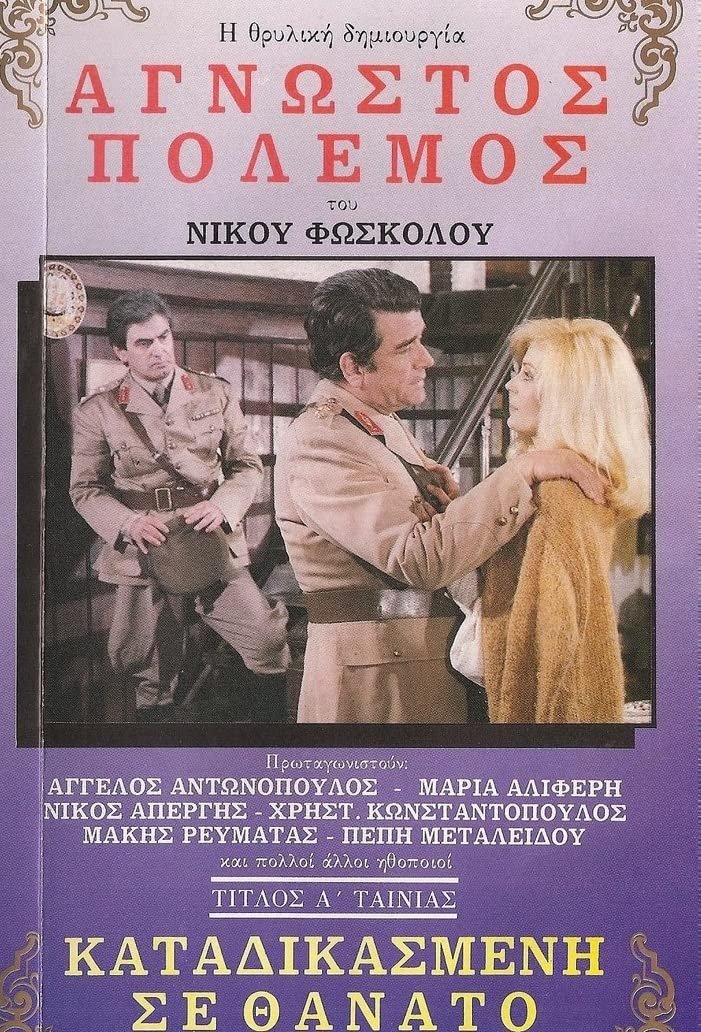
1987
Réalisation
1987
Réalisation
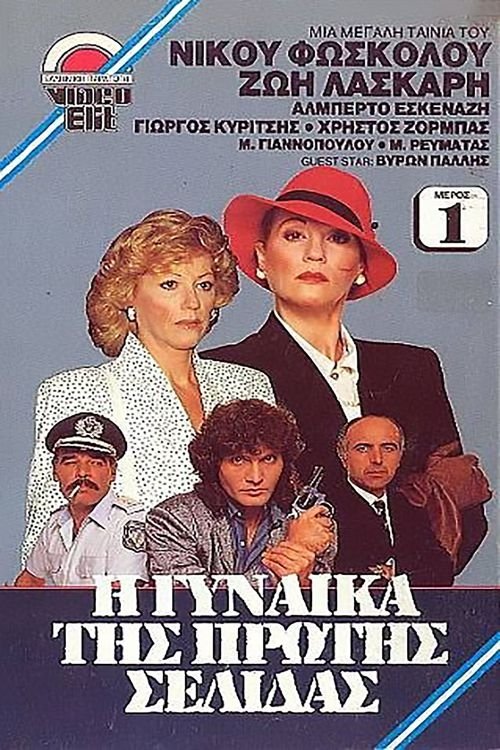
1987
Réalisation

1983
Réalisation
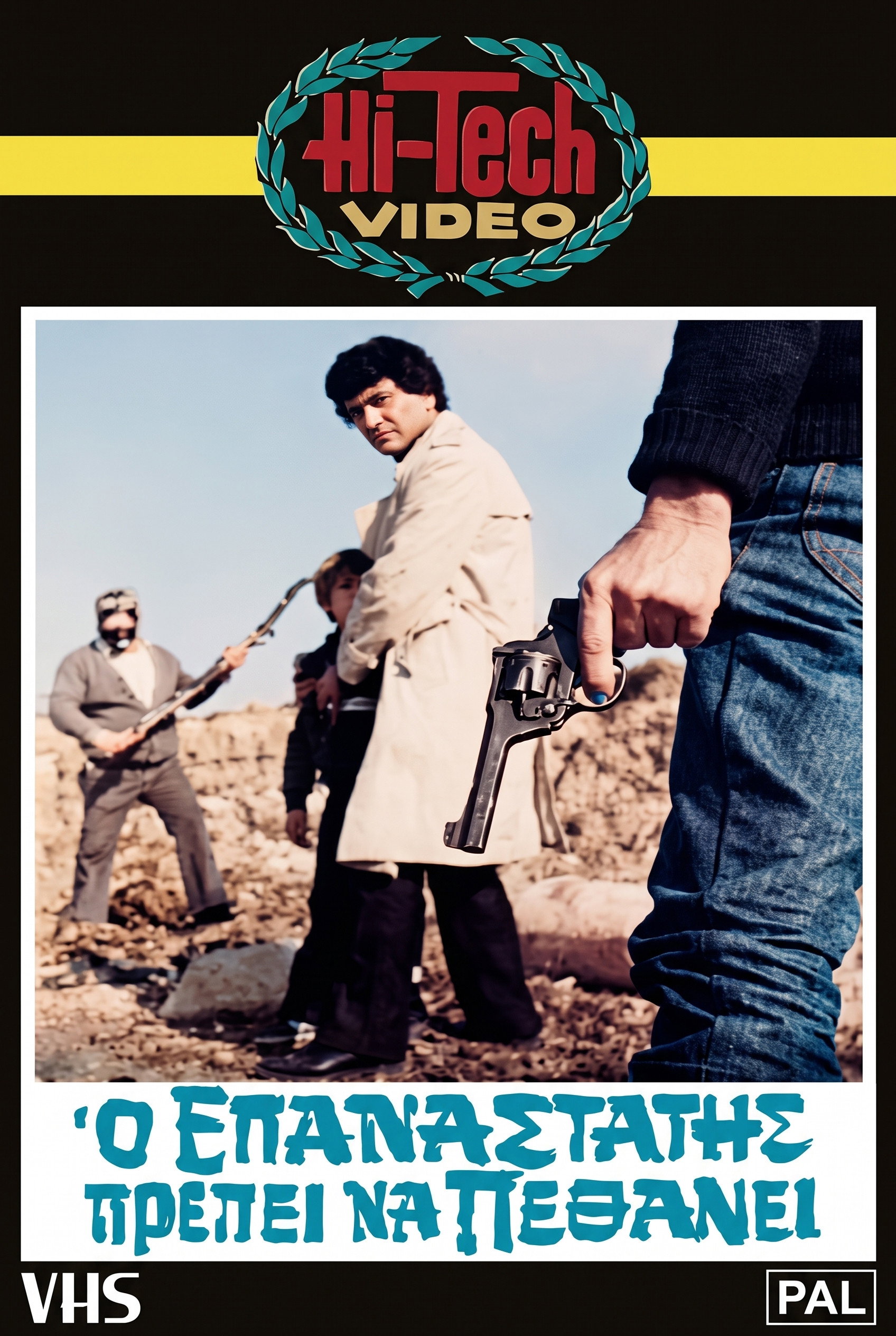
1983
Réalisation
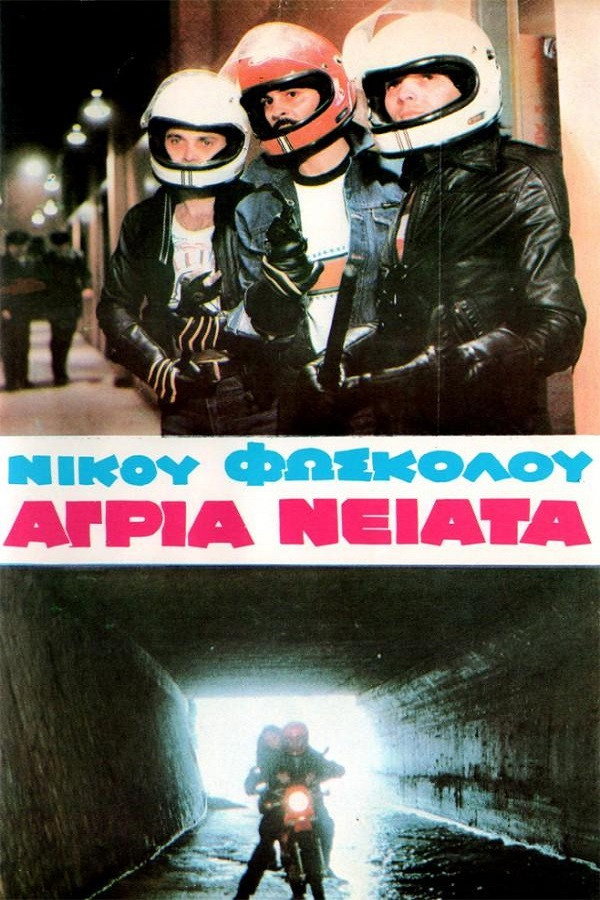
1982
Scénario
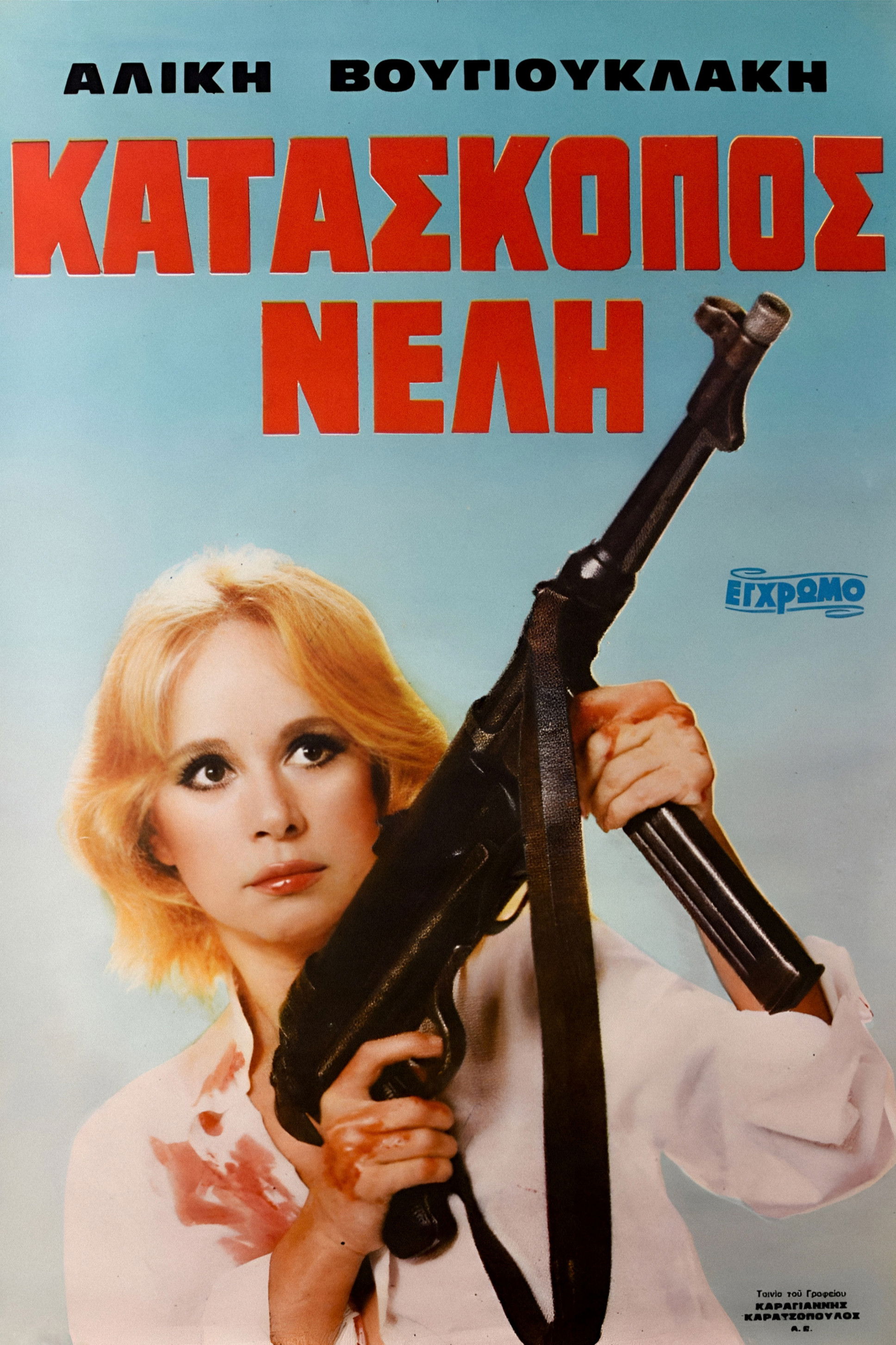
1981
Scénario

1981
Réalisation
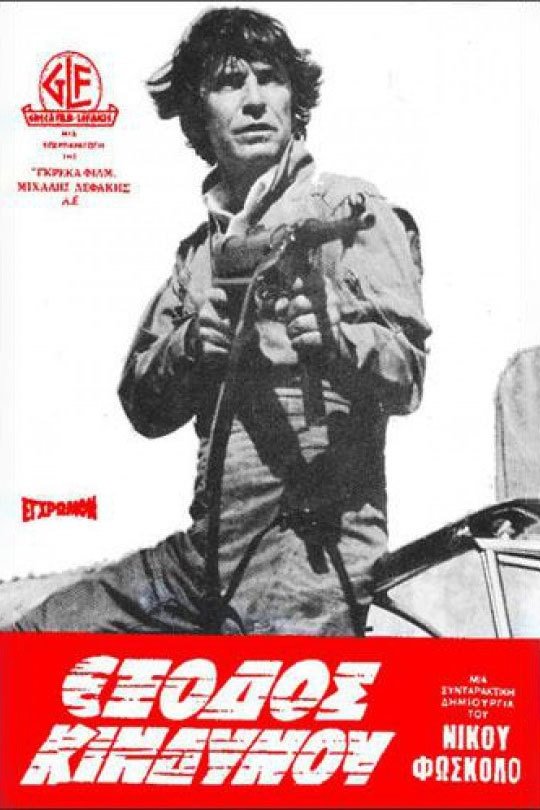
1980
Réalisation
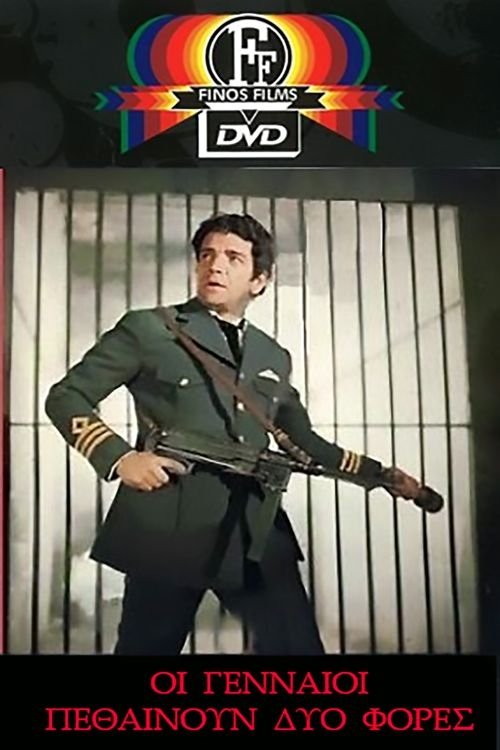
1973
Scénario
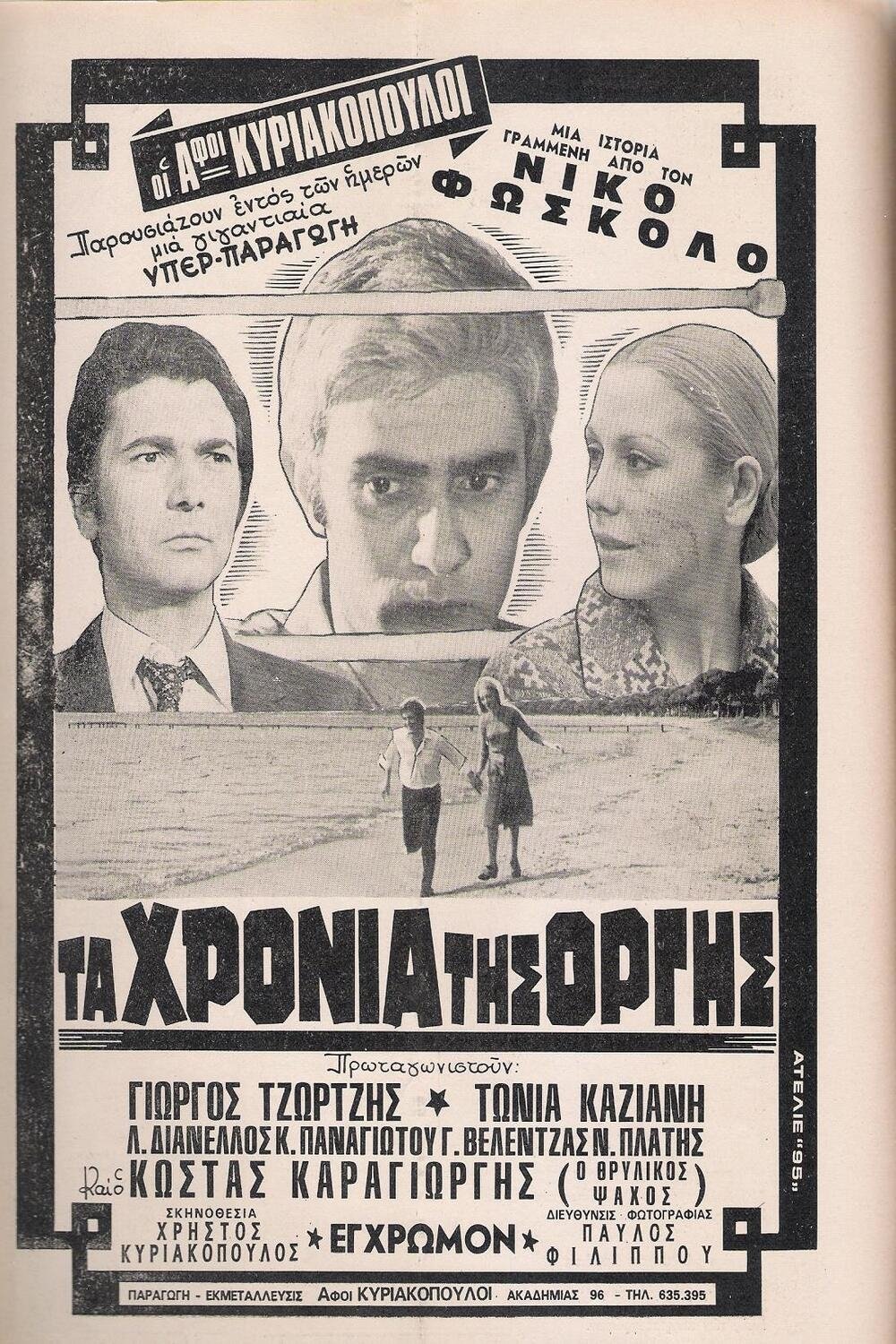
1973
Scénario
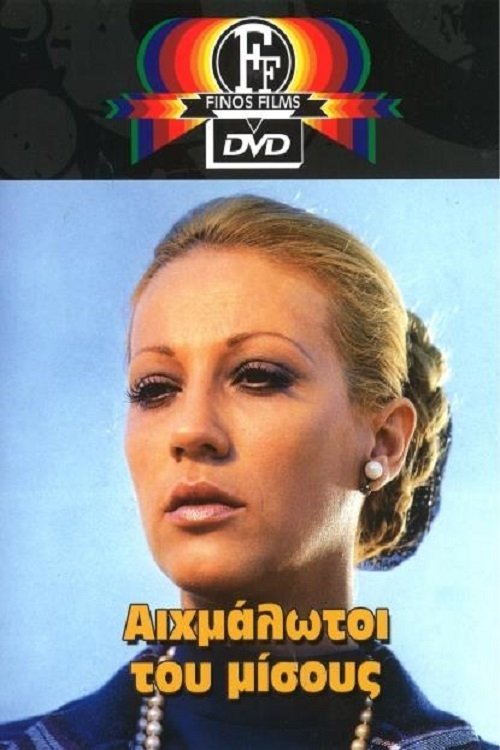
1972
Réalisation

1972
Scénario
1972
Réalisation

1971
Scénario

1971
Scénario

1971
Scénario
1970
Réalisation

1970
Scénario

1970
Réalisation

1970
Réalisation

1970
Scénario

1969
Scénario

1969
Scénario
1969
Réalisation

1969
Scénario

1968
Scénario
1968
Scénario

1968
Scénario

1967
Scénario
1967
Réalisation

1967
Scénario
1967
Scénario
1966
Scénario

1966
Scénario

1966
Scénario

1966
Scénario
1966
Scénario
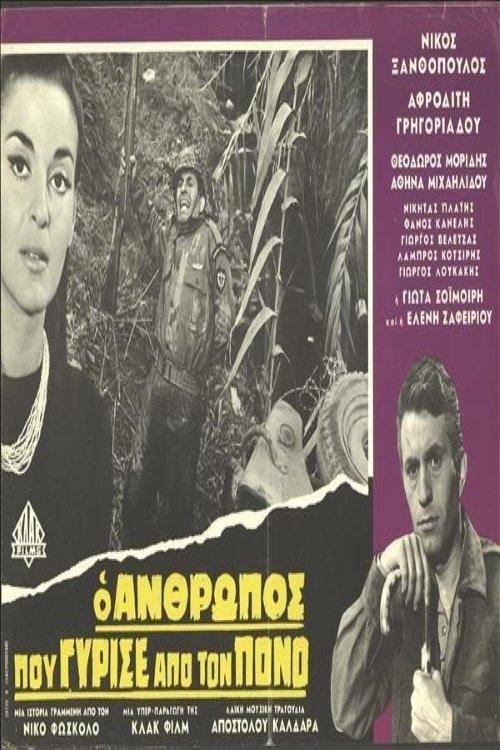
1966
Scénario

1966
Scénario
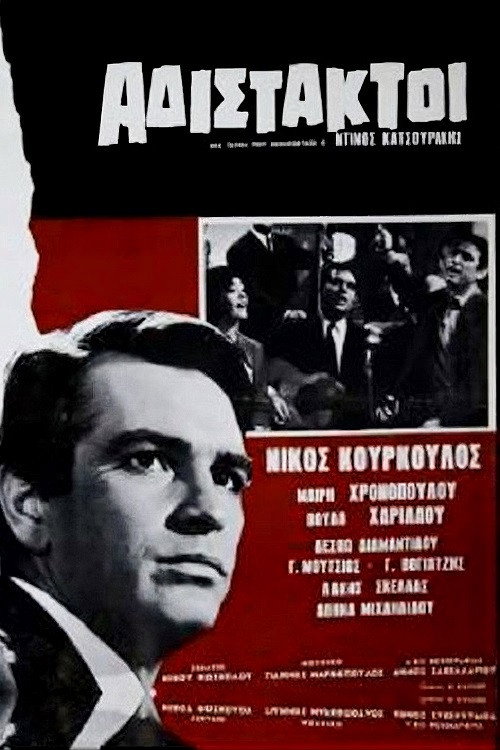
1965
Scénario
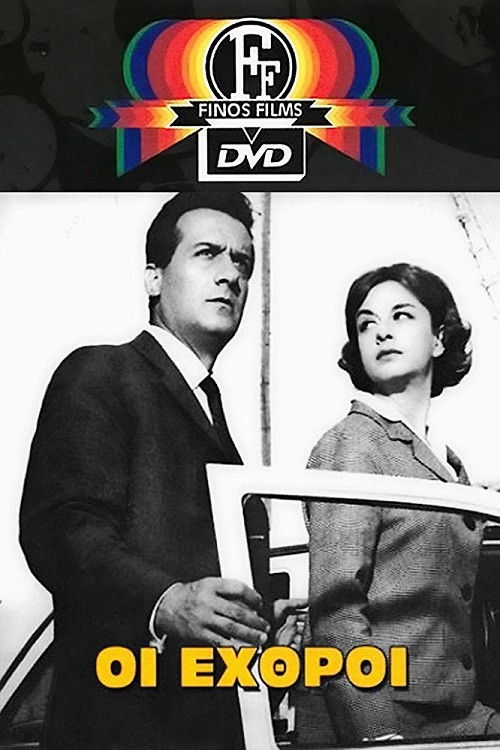
1965
Scénario
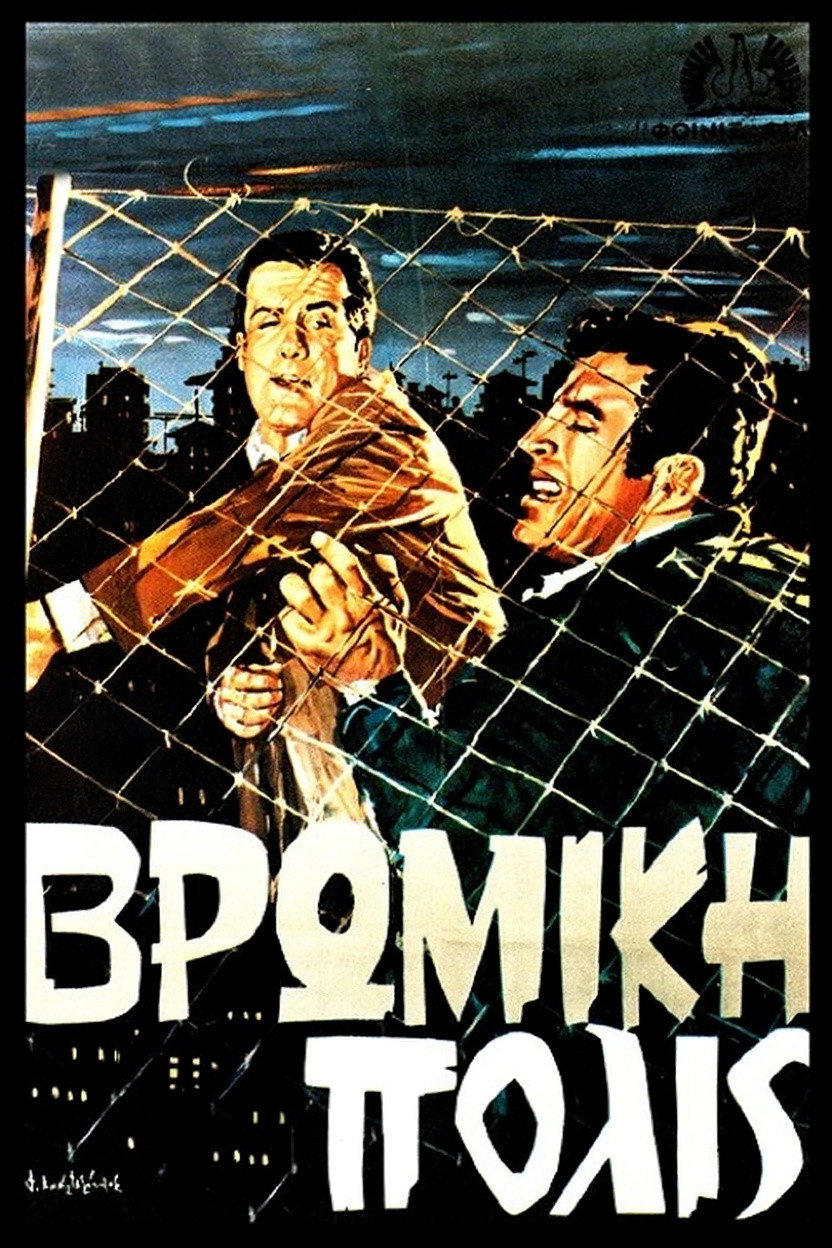
1965
Scénario
1965
Scénario
1964
Scénario
1964
Scénario

1964
Scénario
1964
Scénario
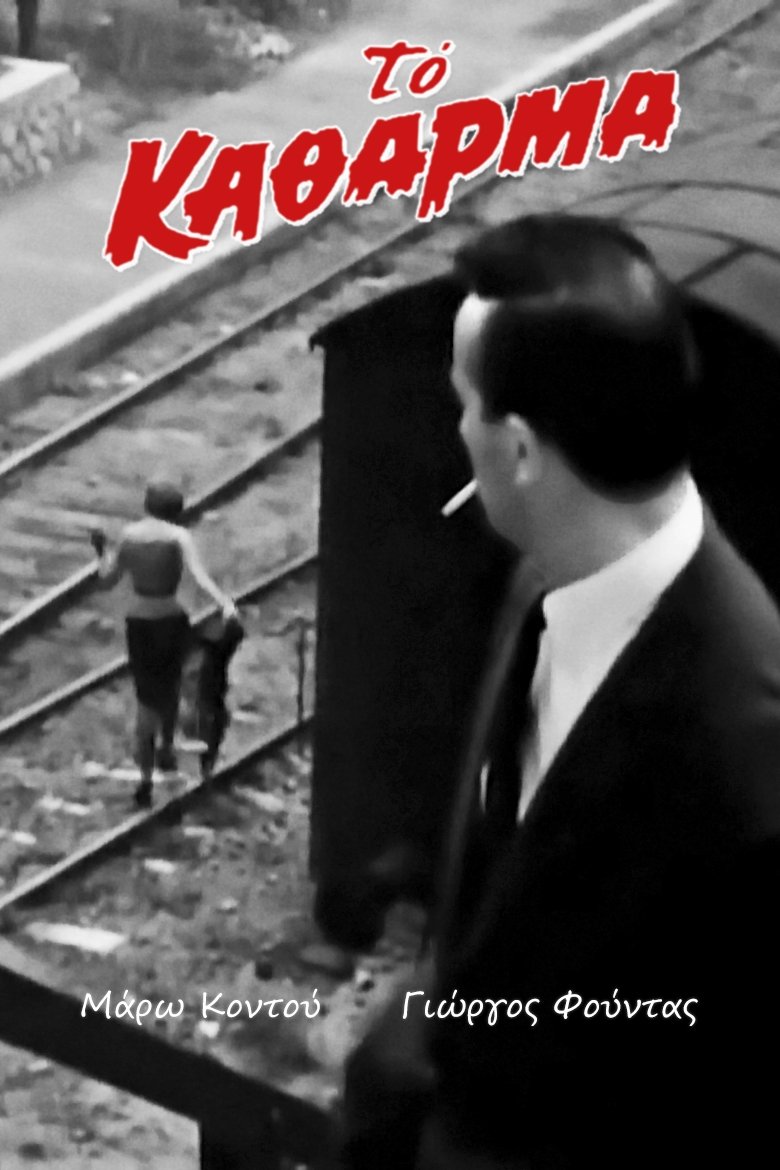
1963
Scénario

1963
Scénario
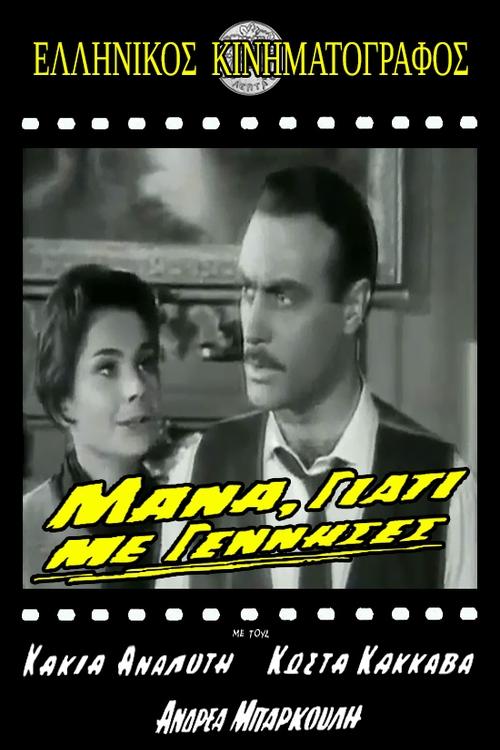
1963
Scénario

1963
Scénario
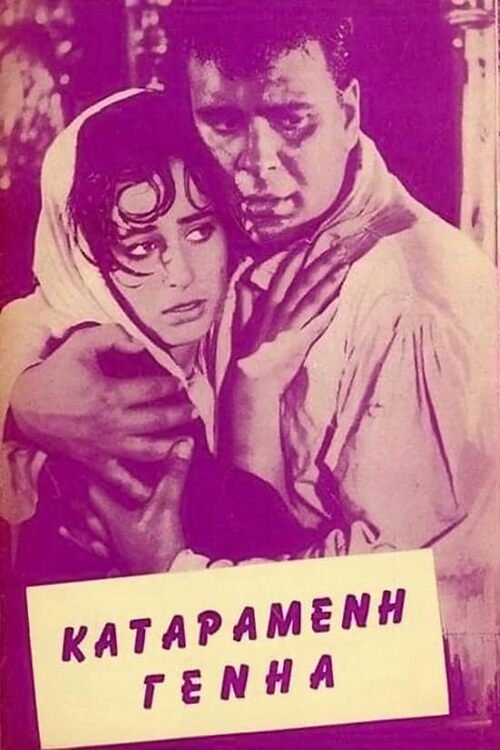
1962
Scénario

1961
Scénario
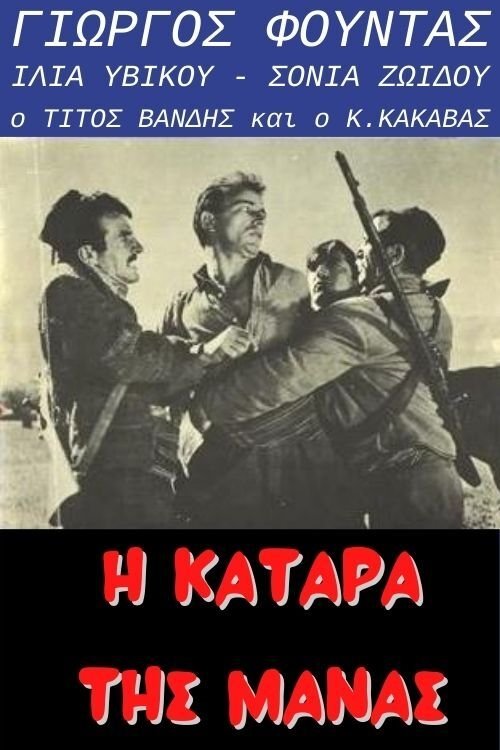
1961
Scénario
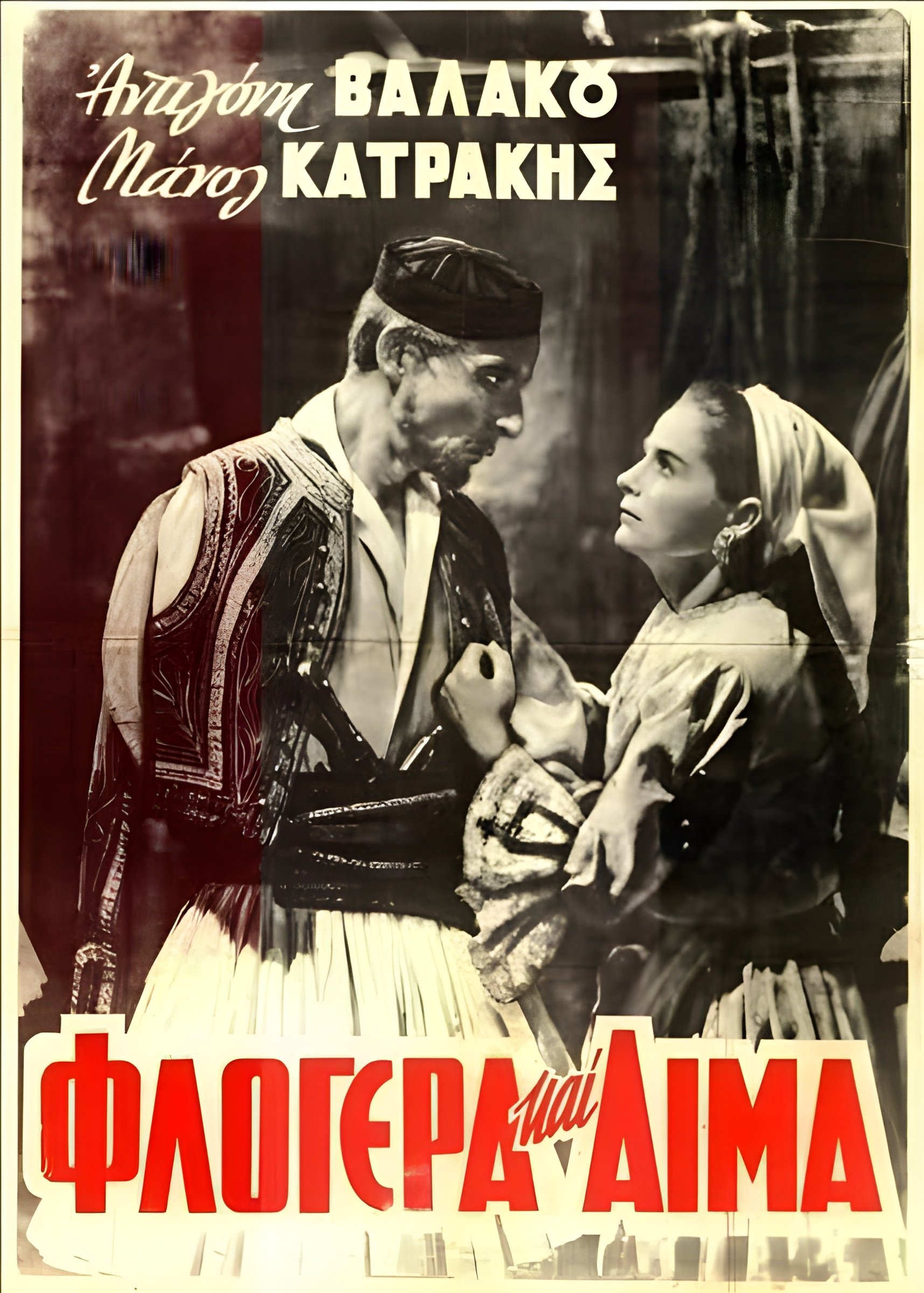
1961
Scénario

1960
Scénario

1959
Scénario

1957
Scénario