7,2
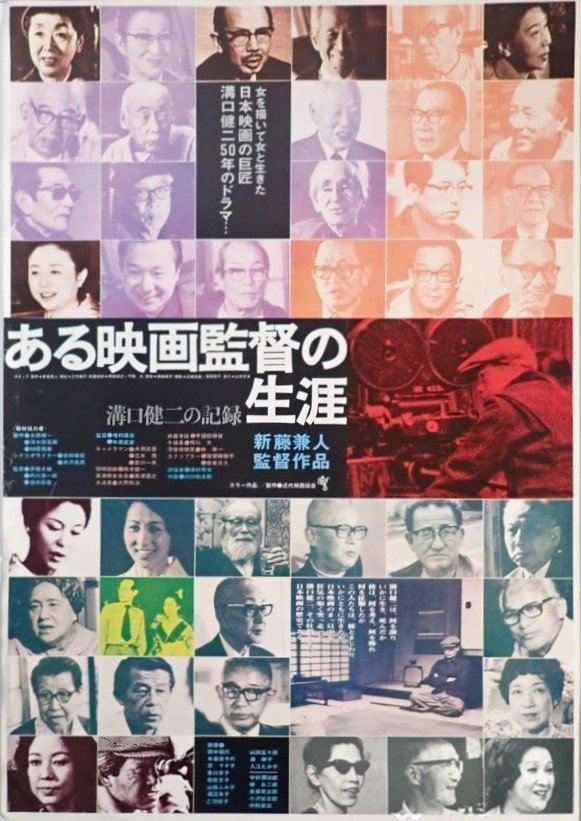
Le parcours du réalisateur Kenji Mizoguchi, de son enfance jusqu'à sa mort.
Kenji Mizoguchi ou la vie d'un artiste
1975
Interprétation

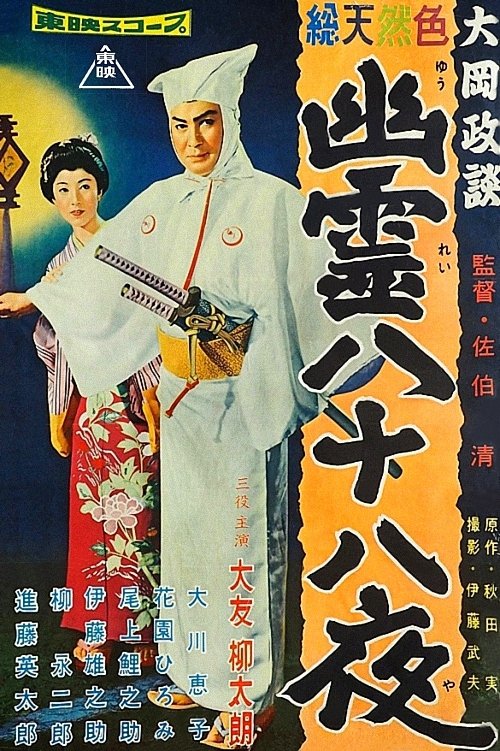
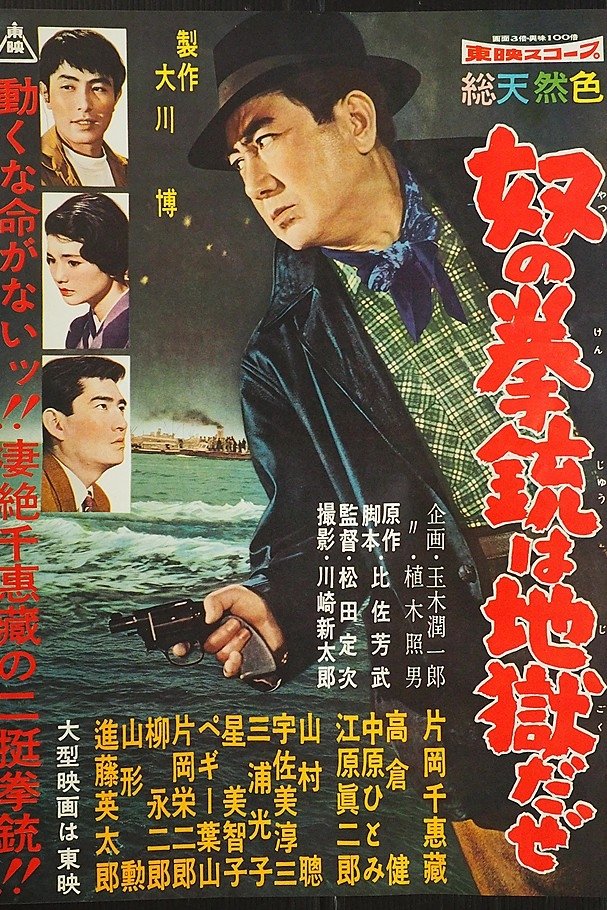
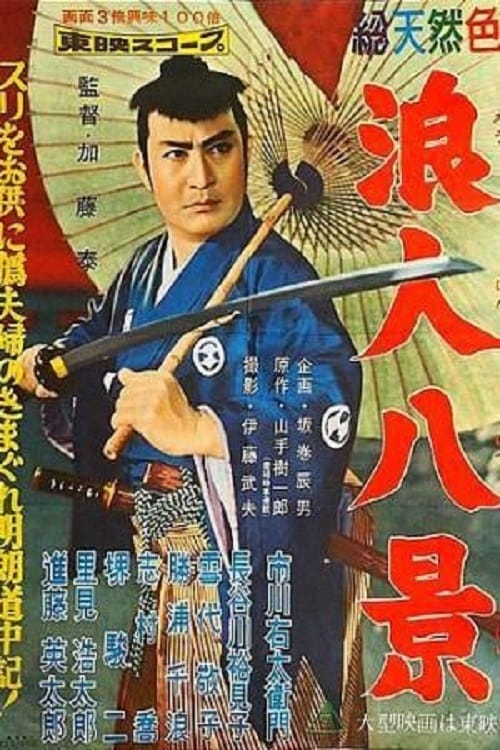
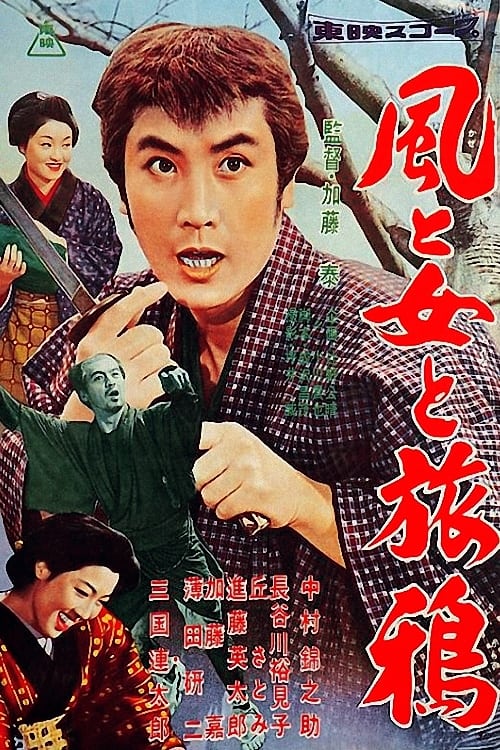
Eitarō Shindō (1899–1977) was a Japanese film actor. His real name was Tatsugoro Shindo.
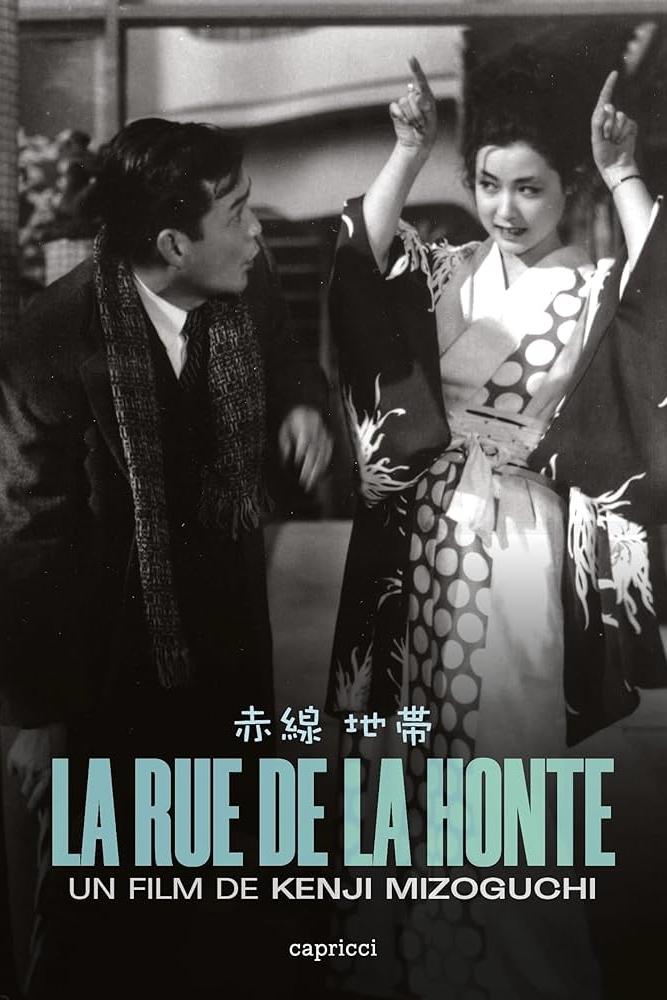
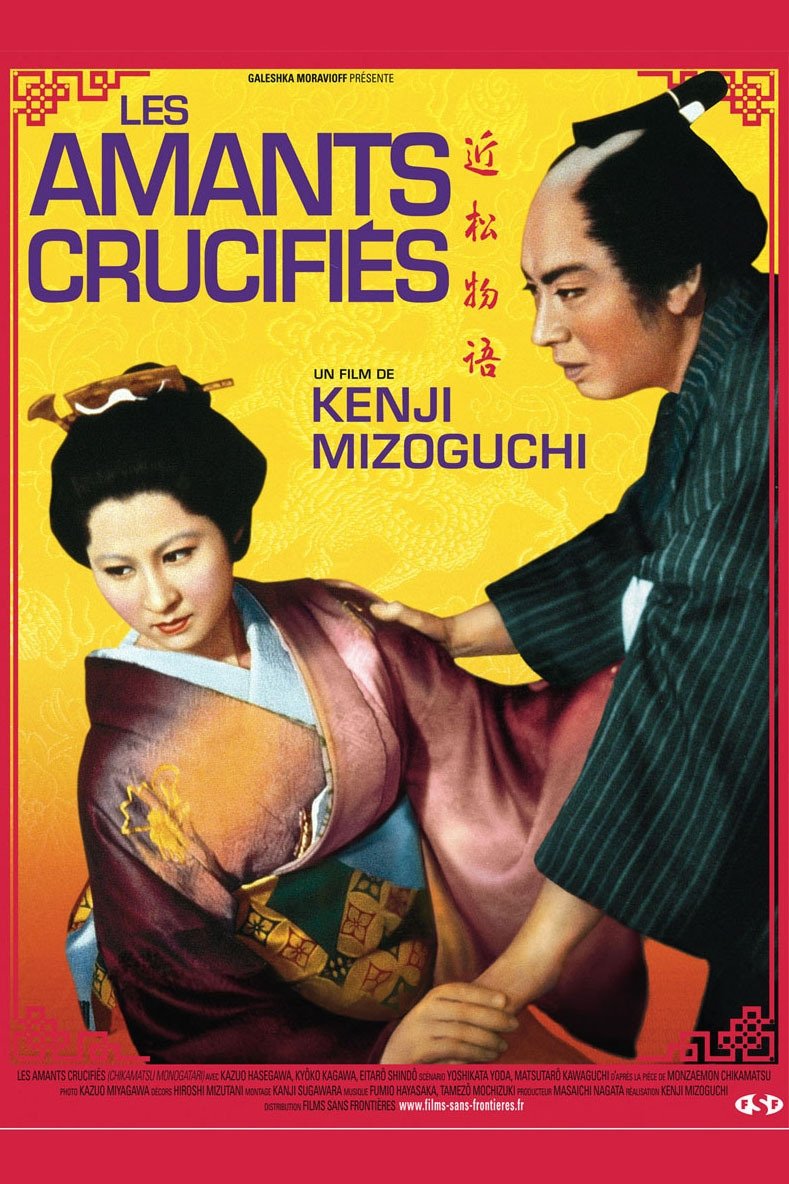
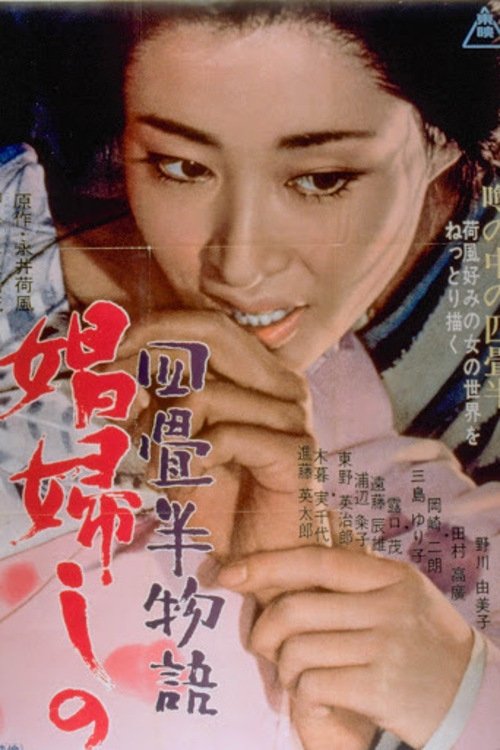
After working as a stage actor, he entered the film industry and appeared in a wide range of films, appearing in as many as 620 works. He was a regular in Kenji Mizoguchi's films, such as Sansho the Bailiff, The Tale of Chikamatsu, and Street of Shame, and played villainous roles in Toei period dramas . In later years, he moved to television dramas , gaining popularity for his roles in family dramas such as Oyaji Taiko.
In 1976 he was hospitalized for heart disease and died of a myocardial infarction at Denenchofu Central Hospital on December 18, 1977. He was 78 years old.
Le parcours du réalisateur Kenji Mizoguchi, de son enfance jusqu'à sa mort.
1975
Self
1967
President Oike
1967
Interprétation
1967
Interprétation
1966
Interprétation
1966
Interprétation
1966
Interprétation
1966
Yasuzō Fukazawa

1966
Sir Doi
1965
Interprétation
1965
Interprétation
1965
Interprétation
1965
Kōga (President, Kōga Trading)

1964
Interprétation

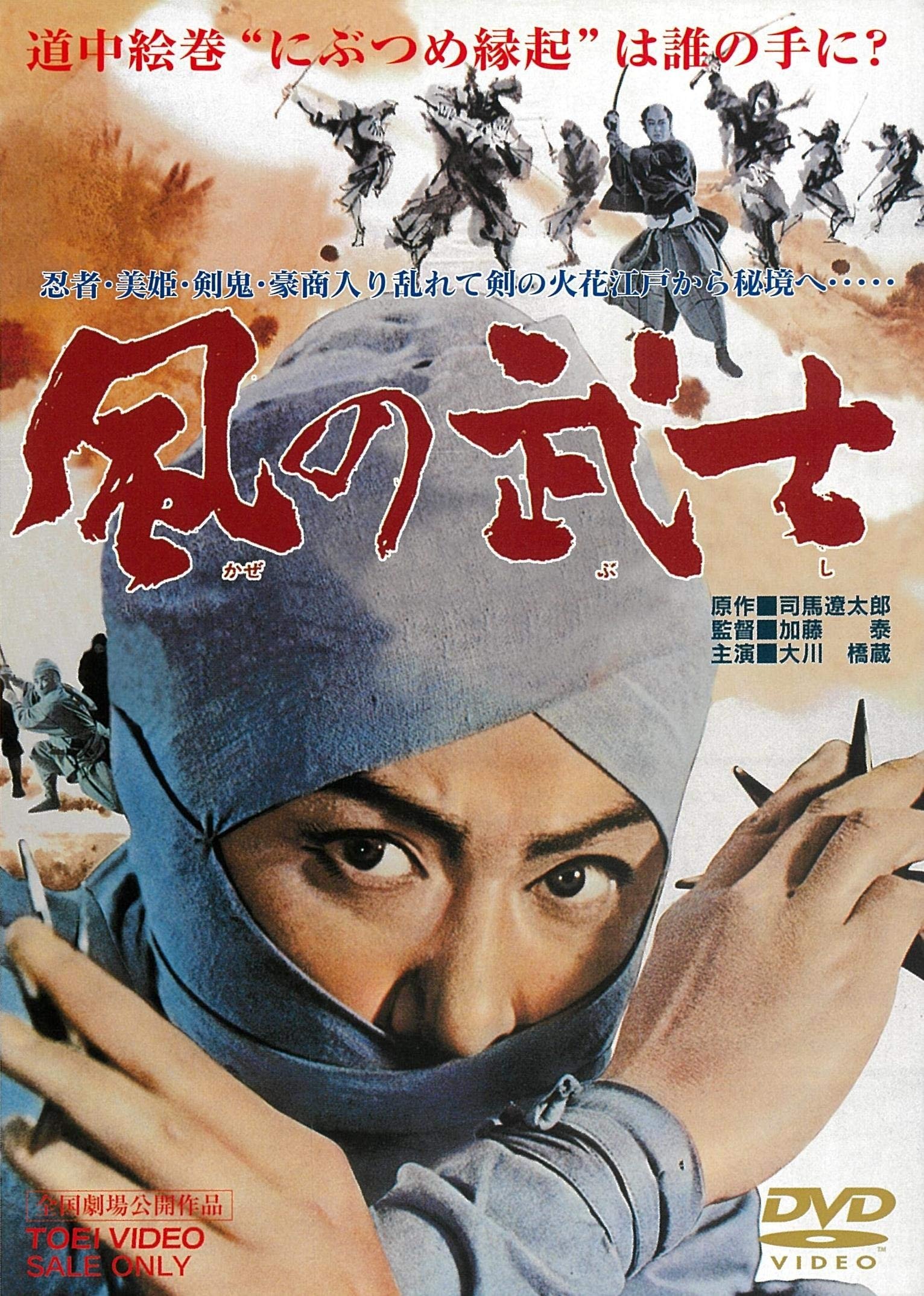
Après avoir tué un officier de haut rang lors d'un duel illégal, un samouraï de bas rang est déclaré fou et est défié en duel par le clan auquel appartenait son adversaire mort.
1964
Koetsu

1964
Interprétation

1964
Interprétation
1964
Interprétation

1964
Interprétation

1963
Interprétation
1963
Interprétation
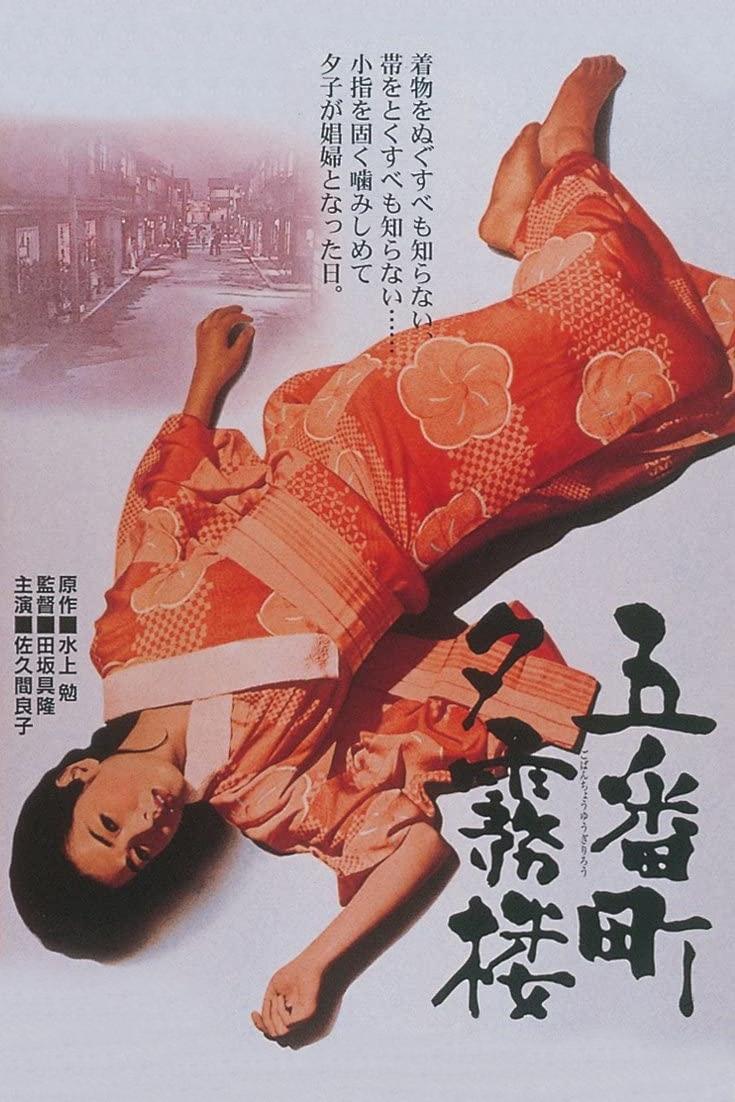
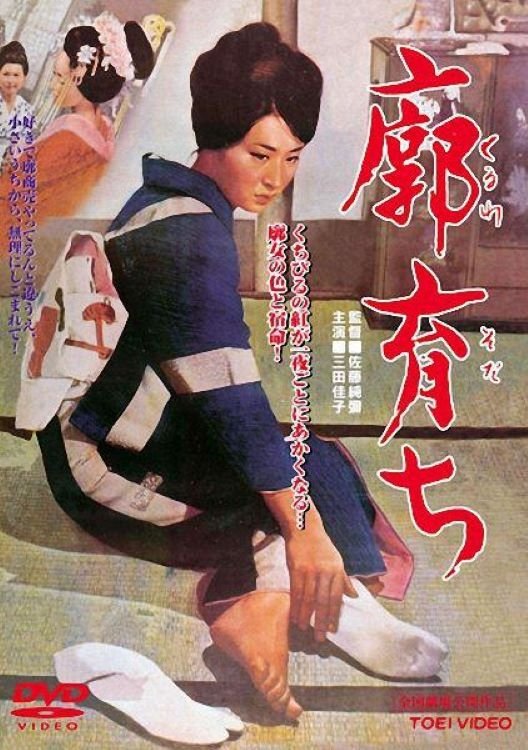
Issue d’une famille pauvre de la péninsule de Tango, Yūko part travailler dans une maison de prostitution du quartier de Gojō, à Kyoto, afin de subvenir aux besoins des siens. Elle y retrouve Seijun, son ami d’enfance devenu moine, auquel elle demeure profondément attachée malgré les chemins qui les séparent.
1963
Interprétation
1963
Horibe
1963
Interprétation
1963
Interprétation
1963
Interprétation

1963
Keishiro Murakami
1963
Interprétation
1963
Interprétation
1963
Interprétation
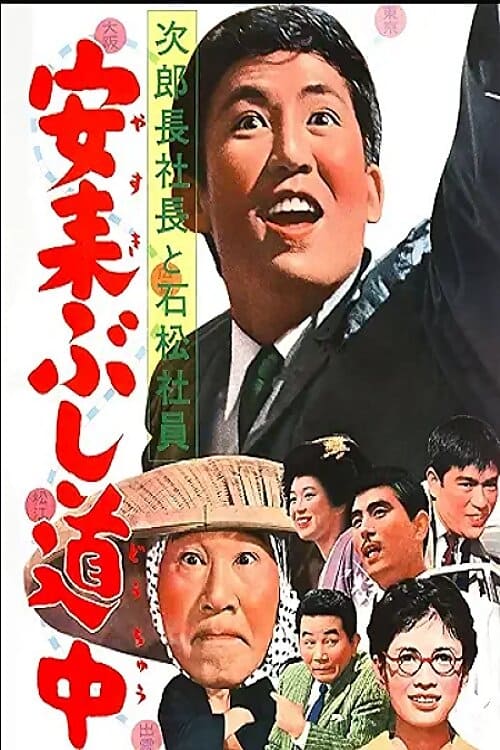
1963
Jirocho

1963
Interprétation

1962
Interprétation
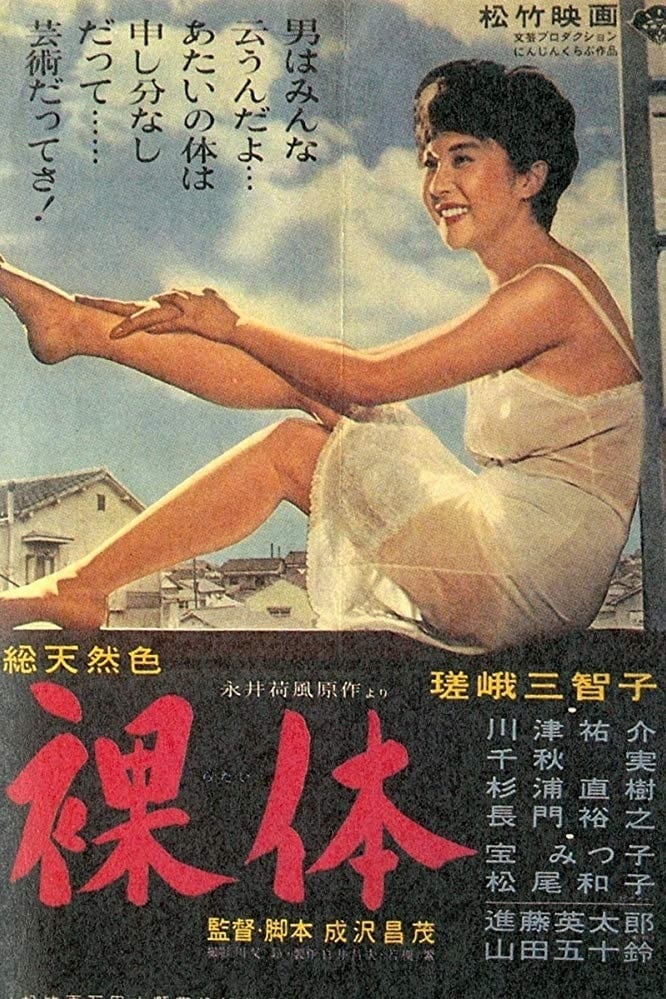
1962
Interprétation
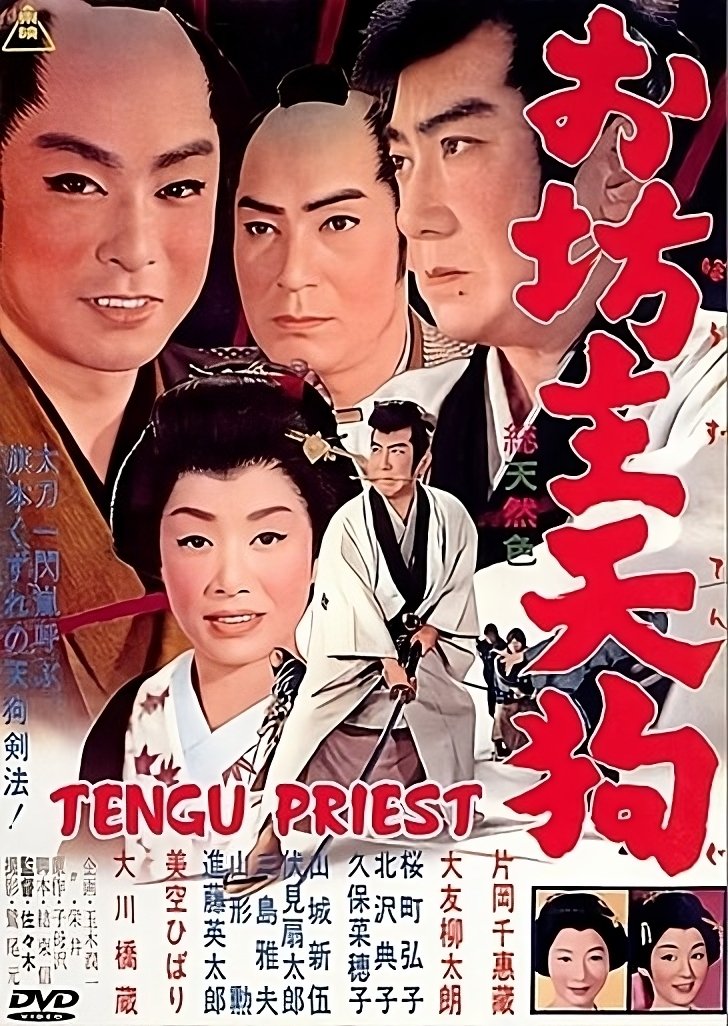
1962
Interprétation

1962
Interprétation

1962
Interprétation
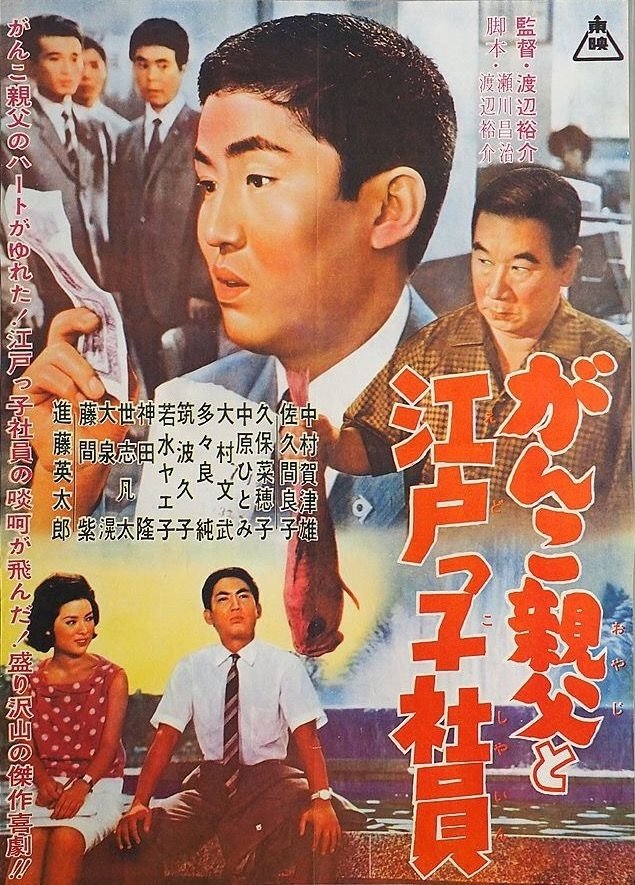
1962
Interprétation
1962
Interprétation
1962
Interprétation

1962
Interprétation
1962
Interprétation

1962
Interprétation
1962
Hikozo Okubo

1962
Interprétation
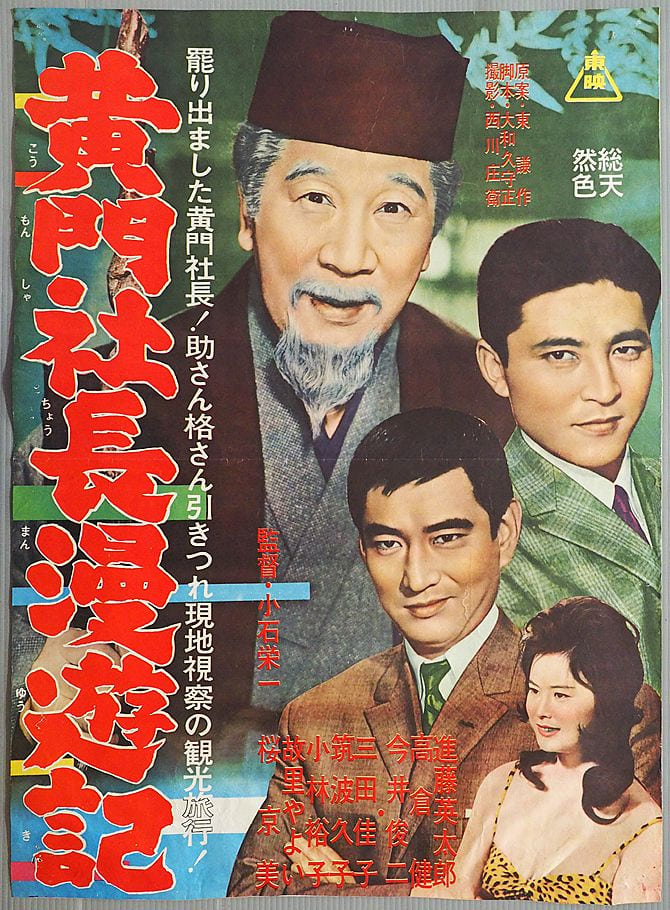
1962
Kohei Mito

1962
Interprétation
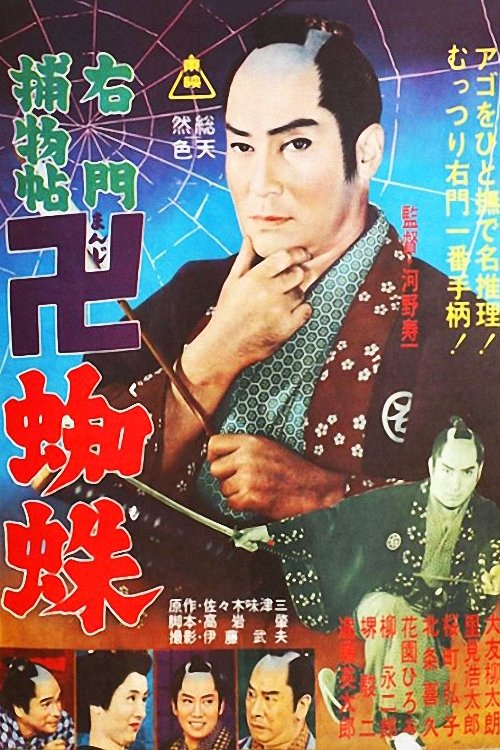
1962
Interprétation
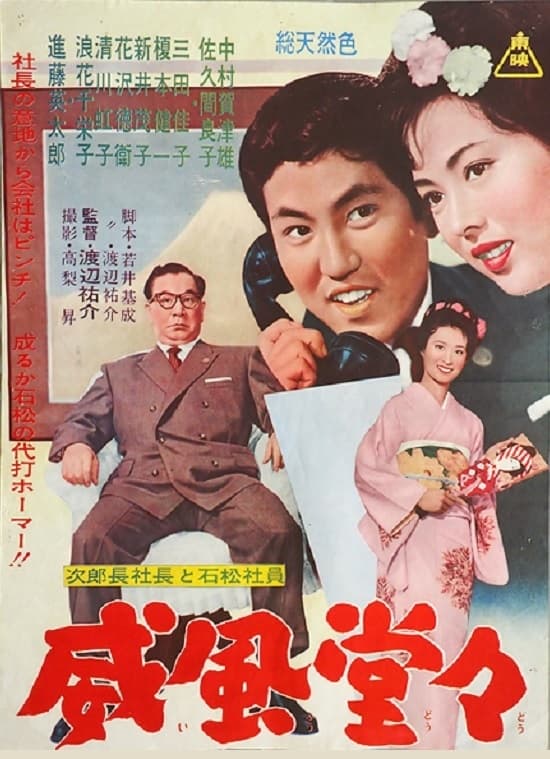
1962
Interprétation
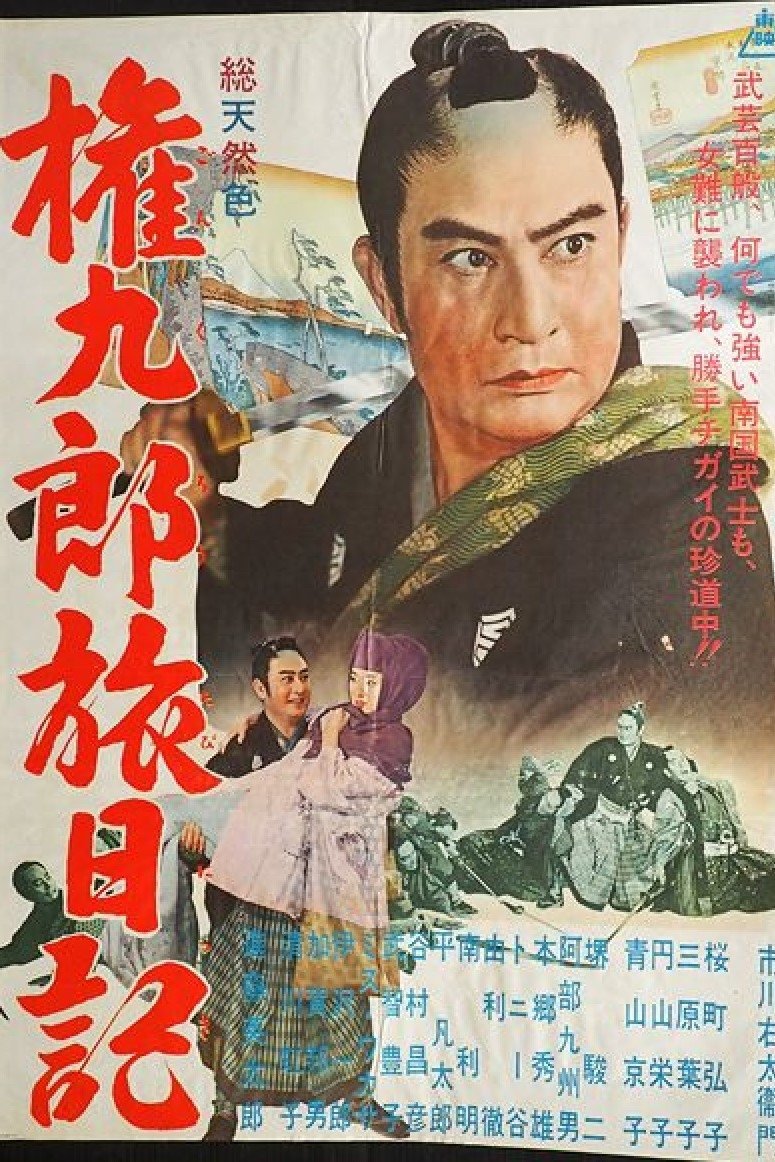
1961
Interprétation

1961
Interprétation
1961
Chojiro Shimizu
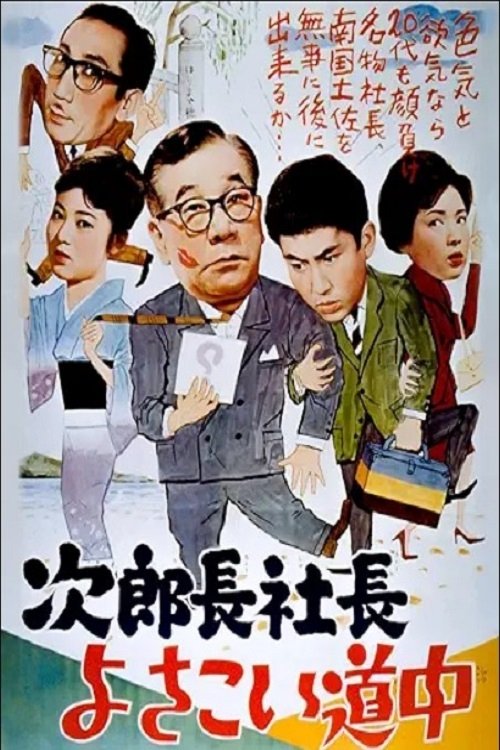
1961
Chojiro Shimizu
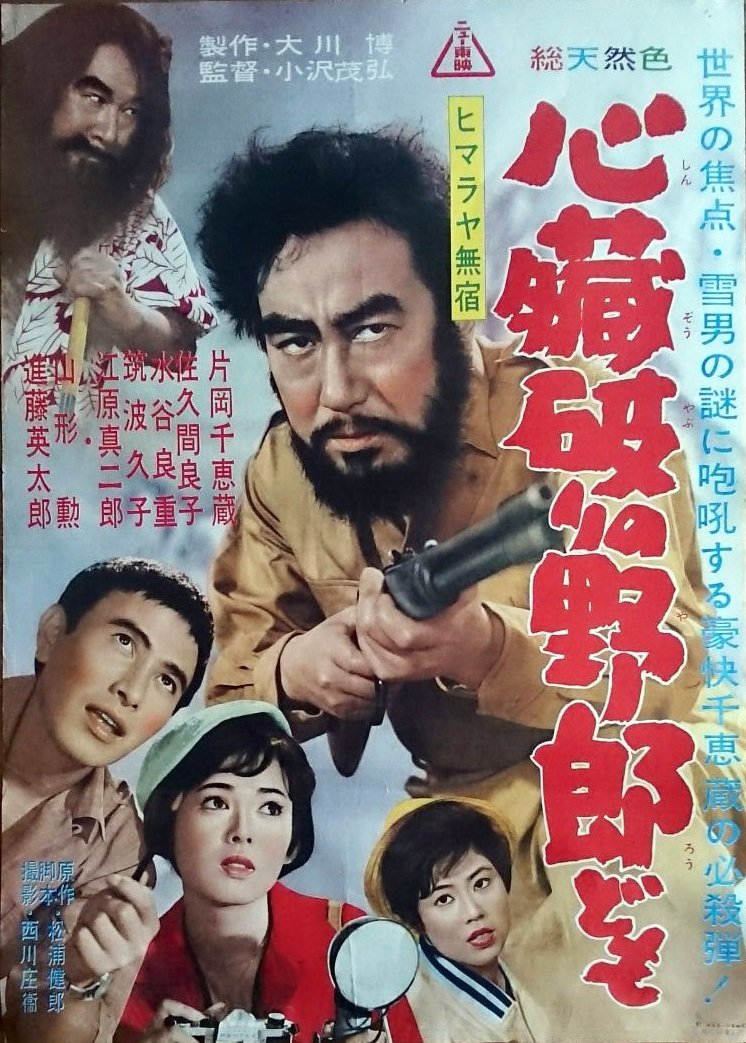
1961
Interprétation
1961
Interprétation

1961
Interprétation
1961
Chojiro Shimizu
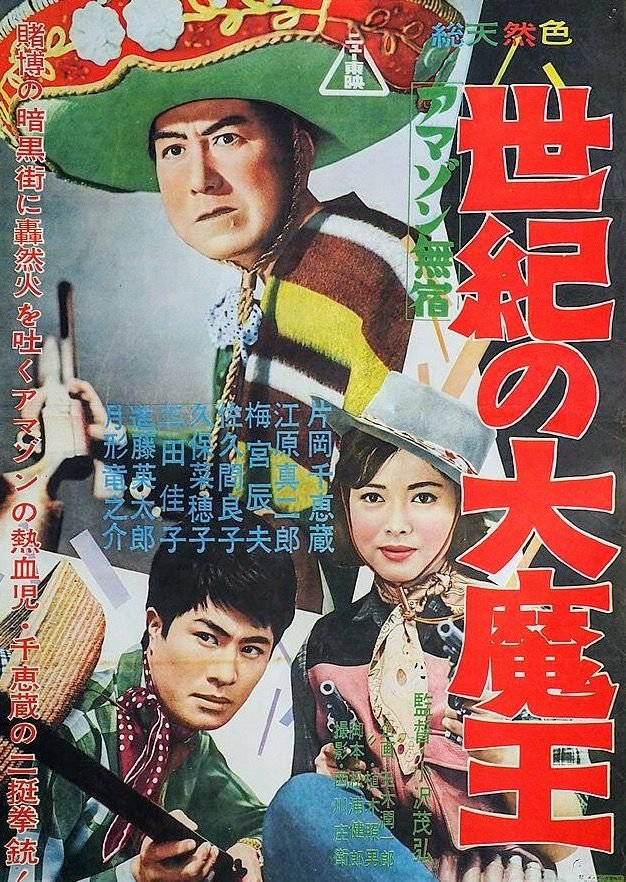
1961
Interprétation
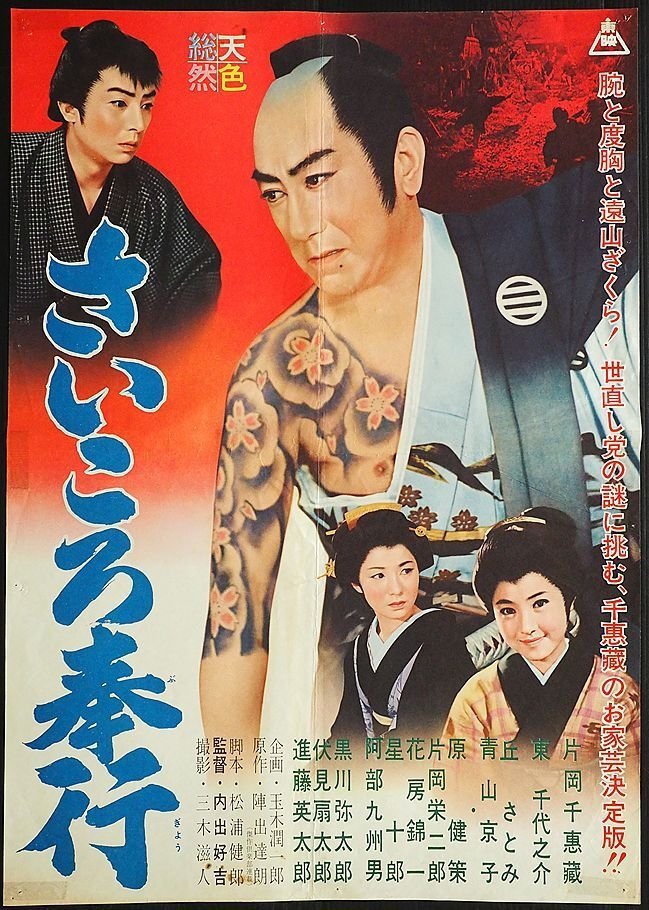
1961
Interprétation
1961
Interprétation
1961
Interprétation
1961
Interprétation

1961
Interprétation
1961
Interprétation
1961
Interprétation
1960
Interprétation
1960
Interprétation
1960
Interprétation
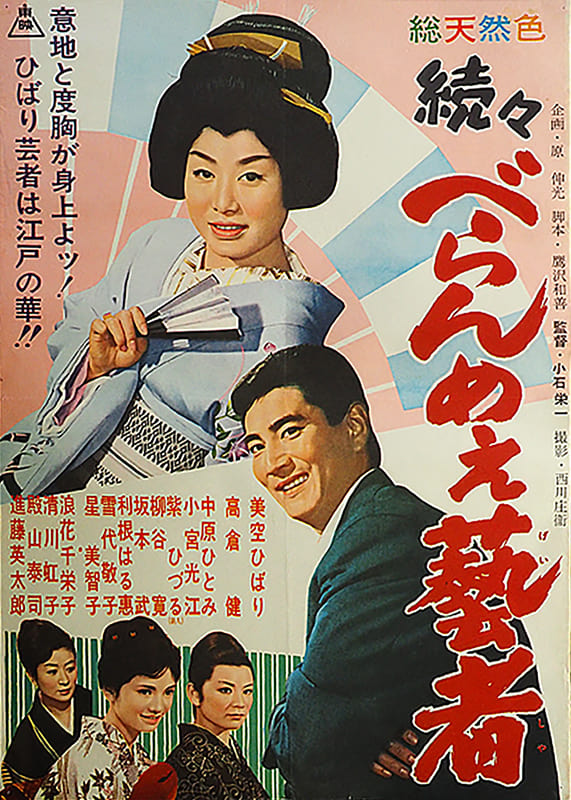
1960
Interprétation
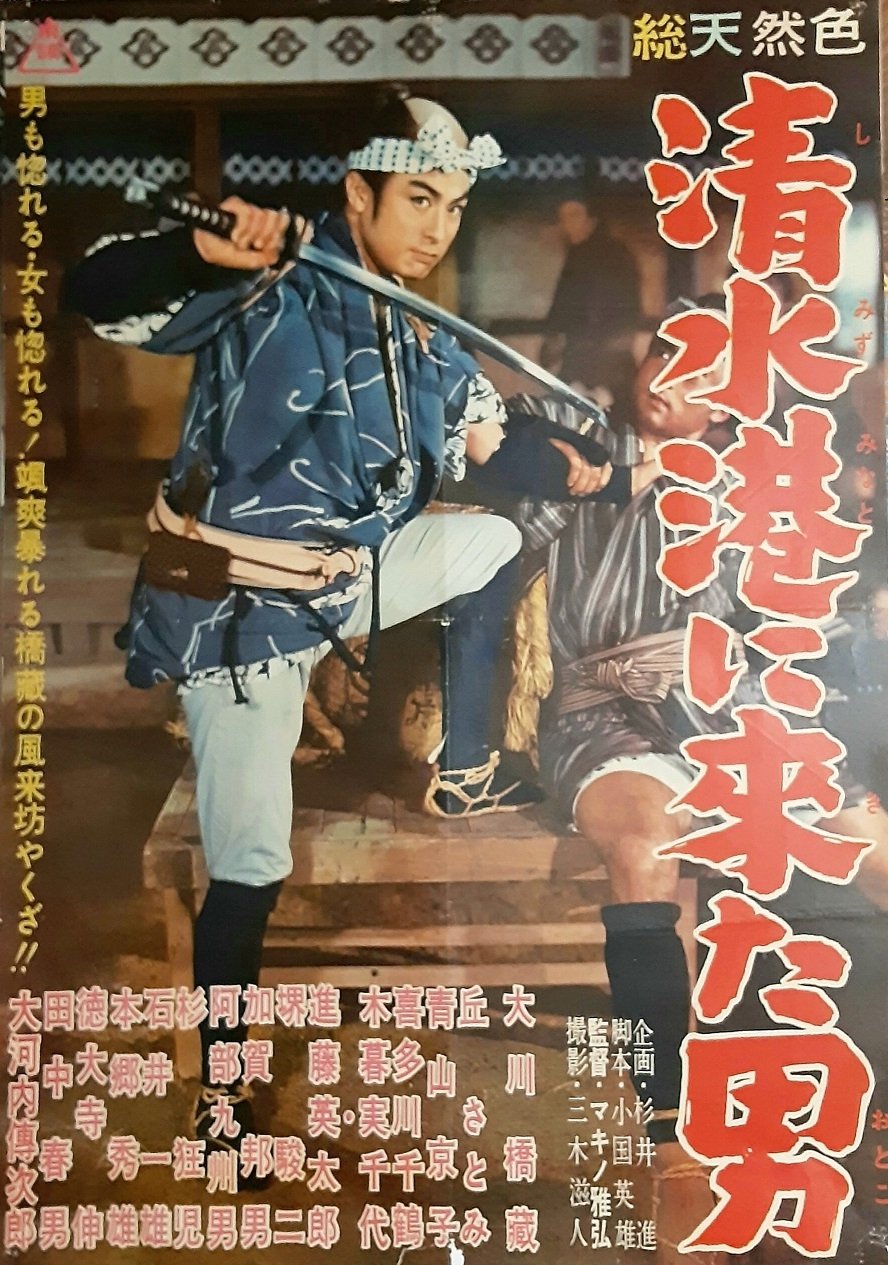
1960
Interprétation
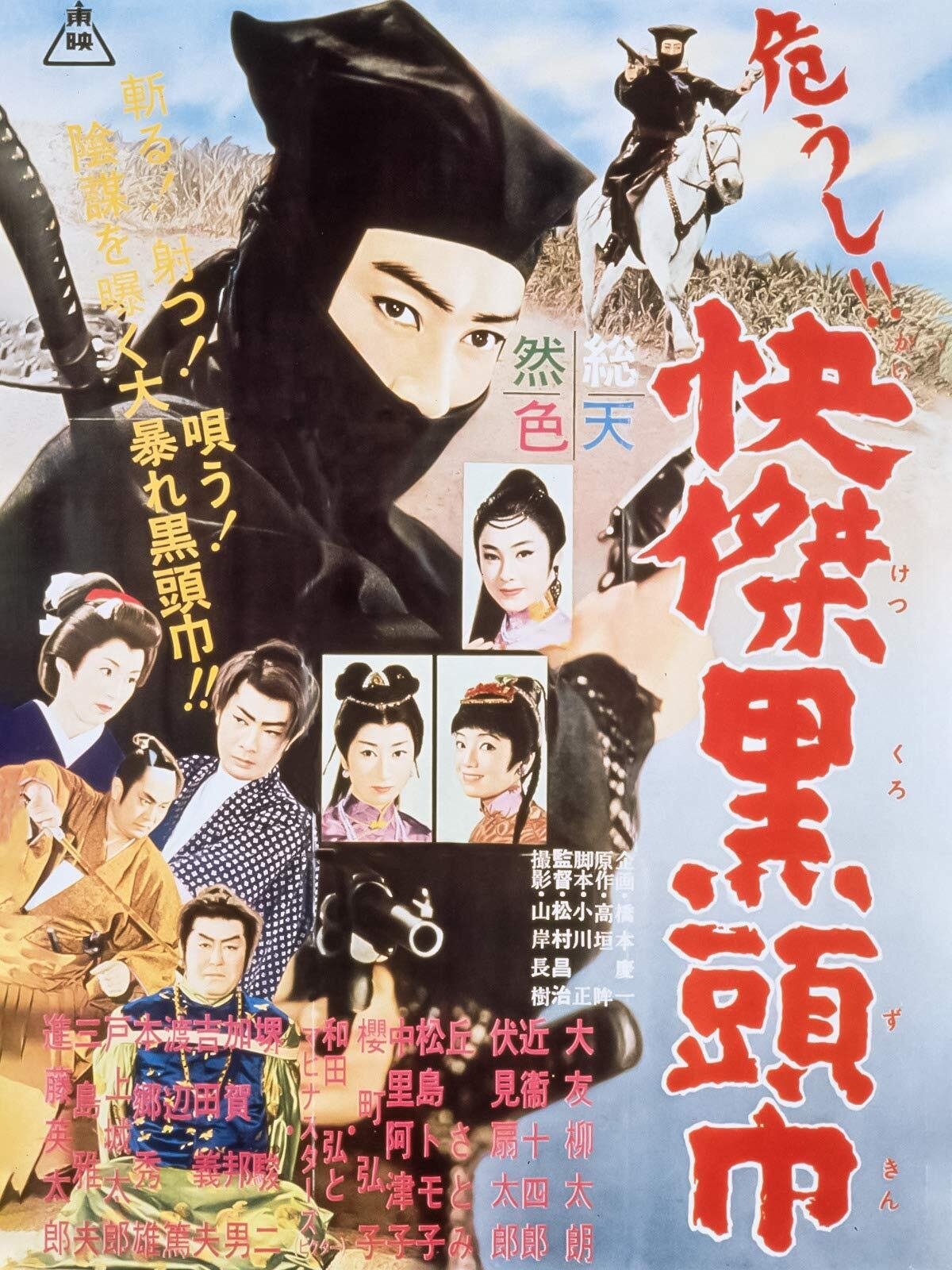
1960
Interprétation

1960
Interprétation
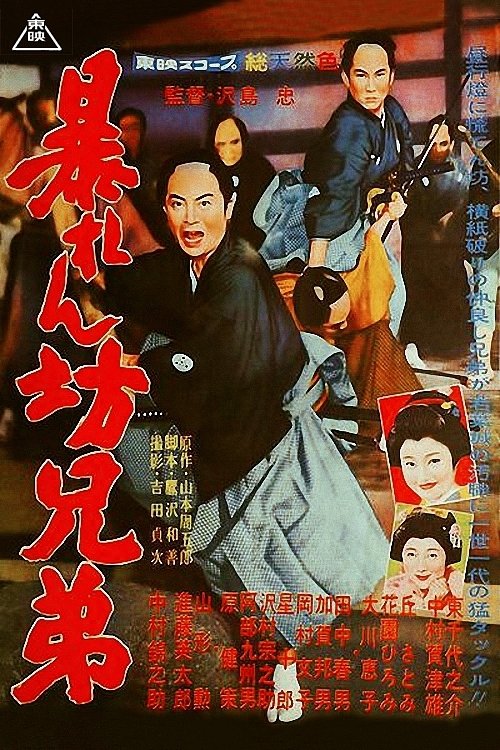
1960
Yamaji Saemon
1960
Interprétation
1960
Shuhei Hoshimura

1960
Interprétation
1960
Interprétation

1960
Interprétation
1960
Sarako Jubei

1960
Interprétation

1960
Interprétation

1960
Interprétation
1959
Interprétation
1959
Interprétation
1959
Interprétation
1959
Interprétation
1959
Interprétation

1959
Interprétation
1959
Interprétation
1959
Interprétation

1959
Interprétation

1959
Koshuya
1959
Interprétation

1959
Interprétation
1959
Interprétation

1959
Interprétation
1959
Interprétation

1959
Interprétation
1959
Interprétation
1958
Interprétation

1958
Interprétation

1958
Interprétation

1958
Interprétation
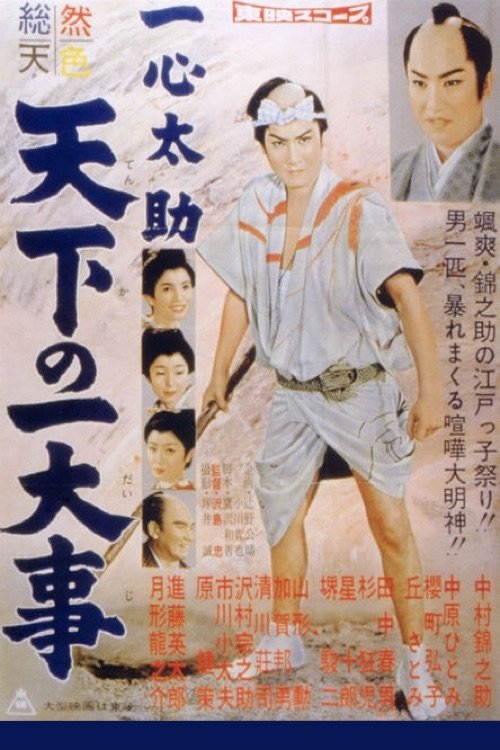
1958
Interprétation
1958
Interprétation
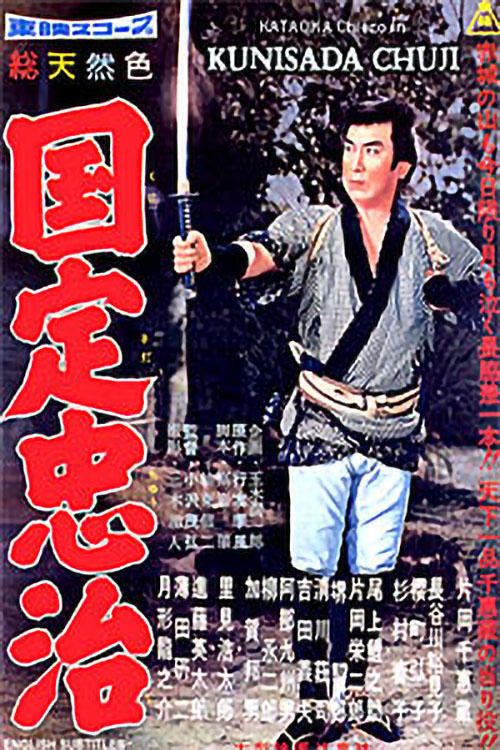
1958
Interprétation
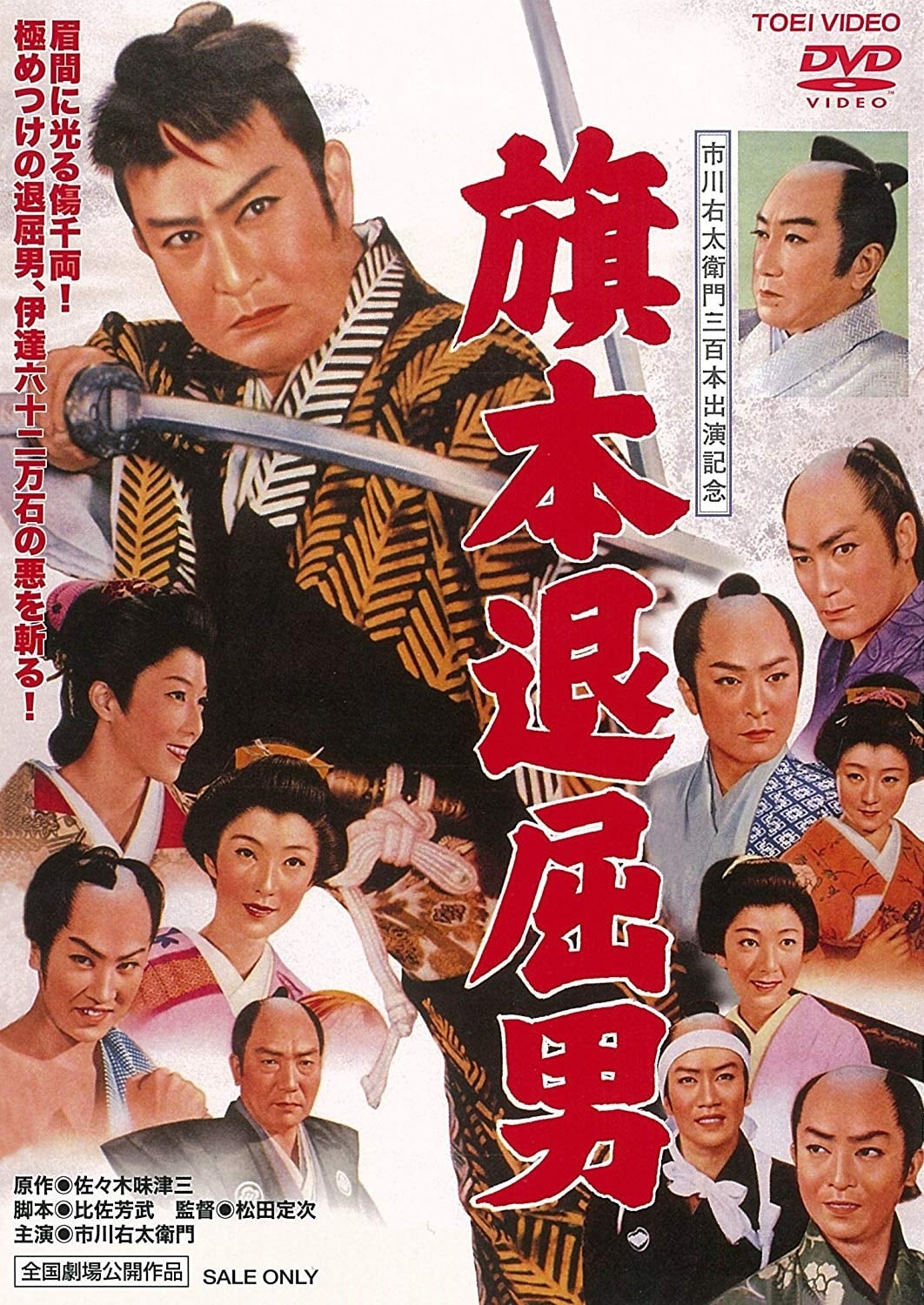
1958
Interprétation
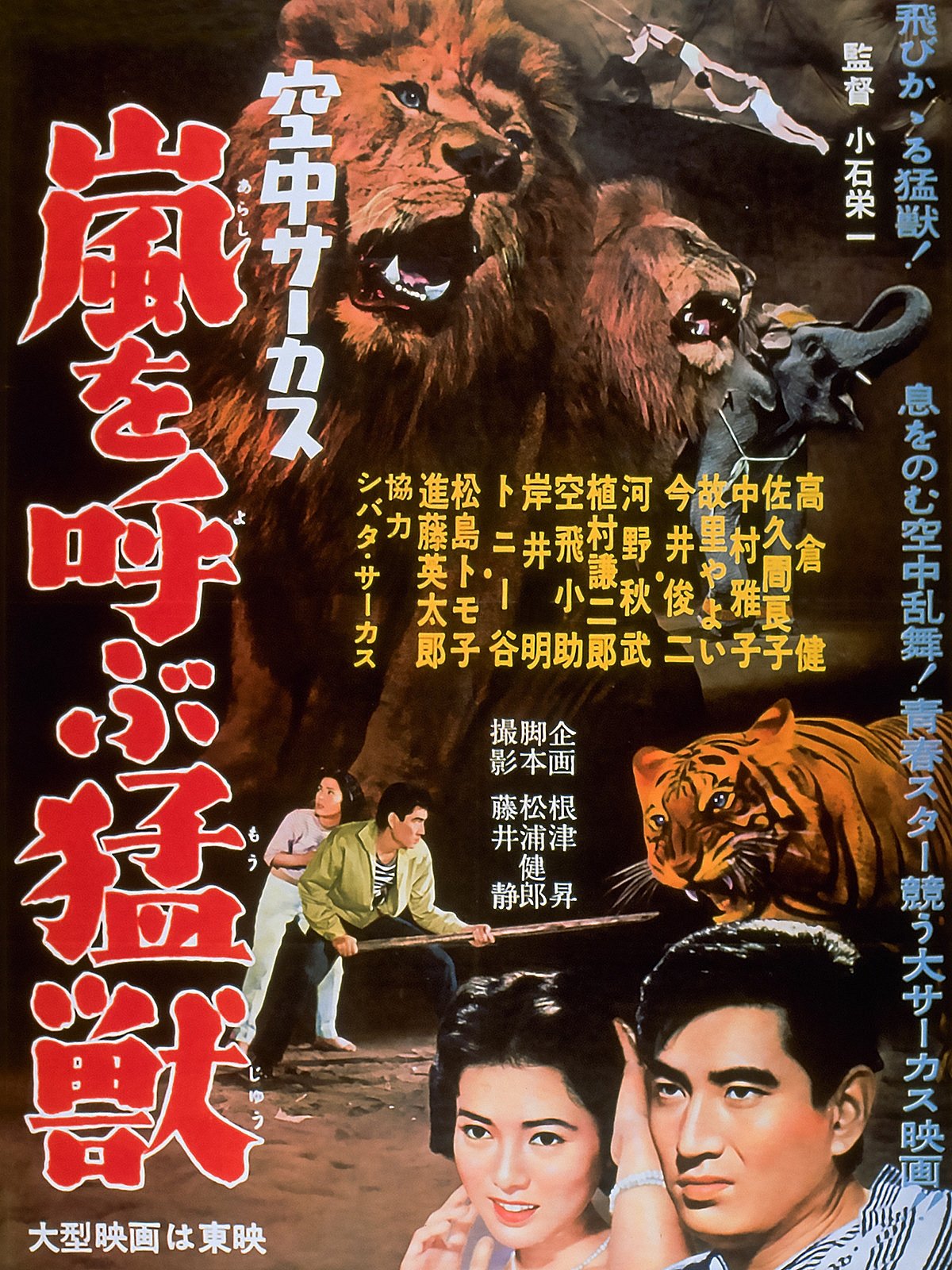
1958
Interprétation
1958
Interprétation

1958
Interprétation
1958
Interprétation
1958
Interprétation
1958
Interprétation

1958
Monjuro Kaida
1958
Interprétation

1958
Interprétation

1958
Interprétation
1958
Interprétation
1957
Interprétation
1957
Interprétation
1957
Interprétation
1957
Interprétation
1957
Interprétation

1957
Gorôdayû

1957
Interprétation
1957
Denbei Sagamiya
1957
Interprétation
1957
Interprétation
1957
Nagano

1957
Interprétation

1957
Interprétation

1957
Interprétation
1957
Interprétation
1957
Interprétation
1957
Kyuroku
1956
Interprétation
1956
Interprétation

1956
Interprétation
1956
Interprétation
1956
Interprétation
1956
Interprétation
1956
Interprétation

1956
Interprétation

1956
Interprétation
1956
Interprétation
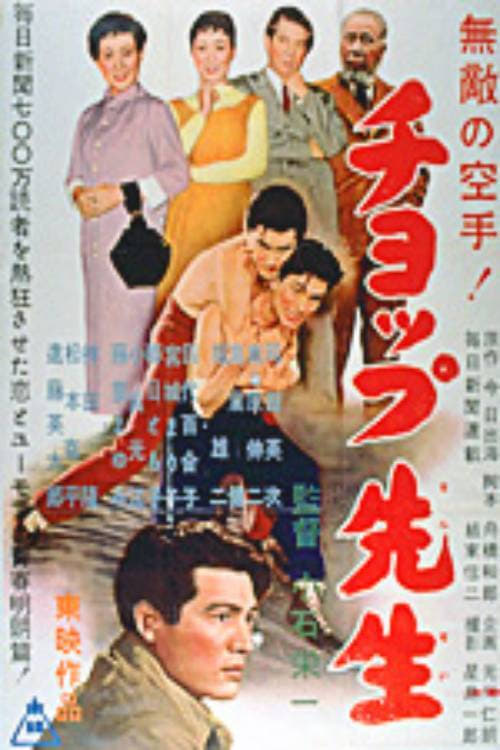
1956
Interprétation
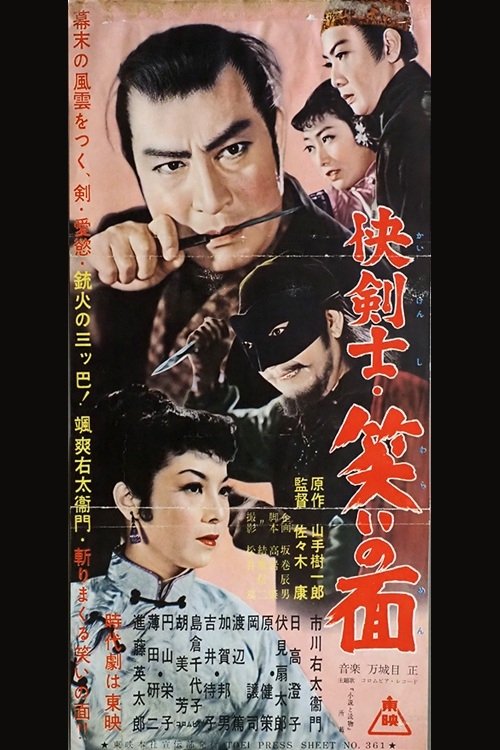
1956
Interprétation

1956
柏屋万兵衛
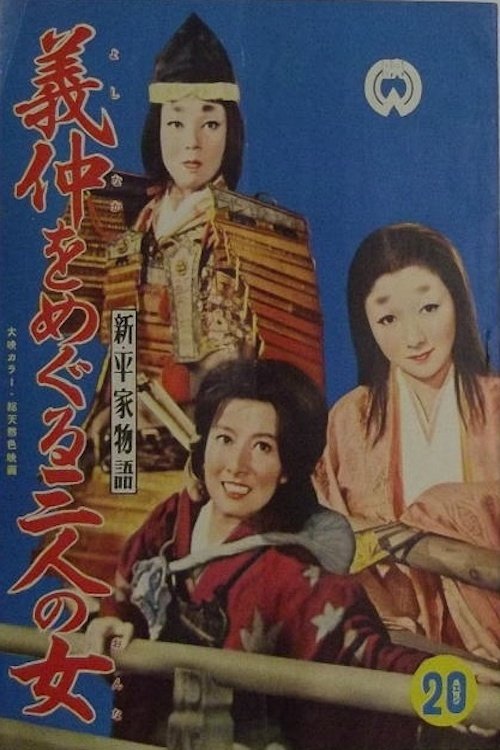
1956
Interprétation

1955
Interprétation
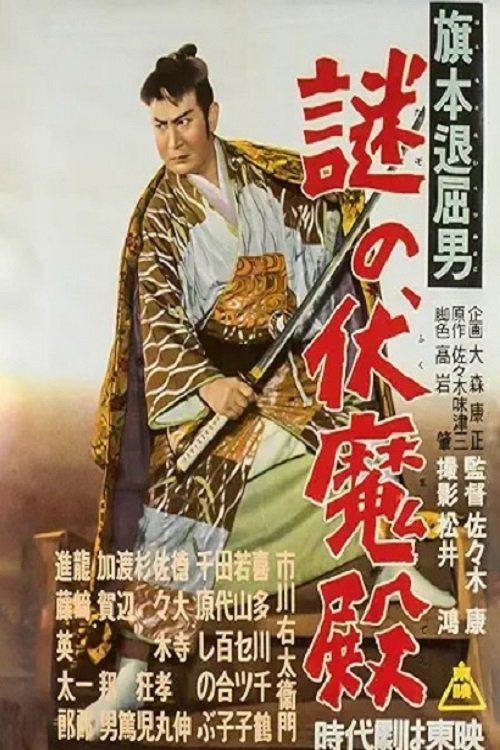
1955
Interprétation

1955
Interprétation
1955
Heijirô Gondô
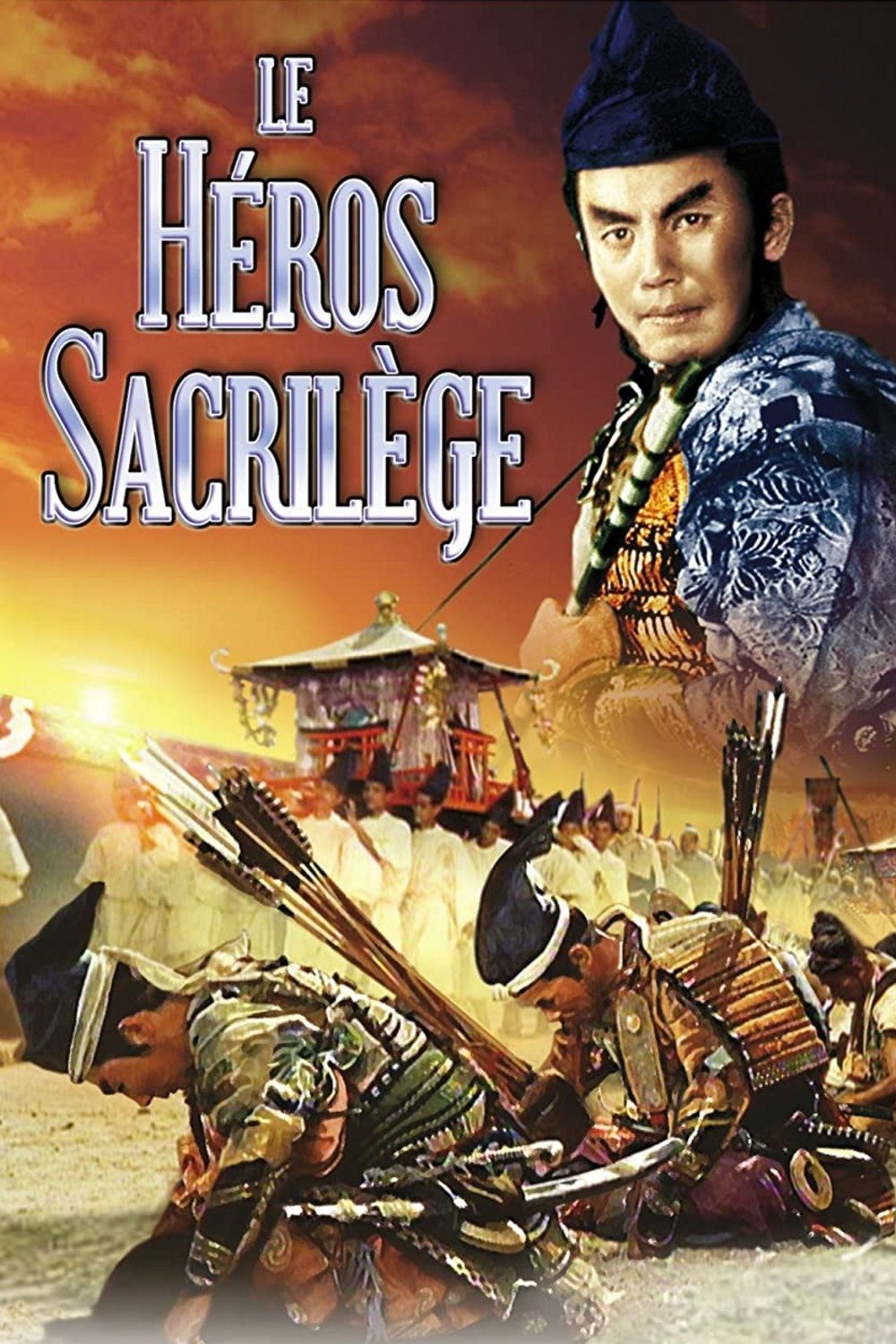
Japon, 1137. La famille Taira, un clan de samouraïs, est impliquée dans les disputes entre l'empereur Toba et les moines du mont Hiei.
1955
Banboku

1955
Saitō Dōsan
1955
Interprétation

1955
堀源太左衛門

1955
Interprétation
1955
Mandayu Miyako
1955
Interprétation
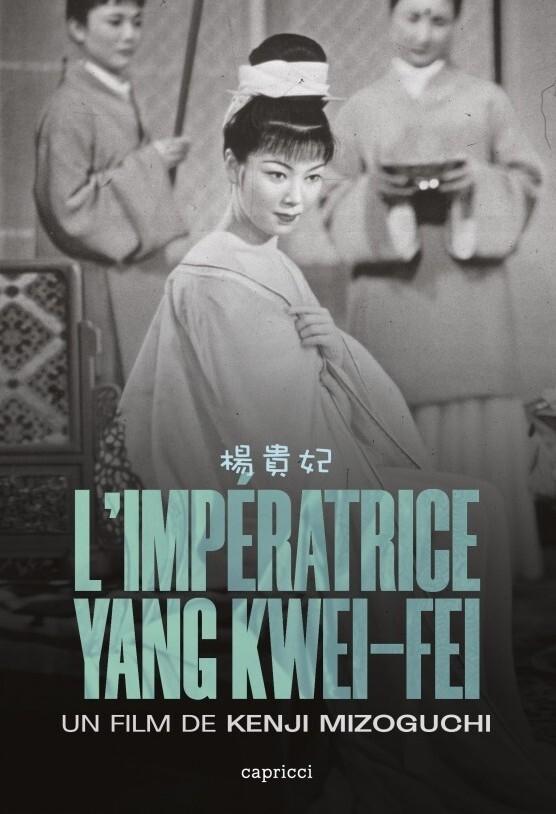
Chine, VIIIe siècle. L’Empereur Huan Tsung est inconsolable depuis la mort de l’Impératrice, délaissant les charges de l’État. Seule la musique lui apporte encore quelque joie. Un jour, on lui présente une jeune fille d’origine modeste qui ressemble à sa défunte épouse. D’abord réticent, l’Empereur est rapidement charmé par sa beauté et sa sincérité…
1955
Kao Li-hsi
1955
Interprétation

1955
Interprétation
1955
Interprétation

Un jeune samouraï, Shojuro Sako, voyage sur la route d'Edo en compagnie de ses deux serviteurs, Genta et Gonpachi. Mais la route est dangereuse et les trois hommes vont devoir faire preuve de bravoure pour arriver à leur destination.
1955
Pilgrim
1955
Hamamatsu-ya Kobei
1954
Interprétation

1954
Interprétation
1954
Interprétation
1954
Interprétation
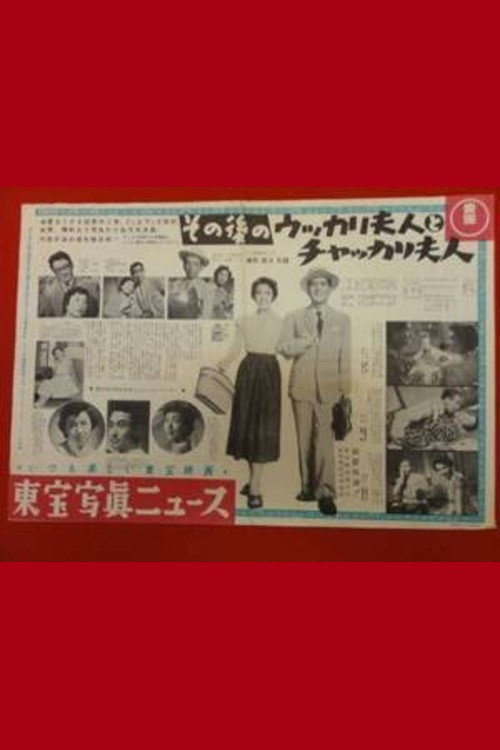
1954
Interprétation
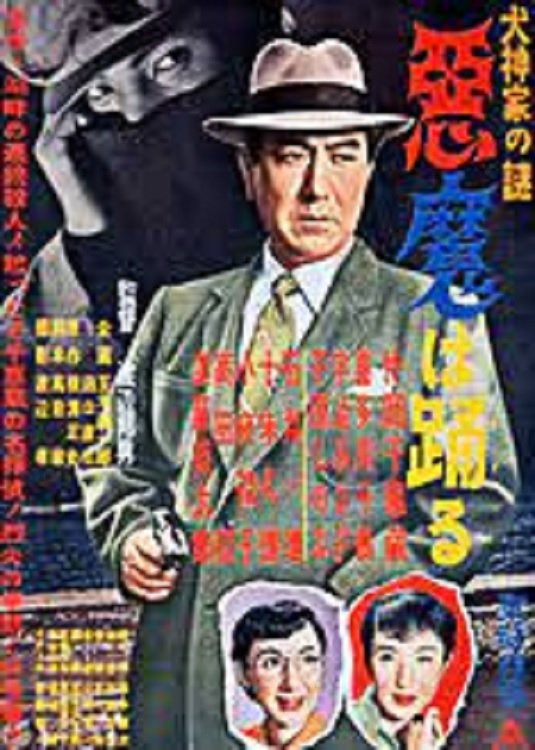
1954
Interprétation
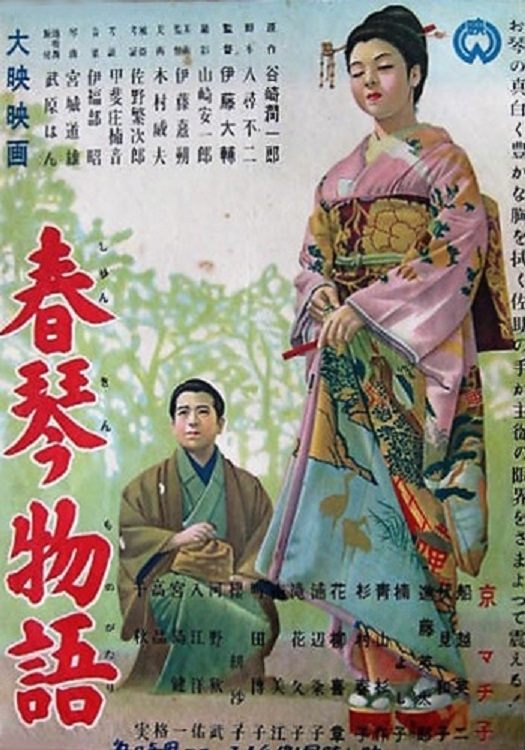
1954
Interprétation
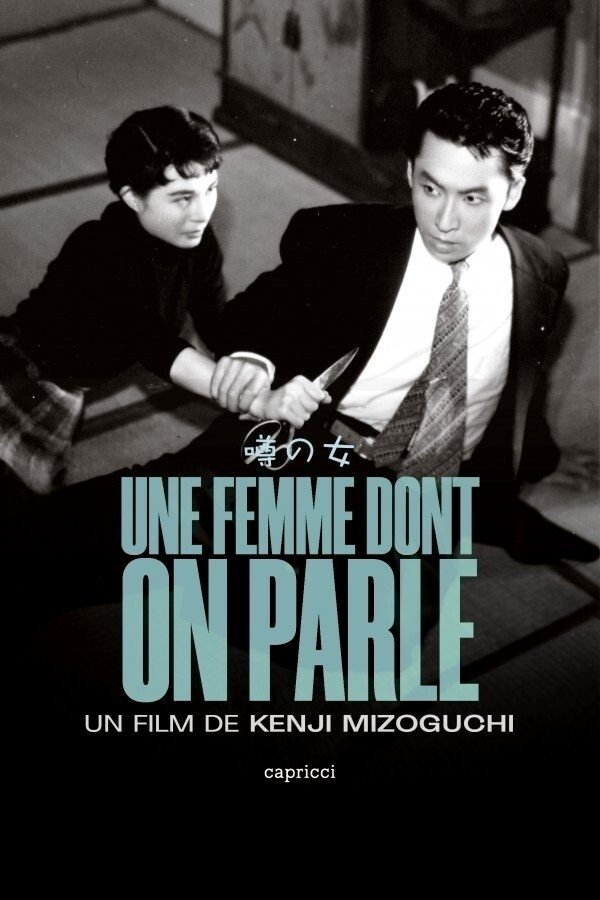
Après une expérience traumatisante à Tokyo, Yukiko retourne à Kyoto, où sa mère Hatsuko tient une maison close.
1954
Yasuichi Harada

1954
Interprétation
1954
Interprétation

1954
Interprétation
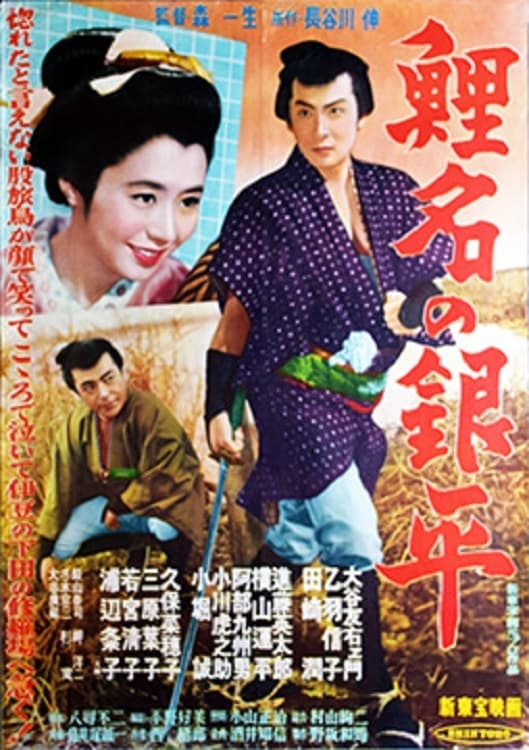
1954
Interprétation
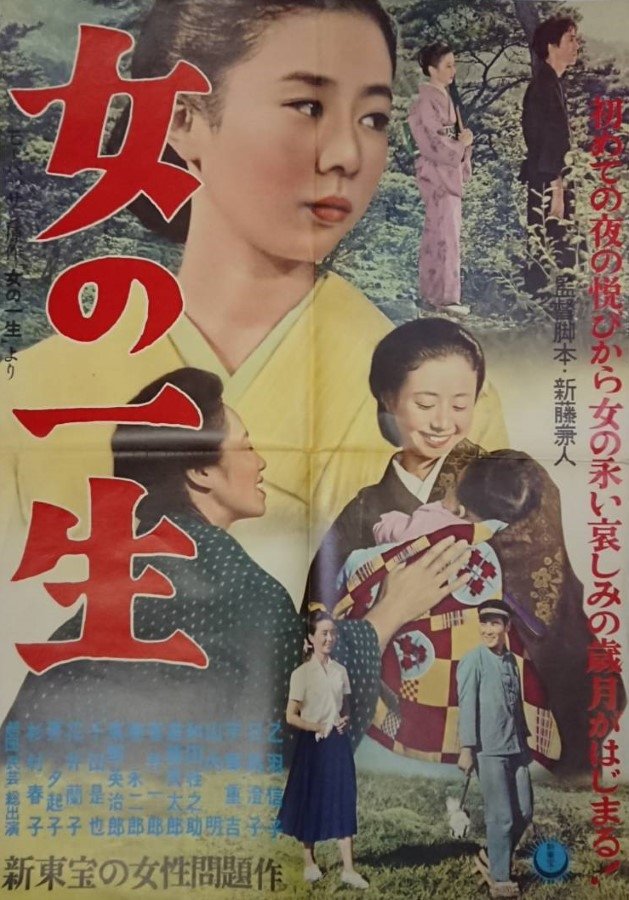
1953
Interprétation

1953
Interprétation
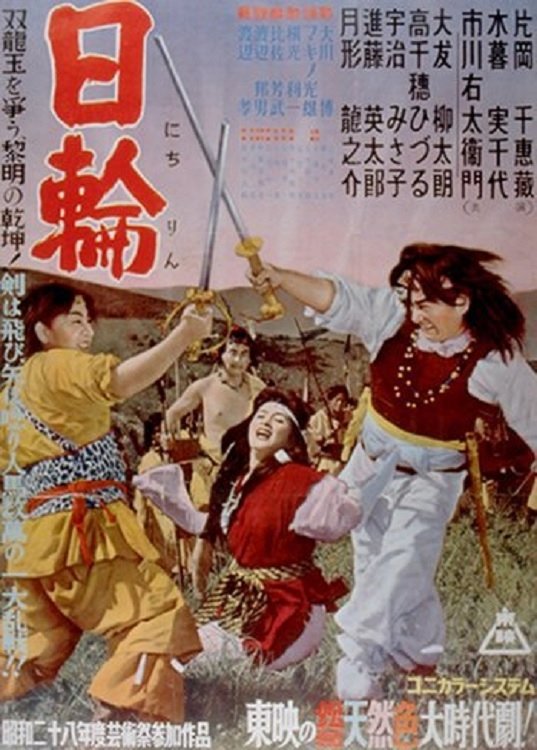
1953
Interprétation
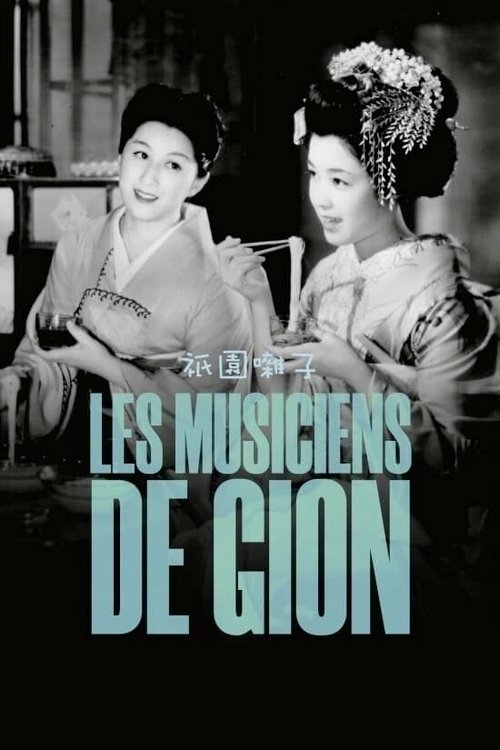
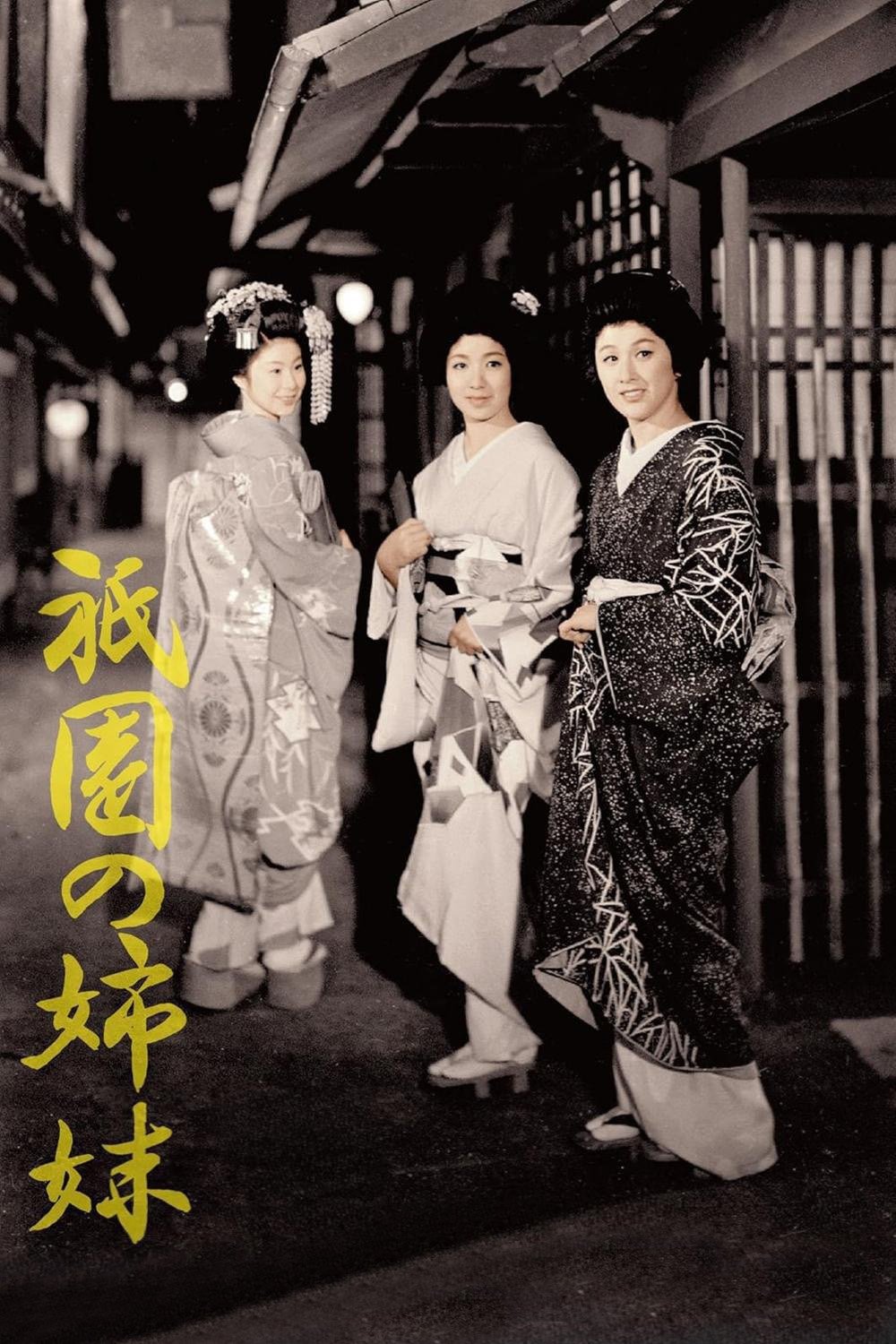
Fuyant une situation familiale difficile, Eiko, une très jeune fille, devient l'apprentie de Miyoharu, une geisha chevronnée. Toutes deux, déterminées à préserver leur intégrité professionnelle, doivent faire face à l'égoïsme et à l'ambition de plusieurs personnes mesquines.
1953
Sawamoto

1953
Takayuki Okabe
1953
Interprétation
1953
Interprétation
1953
Interprétation
1953
Interprétation

1953
Interprétation

1953
Interprétation

1953
Interprétation

1953
Interprétation
1953
Interprétation
1953
Interprétation
1953
Interprétation
1952
Interprétation
1952
Interprétation
1952
Interprétation

1952
Interprétation
1952
Interprétation
1952
Interprétation
1952
Interprétation
1952
Interprétation
1952
Gōzō Matsunaga
1952
Interprétation

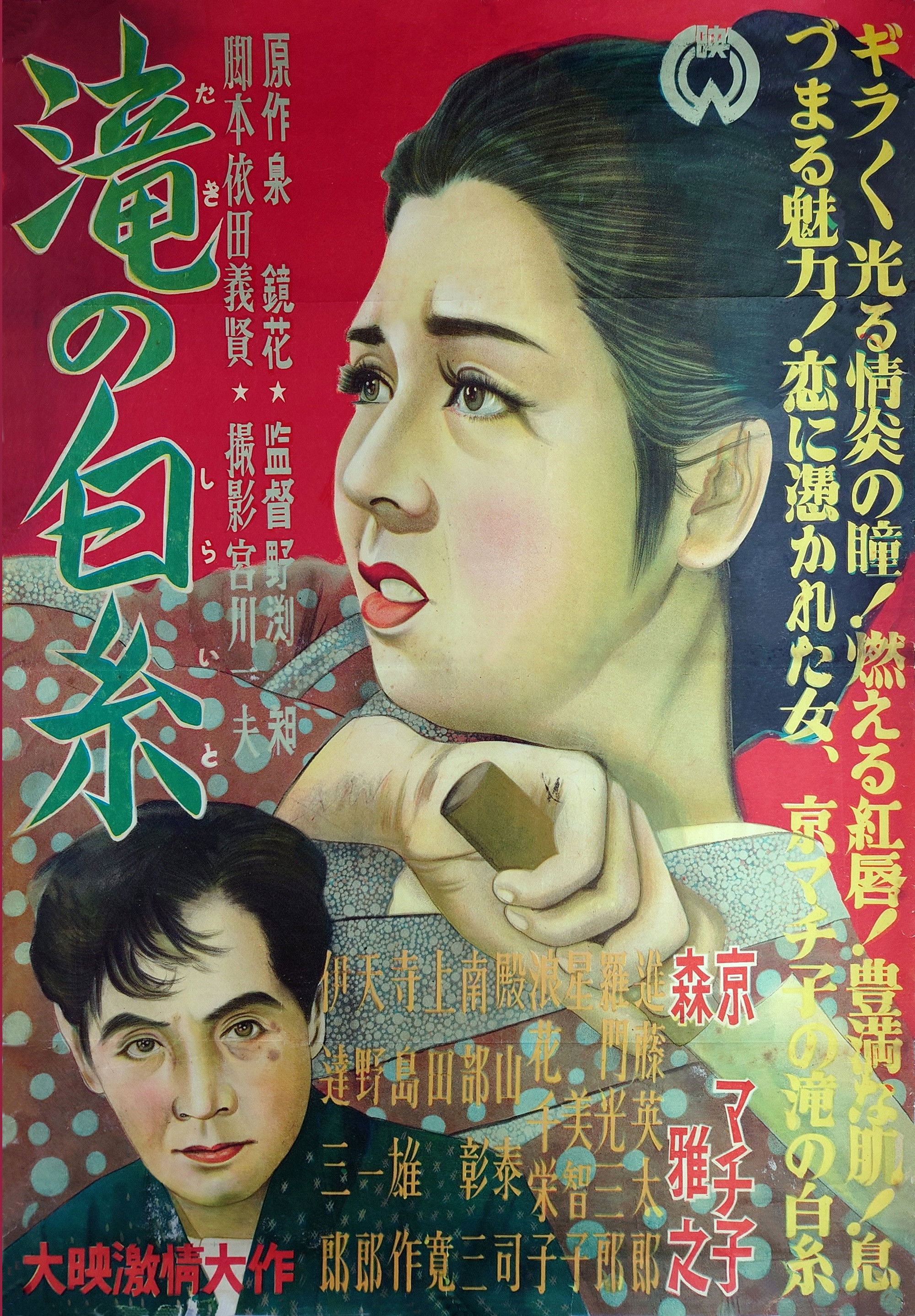
Une vieille prostituée évoque sa vie qui fut une série de tragédies. Étant jeune, elle a aimé un homme de condition inférieure. Cette relation provoqua son expulsion de la cité impériale.
1952
Kahe Sasaya
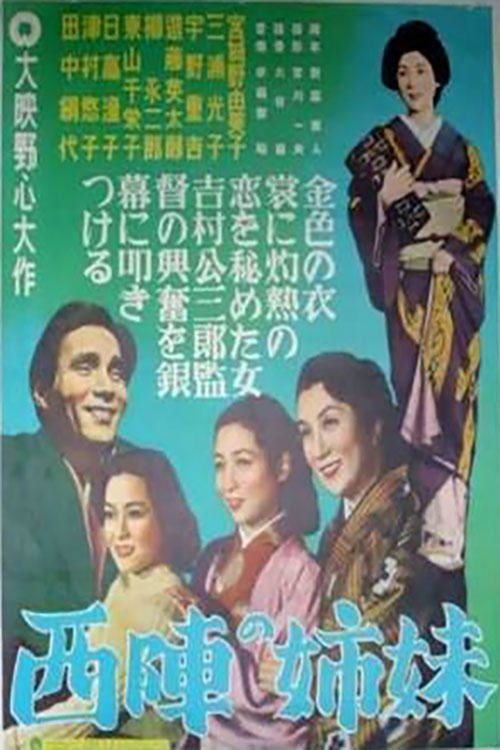
1952
Interprétation
1952
Yoshibei Nakakumaya
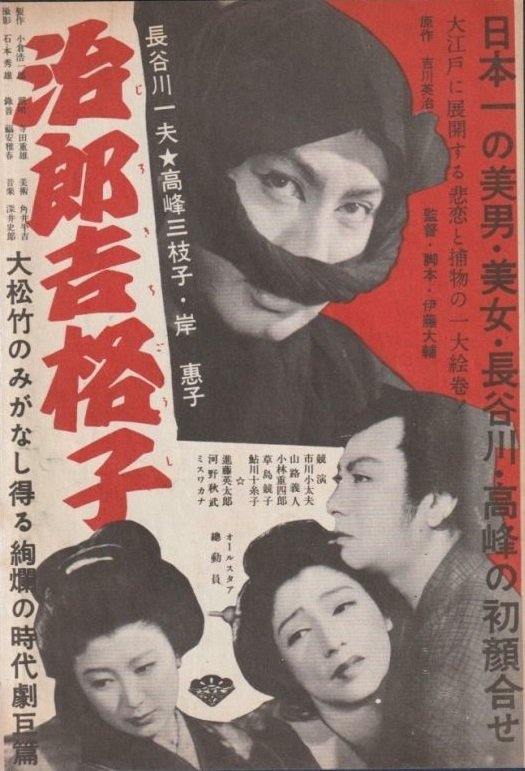
1952
仁吉
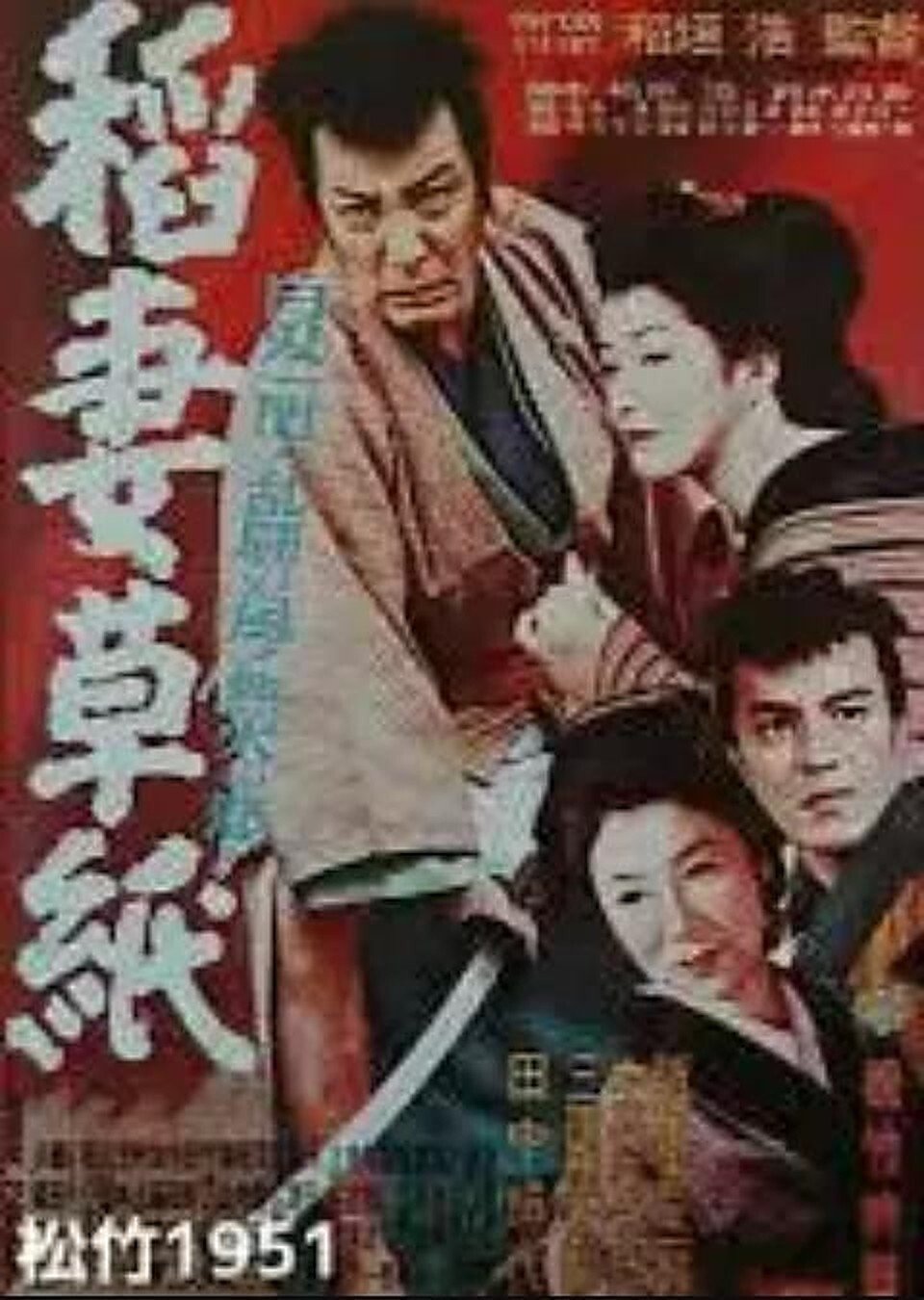
1951
Interprétation
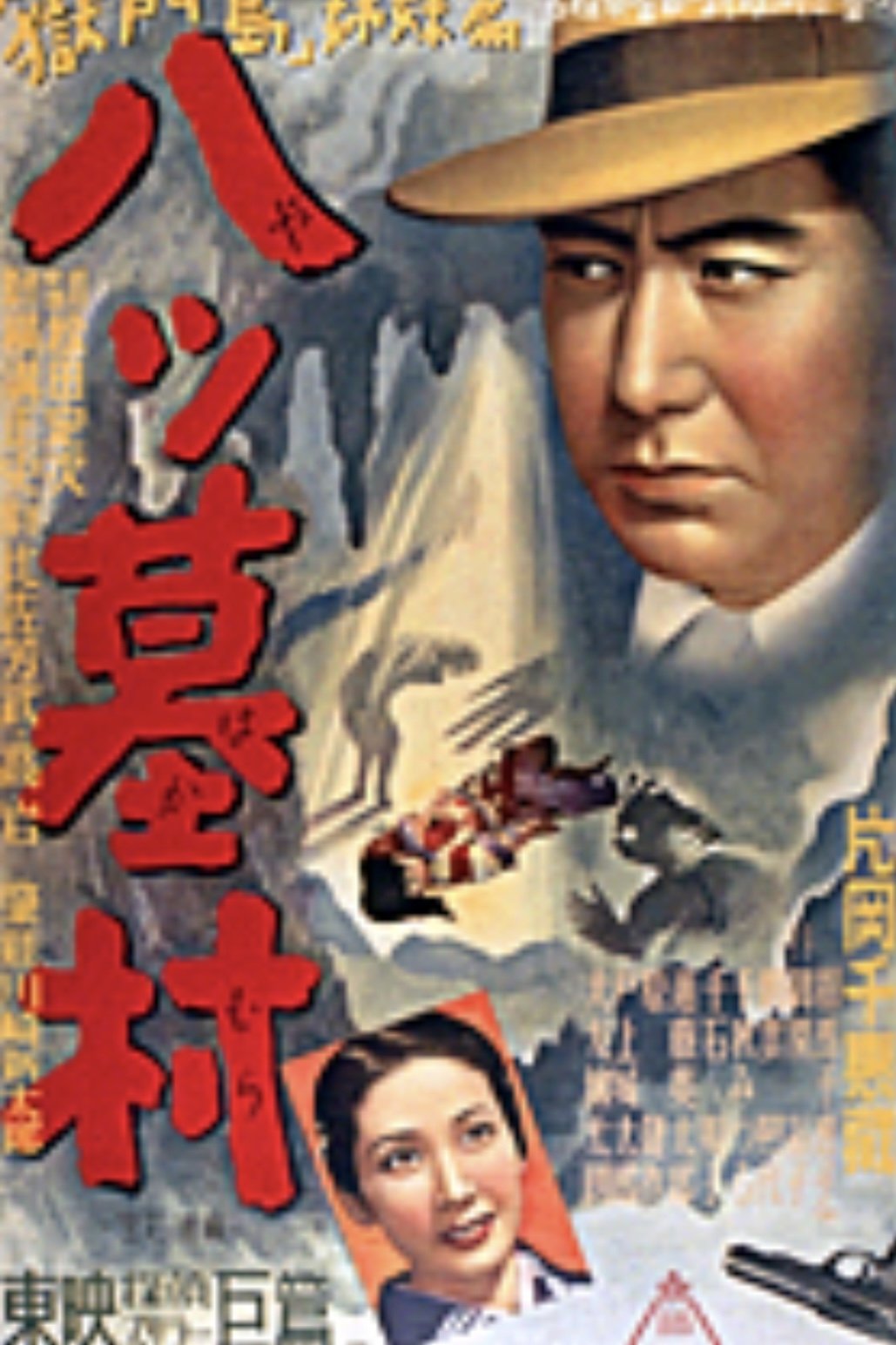
1951
Interprétation
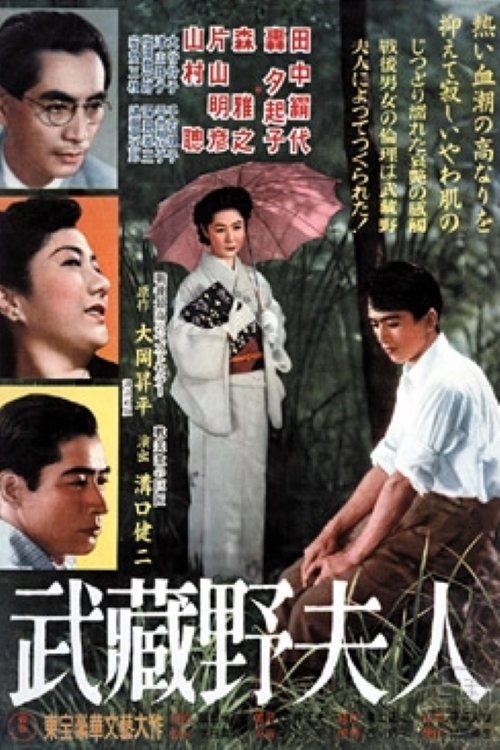
Dans une petite ville, la femme désœuvrée d'un professeur tombe amoureuse d'un jeune cousin.
1951
Shinzaburo Miyaji
1951
Interprétation
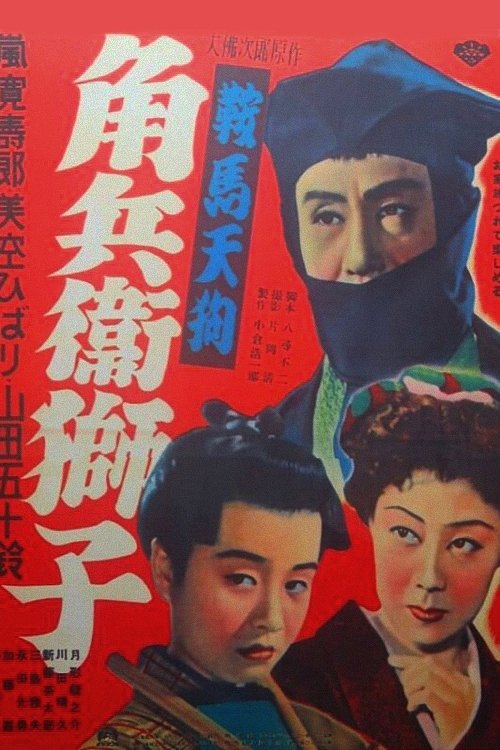
1951
Interprétation

1951
Interprétation
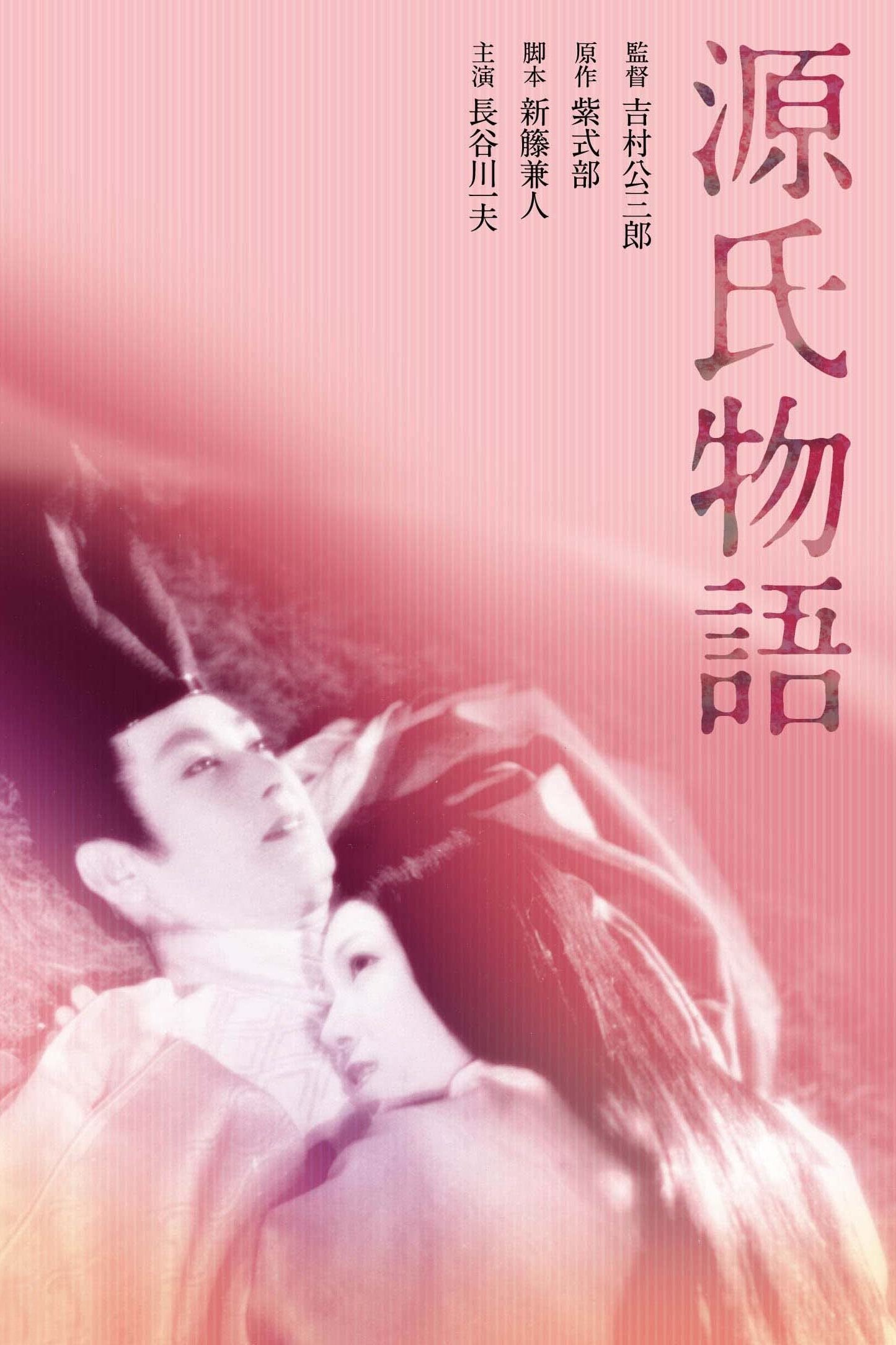
La concubine en titre de l'Empereur, Kokiden, s'irrite de voir la jeune et jolie Kiritsubo devenir la favorite du souverain. De leur union naît un fils, Genji, qui ne peut prétendre au trône.
1951
Minister of the Right
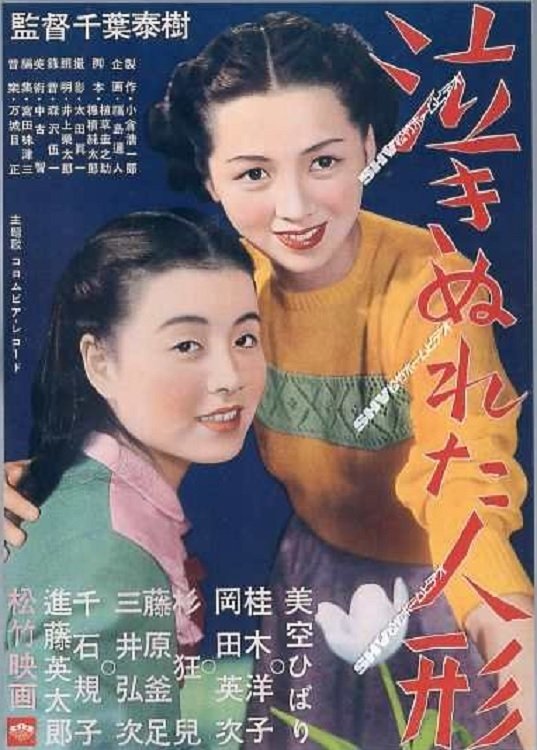
1951
Interprétation
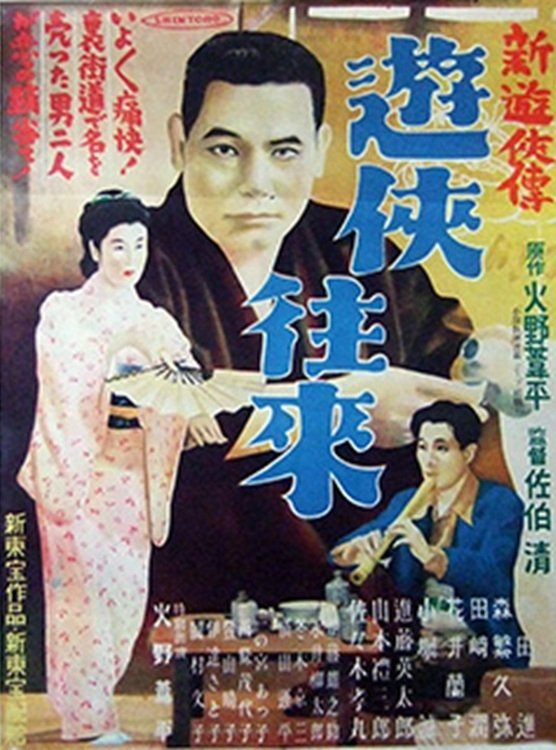
1951
Interprétation
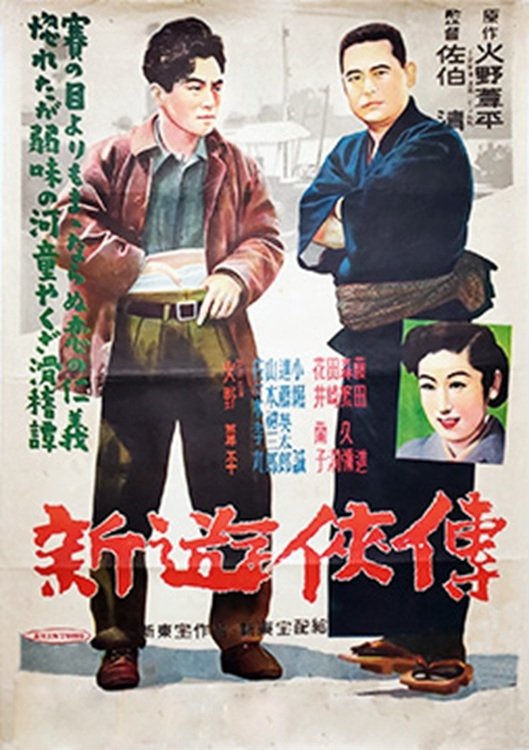
1951
Interprétation

1951
Interprétation
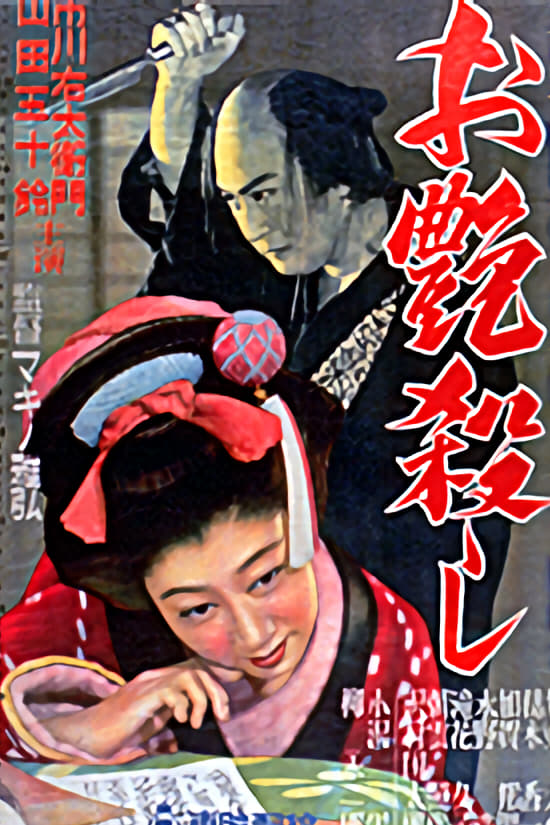
1951
Tokubei

1951
Mondo Tani
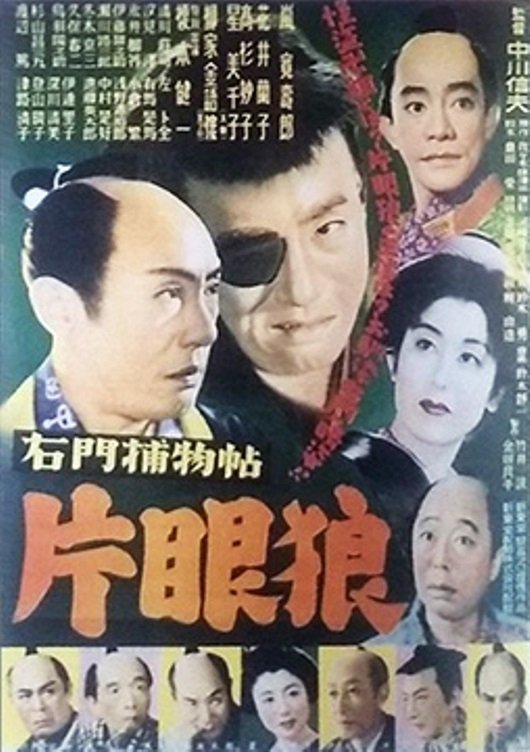
1951
Interprétation

Mélodrame japonais sur trois sœurs, des entreprises de mode rivales et une tentative de meurtre par salle de bain surchauffée.
1950
Interprétation
1950
Interprétation
1950
Interprétation

1950
Interprétation
1950
Interprétation
1950
Interprétation
1950
Interprétation
1950
Interprétation
1950
Interprétation
1950
Interprétation
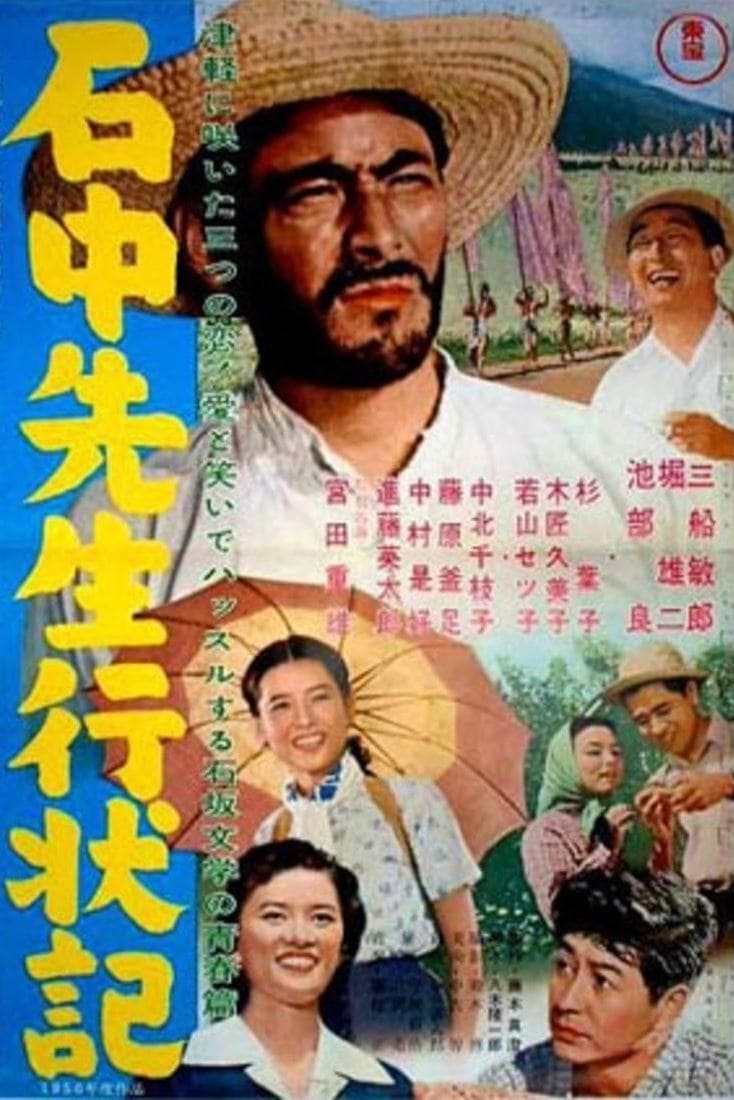
Trois histoires d'amour humoristiques se déroulant dans le Japon rural.
1950
Yamazaki
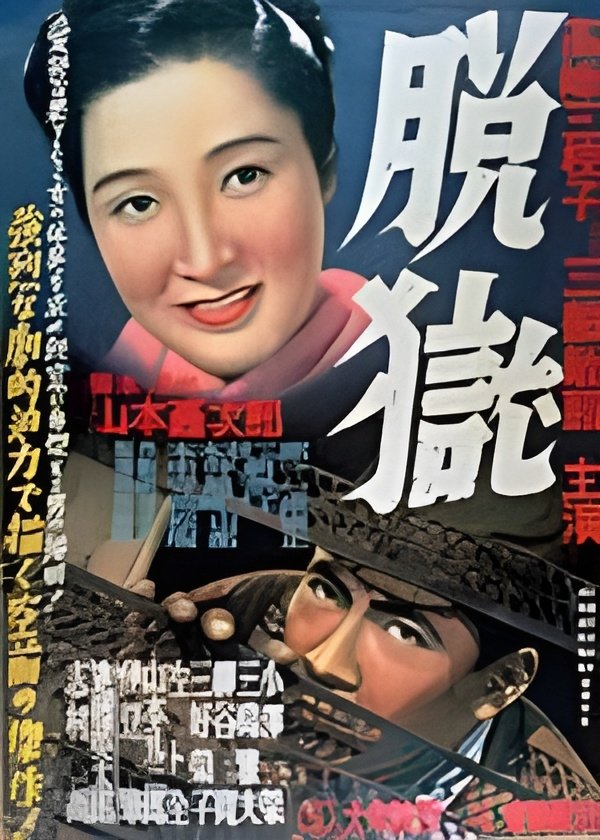
Aussi connu sous le titre anglais "Escape from prison"
1950
Interprétation
1950
Interprétation

1949
Hizakura
1949
Interprétation

1949
Kihei
1949
Interprétation
1949
Kyubei
1949
Interprétation
1948
Interprétation
1947
Dr. Okubo
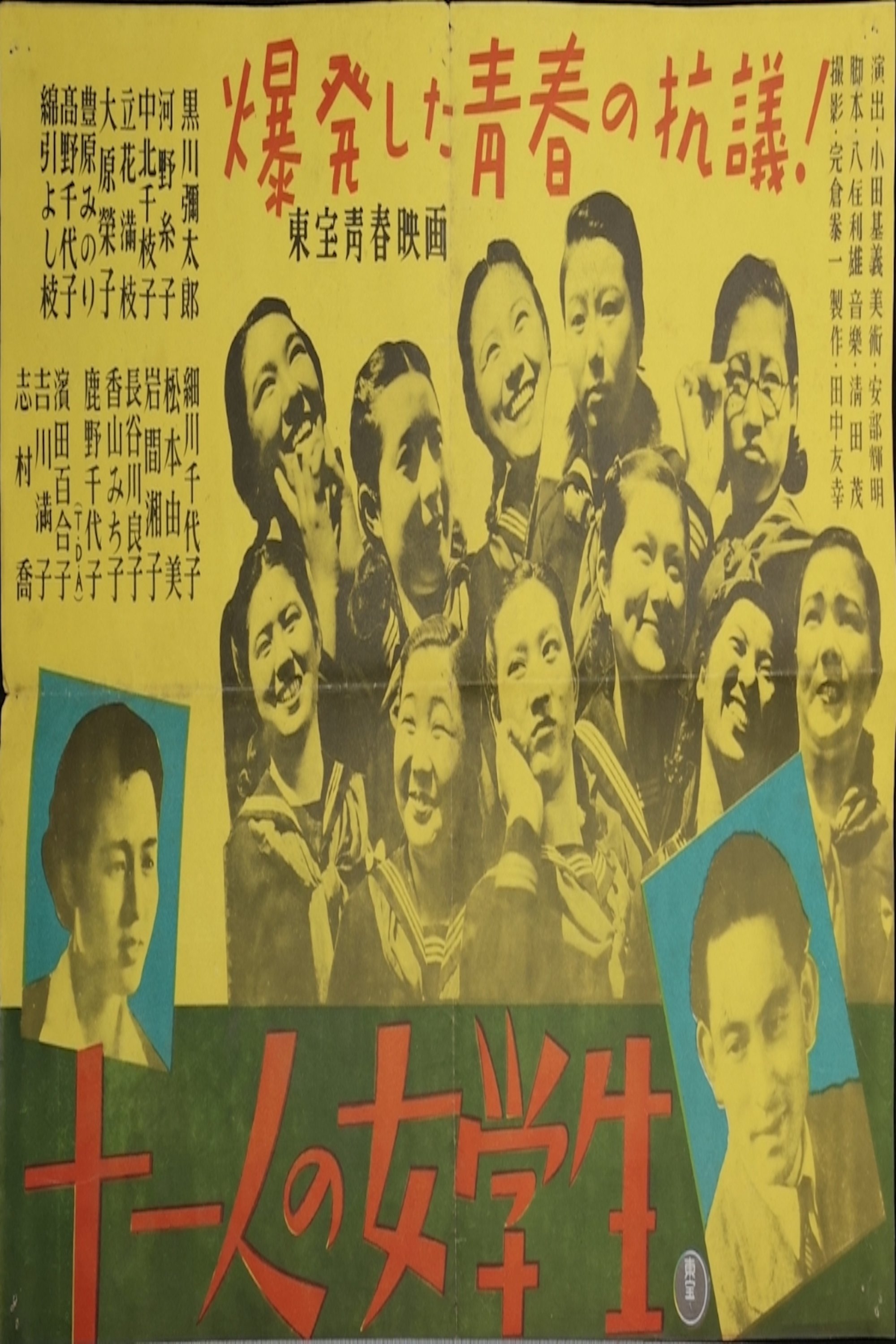
1946
Interprétation
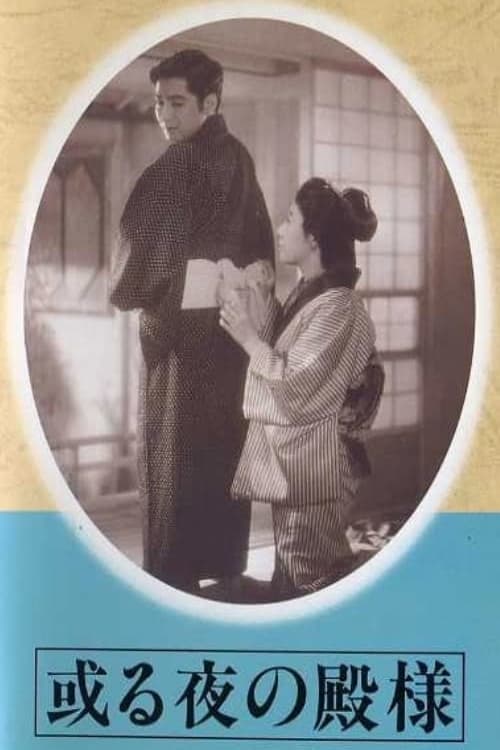
1946
Interprétation
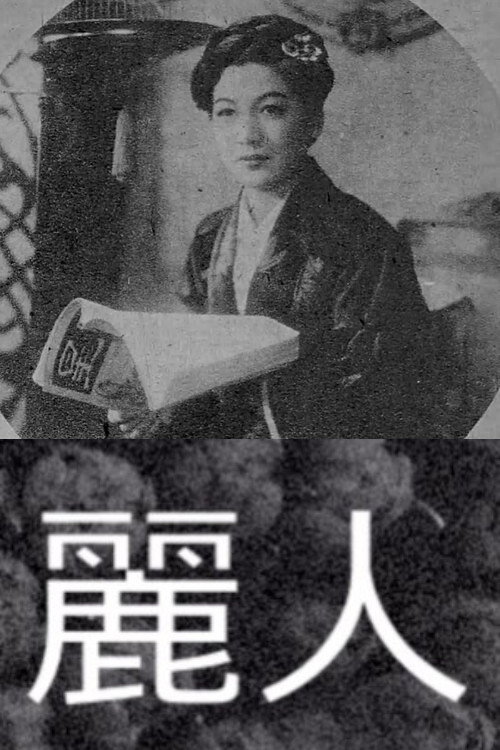
1946
Densuke Isaka
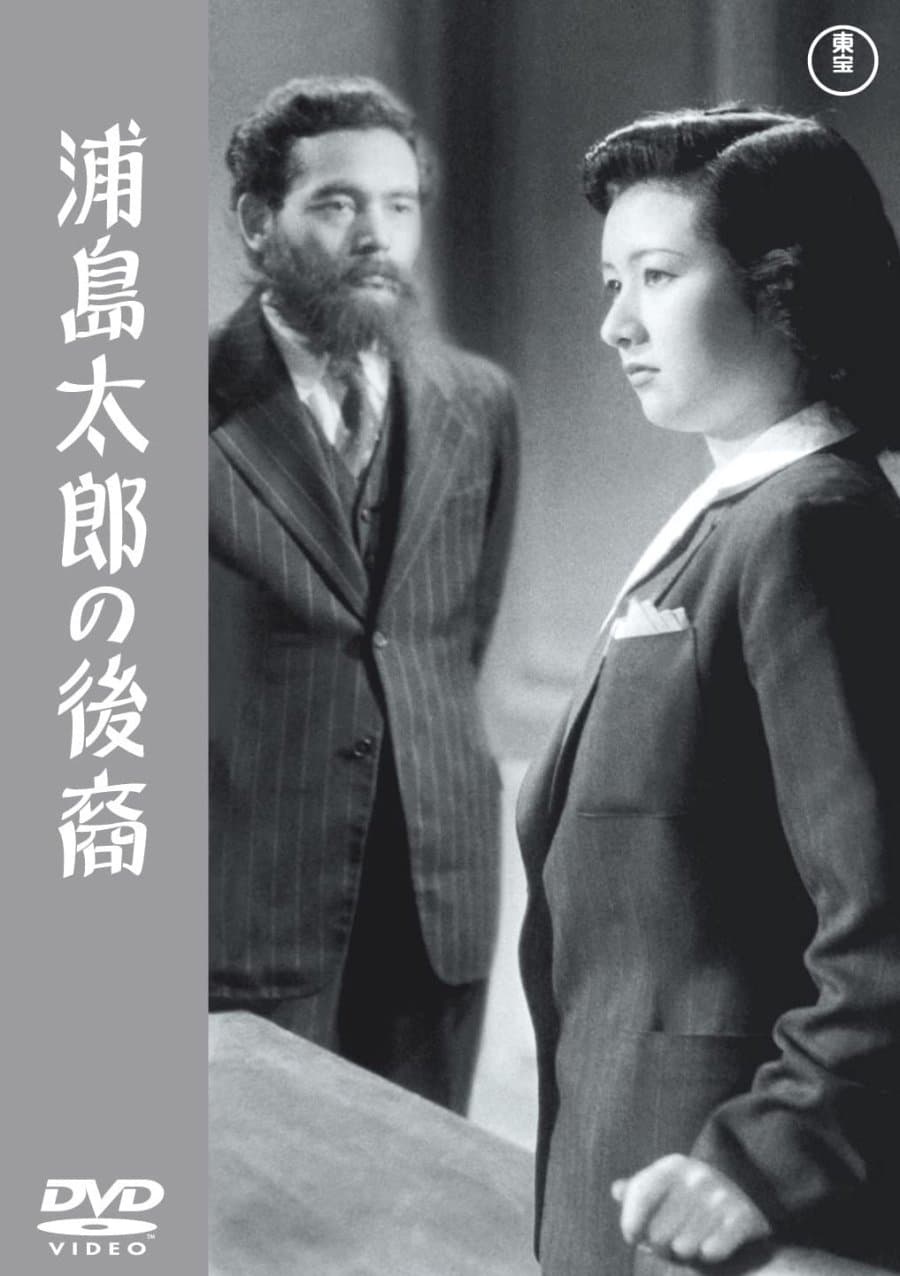
Prétendument inspiré du film « Monsieur Smith au Sénat » de Frank Capra (1939), « Les Descendants de Taro Urashima » raconte l'histoire d'un soldat rapatrié qui devient un politicien populiste au sein du Parti du bonheur japonais.
1946
Interprétation
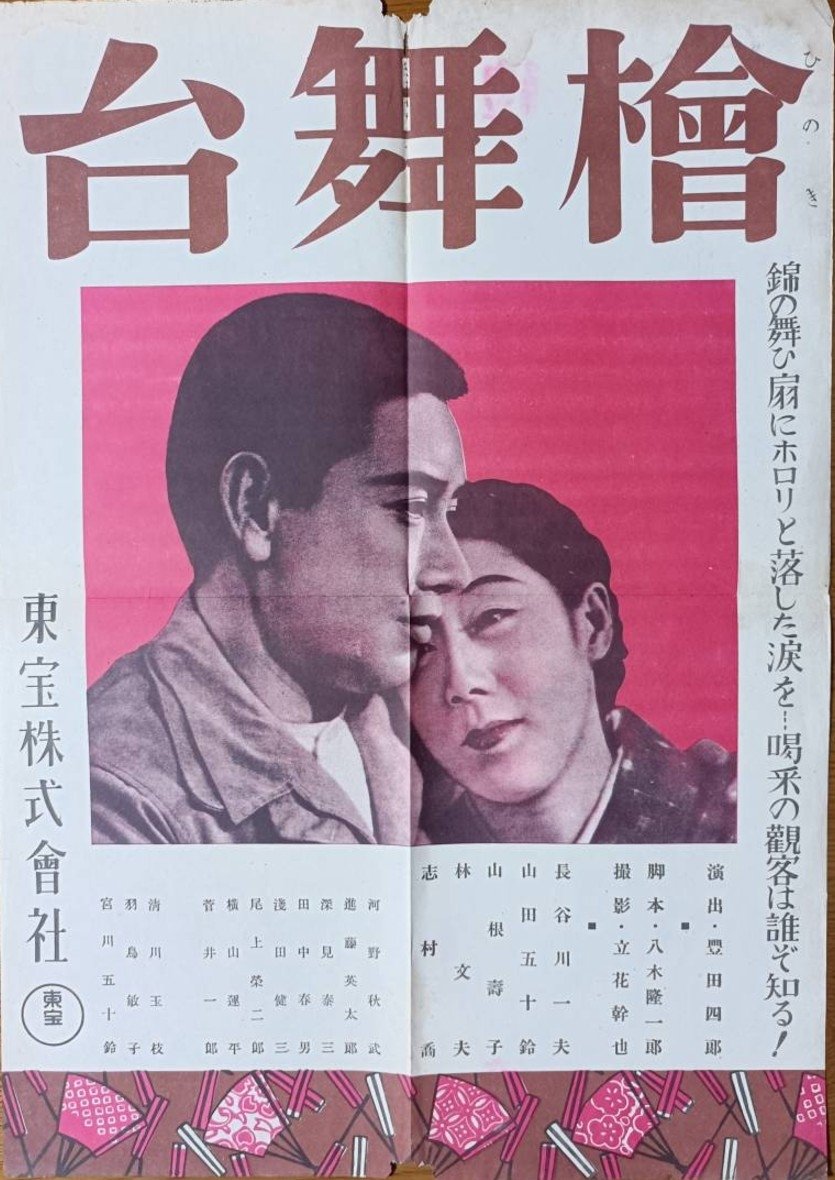
1946
Interprétation
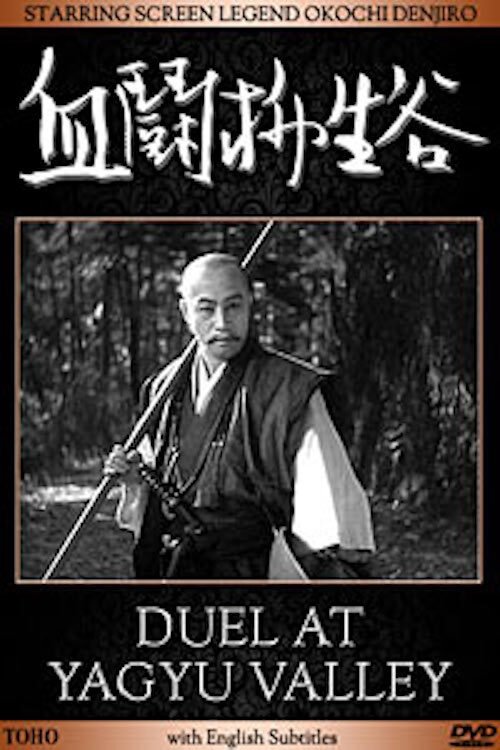
1945
Kijin Juzaemon
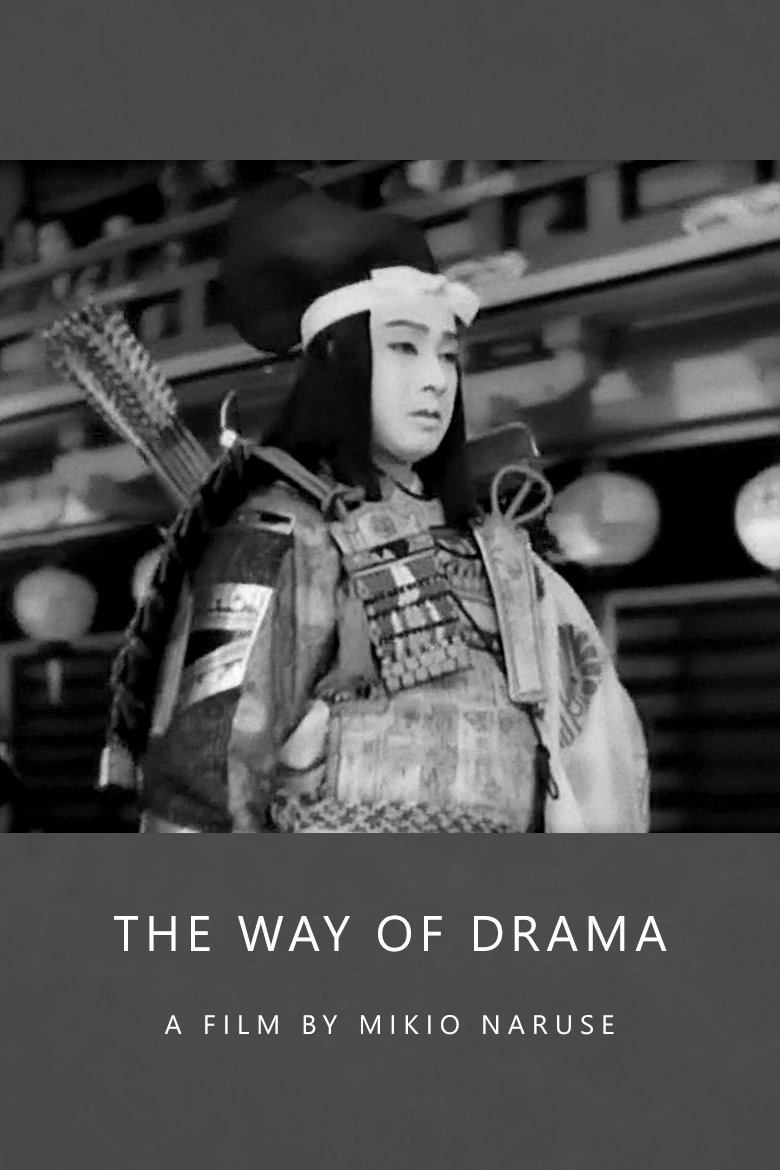
L'apprentissage d'un acteur de théâtre de la troupe Yamatoya.
1944
Interprétation
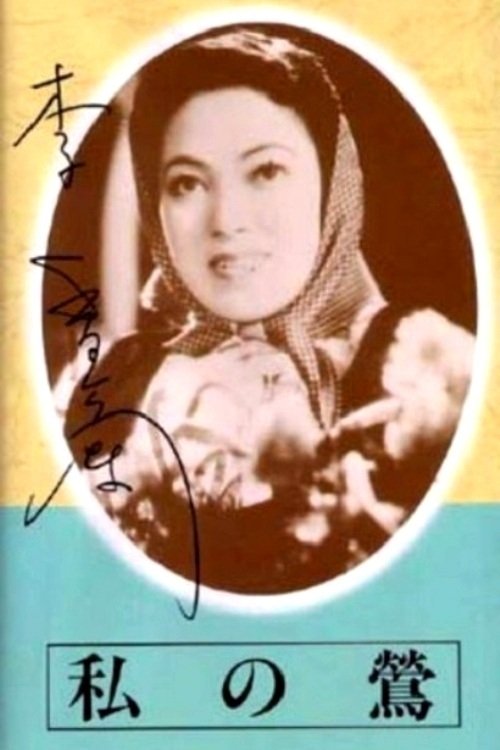
1944
Tatsumi
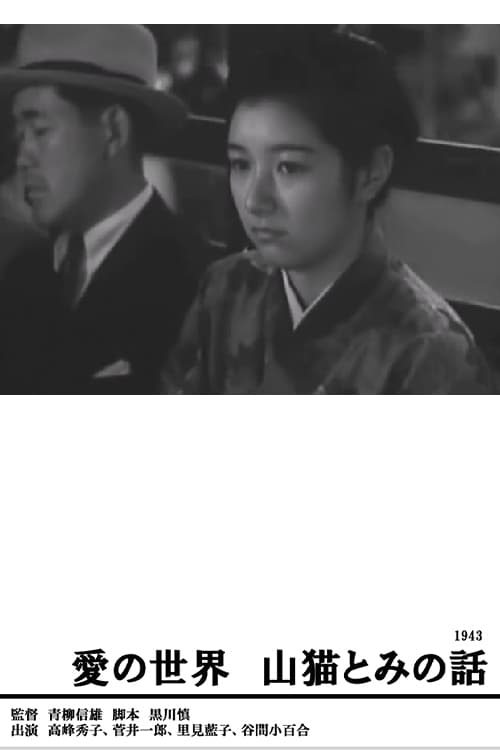
1943
Matsujirô
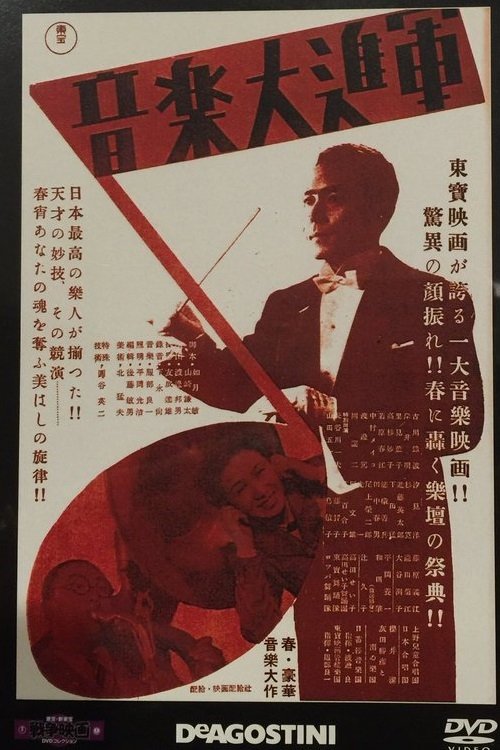
1943
Director
1943
Interprétation
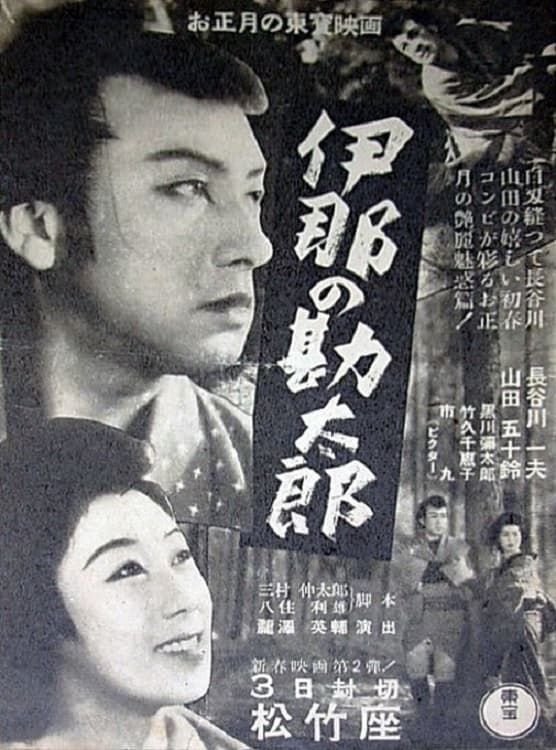
1943
Interprétation
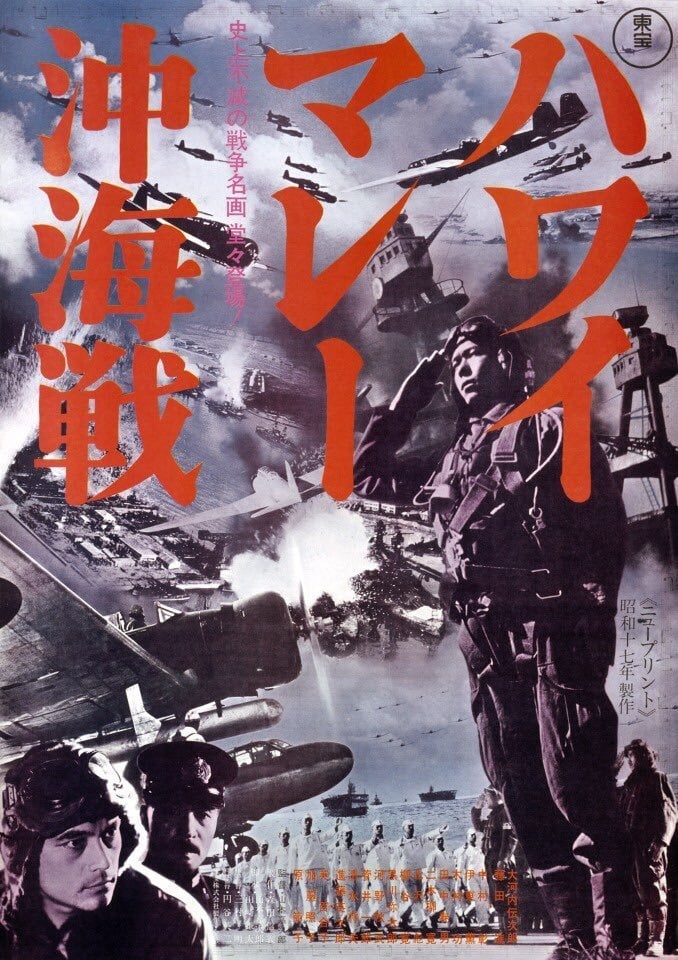
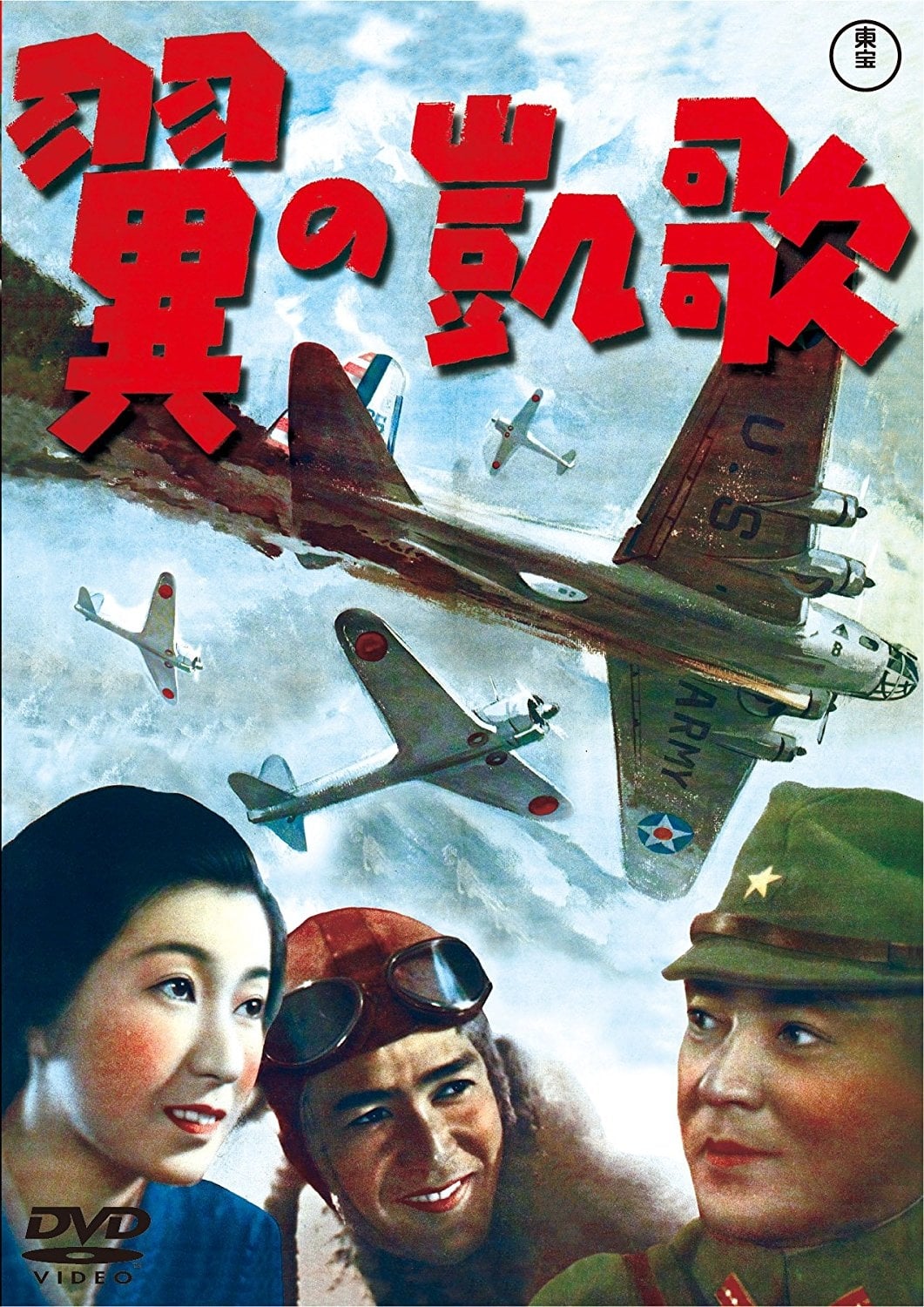
Un drame de propagande japonaise en temps de guerre réalisé près d'un an après l'attaque de Pearl Harbor pour célébrer la victoire.
1942
Kurimoto
1942
Interprétation
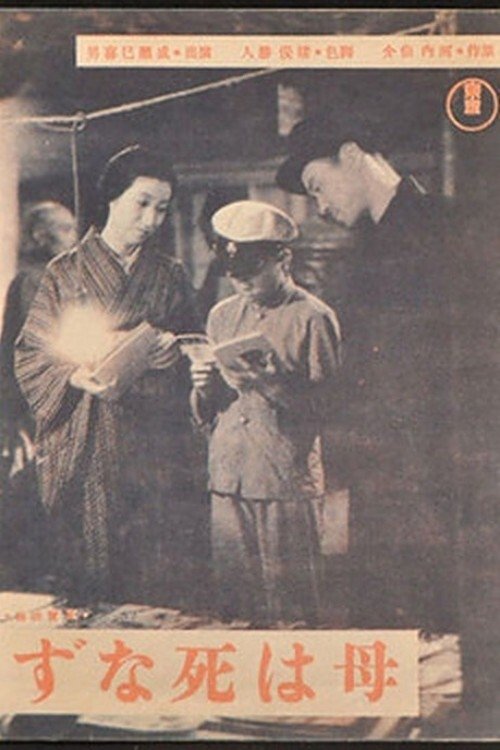
La mort prématurée d'une jeune mère sert d'inspiration à son mari et à son fils.
1942
Interprétation
1942
Interprétation
1942
Sakata

1942
Interprétation
1942
Yuijima
1942
Man With the Knapsack

1941
Samanosuke Karasaki
1941
Interprétation
1941
Interprétation
1941
Interprétation
1940
Interprétation
1940
Interprétation
1940
Interprétation

1939
Interprétation
1939
Ittetsu Inaba
1939
Interprétation
1939
Interprétation
1939
Interprétation
1939
Interprétation
1938
Interprétation
1937
Maki Chutaro
1936
Hayase Sake

Jeune standardiste, Ayako accepte les avances de son directeur pour venir en aide financièrement à sa famille en le faisant chanter. L'affaire éclate au grand jour et l'honneur d'Ayako s'en trouve bafoué. Elle cherche alors désespérément à se refaire une réputation…
1936
Yoshizo Fujino