Pas encore noté
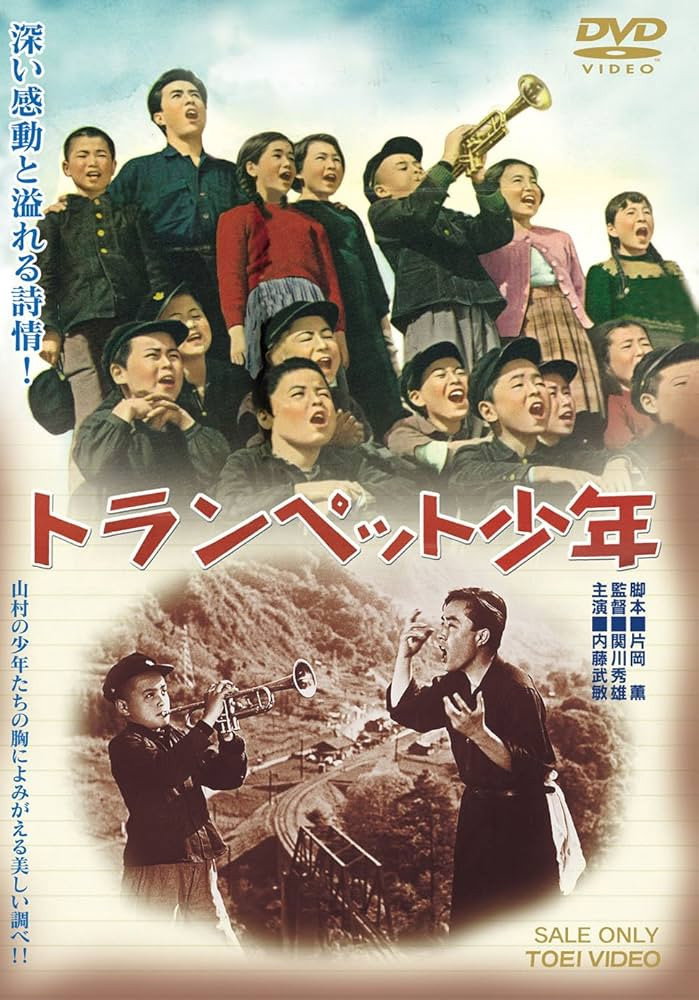
トランペット少年
1955
Réalisation
Tanaka initially trained as a stage actor in the shingeki movement under Kaoru Osanai, but eventually joined the Nikkatsu film studio in 1917. He debuted as a director in 1918 but mostly had to work with shinpa stories, not the shingeki techniques he was used to although two early films, The Living Corpse (Ikeru shikabane) and The Cherry Orchard (Sakura no sono) were based on Tolstoy and Chekhov respectively.[3] Working in parallel with the Pure Film Movement, Tanaka made two films, Kyōya eirimise (1922) and Dokuro no mai (1923), based on his own screenplays, that were highly praised for their cinematic technique.[1] He remained a rather conservative filmmaker and still used oyama (male actors) in female roles, including in his masterpiece Kyōya eirimise, a melodrama about a merchant's destructive love for a geisha. He used actresses for the first time in Dokuro no mai, a story of a monk reminiscing about his youth and early loves.
1955
Interprétation

En mars 1945, pendant l'offensive de l'armée américaine sur Okinawa, les jeunes filles des écoles sont ammenées sur le terrain pour soigner les blessés. Leur emblème est le lys blanc, ou une fleur de cerisier. Le film relate leur épopée jusqu'à leur sacrifice final.
1953
Interprétation
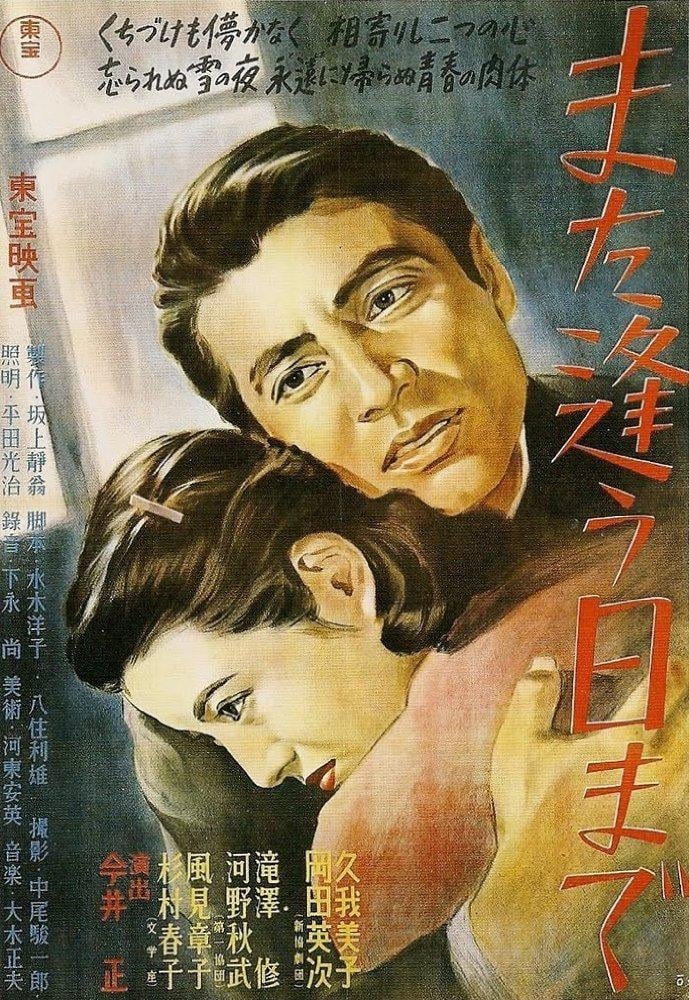
Printemps 1945, la cruauté de la guerre règne. Saburô, étudiant, fait la connaissance dans un abri anti-aérien de Keiko dont la mère est ouvrière dans une usine d’armement. Keiko, artiste, tente de vivre de sa peinture.
1950
Interprétation
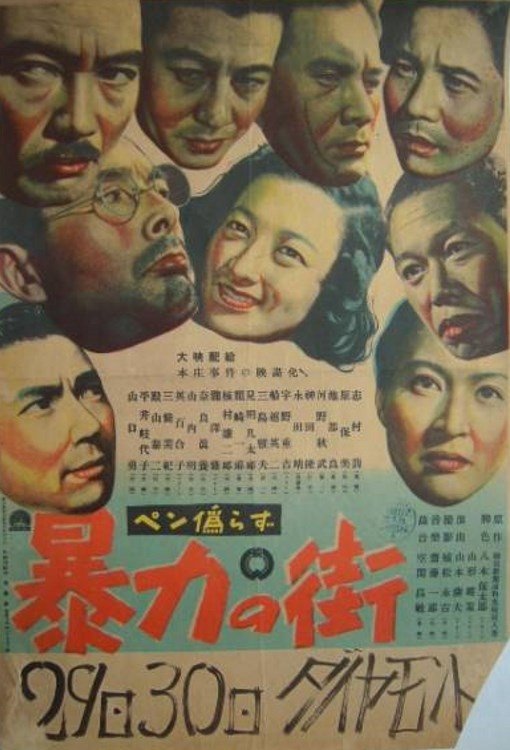
1950
Hardware dealer
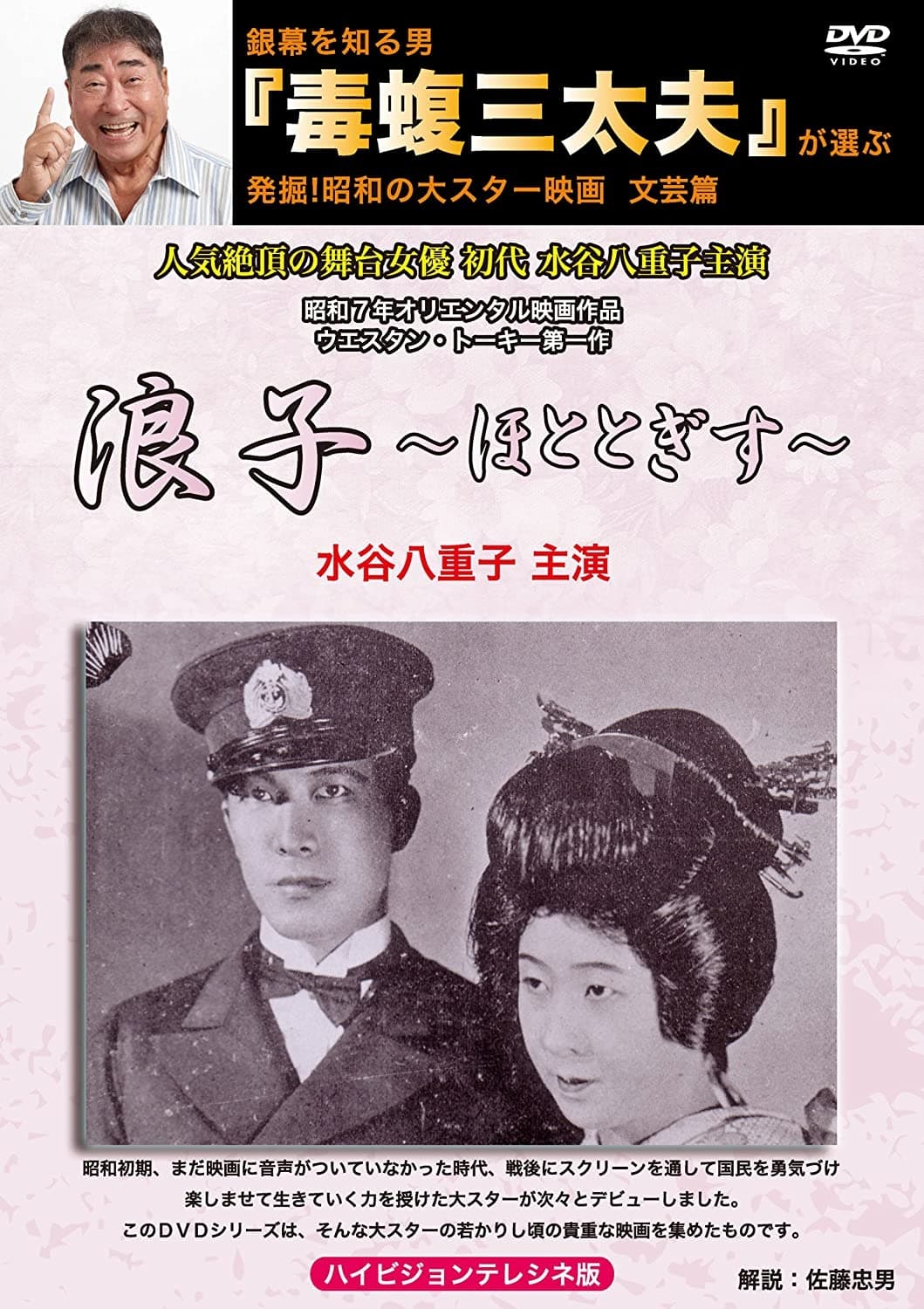
1932
Réalisation
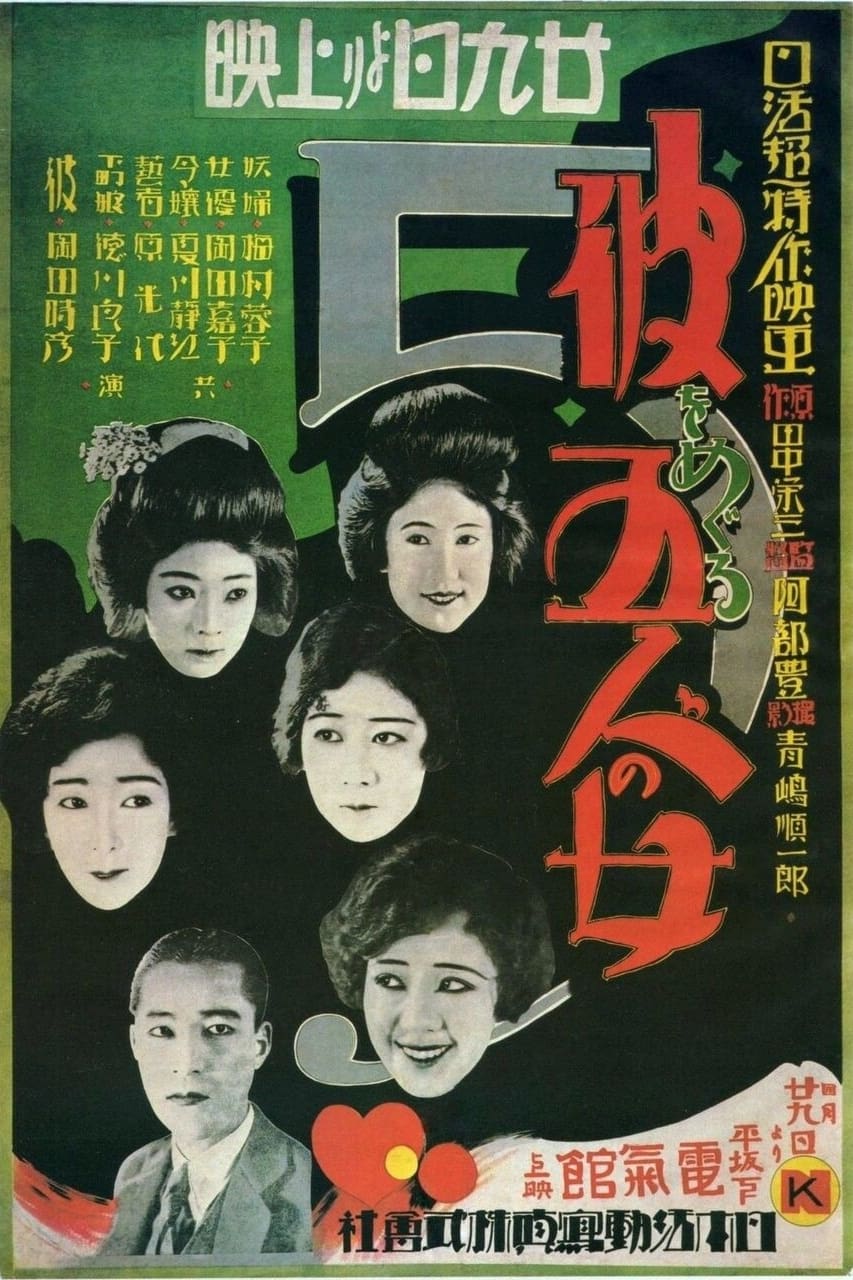
1927
Scénario
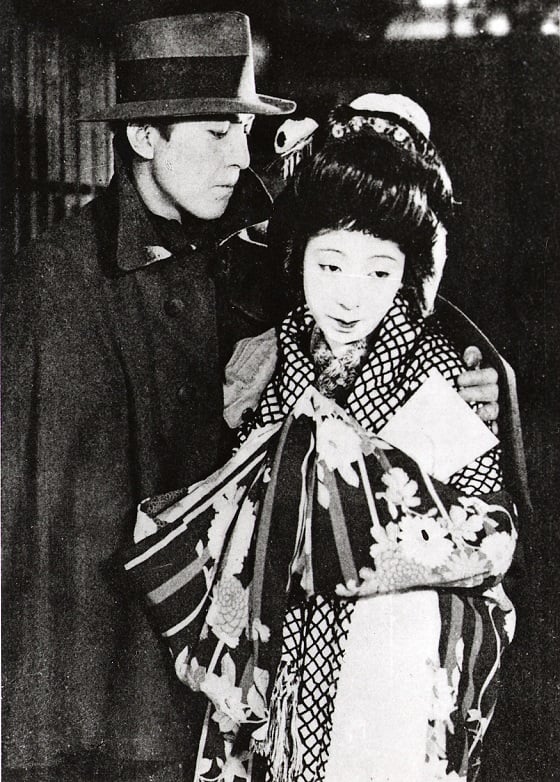
1926
Scénario
1923
Réalisation
1922
Réalisation
1921
Réalisation
1921
Réalisation
1921
Réalisation
1918
Réalisation
1918
Réalisation