8,0
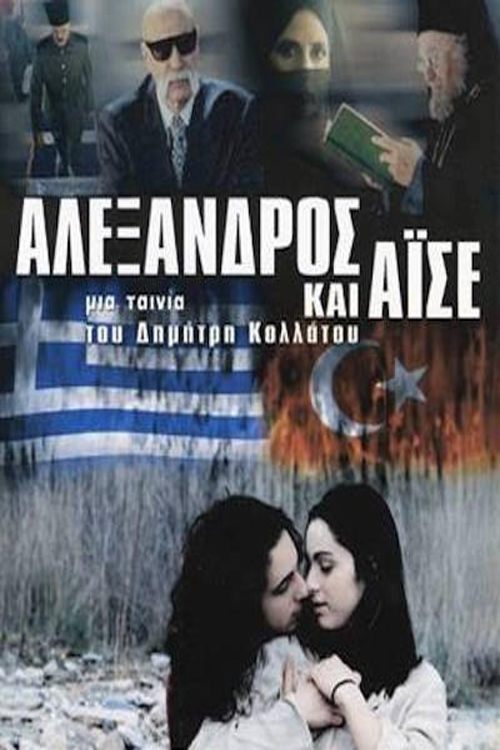
Αλέξανδρος και Αϊσέ
2001
Interprétation
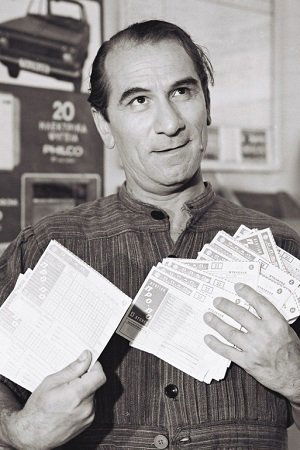
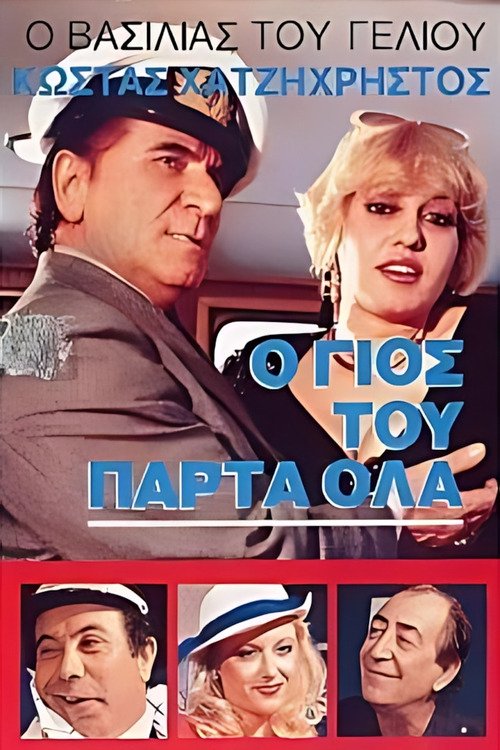
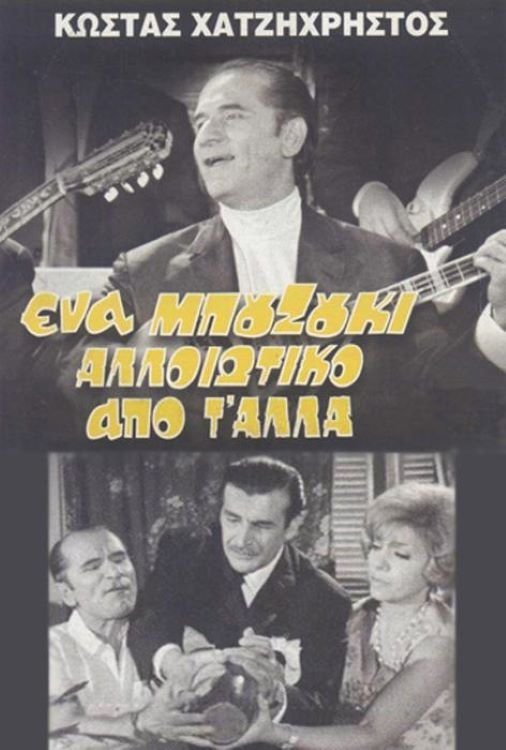
Kostas Hatzichristos or Costas Hajihristos (Greek: Κώστας Χατζηχρήστος; 1921 – October 3, 2001) was a Greek actor. He was born in Thessaloniki, Greece, to a large family of thirteen members, he was the eleventh child of the family. His parents were from Constantinople (today Istanbul), and they were initially relocated to Kavala, moved to Thessaloniki thereafter, and later moved to the northern Athens suburb of Pagkrati. The young Kostas studied initially at the Sergeants Major Military School of Syros and finished his studies in the Kavala. He worked in the variety theatre Missouri in Piraeus and with the Nitsa Gaitanaki company where he played in The Grouch (Το Στραβόξυλο) by Dimitris Psathas. From 1945 until 1948, he worked in an operetta company owned by Paraskevas Oikonomou and appeared in the Pefka variety with Oikonomidis and Oasia with Mimis Traiforos. In 1949‒50, he participated in Koula Nikolaidou's musical company at the Verdun theatre (Θέατρο Βερντέν) at Alexandras Avenue. At the Verdun theatre, Hatzichristos acted for his first time in his successful run in the role of a villager character called Thymios, a role inspired by Kostas Nikolaidis, brother of his wife Mary Nikolaidou. Hatzichristos first screen appearance was in the movie The Knights' Castle in 1952 with Giorgos Asimakopoulos and Nikos Tsiforos. At the same time, he was successful at the theatre founded in 1952 by his own theatrical troupe. In 1960, he became a theatrical entrepreneur and founded his own theatre: Hatzichristos Theatre (Θέατρο Χατζηχρήστου). The theatre premiered on 18 February 1960, and was later renamed as the Treatre Orfeas. It was located at Panepistimiou Avenue in the Athens neighborhood of Akadimia. Among the greatest successes in his career were the films What a Mess (Της Κακομοίρας) in 1963 and Τhe Man Who Returned from the Plates (Ο Άνθρωπος που Γύρισε από τα Πιάτα!) in 1969 with Anna Fonsou and Dionysis Papagiannopoulos. He also produced three films and directed eight. His theatrical work continued until 1983. After a long period of absence, he returned into the theatre in 1994‒95 era and played in the local Hatzichristos Theatre. His difficult years begun when his third wife, Eleni Pantazi died at the age of 42. Kostas Hatzichristos died by cancer on 3 October 2001, suffering from economic problems.[20] He was interred at public expense at First Cemetery of Athens on 5 October 2001.
2001
Interprétation

1988
Kostas
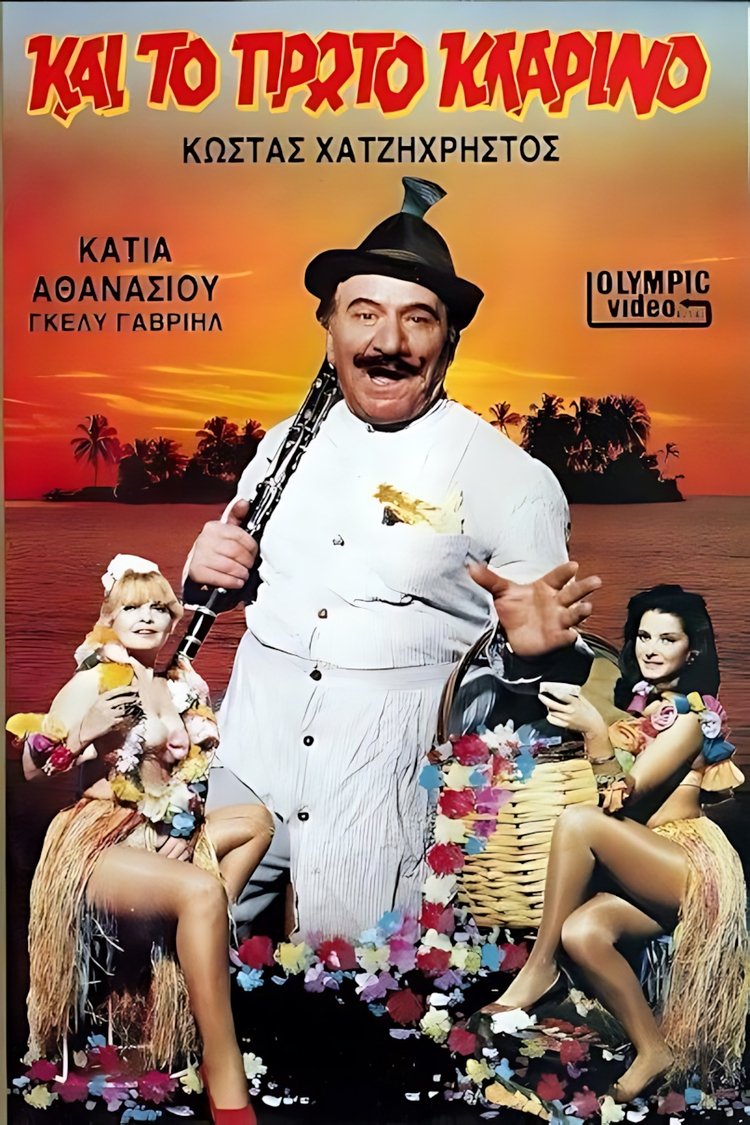
1988
Interprétation
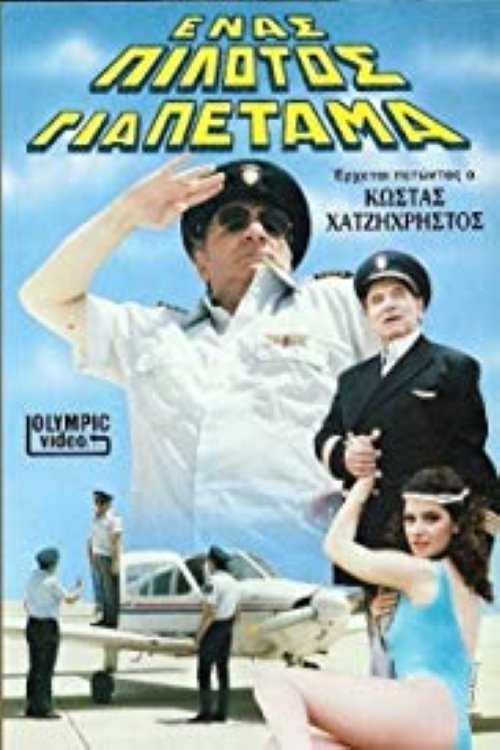
1987
Thymios
1986
Interprétation

1981
Θύμιος

1979
Interprétation
1978
(archive footage)
1972
Εκδότης

1971
Thymios / Tsitsios

1970
Interprétation
1970
Kostas Karavedouras
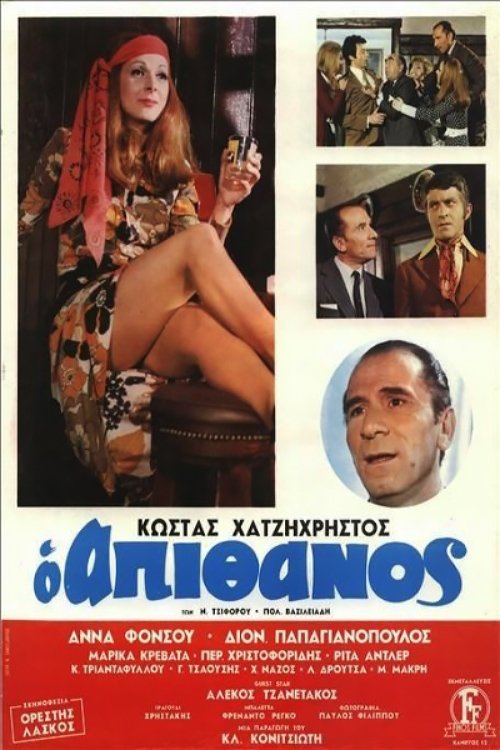
1970
Makis Harisis

1970
Leandros Perperis
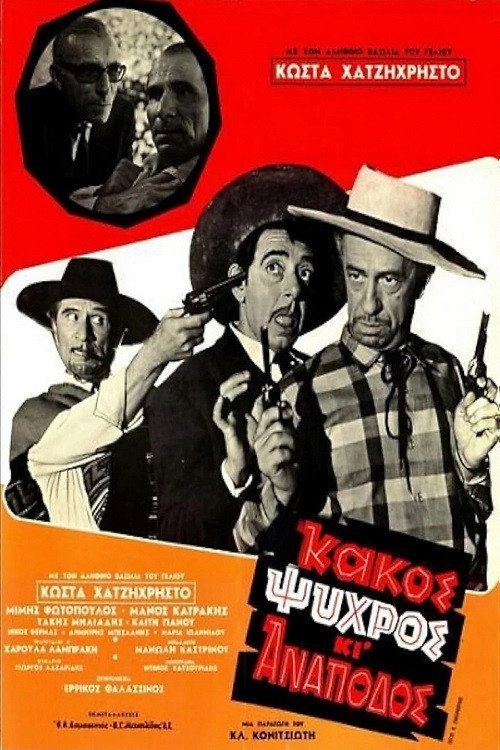
1969
Thymios / Kostas Papahatzis

1969
Laki Petris

1968
Thymios Kabourlas
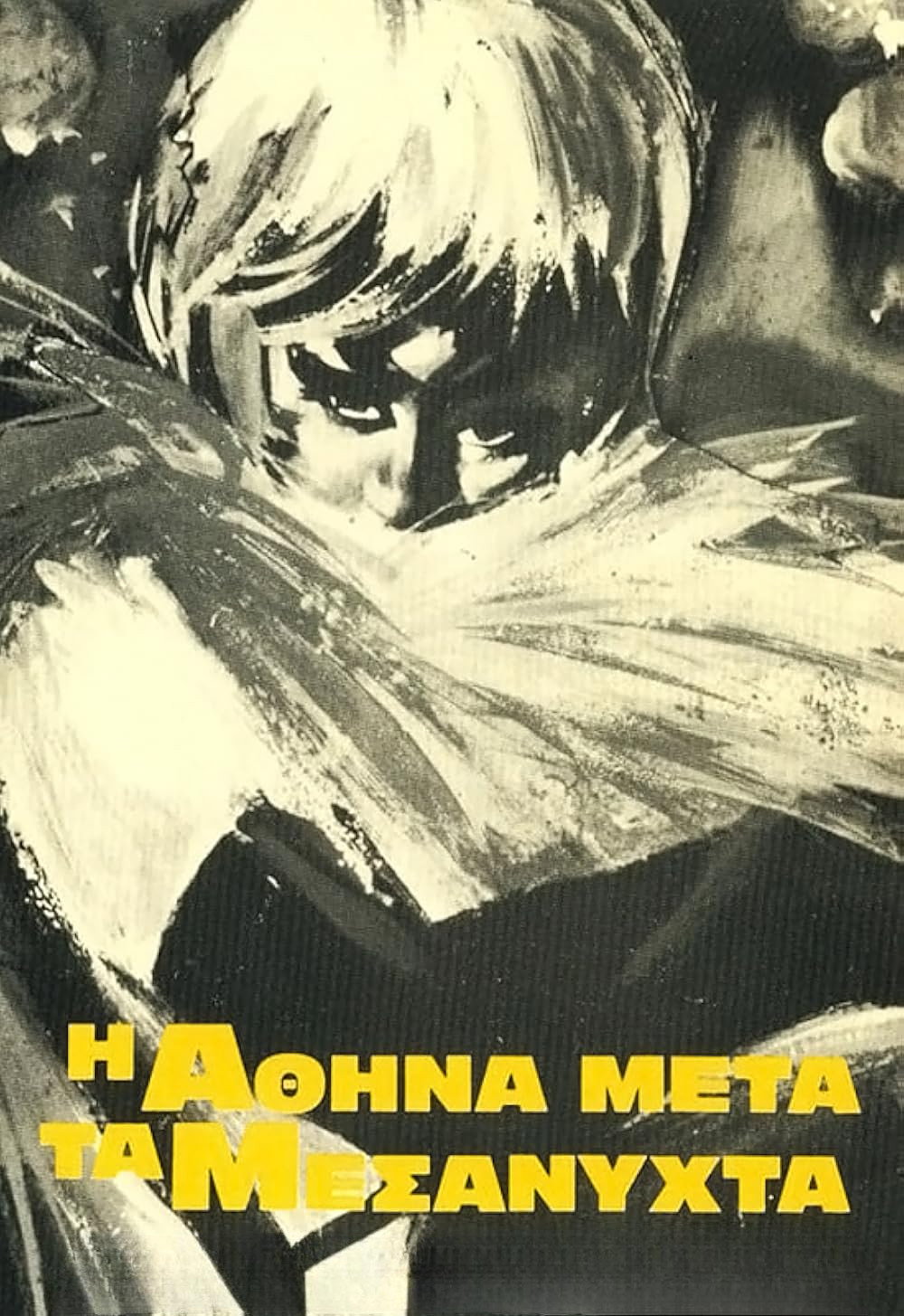
1968
Interprétation

1967
Thymios

1966
Manolis Pelekoudis

1966
Dimos
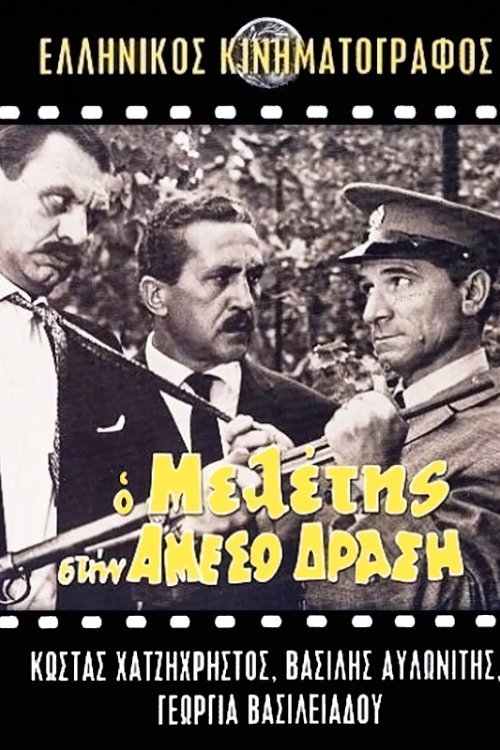
1966
Meletis

1966
Thymios
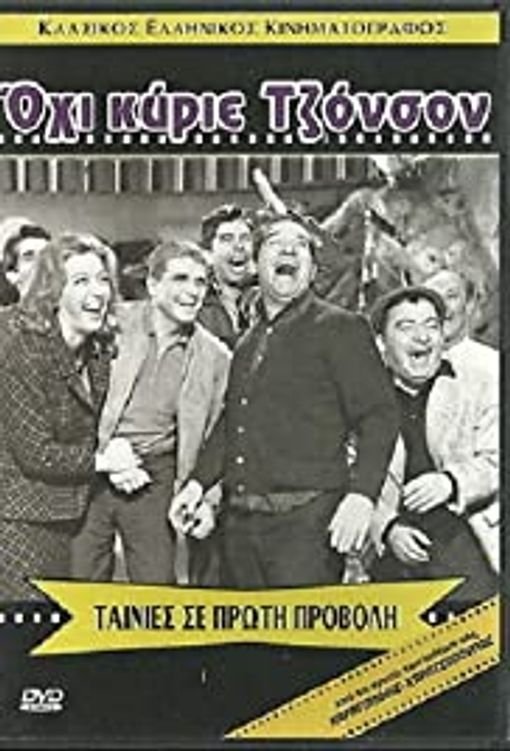
1965
Interprétation

1965
Kosmas Bouralas
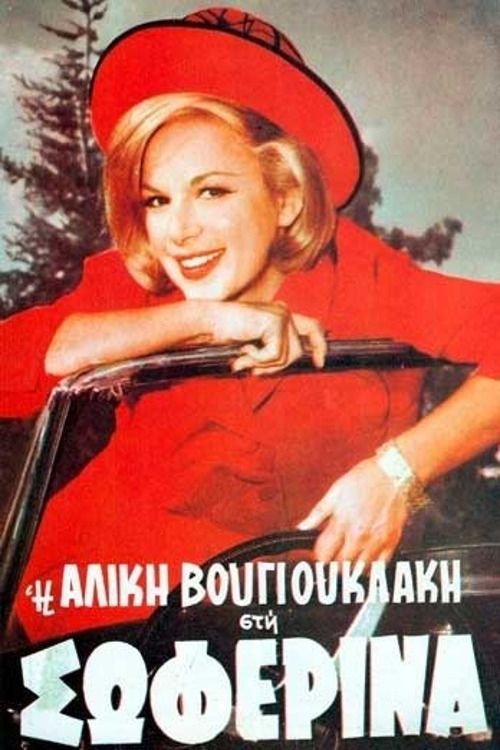
1964
policeman

1964
Pantelis Kazouras

1964
Kosmas Peristeris
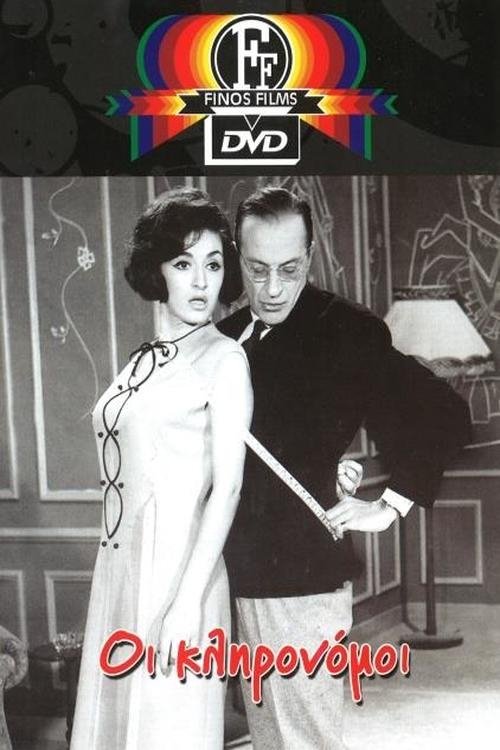
1964
Panagiotis Tsokos

1964
Corp. Thanasis Prasinadas
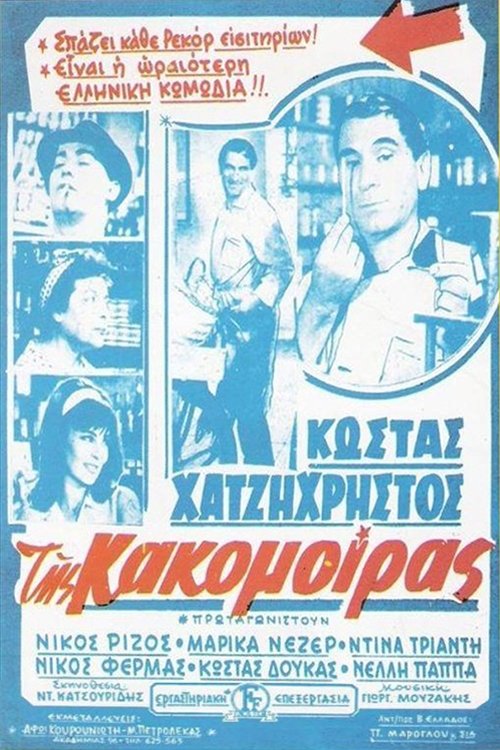
1963
Zikos
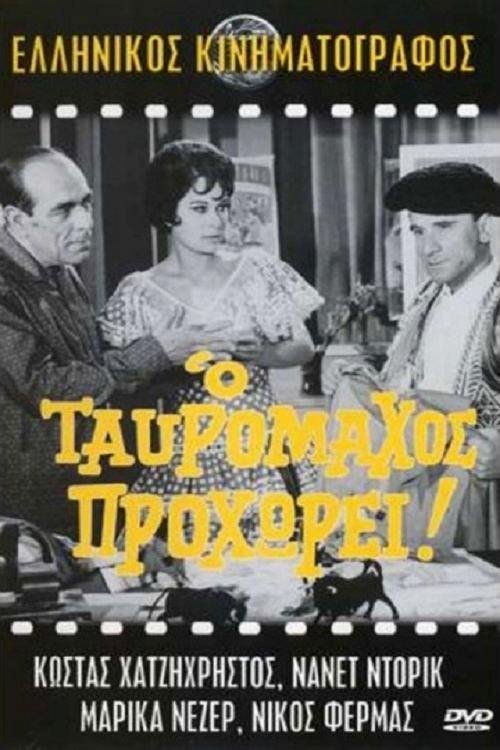
1963
Mihalis

1963
Kanellos

1963
Interprétation
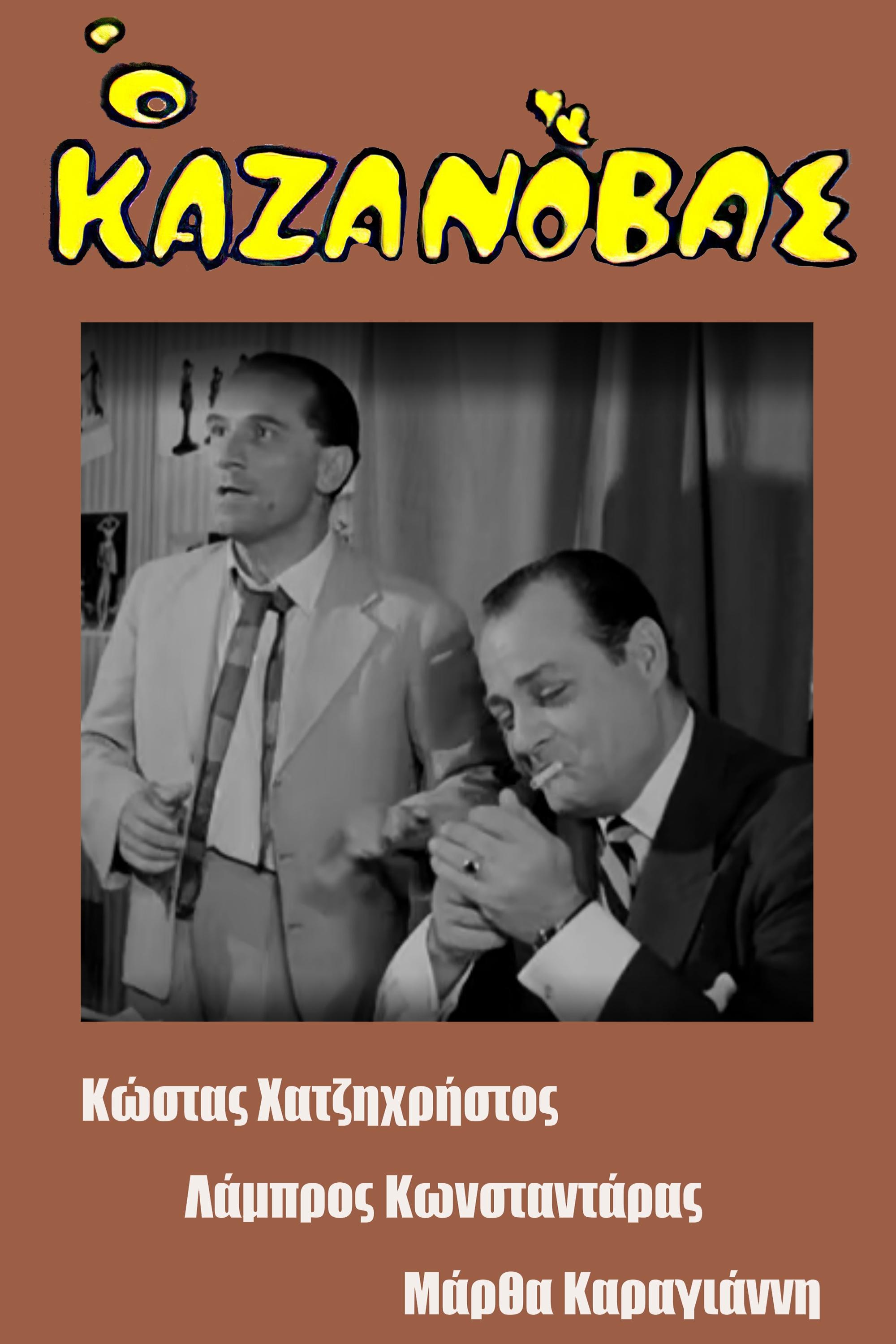
1963
Giorgos Hatzigeorgalas
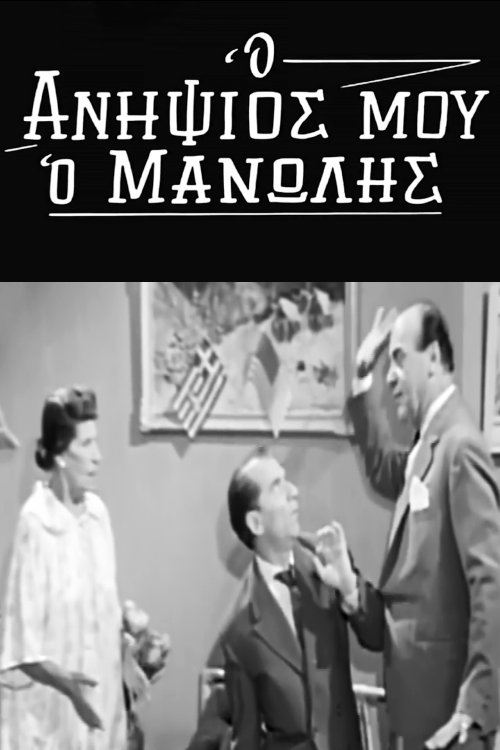
1963
Manolis Maramenos
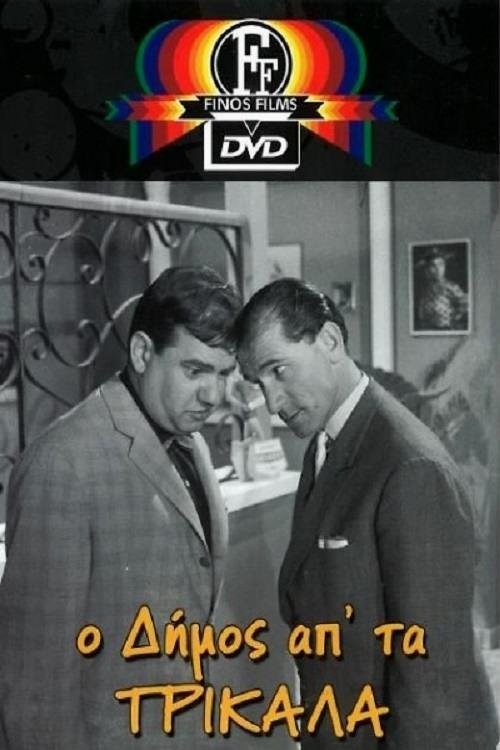
1962
Paraskevas

1962
Mihalios Karamihalis

1962
Thanasis Perimenis

1962
Interprétation
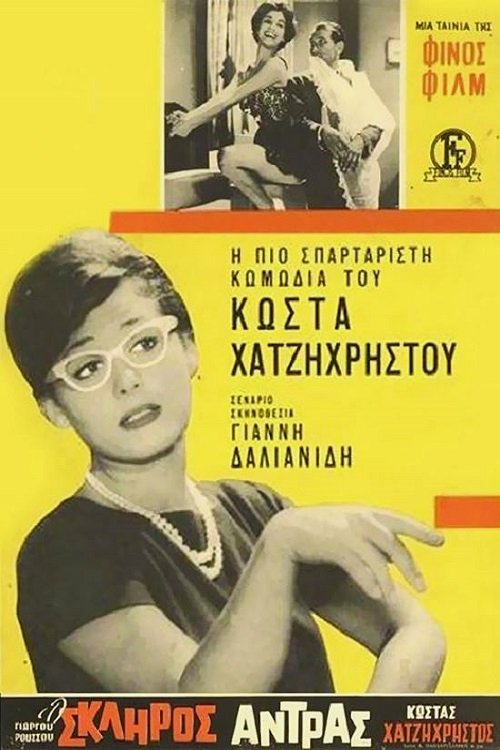
1961
Iraklis Leontopoulos

1961
Simos Papafigos

Une fille pauvre mais travailleuse et altruiste tombe amoureuse de son patron et le sauve à maintes reprises de problèmes qui menacent ses affaires ...
1961
Loukas Manis
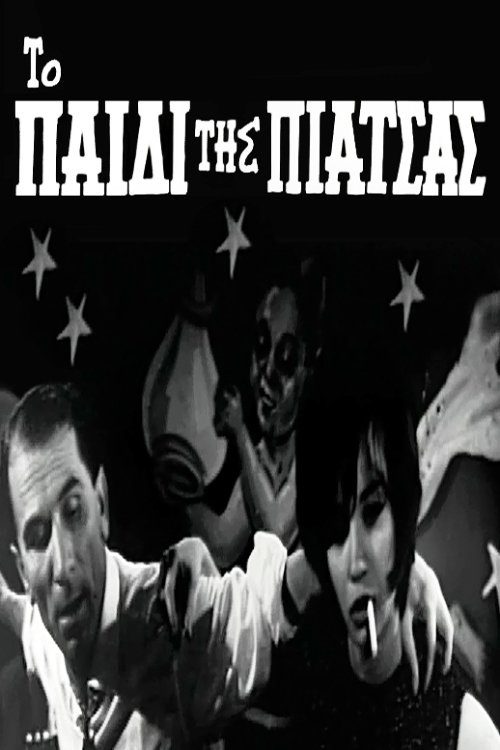
1961
Mimis Fakis

1960
αστυφύλακας

1960
Thomas Makrykostas
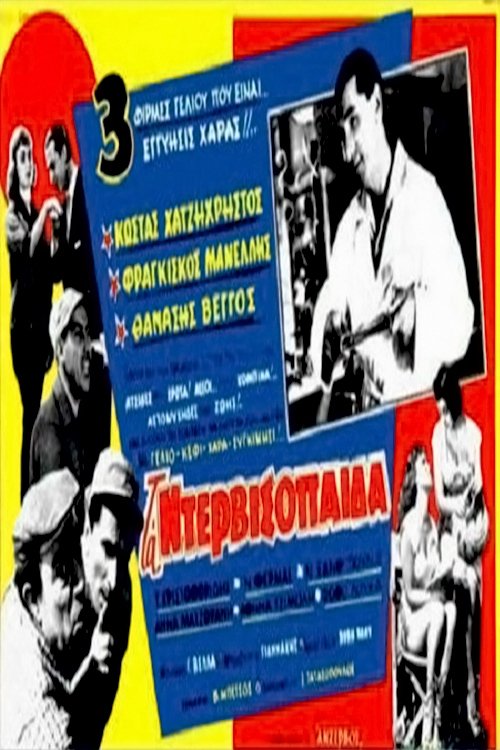
1960
Thodoros
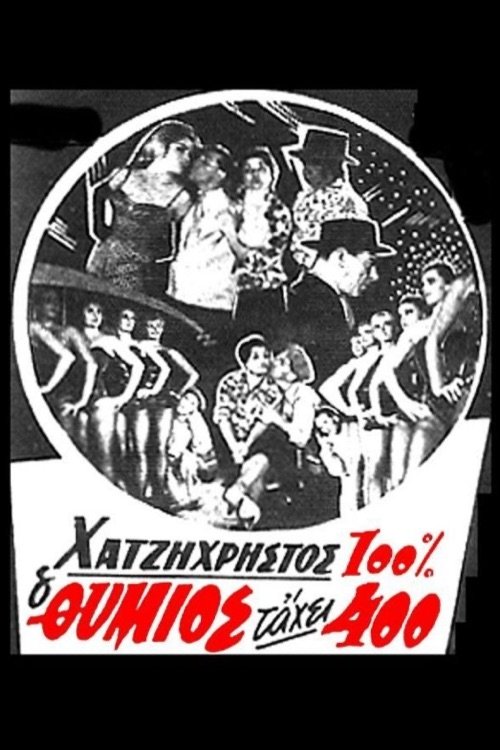
1960
Thymios Taboulas / Kostas Hatzis

1959
Kostas

1959
Efthymios Tamzourlas
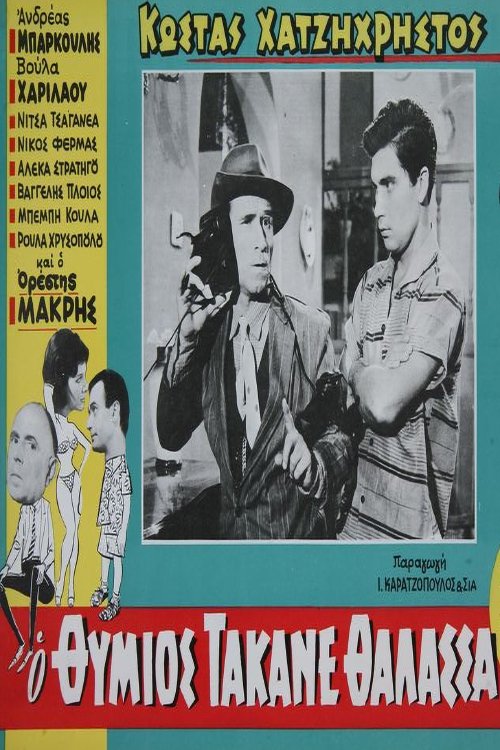
1959
Thimios Boukouras (Dr. Spyros Beliris)

1959
Hlias
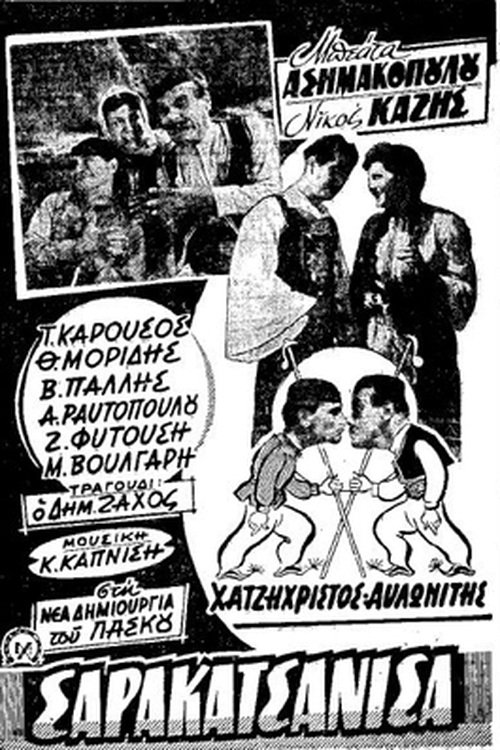
1959
Interprétation

1959
Thanasis Karatribouras

1959
Tonis
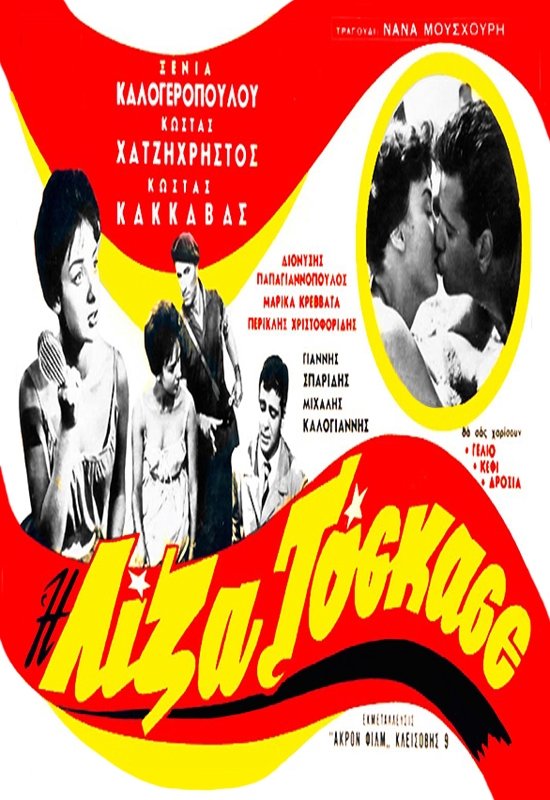
1959
Iordanis Kollaros

1959
Interprétation

1959
Interprétation

1958
Interprétation
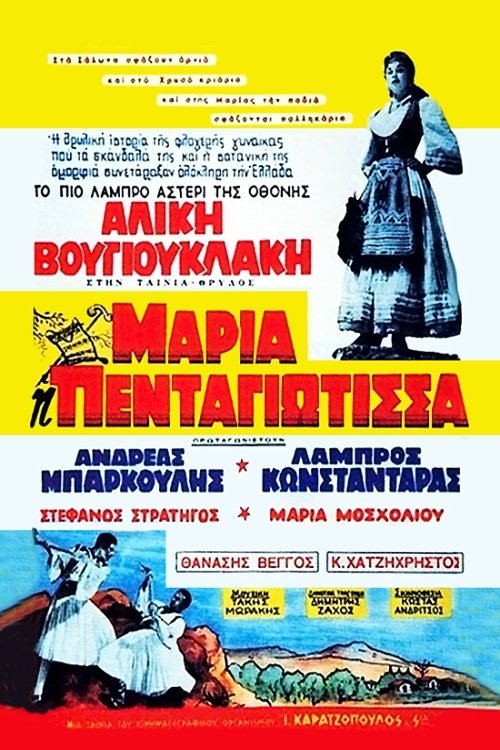
1957
Thymios

1957
Giorgaras

1957
Polyzois

1957
Vangelis
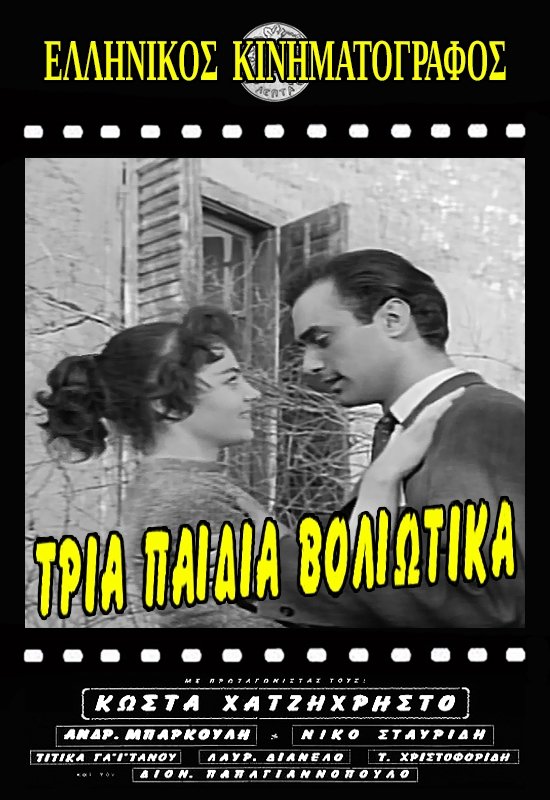
1957
policeman Dimos

1957
Alexandros Kortakias
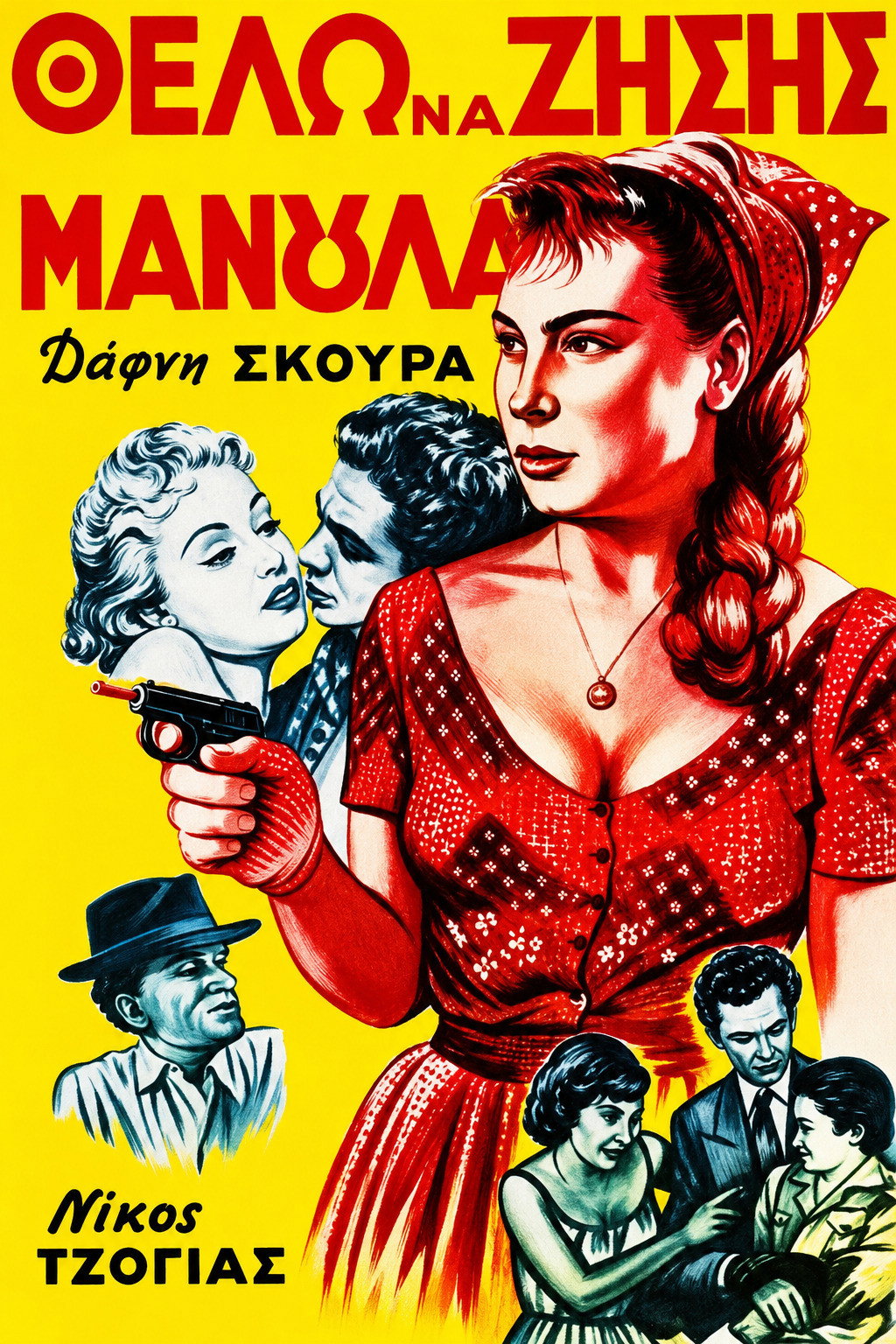
1957
Interprétation

1956
Αγαμέμνων
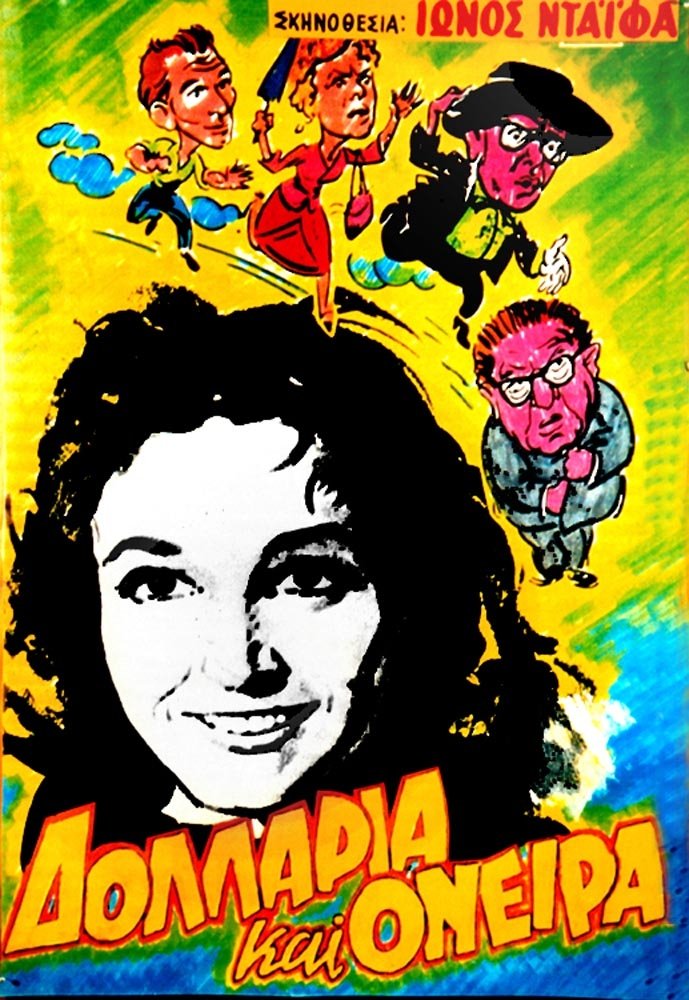
1956
Interprétation
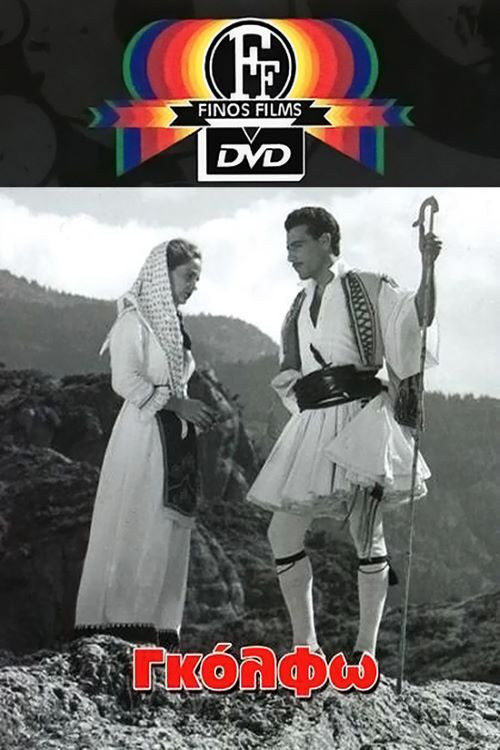
1955
Interprétation

1955
Gerlas

1955
Thymios

1955
Filippas
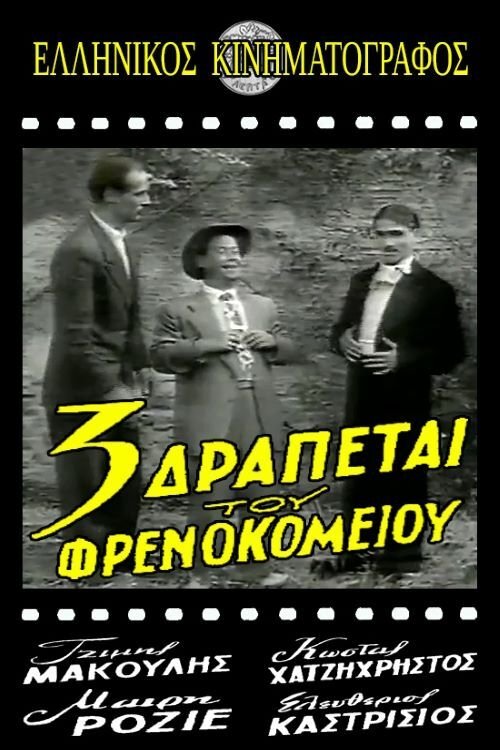
1954
Interprétation
1954
Interprétation
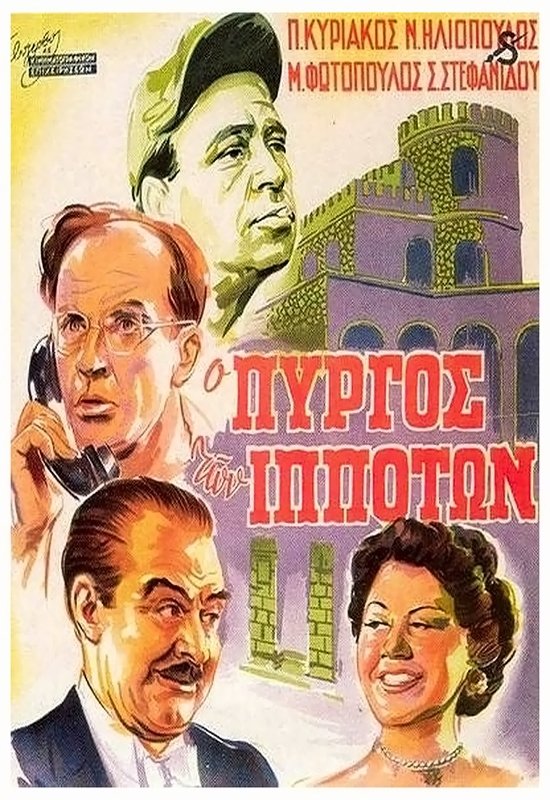
1952
Interprétation
Zikos