3,8
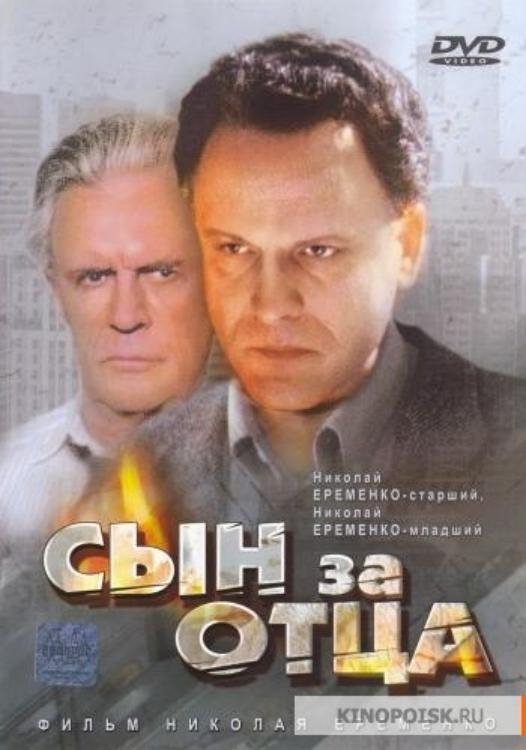
Сын за отца...
1995
Interprétation
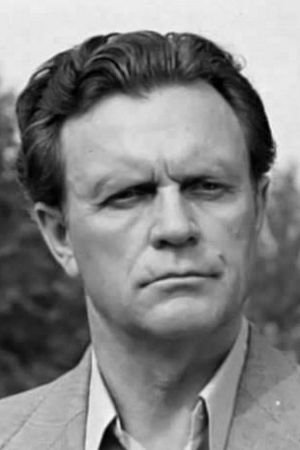
Soviet and Belarusian film and theater actor. People's Artist of the USSR (1989). After graduating from a vocational school, he worked as a turner. In the Red Army since 1941. He added three years to get to the front at the age of 15. He graduated from junior lieutenant courses in Novosibirsk (1942). Member of World War II. The cavalryman of the 11th Cavalry Corps (reserve of the headquarters of the corps) was captured in July 1942 near Vyazma, near the village of Komary. He managed to survive in a Nazi concentration camp, escaped from captivity. After returning home, he was sent to a filtration camp in Vyshny Volochek; as a result of the verification, he was reinstated in the rank. After the war, he came to Vitebsk to his mother’s homeland, where she returned after a false notification of her son’s death. He took part in amateur performances, he was noticed and invited to the theater studio at the Belarusian Drama Theater named after Jan Kolas. There he met his wife, actress Galina Orlova. At the end of the studio in 1948 he worked as an actor in the theater (1948-1959). Since 1959 - actor of the Belarusian Drama Theater named after Jan Kupala (Minsk). He began acting in films in 1960. Member of the CPSU since 1964. He had two heart attacks. He died on June 30, 2000 as a result of a second heart attack. He was buried in Minsk at the Eastern cemetery.
1995
Alexander Nikolaevich
1993
Гурий Лукачёв

1991
Interprétation
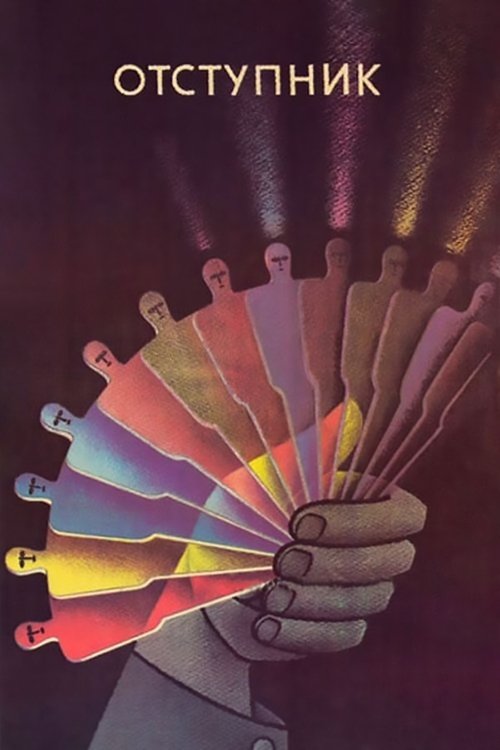
1987
Doron

1983
Interprétation
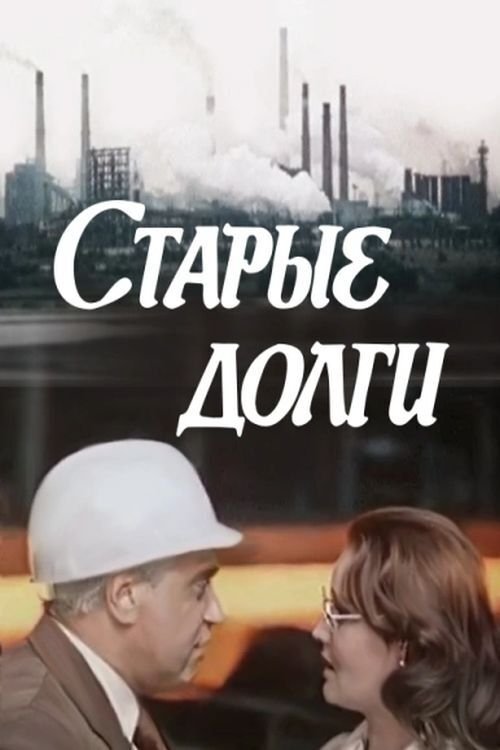
1980
Interprétation
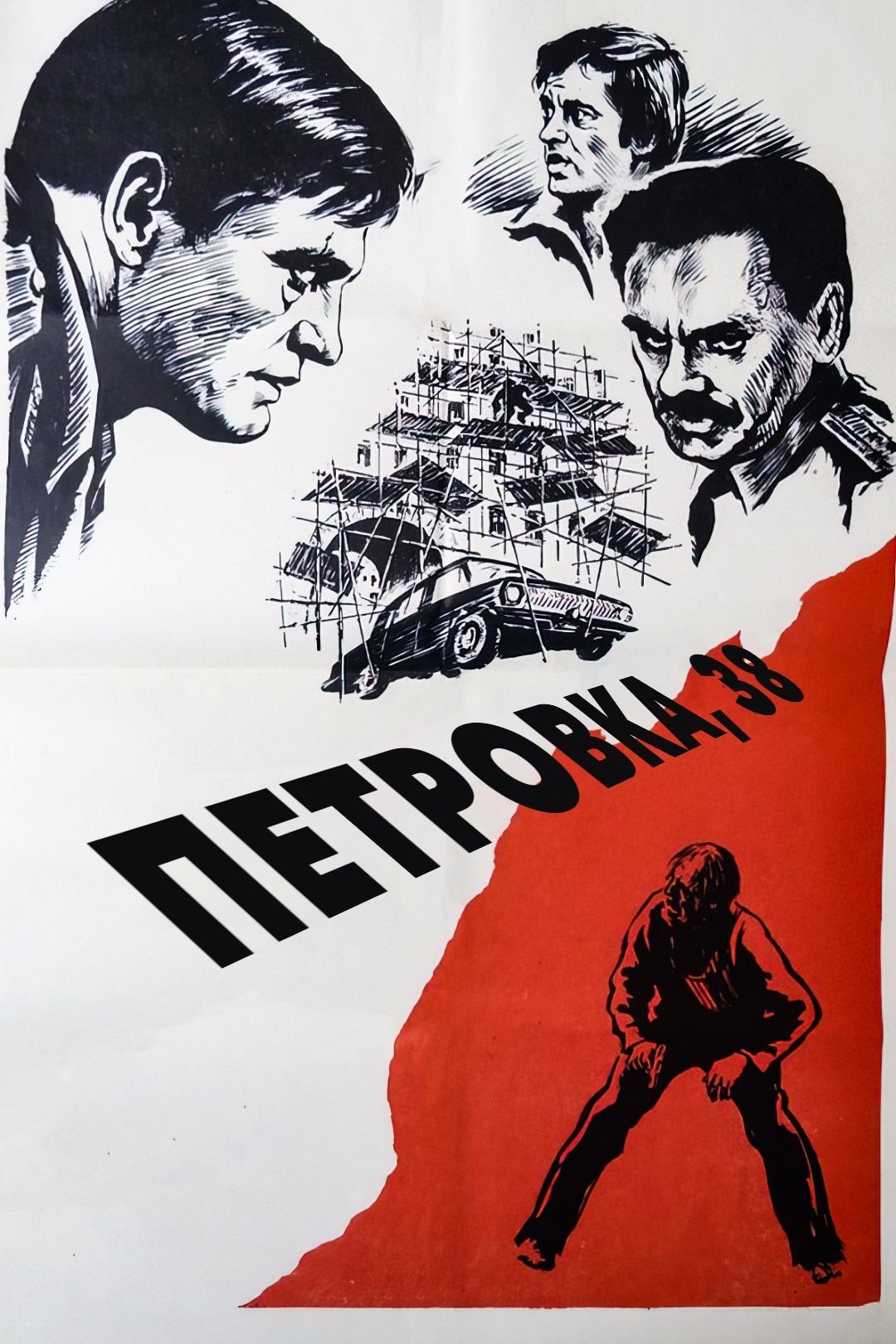
1980
general
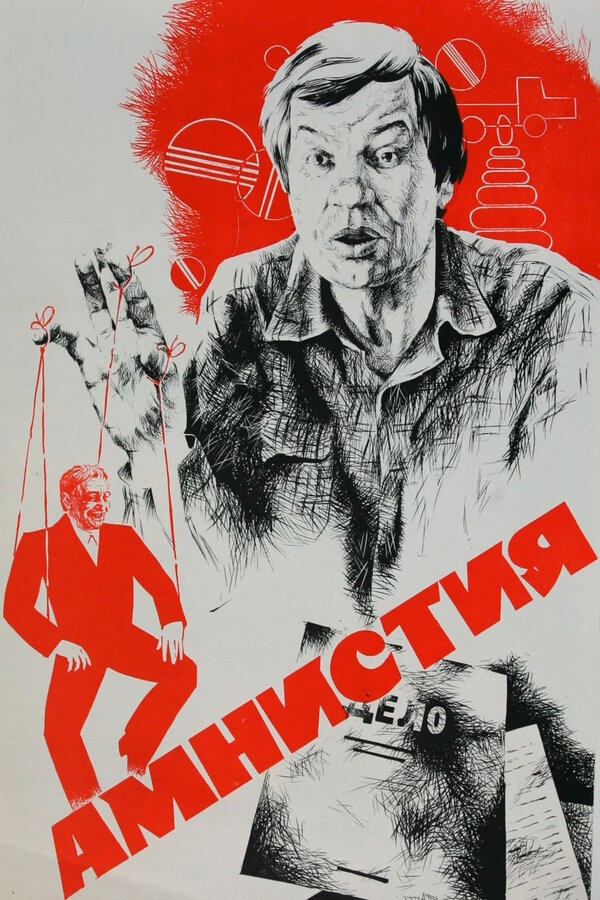
1980
Interprétation

1979
Vedenin
1979
Interprétation
1979
Interprétation

1978
Interprétation
1975
Interprétation
1975
chlen Stavki
1974
Older Fyodor

1973
Ovsyannikov

1972
Interprétation
1972
Sibul, militia captain

1972
Railwayman
1971
Interprétation
1971
Sergey Dmitriyevich Vaulin
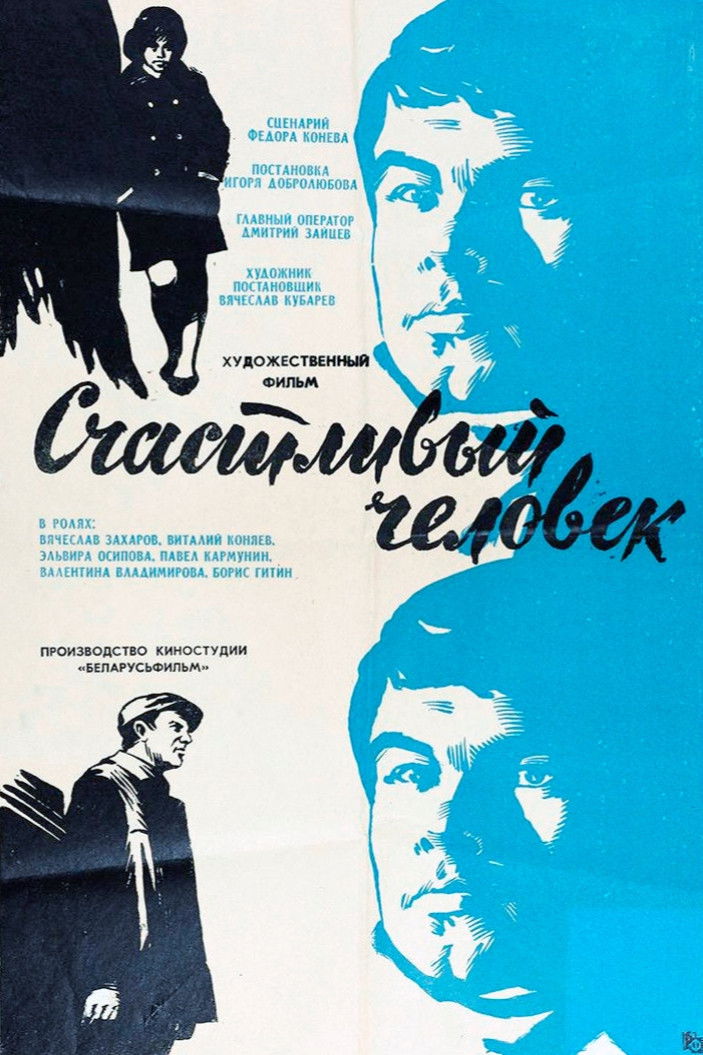
1970
Interprétation

Après l’invasion de la Sicile par les Alliés, Mussolini est arrêté sur les ordres du Roi Victor Emmanuel III d’Italie. À Varsovie, la résistance polonaise bombarde un cinéma allemand. L’armée rouge atteint dans le même temps le fleuve Dniepr.
1970
Interprétation
Lorsque l’armée soviétique apprend l’offensive imminente des Allemands à Koursk, elle décide de lancer une opération spéciale afin de retarder l’avancée ennemie. La bataille de Koursk marque la première défaite des Allemands pendant la Seconde Guerre mondiale.
1970
Interprétation

1970
Interprétation
1969
Bukhteyev
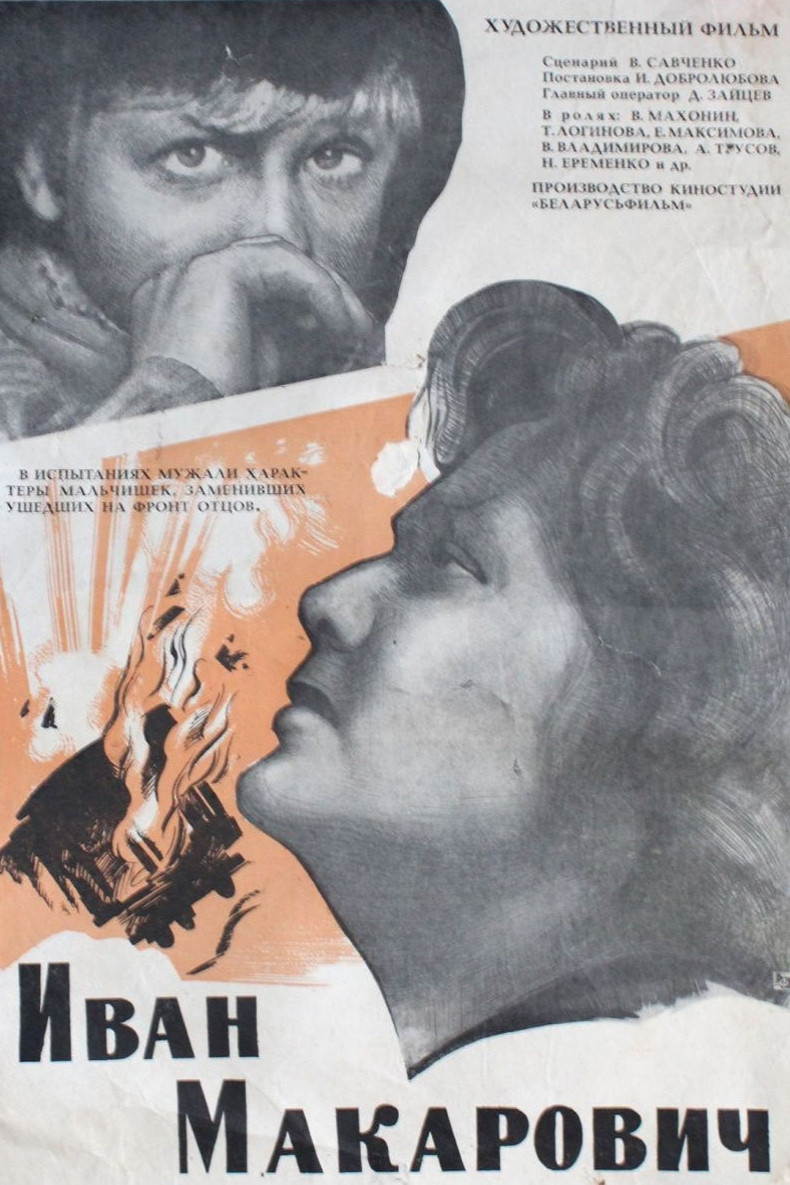
1968
Interprétation
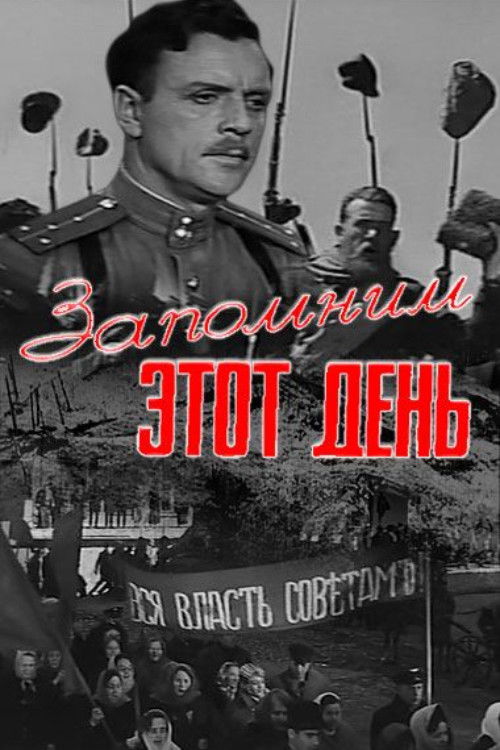
1968
Grigoriy Yasen

1968
Interprétation
1967
Interprétation
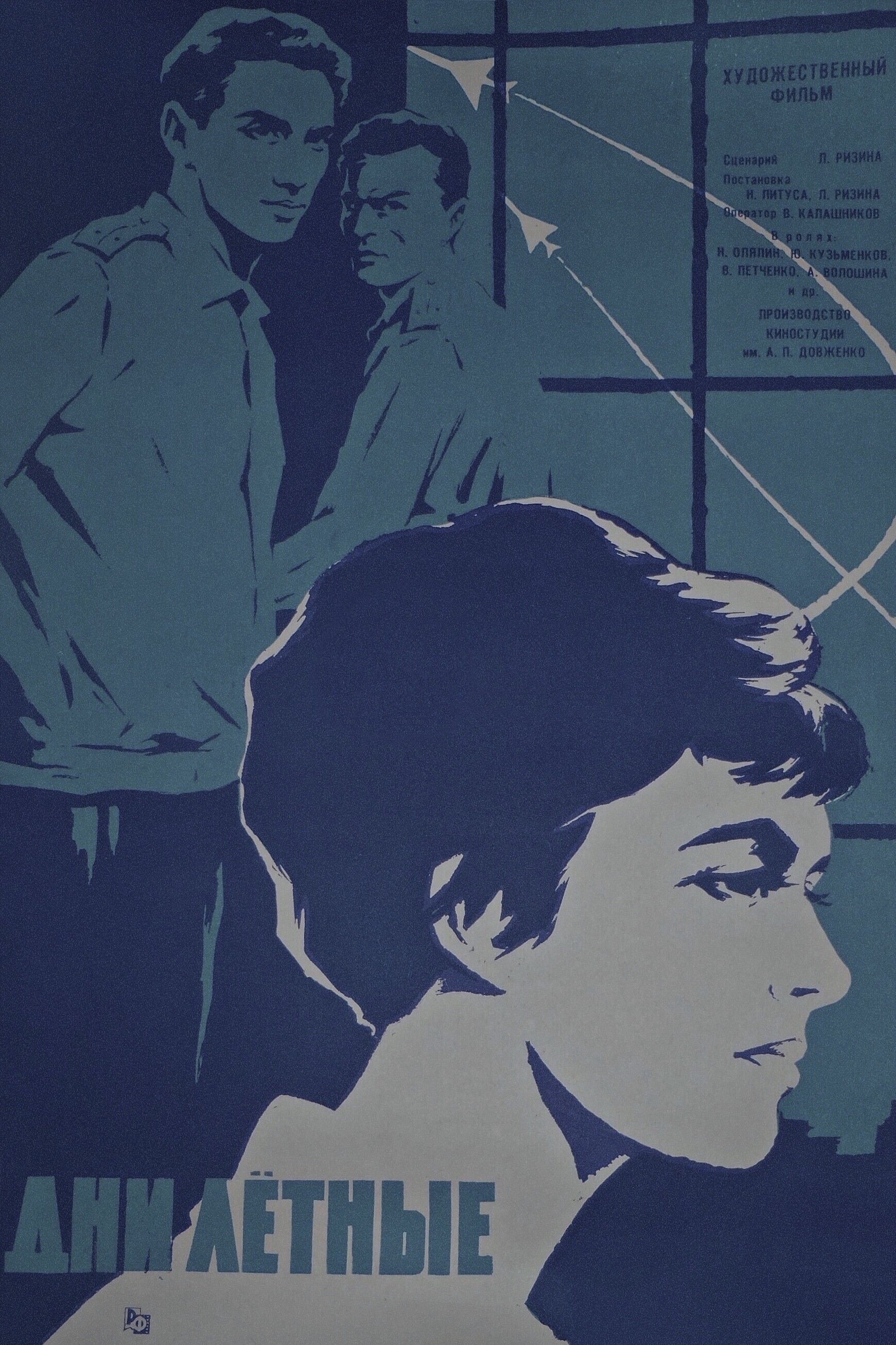
1966
Nikolai Nikolayevich

1966
Interprétation
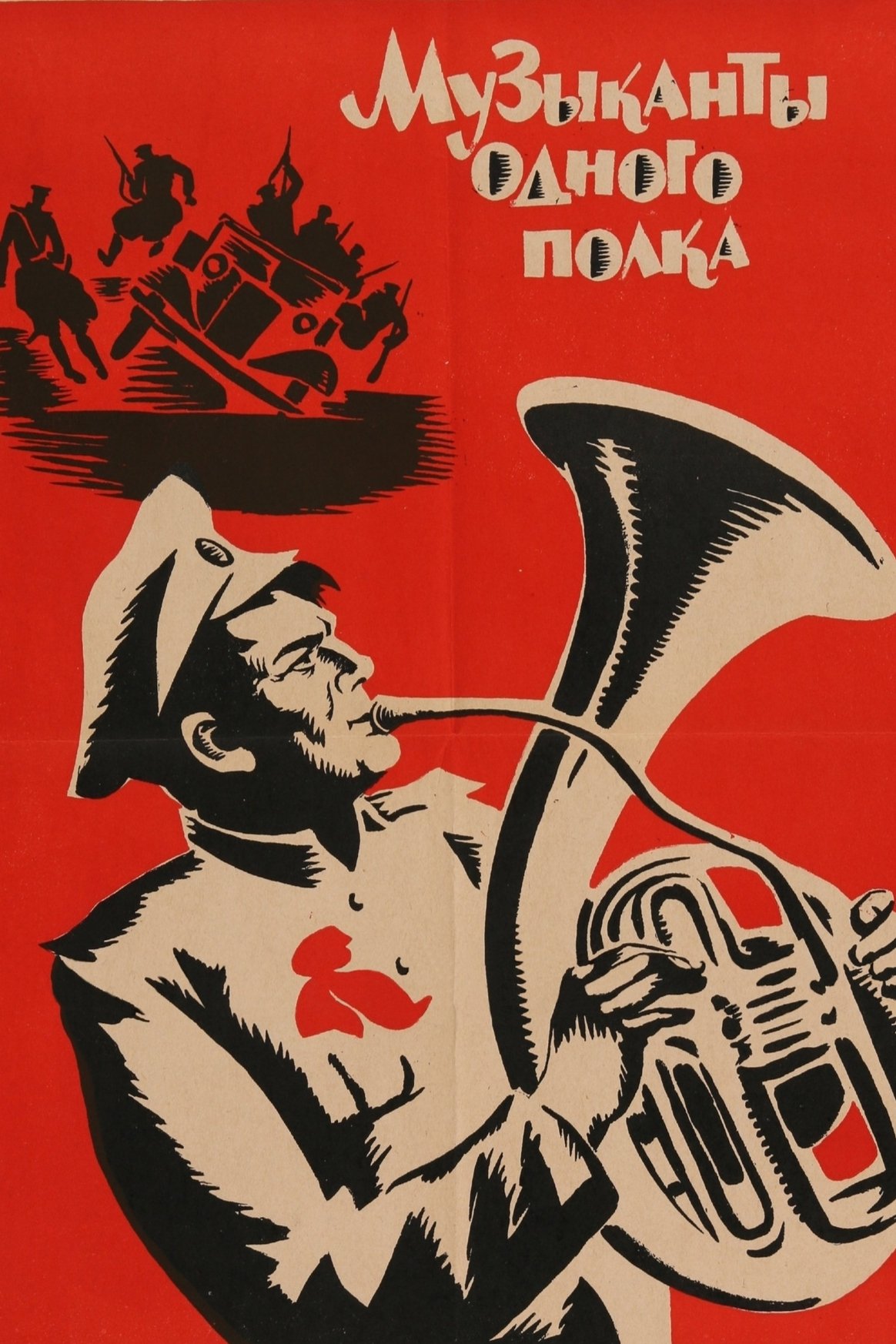
1965
Interprétation
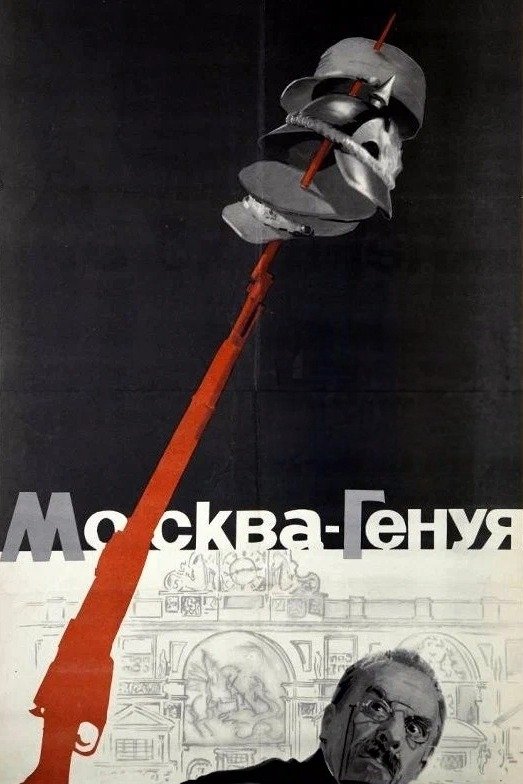
1964
Русанов

1962
Aleksei Ivanovich Pavlov
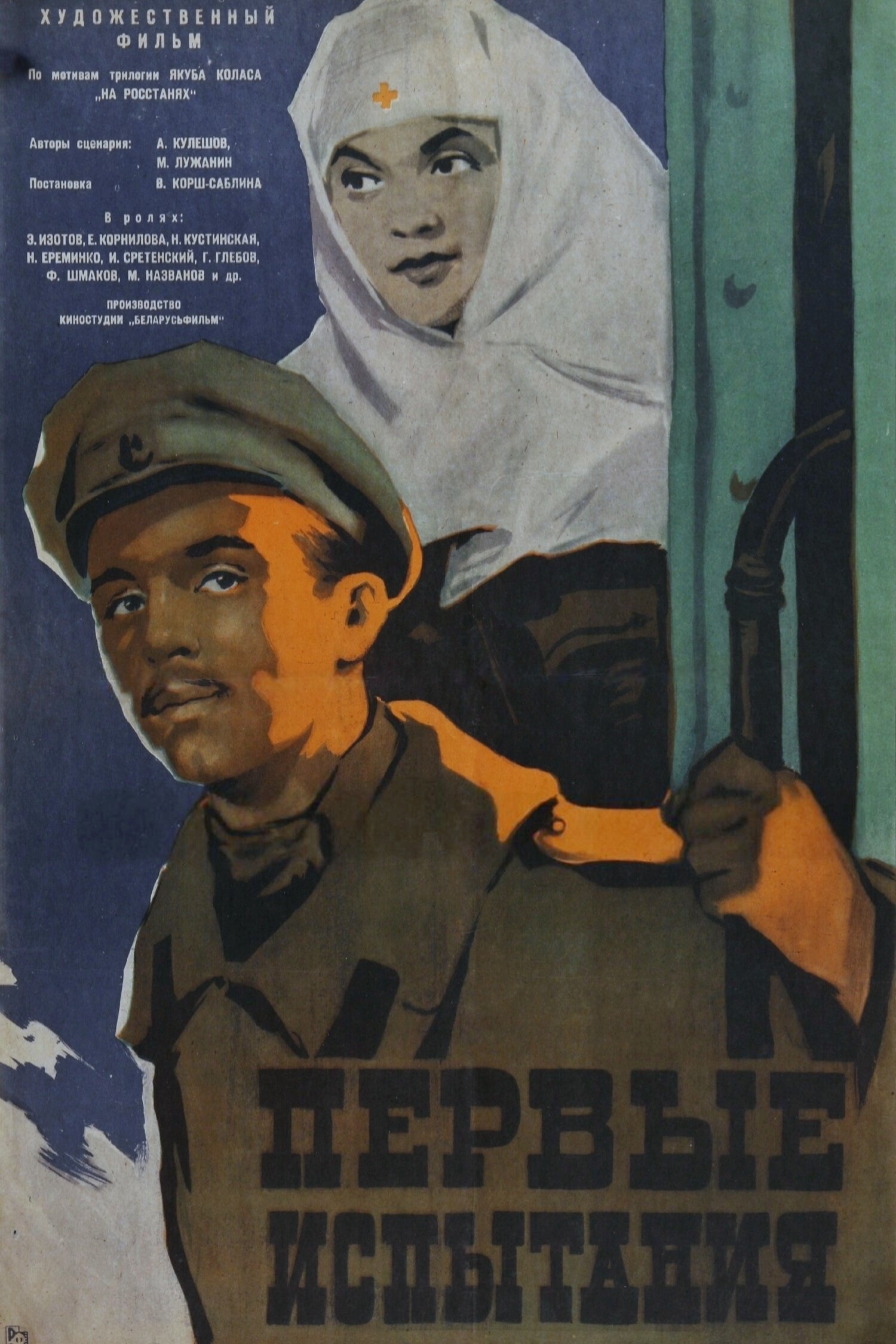
1960
Interprétation