Pas encore noté
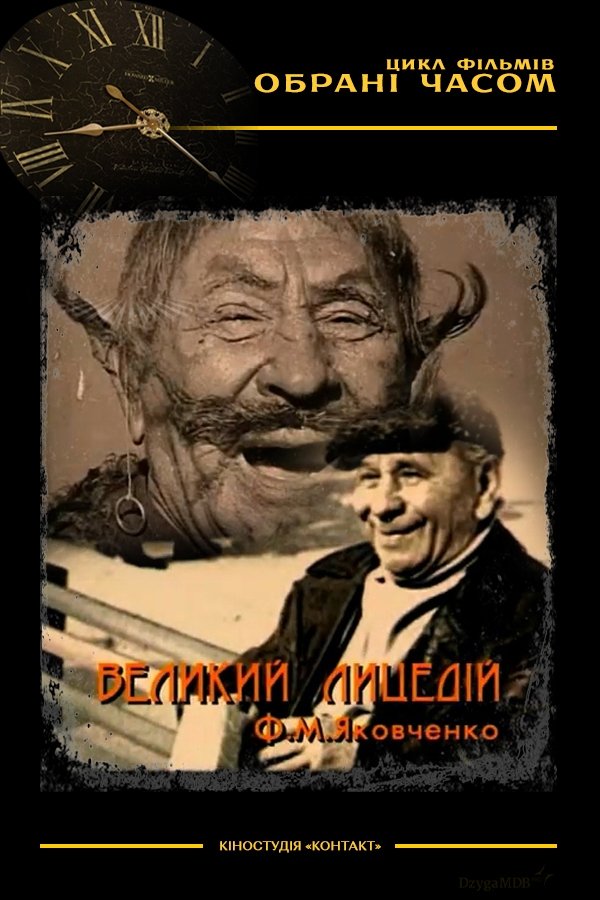
Великий лицедій М. Ф. Яковченко
2003
Interprétation
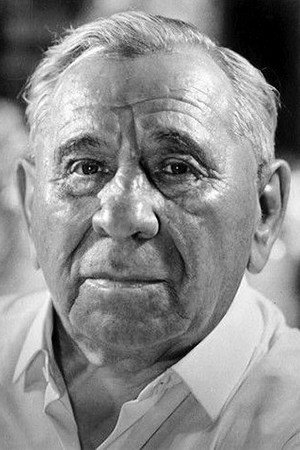
Mykola Fedorovych Yakovchenko (April 20 (May 3), 1900, Pryluky — September 11, 1974, Kyiv) was an outstanding Soviet Ukrainian theater and film actor who played character roles. He was named a People's Artist of the Ukrainian SSR in 1970.
He was born in Pryluky (now Chernihiv Oblast, Ukraine, then Poltava Governorate, Russian Empire) into the family of an assistant manager of the Astrakhan fishing industry. His mother had four other children besides him. His family had its origins in the Don Cossacks — the family moved to the Poltava province from Rostov-on-Don and had a patriarchal structure, where a penchant for art was not particularly encouraged.
In 1912, he enrolled in the Second Prilutsk Higher Primary School named after Kislov. In 1916, he enrolled in the city Jewish gymnasium, where he became interested in amateur art, performing his first roles in the gymnasium theater. At the same time, he thoroughly studied the Greek language.
During the revolutionary events, he went to the front. His grandson, Mykola Bohonko-Yakovchenko, said, "It is not known for certain on whose side he fought — for the Reds or the Whites. According to documents, he spent the entire war on a Red Army medical train. However, over time, he became enthusiastic about talking about General Shkuro's cavalry; he once obtained two well-hidden St. George's Crosses."
In 1918, he made his debut on the amateur stage in Pryluky. From the amateur group, he moved to the troupe of Pylyp Khmara's theater, which was Russian at the time, and from 1919 — Ukrainian, then Soviet. At this time, he played in plays by Leonid Andreyev — Tyukha in Savva and Second Lieutenant Grigory Mironov in Days of Our Lives. From 1920 to 1927, he worked in theaters in Lubny, Pryluky, Simferopol, Cherkasy, Chernihiv, Dnipro, and Kharkiv. From 1927, he was an actor at the Frank Ukrainian Academic Theater in Kyiv (with breaks).
2003
Self (archive footage)
1973
Interprétation
1973
Watchman

1973
Trokhym Ivanovych Besarab

1972
посетитель в приемной
1972
Tukholets
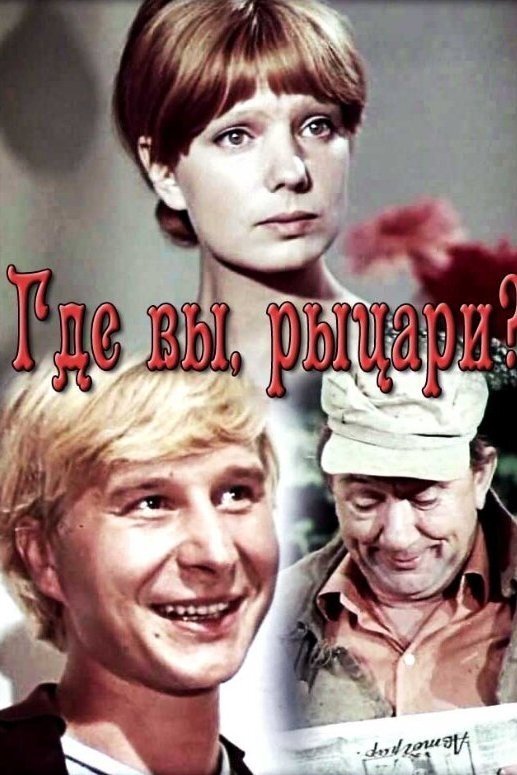
1971
Kovalchuk's Neighbour
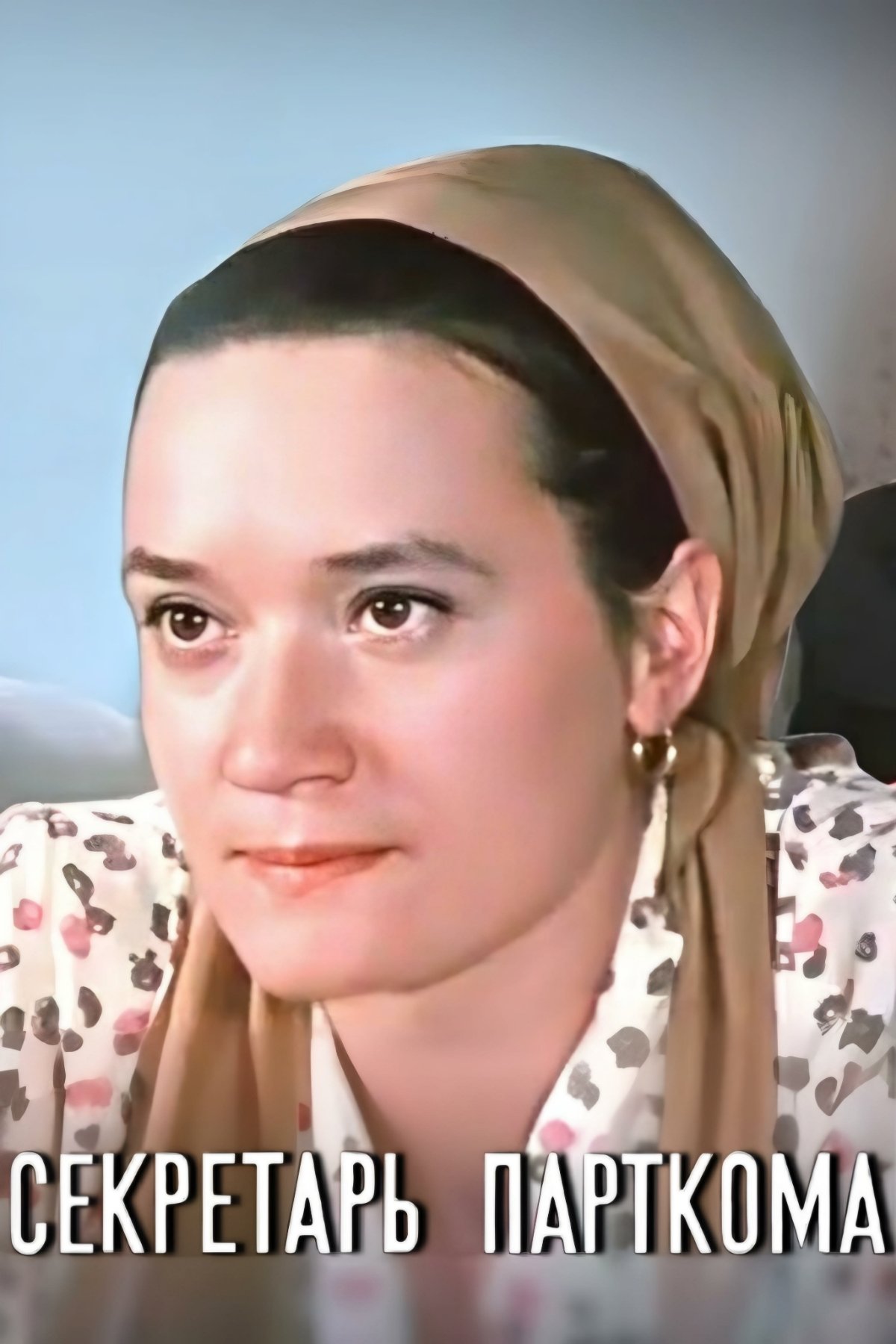
1971
godfather

1971
король

1971
Interprétation

1970
Interprétation

1969
заведующий тиром

1969
Matchmaker
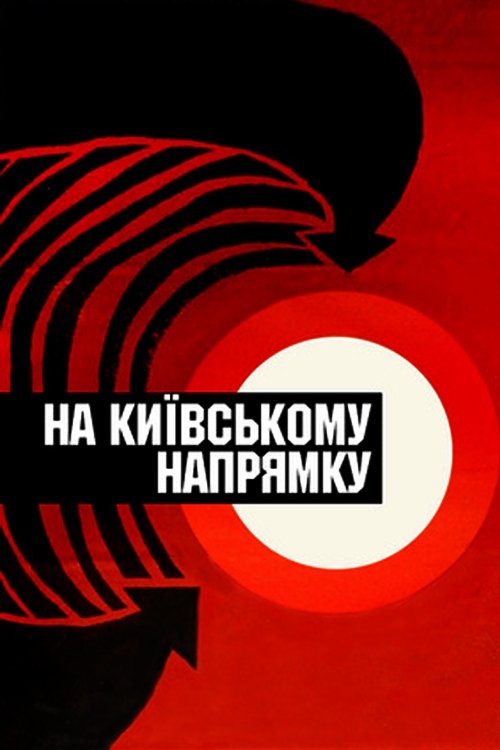
1968
Interprétation
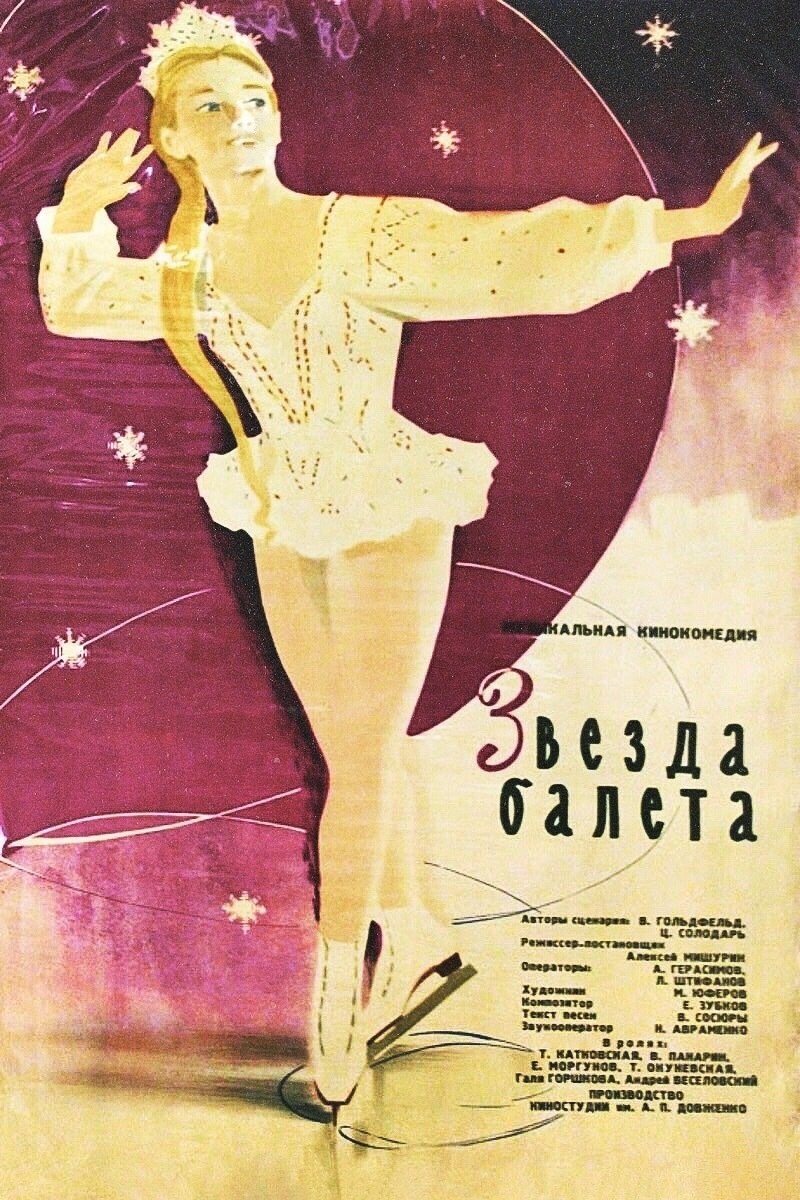
1965
watchman
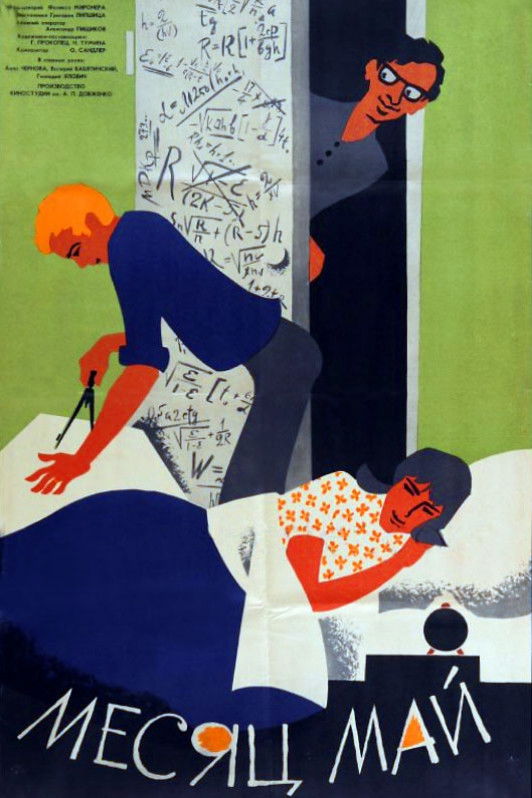
1965
komendant obshchezhitiya
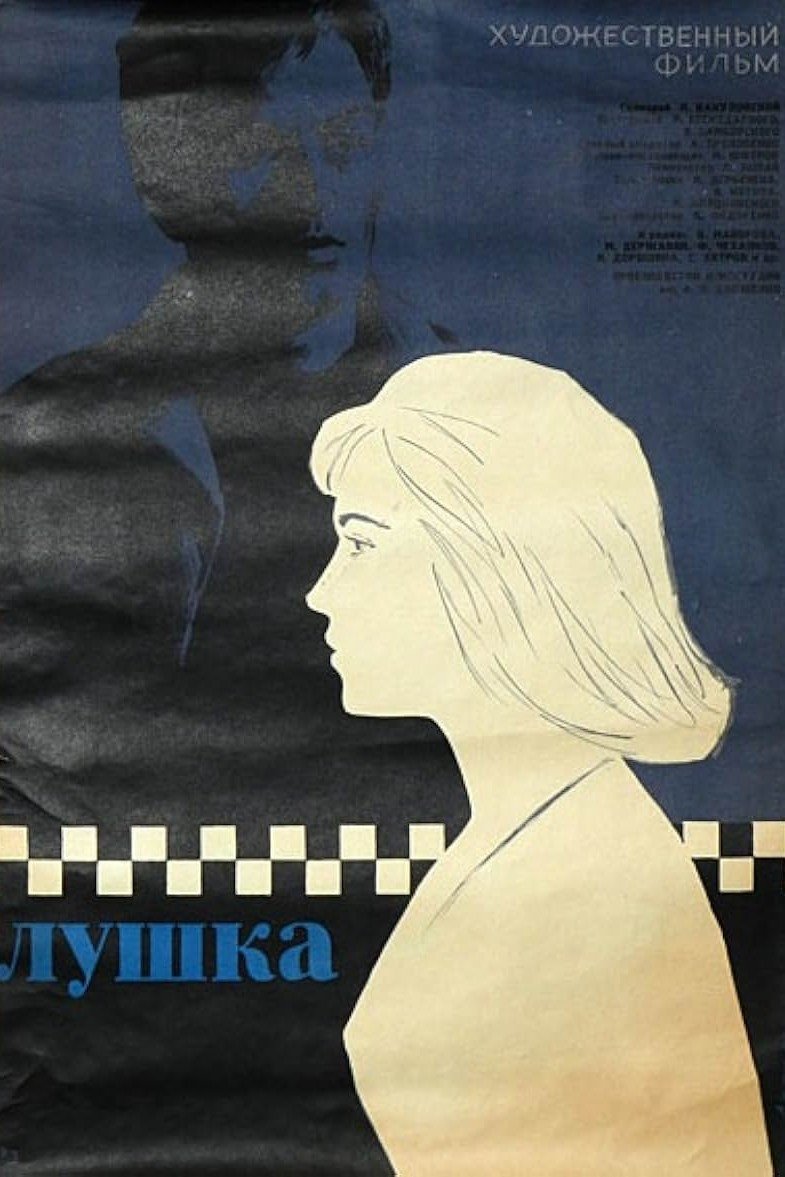
1964
Interprétation
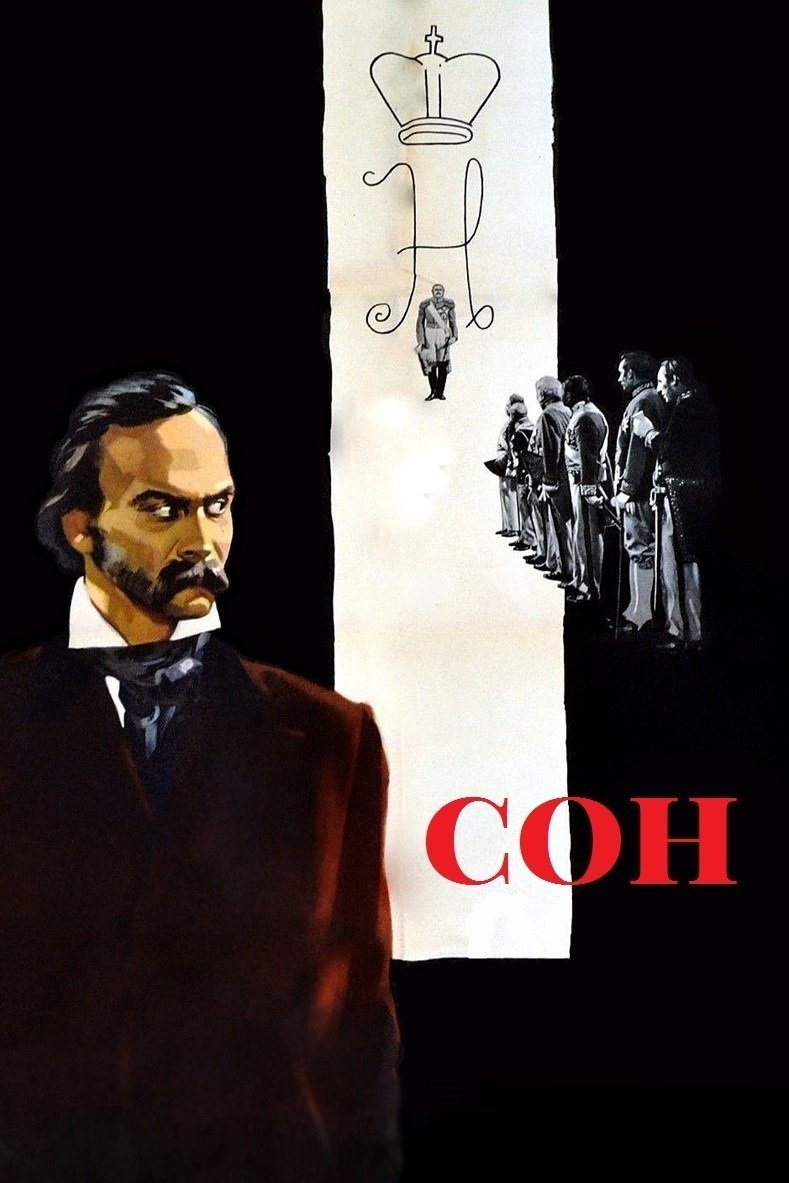
1964
Interprétation

1964
Interprétation
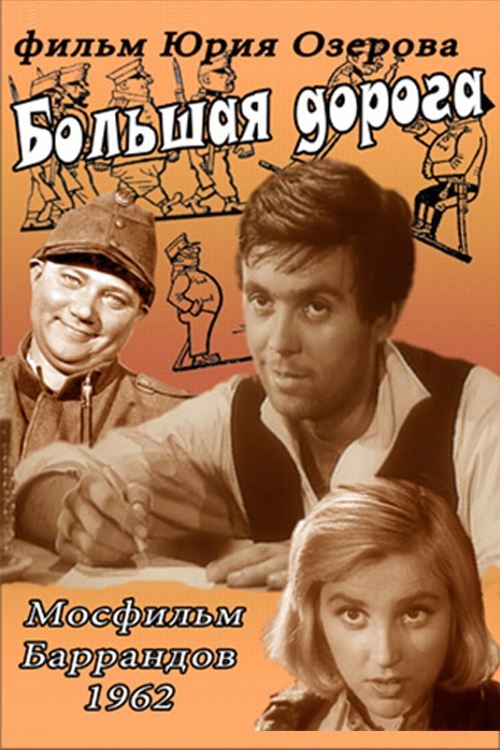
1963
peasant on a cart
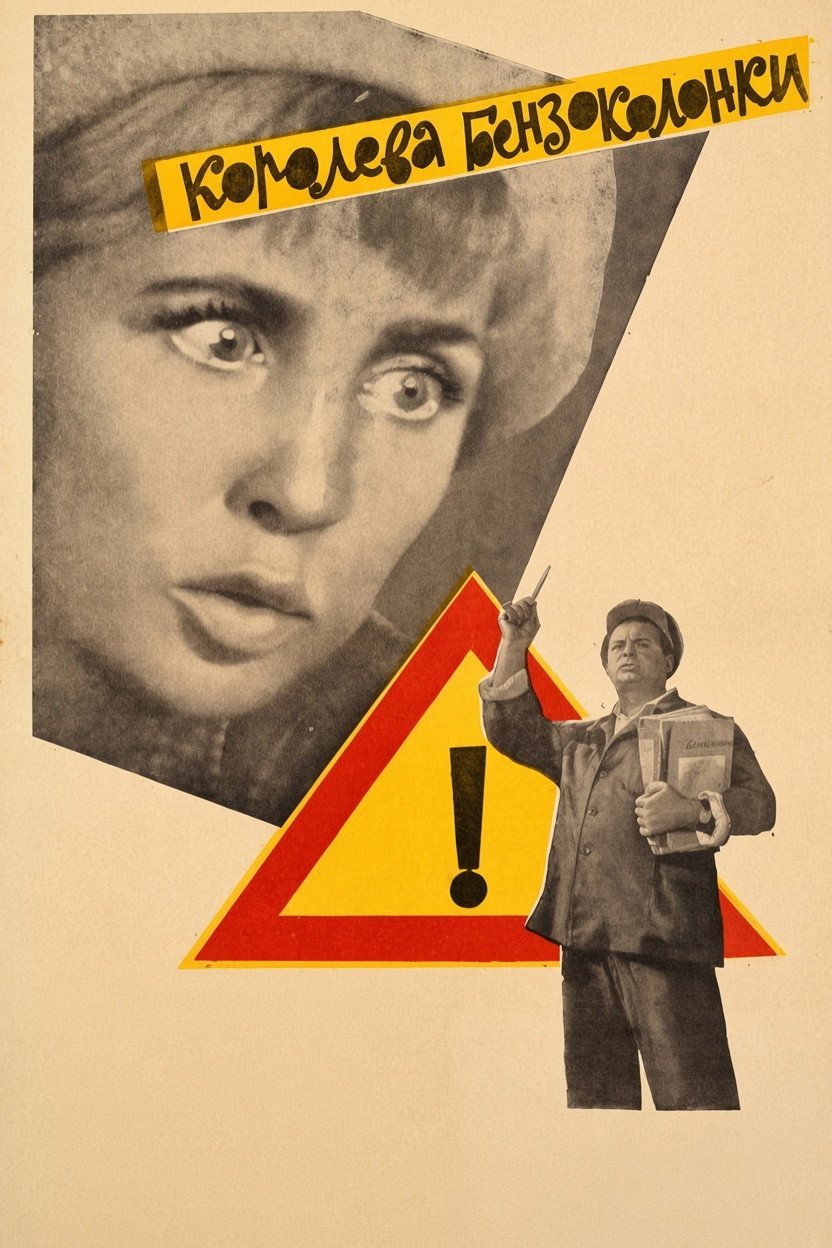
1963
Interprétation
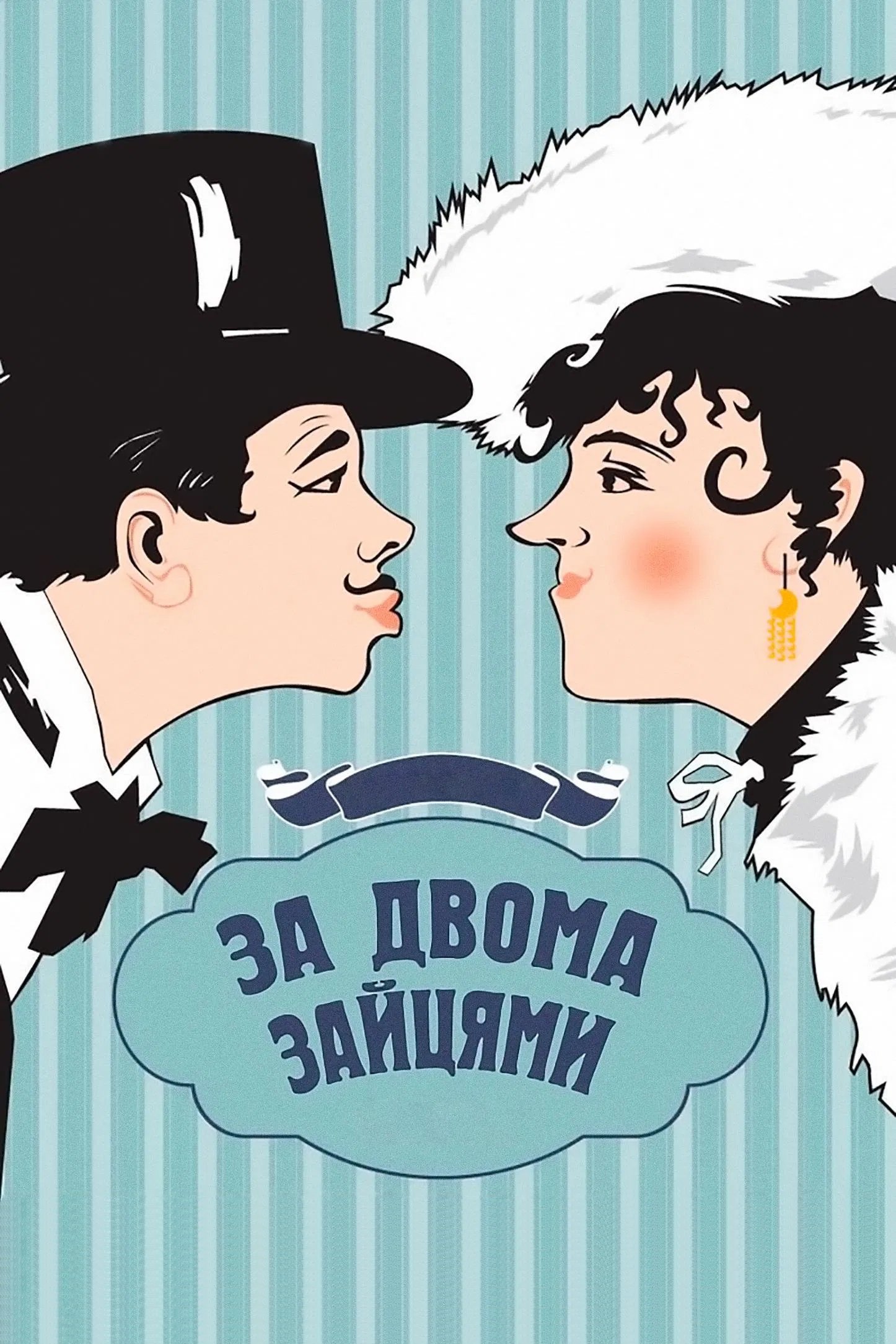
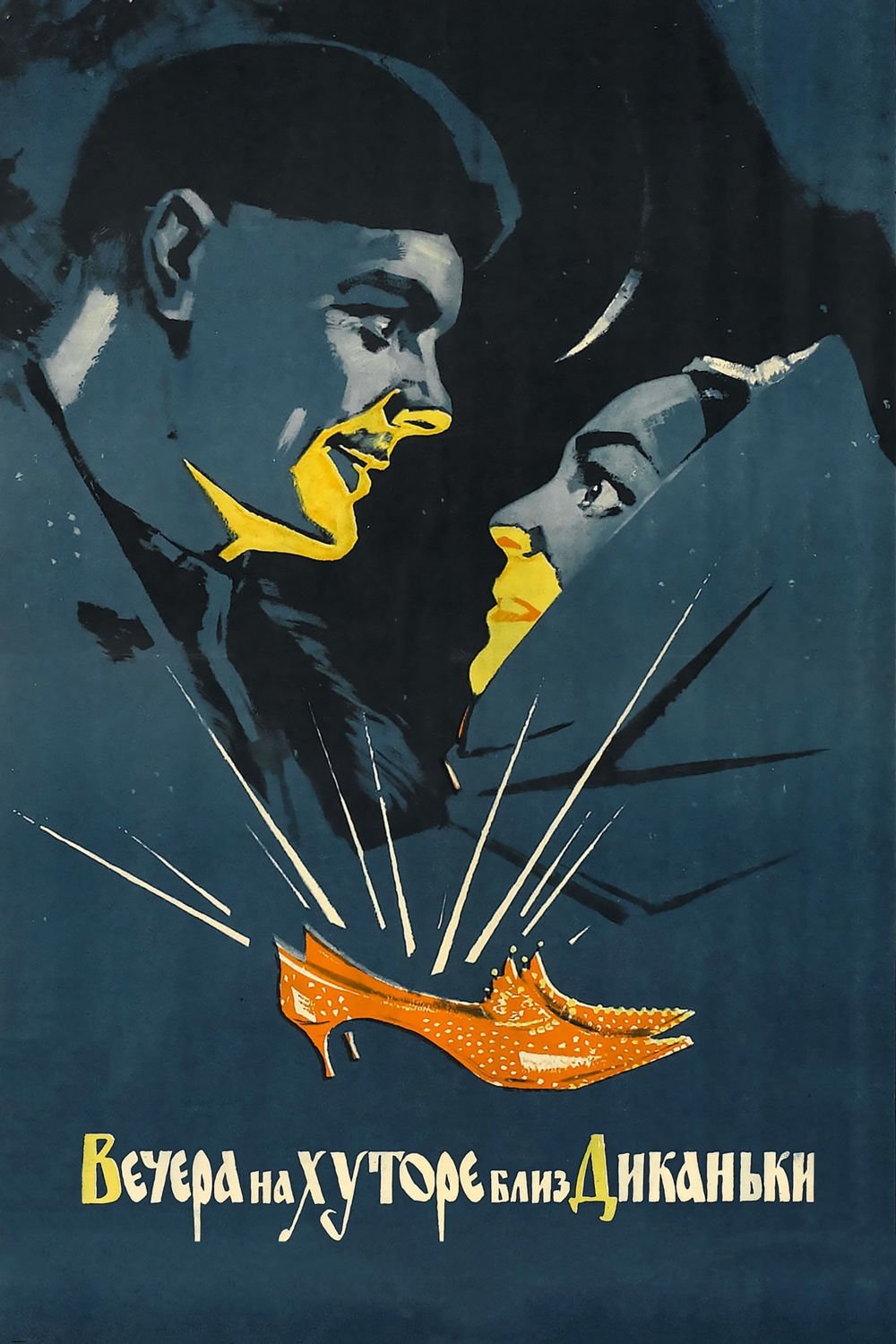
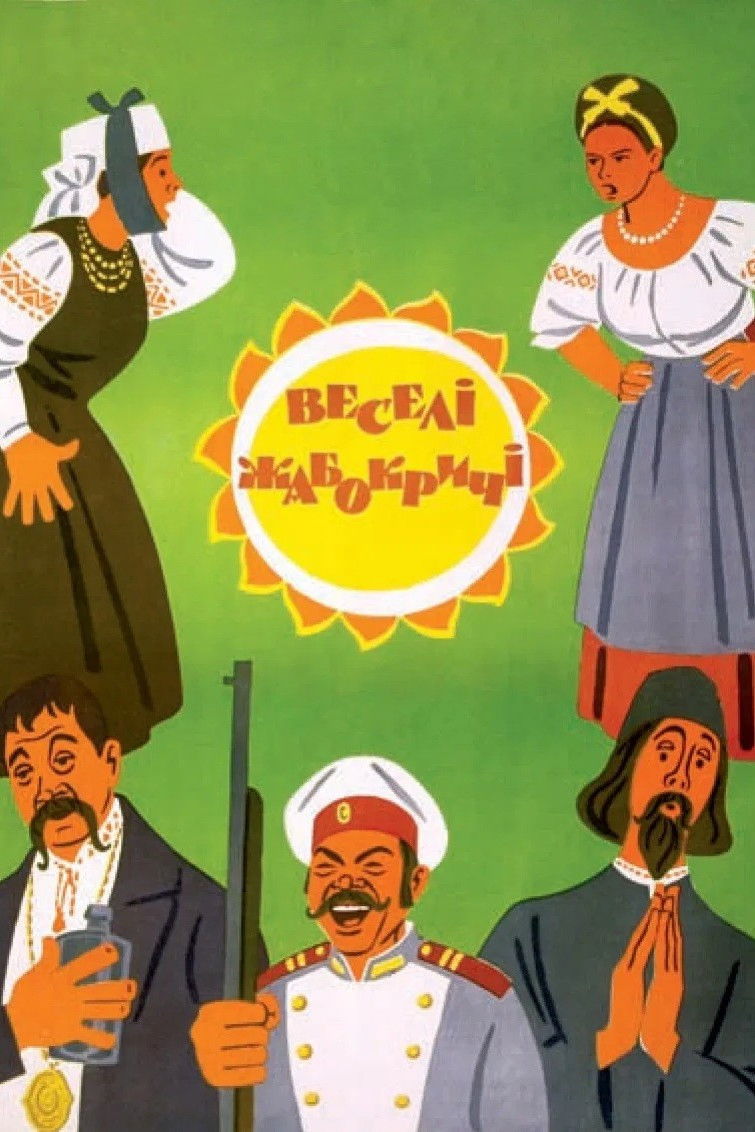
Svirid Golokhvastov, un barbier en faillite, décide d'améliorer sa situation par le mariage avec la peu attrayante Pronia, qui offre une dot de dix mille roubles. En même temps, il courtise la belle Galia. La mère de Galia convaincue que Golokhvastov est riche et donc un bon parti, lui fait jurer d'épouser sa fille. Cette promesse refait surface le jour de son mariage avec Pronia et ruine ses projets d'avenir prospère.
1961
Prokip Sirko
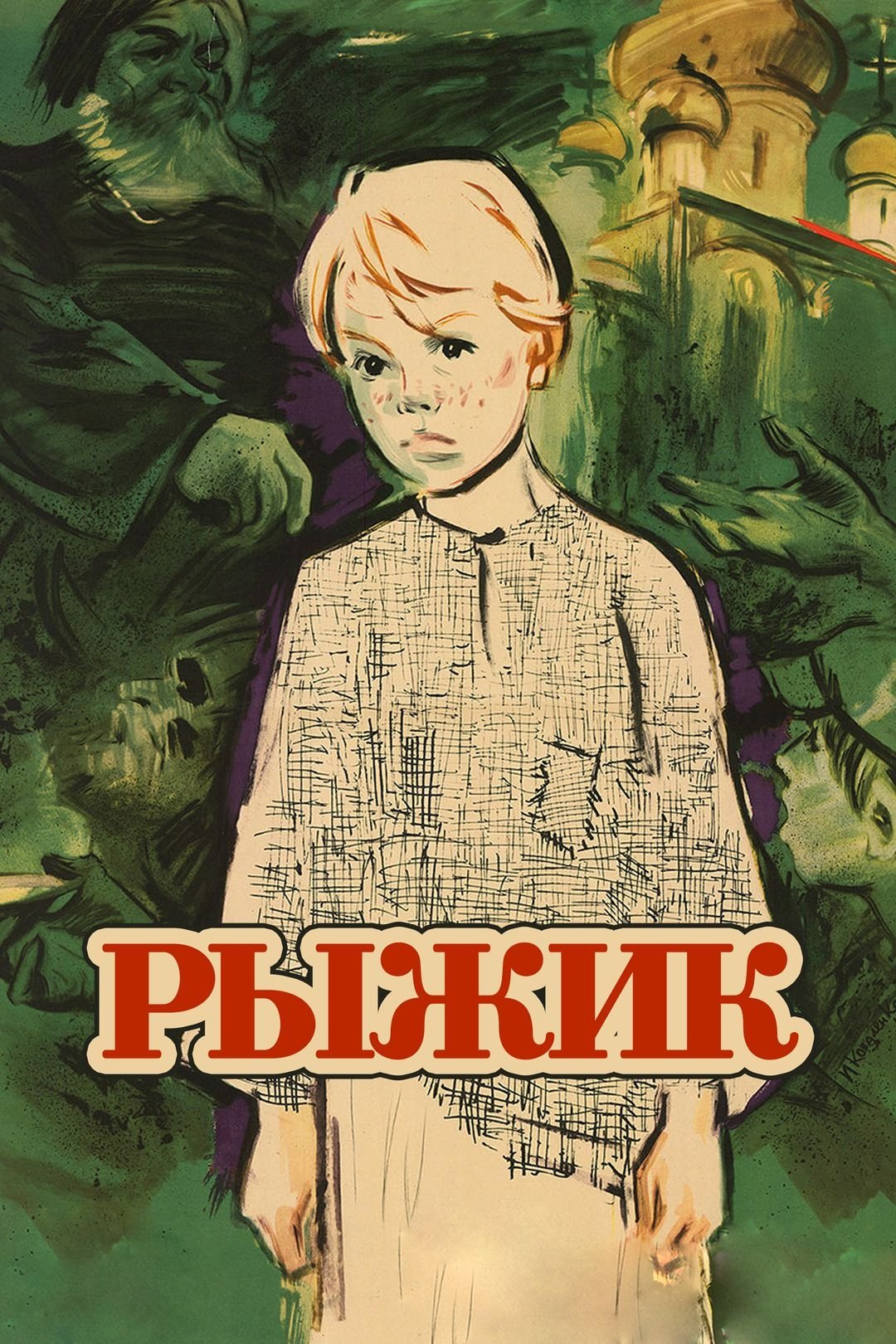
1961
Interprétation
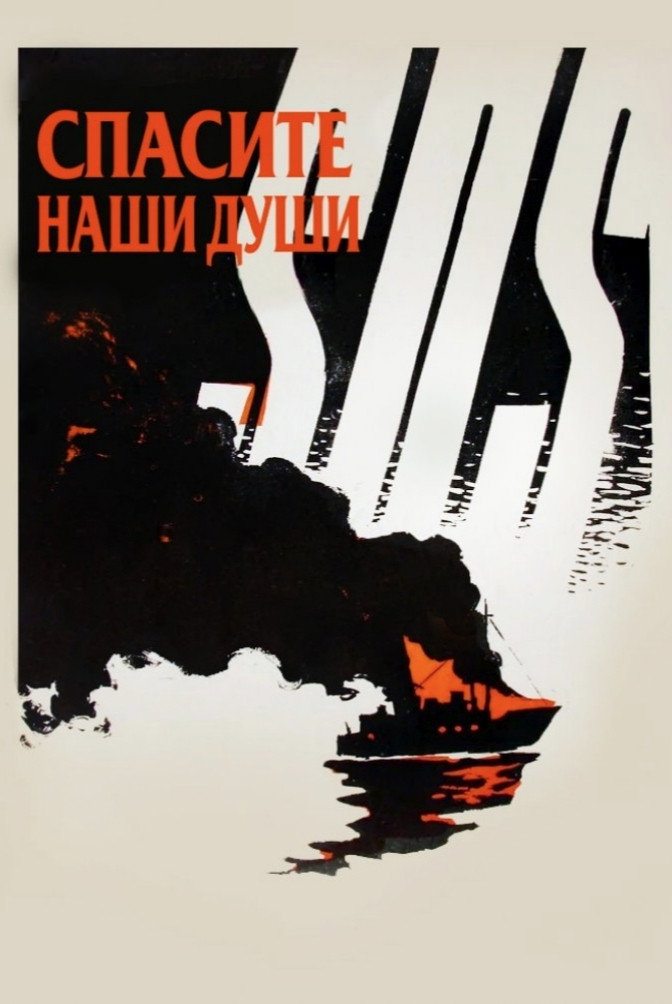
1960
Interprétation
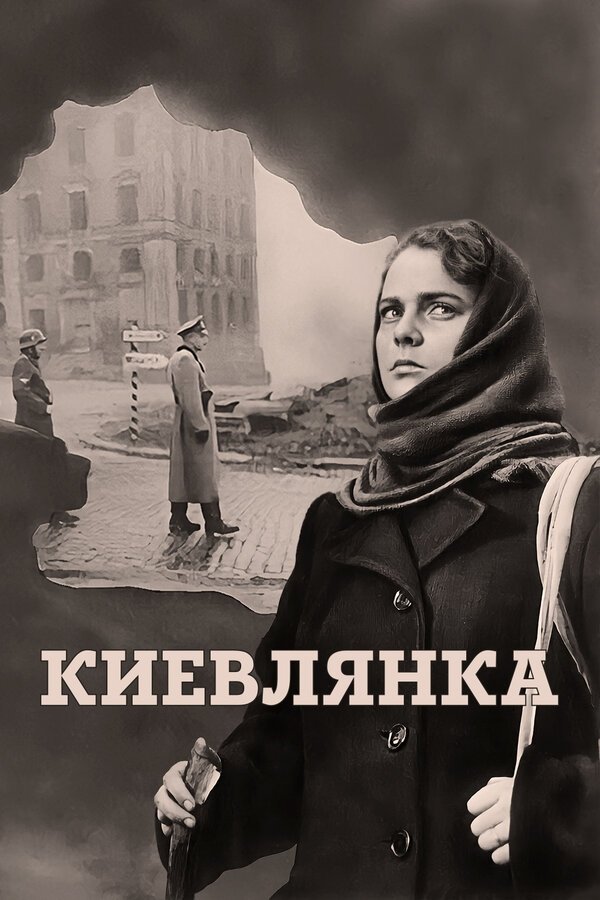
1958
Горовенко - рабочий завода «Арсенал»

1958
Interprétation
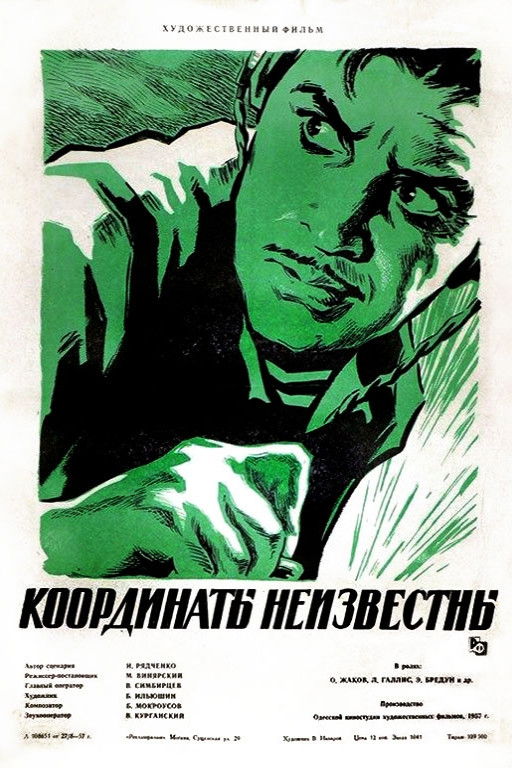
1957
Interprétation
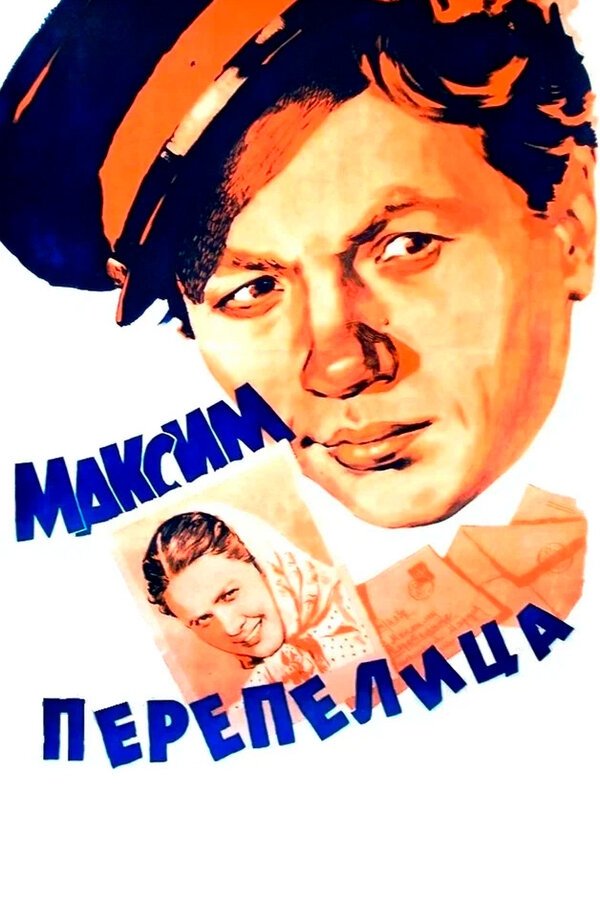
1955
Kondrat Perepelitsa
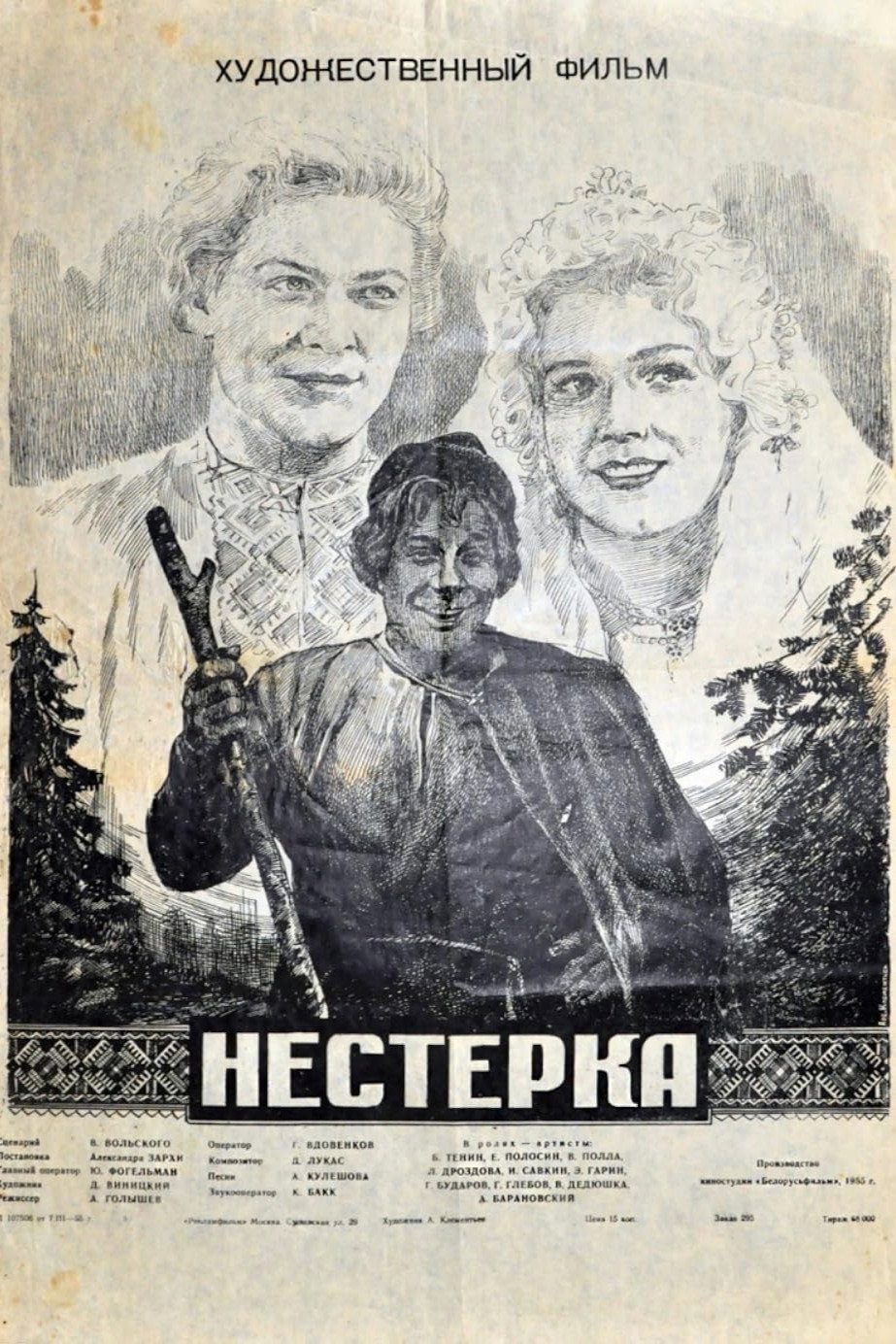
1955
Interprétation

1954
Interprétation

1953
Interprétation
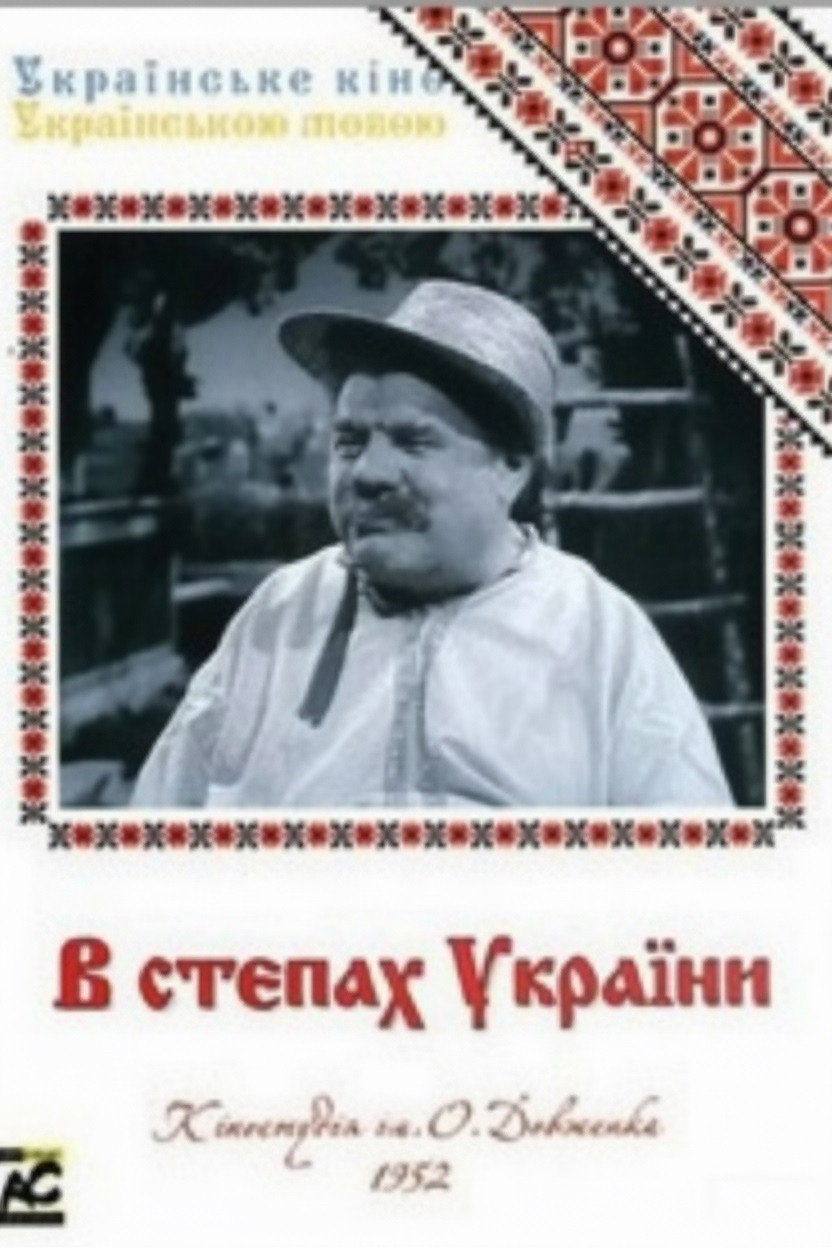
1952
Interprétation
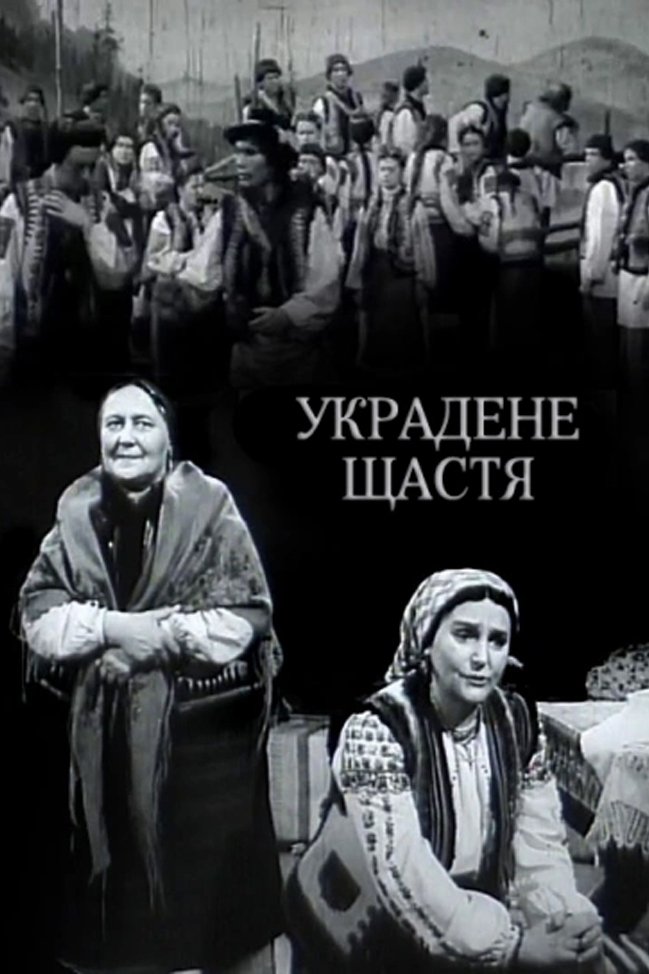
1952
Reeve