6,8
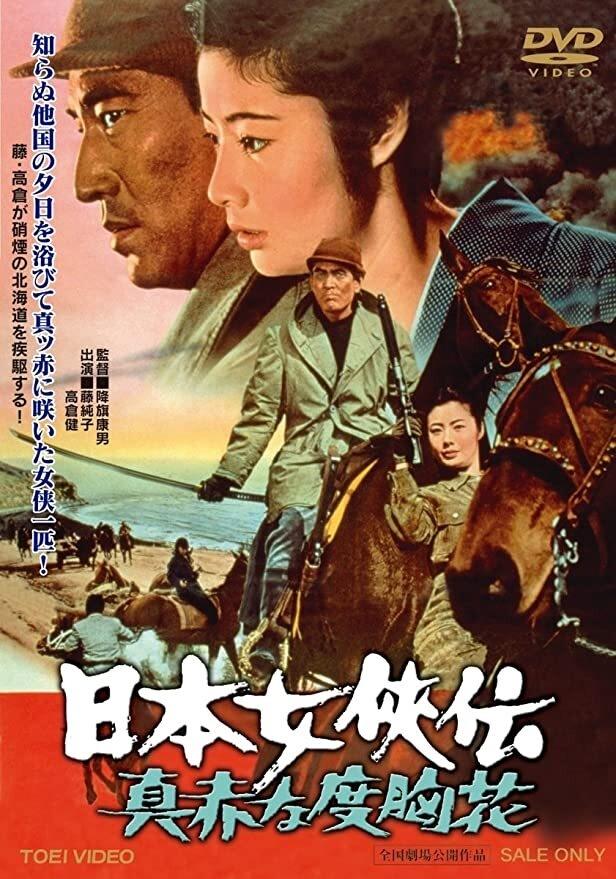
日本女侠伝 真赤な度胸花
1970
Interprétation

Biographie non disponible.
1970
Interprétation
1969
Interprétation
1969
Interprétation

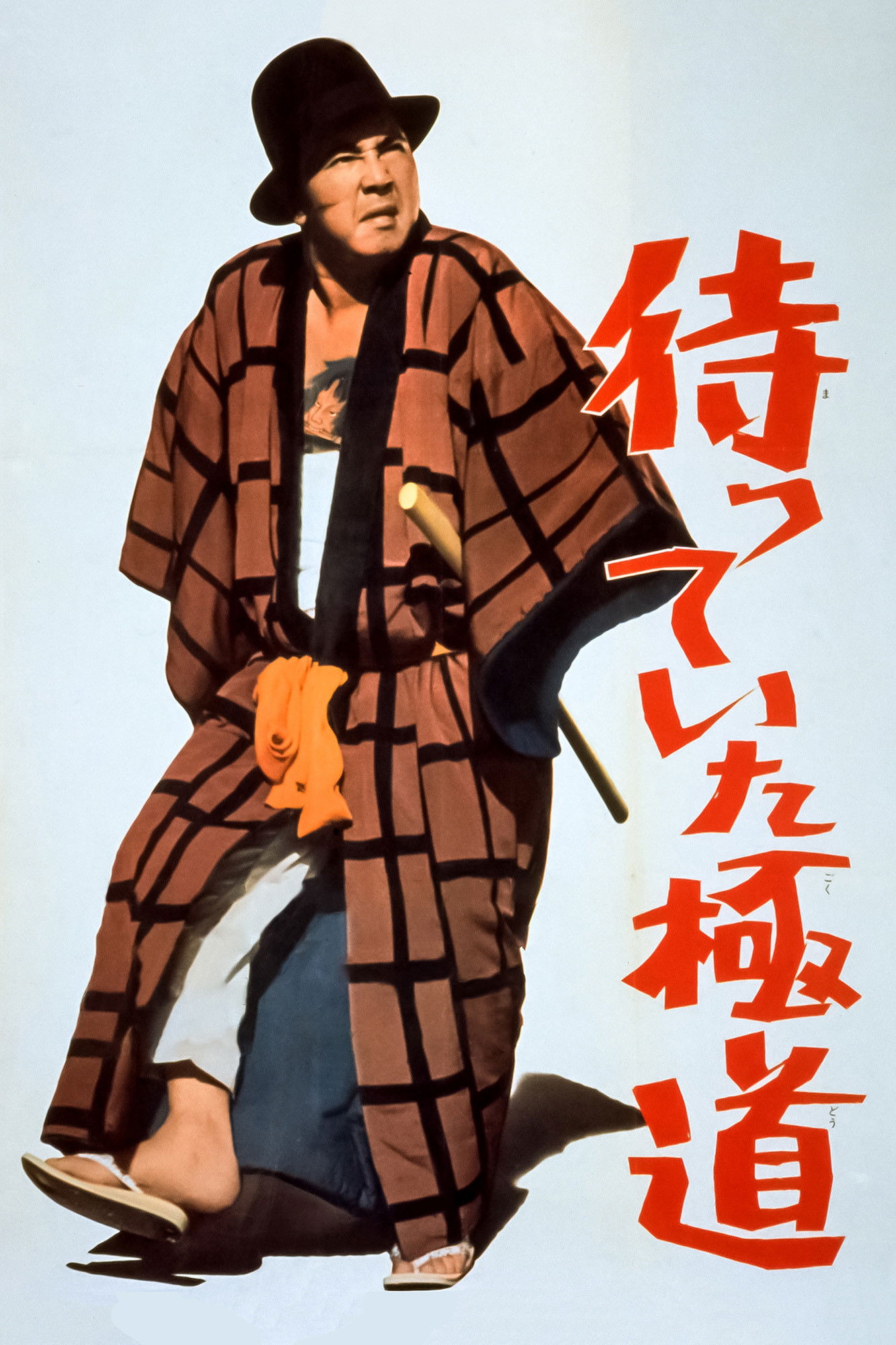
L'histoire de marins japonais loyaux qui ont donné leur vie pour leur pays en tant que torpilles humaines vers la fin de la seconde guerre mondiale.
1968
Interprétation

1967
Interprétation

1967
Manzo
1966
Katsumoto
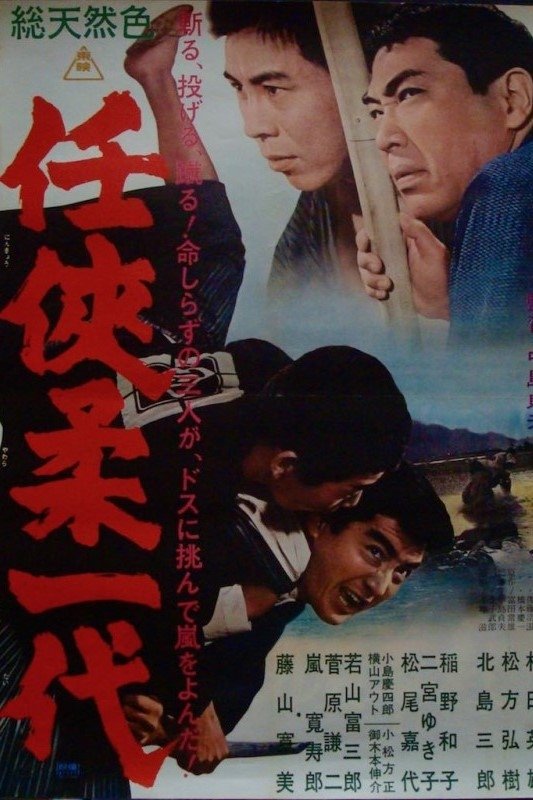
1966
Interprétation
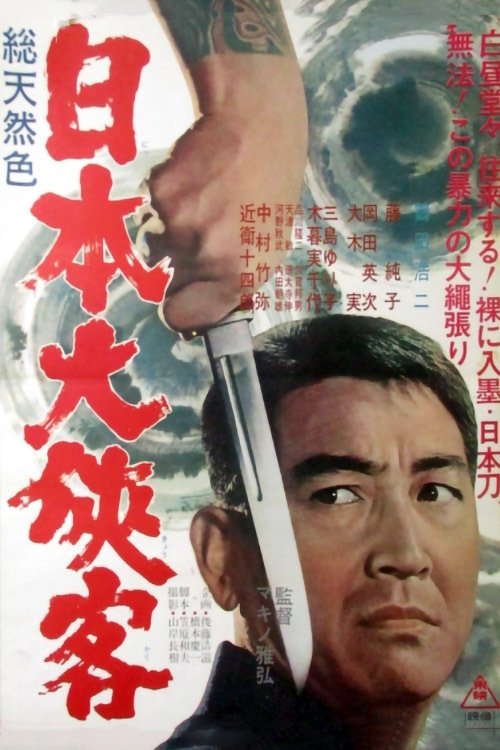
1966
Shoichi Kuwayama

1966
Interprétation
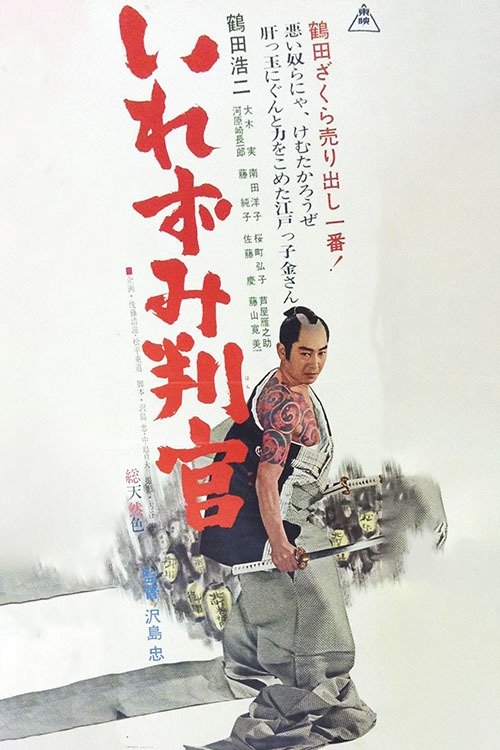
1965
Interprétation
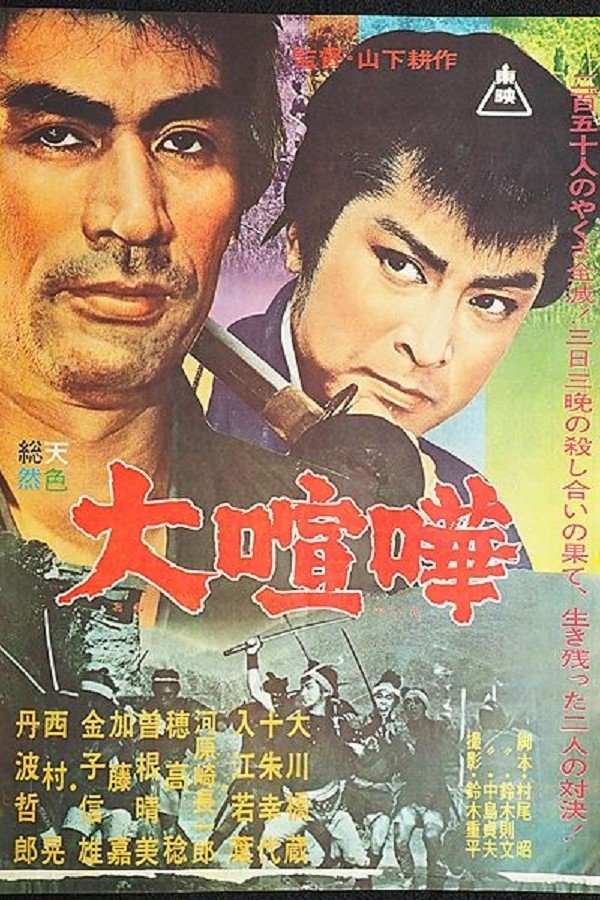
1964
Interprétation

1964
Interprétation

1964
Snake Ten

1964
Interprétation
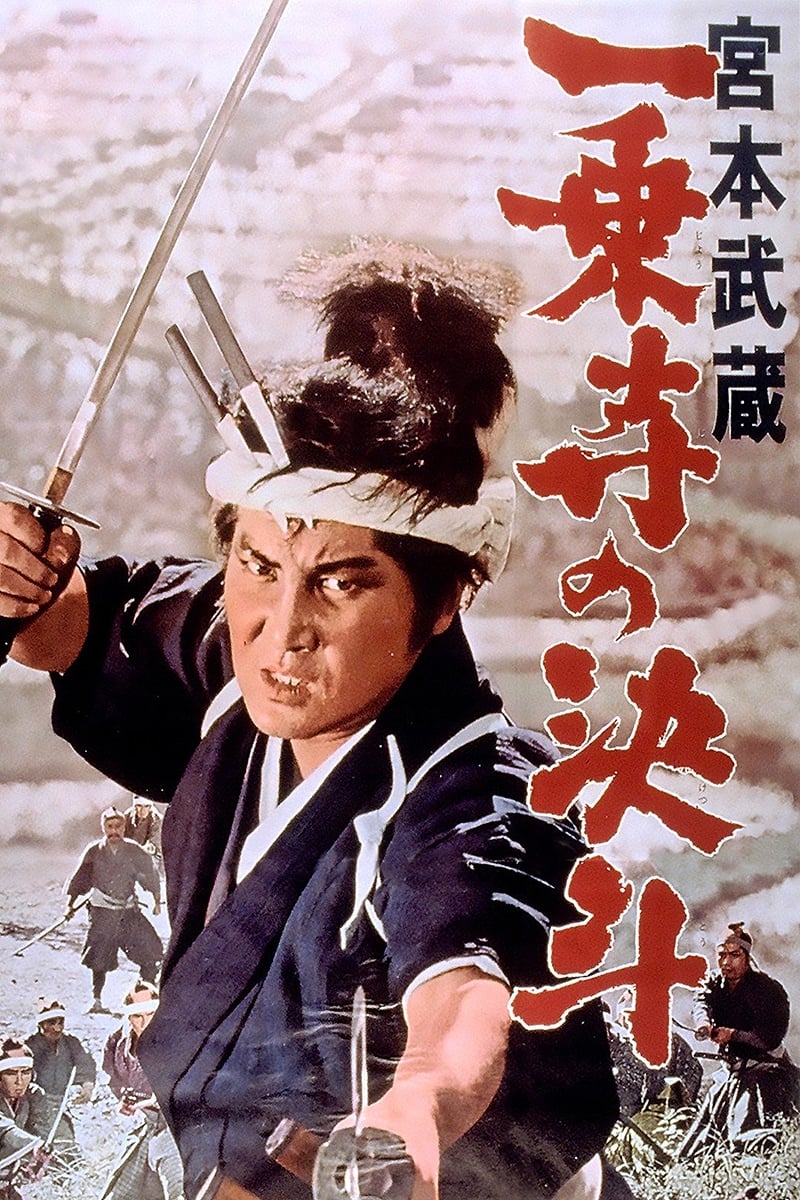
Quatrième volet de la série de films consacrés au légendaire samouraï Miyamoto Musashi réalisés par Tomu Uchida
1964
Interprétation

Yagyû Jûbei se bat pour contrer un coup d'état comploté contre le Shogunat des Tokugawa.
1963
Interprétation
1963
Interprétation
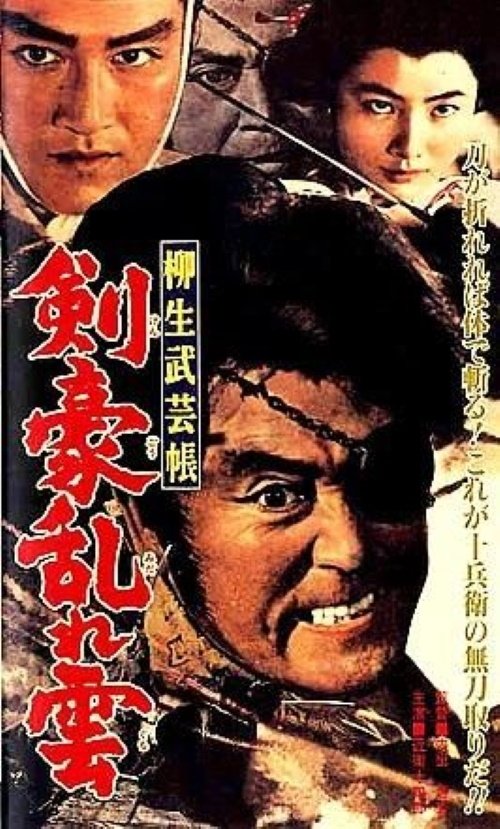
Yagyû Jûbei se doit de protéger les Yagyu qui détiennent le secret de l'infâme assassinat tracées par le règne des Tokugawa il y a 30 ans.
1963
Interprétation

1963
Interprétation

1963
Interprétation

1963
Interprétation
1962
Interprétation

1962
Interprétation
1962
Interprétation
1962
Denpachi

1962
Interprétation

1962
Interprétation
1962
Interprétation

1962
Interprétation
1962
Interprétation
1962
Interprétation
1962
Interprétation
1962
Kihachi

1961
Interprétation

L'épéiste Yagyû Jûbei se bat contre la corruption dans le Village Akizuki, avec l'aide de son ami, un samouraï nommé Matashichiro.
1961
Interprétation
1961
Yoshikawa Sanpei
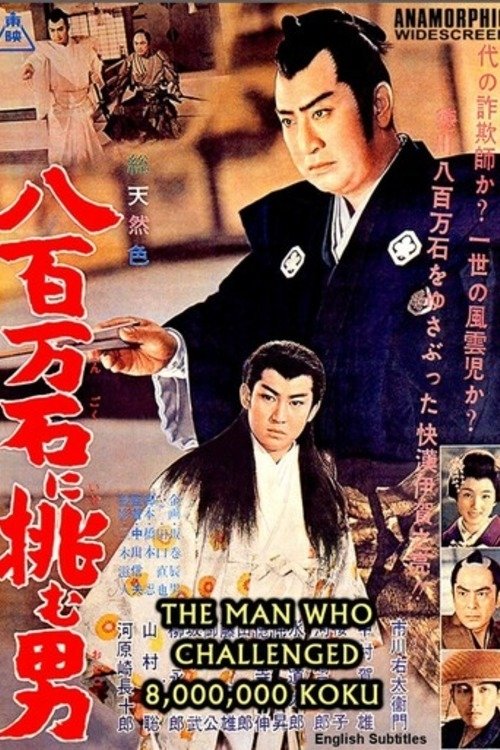
1961
Yoshimune

1961
Interprétation

1961
Interprétation
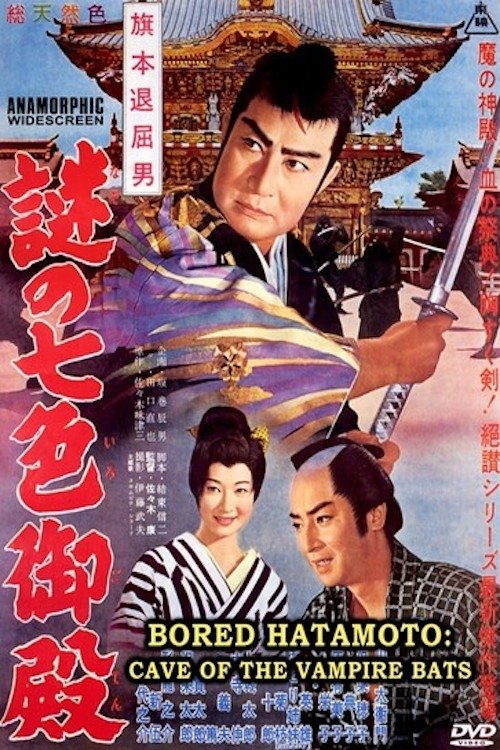
1961
Interprétation
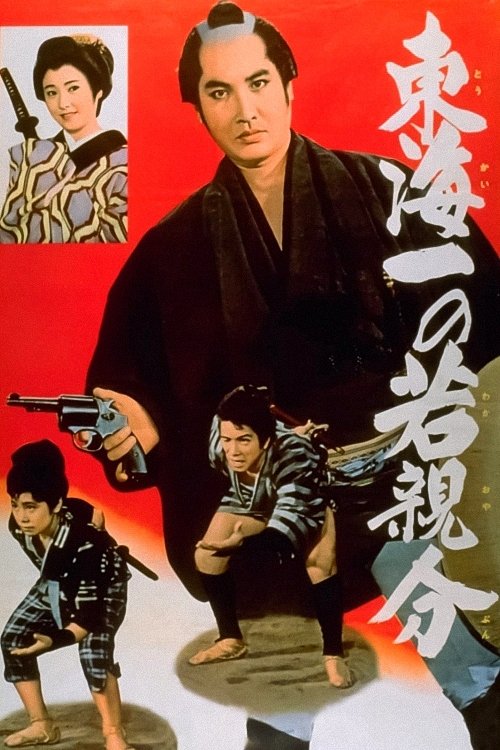
1961
Interprétation

1961
Interprétation
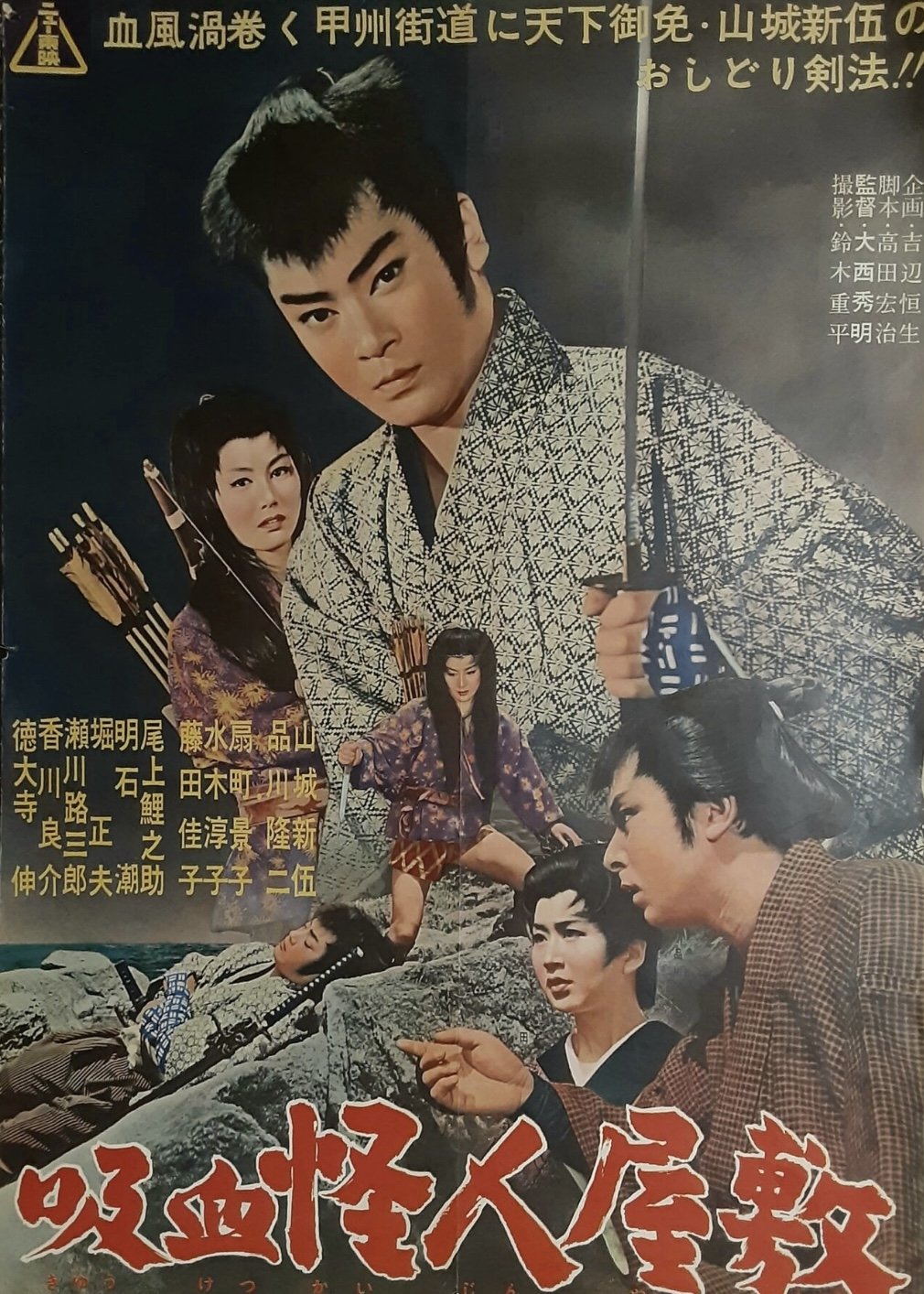
1961
Interprétation
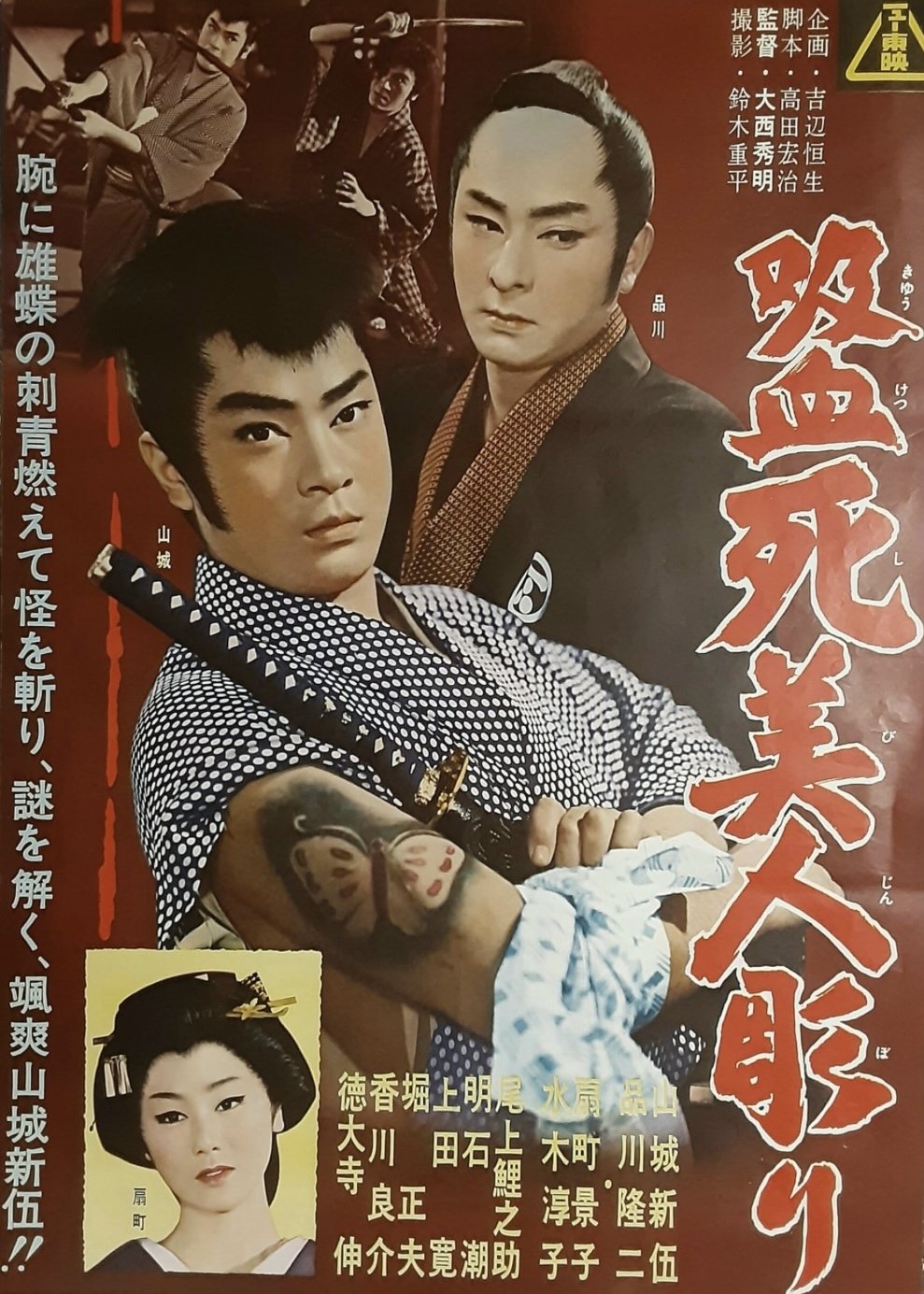
1961
Interprétation
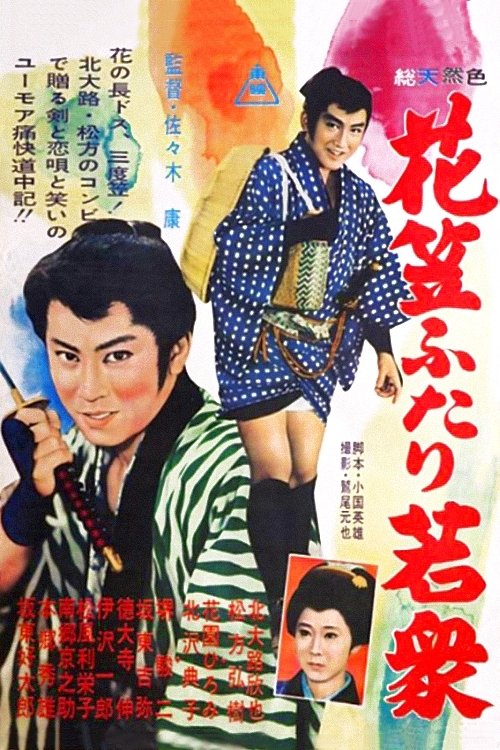
1961
Interprétation
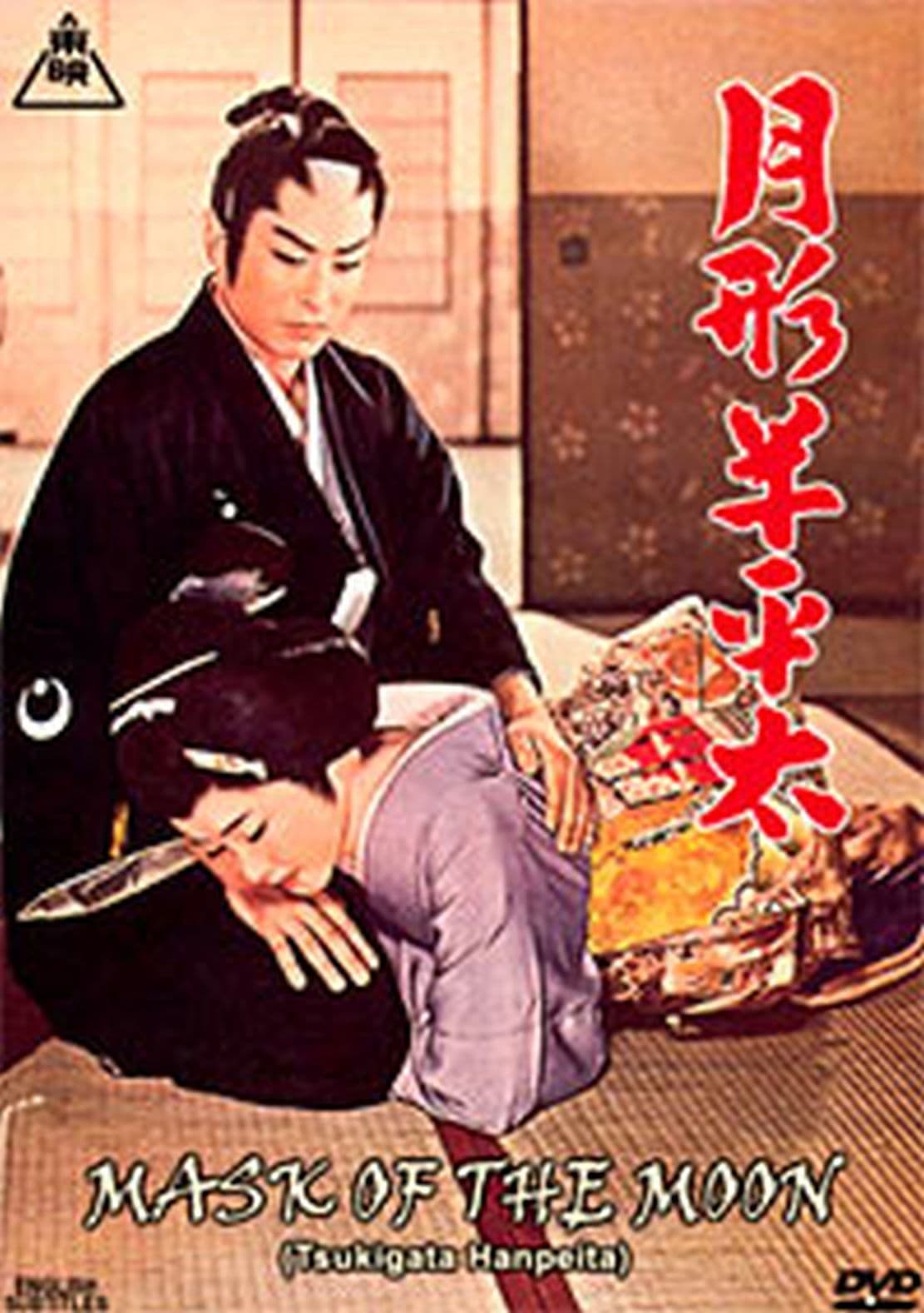
1961
Interprétation
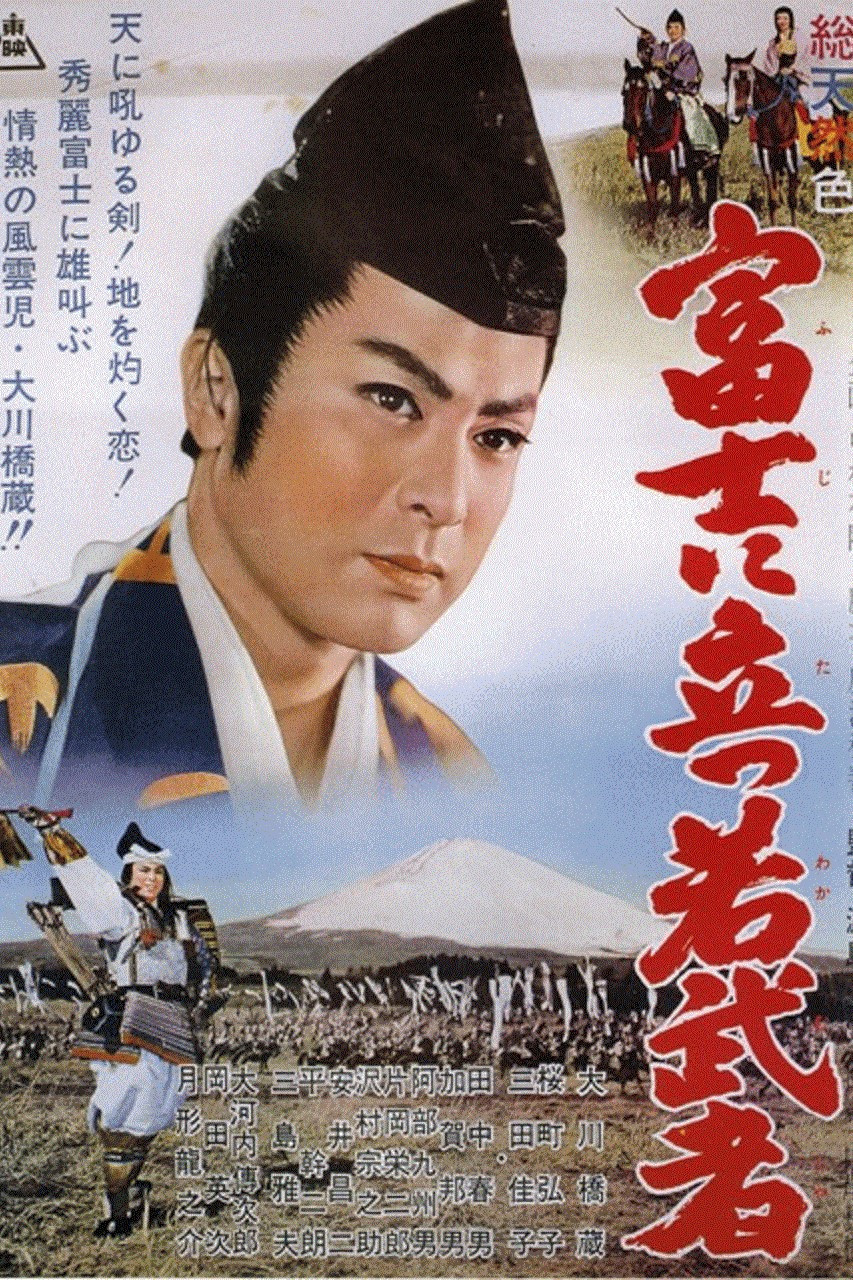
1961
Interprétation
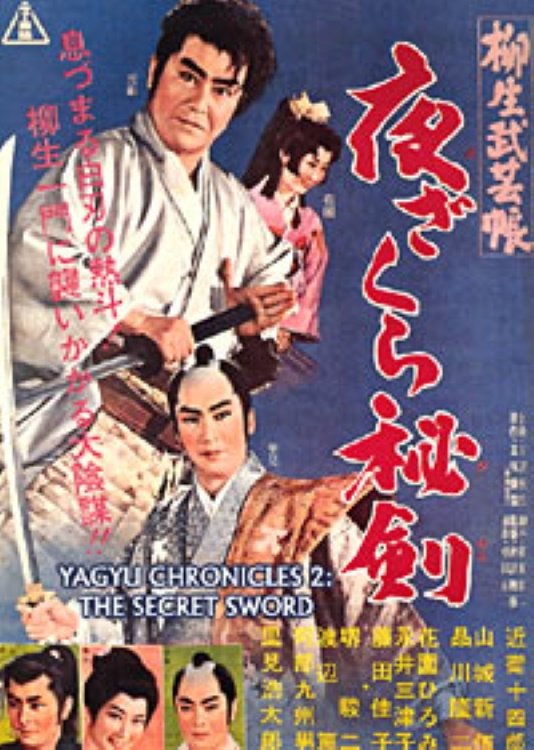
Lorsque le clan Yagyû est victime des espions rivaux de Kasumi, Yagyû Jûbei est appelé à l'action pour les protéger. Mais dans l'accomplissement de son devoir, il devient la cible de ceux qui veulent détruire son clan.
1961
Interprétation
1961
Interprétation

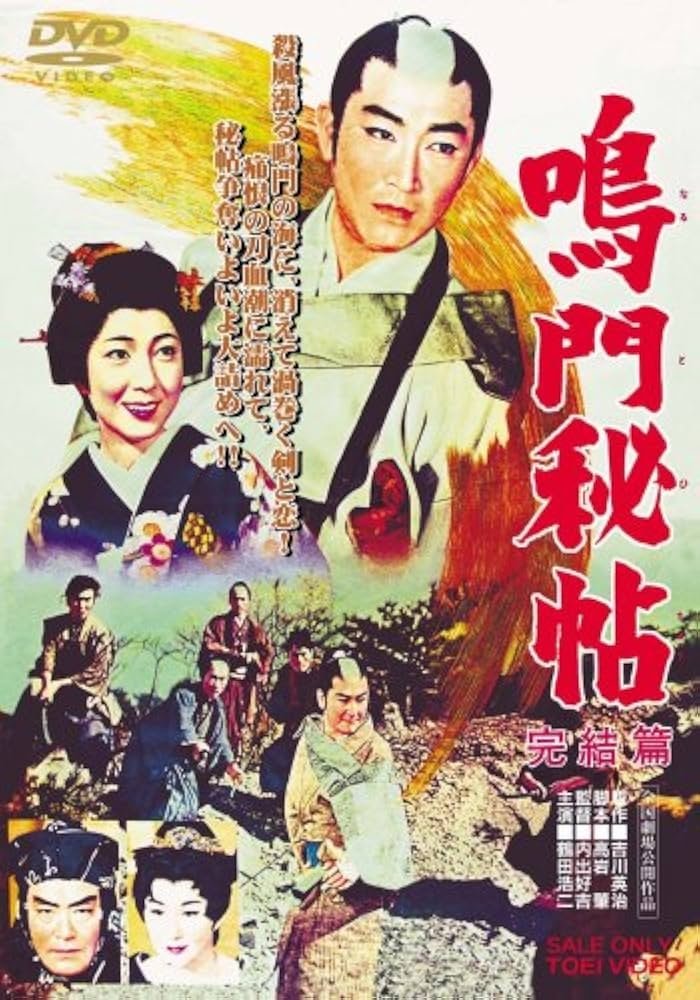
Une princesse d'un indigne clan et de son fidèle serviteur souhaite effacer leur nom de famille. Un rival du clan veut détruire la famille Yagyû. Seul le maître épéiste, Yagyû Jûbei se trouve sur leur chemin. Quel est le secret caché dans les parchemins ?
1961
Interprétation
1961
Interprétation
1961
Interprétation
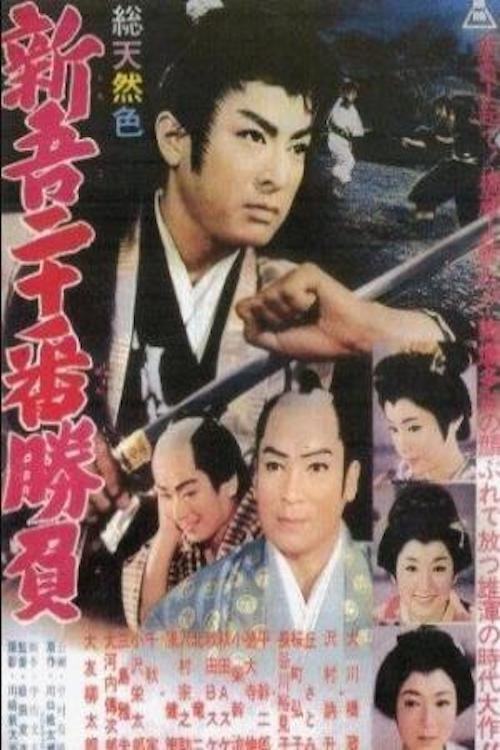
1961
Interprétation
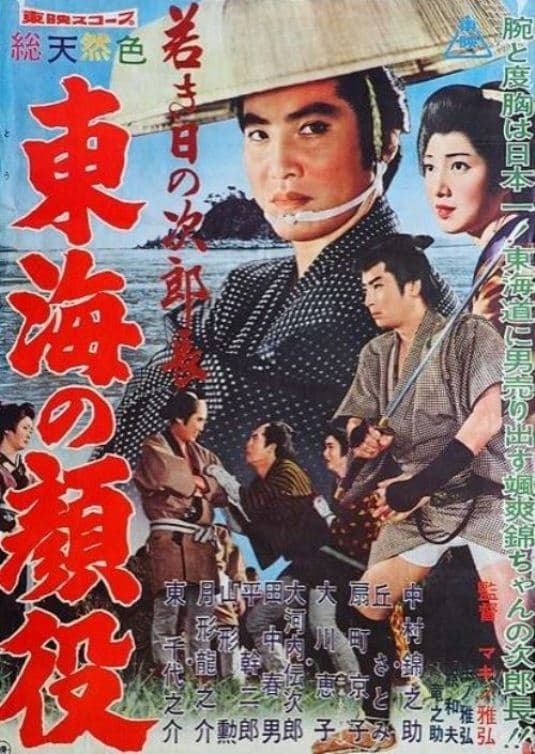
1960
Interprétation
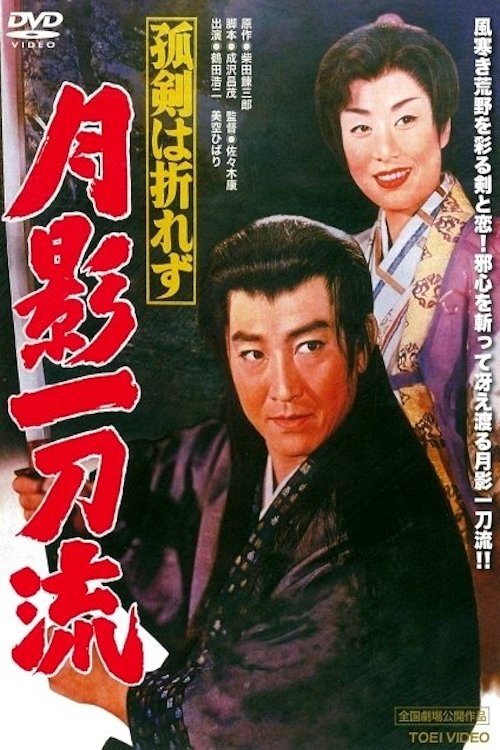
1960
Interprétation
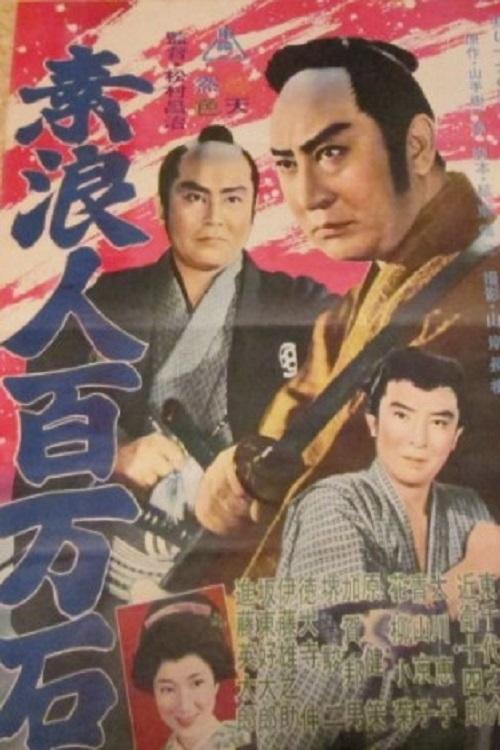
1960
Interprétation
1960
Interprétation
1960
Interprétation
1960
Interprétation

1960
Interprétation
1960
Interprétation
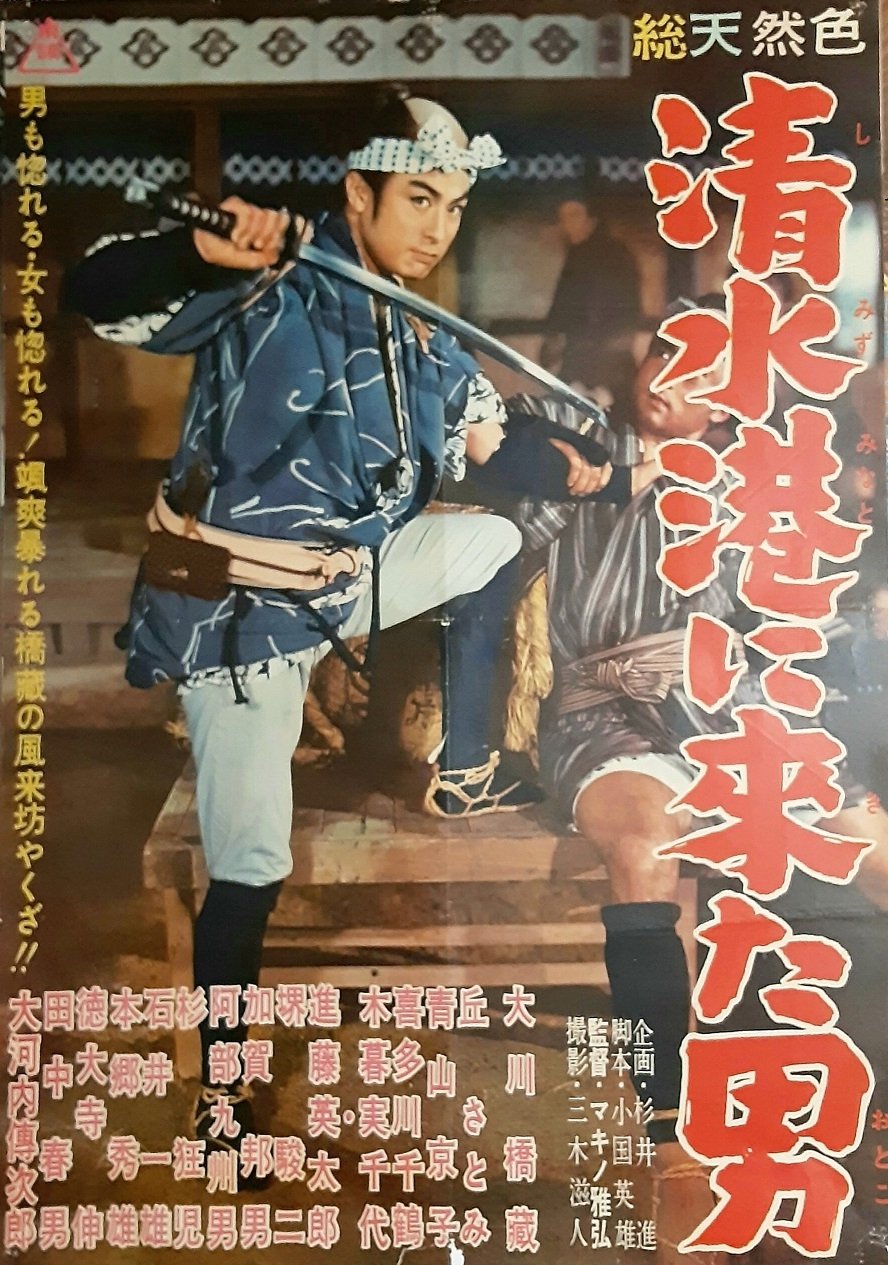
1960
Interprétation

1960
Interprétation
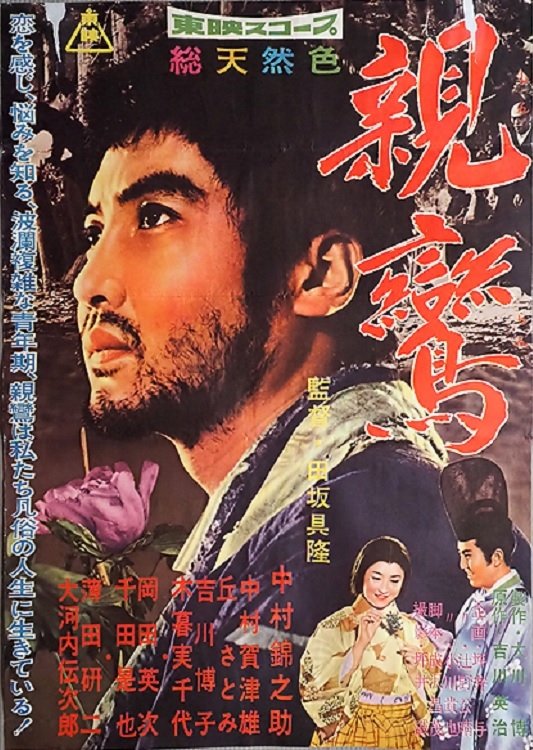
1960
Interprétation
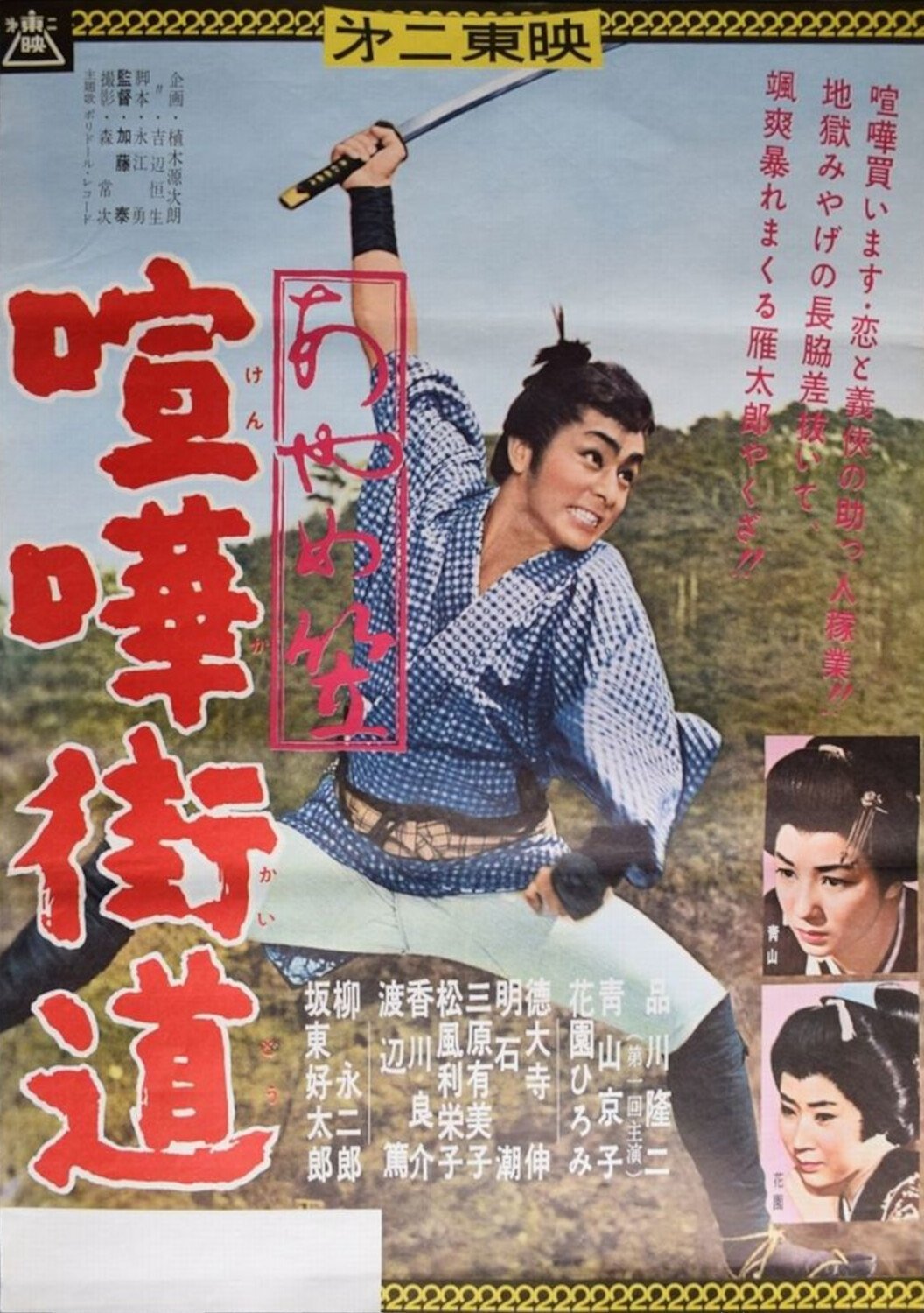
1960
Hayato Akiyama
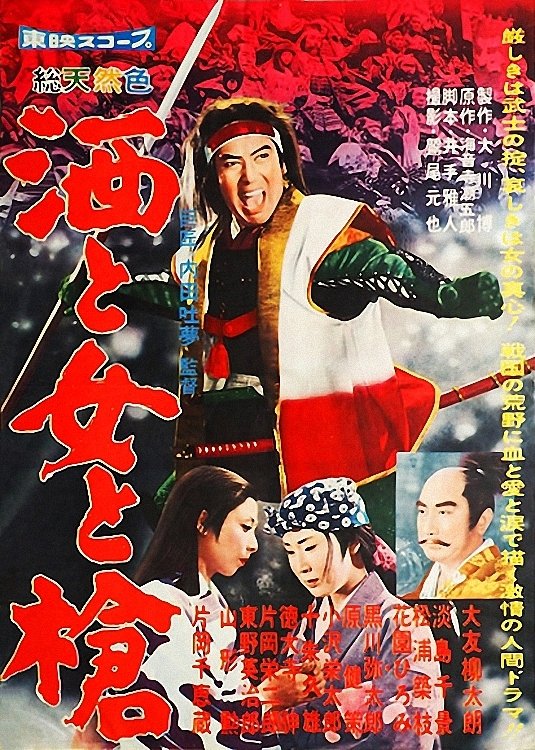
1960
Interprétation
1960
Interprétation

1960
Interprétation

1960
Interprétation

1960
Interprétation
1960
Interprétation
1960
Interprétation

1960
Interprétation

1960
Interprétation
1960
Tokugawa Ieyoshi

1960
Interprétation
1960
Interprétation
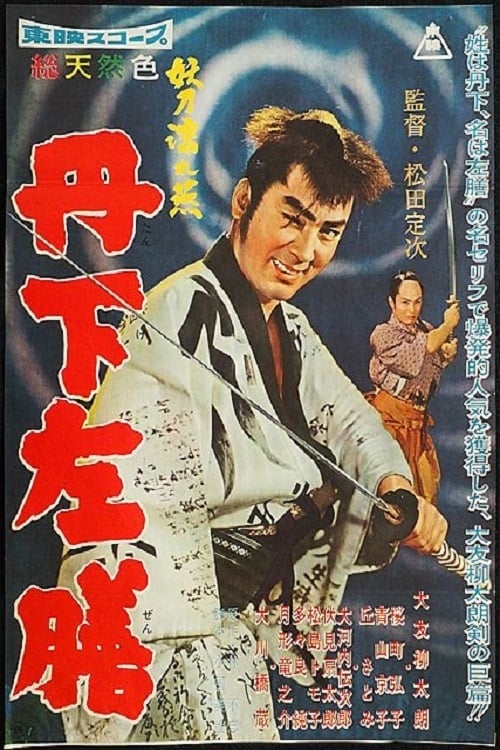
Le légendaire épéiste borgne et manchot Tange Sazen est de retour pour aider un magistrat dans ses efforts pour récupérer l'argent de la corruption et en faire bénéficier les agriculteurs pauvres dans la région d'Edo.
1960
Interprétation

1960
Interprétation
1959
Interprétation
1959
Interprétation
1959
Interprétation
1959
Interprétation

1959
Interprétation

1959
Interprétation

1959
Interprétation
1959
Interprétation
1959
Interprétation

1959
Interprétation
1959
Interprétation
1959
Interprétation
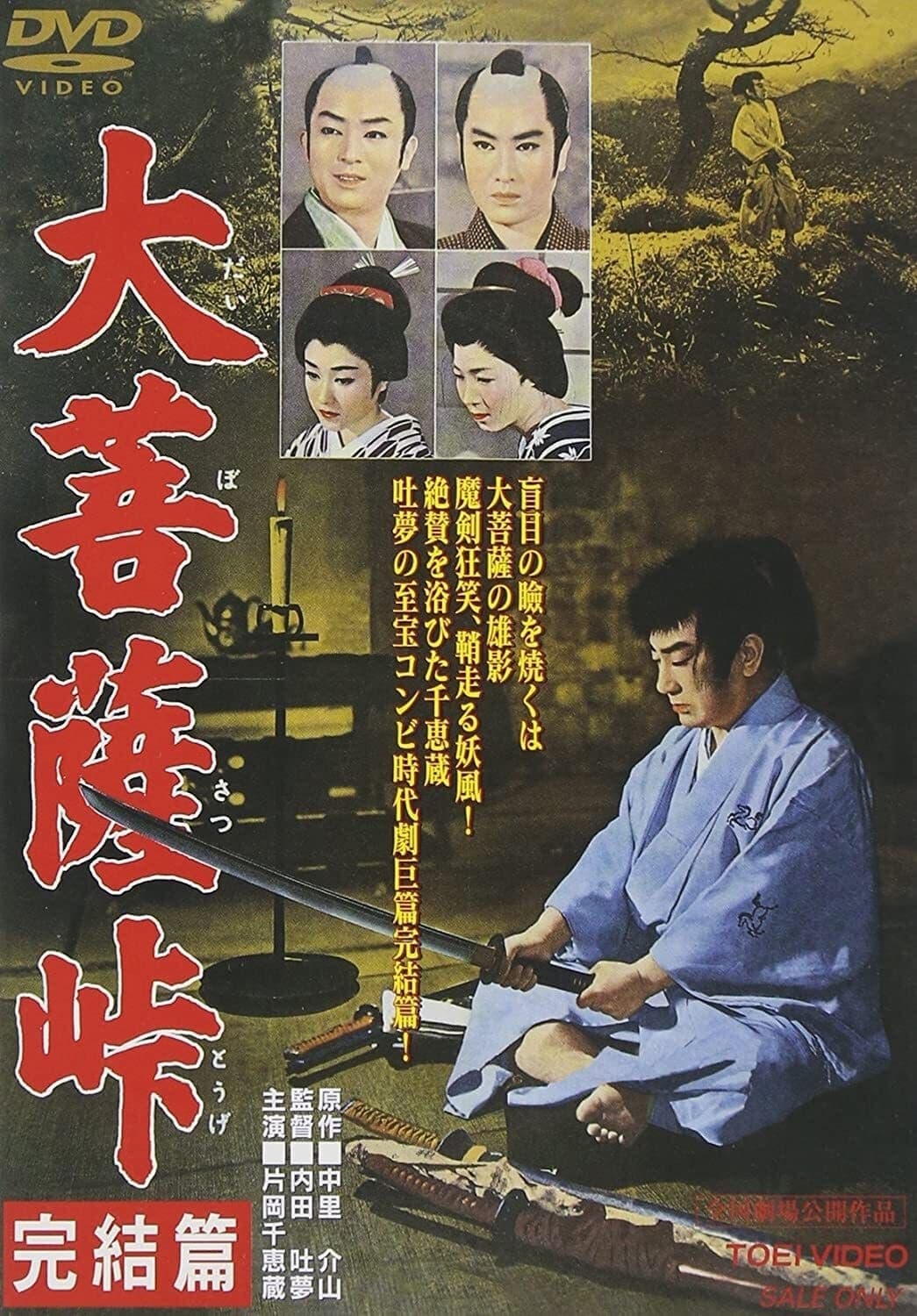
Il s'agit du troisième volet de la trilogie basée sur le plus grand roman japonais "Le passage du grand Bouddha", qui retrace la vie et l'époque d'un samouraï assoiffé de sang, Tsukue Ryunosuke.
1959
Interprétation

1959
Fujigoro

1959
Interprétation
1959
Interprétation
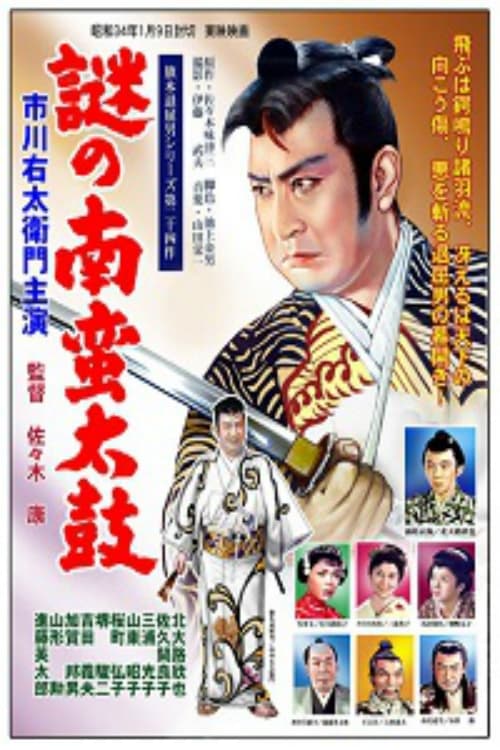
1959
Interprétation

1959
Interprétation
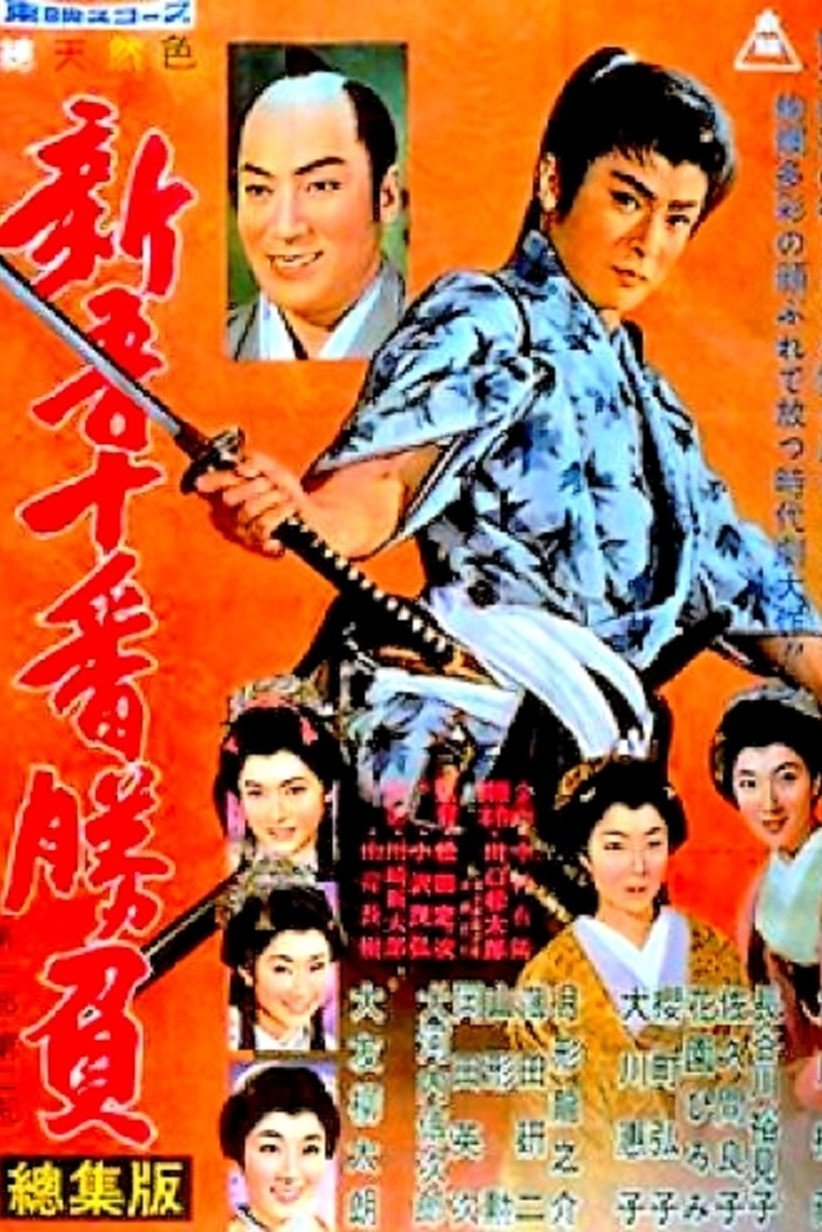
1959
Interprétation
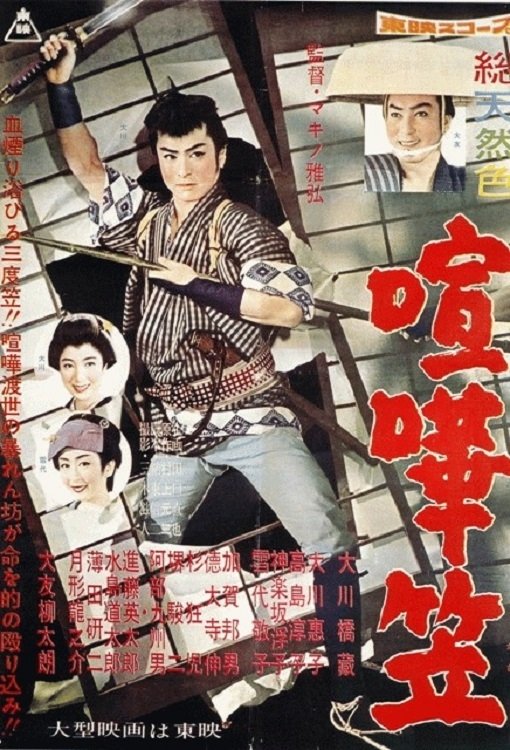
1958
Interprétation
1958
Interprétation

1958
Interprétation
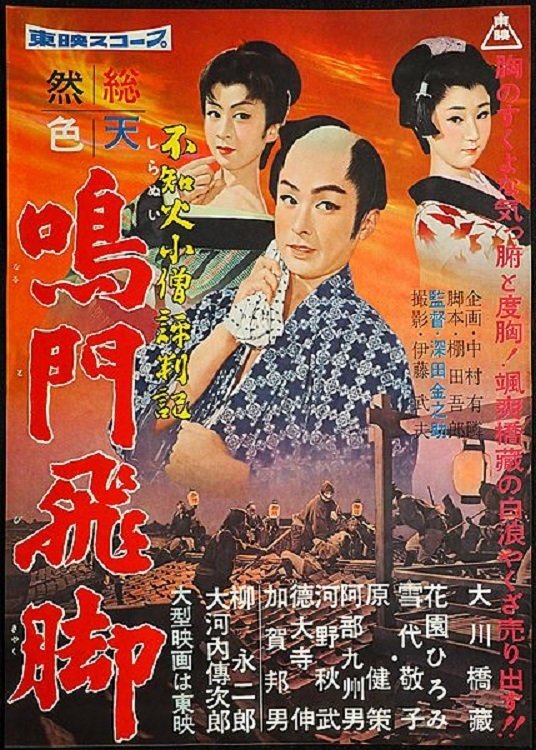
1958
Interprétation
1958
Interprétation
1958
Todo Heisuke

1958
Interprétation
1958
Interprétation

1958
Sakon Sugai
1958
Ishikawa Hanjiro
1958
Interprétation
1957
Interprétation
1957
Interprétation
1957
Interprétation

1957
Interprétation
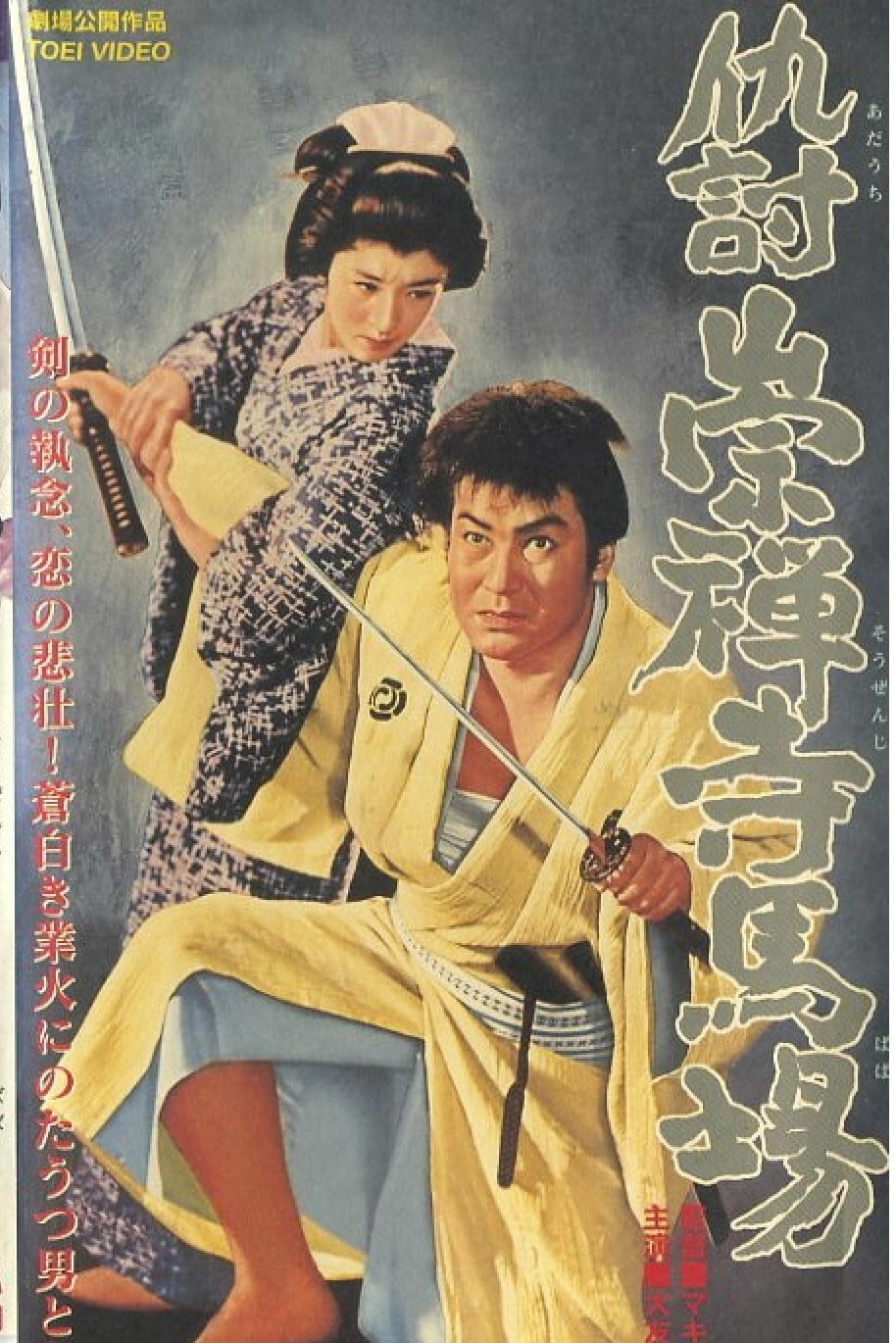
1957
Tadanao Honda
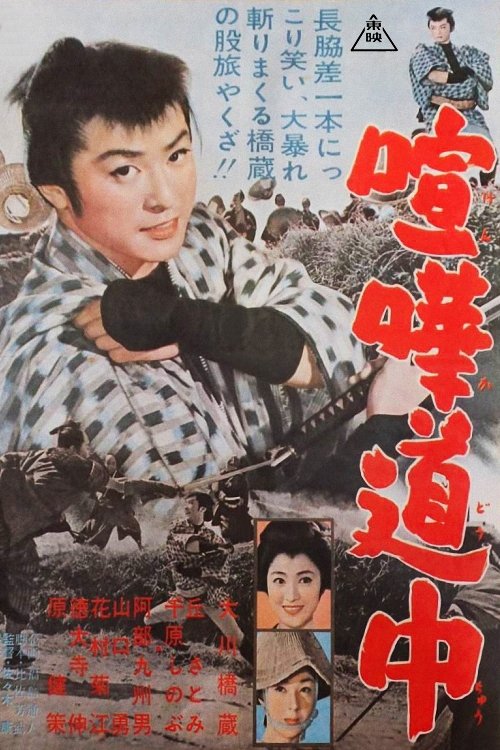
1957
Interprétation
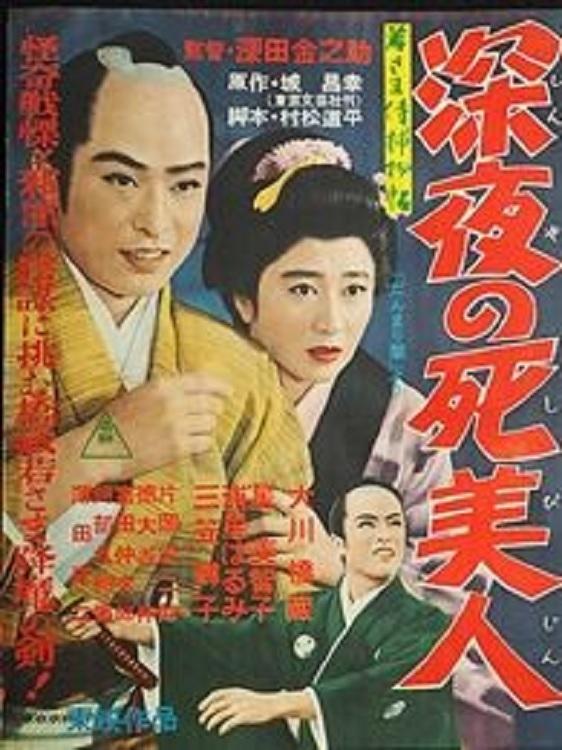
1957
Interprétation

1957
Interprétation

1957
Interprétation
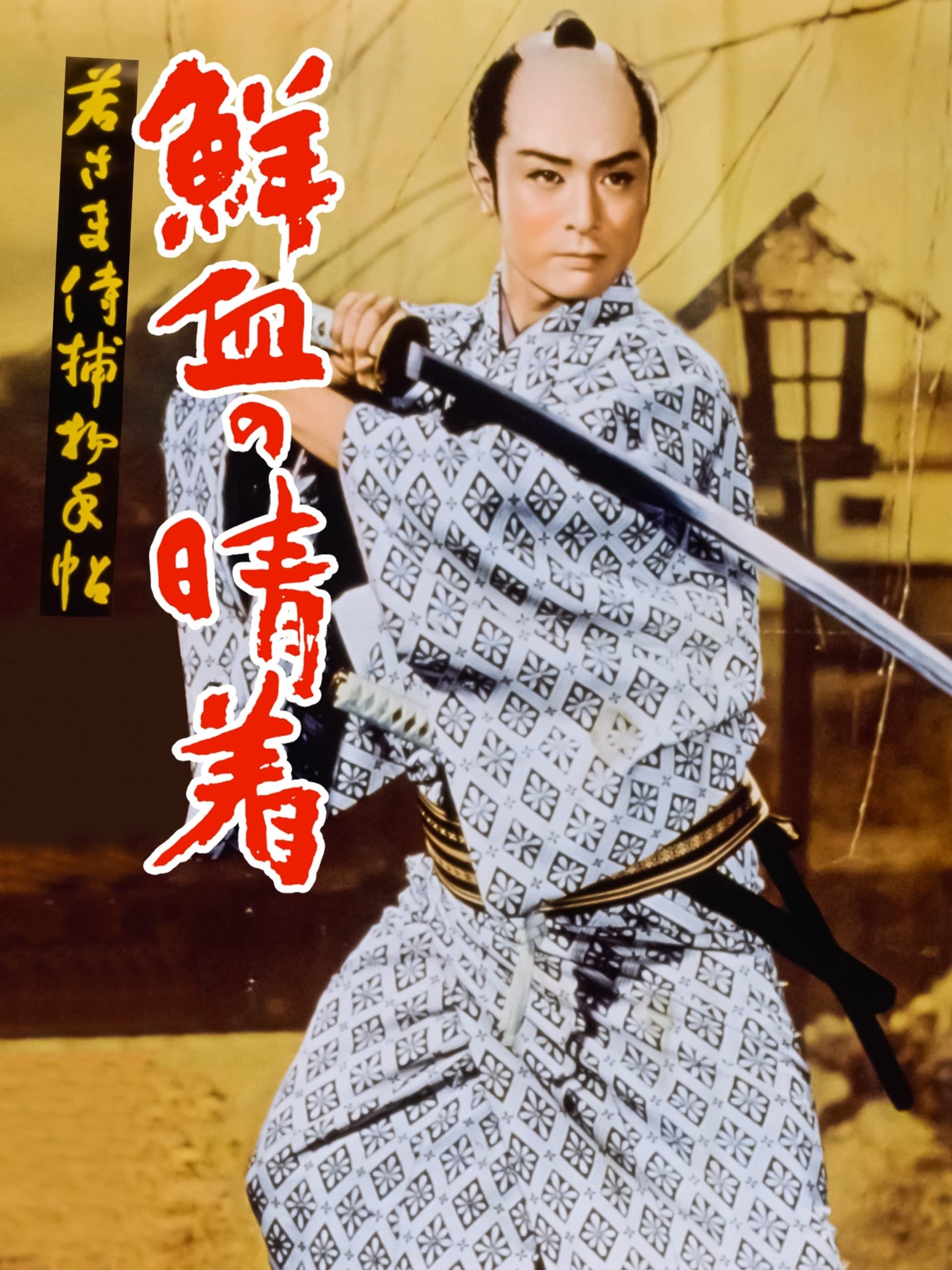
1957
Interprétation

1957
Interprétation
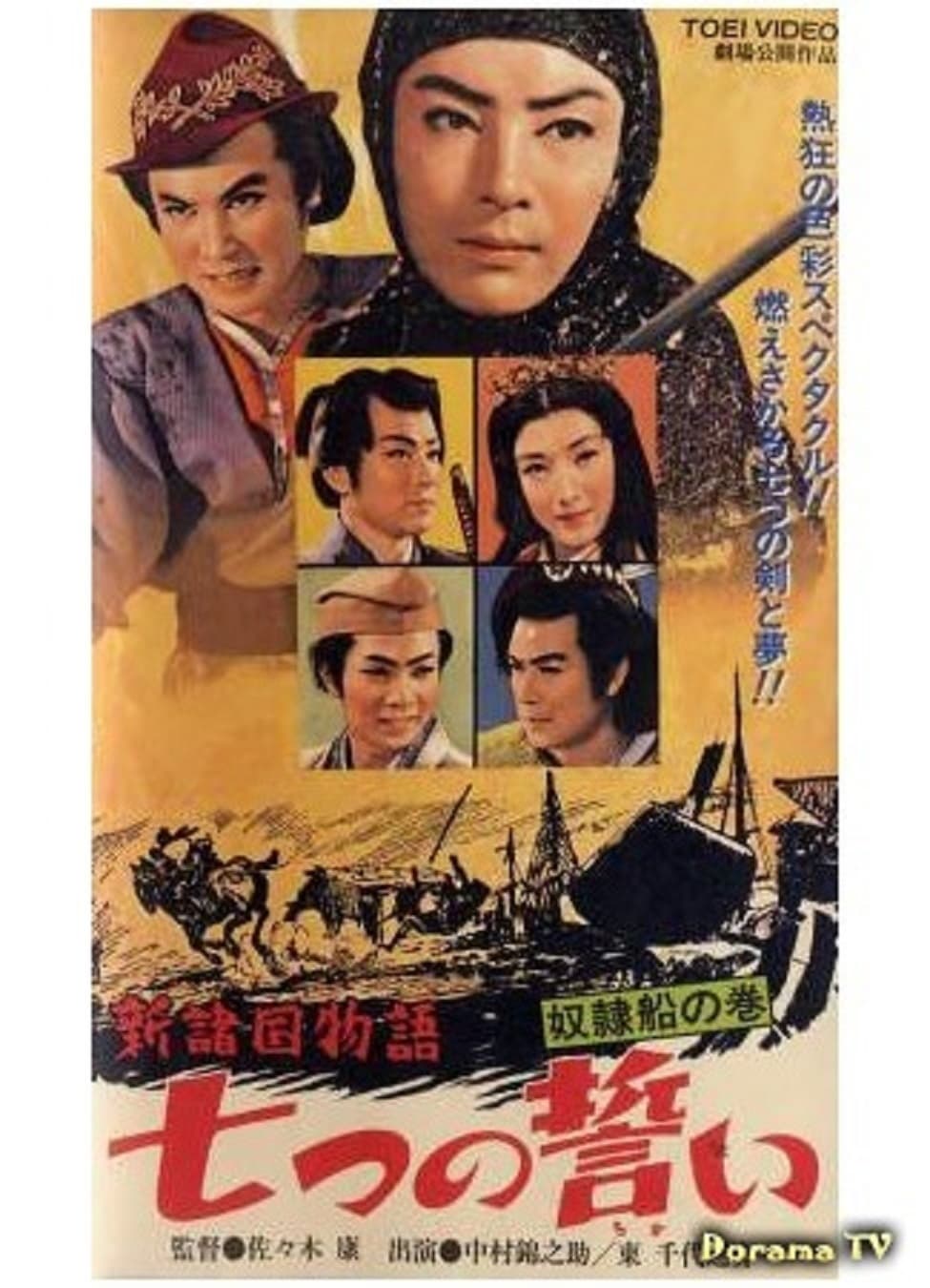
1957
Interprétation

1956
Fukuromaru

1956
Hachiro (portrait artist)
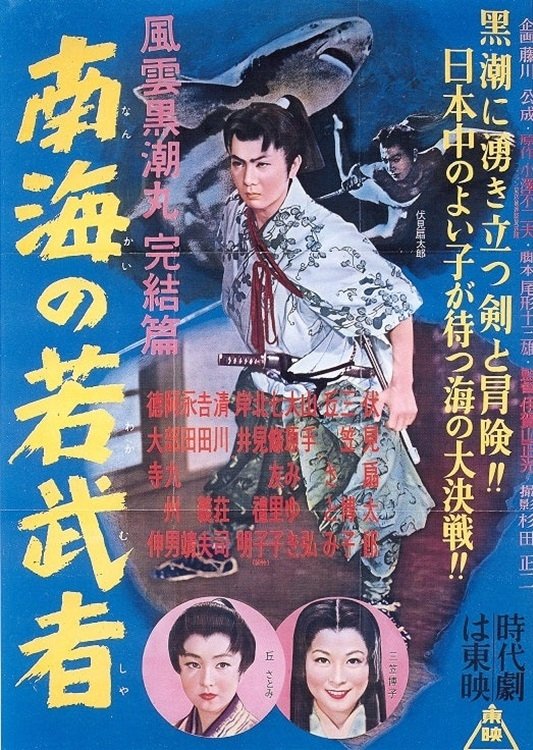
1956
Interprétation
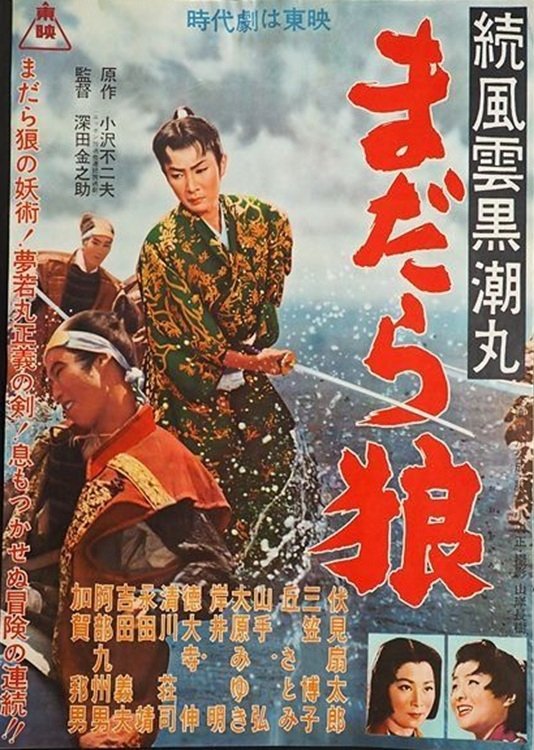
1956
Interprétation
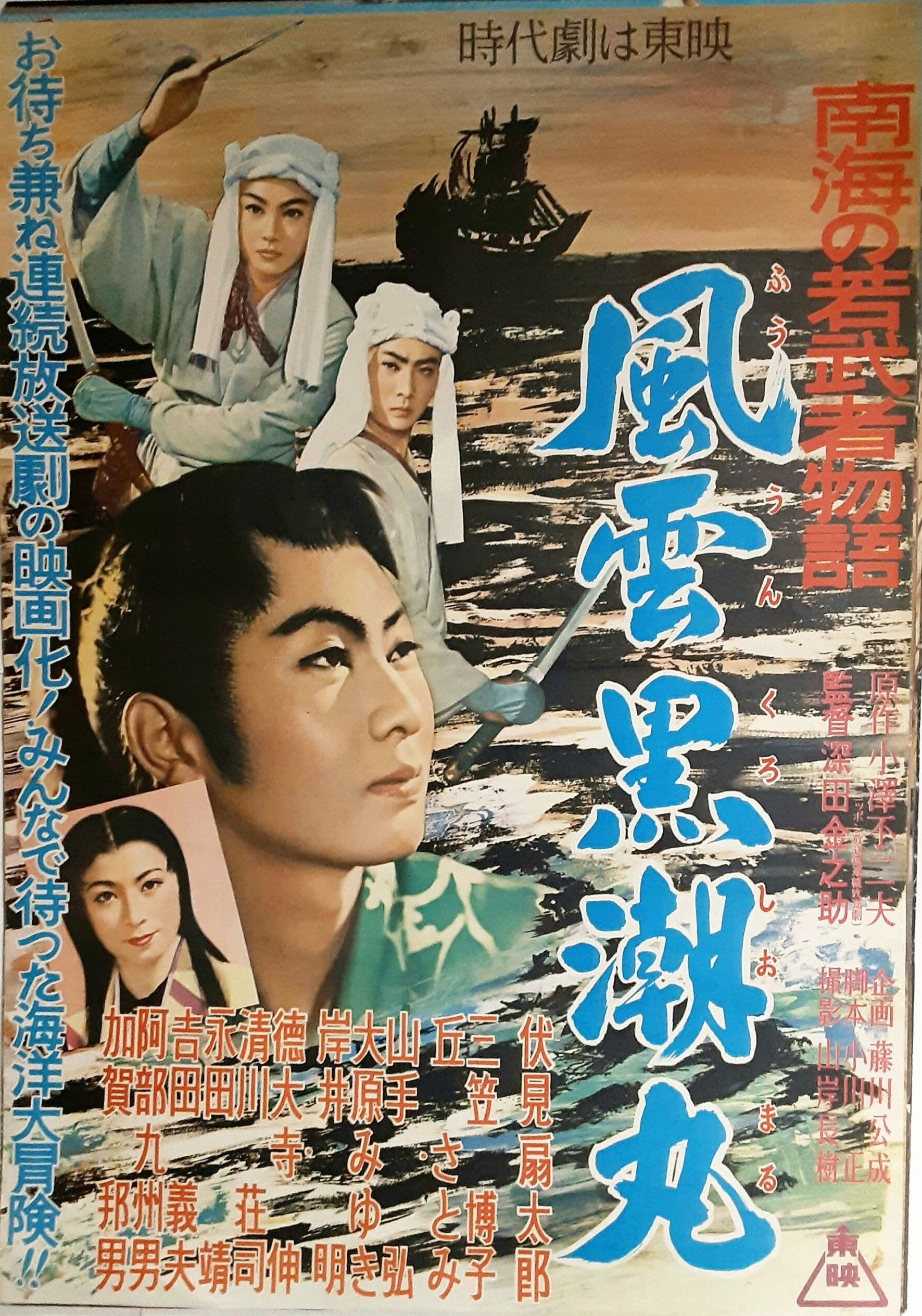
1956
Interprétation

1956
Interprétation
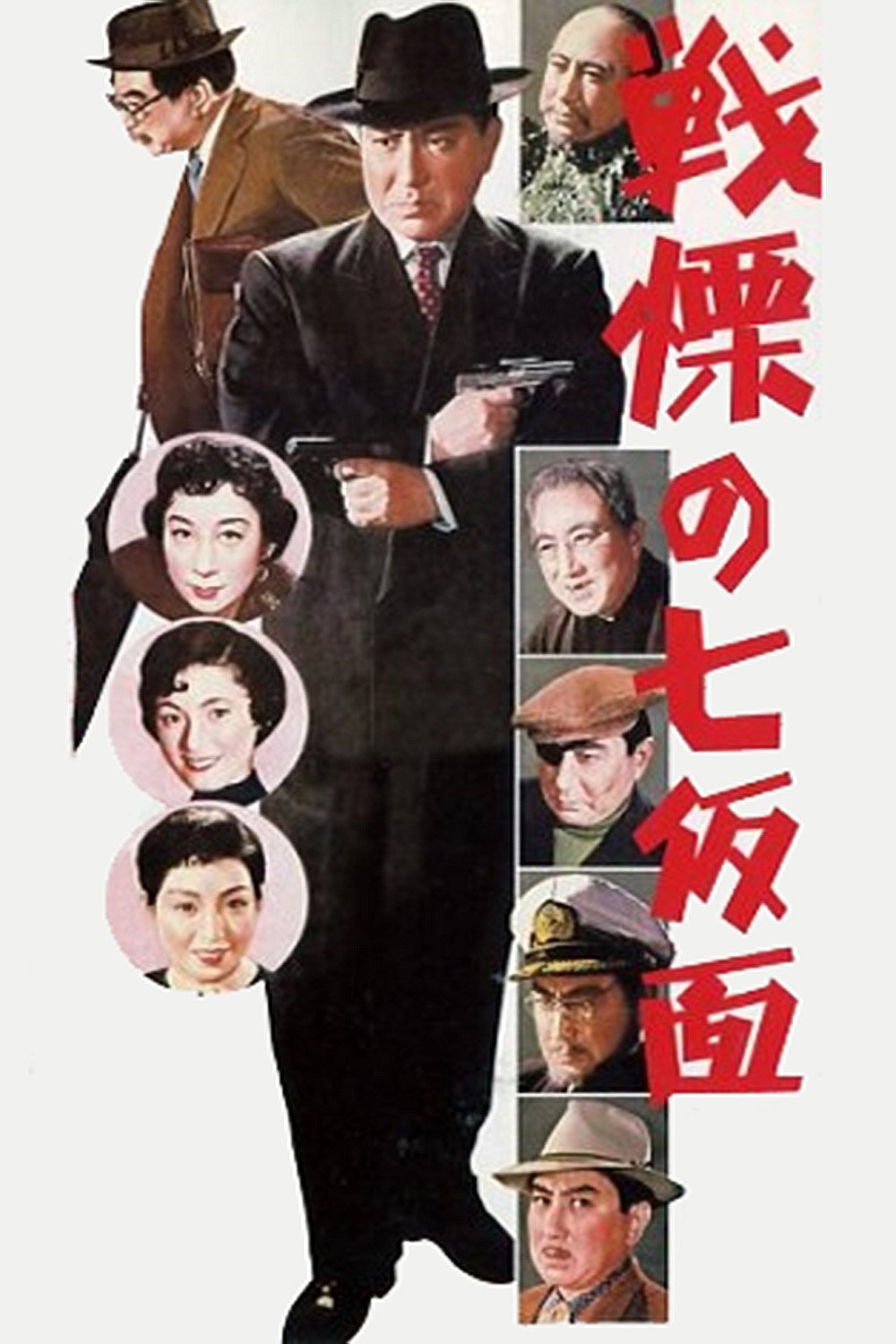
1956
Interprétation
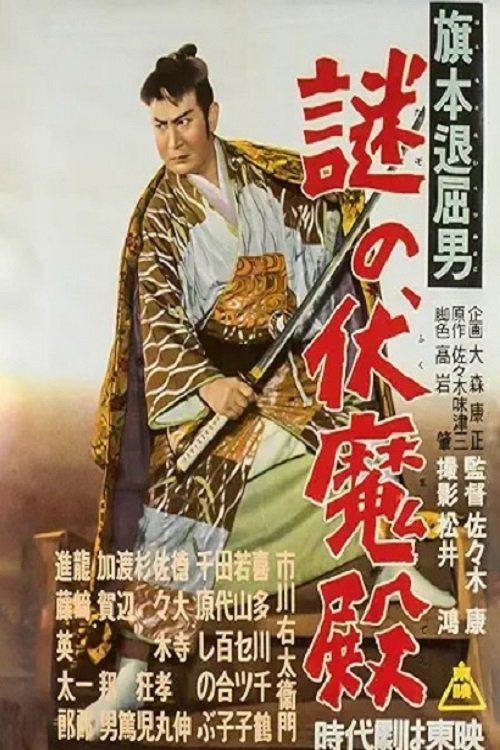
1955
Interprétation
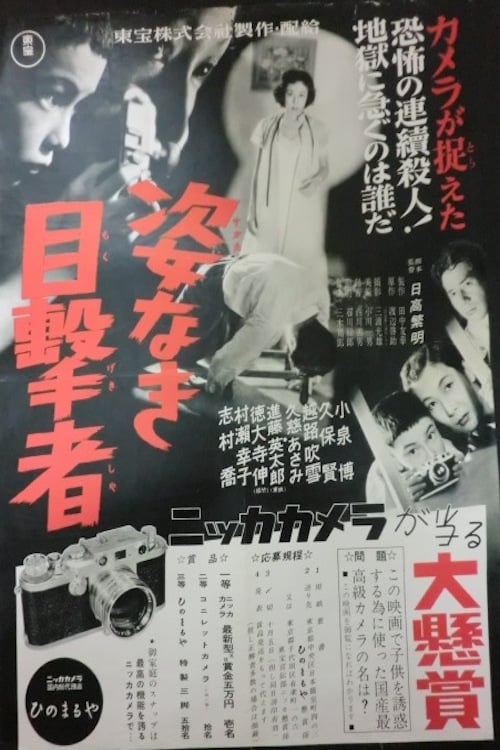
1955
Takayuki Uozumi

1955
Interprétation
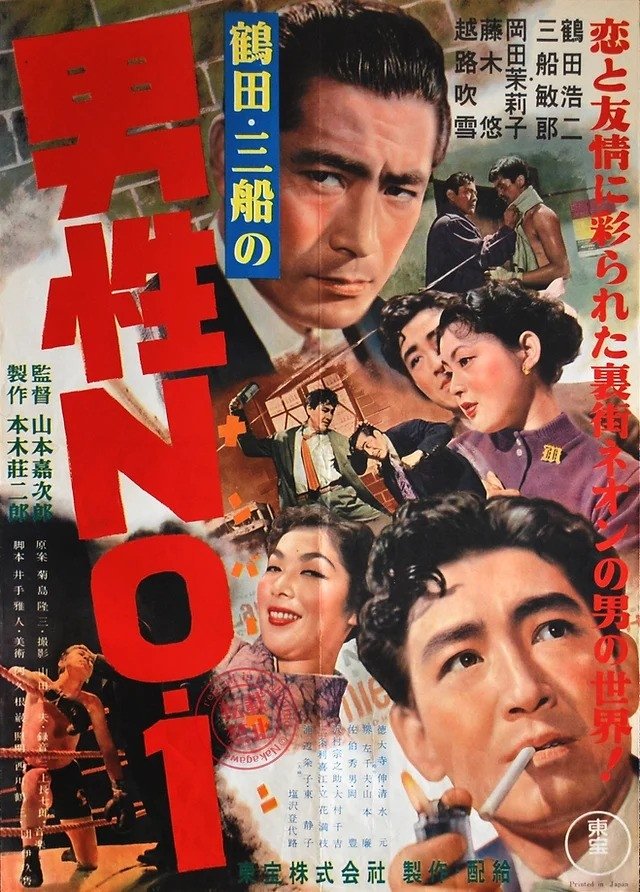
1955
Inui
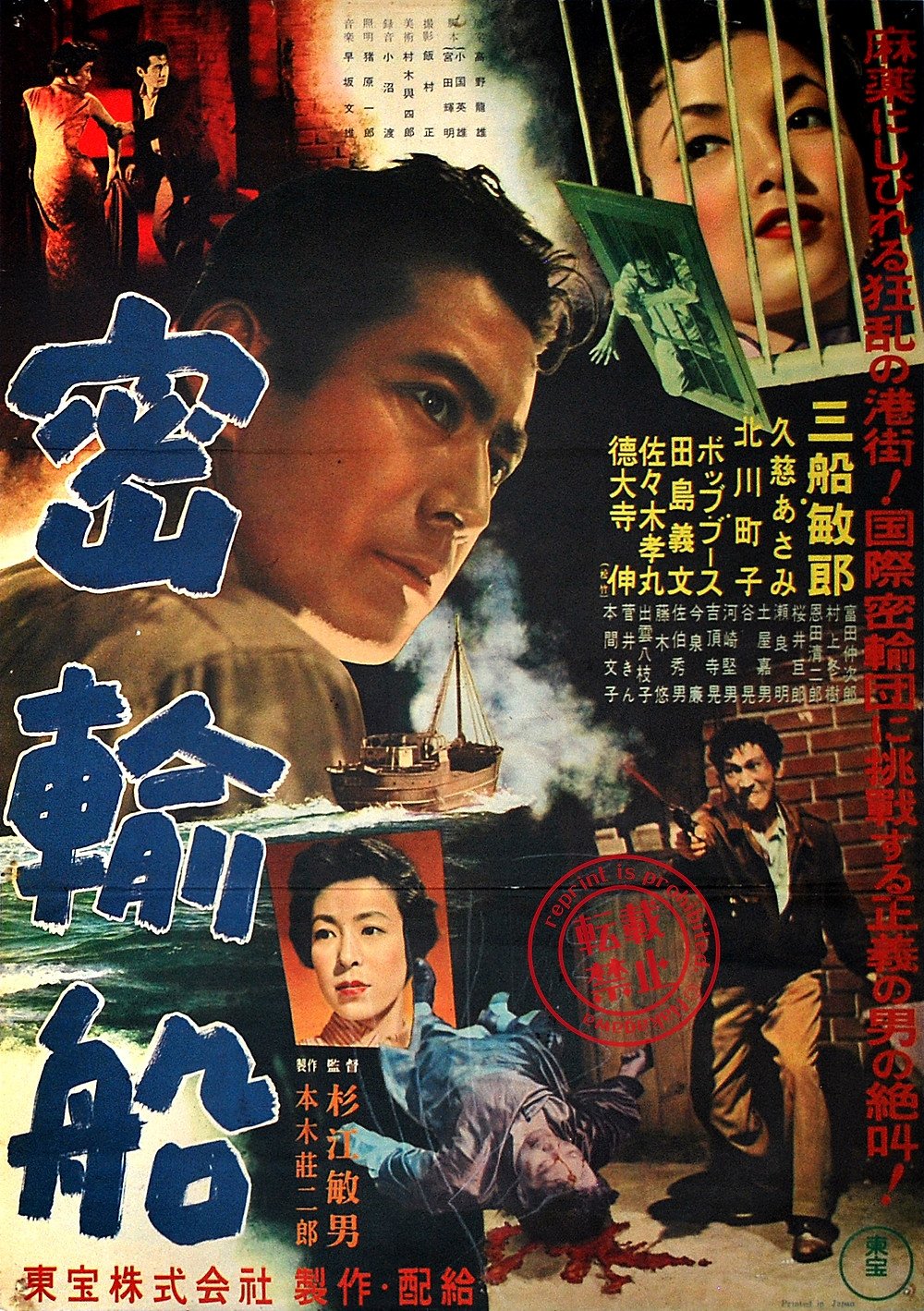
1954
Captain Mitani of the Fukujin-maru
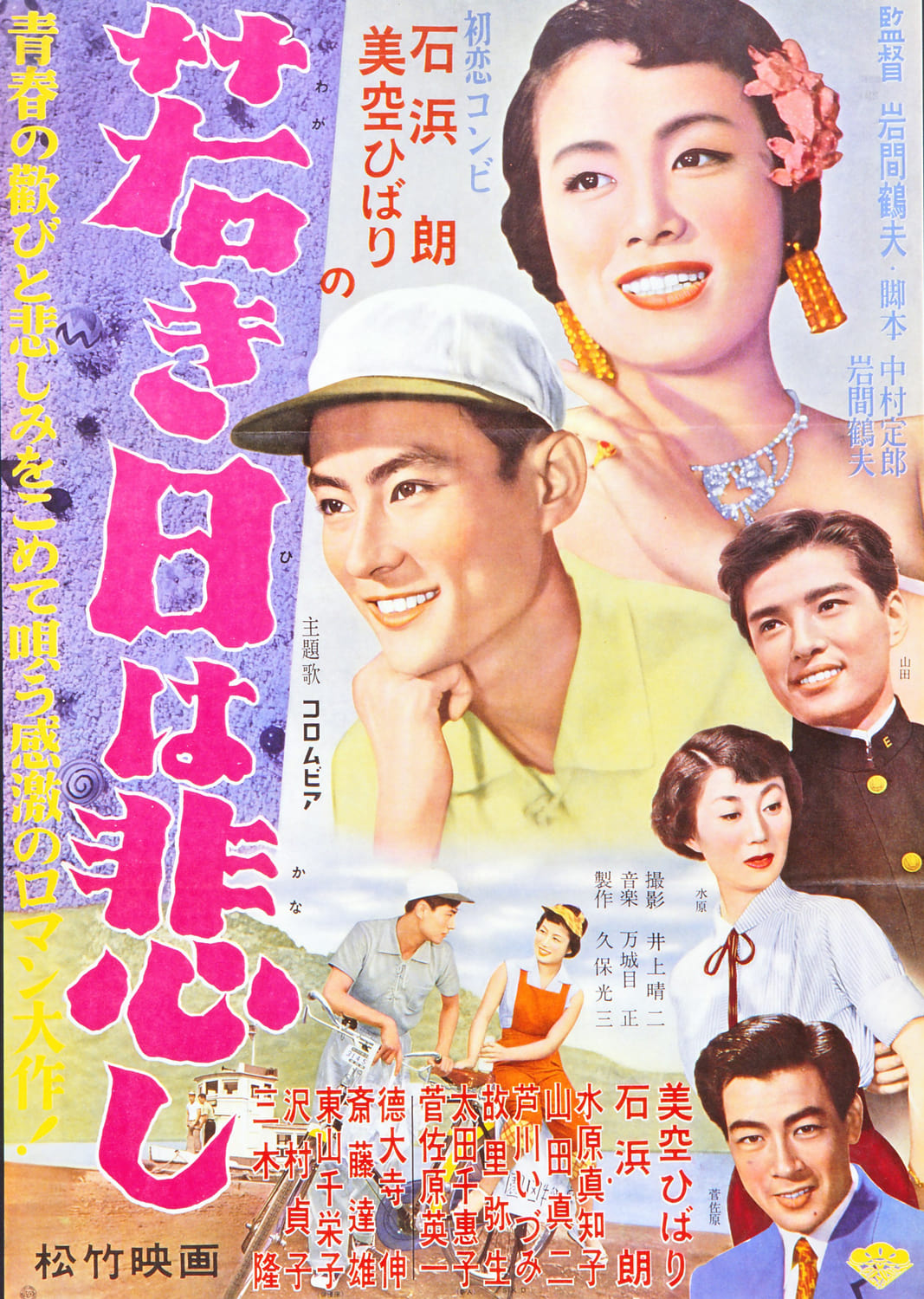
1954
Interprétation

1954
Tatewaki Matsudaira

1954
Interprétation
1954
Interprétation

1954
Interprétation
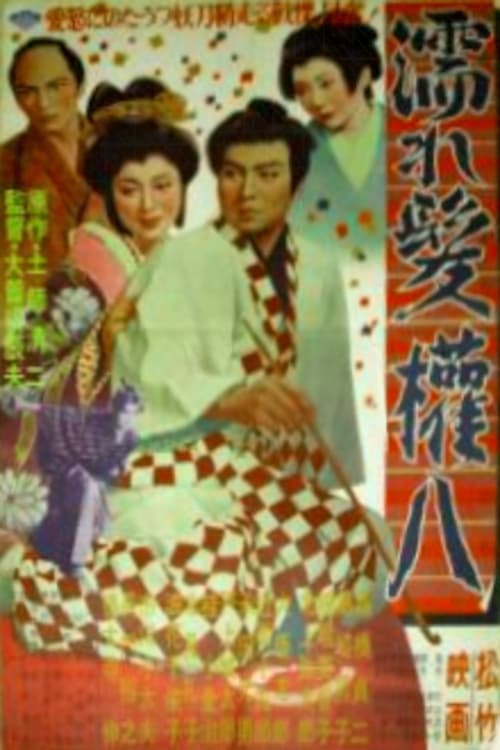
1954
津下友右衛門
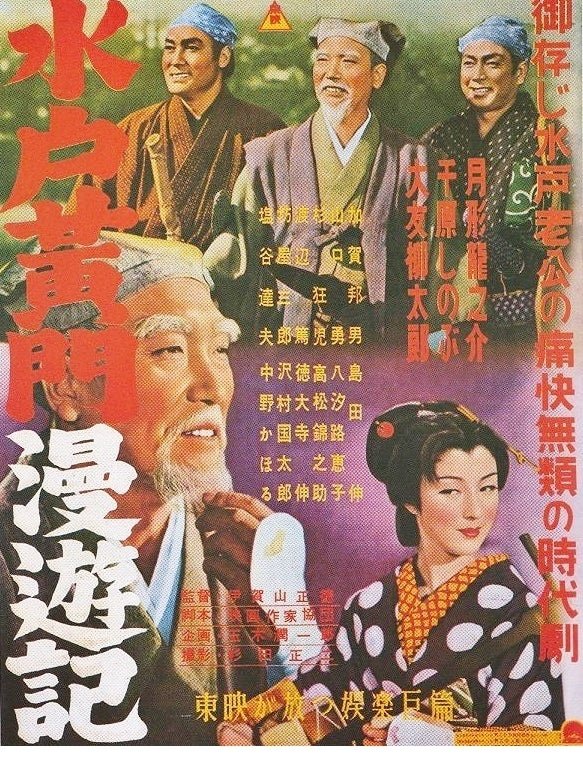
1954
Interprétation
1954
Interprétation
1953
Kurishima Tsuneki, assassin
1953
九條関白
1953
Interprétation

1953
Tetsuo Aikawa

1953
Interprétation
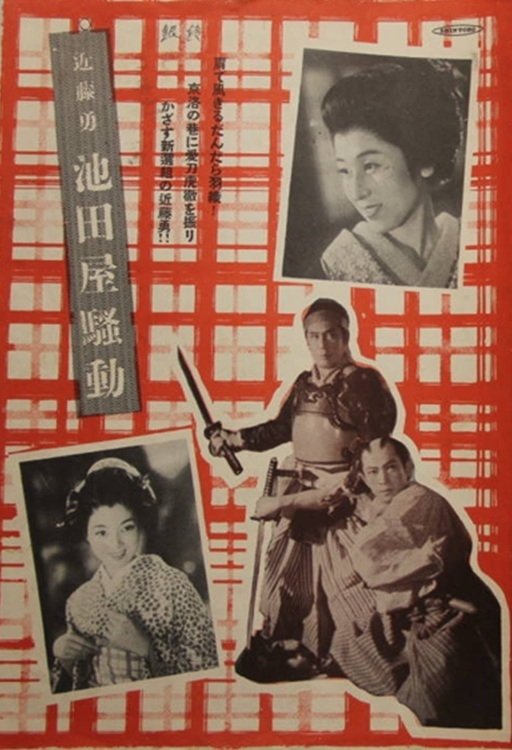
1953
Interprétation

1953
Tsunayoshi Tokugawa
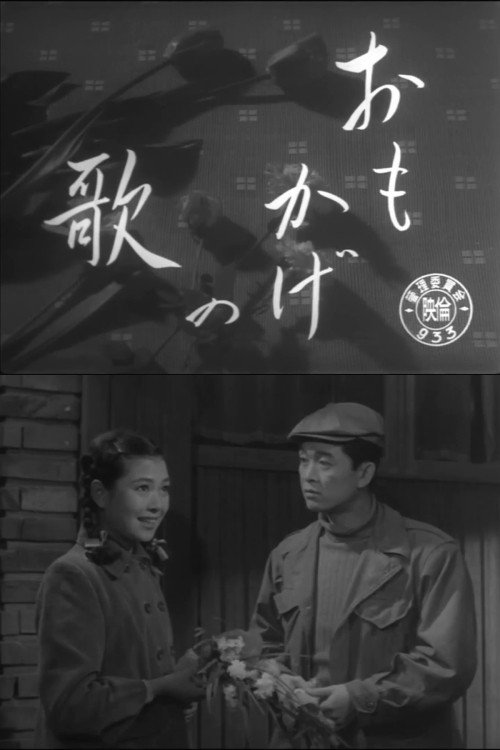
1953
Interprétation
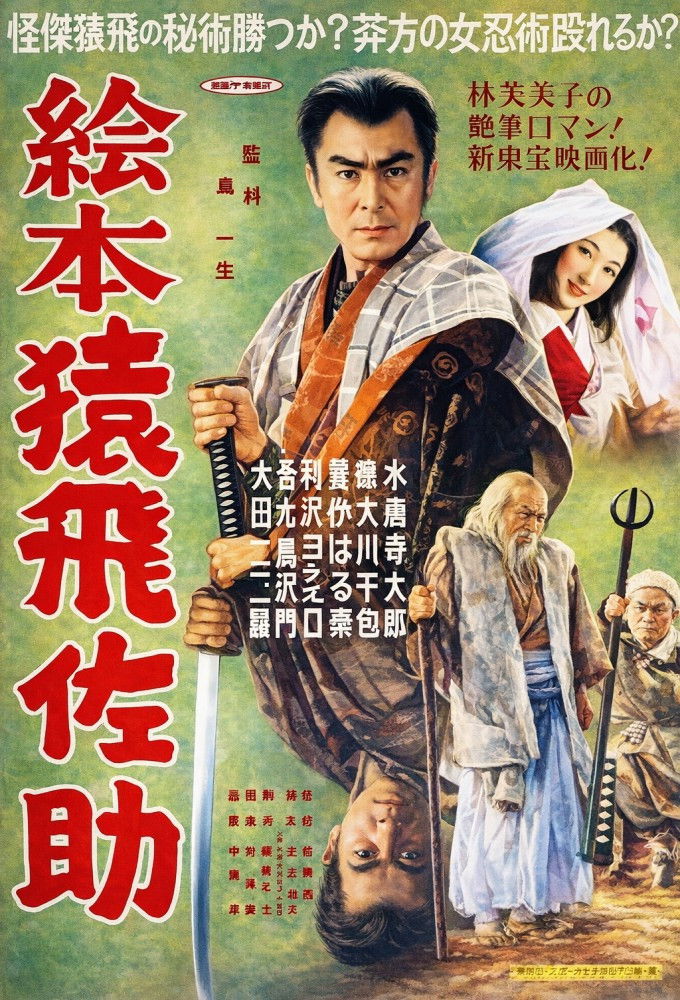
1953
Sanada Yukimura
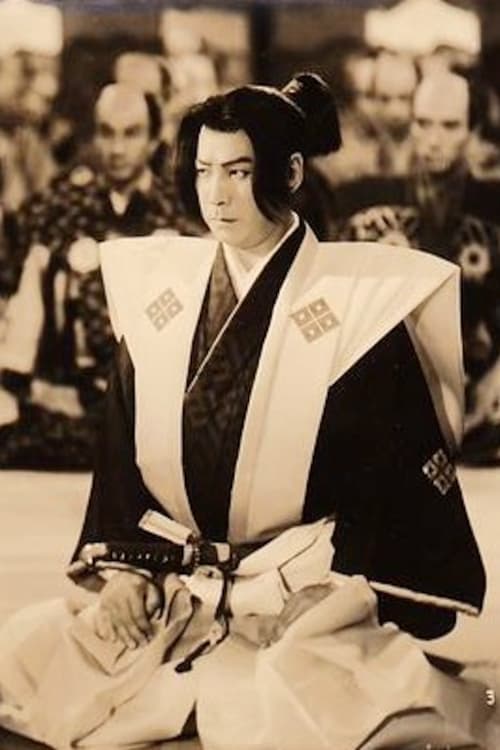
1952
早坂三弥太
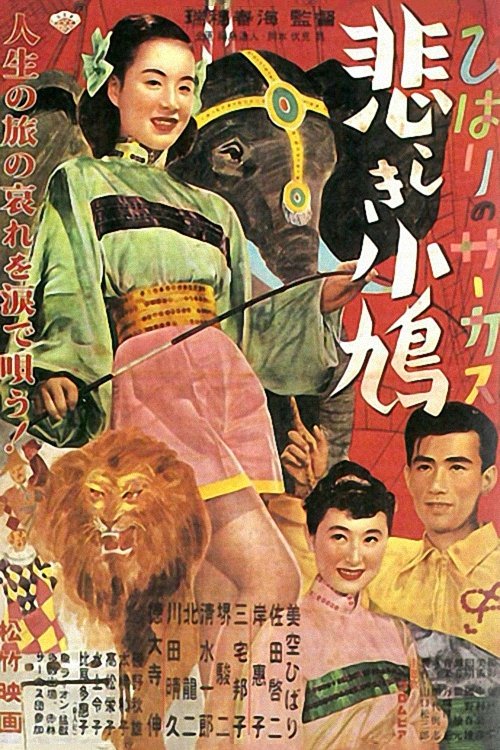
1952
Interprétation

1952
Interprétation
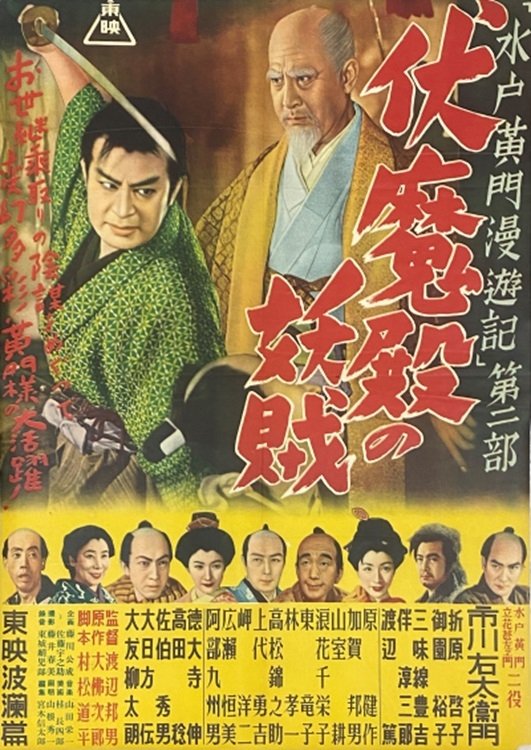
1952
Interprétation
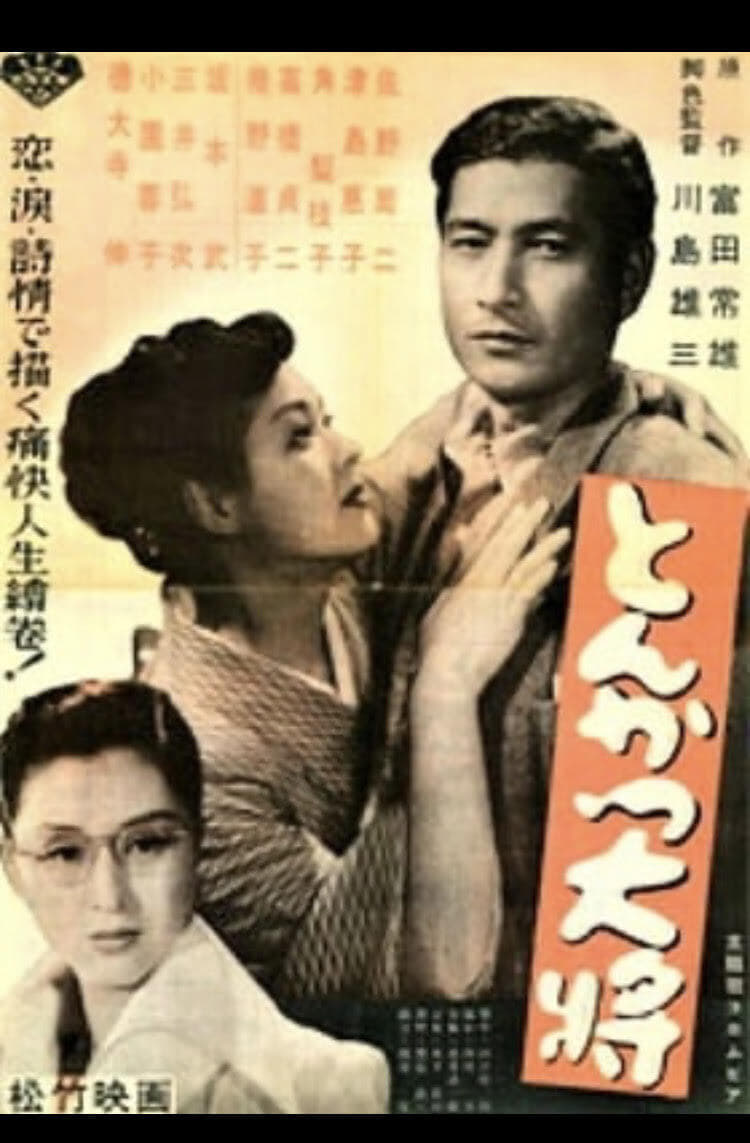
1952
Interprétation
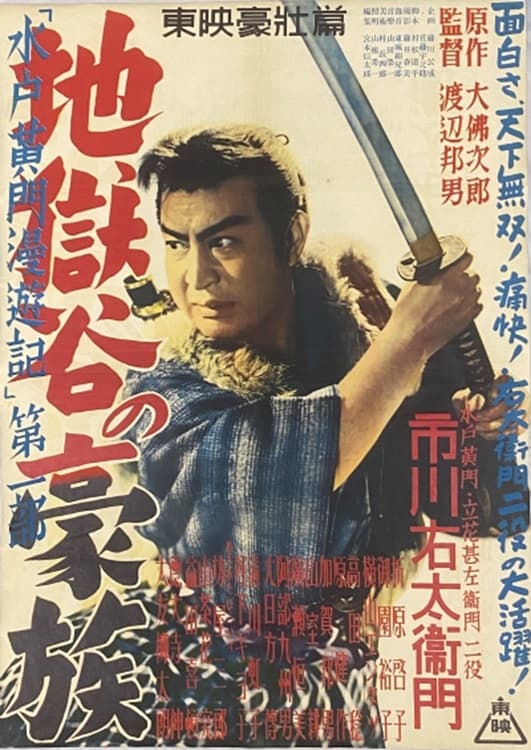
1952
Interprétation
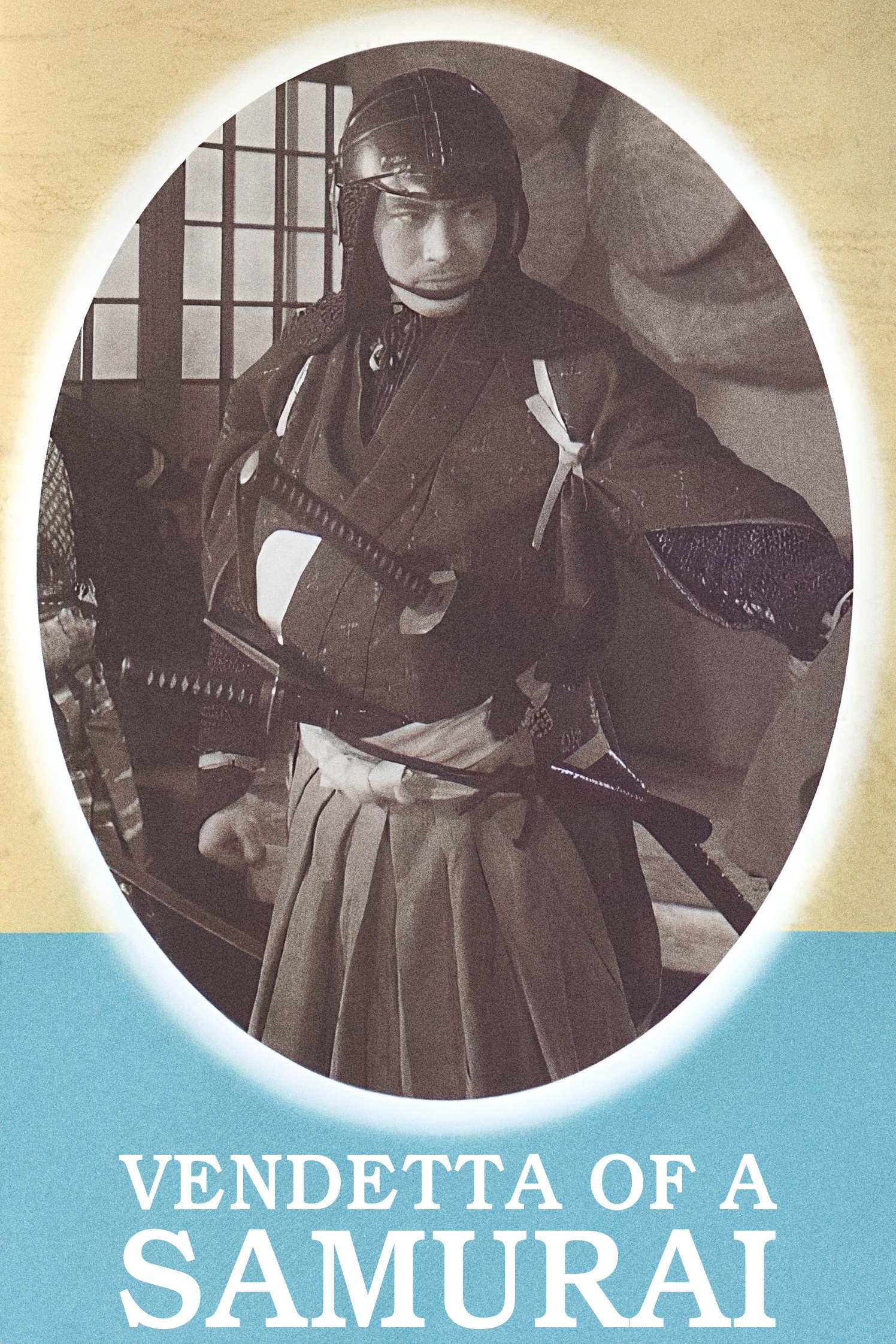
La célèbre confrontation au coin de Kagiya a été racontée de nombreuses fois, mais jamais auparavant avec le réalisme et l'intensité de cette version écrite par Kurosawa Akira et mettant en vedette Mifune Toshiro dans le rôle du célèbre épéiste qui doit affronter son meilleur ami alors qu'ils sont forcés de prendre des positions opposées dans une vendetta causée par le meurtre d'un membre de leur famille.
1952
Interprétation
1951
Interprétation
1951
Interprétation
1951
Interprétation
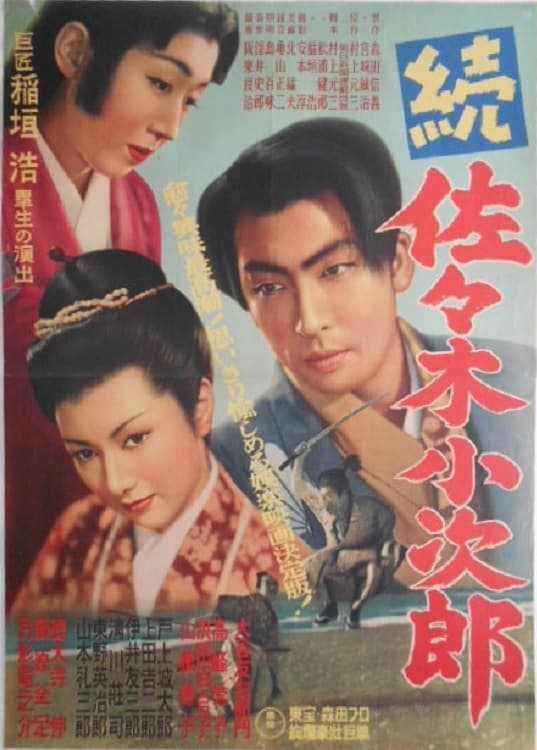
1951
Interprétation
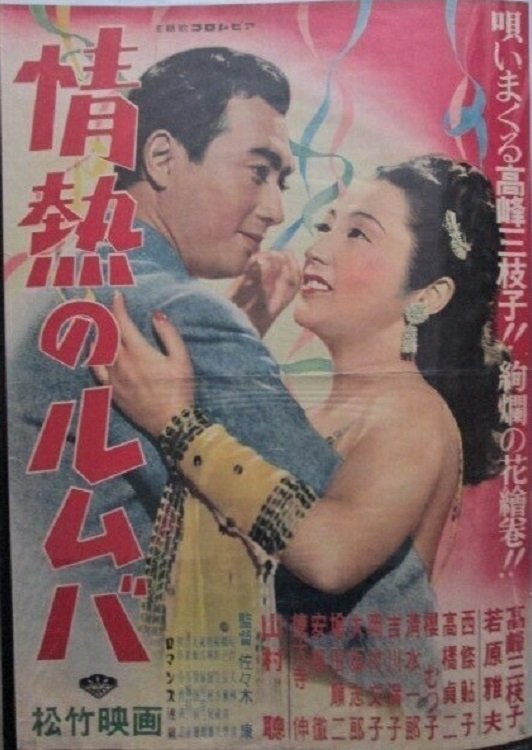
1950
Interprétation
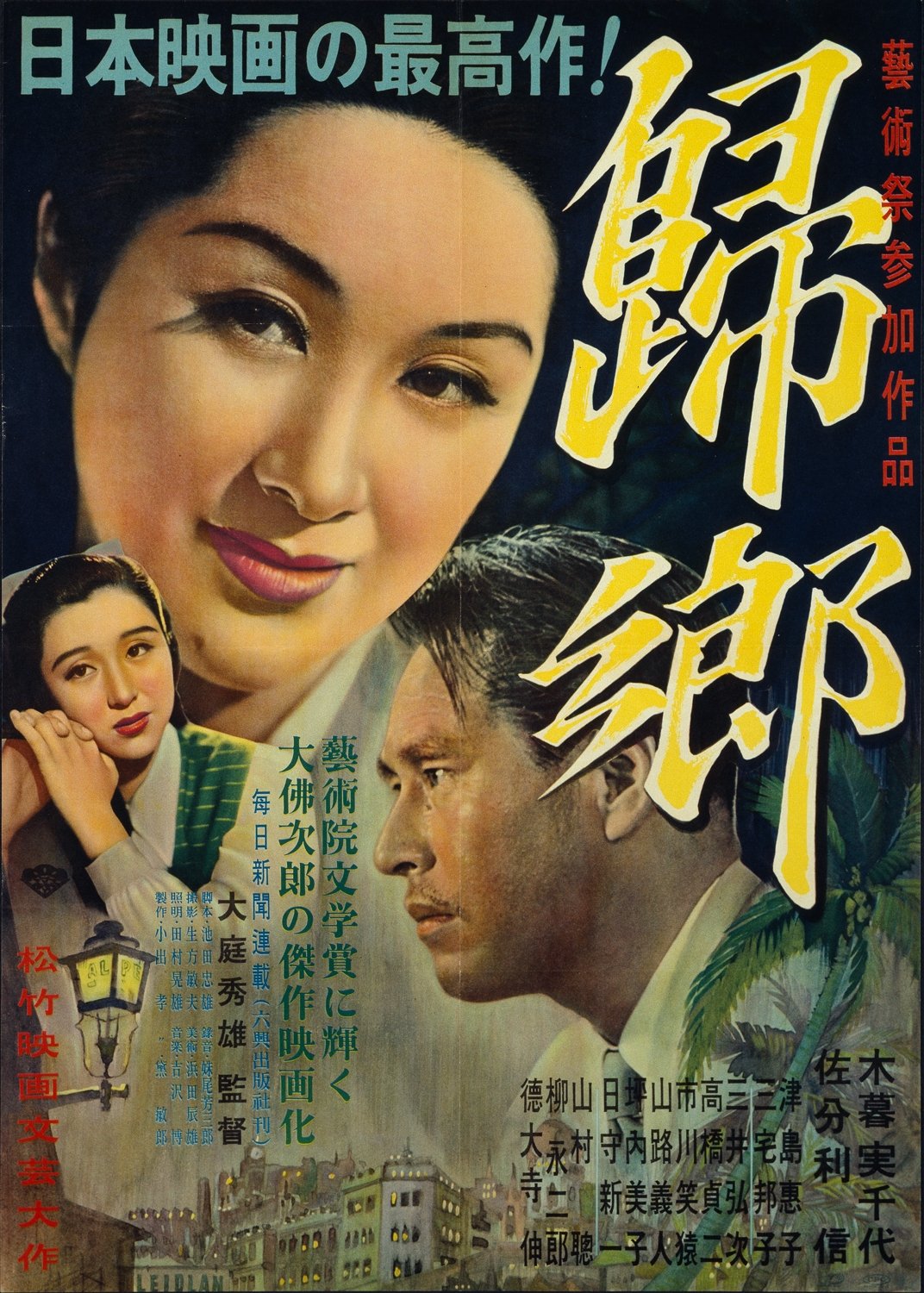
1950
Interprétation
1950
Interprétation
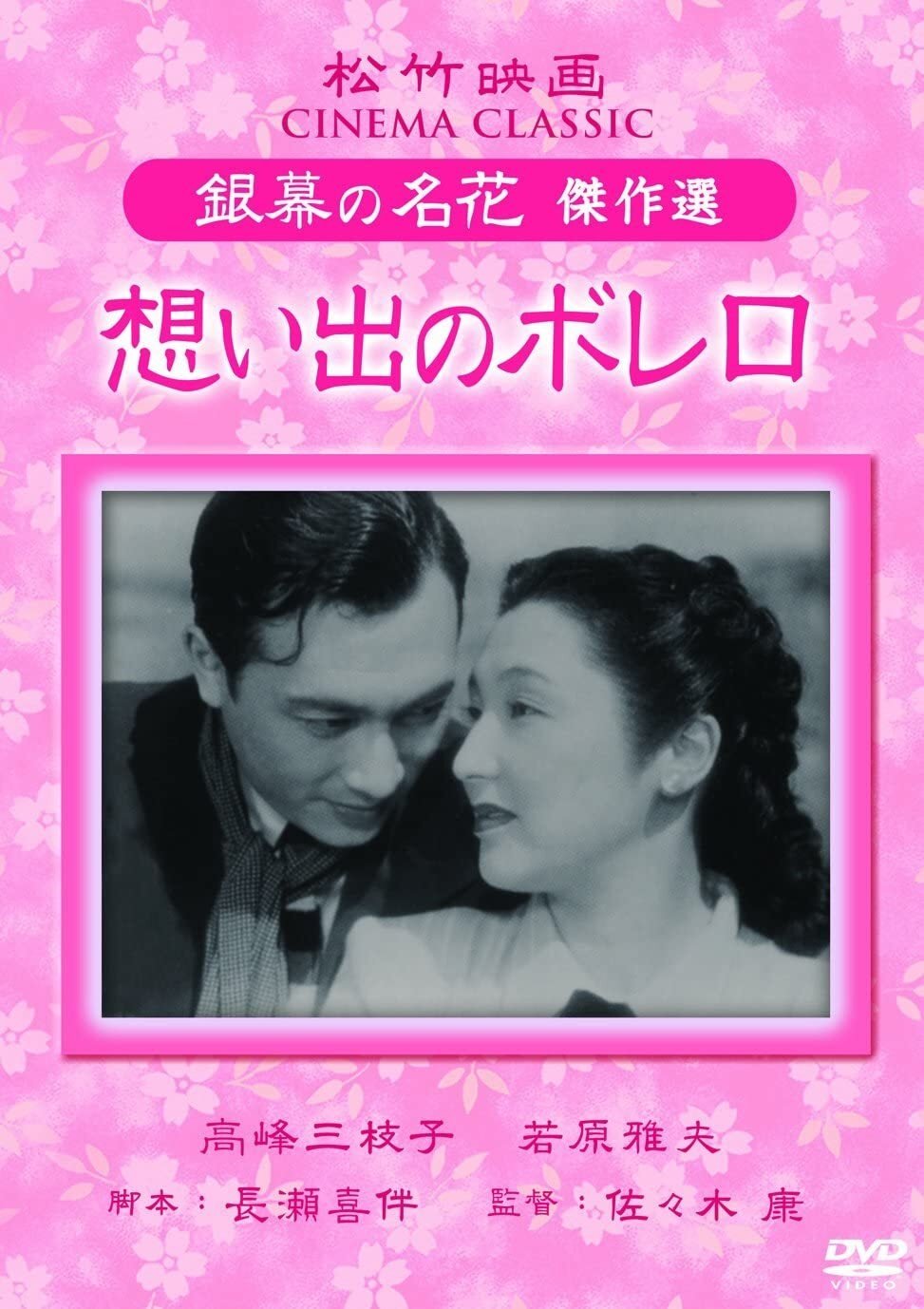
1950
Interprétation
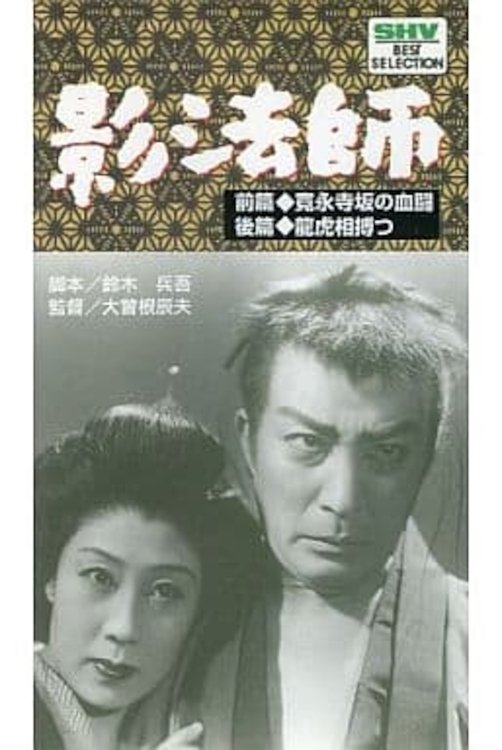
1950
Interprétation
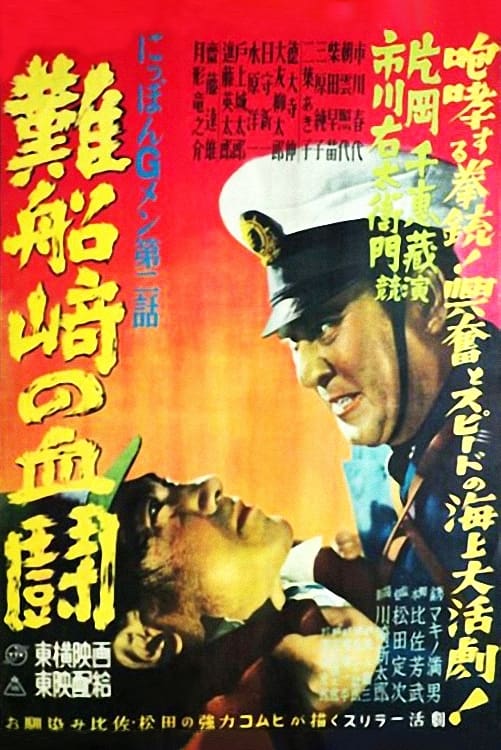
1950
Interprétation
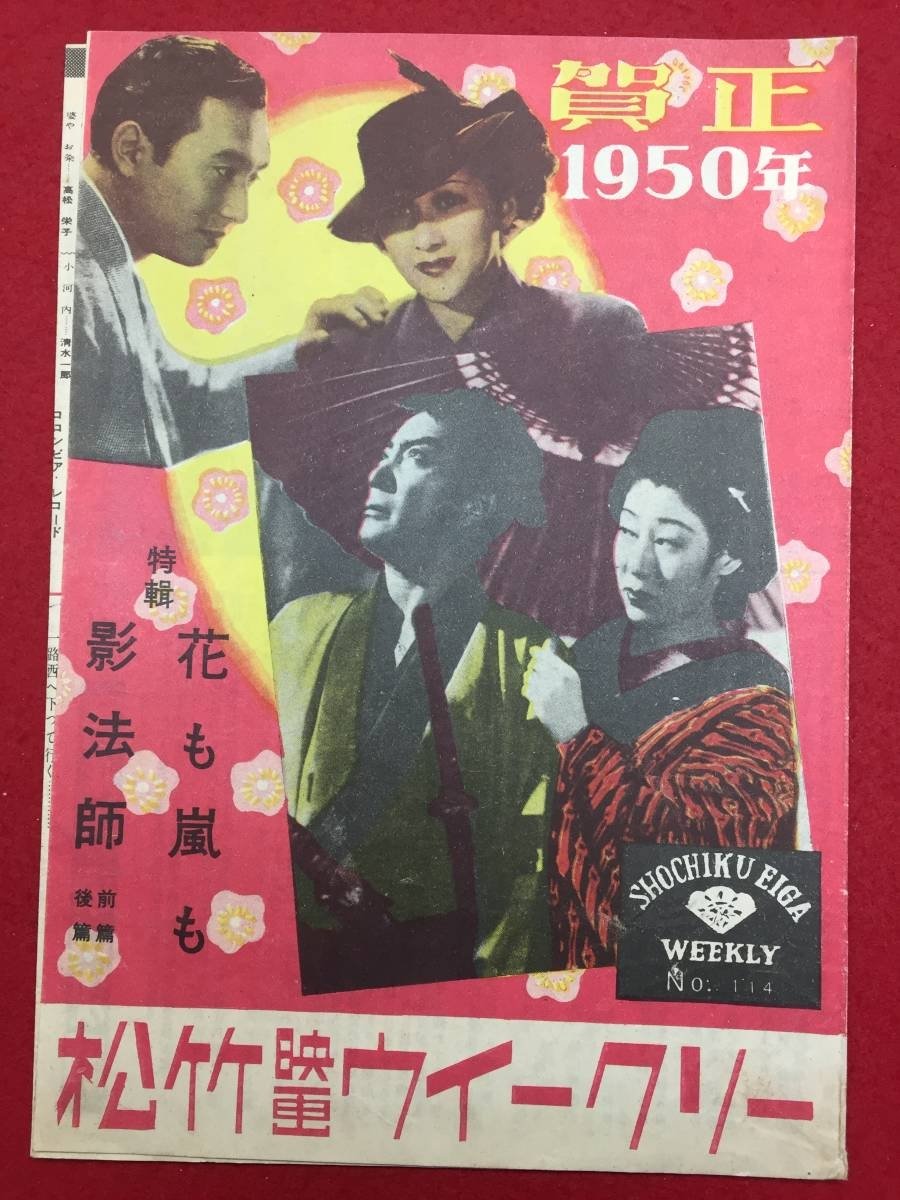
1950
半次
1949
Interprétation
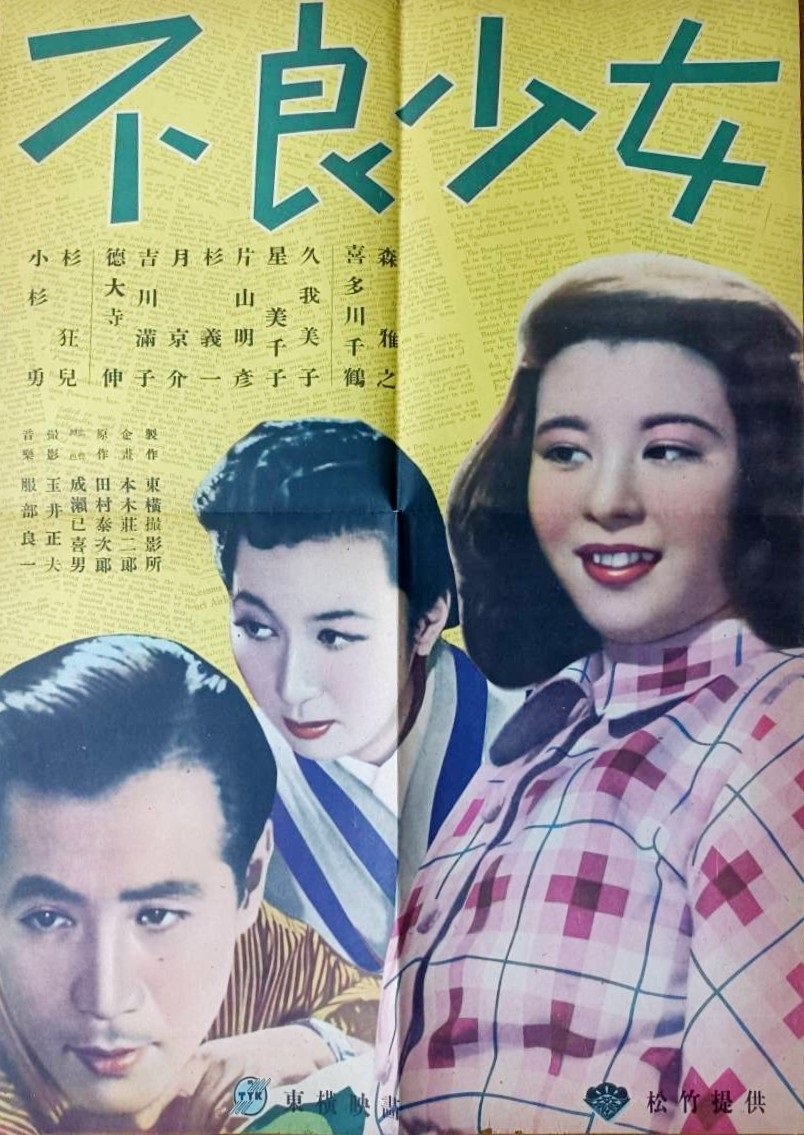
Une histoire d'amour mélodramatique, un apprentissage en devenir entre la « mauvaise fille » en puissance et la jeune étudiante optimiste qui revient de la grande ville.
1949
Interprétation
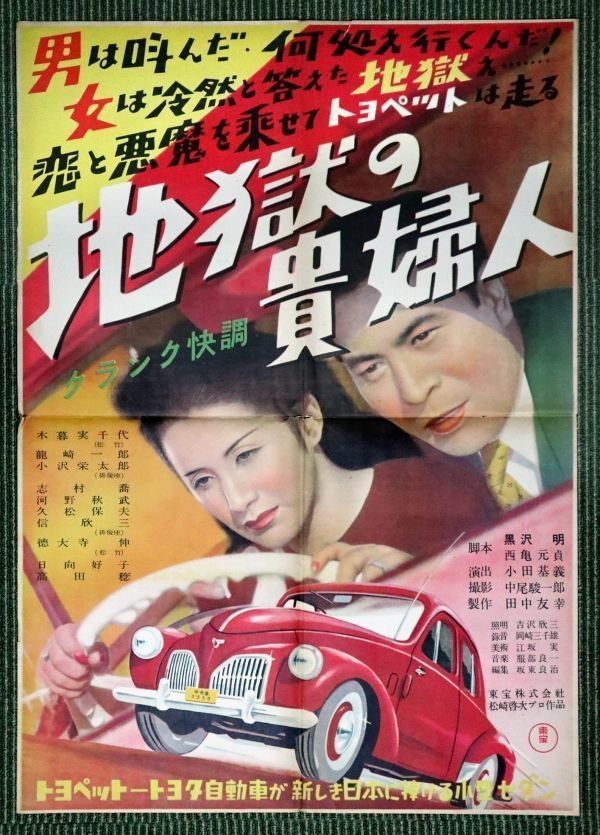
1949
Interprétation
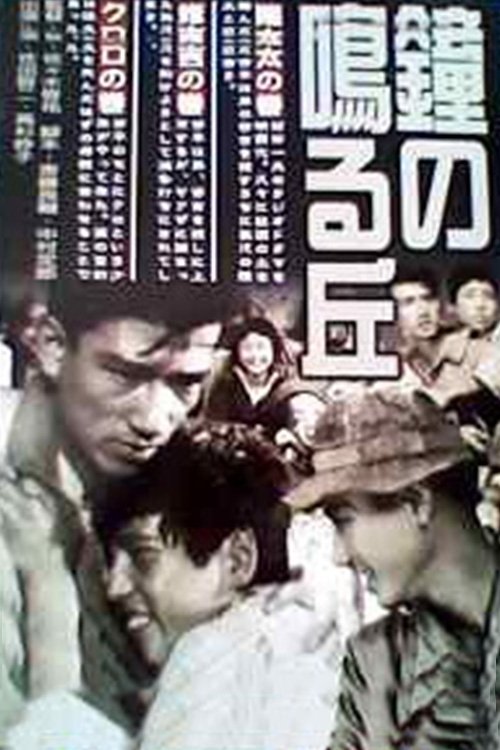
1949
Interprétation

1949
Interprétation

1948
Interprétation
1948
Interprétation
1948
Interprétation
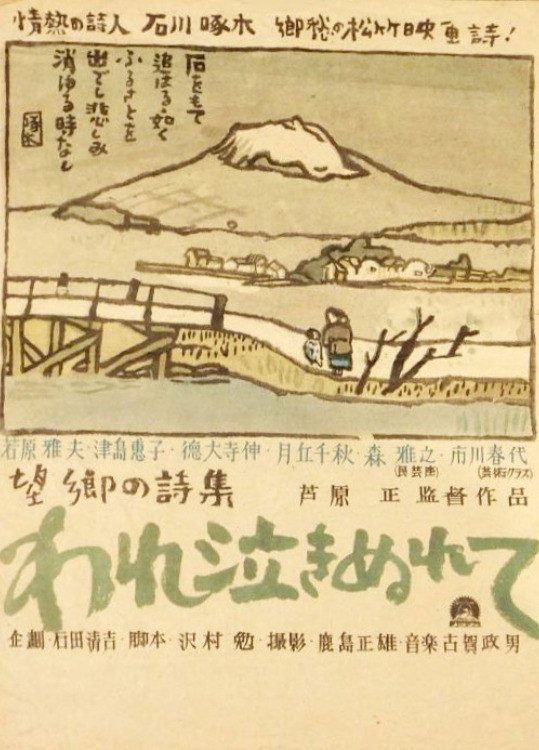
1948
Interprétation
Première apparition du futur thème de "Godzilla"
1948
Interprétation
1947
Interprétation
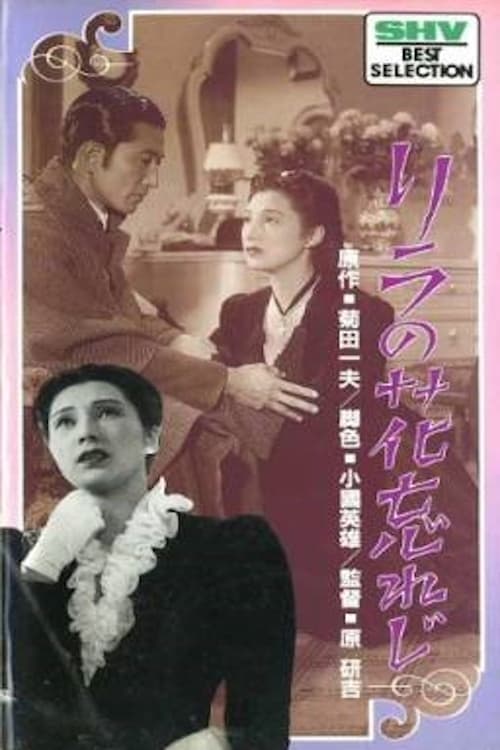
1947
Interprétation
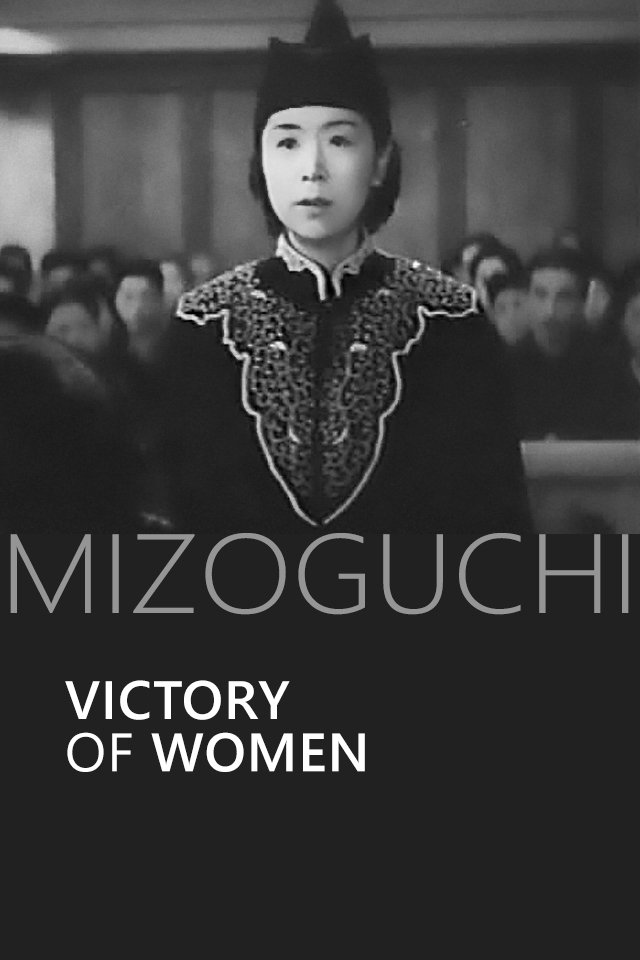
Une jeune avocate dont l'amant est atteint d'une grave maladie accepte de défendre une femme accusée d'infanticide par son beau-frère, procureur.
1946
Keita Yamaoka
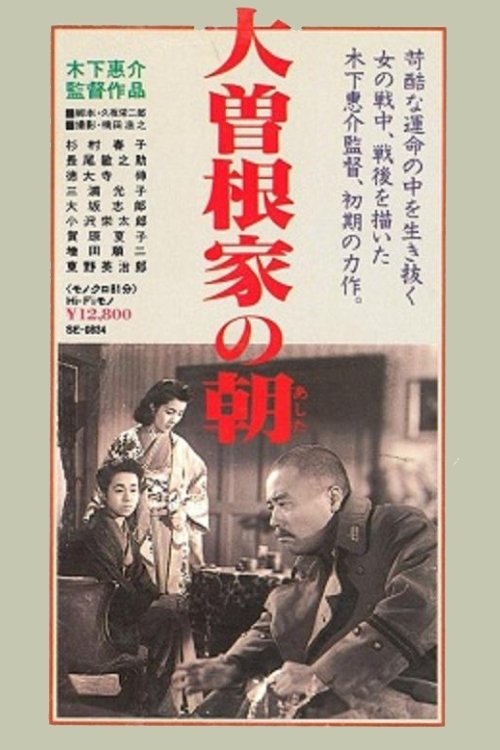
Une famille japonaise connaît de grandes difficultés lorsqu'un oncle militaire vient vivre avec elle pendant la Seconde Guerre mondiale.
1946
Taiji Osone
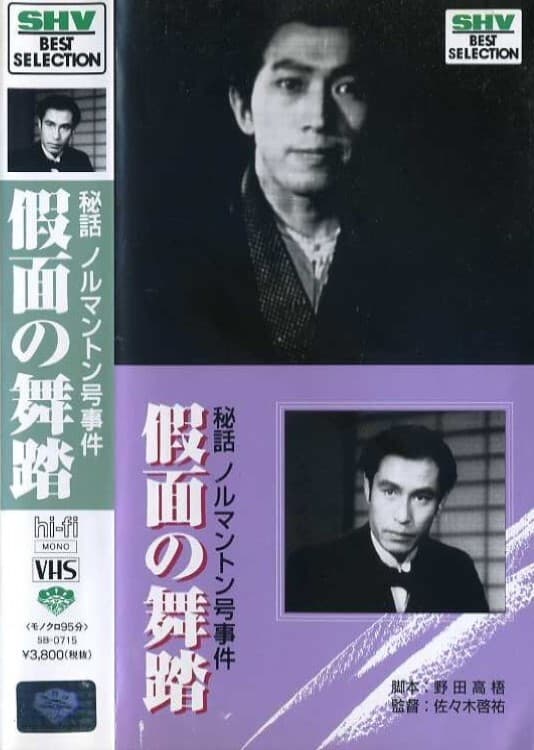
1943
Suganuma Junnosuke
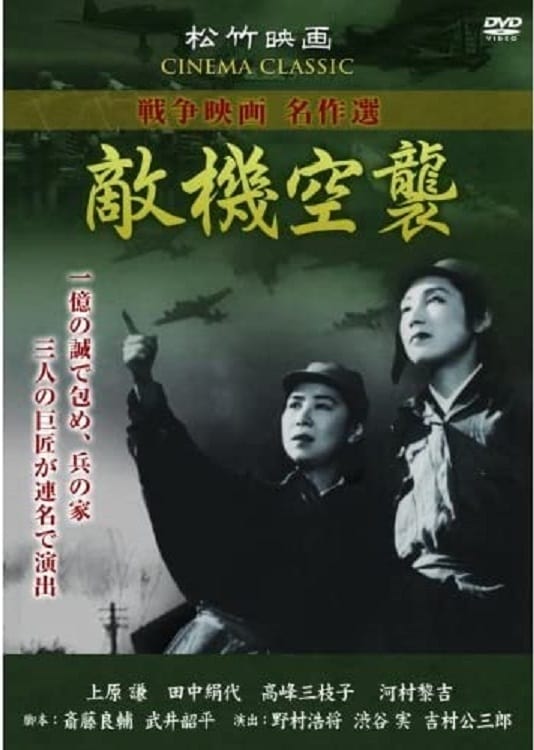
1943
Sadao

1943
Interprétation
1942
Interprétation
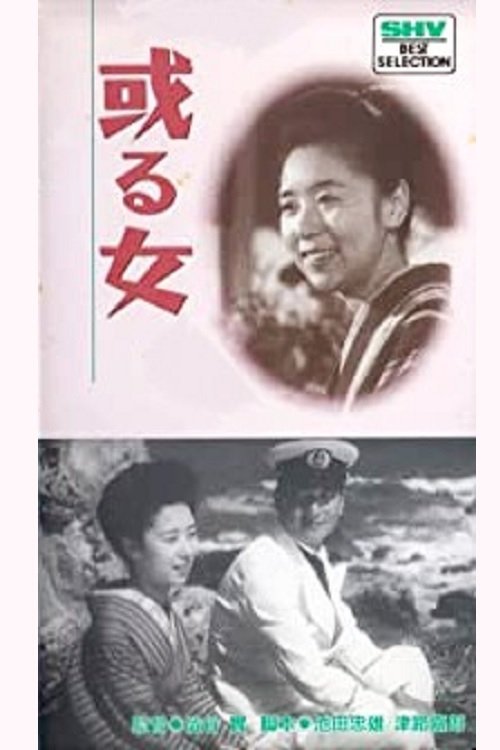
1942
Interprétation
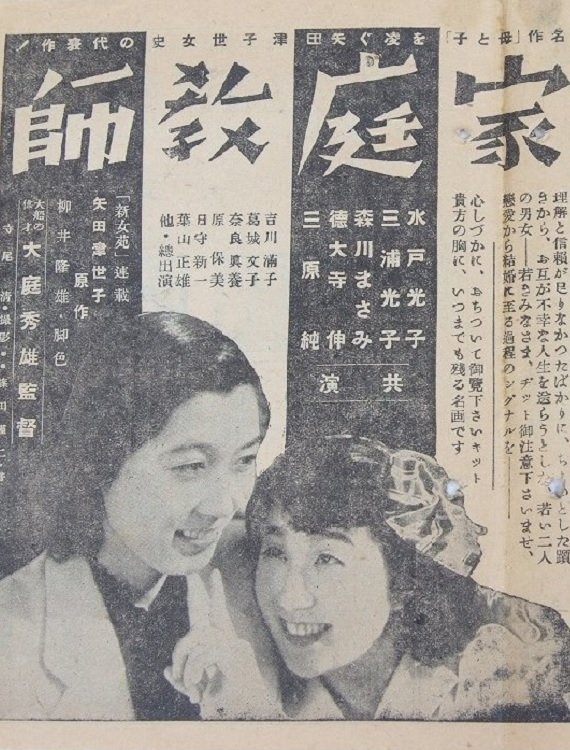
1940
Kunihiko Nakatsugawa
1940
Shinkichi Ishikawa
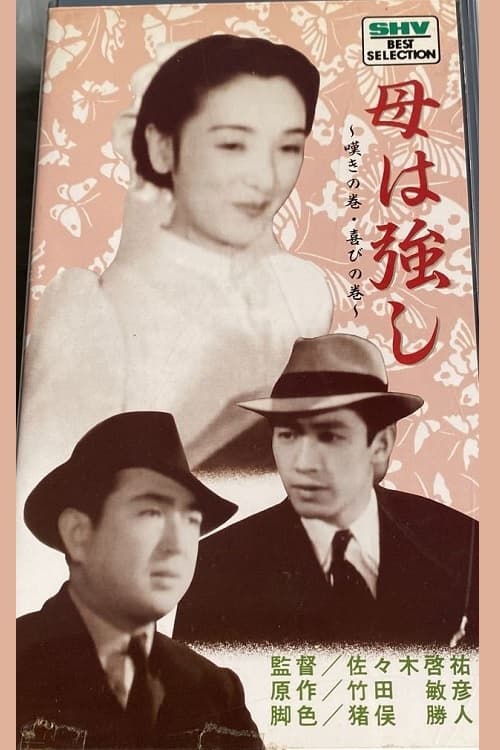
1939
Interprétation
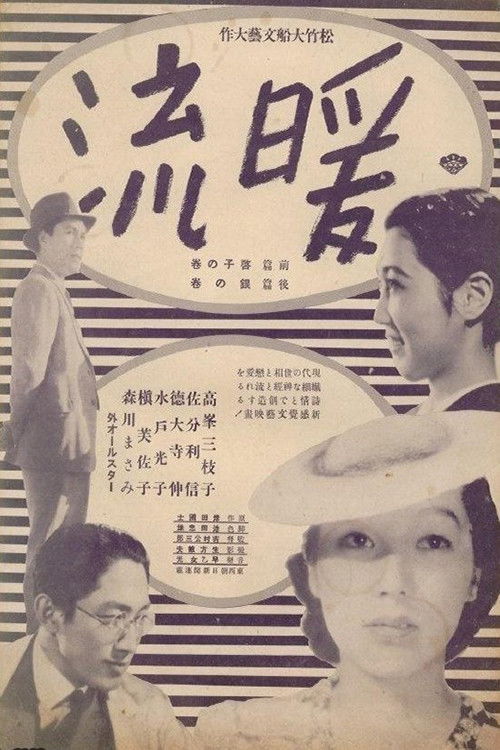
1939
Sasajima
1939
Interprétation
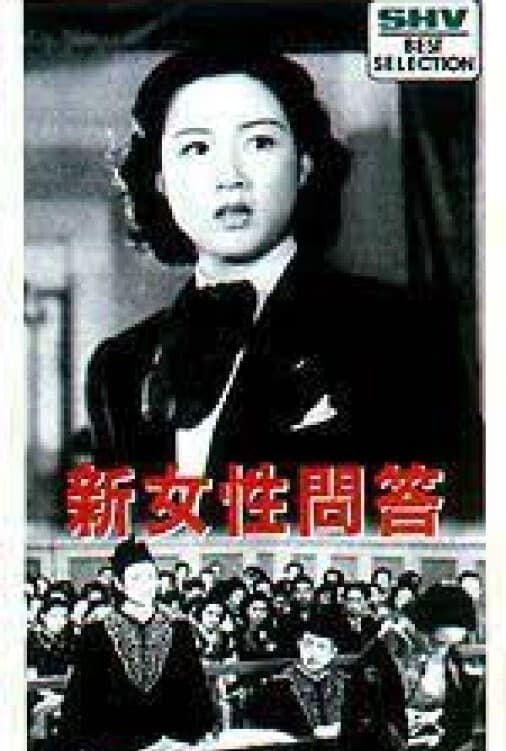
1939
Interprétation

1938
Kōkichi

1938
Interprétation
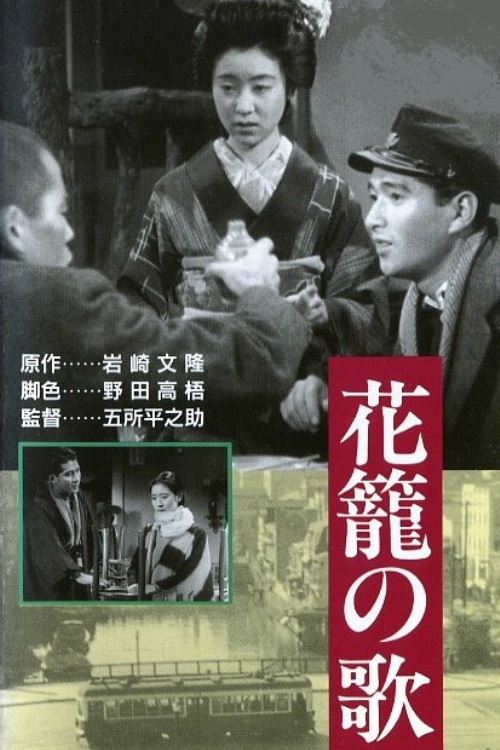
1937
Mr. Lee
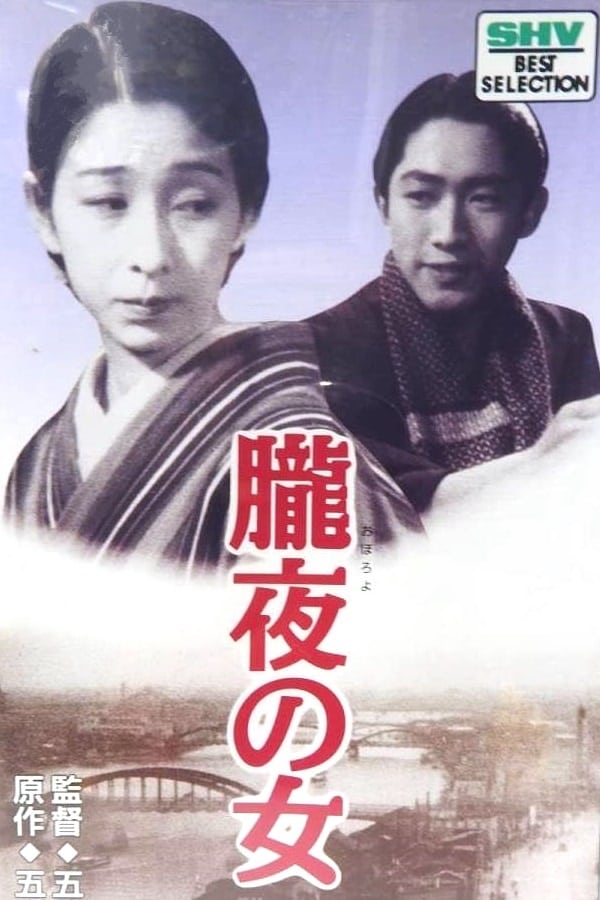
1936
Seiichi
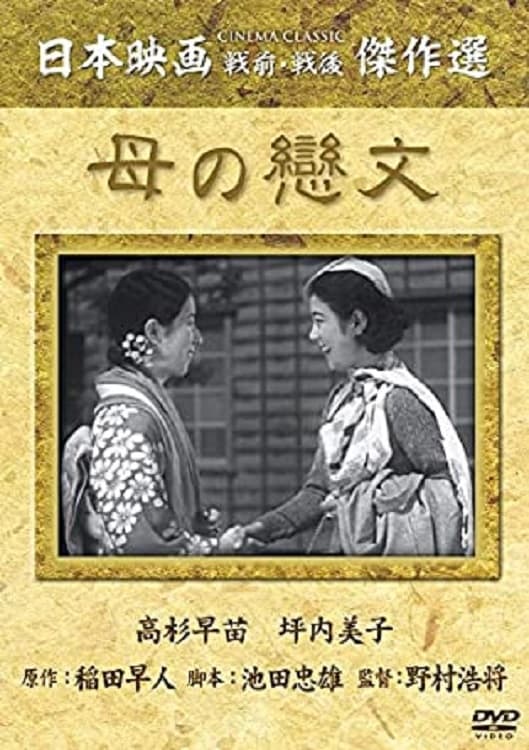
1935
Interprétation
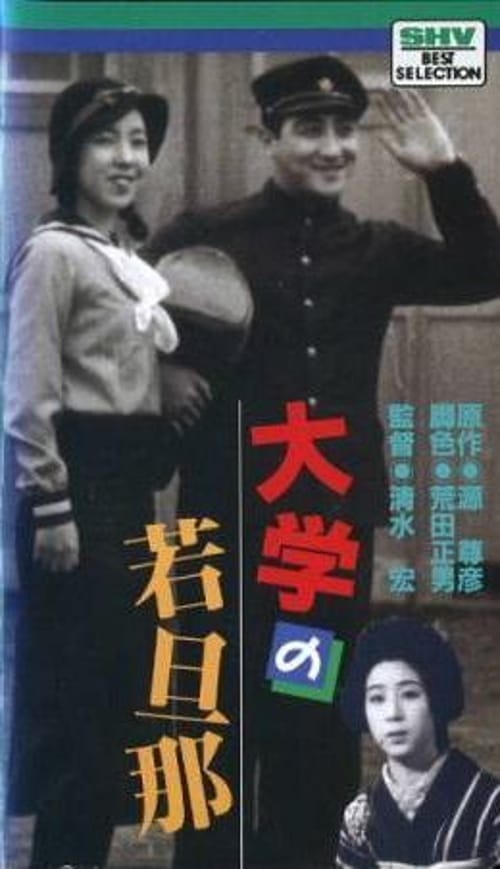
Fujii a été exclu du club de rugby de son université pour avoir amené une geisha sur le stade. Depuis, il mène une vie dissolue au grand dam de son père, riche marchand, à qui il doit succéder.
1933
Head clerk Chûichi