Pas encore noté
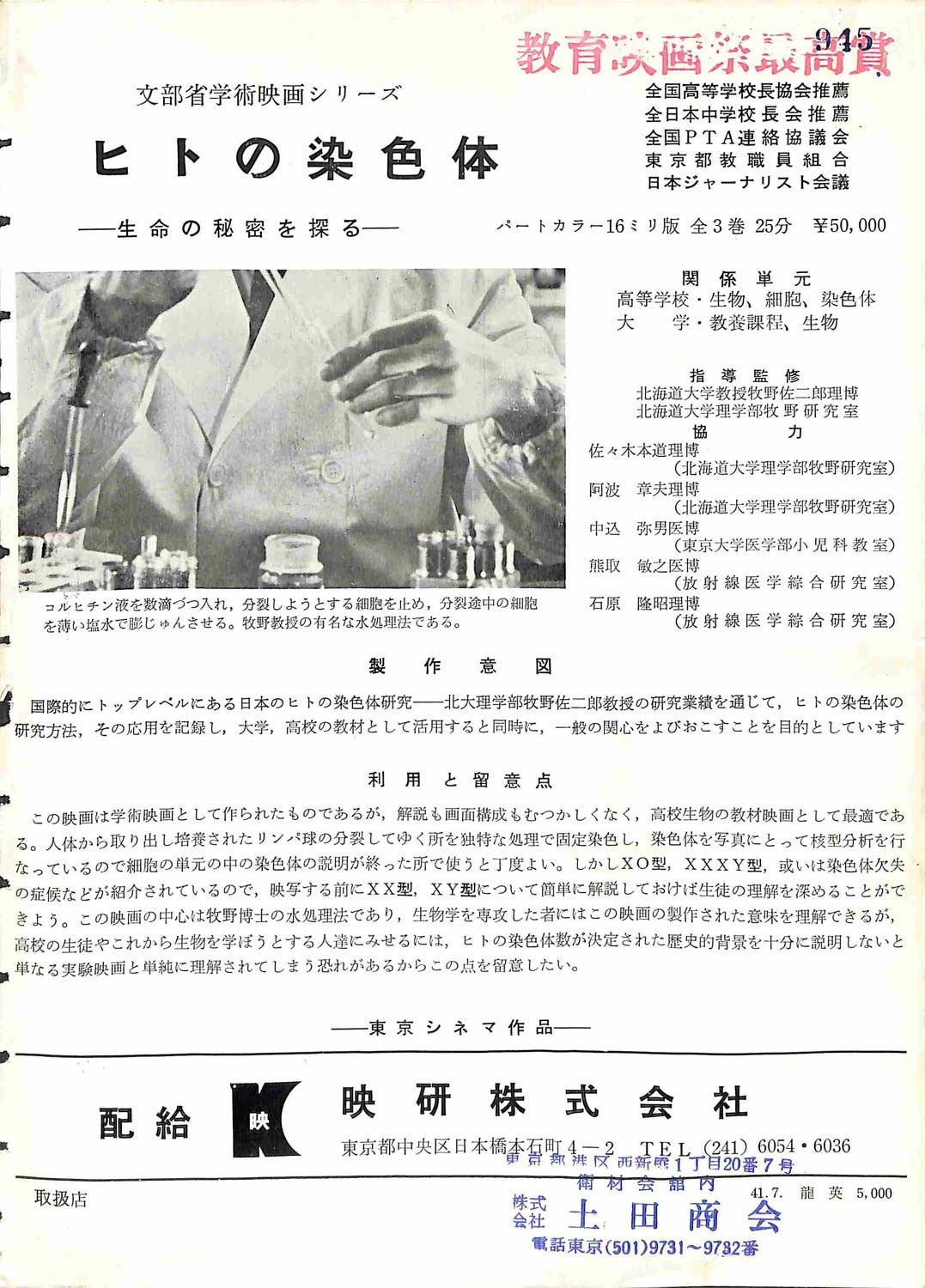
ヒトの染色体
1966
Interprétation
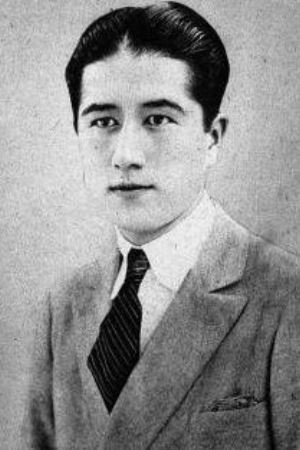
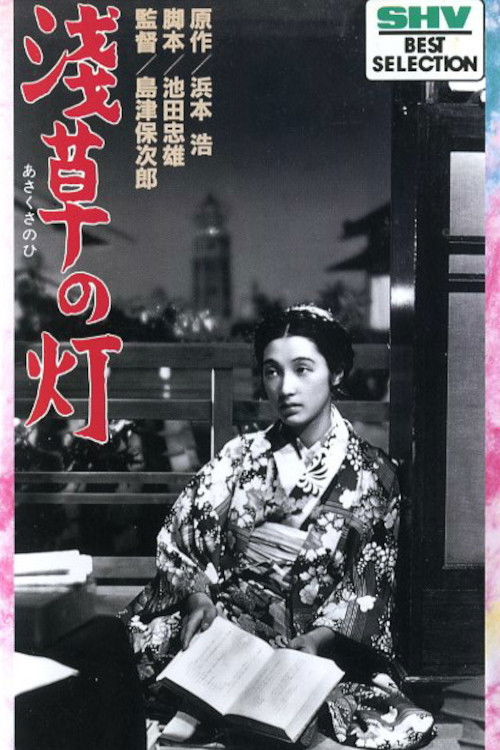
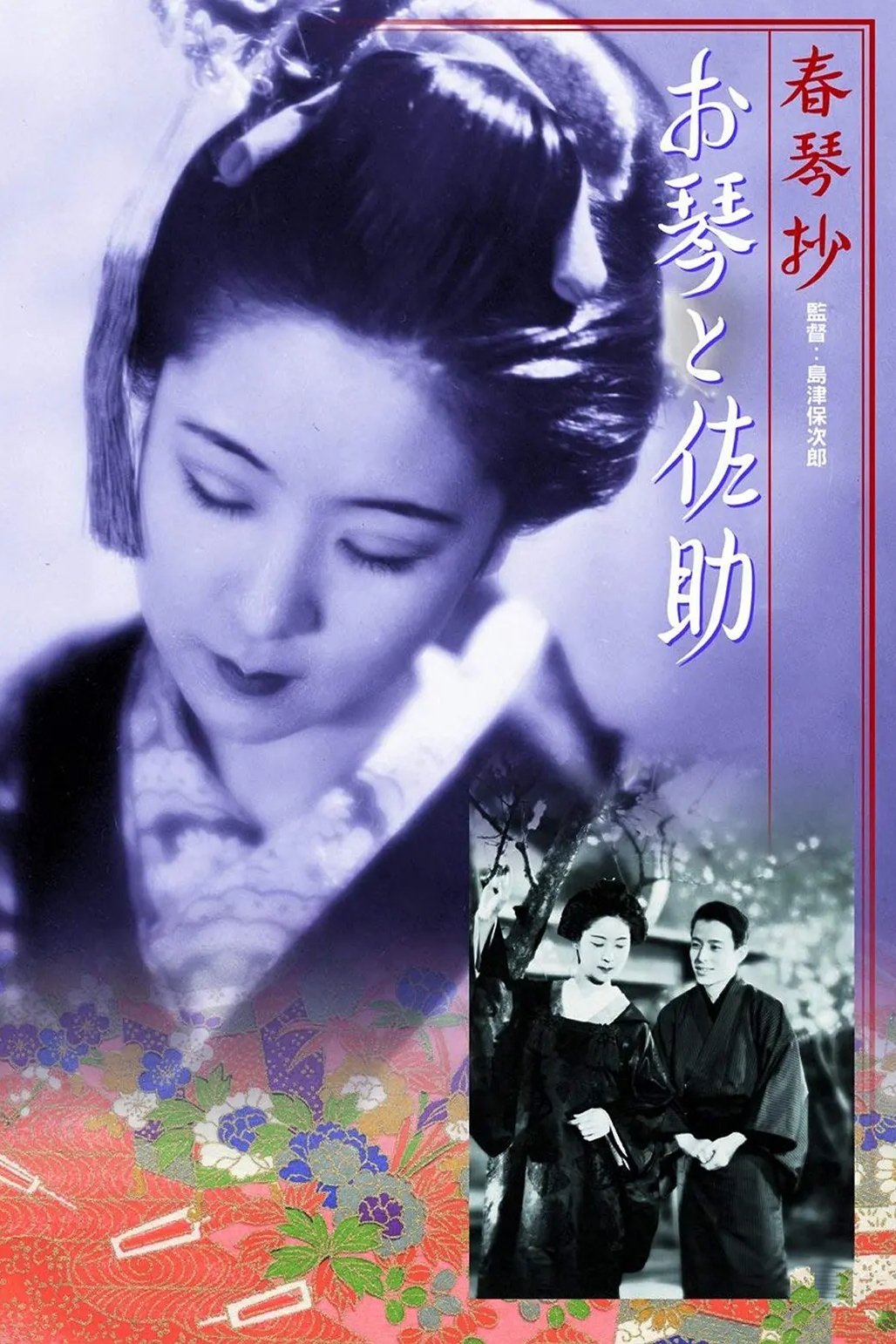
Sōzō Okada (岡田 桑三), widely recognized by his acting pseudonym Hikaru Yamanouchi (山内光), was a Japanese actor and producer who played a significant role in both the performing and visual arts of Japan. Born on June 15, 1903, his early life was distinctly shaped by extensive international travel during the 1920s and 1930s, aided by his English ancestry through his grandfather. He initially aspired to be a painter and studied in Germany from 1920 to 1923. Upon returning to Japan, he integrated into the Shochiku studio and began a successful cinematic career under the stage name Hikaru Yamanouchi. Displaying great versatility, he became a highly prolific actor, appearing in nearly 80 films between 1926 and 1940. During this era, he starred in notable productions such as Reijin (1930), Nihon josei no uta (1934), Street Without End (1934), Kajuen no onna (1935), and Courant chaud (1939).
Despite his commercial success on screen, Okada maintained a profound interest in the European avant-garde and visual experimentation. In 1929, he traveled to Moscow to study avant-garde cinema, where he met director Sergei Eisenstein and was deeply marked by Soviet photojournalism and Russian constructivism. That same year in Stuttgart, he attended the original Deutscher Werkbund Film und Foto exhibition and successfully proposed to Asahi Shimbunsha to bring this groundbreaking itinerant exhibition to Japan. Driven by a desire to diffuse European avant-garde methods in his home country, he transitioned into production and cultural organization. He co-founded the Kokusai Kōga Kyōkai (International Photography Association) and actively engaged with international creative circles. Continuing his structural impact on Japanese visual media, he co-founded the influential Nippon-Kobo collective in 1933, and later founded the Tokyo Cinema studio, which became the pinnacle of his producing career in the field of documentary filmmaking. Following a multifaceted career that bridged the golden era of screen acting with pioneering documentary and photographic production, he died on September 1, 1983.
1966
Production
1964
Production
1964
Production
1963
Production
1962
Production
1960
Production
1958
Production
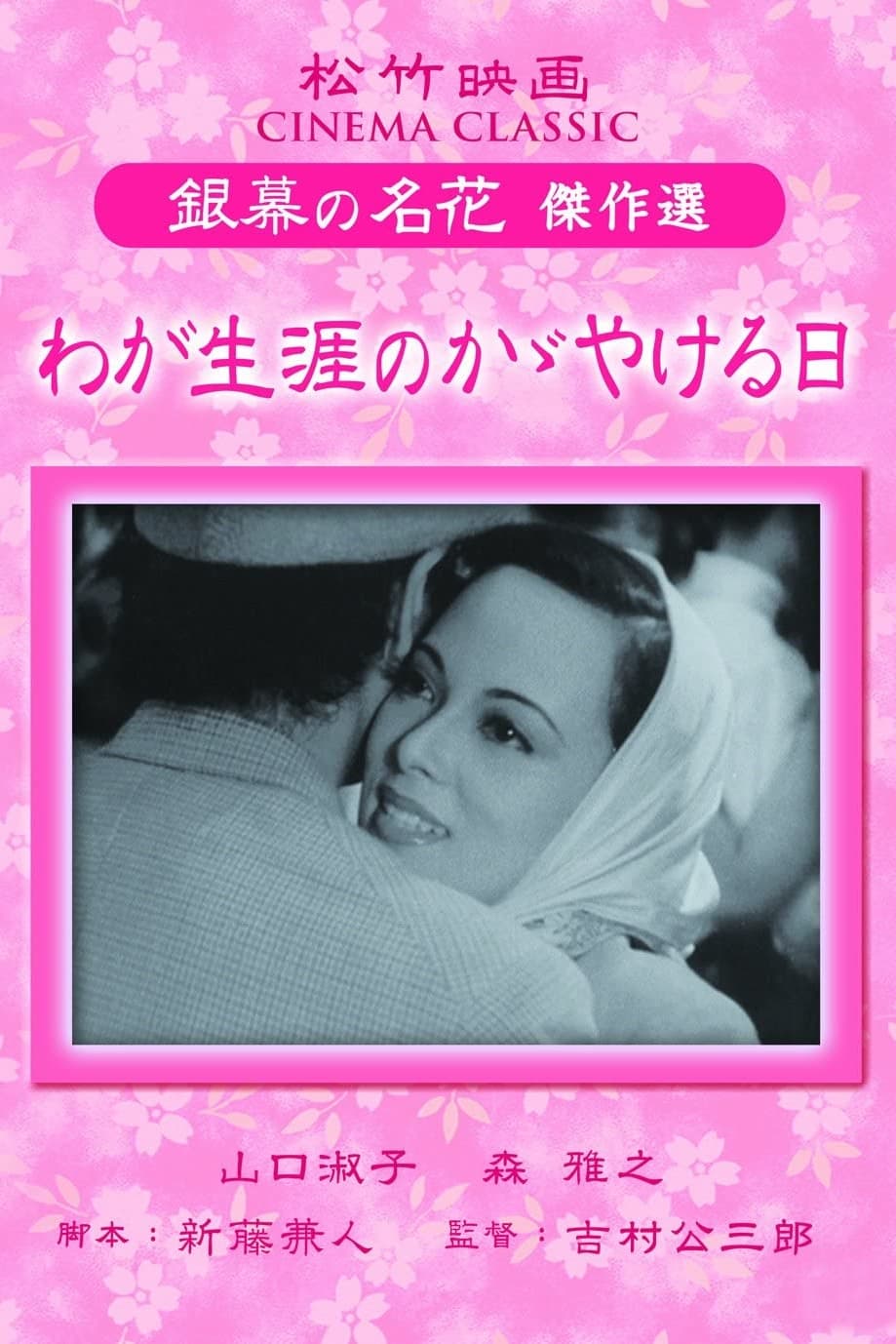
1948
Interprétation
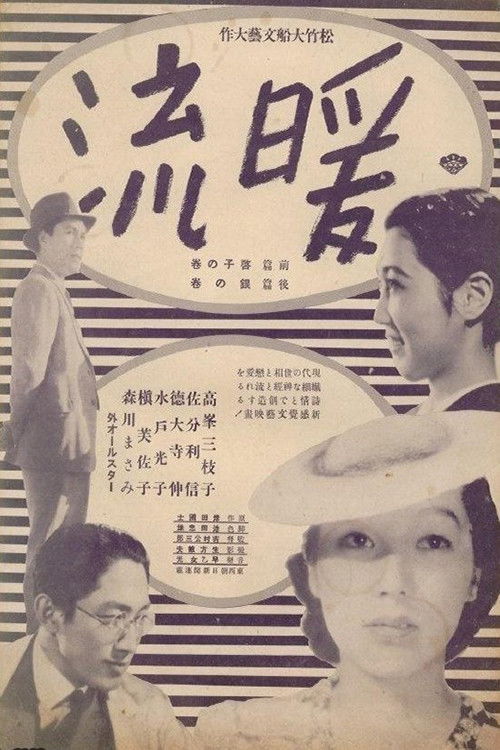
1939
Interprétation
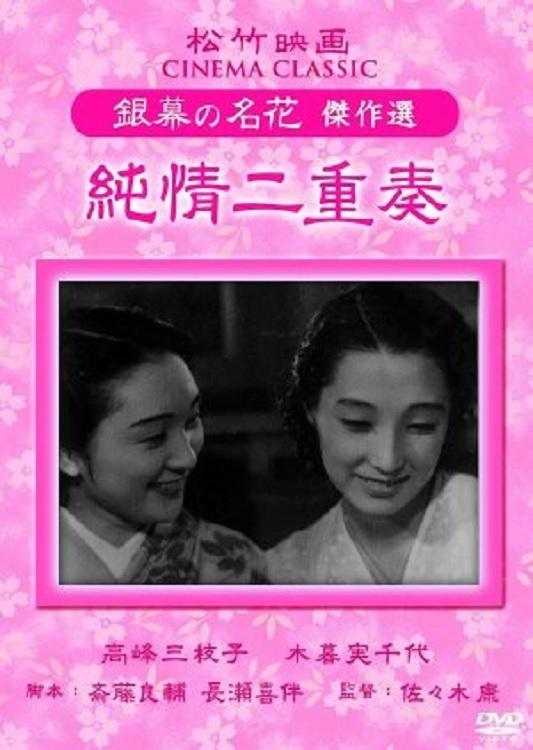
1939
Literary faculty member
1938
Interprétation
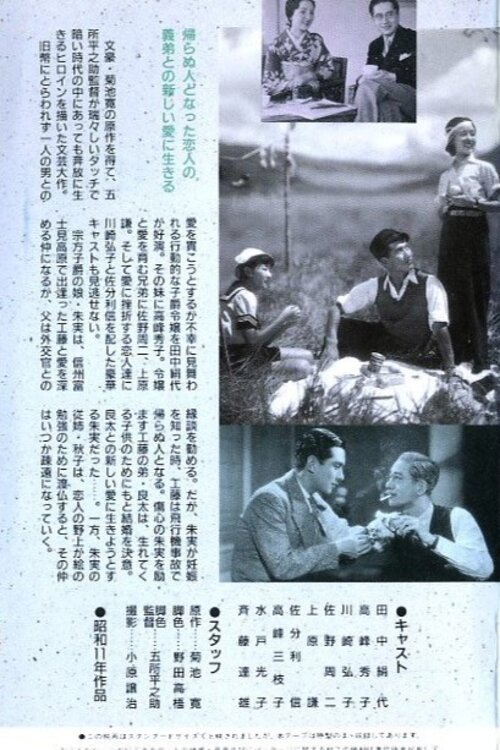
1936
Interprétation
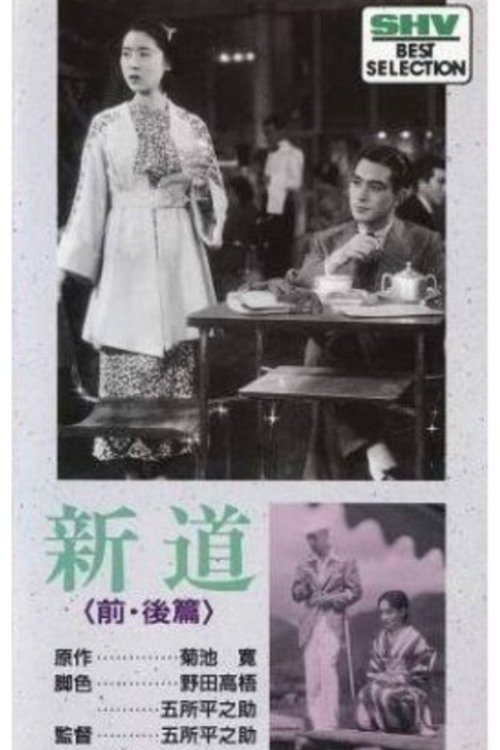
1936
Interprétation
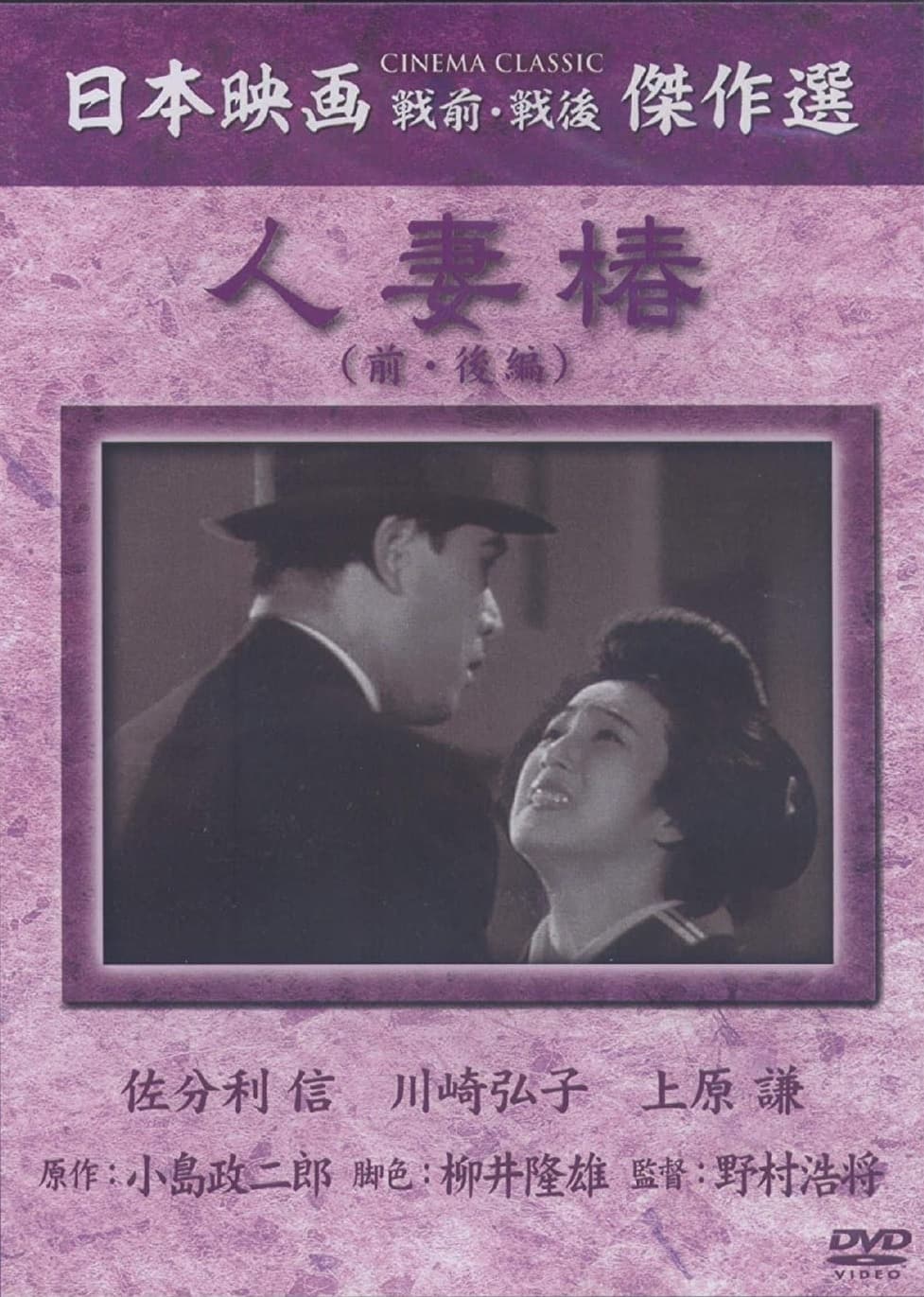
1936
Interprétation
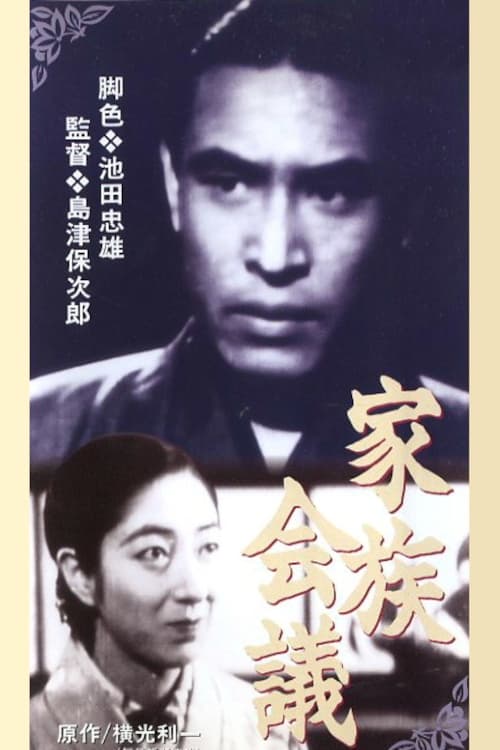
1936
Clerk B
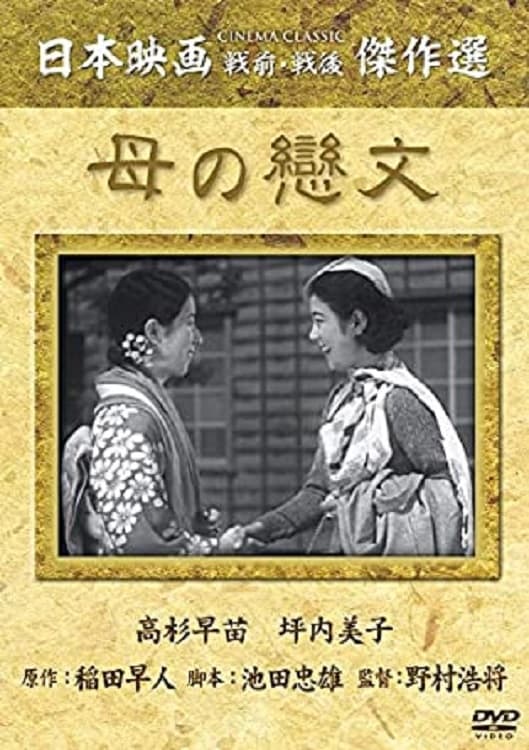
1935
Interprétation
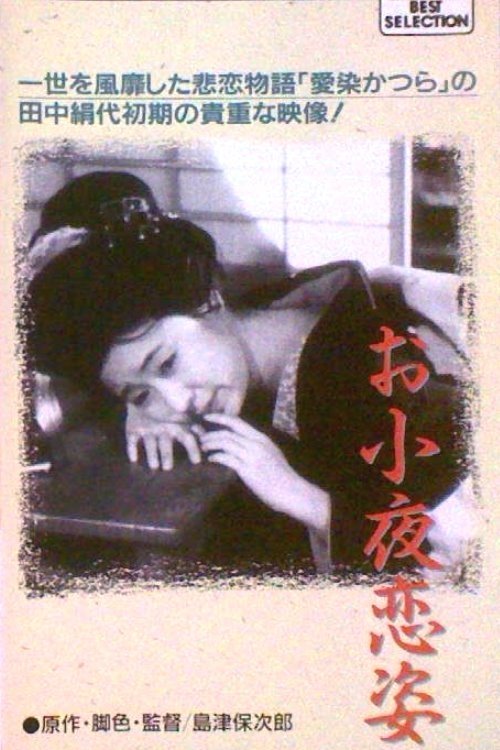
1934
Ryoichi Uchida
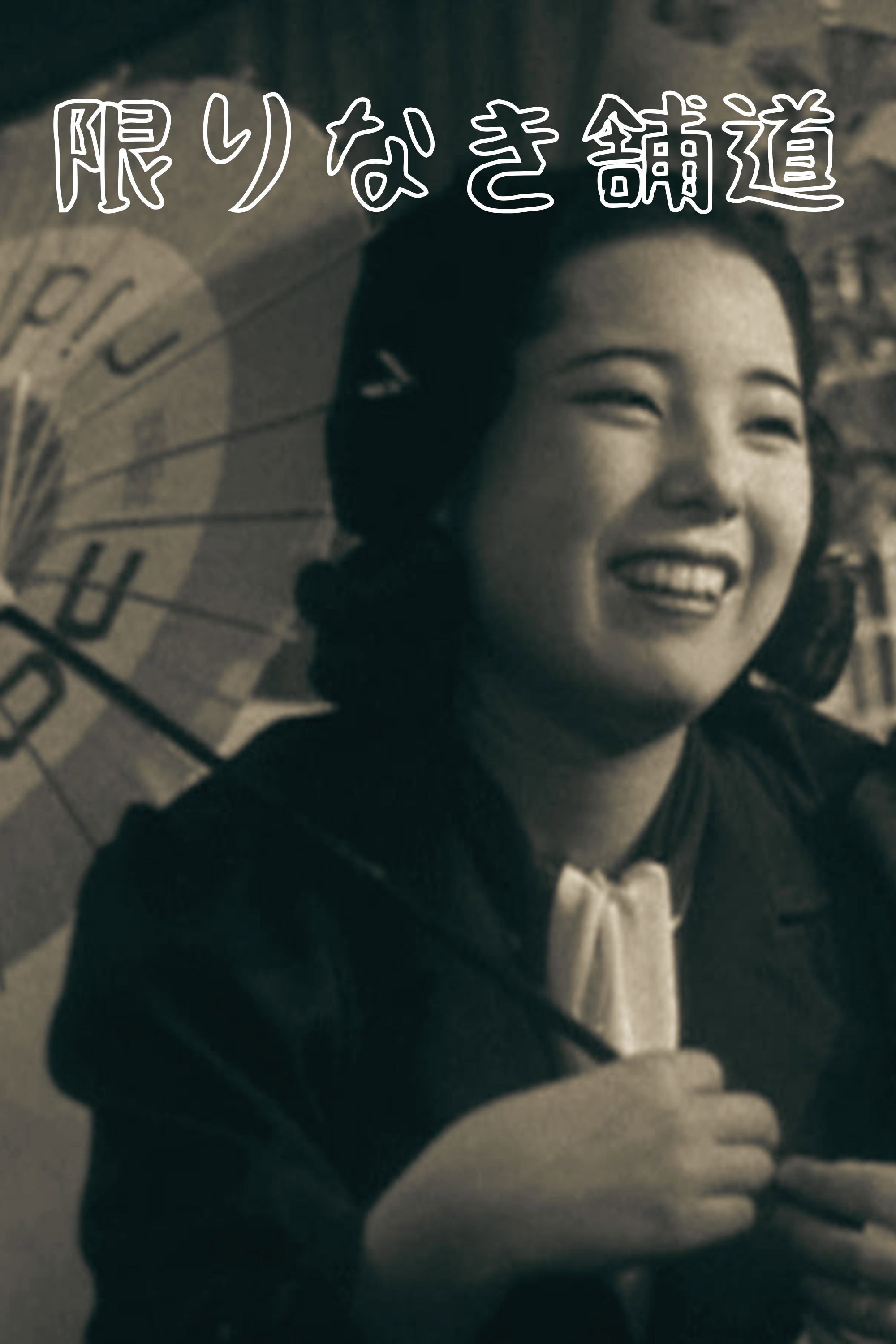
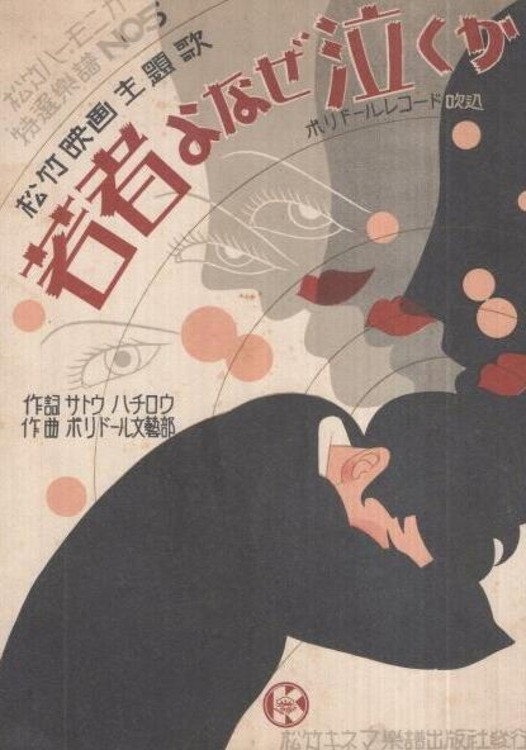
À la suite d'un accident, Sugiko, jeune serveuse dans un café, rate un rendez-vous avec son fiancé. Croyant qu'elle l'a oublié, il rentre dans sa campagne natale. Yamanouchi, le fils de famille qui l'avait renversée tombe amoureux d'elle. Il l'épouse.
1934
Hiroshi Yamanouchi
1934
Naito
1932
Interprétation
1932
Interprétation
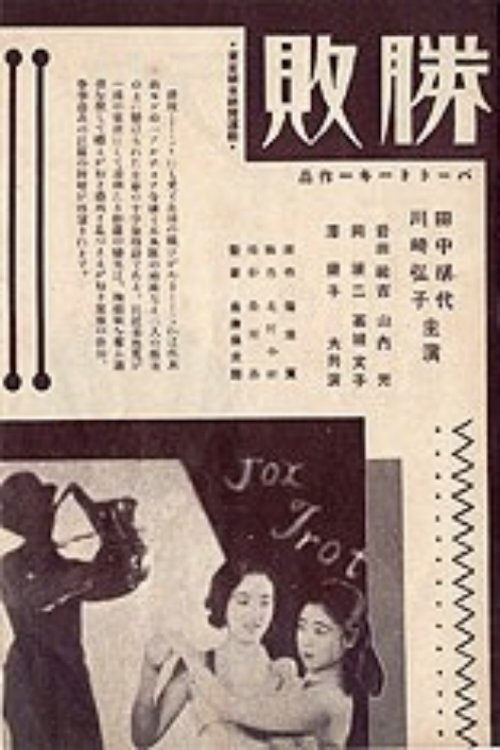
1932
Interprétation
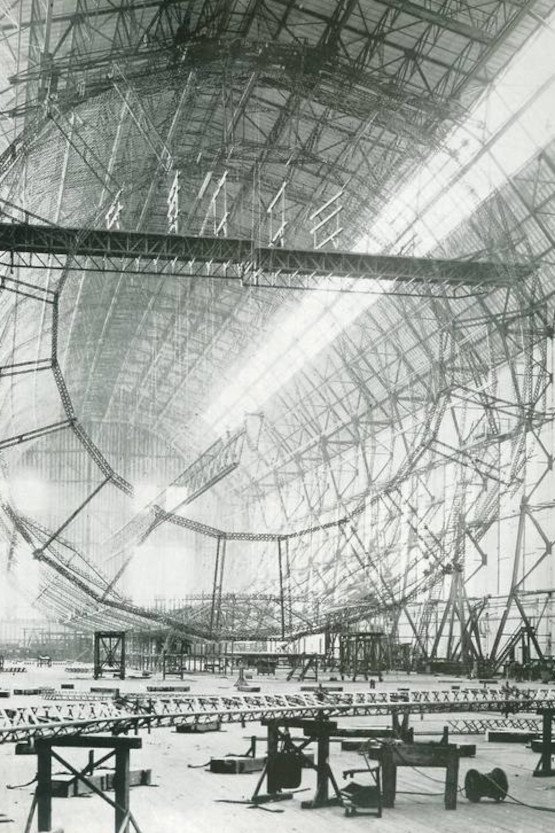
1932
Michiro, Tokiko's brother
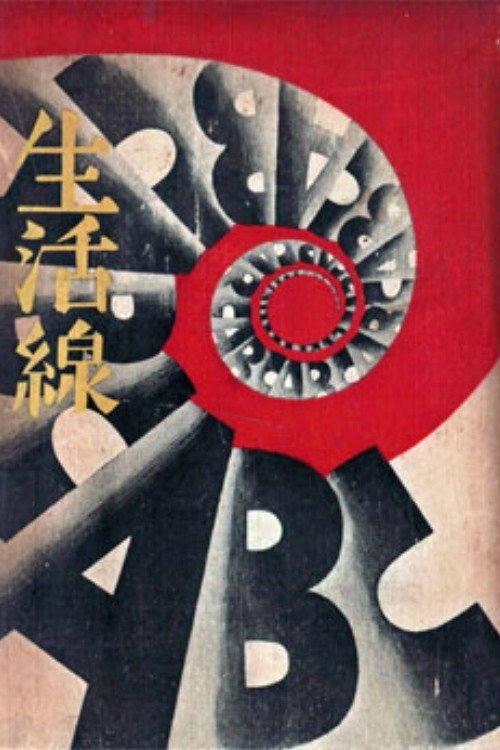
Après la mort de leur père, Fujieda et sa sœur Kieko s’installent à Tokyo avec leur mère. Employée dans une entreprise textile, Fujieda s’éprend du fils du patron, mais leur relation se heurte aux intérêts financiers de sa famille, qui envisage pour lui un mariage de convenance. De son côté, Kieko découvre le mouvement syndical en travaillant à l’usine.
1931
Interprétation
1931
Interprétation
1930
Shuzo Katori
1930
Interprétation
1930
Interprétation
1930
Kosaka
1930
Shiro Kuroki
1929
Interprétation
1929
Young man
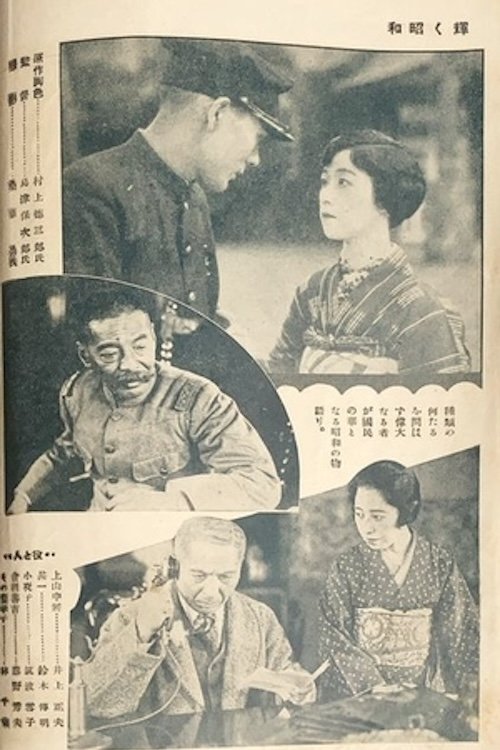
1928
Masaru (Son, As an Adult)
1926
Interprétation