Pas encore noté
この日美わし
1962
Interprétation

Akio Isono (October 20, 1910 – January 21, 1986) was born in Tsurumi, near Yokohama in 1910. His family ran a newspaper sales business. In 1917, at the age of seven, he became a pupil of Hanayanagi Shotaro, who was known as a great actor of the new school, and trod the boards for the first time in child roles at the Hongoza theater. After that he went on to perform in theaters run by Shochiku.
In 1921, he performed in his first leading film role in Yamagureru under the direction of Ushihara Kiyohiko, and he then alternated leading roles on the stage with those at Shochiku Pictures. In 1925, he became an exclusive actor for Shochiku Cinema, Kamata Studios and starred in a number of films. Isono, together with Mitsui Hideo and Abe Shozaburo, won great popularity as the Yotamono Trio. The Yotamono Trio appeared in a series of movies, beginning with the 1931 film Reijo to Yotamono. In 1932, his excellent performance in the film Arashi no Naka no Shojo, directed by Shimazu Yasujiro, won great critical acclaim.
In 1943, he left Shochiku and joined the theater company Warai no Okoku. After the war, he continued to appear in supporting roles, mainly for Shochiku, but from the late 1960s he began appearing exclusively in TV dramas. His gentle and humorous acting style won him great acclaim. He died of lung cancer at 8:18 a.m. on January 21, 1986, at the Ofuna Kyosai Hospital in Totsuka Ward, Yokohama City, Kanagawa Prefecture. He was 75 years old.
1962
Interprétation
1960
Interprétation
1959
Interprétation
1959
Interprétation
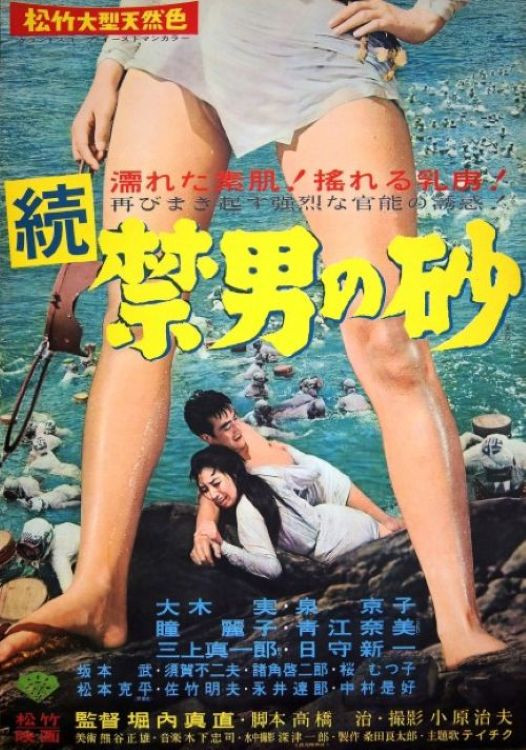
1958
Interprétation
1957
Interprétation
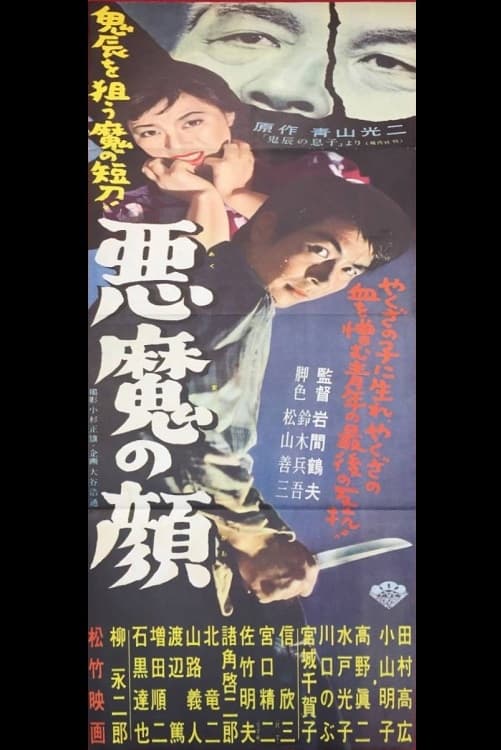
1957
Interprétation
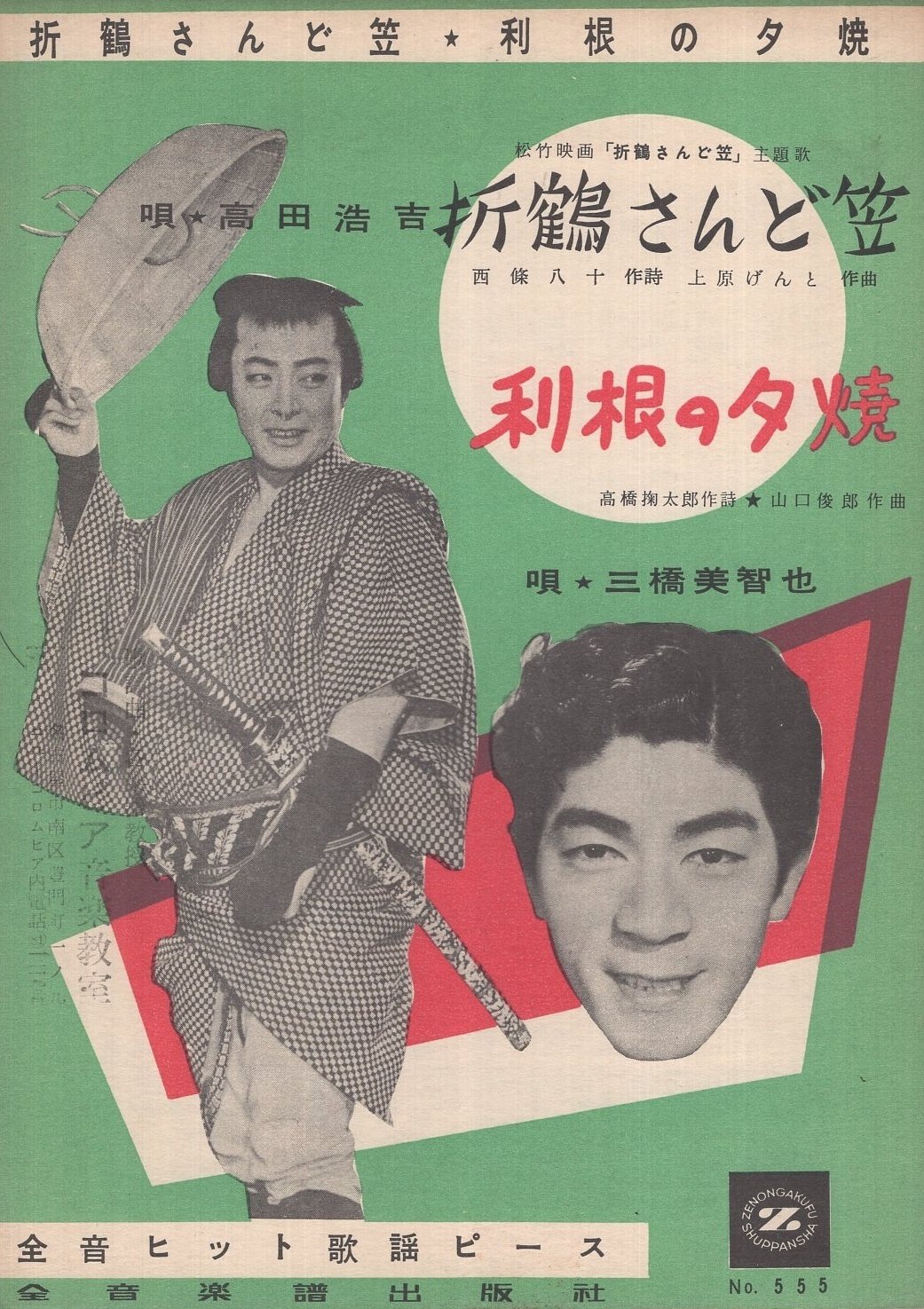
1957
Interprétation
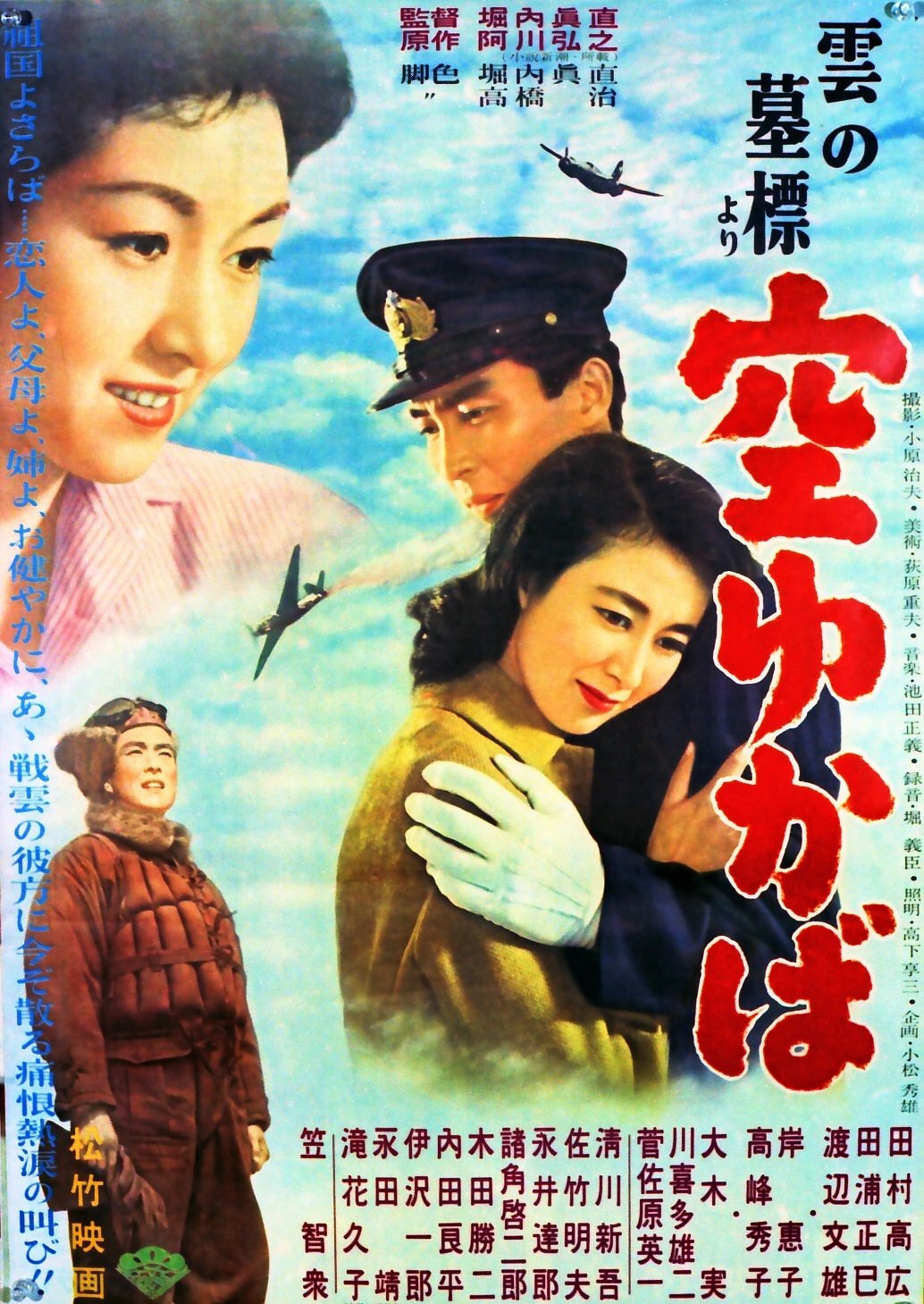
1957
Interprétation

Un découvreur de talents se déplace rapidement, bien décidé à faire signer un athlète prometteur à l'équipe des Toyko Flowers.
1956
Saburô Kurita
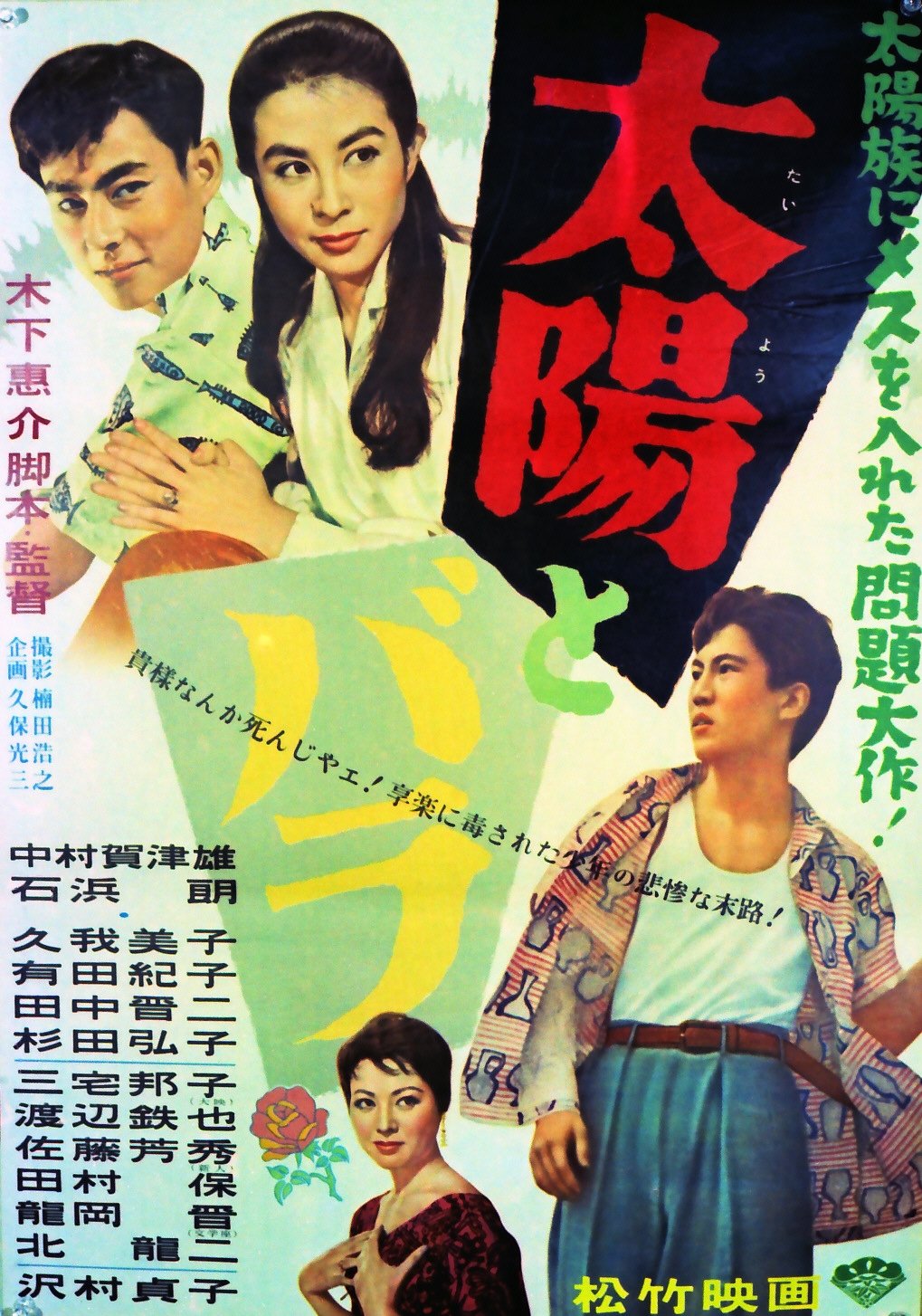
Ignorant les protestations de sa mère de la classe ouvrière, un jeune homme se laisse entraîner dans le monde des délinquants et des yakuzas.
1956
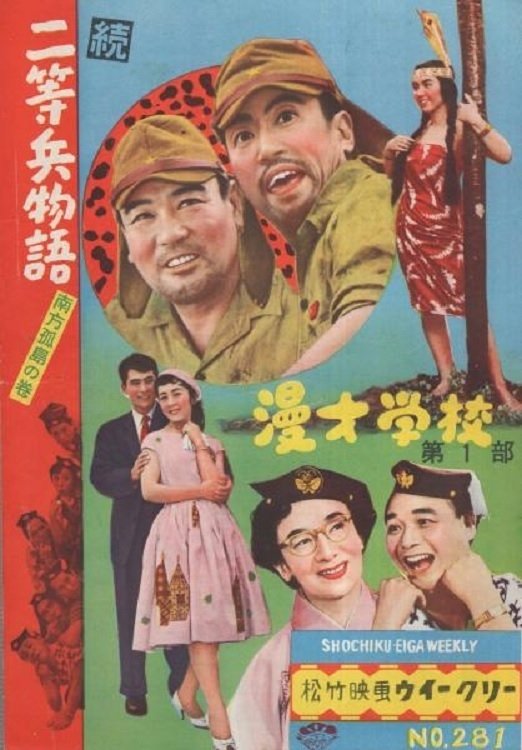
Neighbour on the left, Mister
1956
Interprétation
1956
Interprétation
1955
仲間春蔵
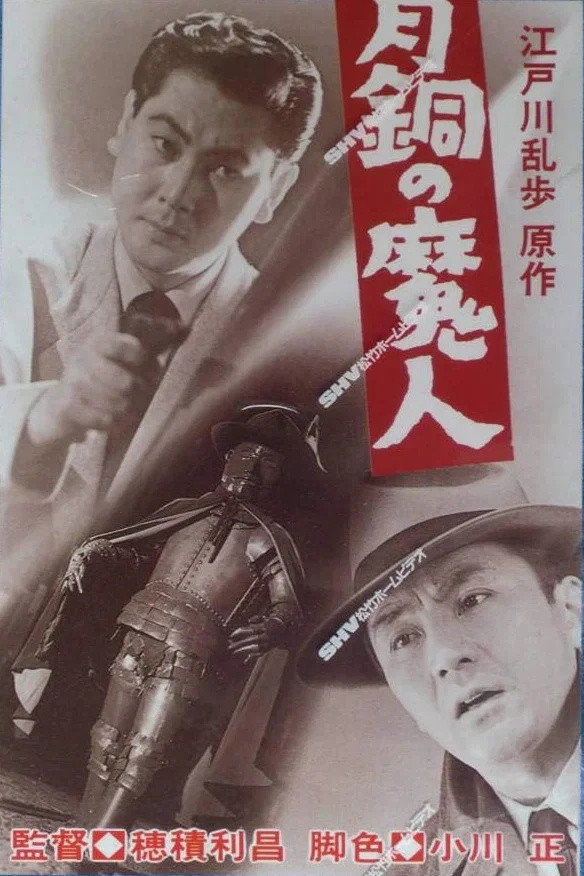
1954
Interprétation
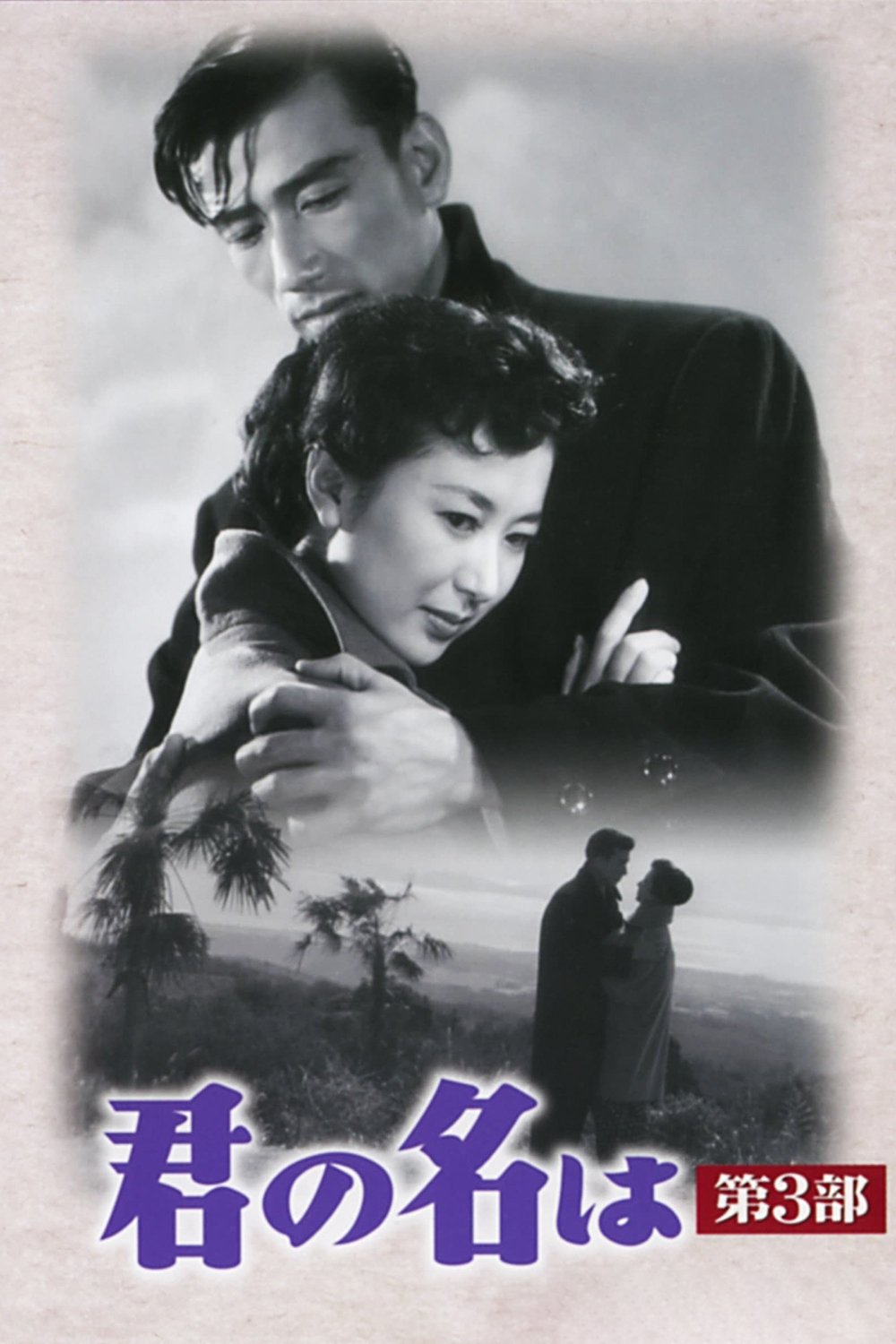
1954
Interprétation
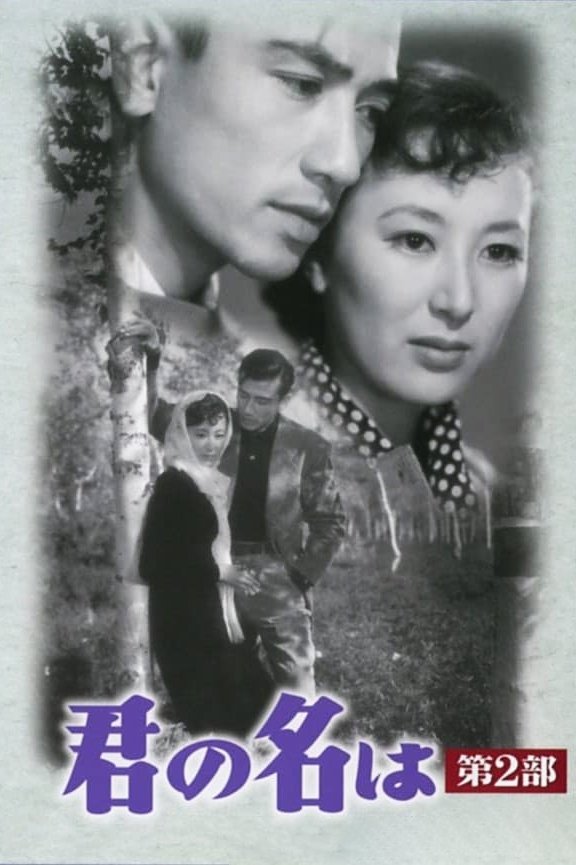
1953
Interprétation
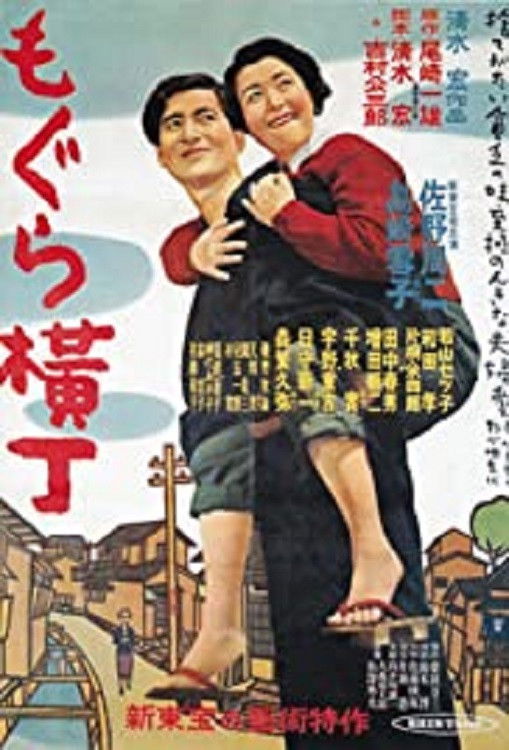
L'écrivain Kazuo Ogata ne parvient pas à vivre de son métier. Sa jeune épouse supporte avec bonne humeur la pauvreté et les privations, jusqu'au jour où le couple est expulsé de la pension où il vit.
1953
Interprétation
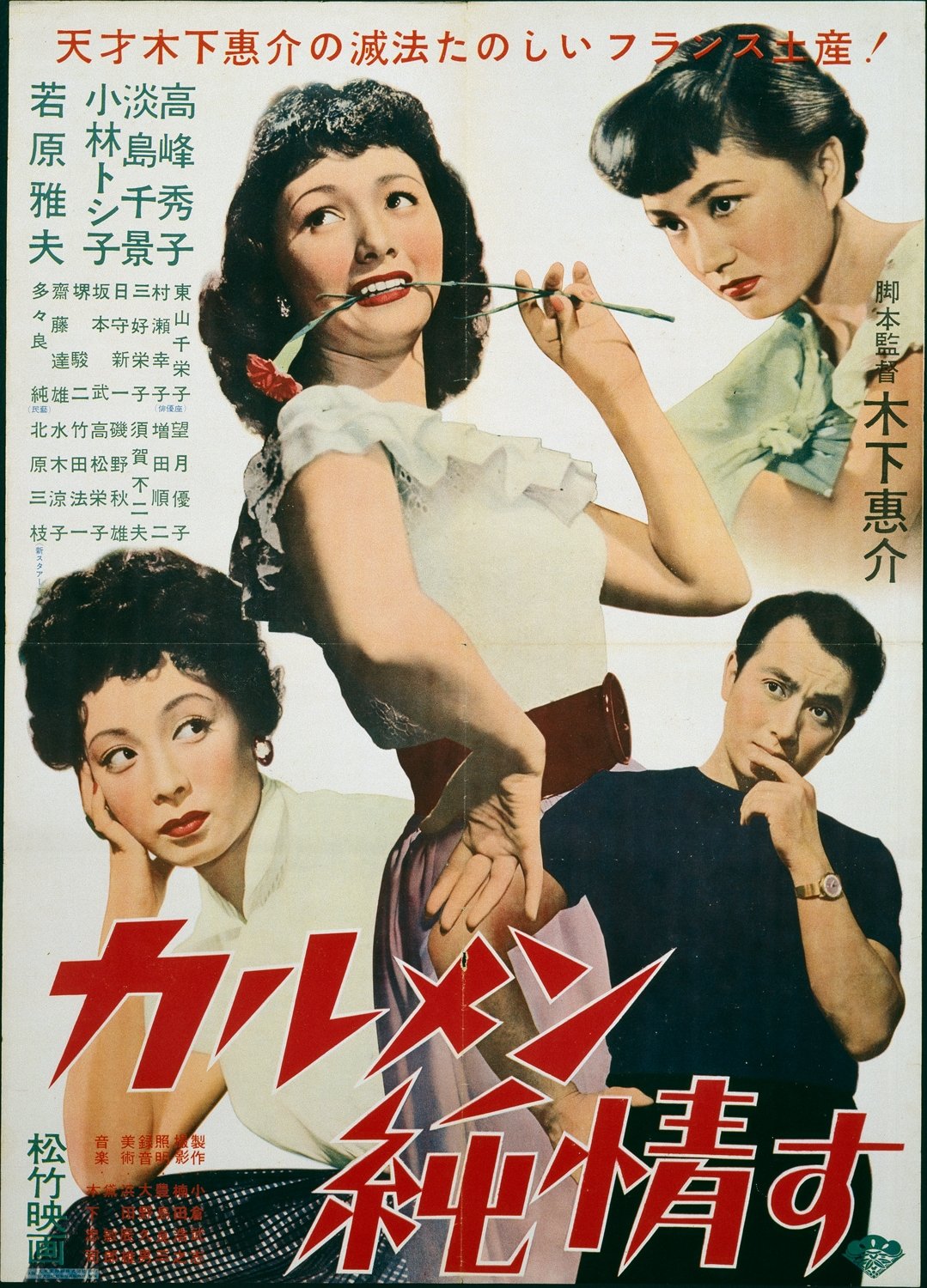
Strip-teaseuse, Carmen refuse néanmoins de poser nue pour Sudo, un artiste d'avant-garde qui rentre de Paris et dont elle vient de tomber amoureuse. Elle désir affirmer la pureté de son amour pour Sudo envers et contre tout…
1952
Interprétation
1952
Interprétation
1951
Interprétation
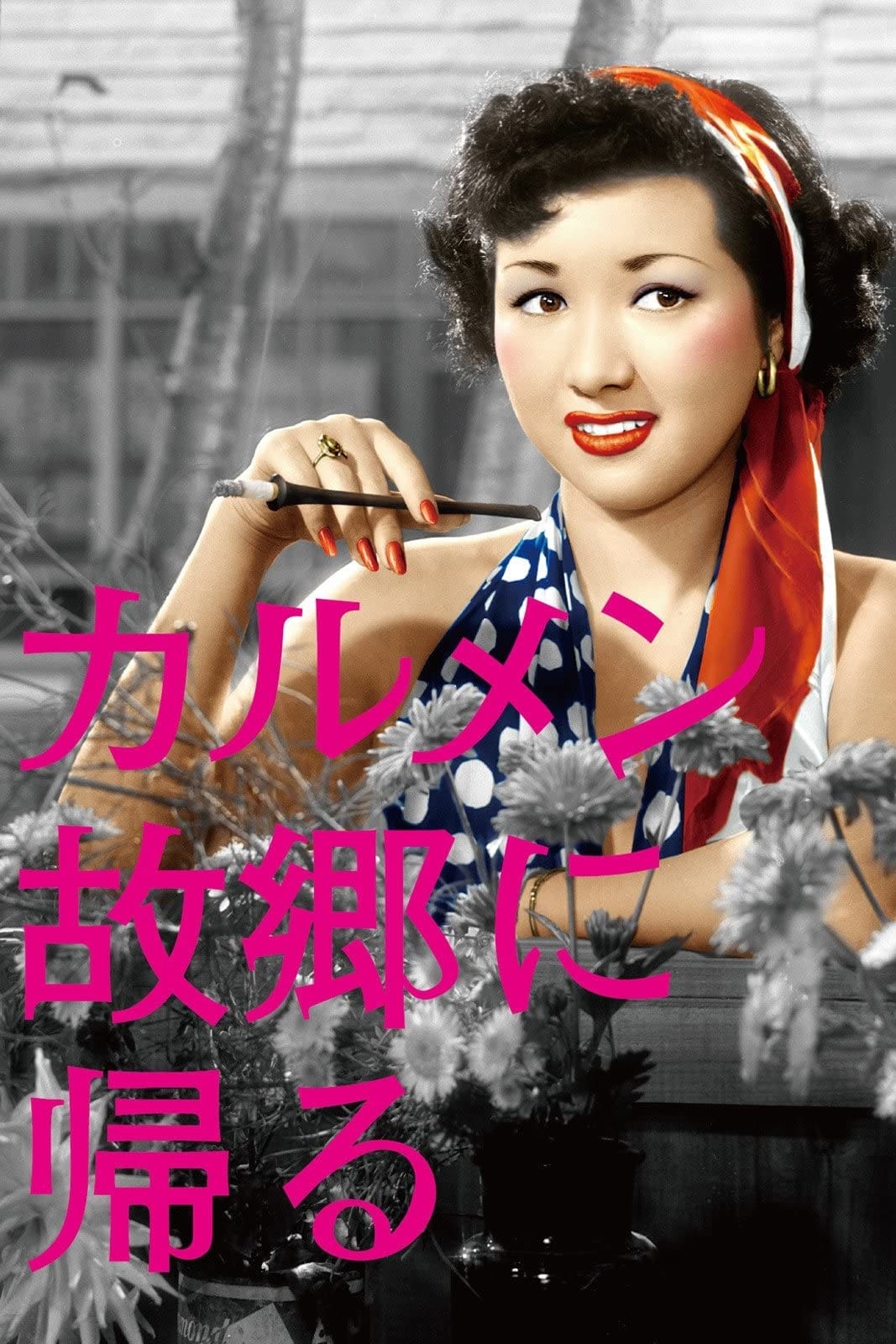
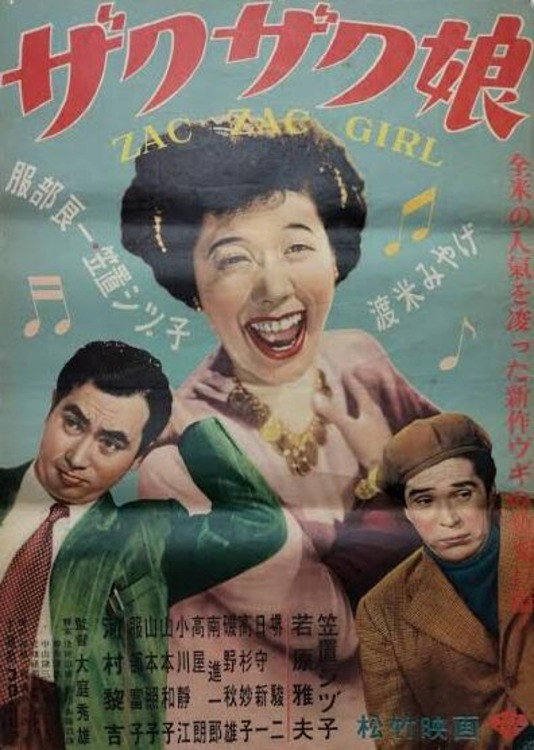
Lily Carmen, strip-teaseuse à Tokyo, retourne dans son village natal accompagnée de sa collègue Maya. Elles décident de monter un spectacle afin de faire profiter les villageois des bienfaits de la culture urbaine moderne.
1951
Ichiro Aoyama
1951
Interprétation
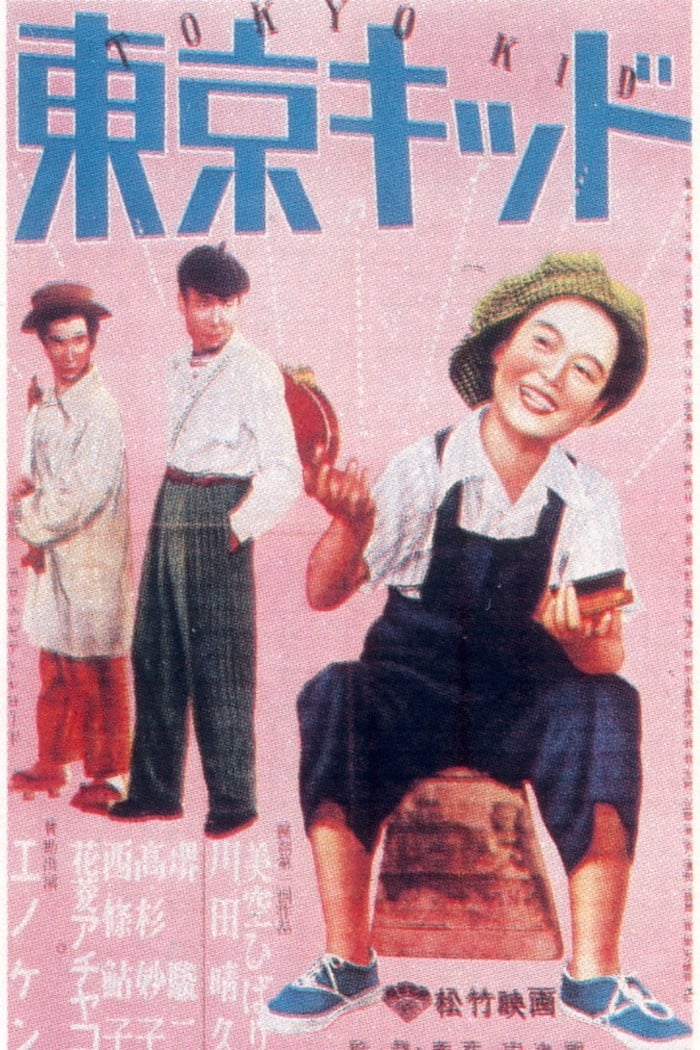
1950
Interprétation
1950
Clerk /Dorian Grey
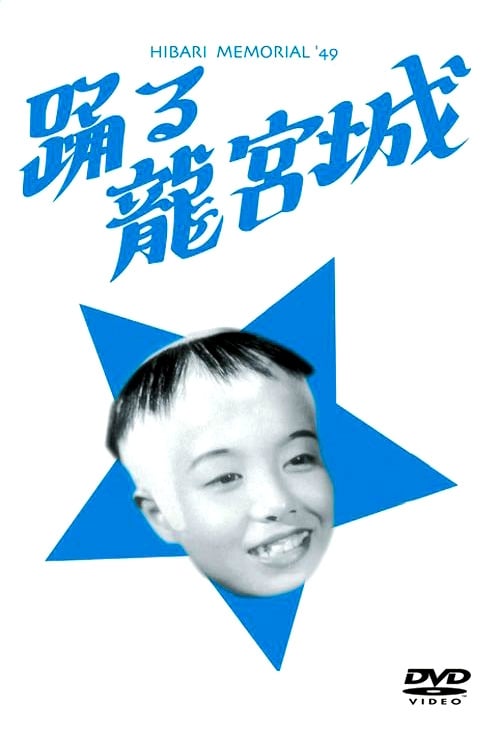
1949
Kurosuke
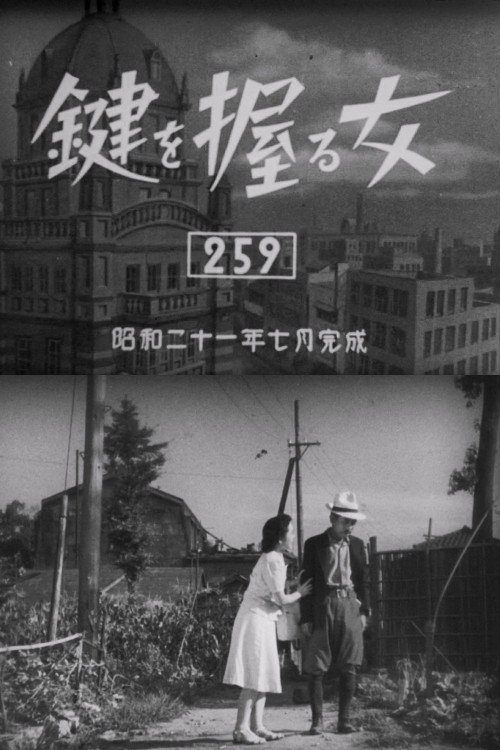
1946
Interprétation
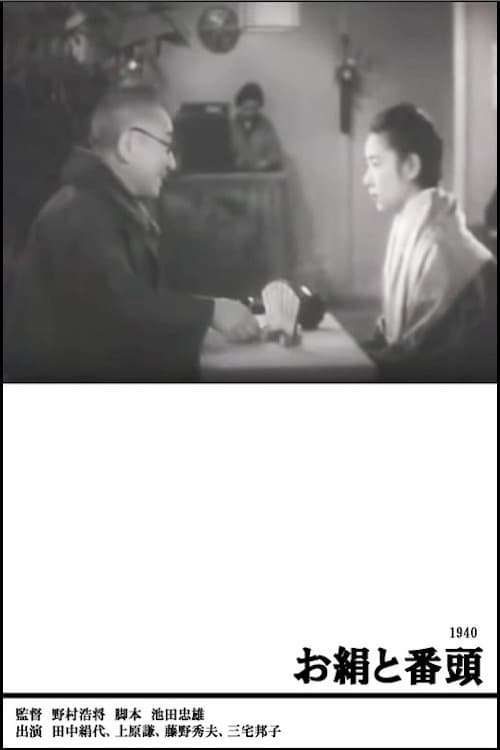
1940
Interprétation
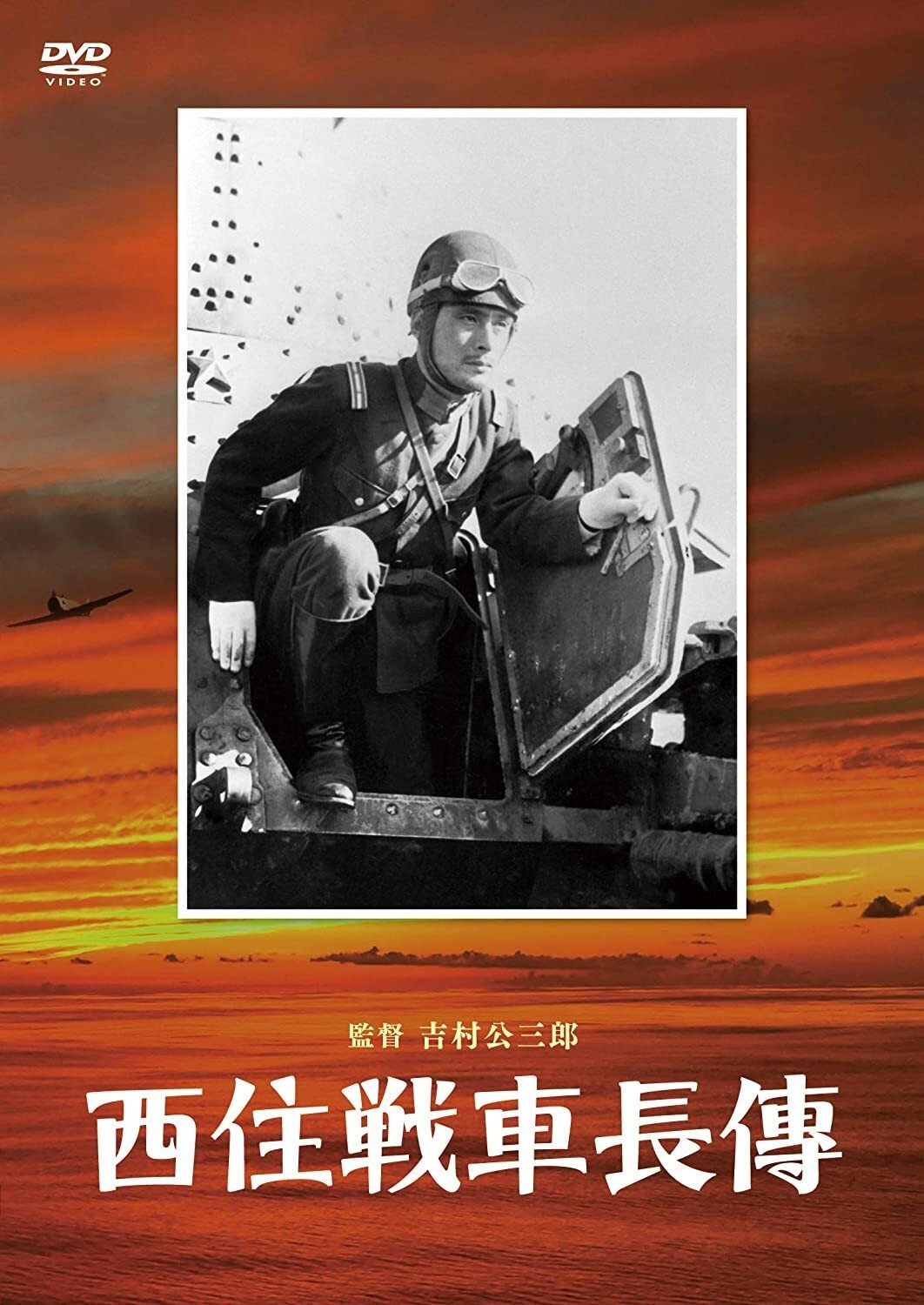
1940
Uematsu, Privete 1st Class
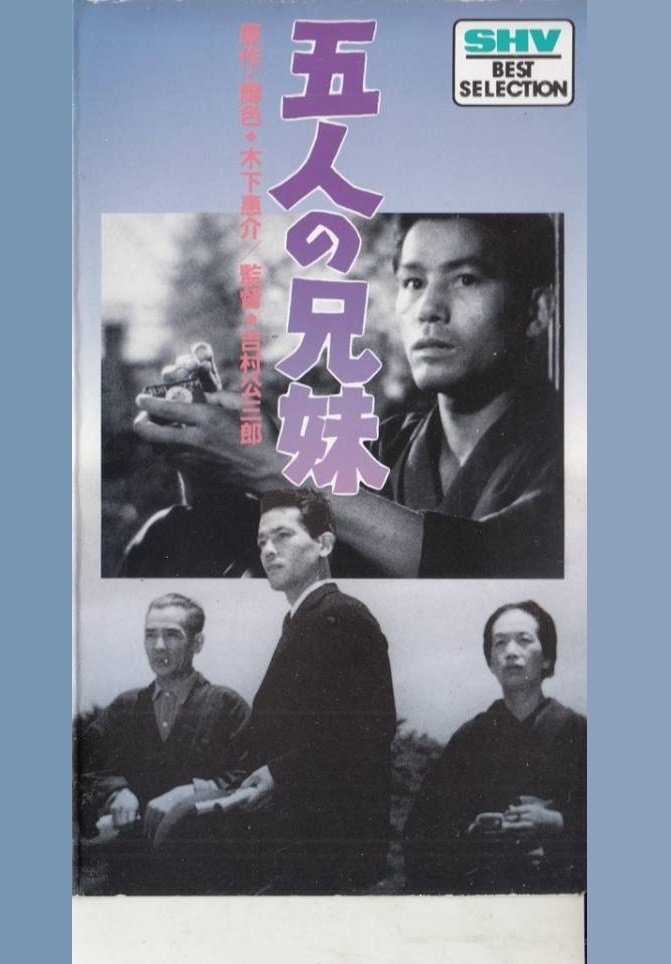
1939
Interprétation
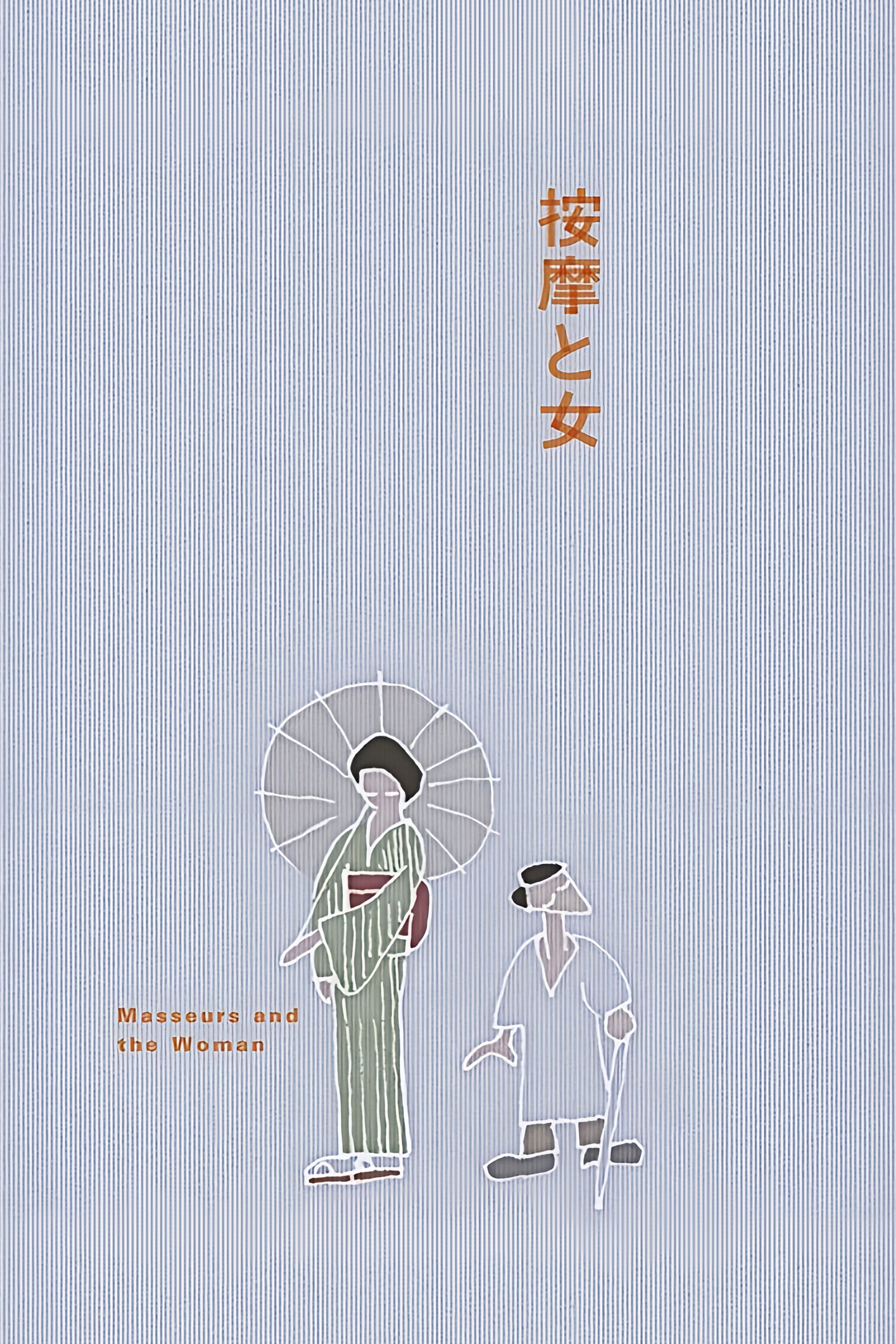
Deux masseurs aveugles arrivent dans une station thermale de montagne où ils viennent exercer leur métier chaque année. L’un d’eux, Tokuichi, s’éprend d’une mystérieuse jeune femme venue de Tokyo. Tandis que les relations se nouent entre les pensionnaires, une série de vols vient troubler la tranquillité des lieux et éveiller les soupçons.
1938
Hiking Student

1938
Office clerk
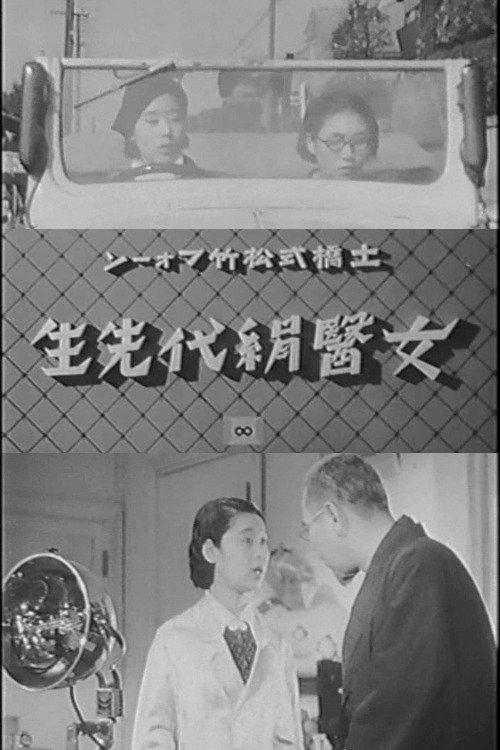
1937
Ishida
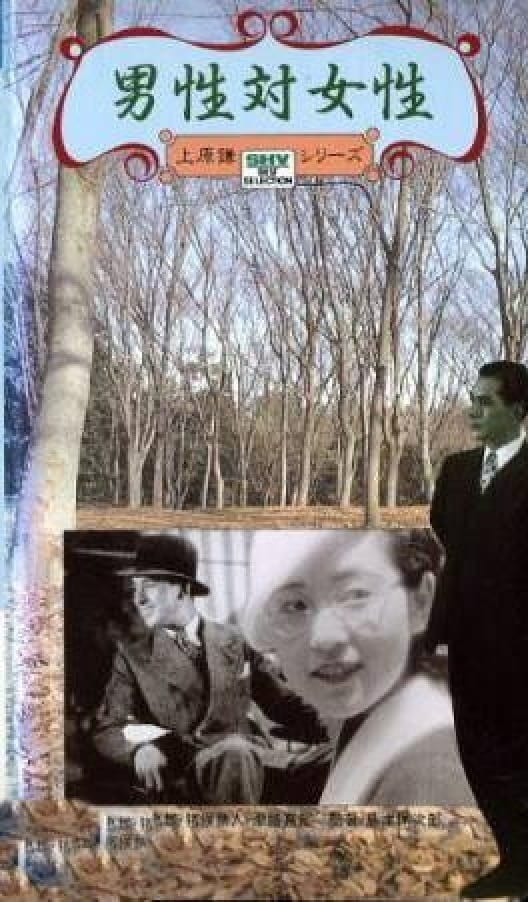
1936
Interprétation
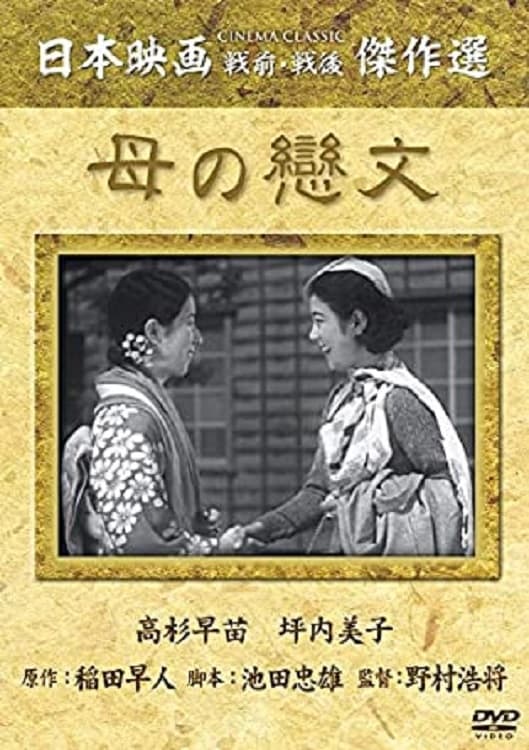
1935
Interprétation
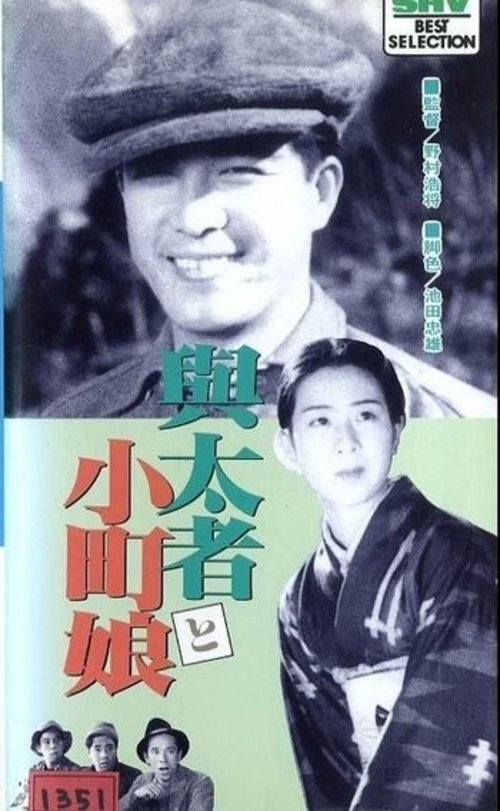
1935
Interprétation
1934
Interprétation
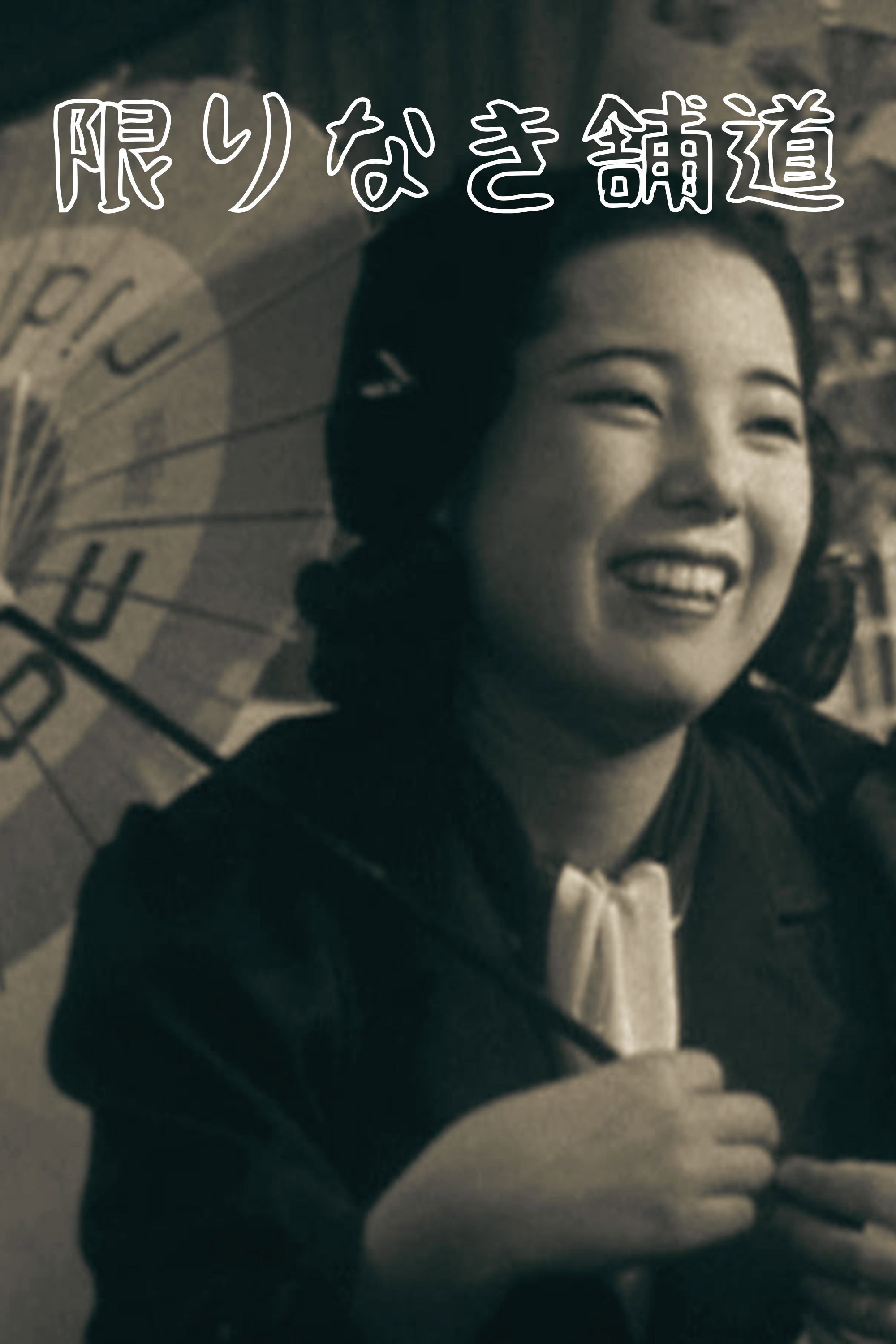
À la suite d'un accident, Sugiko, jeune serveuse dans un café, rate un rendez-vous avec son fiancé. Croyant qu'elle l'a oublié, il rentre dans sa campagne natale. Yamanouchi, le fils de famille qui l'avait renversée tombe amoureux d'elle. Il l'épouse.
1934
Koichi, her younger brother
1934
Interprétation
1933
Interprétation
1933
Interprétation
1932
Interprétation
1928
Interprétation
Les Misérables
1923
Interprétation