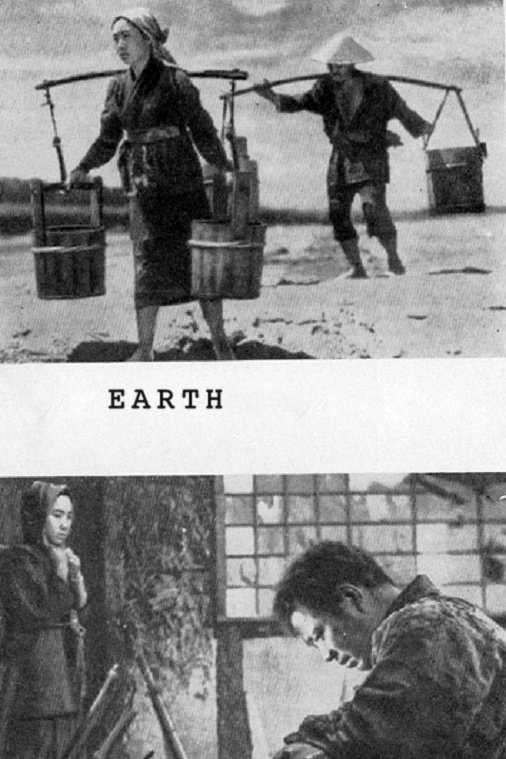
7,5
土
1939
Interprétation
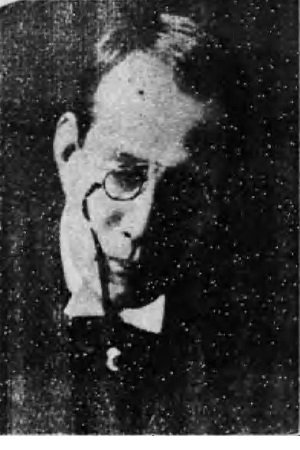
Kaichi Yamamoto, also known as Yamakichi, was a distinguished Japanese actor renowned for his performances in both contemporary and period films. He was a prominent figure at Nikkatsu studios following the era of Onoe Matsunosuke. At the age of 18 in 1895, he joined the "Kawakami Onjuro Troupe," a prominent New School (Shinpa) theater group led by Onjuro Kawakami. Four years later, at the age of 22, Yamamoto participated in the troupe's overseas performances, including those in the United States, showcasing his talent on international stages.
In 1917, he was invited to join the Nikkatsu Mukojima Studio, where he transitioned to film acting after a prolific 22-year theatrical career, shortly before turning 40. His first film at Nikkatsu, "Tsuyu no Chigiri" (Oath of Dew), was released on June 30, 1917, at the Asakusa Opera Hall. After the Great Kanto Earthquake in 1923, which devastated the Mukojima Studio, Yamamoto transferred to Nikkatsu Kyoto Studio. He continued to excel in contemporary dramas, including films like "Okina to Seizo" (Okina and Seizo) and "Toge no Uta" (The Song of the Mountain Pass), the latter being part of the New Year's line-up in 1924[3]. For over a decade, he resided in Kyoto, where he became a stalwart in period dramas, particularly after the passing of Kabuki actor Onoe Matsunosuke.
In 1934, with the establishment of Nikkatsu Tamagawa Studio (now Kadokawa Daiei Studio) as a hub for contemporary dramas, Yamamoto moved there and appeared in films like "Aizou Toge" (Love and Hate Pass).
Yamamoto's filmography boasts a remarkable 250-plus films, demonstrating his enduring legacy in Japanese cinema. He passed away on December 17, 1939, at the age of 62, having left an indelible mark on the world of acting and film.
1939
Ukichi
1938
Interprétation
1937
Interprétation
Le vagabondage de Ryunosuke Tsukue se poursuit à travers le Japon, alors qu'il est traqué par Hyoma, le jeune frère du samouraï qu'il a froidement assassiné, et qu'il commence à sombrer dans une démence meurtrière.
1936
Interprétation
1934
Shuzou Maeda
1932
Interprétation
1932
Interprétation
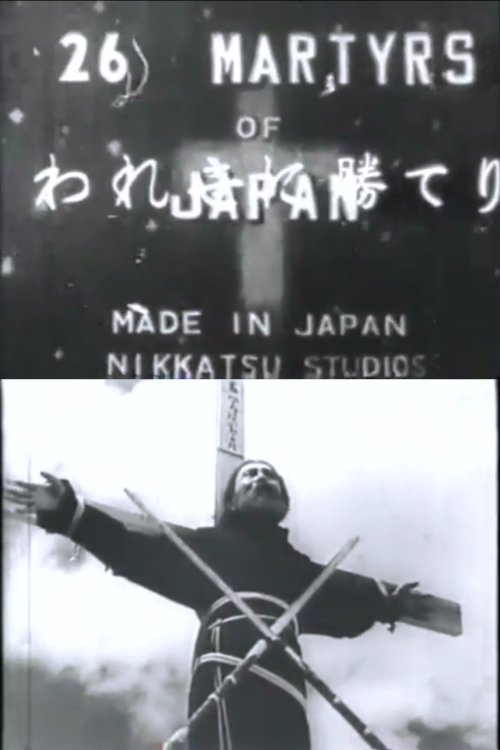
1931
Petrus Baptista Blásquez
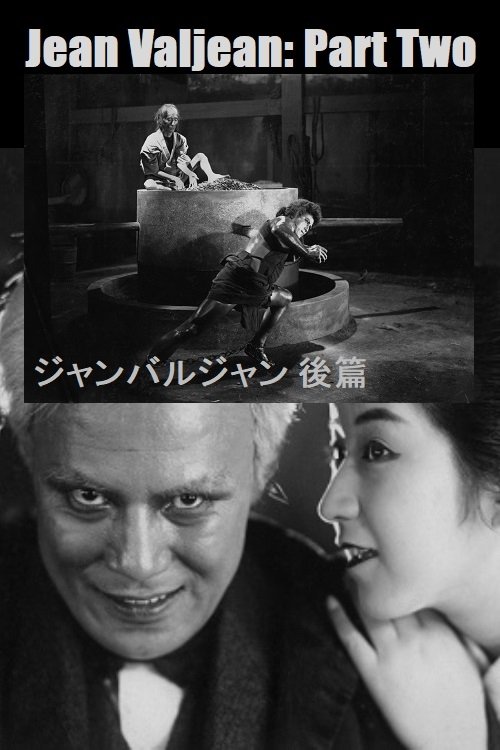
1931
Interprétation

Les Misérables
1931
Interprétation
Basé sur le roman de Gisaburo Juichiya. Seules 4 minutes ont survécu.
1930
Harris
1929
Oike Den'emon

1928
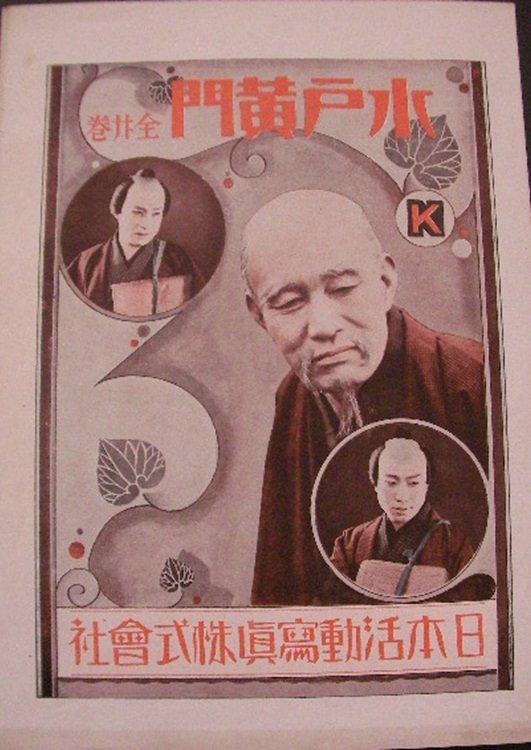
Mito Kōmon
1927
Tokugawa Nariaki
1927
Representative Komai
1927
Kôzukenosuke Kira
1926
Interprétation
1926
Interprétation
1926
Interprétation
1924
Interprétation
Une adaptation d'Anna Christie, considérée comme perdue.
1923
Old sailor Senkichi
1923
Interprétation
1923
Interprétation
1923
瑞雲寺住職日高泰禅老師
1923
Wealthy farmer Tsuda Kinzo
La fille d'un potier qui a épousé un apprenti de son père se suicide avec son amant.
1923
Interprétation
1918
Interprétation
1918
Interprétation