7,0
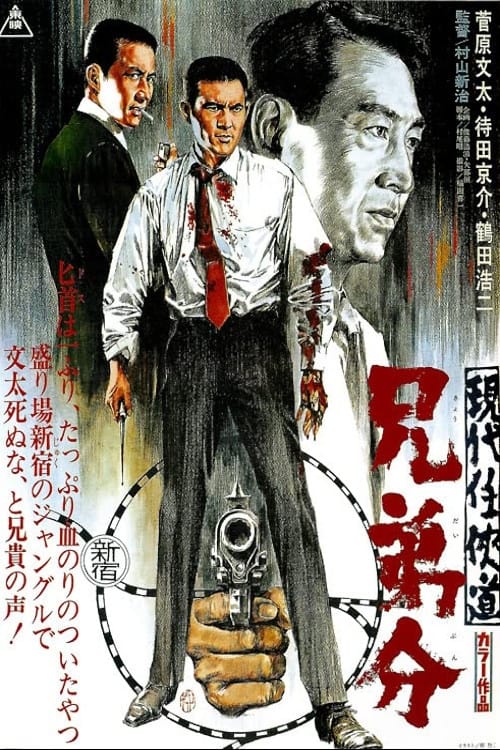
現代任侠道 兄弟分
1970
Interprétation
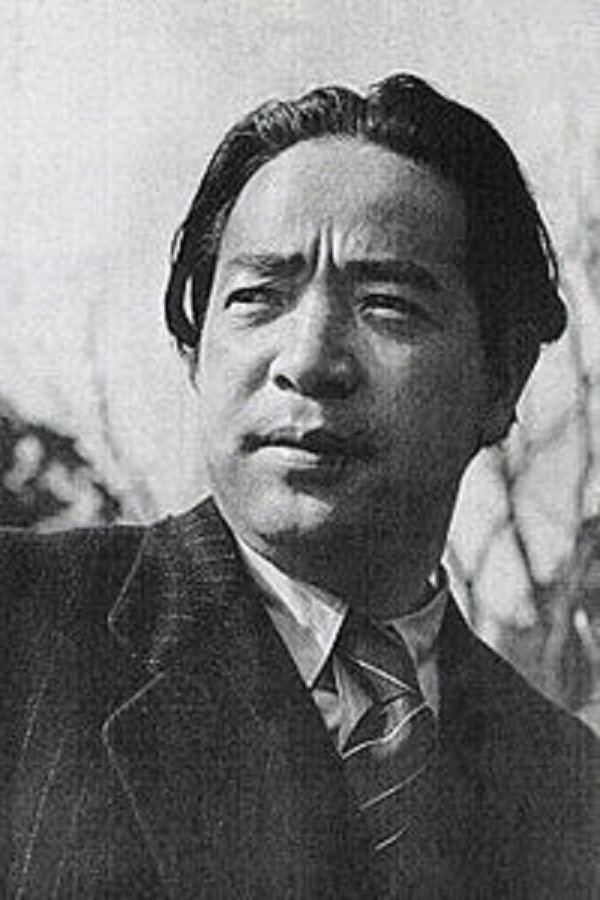
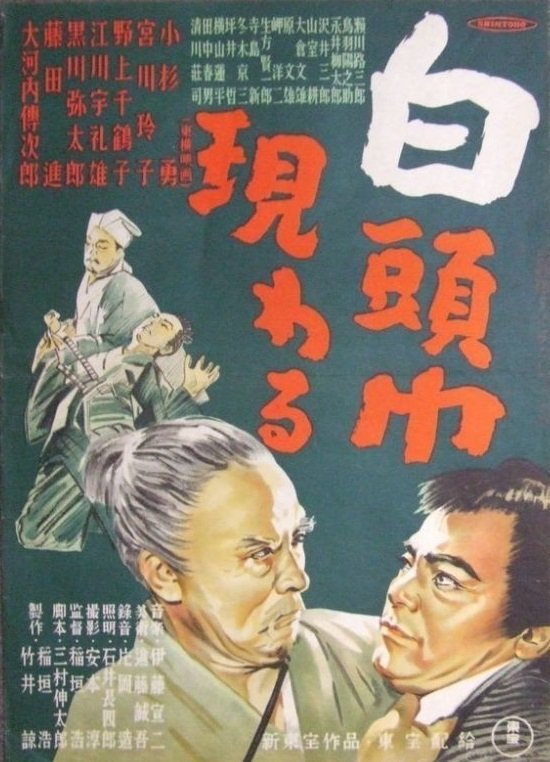
Isamu Kosugi (小杉 勇, Kosugi Isamu, 24 February 1904 – 8 April 1983) was a Japanese actor and film director.
1970
Interprétation
1969
Iwamatsu Koiso

1966
Oba Kumakura
1965
Réalisation

1965
Réalisation

1964
Réalisation

1964
Réalisation

1962
Réalisation

1962
Réalisation
1962
Réalisation

1962
Réalisation
1962
Réalisation

1962
Réalisation

1961
Réalisation
1961
Réalisation

1961
Réalisation
1961
Réalisation
1960
Réalisation
1960
Réalisation
1959
Réalisation
1959
Réalisation
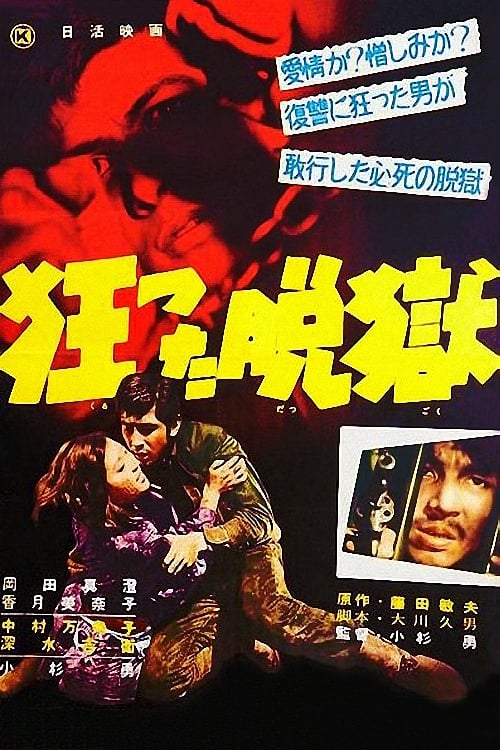
1959
Fukazawa, policeman
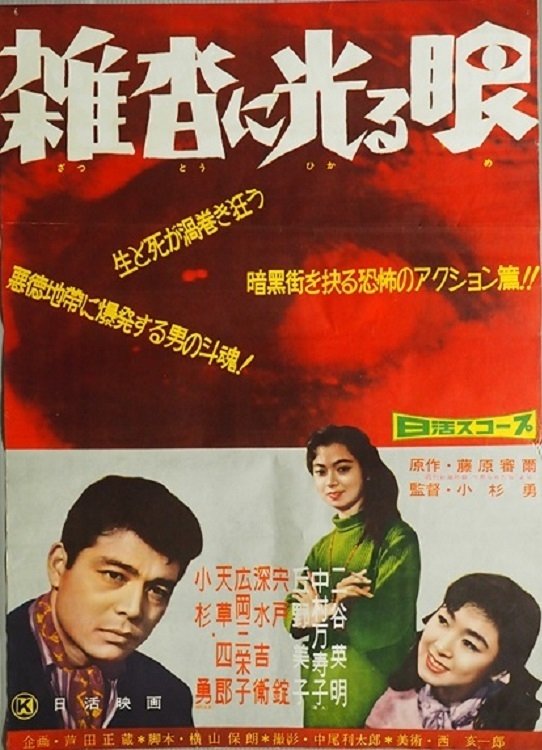
1959
Interprétation

1958
Réalisation
1958
Réalisation
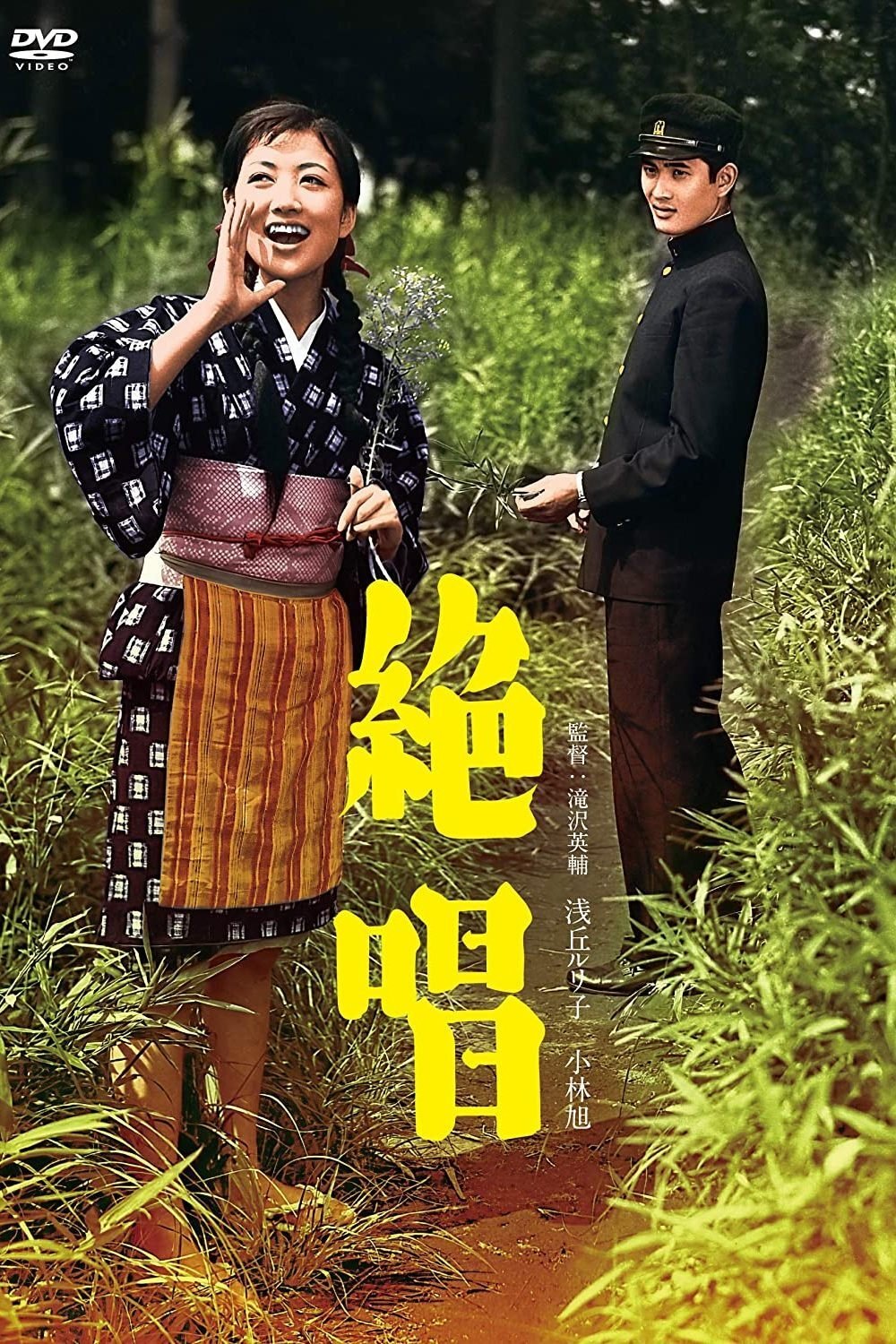
1958
Shôzô

1958
Nobuyasu Itami

À Tokyo, la jeune Takako devient la préceptrice de Kumiko, fille d’une famille aisée, et se fait rapidement une place dans le foyer. Elle attire bientôt l’attention des deux frères de la jeune fille, aussi différents l’un de l’autre que liés par les secrets et les tensions qui traversent leur famille.
1958
Dr. Shiozawa
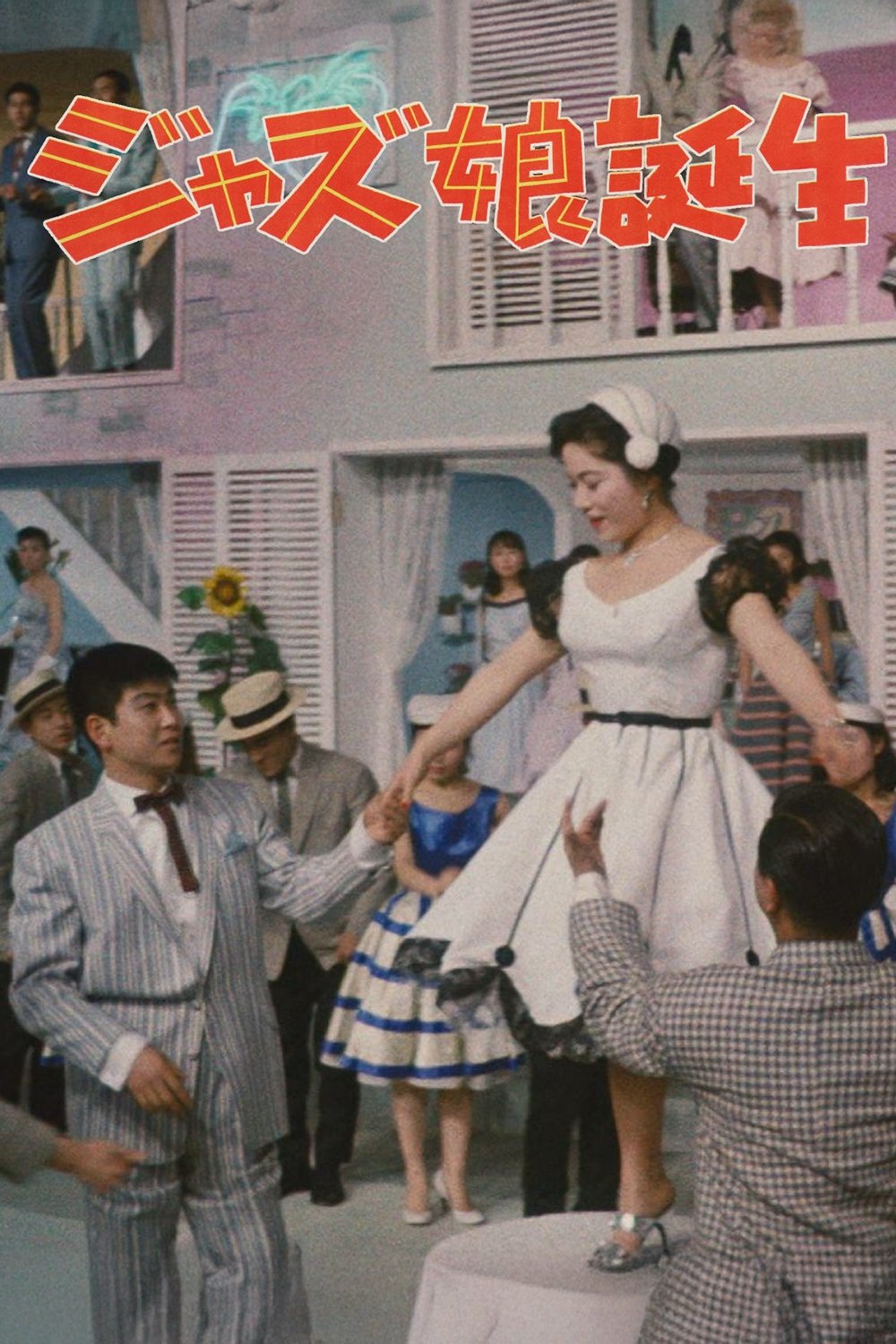
1957
Tôhô Tani
1957
Interprétation
1956
Naokichi Shiba

1956
Naokichi Shiba
1956
Interprétation
1955
Interprétation

1955
Interprétation
1955
Moichiro Umeda
1955
Father Koichi
1955
Interprétation
1954
Interprétation
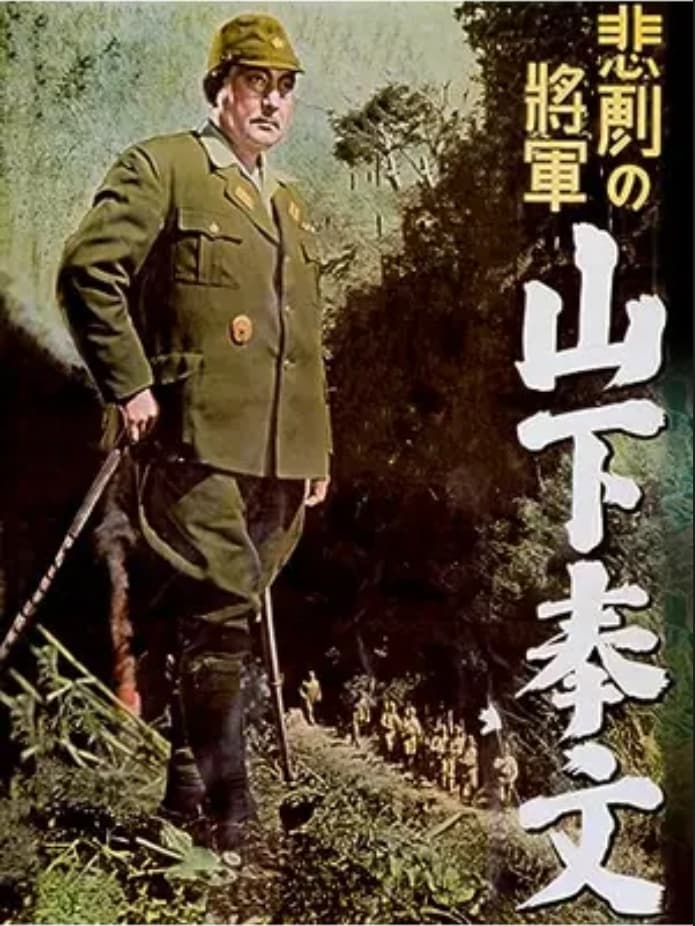
1953
Akira Mutō
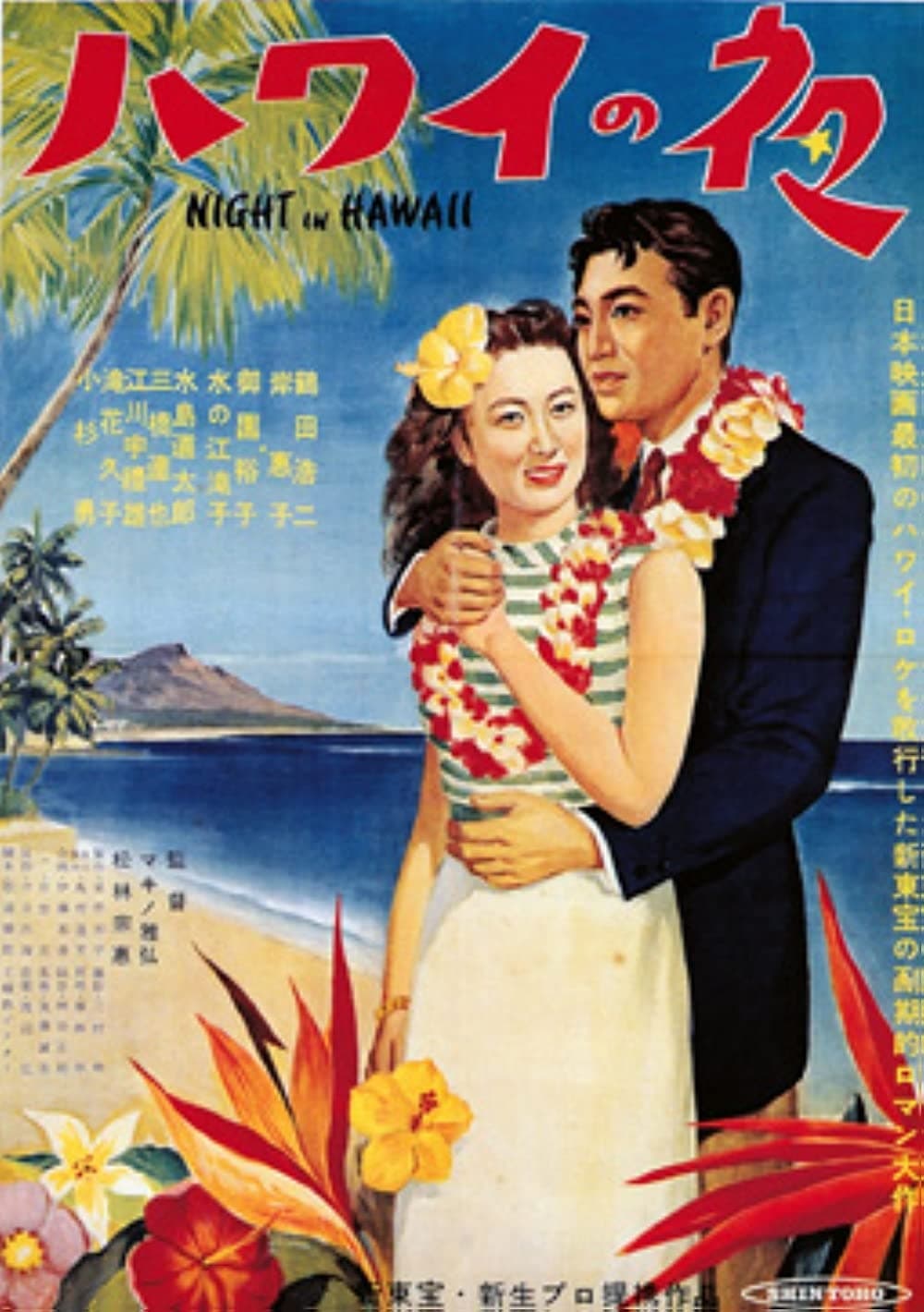
1953
Interprétation

1952
Interprétation

1951
Interprétation

1951
Interprétation
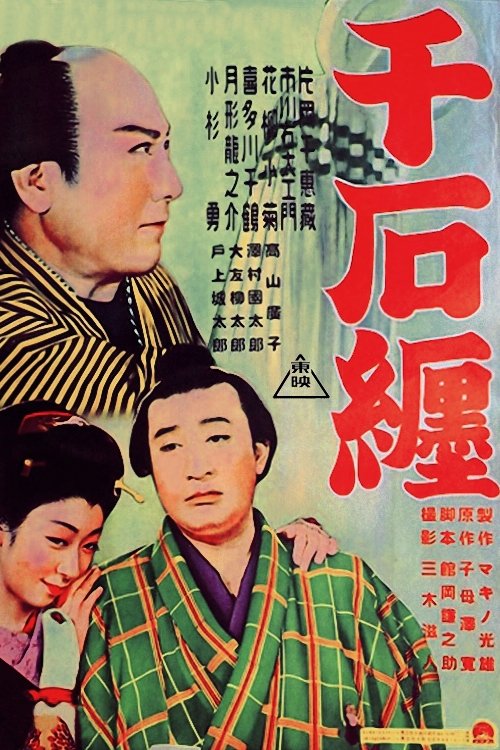
1950
Tetsugorô
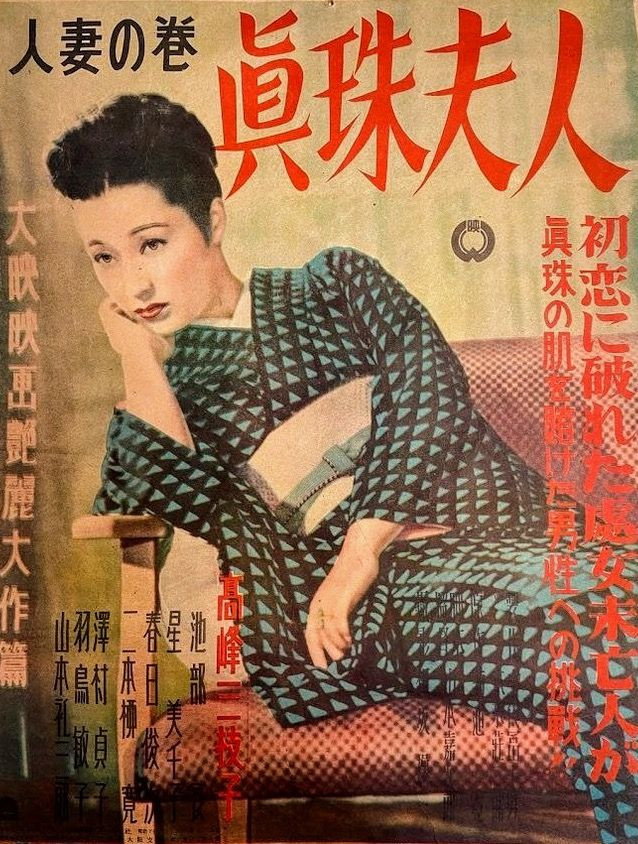
1950
Interprétation
1950
Matayoshi Shishido
1950
Interprétation
1950
Réalisation
1950
Interprétation
1950
Réalisation
1950
Interprétation
1949
Interprétation

1949
Police Shimizu
1949
Réalisation
1949
Interprétation
1949
Réalisation
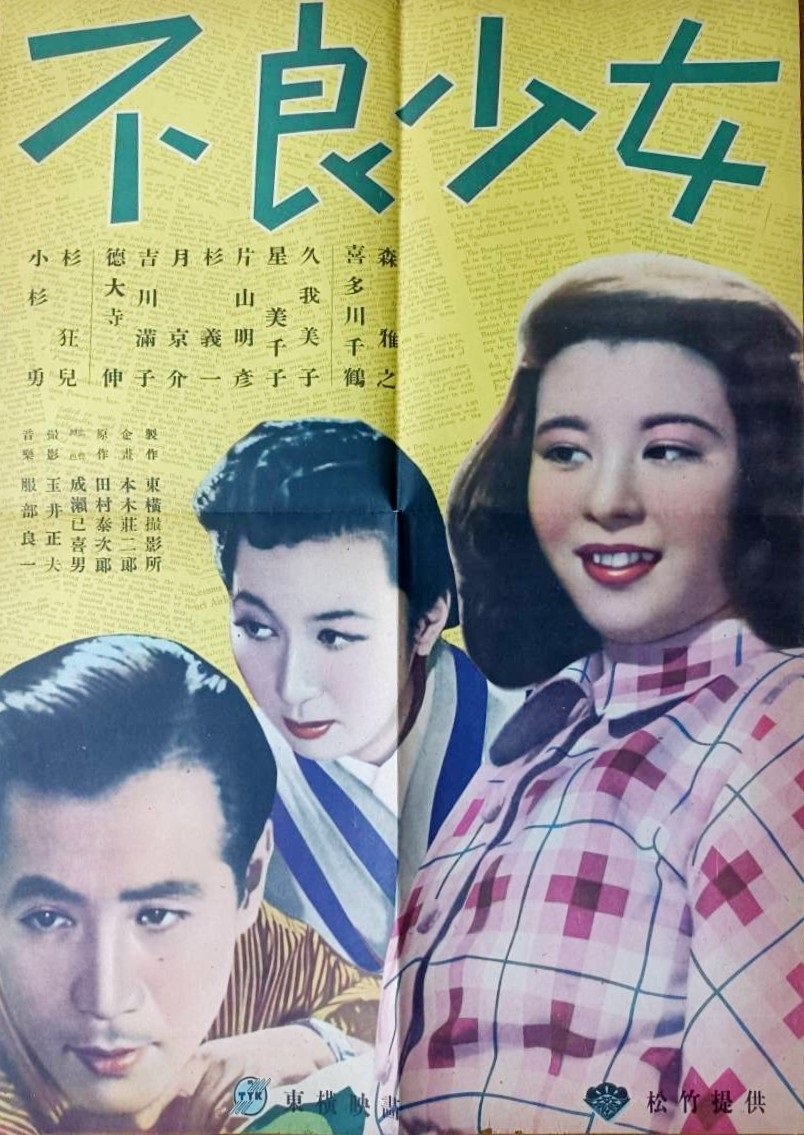
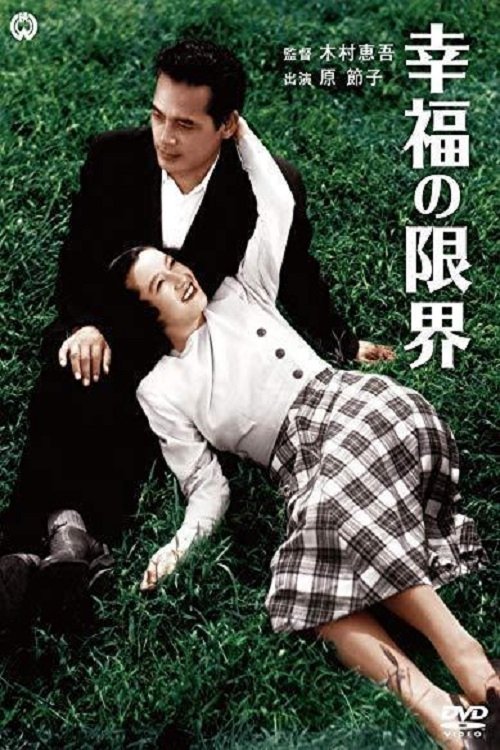
Une histoire d'amour mélodramatique, un apprentissage en devenir entre la « mauvaise fille » en puissance et la jeune étudiante optimiste qui revient de la grande ville.
1949
Interprétation
1949
Interprétation

1949
Interprétation

1949
Interprétation
1948
Interprétation
1948
Kikuoka
1948
Interprétation
1948
Interprétation
1948
Interprétation

1948
Réalisation
1948
Interprétation
Une veuve de guerre japonaise se souvient de son histoire d'amour avec son mari décédé.
1947
Hiroya Yasaka
1947
Interprétation
1946
Interprétation
1946
Kan'ichi Yamaguchi - captain of Machiho-maru
1945
Interprétation
1945
Interprétation
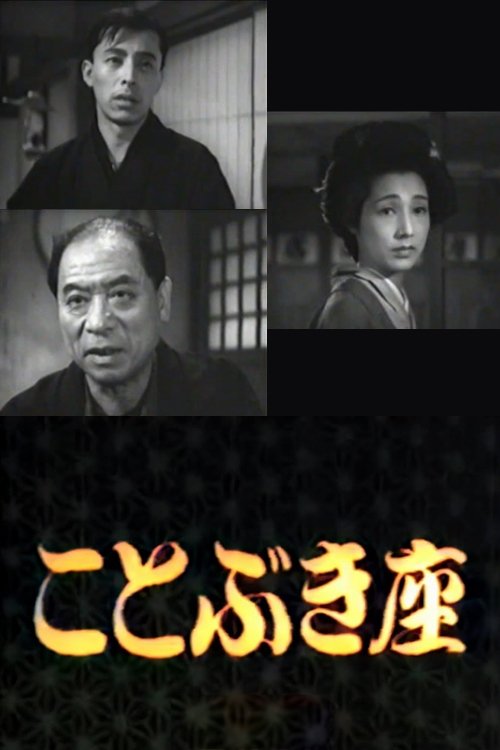
1945
Interprétation
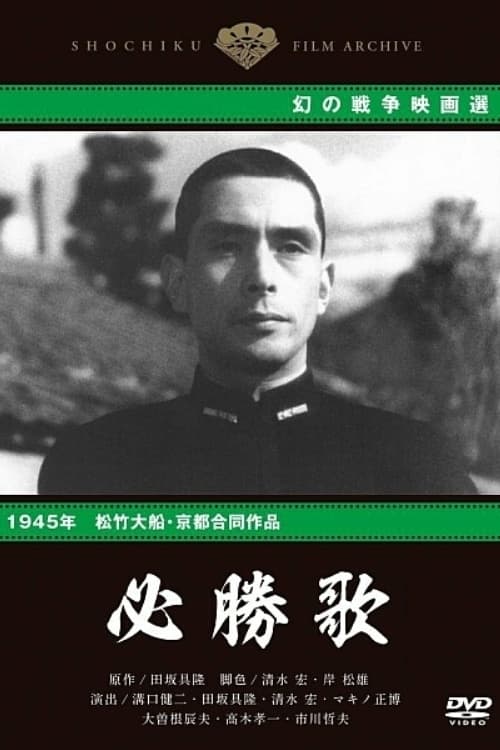
Le Chant de la victoire est constitué de treize histoires qui exaltent le patriotisme japonais.
1945
Okawa
1945
Interprétation
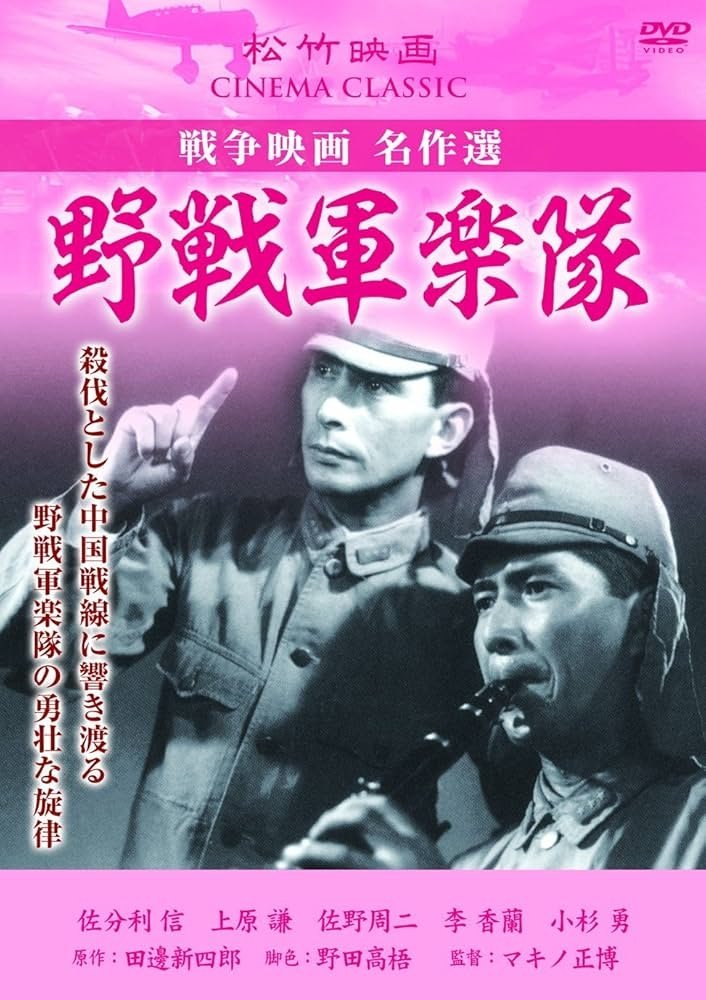
1944
Naota
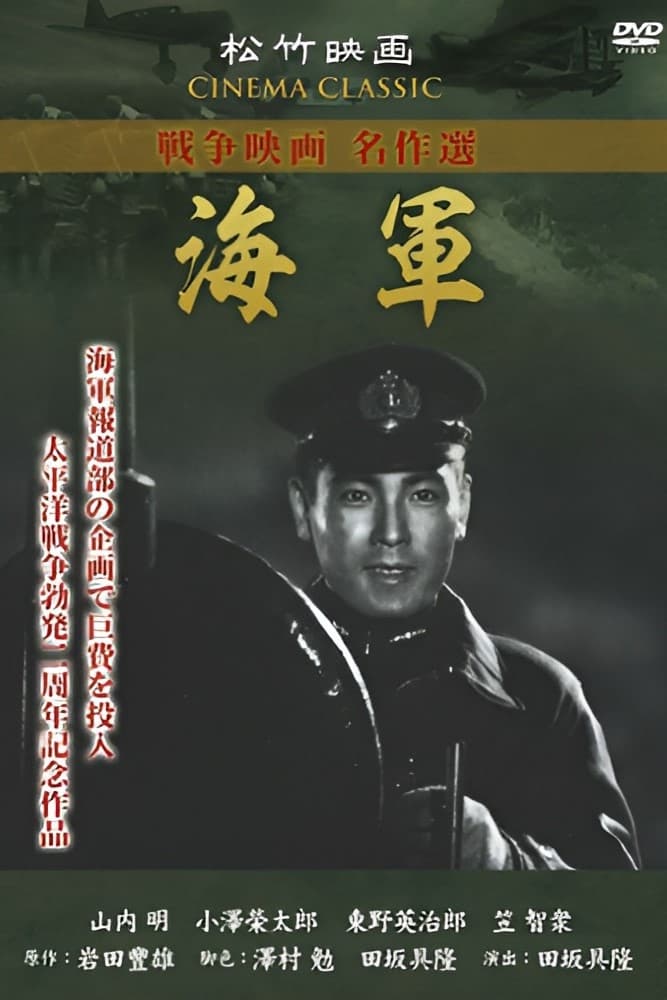
1943
Interprétation
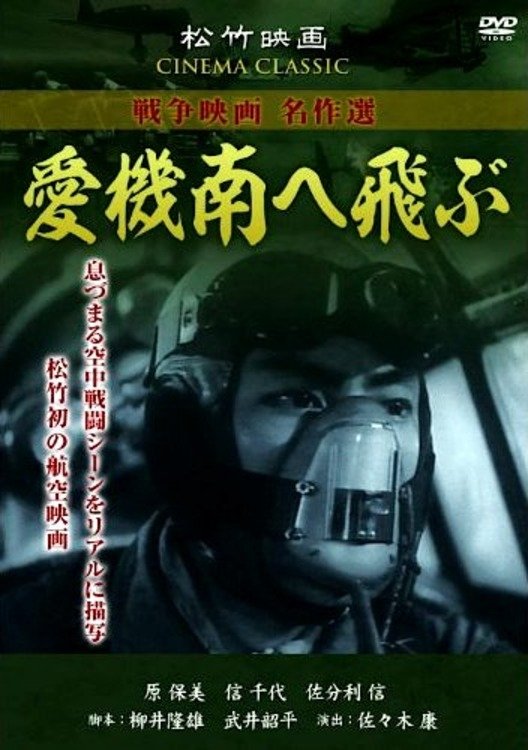
1943
Interprétation
1942
Interprétation

Après l'injuste condamnation à se faire hara-kiri infligée à un jeune samouraï, quarante-sept de ses compagnons le vengent en se faisant à leur tour hara-kiri sur sa tombe.
1941
Denpachirô Tamon
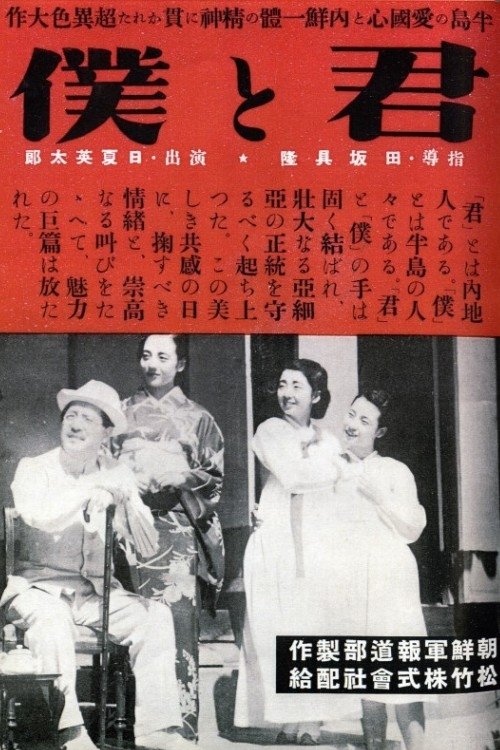
1941
Ryohei Kubo
1941
Interprétation
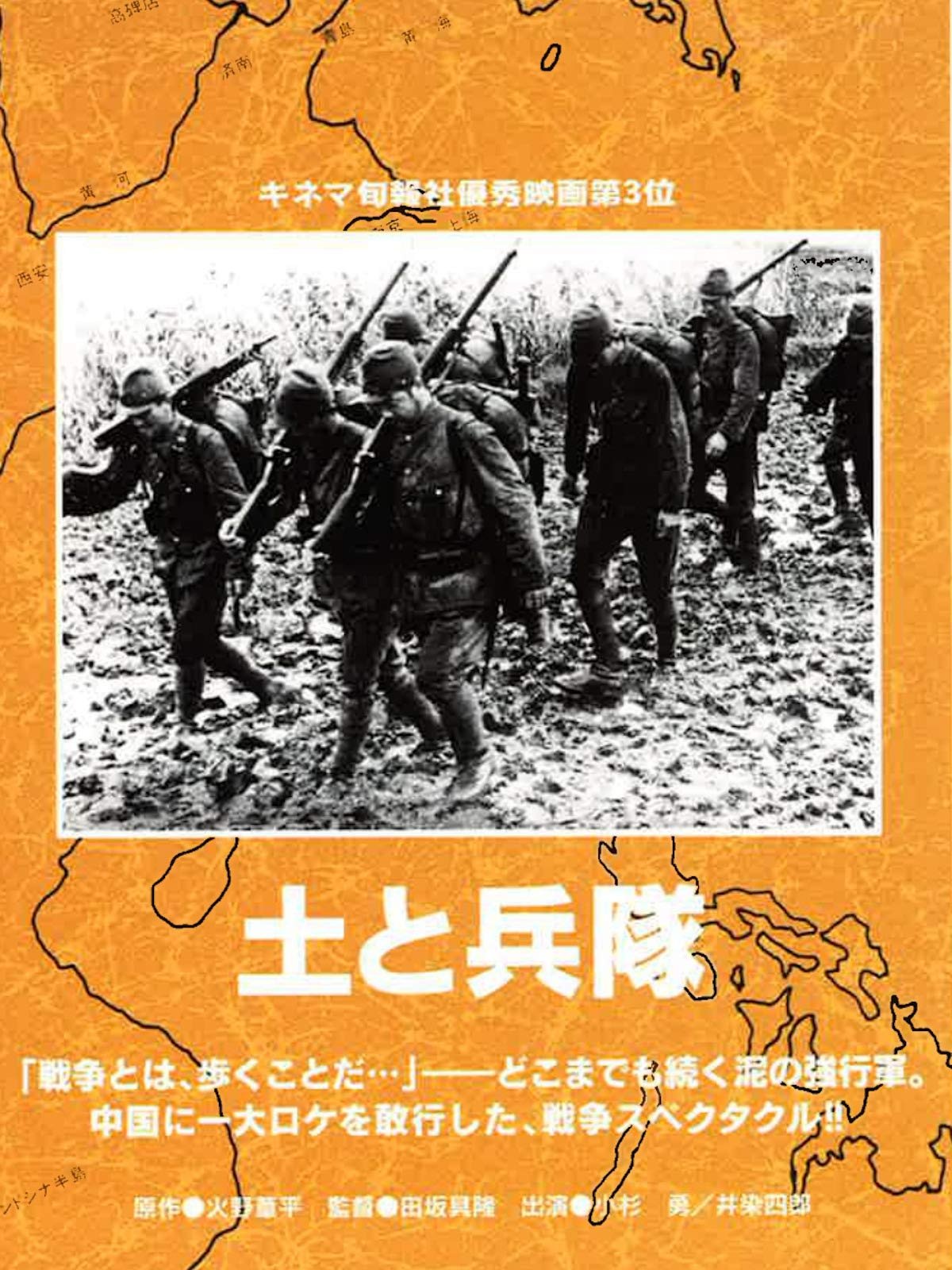
1939
Interprétation
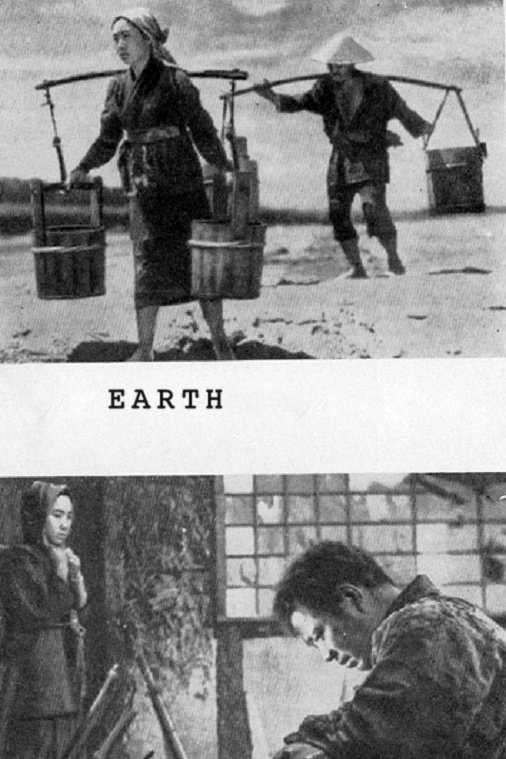
1939
Kanji
1939
Interprétation
1938
Interprétation
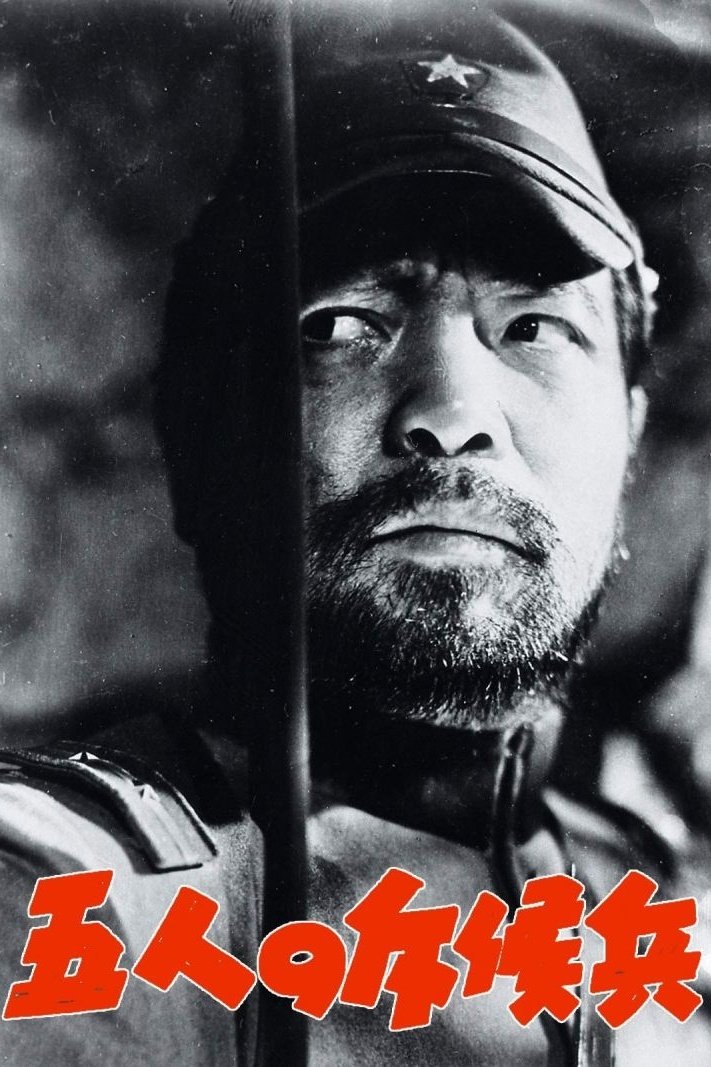
Pendant la guerre sino-japonaise, une unité japonaise épuisée par les combats reçoit l’ordre de reconnaître les positions ennemies. Cinq soldats sont envoyés en territoire hostile, où l’épreuve de la mission met à nu la peur, la solitude et les liens qui les unissent.
1938
Unit Commander Okada
1937
Interprétation
1937
Interprétation
1937
Teruo Yamato
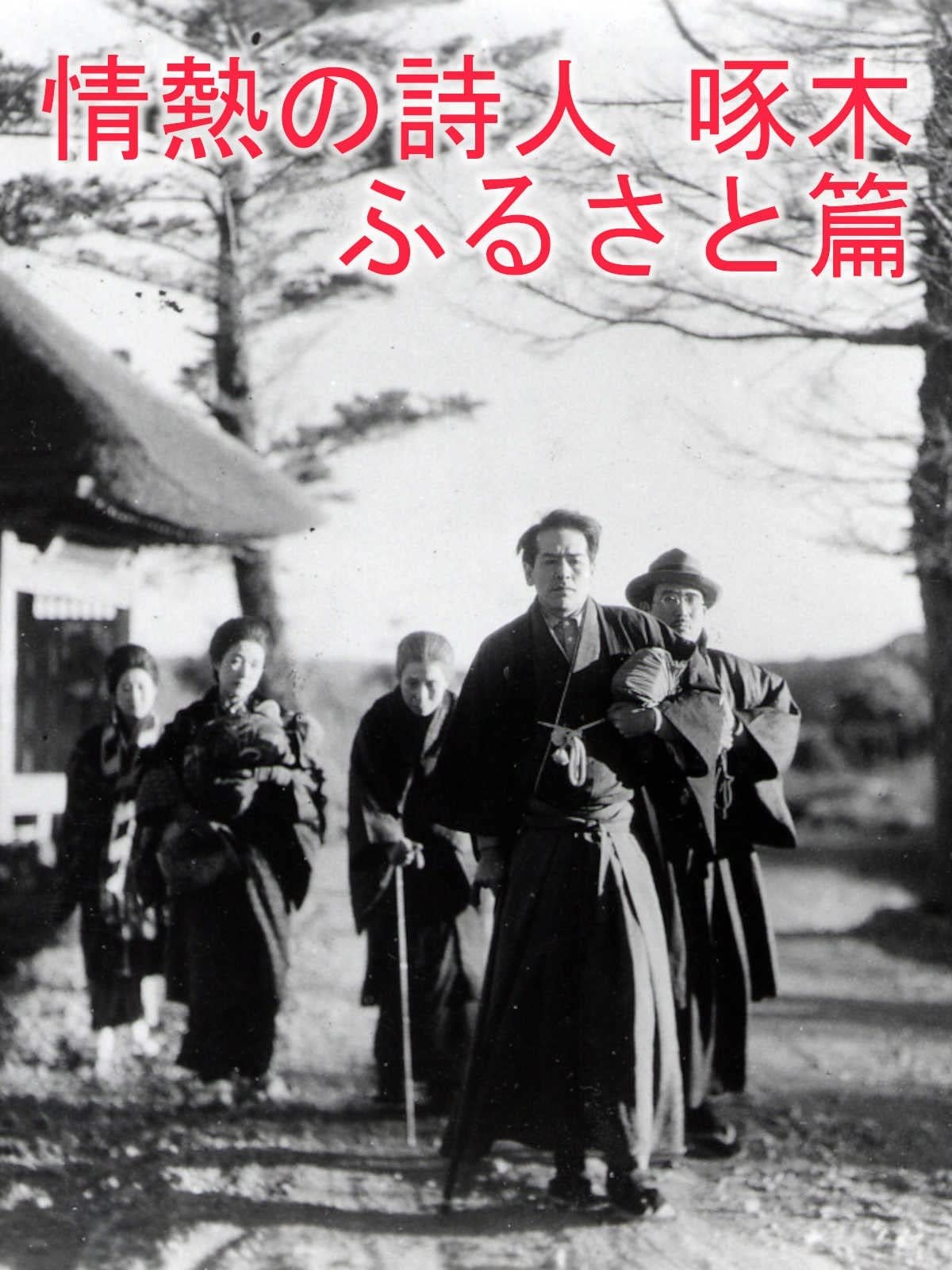
1936
Interprétation
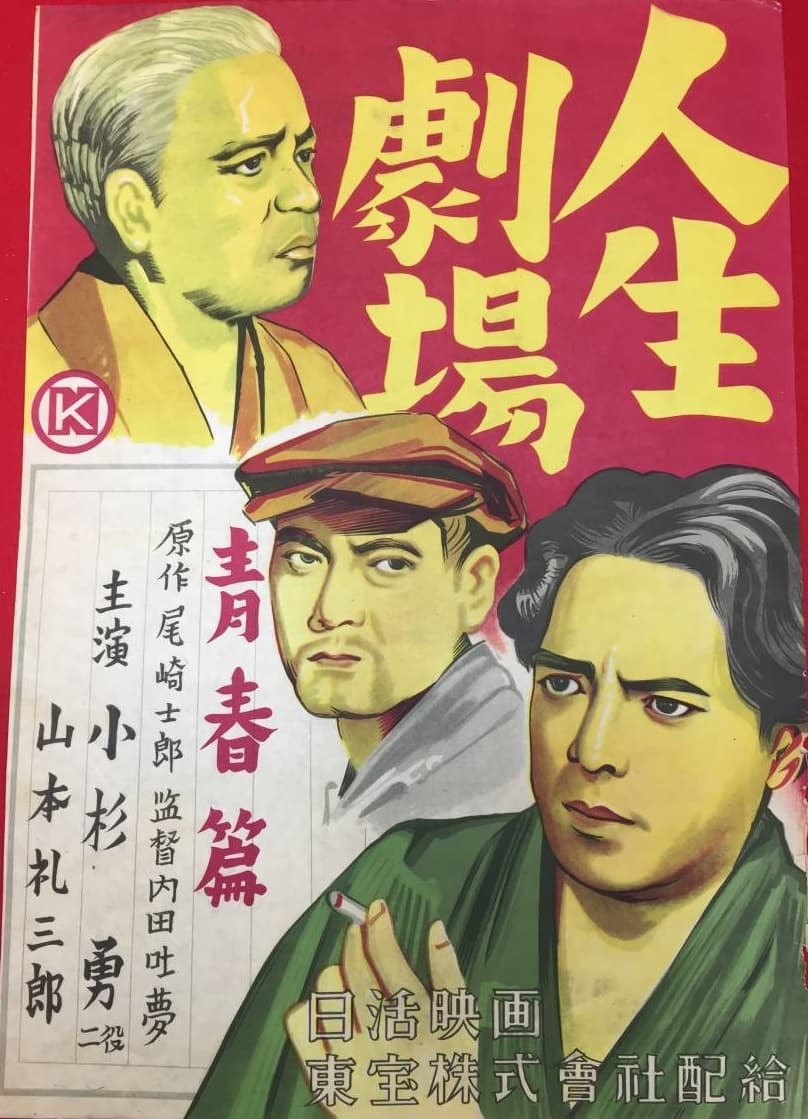
1936
Interprétation
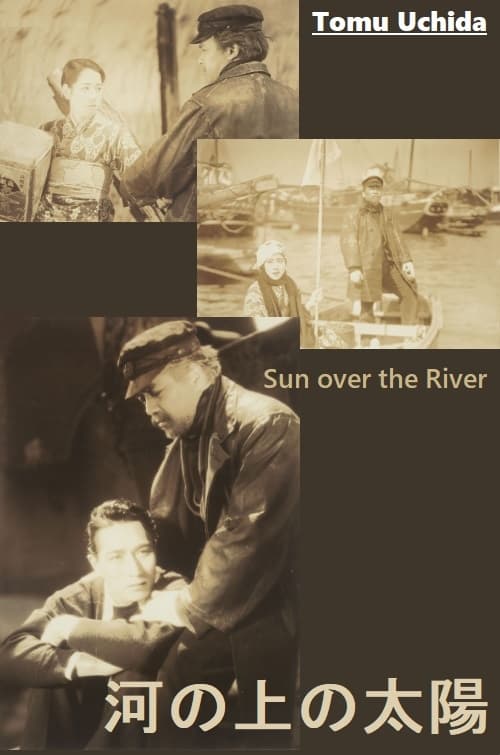
1934
Kentaro's father

1933
Officer Itami
Alors qu'il rentre en bateau au Japon, Yoshie Fujiwara rencontre une femme riche qui lui propose de devenir chanteur grâce à un ami impresario.
1930
Higuchi
1929
Interprétation
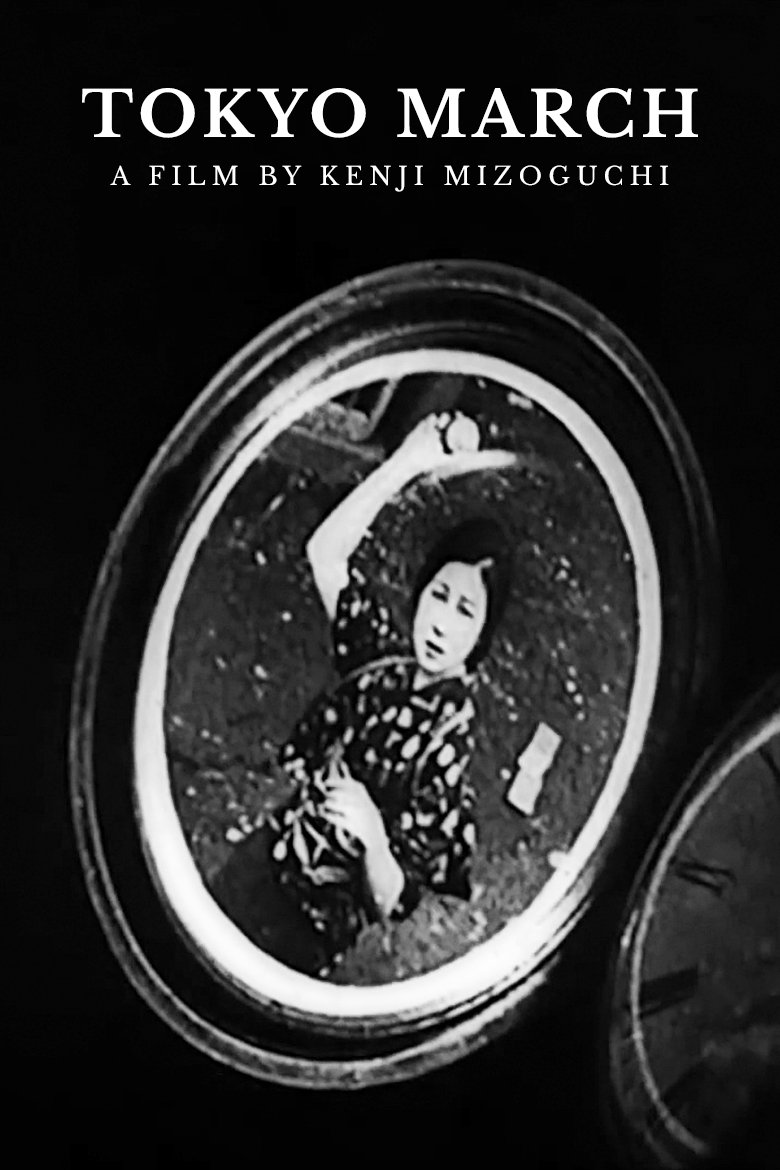
Orie, une orpheline, devient geisha pour subvenir à ses besoins.
1929
佐久間雄吉
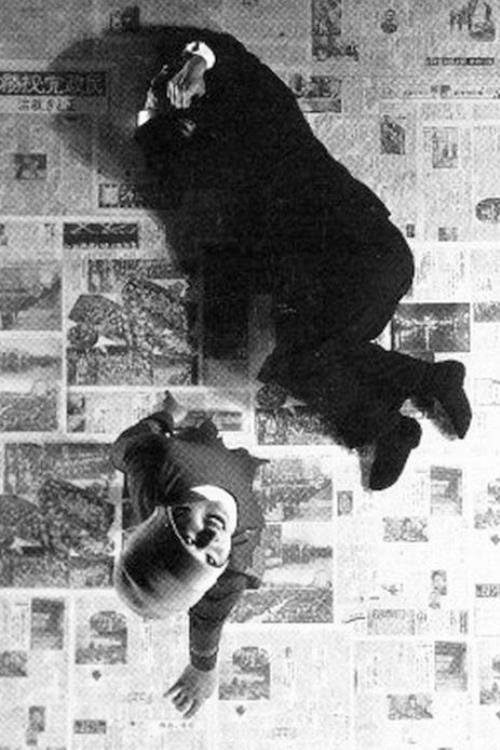
Un homme s'élève dans la société en trichant. Mais les institutions sauront à leur tour prendre leur revanche.
1929
Daisuke Segi
1929
Interprétation
1929
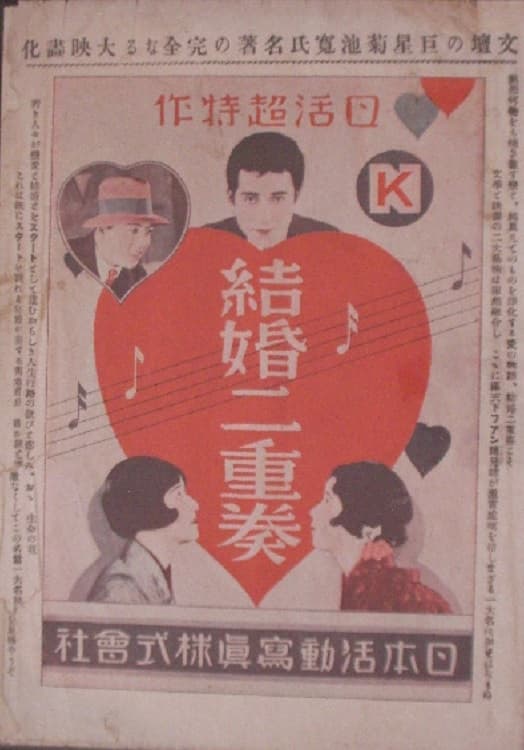
Motozo
1928
Interprétation
Réalisation