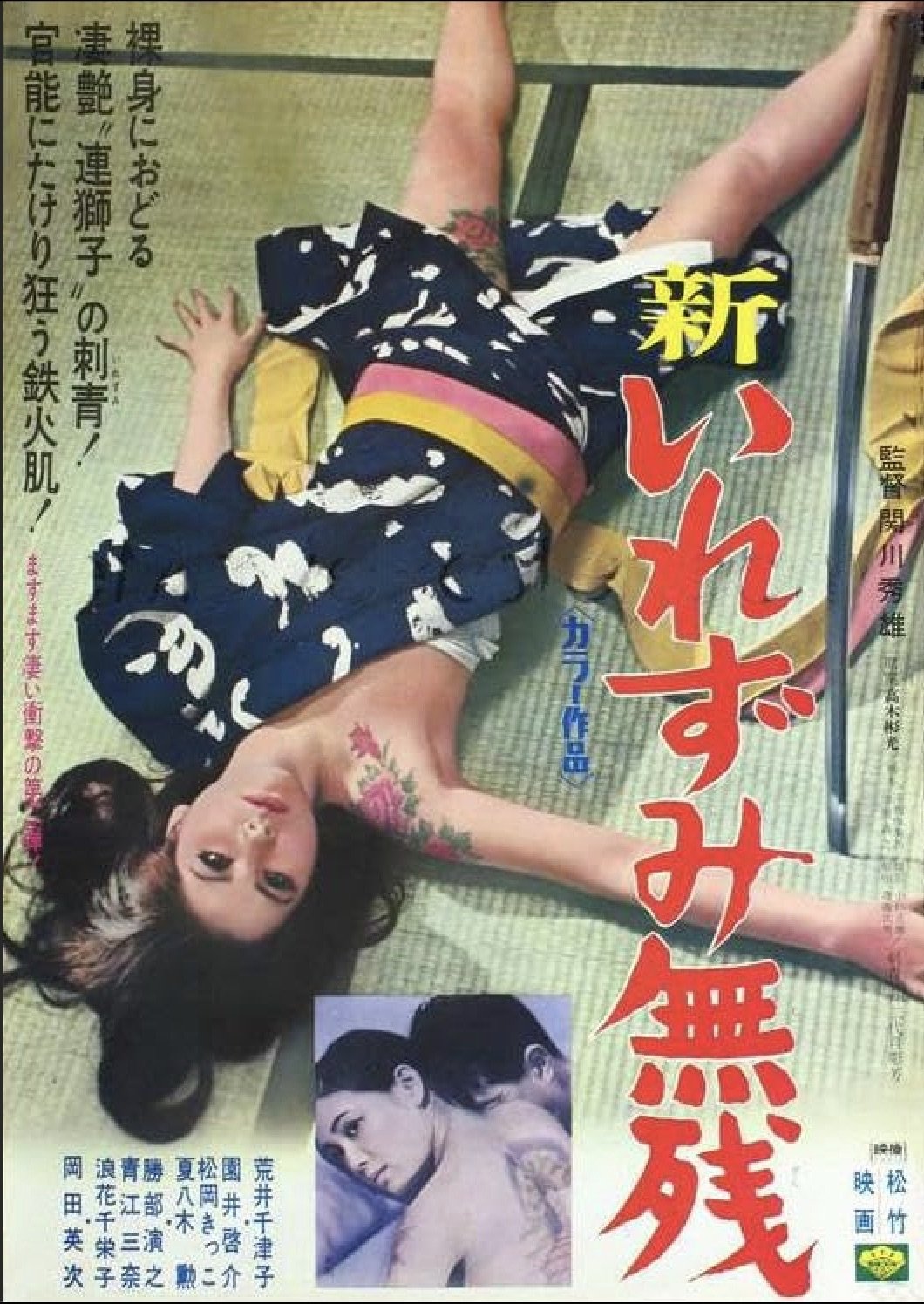
7,0
超高層のあけぼの
1969
Réalisation

Hideo Sekigawa (関川 秀雄, Sekigawa Hideo, 1 December 1908 – 16 December 1977) was a Japanese film director known mainly for films with a left-wing agenda made in the late 1940s and early 1950s. His most noted works are the anti-war films Listen to the Voices of the Sea (1950) and Hiroshima (1953).
Hideo Sekigawa joined the documentary branch of P.C.L. film studios (later Toho) in the 1930s where he worked on militarist propaganda films despite his Communist leanings. After the Second World War, Sekigawa debuted as co-director of the pro-unionist Those Who Make Tomorrow (1946) which was intended to illustrate the purpose of the workers' union at the Toho film studios. Having difficulties finding work due to his political leanings, he directed the anti-war film Listen to the Voices of the Sea for Mitsuo Makino's Toyoko Eiga company (later Toei Company). For the Japan Teachers Union, which had been unhappy with Kaneto Shindo's Children of Hiroshima for not being political enough, he directed Hiroshima (1953) in a semi-documentary style, parts of which were later used (uncredited) by Alain Resnais for his drama Hiroshima mon amour. In later years, Sekigawa's output included both audience-orientated genre works and documentaries. His last film was the 1969 Chōkōsō no Akebono.
1969
Réalisation
1968
Réalisation
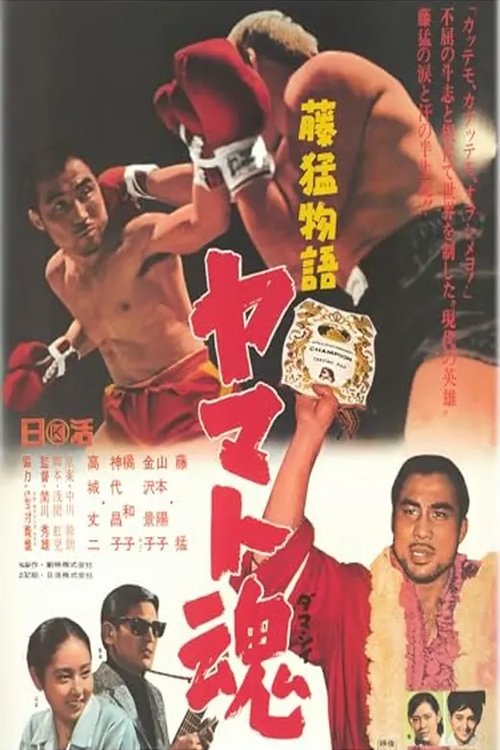
1968
Réalisation
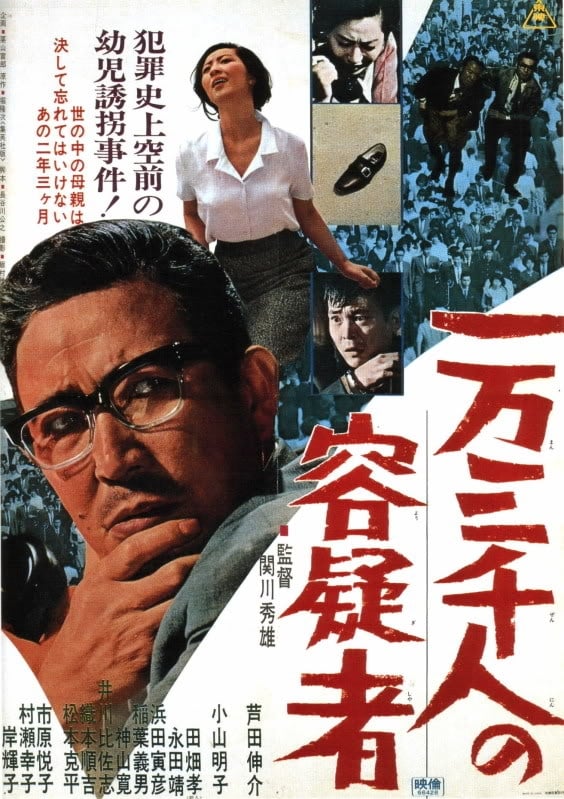
1966
Réalisation
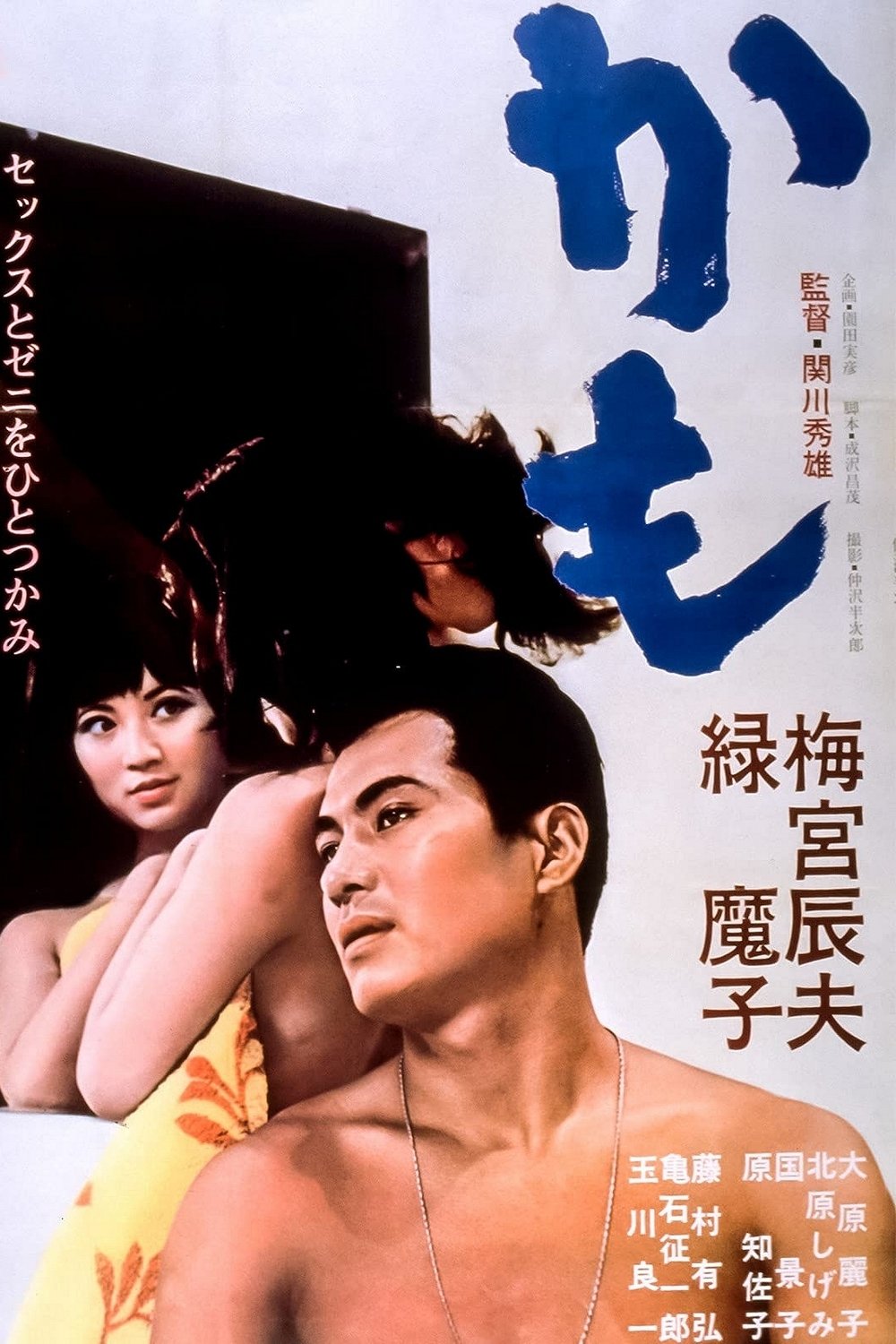
Kamo est un film Japonais produit par la Toei en 1965.
1965
Réalisation

1965
Réalisation
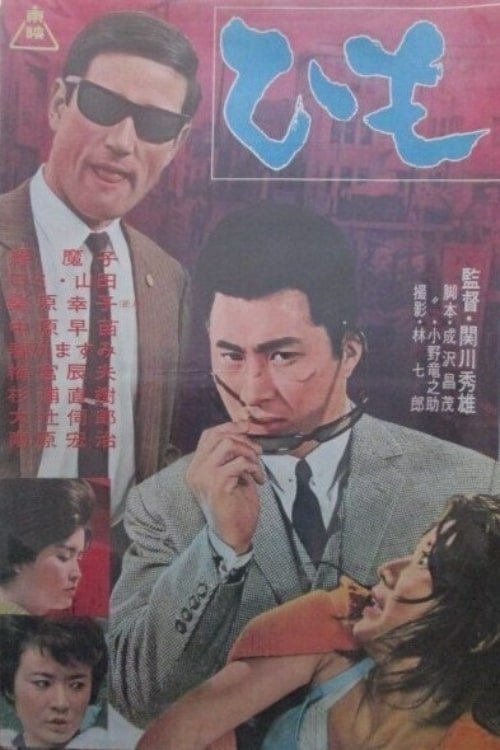
Un jeune barman officie comme proxénète : il prétend avoir une MST pour qu'une fille avorte. Celle-ci est en fait infectée par un autre et prépare sa vengeance.
1965
Réalisation
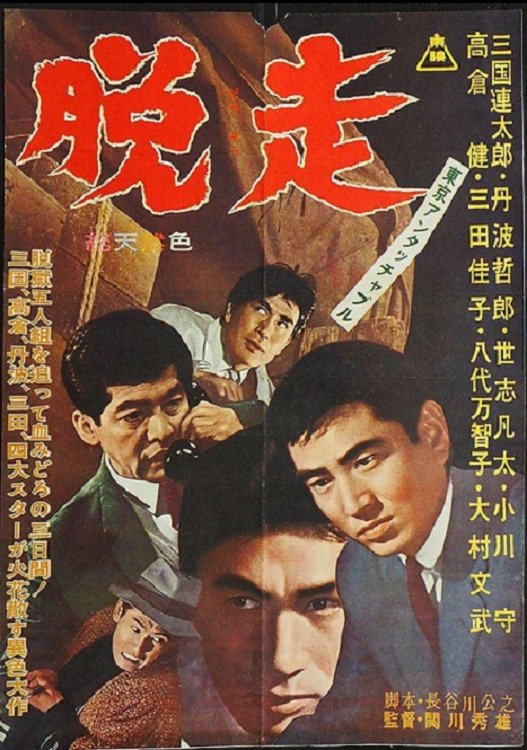
1963
Réalisation
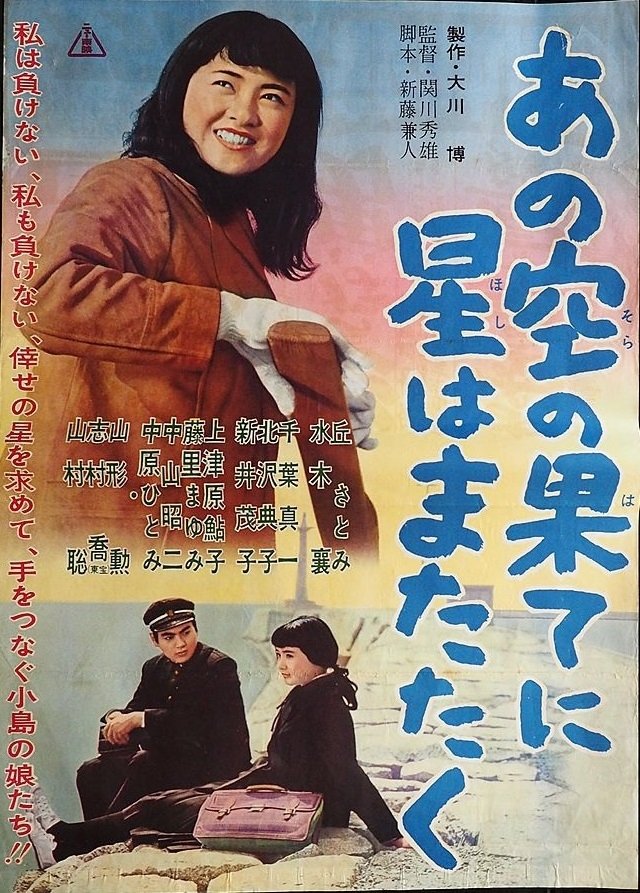
1962
Réalisation

1961
Réalisation

1961
Réalisation
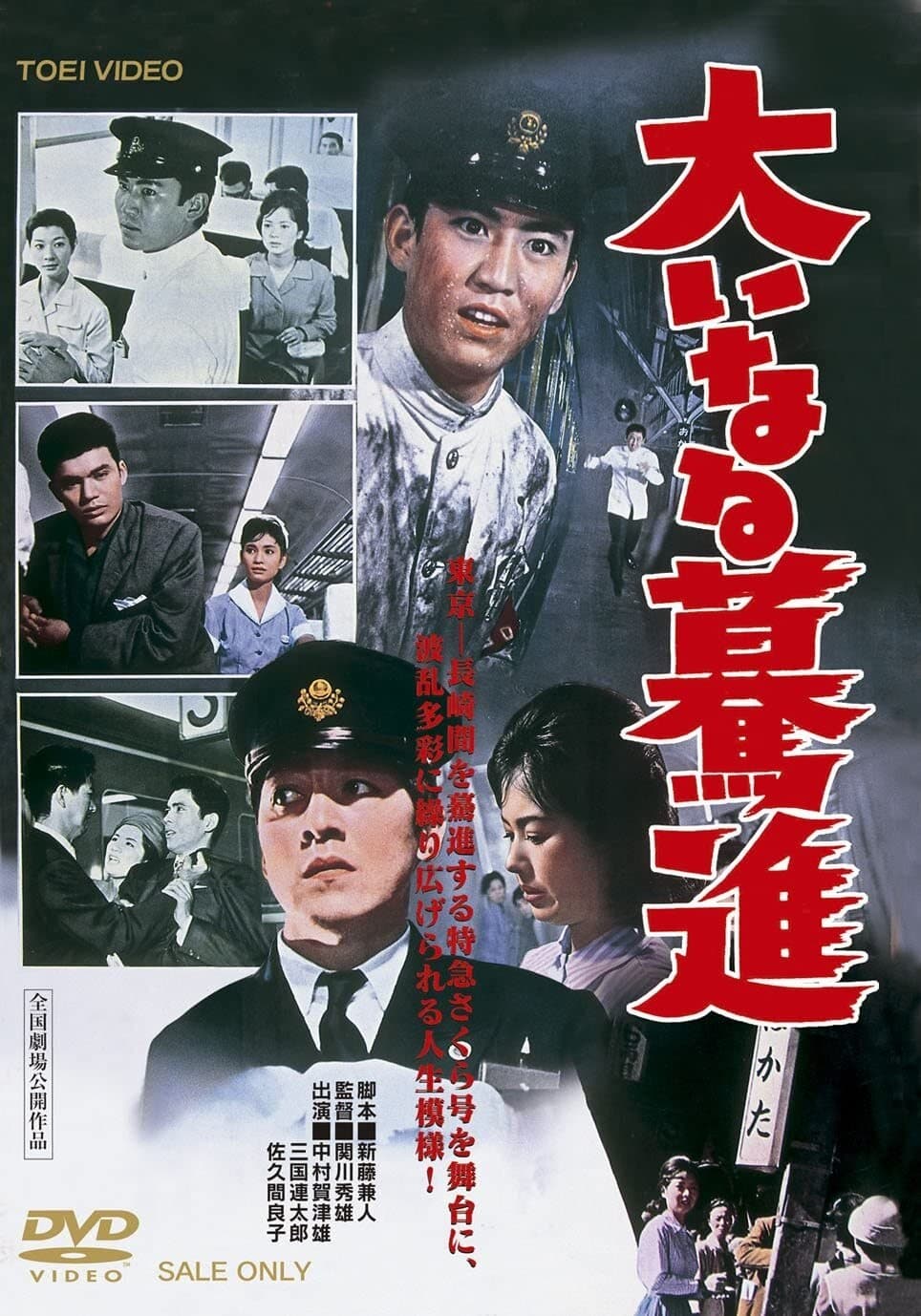
Un drame humain sur l'équipage et les passagers d'un train express spécial nommé « Sakura » reliant Tokyo à Nagasaki...
1960
Réalisation
1960
Réalisation

1960
Réalisation
1960
Réalisation

1960
Réalisation
1959
Réalisation

1959
Réalisation
1959
Réalisation
1958
Réalisation
1958
Réalisation

1957
Réalisation
1957
Réalisation
1957
Réalisation

1957
Réalisation
1956
Réalisation
1956
Réalisation

1956
Réalisation
1955
Réalisation
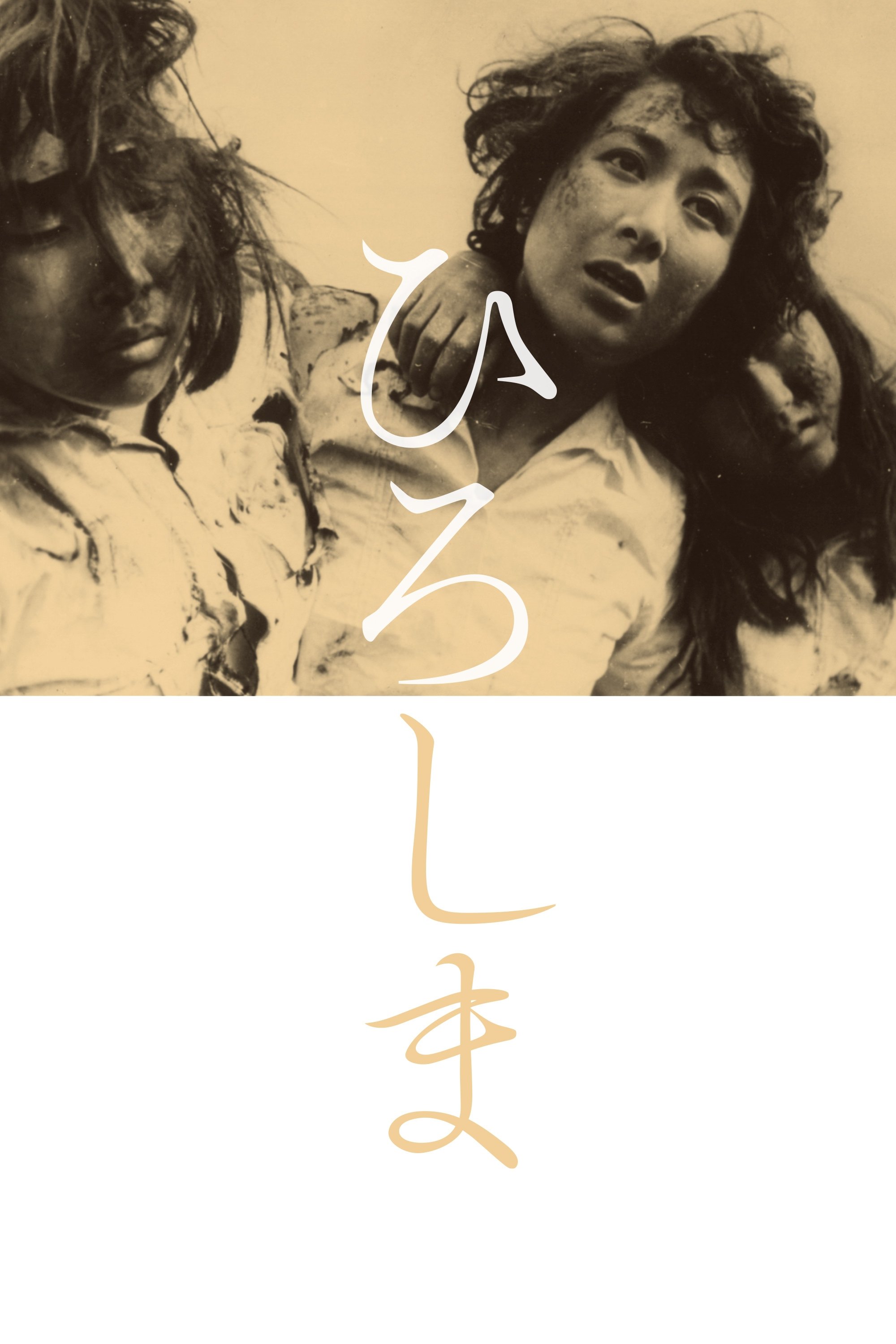
Le film montre le bombardement d'Hiroshima et les terribles conséquences de la détonation d'une bombe atomique sur des humains pour la première fois dans l'histoire.
1953
Réalisation
1952
Réalisation
1951
Réalisation
1950
Réalisation
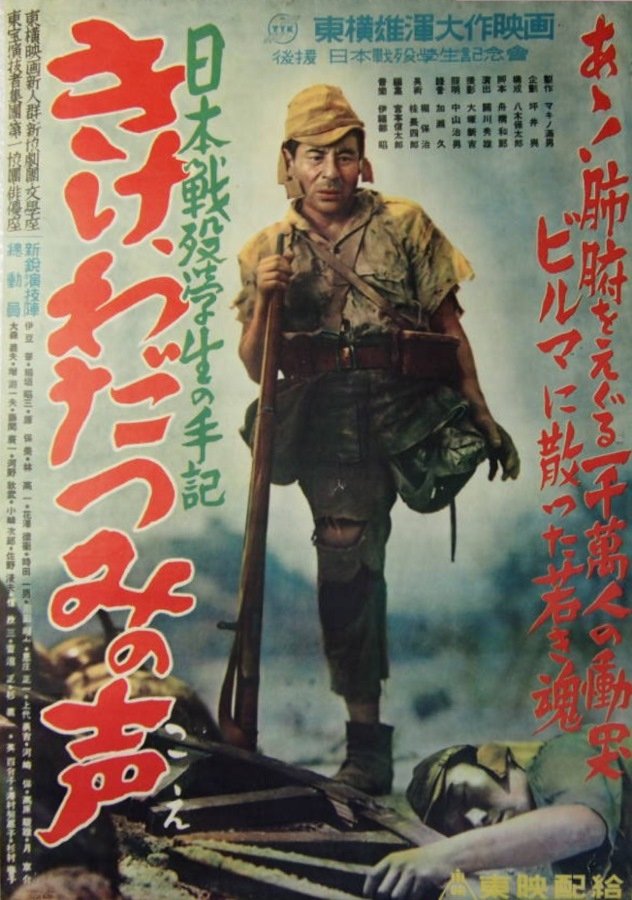
Ce film est fortement marqué par son opposition à la guerre. Le scénario est basé sur la collection d'écrits d'étudiants soldats japonais morts pendant la Seconde Guerre mondiale. L'action se déroule en Birmanie. On y voit les problèmes quotidiens des soldats en contraste avec leurs idées et le cynisme de leurs commandants. Les soldats sont également victimes de brimades de la part de leurs commandants.
1950
Réalisation
1948
Réalisation
1947
Réalisation
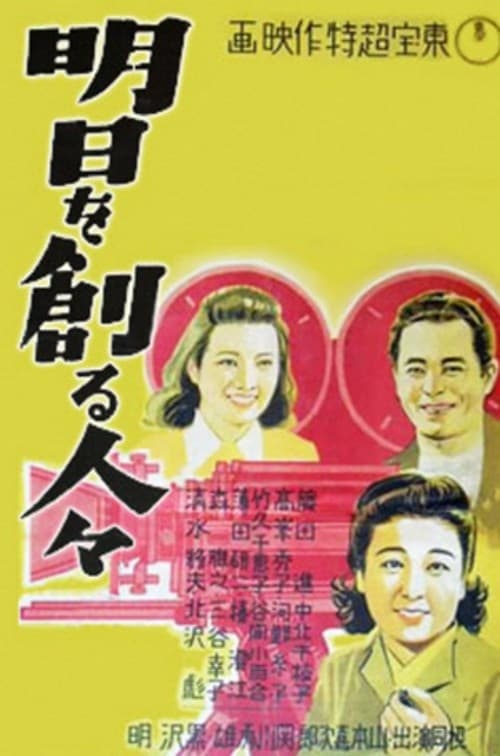
Deux sœurs, l'une danseuse, l'autre superviseur de scripts, s'engagent par soutien dans un mouvement syndical. Le père des deux jeunes filles n'approuve pas leur engagement, jusqu'au jour où il perd lui-même son emploi…
1946
Réalisation
Réalisation