10,0
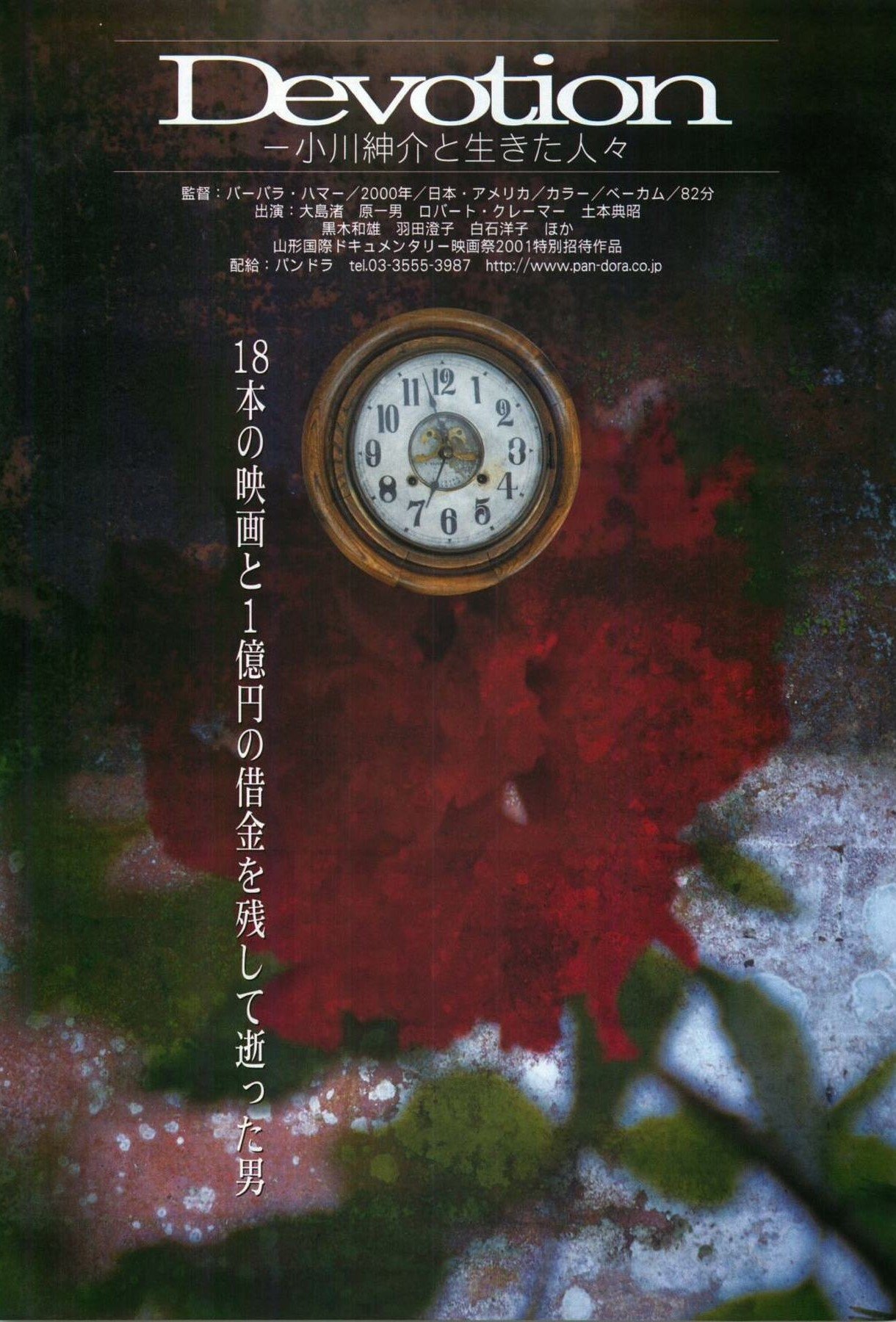
Devotion: A Film About Ogawa Productions
2002
Réalisation
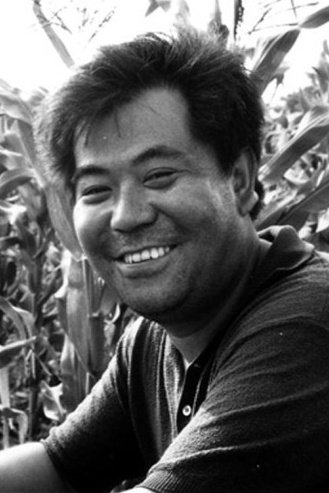
Shinsuke Ogawa (小川紳介, Ogawa Shinsuke) (25 June 1935 - 7 February 1992) was a Japanese documentary film director. Ogawa and Noriaki Tsuchimoto have been called the "two figures [that] tower over the landscape of Japanese documentary."
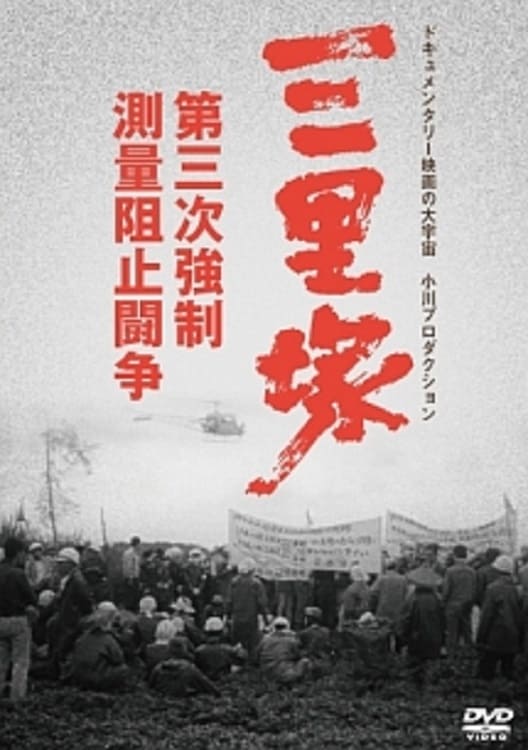
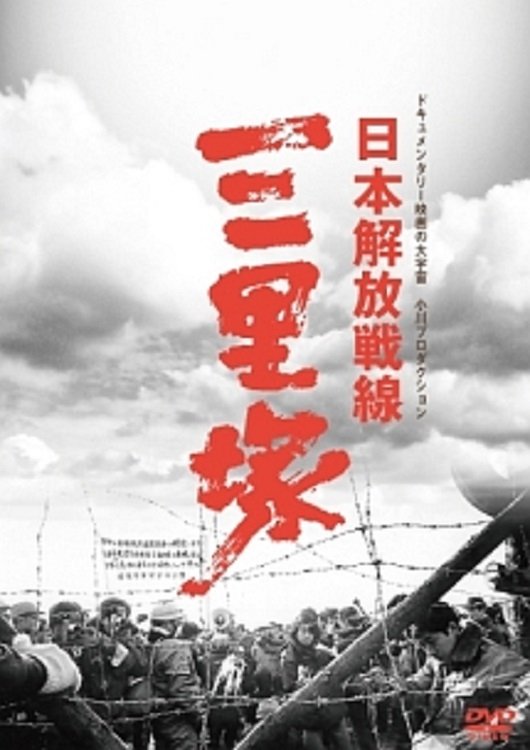
Ogawa began his career at Iwanami Productions (Iwanami Eiga) making PR (public relations) films alongside other important directors such as Tsuchimoto, Kazuo Kuroki, Yōichi Higashi, and Susumu Hani. Turning independent, he first made documentaries about radical political movements in 1960s and 1970s Japan, most famously the "Sanrizuka" or "Narita" series, which recorded the struggle by farmers and student protesters to prevent the construction of the Narita International Airport in Sanrizuka, Chiba Prefecture. He won the Directors Guild of Japan New Directors Award for Summer in Narita in 1970.
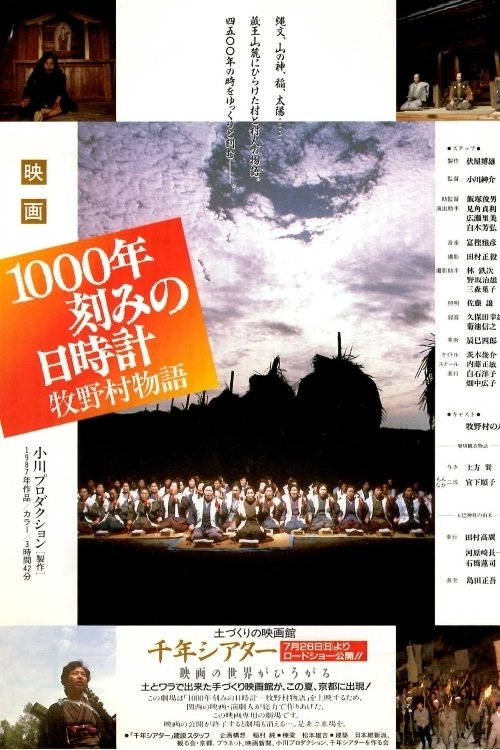
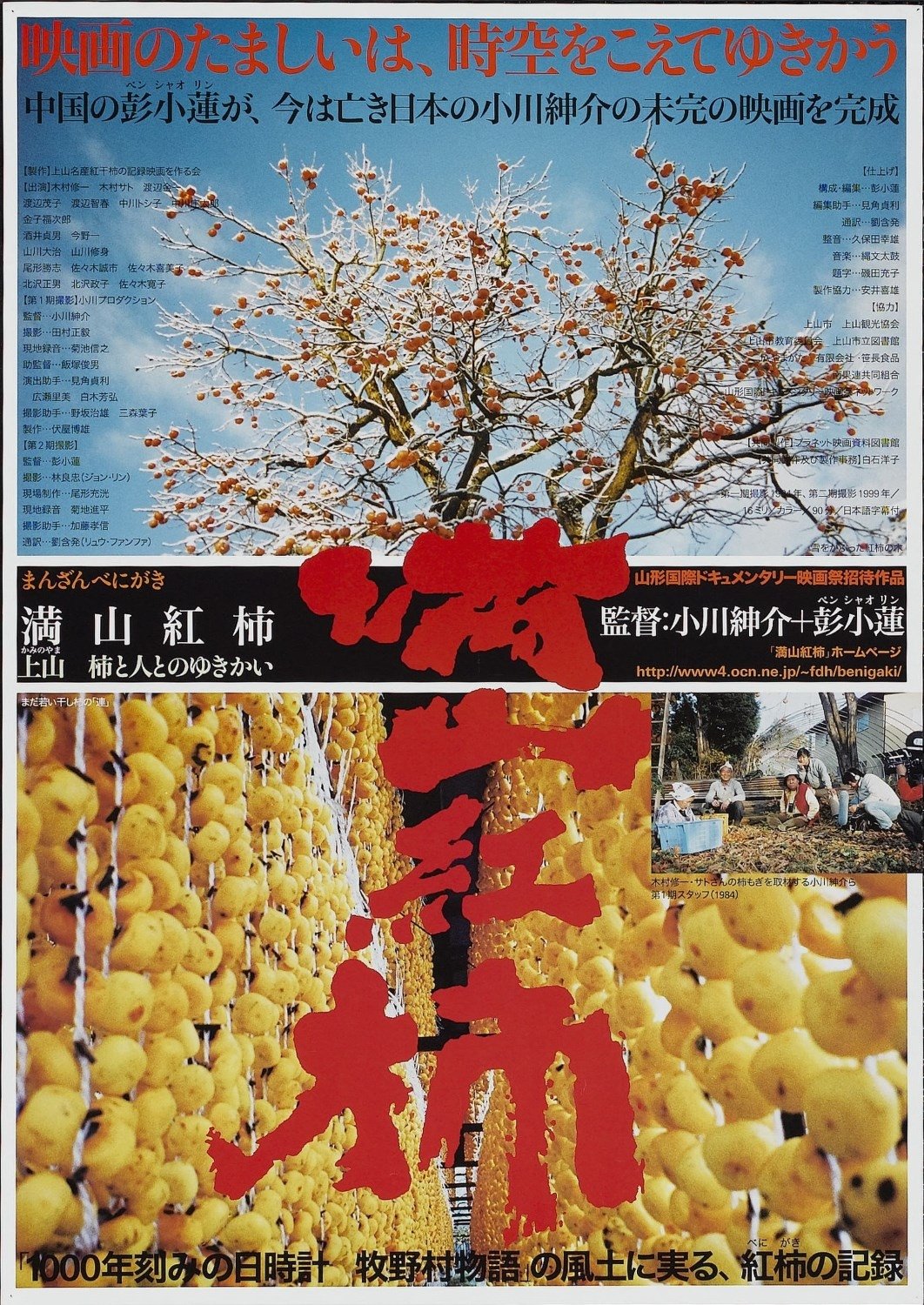
Ogawa's was a committed form of documentary, which clearly took the side of those combatting unjust power. A growing sense that he did not understand the life of the farmers he was filming, however, led Ogawa and his crew, collectively called Ogawa Productions, to leave for Magino in Yamagata Prefecture where they spent decades filming the life and histories of everyday farmers while living with them and pursuing agriculture. He often worked with the cinematographer Masaki Tamura. The "Magino" films became the epitome of Ogawa's stance towards documentary: that one can only record a reality that one has been truly immersed in. Ogawa was influential in the creation of the Yamagata International Documentary Film Festival, where the top prize in the Asia program was named after him. The film Devotion by Barbara Hammer is about Ogawa Productions.
2002
Himself
2001
Réalisation
1991
Self

1982
Réalisation

1981
Himself
1978
Production
1977
Réalisation
1977
Réalisation

1976
Réalisation
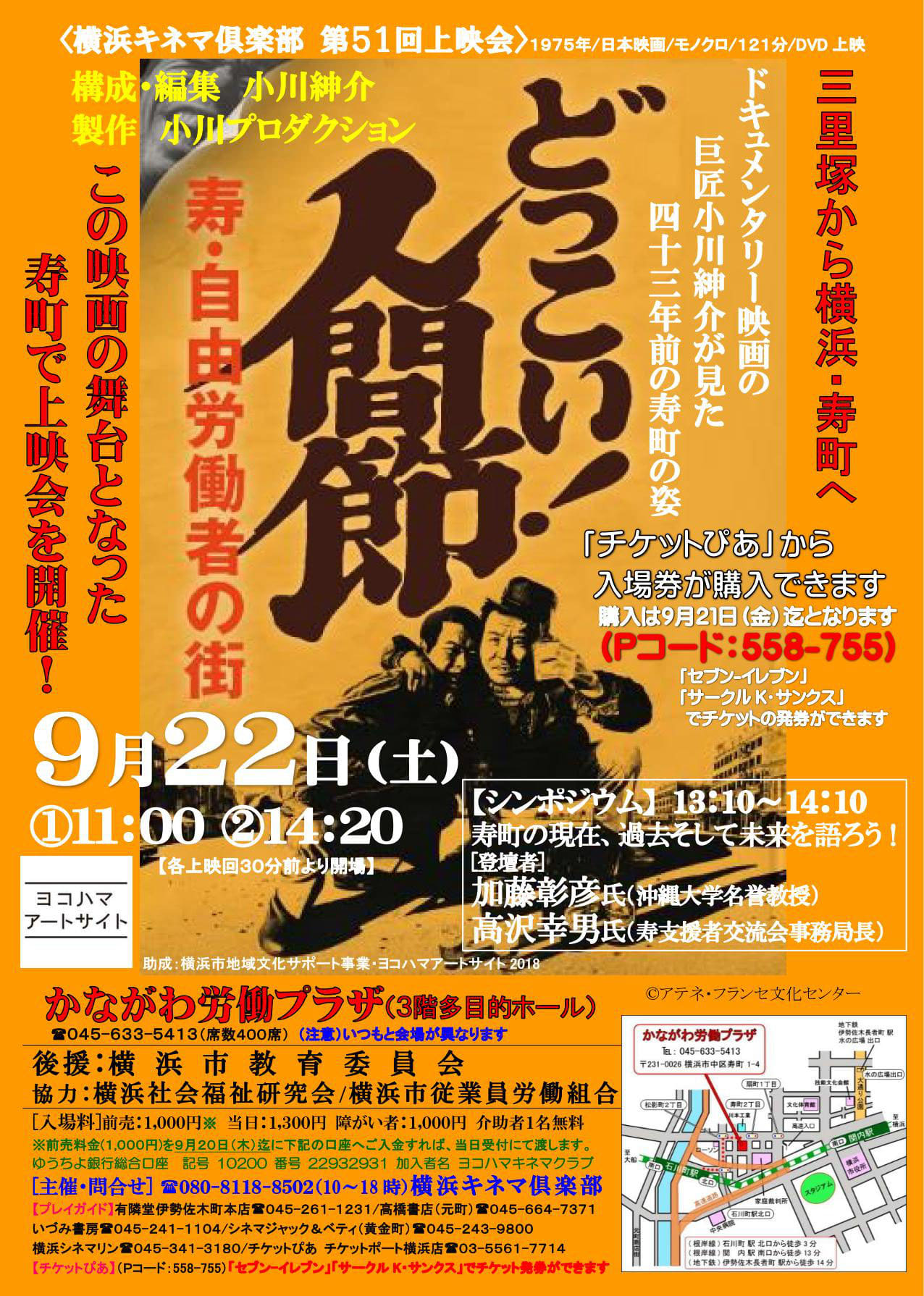
1975
Réalisation
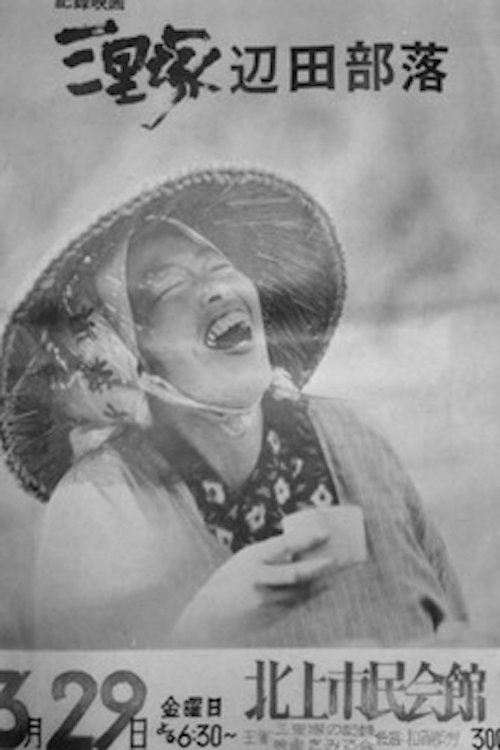
1973
Narrator
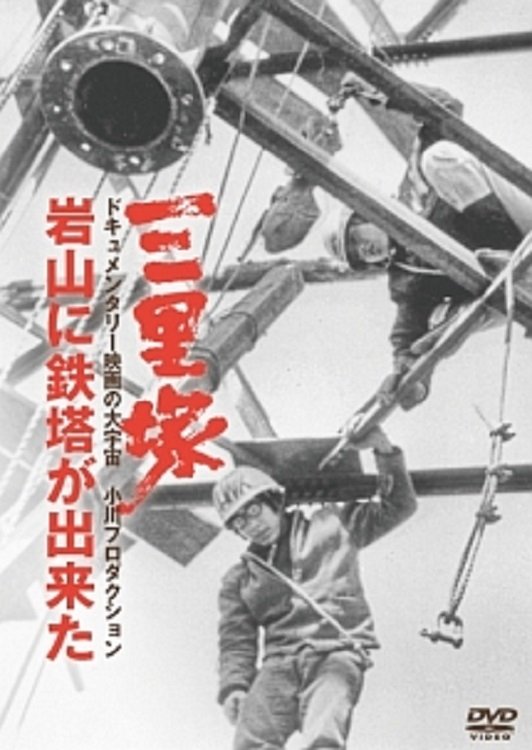
1972
Réalisation
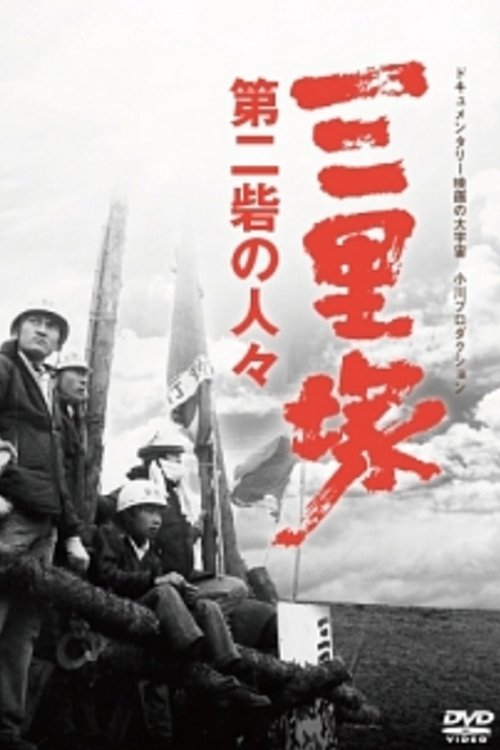
1971
Réalisation
1970
Réalisation
1970
Réalisation
1967
Réalisation
1967
Réalisation
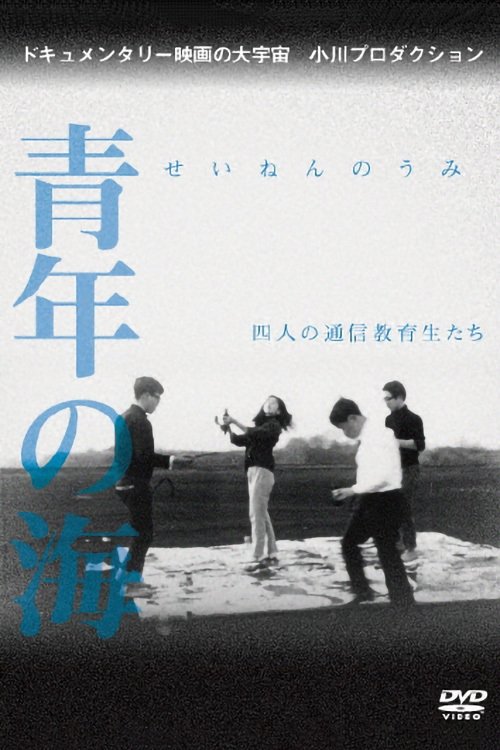
Le premier film indépendant d’Ogawa, La Mer de la jeunesse, a été réalisé en collaboration avec un groupe de quatre étudiants suivant des cours par correspondance alors qu’ils organisaient un comité de lutte en faveur de l’égalité des droits au sein du système éducatif national. Le film, qui donne la parole à cette jeunesse marginalisée, symbolise la vague des luttes émancipatrices du mouvement étudiant japonais durant la seconde moitié des années 1960.
1966
Réalisation
1958
Production
1957
Production